- English
- French
- German
- Portuguese
- Spanish
- Russian
- Japanese
- Korean
- Arabic
- Greek
- German
- Turkish
- Italian
- Danish
- Romanian
- Indonesian
- Czech
- Afrikaans
- Swedish
- Polish
- Basque
- Catalan
- Esperanto
- Hindi
- Lao
- Albanian
- Amharic
- Armenian
- Azerbaijani
- Belarusian
- Bengali
- Bosnian
- Bulgarian
- Cebuano
- Chichewa
- Corsican
- Croatian
- Dutch
- Estonian
- Filipino
- Finnish
- Frisian
- Galician
- Georgian
- Gujarati
- Haitian
- Hausa
- Hawaiian
- Hebrew
- Hmong
- Hungarian
- Icelandic
- Igbo
- Javanese
- Kannada
- Kazakh
- Khmer
- Kurdish
- Kyrgyz
- Latin
- Latvian
- Lithuanian
- Luxembou..
- Macedonian
- Malagasy
- Malay
- Malayalam
- Maltese
- Maori
- Marathi
- Mongolian
- Burmese
- Nepali
- Norwegian
- Pashto
- Persian
- Punjabi
- Serbian
- Sesotho
- Sinhala
- Slovak
- Slovenian
- Somali
- Samoan
- Scots Gaelic
- Shona
- Sindhi
- Sundanese
- Swahili
- Tajik
- Tamil
- Telugu
- Thai
- Ukrainian
- Urdu
- Uzbek
- Vietnamese
- Welsh
- Xhosa
- Yiddish
- Yoruba
- Zulu
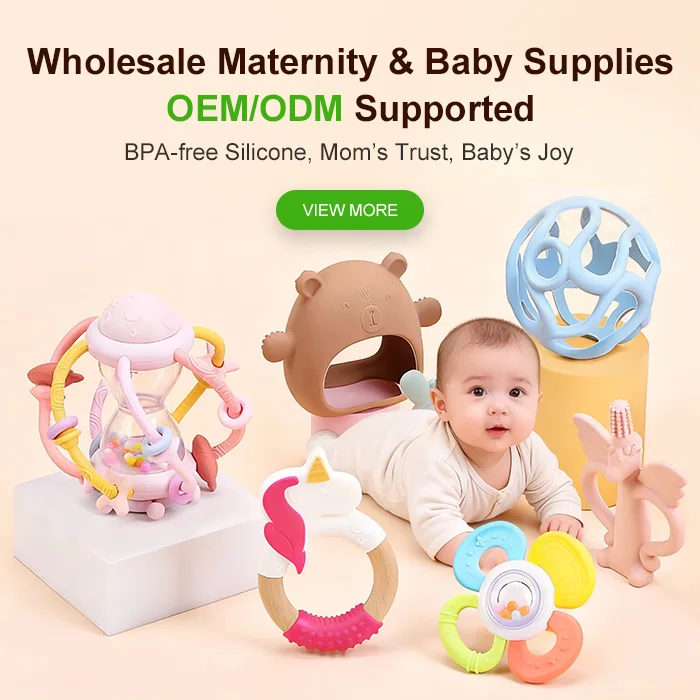
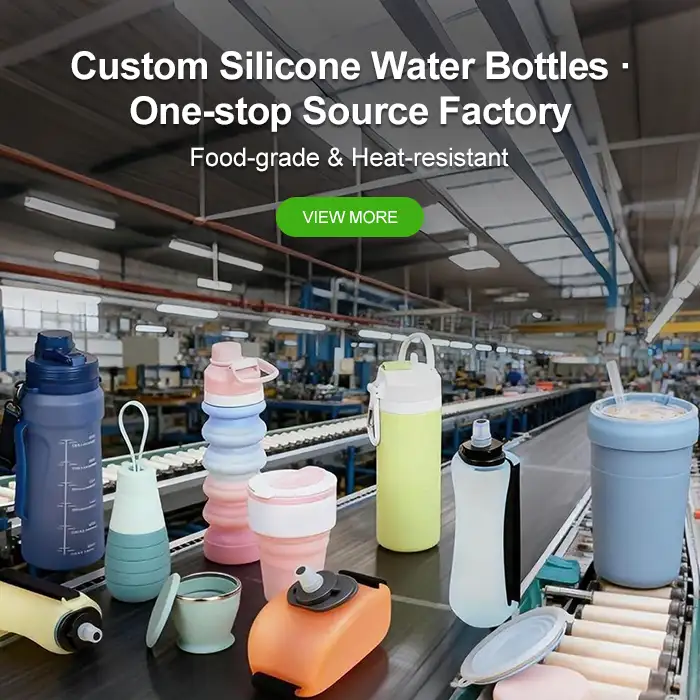
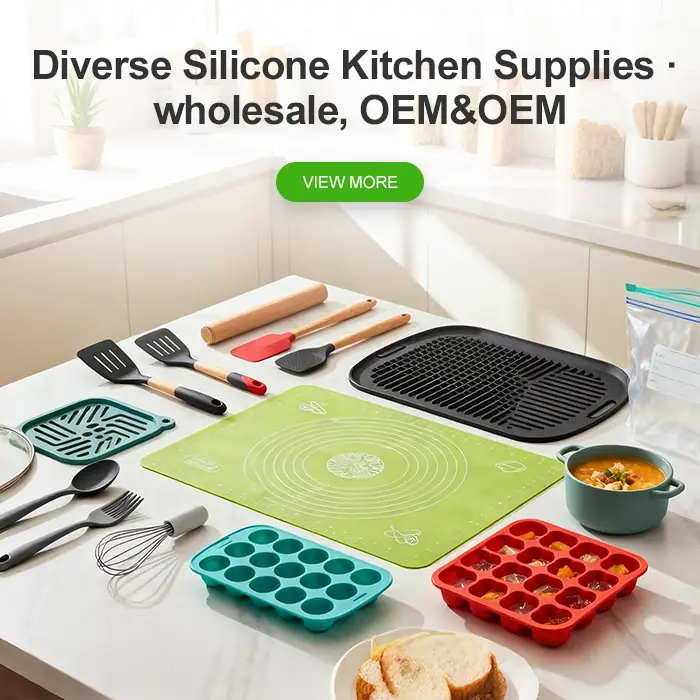



Professional Silicone Goods Supplier
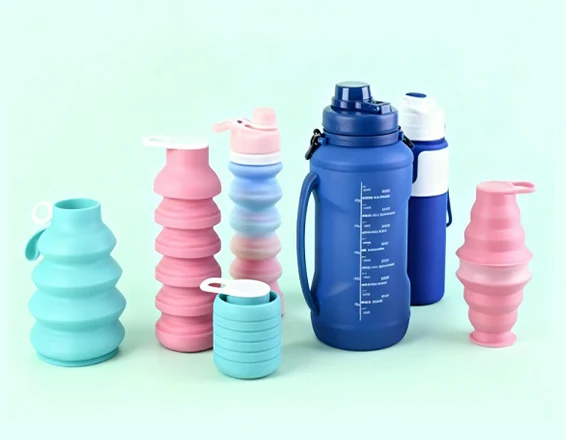
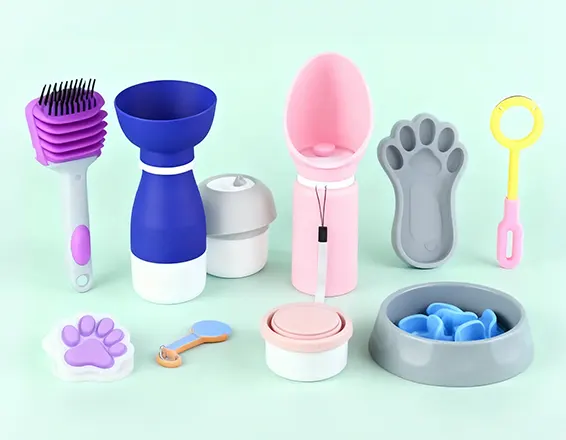
OUR SILICONE PRODUCT CATEGORIES
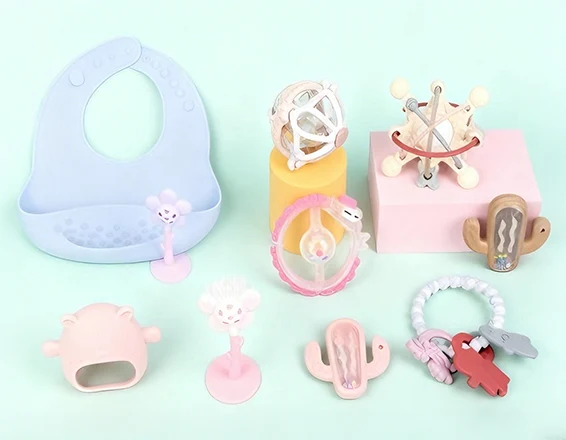
WHAT GLOBAL CUSTOMERS SAY ABOUT OUR SILICONE FACTORY
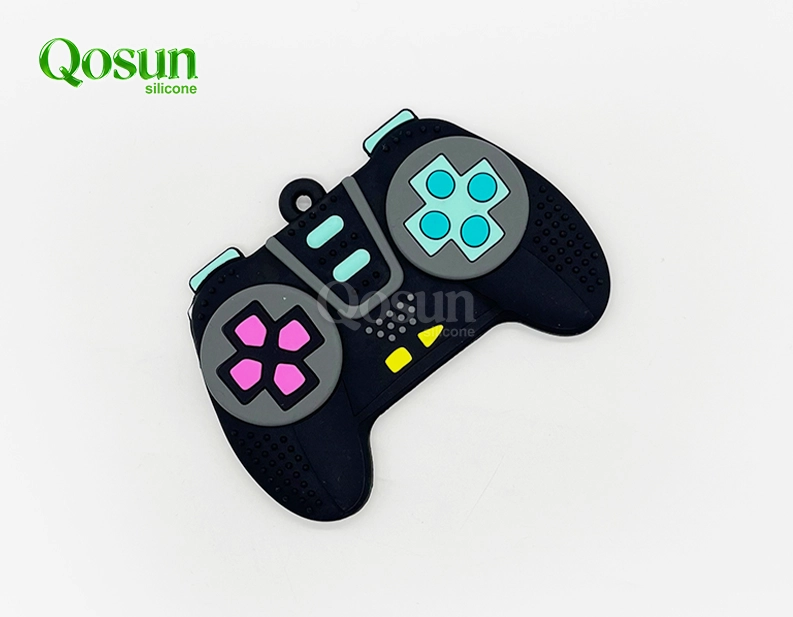
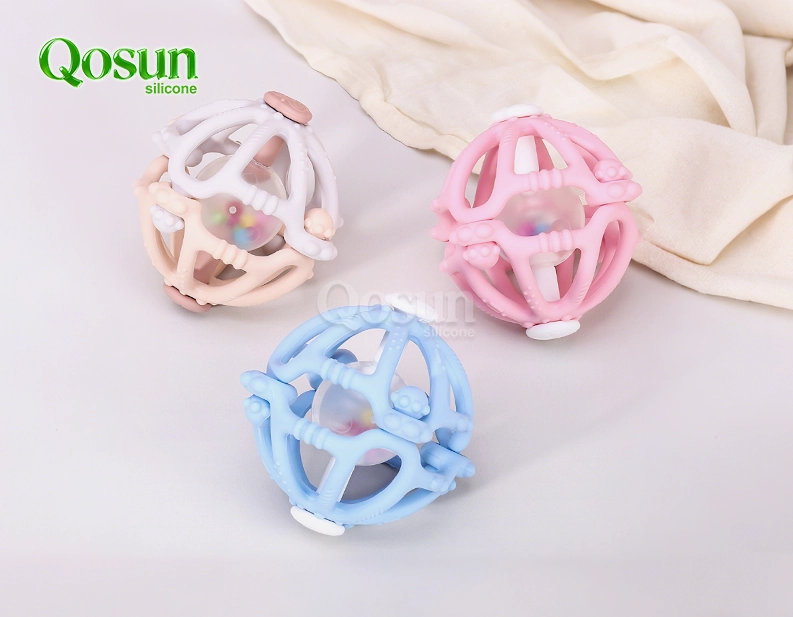
Product Recommendations
SILICONE INDUSTRY NEWS & PRODUCT INSIGHTS

The silicone household products sector continues to grow strongly in 2025 as consumers increasingly choose modern, durable, and eco friendly alternatives to traditional kitchen and home goods. Market research reports forecast that the silicone household category will exceed 4.5 billion USD in 2025, supported by a compound annual growth rate of about 6 to 7 percent through 2033. This upward trend reflects changing lifestyles, a rising focus on home improvement, and the superior performance of silicone materials.
Silicone has gained popularity due to its high heat resistance, non stick properties, long lifespan, and excellent flexibility. Compared with plastic, metal, or wood, silicone is easier to clean, more resistant to wear, and capable of withstanding both hot and cold temperatures. As a result, common household silicone products such as trivets, coasters, baking mats, cooking utensils, food containers, and reusable kitchen accessories are becoming everyday essentials. Consumers appreciate their convenience, comfort, and ability to simplify domestic tasks.
Another major driver of market expansion is the global trend toward sustainable living. Reusable silicone bakeware, food storage bags, and kitchen mats help reduce single use plastics, aligning with eco friendly lifestyles. Manufacturers are responding by using higher purity, platinum cured silicone to ensure safety and durability, while also improving product elasticity and surface finish. This combination of sustainability and functionality makes silicone products appealing to environmentally conscious consumers.
The industry is also benefiting from creative and aesthetic product design. Silicone trivets and coasters shaped like fried eggs, cartoon characters, geometric patterns, flowers, and abstract art attract younger buyers looking to personalize their home spaces. Silicone’s flexibility allows manufacturers to create unconventional shapes and textures, merging practicality with decoration. This design freedom enhances brand competitiveness and keeps the market dynamic.
E commerce continues to redefine the sales landscape. Online stores allow consumers to discover new silicone household products from around the world, compare prices instantly, and access custom factory services. Many manufacturers now provide OEM and ODM solutions for branding, packaging, and product customization, which has increased global cooperation opportunities. Retailers benefit from lower inventory risks and broader product variety, further accelerating the market’s growth through digital channels.
Despite these positive developments, challenges remain in the raw material supply chain. Premium silicone requires complex processing and higher quality control standards, leading to increased production costs. Additionally, fluctuations in global raw material prices and evolving environmental regulations affect manufacturing stability. Nevertheless, market potential remains strong as consumer behavior continues to favor healthier, more durable, and more creative home solutions.
Looking ahead, manufacturers that combine strong production capability with innovation, sustainability, and customization are expected to lead the market. As home organization, cooking activities, and lifestyle aesthetics continue to rise in importance worldwide, silicone household products are well positioned to maintain their upward trajectory. The years ahead offer promising opportunities for brands and suppliers who can deliver high quality, eco friendly, and well designed silicone goods that meet modern consumer expectations.
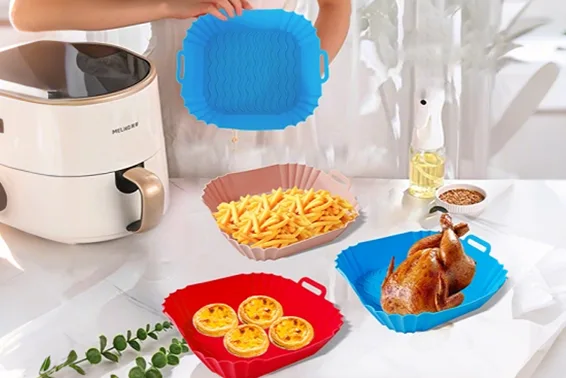
The silicone household products sector continues to grow strongly in 2025 as consumers increasingly choose modern, durable, and eco friendly alternatives to traditional kitchen and home goods. Market research reports forecast that the silicone household category will exceed 4.5 billion USD in 2025, supported by a compound annual growth rate of about 6 to 7 percent through 2033. This upward trend reflects changing lifestyles, a rising focus on home improvement, and the superior performance of silicone materials.
Silicone has gained popularity due to its high heat resistance, non stick properties, long lifespan, and excellent flexibility. Compared with plastic, metal, or wood, silicone is easier to clean, more resistant to wear, and capable of withstanding both hot and cold temperatures. As a result, common household silicone products such as trivets, coasters, baking mats, cooking utensils, food containers, and reusable kitchen accessories are becoming everyday essentials. Consumers appreciate their convenience, comfort, and ability to simplify domestic tasks.
Another major driver of market expansion is the global trend toward sustainable living. Reusable silicone bakeware, food storage bags, and kitchen mats help reduce single use plastics, aligning with eco friendly lifestyles. Manufacturers are responding by using higher purity, platinum cured silicone to ensure safety and durability, while also improving product elasticity and surface finish. This combination of sustainability and functionality makes silicone products appealing to environmentally conscious consumers.
The industry is also benefiting from creative and aesthetic product design. Silicone trivets and coasters shaped like fried eggs, cartoon characters, geometric patterns, flowers, and abstract art attract younger buyers looking to personalize their home spaces. Silicone’s flexibility allows manufacturers to create unconventional shapes and textures, merging practicality with decoration. This design freedom enhances brand competitiveness and keeps the market dynamic.
E commerce continues to redefine the sales landscape. Online stores allow consumers to discover new silicone household products from around the world, compare prices instantly, and access custom factory services. Many manufacturers now provide OEM and ODM solutions for branding, packaging, and product customization, which has increased global cooperation opportunities. Retailers benefit from lower inventory risks and broader product variety, further accelerating the market’s growth through digital channels.
Despite these positive developments, challenges remain in the raw material supply chain. Premium silicone requires complex processing and higher quality control standards, leading to increased production costs. Additionally, fluctuations in global raw material prices and evolving environmental regulations affect manufacturing stability. Nevertheless, market potential remains strong as consumer behavior continues to favor healthier, more durable, and more creative home solutions.
Looking ahead, manufacturers that combine strong production capability with innovation, sustainability, and customization are expected to lead the market. As home organization, cooking activities, and lifestyle aesthetics continue to rise in importance worldwide, silicone household products are well positioned to maintain their upward trajectory. The years ahead offer promising opportunities for brands and suppliers who can deliver high quality, eco friendly, and well designed silicone goods that meet modern consumer expectations.