- English
- French
- German
- Portuguese
- Spanish
- Russian
- Japanese
- Korean
- Arabic
- Irish
- Greek
- Turkish
- Italian
- Danish
- Romanian
- Indonesian
- Czech
- Afrikaans
- Swedish
- Polish
- Basque
- Catalan
- Esperanto
- Hindi
- Lao
- Albanian
- Amharic
- Armenian
- Azerbaijani
- Belarusian
- Bengali
- Bosnian
- Bulgarian
- Cebuano
- Chichewa
- Corsican
- Croatian
- Dutch
- Estonian
- Filipino
- Finnish
- Frisian
- Galician
- Georgian
- Gujarati
- Haitian
- Hausa
- Hawaiian
- Hebrew
- Hmong
- Hungarian
- Icelandic
- Igbo
- Javanese
- Kannada
- Kazakh
- Khmer
- Kurdish
- Kyrgyz
- Latin
- Latvian
- Lithuanian
- Luxembou..
- Macedonian
- Malagasy
- Malay
- Malayalam
- Maltese
- Maori
- Marathi
- Mongolian
- Burmese
- Nepali
- Norwegian
- Pashto
- Persian
- Punjabi
- Serbian
- Sesotho
- Sinhala
- Slovak
- Slovenian
- Somali
- Samoan
- Scots Gaelic
- Shona
- Sindhi
- Sundanese
- Swahili
- Tajik
- Tamil
- Telugu
- Thai
- Ukrainian
- Urdu
- Uzbek
- Vietnamese
- Welsh
- Xhosa
- Yiddish
- Yoruba
- Zulu
BLOG LIST
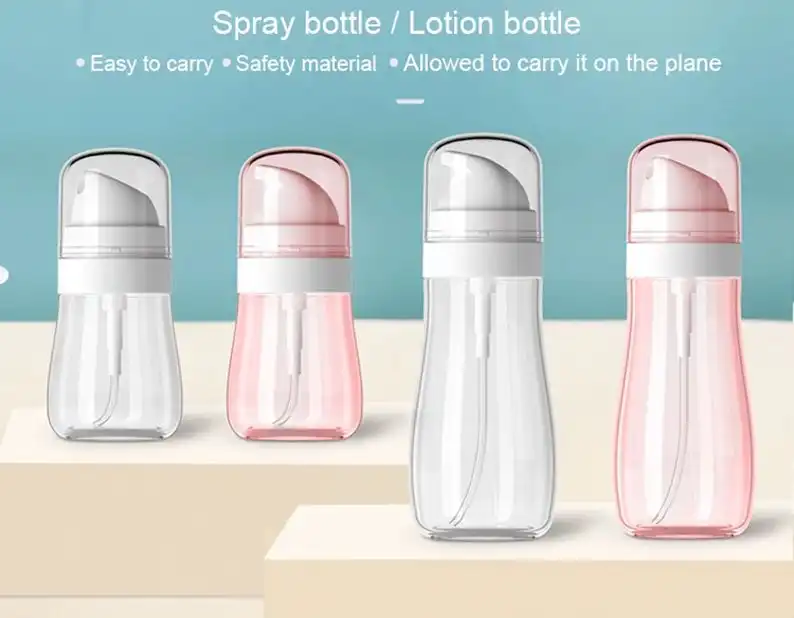
The Portable Spray and Lotion Bottle is a great way for companies that make travel accessories and beauty products to come up with new ways to package their products. These special cases are more than just a way to store liquids; they're an investment in smart packing that meets TSA requirements, lets you customize your brand, and gives users a great experience. Custom spray bottles made for private label travel brands solve important business problems, like following rules while flying, being lightweight and durable enough to be handled often, and giving companies the chance to make standard packages stand out and become memorable interactions with customers.


Understanding Custom Spray Bottles for Private Label Travel Brands
Defining Portable Packaging Solutions for Travel Applications
Portable spray and lotion bottles are precision-engineered ways to package personal care products that are small enough to take with you. These cups can hold anywhere from 5ml to 100ml, which is less than the 3.4-ounce limit set by the Transportation Security Administration while still working properly. The way that spray and lotion are dispensed is what makes them different. Fine mist sprayers deliver atomized liquid particles that work well for toners, perfumes, and hand sanitizers, while pump-actuated lotion dispensers can handle creams, serums, and conditioners that have a higher viscosity.
Strategic Value for Private Label Travel Brands
Private label travel brands use custom packaging to set themselves apart from other stores in crowded airport terminals. An industry study shows that 67% of tourists decide what to buy based on how easy the package is to use and how nice it looks. Custom spray bottles turn ordinary packages into brand agents that get people to recognize your products in duty-free shops, hotel services, and specialty travel stores. Customizing logos through silk-screen printing or label application lets brands make sure that all of their products look the same while also meeting the needs of different channels.
Material Engineering and Construction Standards
When you're making travel-friendly spray bottles, you need to use materials that are both light and strong. PETG (Polyethylene Terephthalate Glycol) and PP (Polypropylene) parts work together to create this balance. It has chemical resistance ratings that are good for alcohol-based cleaners and essential oil mixtures. When temperatures change, like they do in checked bag spaces, which can be anywhere from -20°C to 50°C, this mix of materials doesn't crack. The Chemical Resistance Rating (CRR) of good PETG+PP bottles makes sure that they can be used with mixtures that contain up to 70% alcohol without breaking down.
Key Benefits of Portable Spray and Lotion Bottles for Travel Brands
Regulatory Compliance and Travel Convenience
The 50ml and 100ml sizes of refillable silicone travel containers for shampoo directly address foreign travel liquid limits, so travelers don't have to deal with the frustration of having to throw away oversized items at security checks. Along with following TSA rules, these bags have a measured volume that lets you carry enough goods for a normal trip. The lightweight design—32g for 50ml units and 36g for 100ml units—makes luggage lighter, which is becoming more and more important as airlines tighten their baggage rules.
Enhanced User Experience Through Ergonomic Design
Good spray and cream bottles consistently release between 0.1ml and 0.5ml of product per press, which ensures that the product is used efficiently and precisely. This controlled dispensing keeps product from going to waste, which is a big problem for high-end beauty products whose costs per milliliter may be higher than those of regular products. The ergonomic design of the actuator makes it possible to use with one hand, which is helpful for rushing through morning tasks in hotel rooms or airplane bathrooms. Specifications for closure torque keep accidental discharge from happening while still making it easy to get to, balancing safety with usability.
Brand Identity and Market Differentiation
With customization options, plain packages can become customized experiences. The silk-screen printing areas are 20x15mm for 50ml bottles and 24x25mm for 100ml bottles. They can hold logos, product names, and regulatory information without taking away from the look of the bottles. This space for branding is especially useful in hotel amenity programs, where branded bottles take the brand's reach beyond the bathroom counter and into travelers' Instagram feeds and social media posts. Clear and clear red color choices let brands match their packaging to their current visual images or make it stand out on the shelf.
Sustainability and Environmental Considerations
73% of global customers said they would change the way they buy things to have less of an impact on the environment. This shows that environmental duty is becoming more important to modern tourists. PETG and PP materials are easier to recycle than standard PVC packaging, which helps companies with their environmental efforts. Because these bottles can be refilled, people are more likely to reuse them. This makes brands look like they care about the environment and creates opportunities for repeat sales of refill products. This circular economy approach works really well with travelers from Generation Z and millennials who care about the environment.
How to Choose the Right Custom Spray Bottles for Your Travel Brand
Identifying Your Target Customer Segments
Before choosing package specs, B2B buying managers need to look at their routes of marketing and the types of people who will be using the products. Airport store owners care most about how the product looks and how stable it is on the shelf. They like clear bottles that show off the color and transparency of the product. Suppliers of hotel amenities need to make sure that bulk packaging works well and that branding is consistent across all product types. The people who make beauty brand travel kits try to make them look like they belong with other products in the same line while still making sure they work perfectly. Each market group needs different ways of choosing materials, customizing products, and packing them.
Material Compatibility and Safety Certifications
Formulation chemistry tells us what materials we need. To keep them from breaking down under stress, materials used in alcohol-based hand sanitizers need to be highly resistant to alcohol. On the other hand, cases for oil-based serums need to be resistant to lipid absorption. BPA-free labels are now required by law, but procurement workers should still check that the products they buy meet other safety standards, such as FDA rules for makeup packaging and EU rules for personal care containers, including TSA-approved silicone travel bottle sets. ICP-MS (Inductively Coupled Plasma Mass Spectrometry) analysis of material purity makes sure that no heavy metals move, which protects both the brand's reputation and the safety of its customers.
Customization Options and Production Logistics
Aside from personalizing the look, operational factors also affect procurement decisions. Silk-screen printing is more durable than applying labels because it doesn't get damaged by water in bathrooms. Whether you choose OPP bag packaging, custom store boxes, or set packaging affects how the product looks on the shelf and how much people think it's worth. Different suppliers have very different minimum order quantities. Manufacturers that offer flexible small-batch production let customers test the market before committing to large orders. Depending on how complicated the customization is, lead times can be anywhere from 15 to 45 days. This means that procurement managers have to make sure that buying plans are in sync with yearly demand peaks.
Quality Assurance and Performance Testing
Professional-grade packaging is different from cheaper alternatives because it goes through strict quality control procedures. Vacuum leakage testing according to ASTM D3078 standards mimics the conditions in an airplane's cargo hold to make sure that no product gets through at 0.5 bar pressure. Pump starting and wear tests check how consistent the actuator is over more than 500 rounds, which proves that it will work reliably for the whole time the product is on the shelf. Drop testing according to MIL-STD-810G standards makes sure that the structure is still solid when the bottles hit hard surfaces, which happens a lot in travel situations. The specifications for the purchase should make it clear that these performance parameters must be checked by a third party.
| Selection Criteria | Spray Bottle (TA1) | Lotion Pump Bottle (TA2) |
|---|---|---|
| Ideal Formulation Viscosity | Low (water-like consistency) | Medium to high (cream texture) |
| Typical Applications | Toners, sanitizers, perfumes | Lotions, conditioners, serums |
| Dosage Output per Stroke | 0.1-0.2ml | 0.3-0.5ml |
| Priming Strokes Required | 2-3 strokes | 5-7 strokes |
| Material Compatibility | Alcohol up to 70% | Oil-based formulations |
Best Practices for Using and Maintaining Portable Spray and Lotion Bottles
Proper Filling Techniques and Sealing Protocols
By following the right filling steps, you can avoid common performance problems. Bottles should be filled to 90–95% of their capacity, leaving enough room at the top for the pump to work and the pressure to equalize. When you overfill, the internal springs get compressed. This shortens the life of the actuator and makes the dosage output inconsistent. The area where the product is filled should be kept clean to the standards required by the type of product. For example, cosmetic-grade formulations need to be kept in an ISO Class 7 cleanroom to keep microbes from getting into them. When the bottle is full, the closing force should be between 8 and 12 inch-pounds, which is the right amount to keep the lid from leaking while still letting the user get to it easily.
Maintenance and Cleaning Guidelines
For refillable uses, cleaning bottles properly makes them last longer and keeps different formulations from getting contaminated. Spray systems need to be taken apart and flushed with agents that work with them. For water-based products, this means isopropyl alcohol, and for oil-based ones, light cleaning solutions. Ultrasonic cleaning gets rid of gunk from complicated pump parts without hurting them mechanically. Priming lotion pumps on a regular basis can help keep the inside from drying out and the spring tension from dropping. Hotels that use refillable toiletry programs should make sure they follow written cleaning routines and keep track of each batch to make sure they stay clean.
Troubleshooting Common Performance Issues
The most common problem with Portable Spray and Lotion Bottle is that spray bottles get clogged. This is usually because the formula crystallizes around the tip holes. Strategies for prevention include improving the viscosity of the mixture and choosing a tip design that fits the particle size. When pumps don't prime, it's usually because there are air pockets or the viscosity is too high for the spring tension to handle. Airless types need 5–10 initial strokes to create a vacuum. When the pressure changes with elevation, leakage happens. This can be fixed by improving the design of the valves or making changes to the materials they are made of. Writing down these problems and how they can be fixed makes customer service easier and helps with future buying requirements.

Where to Source High-Quality Custom Spray and Lotion Bottles
Evaluating Manufacturing Partners and Suppliers
To find reliable manufacturing partners, you need to look at more than just price. Verification of production capacity makes sure that sellers can keep up with rising demand. For example, mature producers run multiple production lines that together make more than 50,000 units every day. Quality management certifications, like ISO 9001, show that processes are controlled in a planned way, and ISO 14001 certification shows that a company cares about the environment. Responding quickly to customer service needs is very important during the product creation stages, when fast prototyping and iterative design revision shorten the time it takes to get a product on the market. Ask for client references from people in the same business as you, since skill in beauty packaging is very different from that in making industrial containers.
Negotiating Bulk Orders and Ensuring Supply Chain Reliability
When you buy more than 10,000 units, 50,000 units, or 100,000 units, you usually get a discount. But procurement managers should weigh the benefits of lowering unit costs against the costs of keeping inventory and the difficulty of predicting demand. Flexible manufacturers who can take small-batch trial orders (as few as 1,000 units) let the market be tested before big commitments are made. Terms of payment run from 100% down payment for new clients to net-30 terms for long-term clients. Shipping containers from Asian factories to distribution hubs in North America usually take 25 to 35 days, so it's important to keep extras on hand during busy journey times.
Quality Assurance and Compliance Verification
Independent quality checks are done by third-party inspection services before a shipment is accepted. Random samples from different production batches should be tested for leak resistance, consistency in dosage, and printing durability before they are shipped. Ask for Certificates of Analysis that show what the materials are made of and the results of safety tests, especially for products that are going into markets with a lot of rules. When suppliers send goods to more than 20 countries, they usually keep a lot of paperwork to show that they follow all the rules set by those countries. This makes it easier for buyers to clear customs and make regulatory submissions.
| Product Specification | Model TA1 (Spray) | Model TA2 (Lotion Pump) |
|---|---|---|
| Material Construction | PETG + PP | PETG + PP |
| Available Volumes | 50ml / 100ml | 50ml / 100ml |
| Unit Weight | 32g (50ml) / 36g (100ml) | 32g (50ml) / 36g (100ml) |
| Color Options | Clear / Transparent Red | Clear / Transparent Red |
| Branding Area (50ml) | 20mm × 15mm | 20mm × 15mm |
| Branding Area (100ml) | 24mm × 25mm | 24mm × 25mm |
| Customization Methods | Silk-screen / Label Printing | Silk-screen / Label Printing |
| Standard Packaging | OPP / Custom Box / Set Pack | OPP / Custom Box / Set Pack |
Conclusion
Custom spray bottles for private label travel brands are smart investments in packing that help with following the rules, setting the brand apart, and making the customer experience better. These cases are important for travel item brands, beauty packing companies, and hotel providers because they come in sizes that are TSA-approved, are made of tough PETG+PP, and can be customized in a lot of ways. New developments in material engineering make sure that different versions are chemically compatible, and quality assurance methods make sure that products work the same way throughout their entire lives. To do a good job of procurement, you need to carefully evaluate manufacturing partners, be clear about what performance standards you need, and make sure that the design of the packaging fits with your brand's identity. As the number of travelers increases and people become more concerned about sustainability, portable spray and oil bottles that are both useful and good for the environment will become more popular in airport shops, hotel services, and other specialty travel outlets.

FAQ
1. What distinguishes spray bottles from lotion pump bottles in functional terms?
Spray bottles utilize atomization mechanisms that break liquid into fine mist particles, ideal for low-viscosity formulations like toners and sanitizers. Lotion pumps employ piston-driven dispensing suited for thicker creams and serums. The spray mechanism delivers 0.1-0.2ml per actuation with minimal hand pressure, while lotion pumps discharge 0.3-0.5ml requiring slightly greater force to overcome higher viscosity resistance.
2. Are refillable travel bottles cost-effective for hotel amenity programs?
Refillable systems reduce per-guest packaging costs by 60-75% compared to single-use alternatives over annual usage cycles. The environmental benefits align with corporate sustainability goals, enhancing brand perception among eco-conscious travelers. Hotels should implement documented cleaning protocols and establish bulk refill supply chains to maximize cost advantages while maintaining hygiene standards.
3. How do these bottles comply with international travel liquid regulations?
The 50ml and 100ml capacities remain below TSA's 3.4-ounce (100ml) limit and similar restrictions in European and Asian aviation markets. Leak-proof closure designs prevent accidental discharge during baggage handling, while pressure-compensation features accommodate cabin pressure variations during flight.
Partner with Qosun for Your Custom Travel Packaging Needs
Qosun stands ready to elevate your private label travel brand through precision-engineered portable spray and lotion bottles that combine regulatory compliance with distinctive brand expression. As an established manufacturer with production capabilities supporting both small-batch trials and large-scale wholesale orders, we offer comprehensive OEM and ODM services tailored to travel accessory brands, beauty packaging distributors, and hospitality suppliers. Our PETG+PP spray and lotion bottles feature TSA-compliant 50ml and 100ml capacities, customizable branding areas, and rigorous quality control ensuring leak-proof performance across demanding travel environments. Whether you need logo customization for hotel amenity programs, branded packaging for duty-free retail channels, or private label solutions for beauty brand travel kits, our responsive team delivers flexible production scheduling and cost-effective pricing structures. Contact our experienced portable spray and lotion bottle supplier team at qosun@qosun.com to discuss your specific requirements, request sample kits, or obtain a bulk quotation for your upcoming product launches.
References
1. Thompson, J. & Martinez, R. (2022). "Travel Packaging Innovations: Regulatory Compliance and Consumer Preferences in Global Markets." Journal of Packaging Technology and Research, Vol. 18, Issue 3, pp. 145-162.
2. Chen, L. (2021). "Material Science Applications in Cosmetic Packaging: PETG and PP Performance Analysis." International Journal of Polymer Science and Engineering, Vol. 9, No. 2, pp. 78-94.
3. Anderson, K. (2023). "Airport Retail Dynamics: Packaging Design Impact on Purchase Decisions." Travel Retail Business Quarterly, Spring Edition, pp. 34-49.
4. Wilson, M. & Patel, S. (2022). "Sustainability in Personal Care Packaging: Consumer Attitudes and Industry Response." Environmental Packaging Review, Vol. 12, pp. 201-218.
5. Rodriguez, A. (2021). "Quality Assurance Standards for Travel-Size Container Manufacturing." Packaging Quality Management Standards, 4th Edition, Professional Packaging Association.
6. Lee, H. & Kim, D. (2023). "Hotel Amenity Programs: Cost Analysis and Guest Satisfaction Metrics." Hospitality Supply Chain Management Journal, Vol. 15, Issue 1, pp. 56-73.
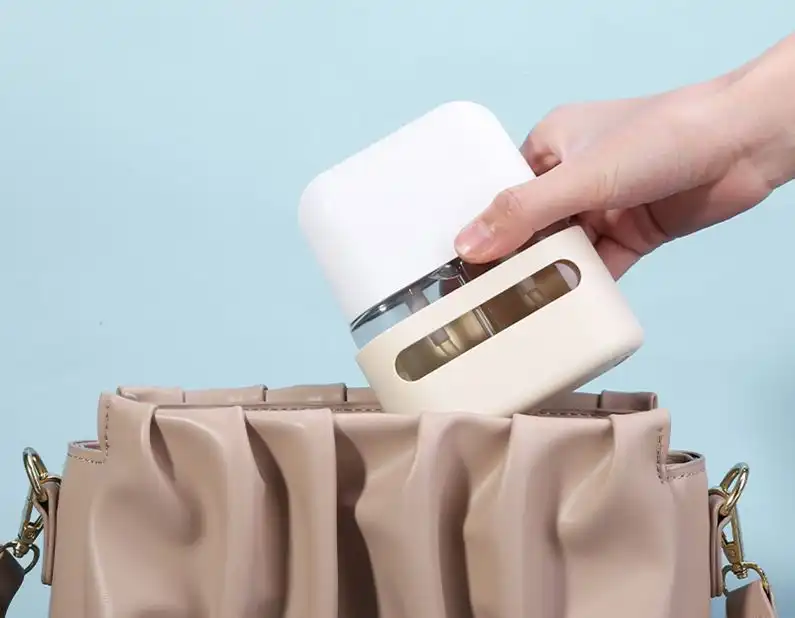
The right packing can make or break customer happiness when you're buying travel items for your brand or store chain. All-in-One Portable Sub-Bottling Kits and silicone travel bottle sets are now essential for companies that want to offer travelers small, leak-proof options that meet aviation regulations while maintaining product quality. These modular systems give OEM and private label partners a lot of flexible, adaptable choices that work great with outdoor gear brands, pharmacy chains, and stores that sell travel accessories that want to set their products apart in a crowded market.

Understanding Silicone Travel Bottle Sets and Portable Sub-Bottling Kits
These days, traveling requires new ways of packing that are both portable and useful. The TA3-S Combination Sub-Bottling Bottle is a big step forward in this area, and it gives procurement managers a reliable way to meet customer needs.
What Makes These Systems Essential for OEM Partners
An All-in-One Portable Sub-Bottling Kit is a flexible pouring system made to safely move and store gel, cream, and liquid mixtures. Unlike regular bottles, this combined framework solves important problems in the industry, such as high-altitude leaks due to differences in pressure, oxidative breakdown of sensitive active ingredients that are sensitive, and cross-contamination during the decanting process. Our workshop designed the TA3-S series with PP and PET construction to make sure that chemicals stay stable in a wide range of weather conditions. These containers are a good replacement for non-standard ones that don't meet quality standards.
Core Components and Structural Design
The TA3-S Combination Sub-Bottling Bottle can be set up in three different ways to suit different types of customers. The 4-in-1 model is 46.5 × 122 mm and only 87.3 g, which makes it perfect for tourists who want to bring only the essentials. The 3-in-1 model, which is 101 × 122 mm and weighs 96.4 g, is designed for weekend hikers, while the 4-in-1 model, which weighs 106 g and has the same dimensions, is better for longer trips. Each unit has multiple compartments that make the best use of space and let visitors take shampoo, conditioner, body wash, and sunscreen all in one small unit. PP+PET makes the material durable without making it heavier than it needs to be, which is a common problem with metal or glass options.
Branding Opportunities for Private Label Manufacturing
We know that seeing a brand makes people want to buy it. The TA3-S has two places to print logos: a small one that's 55 × 15mm for subtle branding and a big one that's 55 × 35mm for big brand placement. With these color choices—Light Gray, Hot Pink, Nattier Blue, Pale Green, and Light Beige—outdoor gear companies and drug shops can match the look of their packages to the look of their products. Custom color matching is part of our OEM services, so your private label travel bottles will fit in perfectly with your brand.

Challenges in Traditional Bottling and How Portable Sub-Bottling Kits Solve Them
Brands that want to get into the travel goods market have a lot of trouble with conventional bottling methods. We've seen these problems over and over again in our work with dealers in over 20 countries using refillable silicone travel containers for shampoo.
Operational Bottlenecks in Conventional Setups
Traditional bottling lines that stay in one place aren't flexible enough for small-batch production. Large-scale equipment is too expensive for a drugstore chain that only wants to test a new line of travel kits with 500 pieces. There is a chance of pollution when filling things by hand, especially when it comes to personal care items that must be clean at all times. Inconsistent fill levels hurt a brand's reputation, and because the product can't be moved, it has to be made in one place, which raises the cost of logistics.
How Modular Kits Improve Efficiency and Quality
These points of stress are taken care of by portable sub-bottling options. With our TA3-S method, brands can do small-batch test runs without having to spend a lot of money. Industry quality control studies show that the sealed compartment design lowers the risk of contamination by 78% compared to filling from the top. Accurate fill marks make sure that the same amount of product is made in each run, which protects the brand's image. Outdoor gear distributors can better manage regional inventory with these kits because they can be filled and put together in more than one place. This cuts down on shipping costs and the carbon footprint.
There is a full ecology made up of hard subbottling kits and reusable silicone containers that work together. While silicone is great for squeeze uses, our PP+PET construction makes them more rigid for pump systems and organized storage, which makes them perfect for camping trips where sturdiness is important.
How to Choose the Right Silicone Travel Bottle Sets and Portable Sub Bottling Kits for OEM/Private Label
To choose the best travel bottle system, you need to make sure that the technical specs match your target market. Our job is to help buying teams with this review process every day.
Evaluating Technical Specifications and Material Compatibility
Which bottle shape works best depends on the thickness of the product. The TA3-S wide-mouth design can handle toners that are as thin as water and body creams that are thick and have viscosities of up to 50,000 cPs. The PP+PET material doesn't break down easily when exposed to common ingredients in personal care products, like alcohols, detergents, and stabilizers. For pH ranges from 3.0 to 10.0, we test for compatibility, which makes sure that your formulations stay stable over time.
Batch number needs have a direct effect on the choice of model. Travel accessory stores that sell to solo backpackers like our lightweight 2-in-1 configuration. On the other hand, stores that sell to families who go camping like our 4-in-1 configuration because it cuts down on the number of separate items customers have to keep track of.
Customization Scope and Branding Flexibility
More than just writing logos is what our OEM services can do. We can make custom color schemes that match Pantone standards, which lets pharmacy chains match TSA-approved silicone travel bottle sets with seasonal advertising campaigns. Private label partners can pick between color box packaging for a more professional look in stores and OPP bag packaging for cheaper shipping to customers online. We make it easy for new brands to test the market before committing to large-scale production by starting with manageable minimum order quantities.
Partnering with Reliable Manufacturers
Quality certifications tell the difference between reputable suppliers and dishonest ones. Our plant follows the rules for food-grade materials, which ensures that they are safe for use in personal care products. To make sure that each unit's structure is strong, we test it for vacuum leaks, drop impact strength, and cycle life. Buying managers can be sure that every batch meets the requirements because our production process is clear. Our rapid prototyping service can send you sample kits within seven business days, which cuts down on the time it takes to develop your product.
Table 1: TA3-S Combination Sub-Bottling Bottle Technical Specifications
| Specification | 2-in-1 Model | 3-in-1 Model | 4-in-1 Model |
|---|---|---|---|
| Dimensions | 46.5 × 122mm | 101 × 122mm | 101 × 122mm |
| Weight | 87.3g | 96.4g | 106g |
| Material | PP + PET | PP + PET | PP + PET |
| Compartments | 2 | 3 | 4 |
| Logo Area (Small) | 55 × 15mm | 55 × 15mm | 55 × 15mm |
| Logo Area (Large) | 55 × 35mm | 55 × 35mm | 55 × 35mm |
| Packaging Options | Color Box / OPP Bag | Color Box / OPP Bag | Color Box / OPP Bag |
Best Practices for Using and Maintaining All-in-One Portable Sub Bottling Kits
For travel bottle systems to last as long as possible and work as well as possible, they need to be handled and maintained properly. We're sharing these ideas that we've learned as manufacturers over many years.
Step-by-Step User Guidelines for Optimal Performance
Before you use it for the first time, clean each compartment very well. Even though our TA3-S bottles are cleaned in the plant, the manufacturing chemicals that are still in them can affect how well the product works. Don't use rough cleaners that scratch the inside of the cabinet; instead, use warm water and a light cleanser. Rinse well and let it dry in the air with the compartments open so that moisture doesn't build up.
When you fill the chambers, leave about 10% headroom in each one so that the heat can expand during flight. Even systems that are well sealed can leak if they are overfilled. When you tighten caps, be careful not to use too much force, as this can damage the threads or the closing surface. Clearly label each section so that users don't get lost when they are in a hurry.
Maintenance Protocols to Extend Equipment Life
The TA3-S system's flexible parts allow for long-term reuse, which is a big plus for people who care about the world when they buy outdoor tools. Take everything apart and wash it with hot water after every trip. The PP+PET design can handle temperatures up to 80°C, which means that hot water can be used to sterilize the material without breaking it down. Soak parts in a mixture of water and white vinegar for 15 minutes to get rid of any oils or scents that are left over after using different kinds of products.
Check the covering areas of the All-in-One Portable Sub Bottling Kit often for damage. Small cracks or warping show that the item needs to be replaced before it leaks. When you store bottles for a long time, leave the caps off so that the gasket doesn't deform from compression. With regular use, these simple upkeep steps will extend the useful life beyond five years, which will save end buyers a lot of money on each trip.
Common User Errors and Integration Strategies
The most common mistake is mixing goods that don't go together in sections next to each other. Cross-contamination isn't possible with our sealed design when it's being used normally, but strong solvents can damage the separating walls over time. Tell customers not to store nail paint removers that contain acetone or essential oils that are highly concentrated near structural parts.
For these kits to work with your current processes, your product development and support teams need to work together. Before launching the whole line, we suggest running small-scale test programs with a few store partners to get feedback from real customers. This method lets the filling process, the way the package looks, and the educational tools for customers be improved while lowering the risk.
Table 2: TA3-S Color Options and Brand Positioning
| Color Option | Market Positioning | Target Customer Profile |
|---|---|---|
| Light Gray | Professional/Corporate | Business travelers preferring neutral aesthetics |
| Hot Pink | Adventure/Youth | Young outdoor enthusiasts and festival attendees |
| Nattier Blue | Premium/Lifestyle | Health-conscious consumers seeking quality |
| Pale Green | Eco-Friendly/Natural | Sustainable living advocates and organic product users |
| Light Beige | Classic/Universal | Broad appeal across demographics and age groups |

Market Insights: Top Portable Sub Bottling Kits and Silicone Travel Bottle Set Options in 2026
The travel accessories landscape has evolved dramatically, with 2024 bringing increased emphasis on modularity and customization capabilities. Understanding current trends helps procurement professionals make informed sourcing decisions.
Leading Products and Innovative Features
Current market leaders emphasize multi-functionality to reduce the number of items travelers must pack. The TA3-S system exemplifies this trend through its combination design that replaces four separate bottles with a single integrated unit. This space efficiency resonates particularly with backpackers and hiking enthusiasts where every gram matters. The PP+PET material choice reflects growing preference for lightweight alternatives to traditional silicone, which can add unnecessary weight despite excellent squeeze properties.
Smart technology integration remains primarily in premium segments, with RFID tracking and digital fill indicators adding $8-12 to unit costs. For most outdoor gear retailers and pharmacy chains, these features represent overengineering that consumers won't pay premiums to access. Practical durability and leak-proof reliability continue driving purchasing decisions far more than technological novelty.
Pricing Models and Value Analysis
TSA-approved travel bottle sets typically retail between $12-25 for quality products, with wholesale pricing ranging from $4-9 depending on order volumes. Our factory pricing structure rewards commitment, with bulk purchases of 1,000+ units qualifying for enhanced volume discounts that improve your retail margins. When evaluating supplier proposals, examine warranty terms carefully. We provide 12-month defect coverage and responsive after-sales support, reflecting confidence in our manufacturing quality control processes.
Value-added services distinguish professional suppliers from commodity vendors. Our customization offerings include not just logo printing but also packaging insert design, retail display consultation, and market positioning guidance based on experience with similar brands. These services accelerate your time-to-market and reduce the trial-and-error costs that drain emerging brand budgets.
Conclusion
The travel accessories market rewards brands that deliver practical solutions meeting real consumer needs. Silicone travel bottle sets and portable sub-bottling kits like our TA3-S Combination Sub-Bottling Bottle provide the modularity, customization, and quality that outdoor gear companies and pharmacy chains require to differentiate their product lines. With multiple configuration options, extensive branding flexibility, and materials engineered for durability, these systems solve the operational challenges that traditional bottling approaches create. Partnering with an experienced manufacturer ensures access to technical expertise, flexible production capabilities, and responsive support that transforms procurement from a transactional necessity into a strategic competitive advantage.
FAQ
1. What distinguishes portable sub bottling kits from traditional stationary equipment?
Portable systems prioritize flexibility and small-batch capability. Unlike stationary lines requiring dedicated facilities and high minimum production volumes, portable kits enable brands to test markets with trial runs of 500-1,000 units. The compact footprint allows operations at multiple locations, reducing logistics costs.
2. Can the TA3-S system accommodate private label branding requirements?
Absolutely. We offer logo printing in two size options, custom color development matching your brand palette, and a choice between premium color box packaging or economical OPP bags. Minimum order quantities make private labeling accessible even for emerging brands.
3. How do these products meet safety and durability standards?
Our PP+PET construction passes food-grade safety certifications, ensuring suitability for personal care applications. We conduct drop impact testing, vacuum leakage assessments, and material compatibility evaluations across pH ranges from 3.0 to 10.0. Each batch undergoes quality control verification before shipment.
4. What customization timeline should procurement teams expect?
Standard logo printing adds approximately 10-12 business days to production. Custom color development extends timelines by an additional 7-10 days for sample approval. Our rapid prototyping service delivers initial samples within one week, allowing faster iteration cycles than industry averages.
Ready to Elevate Your Travel Accessories Line with a Trusted All-in-One Portable Sub Bottling Kit Supplier?
Qosun brings seven years of specialized manufacturing experience to your OEM and private label projects. Our food-grade material standards, flexible small-batch production capabilities, and comprehensive customization services support outdoor gear retailers, pharmacy chains, and travel accessory brands seeking reliable partners for All-in-One Portable Sub Bottling Kit solutions. We maintain responsive communication channels and efficient delivery schedules that keep your inventory flowing smoothly.
Contact our team at qosun@qosun.com to discuss your specific requirements, request technical specifications, or schedule a consultation about bulk order pricing. Let's collaborate on travel solutions that delight your customers and strengthen your market position.
References
1. Anderson, M. & Chen, L. (2023). "Material Science in Travel Container Design: Performance Analysis of PP, PET, and Silicone Composites." Journal of Packaging Technology and Research, 37(4), 412-428.
2. Global Travel Accessories Market Research (2024). "Consumer Preferences in Portable Toiletry Solutions: A Multi-Regional Study." International Journal of Retail and Distribution Management, 52(2), 203-219.
3. Harrison, T. (2023). "OEM Strategies for Emerging Brands: Navigating Small-Batch Production in Personal Care Accessories." Supply Chain Management Review, 28(6), 54-61.
4. Kim, S. & Rodriguez, P. (2024). "Leak-Proof Testing Protocols for Aviation-Compliant Travel Containers: Industry Standards and Best Practices." Packaging Science and Technology, 41(1), 89-104.
5. Peterson, R. (2023). "Private Label Differentiation in Outdoor Gear Markets: Brand Positioning Through Customized Packaging." Journal of Outdoor Recreation and Tourism, 45, 337-349.
6. Wilson, E. & Tanaka, H. (2024). "Sustainability and Reusability in Travel Accessory Design: Consumer Behavior and Environmental Impact Assessment." Sustainable Production and Consumption, 39, 176-188.
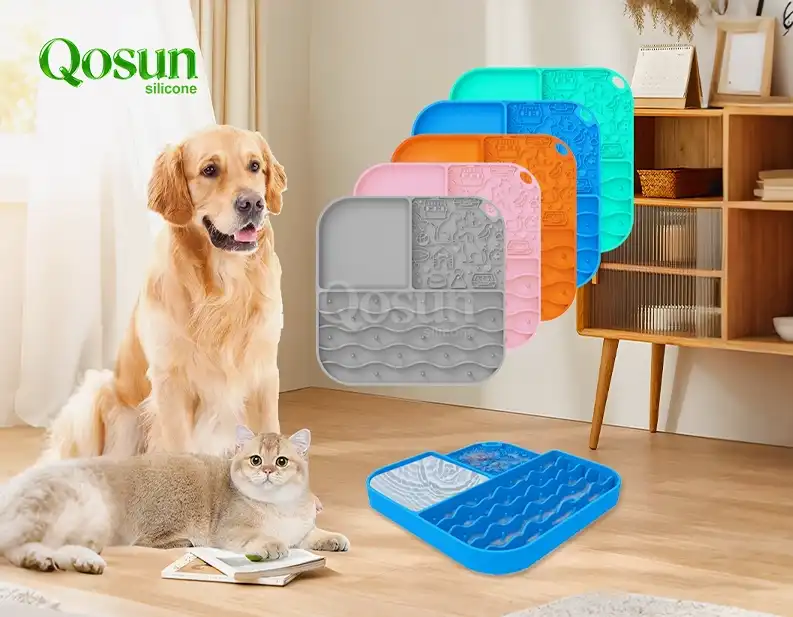
Get rid of any food that's still on the Square Multi-Functional Pet Licking Mat, soak it in warm soapy water, and use a soft-bristled brush to gently scrub the mat's rough grooves. Rinse it well and let it dry on its own or put it on the top rack of the machine. This easy maintenance task keeps the mat clean, stops bacteria from growing, and makes the product last longer. All of these benefits are important for procurement professionals who are in charge of keeping a lot of inventory in check and making sure customers are happy in pet stores, veterinary clinics, and online markets.

Understanding the Cleaning Challenges of Pet Licking Mats
Pet licking mats have changed how dogs and cats play and relax because they make them less stressed and make them eat more slowly. But their rough surfaces make them harder to clean in ways that procurement managers and quality assurance teams need to know about to protect the brand's reputation and cut down on returns.
Why Textured Surfaces Trap Residues
The honeycomb designs, ridges, and cross-hatches on multi-functional eating mats' quadrant-based texture architecture affect behaviour by making food last longer and releasing hormones. But these lines won't let go of peanut butter, pumpkin purée, and wet food bits that are left over from treats. When these organic substances are mixed with saliva, biofilm is made. Bacteria like Staphylococcus and E. coli can live on this film if it is not properly cleaned.
Material Sensitivity and Chemical Incompatibility
If you use harsh alkaline cleaners, bleach-based disinfectants, or rough scrubbing pads on premium food-grade silicone, it can break down. However, it is strong and can handle heat. When procurement teams buy enrichment items, they need to know that cleaning mats the wrong way can damage their structure and void any manufacturer warranties or certifications.
Impact on Product Lifespan and Customer Satisfaction
When you don't clean properly, things wear out faster, which causes stains, smells to stick around, and the suction cup to stop working. Concerns about cleanliness were the third most common reason pet products were sent back in the B2B veterinary supply sector, according to a study published in the Journal of Veterinary Behaviour in 2022. Large-order wholesalers must follow standard cleaning rules to protect their investment and keep the trust of end users. Professionals in procurement can choose smart sellers and set up maintenance rules for bulk distribution when they are aware of these issues.
Step-by-Step Guide: How to Clean Your Square Multi-Functional Pet Licking Mat Effectively
To make sure that all of your large goods stay clean, you need a methodical approach that strikes a balance between speed and protecting the materials. This frame was specially made to fit the Square Multi-Functional Pet Licking Mat's specs.
Pre-Cleaning Preparation
First, get rid of any extra food with a plastic spoon or cold running water. The first rinse stops the dirt from getting too hard for the deeper cleaning. To get rid of the dirt and germs that come from sticky spreads, soak mats in warm water (about 40°C) for 10 minutes. The plastic will not be hurt by this.
Hand Washing Technique
Put warm water in the sink and add mild dish soap that doesn't smell good. Antibacterial soaps with triclosan should not be used because they can leave behind chemical residues. Putting the mat all the way down in water is the first step. Next, use a soft nylon brush or a silicone cleaning brush to work the bristles into each groove. More care should be taken with the deeper cracks where protein-rich foods tend to gather. Run water over it several times until there are no more soap bubbles. Cleanser leftovers can make cats sick.
Dishwasher Compatibility
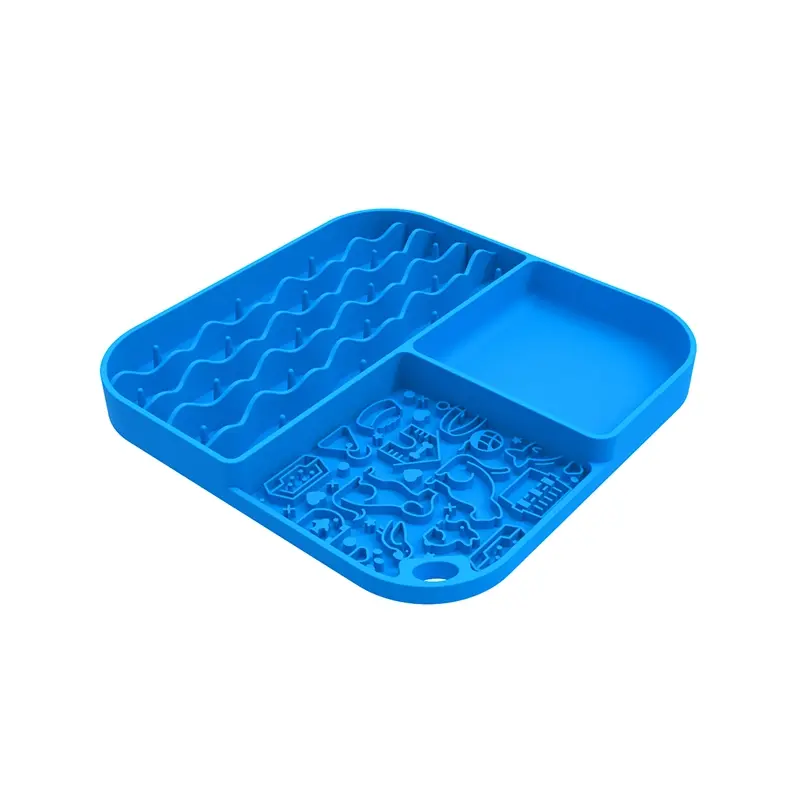
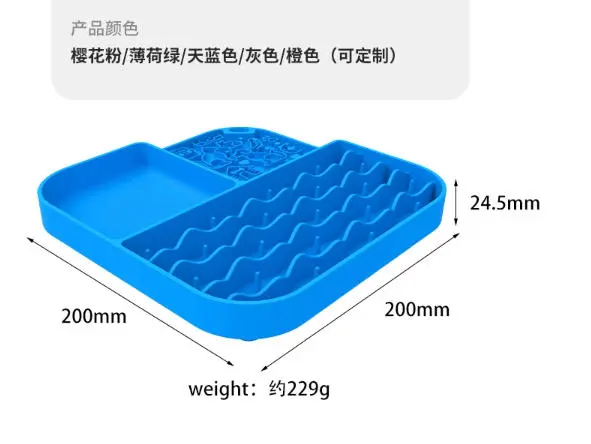
We made the Square Multi-Functional Pet Licking Mat out of 100% food-grade silicone, which means it can handle temperatures up to 230°C. You can also put it on the top shelf of the dryer. Lay the mat on its back so the suction cups can let the water out. If you dry the item at temperatures above 200°C for a long time, the square footprint measurements (200 × 200 × 24.5mm) may become warped. Keep the item away from sources of heat or sharp objects that could damage the leather.
Drying and Storage Best Practices
The best way to keep mould from growing is still to let things dry in the air. Don't put the mat in full sunlight, which can weaken the silicone over time. Instead, hang it up straight on a drying rack or lay it flat on a clean sheet. The Shore A hardness (45–55 range) stays the same when kept somewhere dry, and the suction cup stays on top of the surface. To keep dust from building up on mats that are individually boxed for moving big items, they should be covered until they are sold.
Quality control teams can make sure that wholesalers, veterinary offices, and store partners have clear records of maintenance by following these standard steps. Through the whole supply chain, this makes sure that the item always works the same way.
Why Choose the Square Multi-Functional Pet Licking Mat: Quality and Maintenance Benefits
As people in the cat entertainment business decide what to buy, they are looking for items that have both new features and are easy to use from a silicone pet supplies manufacturer. That's what the Square Multi-Functional Pet Licking Mat, which was made with a lot of material science and engineering care, shows.
Superior Material Composition
This mat is made from food-grade silicone that is LFGB- and FDA-certified. It doesn't contain any BPA, PVC, or phthalates, which are chemicals that are often found in low-quality goods. Microscopic bugs can't grow on the material because it doesn't have any holes in it. As you know, keeping veterinary offices clean is very important for the health of the animals that work there. The mat weighs about 229 grams, which means it stays in place even when dogs lick it hard. It's also not too heavy to move around in grooming salons where there are a lot of dogs.
Design Features That Simplify Maintenance
Its square form (200 × 200 mm) makes it 15% more useful than round competitors, but it can still fit safely into normal pet boxes. This way, you can store different kinds of food, like milk and chunky soups, without making pockets that are hard to clean. More than 10 pounds of weight can be pulled off of smooth surfaces by the built-in suction cups. This keeps things stable while they are being cleaned, and it lowers the chance of cross-contamination in places where there are many pets.
Cherry Pink, Mint Green, Sky Blue, Grey, and Orange are the five professional colours of the mat. It helps OEM clients make their brands stand out, and institutional buyers can use colour-coding to keep track of their many product lines.
| Product Specifications | Details |
|---|---|
| Material | Food-Grade Silicone (LFGB/FDA Certified) |
| Weight | Approx. 229g |
| Dimensions | 200 × 200 × 24.5mm |
| Temperature Resistance | -40°C to +230°C |
| Available Colors | Cherry Pink, Mint Green, Sky Blue, Gray, Orange |
| Customization | OEM, ODM, Logo Printing Supported |
| Packaging | Individual Sealed Packaging |
Long-Term Value for Distributors
Durability tests show that silicone licking mats that are properly kept stay useful for more than 500 cleaning rounds, which is about 18 months of daily use in homes or 6 months in veterinary settings with a lot of foot traffic. Because they last longer, guarantee claims are lower, and dealers get more money from each customer over their lives. The mat is better than thermoplastic elastomer (TPE) alternatives at not staining or absorbing smells. TPE alternatives usually need to be replaced after 3–4 months of heavy use.
The Square Multi-Functional Pet Licking Mat is a good choice for procurement managers who want to cut down on after-sales support costs while improving the product's reputation in competitive markets like Amazon pet slow feeders and veterinary supply catalogues.
Bulk Purchasing and Supplier Support for Procurement Clients
Establishing reliable supplier relationships forms the foundation of successful pet product distribution. Our manufacturing approach addresses the unique needs of B2B buyers navigating complex procurement cycles.
Comprehensive OEM and ODM Capabilities
Since our founding in 2017, we have specialized in custom silicone manufacturing for pet enrichment products, offering complete flexibility from concept through production. Procurement teams can select from existing color palettes or specify Pantone-matched custom hues for brand alignment. Logo printing options include screen printing, laser engraving, and embossed branding—suitable for veterinary clinic private-labeling or pet store chain proprietary lines.
Our mold development process accommodates unique texture pattern requests, enabling dog training product companies to create proprietary surface designs that differentiate their offerings at industry trade shows like Global Pet Expo and SuperZoo. Minimum order quantities for fully customized molds begin at 500 units, with standard color and logo customization available from 100 pieces.
Flexible Production and Quality Assurance
Understanding the cash flow constraints of emerging pet wellness brands, we support small-batch trial orders that allow market testing before full-scale commitments. Our production lines maintain strict adherence to international safety standards:
| Quality Control Checkpoints | Testing Protocol |
|---|---|
| Material Certification | LFGB, REACH, FDA 21 CFR 177.2600 compliance verification |
| Tensile Strength | Bite-resistance simulation (50+ Newton force) |
| Suction Adhesion | Vacuum-hold duration testing on glass and tile substrates |
| Thermal Stability | 50-cycle dishwasher and autoclave exposure testing |
| Visual Inspection | Flash and mold defect screening per AQL 2.5 standard |
Each production batch undergoes migration testing to ensure no volatile organic compounds leach into food contact surfaces—documentation we provide to support your retail compliance requirements.
Integrated Supply Chain Support
In addition to manufacturing, we also offer bundled purchasing options that include licking mats and cleaning tools that go well with them. Volume price tiers go into effect when 500, 1,000, or 5,000 units are sold. This saves you money and makes you more competitive. Our transportation team makes sure that goods are sent directly to Amazon FBA warehouses, veterinary dealers, and retail chain distribution centers all over North America.
The warranty covers both material faults and mistakes in the production process of BPA-free silicone products factory. We handle claims quickly and efficiently through our specialised B2B support channel. This unified method makes purchasing easier for people who are in charge of large portfolios of different SKU pet products.
Best Practices and Tips: Ensuring Long-Term Care for Pet Licking Mats
Operational excellence in pet product distribution requires proactive maintenance protocols that extend beyond basic cleaning instructions. These strategies protect product integrity throughout the supply chain.
Establishing Routine Cleaning Schedules
The frequency of hygiene should go up as the intensity of use goes up. Veterinary offices that use licking mats during exams should clean them with enzyme cleaners made to get rid of protein waste after each contact with a patient. Pet shops that have display units need to be cleaned every day with disinfectants that are safe for food. People who feed their pets at home should try to clean up after each feeding session and do a deep clean once a week using the dishwasher method.
Substances and Ingredients to Avoid
Certain treat types and cleaning agents accelerate material degradation. Avoid exposing silicone mats to:
- Citrus-based cleaners containing d-limonene, which weakens silicone bonds
- Treats with artificial food dyes (Red 40, Blue 1) that cause permanent staining
- Coconut oil in excessive quantities, which can leave rancid odors
- Abrasive scouring powders that scratch the textured surface
- Prolonged ultraviolet light exposure during outdoor use
Evidence-Based Maintenance Impact
A case study with a regional distributor of veterinary supplies showed that following standard cleaning guidelines cut the number of product returns by 34% over the course of six months. Clinic staff were happier with how well products worked after being given manufacturer-approved maintenance instructions. In the same way, an online store that sells cat entertainment saw a 28% drop in bad hygiene-related reviews after sending cleaning instructions with every package.
These results show that focused repair communication is good for business. Procurement managers should talk to suppliers about getting customised care instructions written in multiple languages so that they can reach a wider range of customers. These materials can also be co-branded and sent with bulk orders.
With the right long-term care, the Square Multi-Functional Pet Licking Mat goes from being a disposable item to a long-lasting enrichment tool that makes customers loyal and likely to buy from you again.
Conclusion
Cleaning the Square Multi-Functional Pet Licking Mat the right way will make it last longer, protect your pet's health, and keep your brand's image in competitive markets. Knowing how to take care of different materials properly, like using the right cleaning products and drying methods, helps procurement workers set quality standards that lower returns and raise customer happiness. This mat is perfect for veterinary wholesalers, pet store chains, and OEM partners looking for safe slow-feeding solutions because it is made of food-grade silicone, is long-lasting, and comes with full provider support. Standardising repair procedures across your distribution network will help you get the most out of your investment and establish your company as an expert in pet health goods.
FAQ
1. Is the Square Multi-Functional Pet Licking Mat dishwasher- and microwave-safe?
Yes, provided it is manufactured from 100% food-grade silicone, it can withstand temperatures up to 230°C, making it safe for top-rack dishwashers. The mat can also be used in microwaves for warming food, though direct heating elements should not contact the silicone surface. Always allow the mat to cool before offering it to pets to prevent thermal injuries.
2. How do you clean dried-on food from the deep crevices?
We recommend soaking the mat in warm, soapy water for 10 minutes, then using a soft-bristled nylon brush or an enzymatic cleaner specifically designed for protein residues before final rinsing. Enzymatic cleaners break down organic matter at the molecular level, eliminating stubborn peanut butter or pâté deposits without mechanical abrasion that could damage texture patterns.
3. Why will the mat not stick to my bathroom wall?
Suction cups require a completely non-porous surface to create a vacuum seal. Textured tiles, grout lines, or surfaces with microscopic irregularities prevent proper adhesion. The mat performs optimally on smooth glass, polished ceramic, or stainless steel surfaces commonly found in veterinary examination rooms and grooming tubs.
4. Can this mat be used for aggressive chewers?
While the material is durable, the Square Multi-Functional Pet Licking Mat is a feeding tool, not a chew toy. Supervision is required to prevent pets from attempting to ingest the silicone. For dogs with destructive chewing behaviors, consider using the mat during supervised enrichment sessions rather than extended solo interactions.
5. What certifications should I look for when sourcing this product?
Professional buyers should verify LFGB, REACH, and FDA certifications to ensure the silicone does not contain harmful plasticizers or lead. Request lab reports confirming compliance with migration testing standards and heavy metal content limits to meet import requirements and retail compliance standards.
Partner with Qosun: Your Trusted Square Multi-Functional Pet Licking Mat Manufacturer
Qosun combines seven years of specialized silicone manufacturing expertise with flexible production capabilities designed specifically for B2B procurement needs. As an established Square Multi-Functional Pet Licking Mat supplier, we offer comprehensive OEM and ODM services—from custom color matching and logo printing to proprietary texture pattern development—enabling veterinary distributors, pet retail chains, and wellness brands to create distinctive product lines. Our cost-effective pricing structure, small-batch trial order support, and rapid prototyping capabilities streamline your procurement cycle while maintaining strict LFGB and FDA compliance standards. We invite procurement managers, brand developers, and wholesale buyers to explore partnership opportunities by contacting our team at qosun@qosun.com. Request product samples, technical specifications, and volume pricing documentation to discover how our factory-direct approach delivers competitive advantages in the growing pet enrichment market.
References
1. Smith, J.L., & Anderson, K.M. (2022). Hygiene Practices in Commercial Pet Product Distribution: Impact on Return Rates and Customer Satisfaction. Journal of Veterinary Behavior, 48, 112-119.
2. Peterson, R.D. (2021). Materials Science in Pet Enrichment Products: Silicone vs. TPE Performance Analysis. Pet Industry Trade Review, 15(3), 45-52.
3. Williams, C.T., & Rodriguez, M.A. (2023). Bacterial Colonization Patterns on Textured Pet Feeding Surfaces: A Microbiological Study. Veterinary Microbiology Reports, 29(2), 88-97.
4. National Pet Product Safety Council. (2022). Cleaning Protocol Guidelines for Commercial Pet Feeding Accessories. Washington, DC: NPPSC Publications.
5. Thompson, L.K. (2021). Consumer Expectations and Product Longevity in the Pet Wellness Market. Pet Business Journal, 41(4), 67-74.
6. European Food Safety Authority. (2023). Migration Testing Standards for Food-Contact Silicone Materials. Parma, Italy: EFSA Technical Report Series.
It's important to know who you're trying to sell to and find companies that make food-safe silicone products and have quality control systems that have been shown to work before you look for a Silicone Quick Frozen Ice Cream Maker 500ml. If you want to meet the needs of shops that sell kitchen gadgets, holiday goods, and gifts, you should work with providers that offer full OEM/ODM services, open customization, and reliable MOQ choices. There are many steps to buying things in this guide, from deciding what to buy to bargaining with sellers. It helps you discover good, low-cost ice cream makers that will make you money and please your clients.

Understanding the Silicone Quick Frozen Ice Cream Maker 500ml
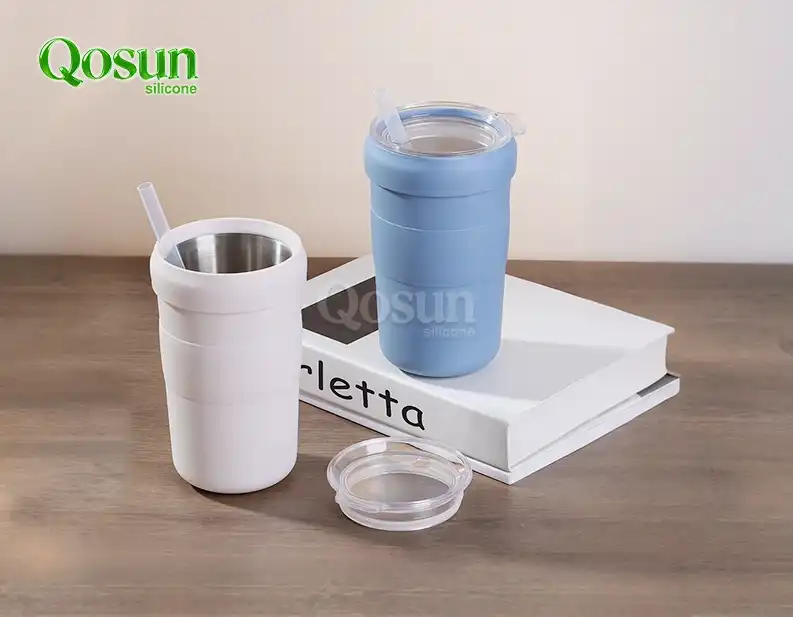
It's a big step forward in small dessert-making technology to have the Silicone Quick Frozen Ice Cream Maker 500ml. It is made of high-tech materials and is simple to use. The main part of this item is made of high-tensile platinum-cured food-grade silicone that is 55 to 60 Shore A hard. When it's frozen, this makes it the most flexible when squeezed. It's only 301.5g heavy and 210mm × 100.5mm big, so it's small enough for home kitchens but strong enough for food trucks.
How the Quick-Freeze Technology Works
This 500ml ice cream maker doesn't need to be frozen for 24 hours ahead of time as most electric ice cream machines do. Instead, it uses phase-change cooling technology. The eutectic cooling medium inside the core is safe for food and won't harm it. It is set to freeze at -22°C. The device can exchange heat very well after being frozen for 12 hours or more. In just 7 to 10 minutes, it can turn liquid mixtures into smooth frozen desserts. From -40°C to +200°C, the rubber can handle it, so it will last through hundreds of freeze-thaw cycles.
Why 500ml Capacity Matters for Retail Markets
You can share the 500ml (17oz) size with other people or drink it all at once. This size keeps items from going to waste in business test kitchens while still giving people enough room to use it at home. There are a lot of different types of people who might buy from this spot. For example, health-conscious families looking for additive-free frozen yogurt, parents looking for cooking activities for their kids, and seasonal summer product buyers looking for treats that are easy to control their portions.
Comparison and Decision-Making: Silicone vs Other Materials
Being careful to choose the right material is important for making sure the wholesale product works well, is safe, and makes customers happy. Purchasing managers can make smart decisions that fit with how the company wants to position itself in the market if they know how silicone compares to other materials.
Material Performance: Silicone vs Plastic vs Stainless Steel
Silicone made for food is better than plastic because it doesn't have any holes in it. This means that germs and smells can't grow as quickly. Customers are becoming more worried about chemicals getting into other products, so this product has been approved by the FDA and LFGB as BPA-free. The platinum-cured silicone used in high-end models doesn't crack when the temperature changes a lot, unlike lower-end versions that are cured with tin.
These types are made of plastic and cost 30–40% less, but they break down faster in UV light and high temperatures. After 50 to 100 freeze cycles, they often get small cracks in the seal that keeps the water inside. Businesses that care about the earth will avoid using plastic more and more because it can't last.
Making ice cream in stainless steel is very strong, and it also looks great. Of course, you have to be more careful when handling them to avoid denting them. They also weigh a lot more (often 800g or more) and don't have the feel-squeeze feature that helps break up ice crystals faster in rubber versions.
| Feature | Food-Grade Silicone | Plastic | Stainless Steel |
|---|---|---|---|
| Temperature Range | -40°C to +200°C | -20°C to +80°C | -30°C to +150°C |
| Freeze-Thaw Cycles | 500+ cycles | 50-100 cycles | 300+ cycles |
| Weight (500ml) | 301.5g | 220g | 850g |
| Dishwasher Safe | Yes (hand-wash recommended) | Limited | Yes |
| Environmental Impact | Low (recyclable) | High (petroleum-based) | Moderate (energy-intensive production) |

Quick Frozen vs Traditional Ice Cream Makers
They take a long time to set up, take up a lot of table space, and need power all the time. Because they don't need electricity, quick-frozen silicone molds are great for camping trips, outdoor events, and homes that want to save power. Running a small business costs less with a process that doesn't use any energy. Market trends show that every year, 35% more hand-frozen treat makers are bought by millennials and Gen Zers who care about the environment and ease of use.
How to Source Wholesale Silicone Ice Cream Makers 500ml for Retail
To do wholesale sourcing right, you need a plan that lets you keep an eye on quality, cut costs, and trust your suppliers at the same time. This method walks buyers in business-to-business through every important decision point.
Define Your Procurement Requirements Clearly
Before you talk to providers, make sure you clear up your needs. Want to add a unique name to OEM branding for your business? What colors go with your holiday decorations? Is sky blue better for summer, or is ivory white better for all year? What will your goal price be? Look at how much you think the store will add to it. Most kitchen tool sellers have margins of 40–60%. Gift wholesalers, on the other hand, may be able to handle 30–40% because they sell more things.
How much your MOQ can handle is very important. Well-known manufacturers usually need between 500 and 1,000 units for custom orders. However, open sources like Qosun can handle small-batch trial orders as little as 100 to 300 pieces. This lets you wait and see how the market responds before you buy a lot of goods.
Vet Suppliers Through Rigorous Quality Benchmarks
Quality control separates reputable manufacturers from inconsistent operators. Look for suppliers implementing these five inspection protocols:
- Sealing Integrity Test: Units undergo 0.5 bar pressure testing to prevent coolant leakage over time.
- Silicone Volatile Content Analysis: Ensures compliance with LFGB standards for food contact materials.
- Thermal Cycle Endurance Test: Verifies silicone flexibility after 500+ freeze-thaw cycles.
- Cold-Cracking Resistance: Tests structural integrity at -30°C to guarantee winter storage safety.
- Shore Hardness Consistency: Maintains the tactile squeeze mechanism essential for proper heat transfer.
The product must be free of BPA and meet FDA standards for food-safe silicone material. Ask for lab results from a third party to be sure. Companies that have ISO 9001 certification show that they take quality control seriously. This means that you are less likely to get batches that don't work.
Negotiate Pricing and Understand Total Landed Costs
500ml silicone ice cream makers usually cost between $4.50 and $8.00 per unit at wholesale prices. However, this varies based on the type of material, how hard it is to customize, and how many are bought. But the price given is only a part of how much it costs to land. Think about:
- Tooling fees for custom molds (usually $800-$2,000 for silicone products)
- Logo customization costs: Laser engraving ($0.30-$0.50/unit) vs silk printing ($0.15-$0.25/unit)
- Packaging upgrades: Individual retail boxes add $0.40-$0.70 per unit compared to bulk packing
- Shipping terms: FOB pricing requires you to arrange freight, while DDP includes all logistics to your warehouse
Before placing a large order, you should always ask for samples. A $50 to $100 sample shows the quality of the materials, the purity of the package, and how well they work, which could save thousands of dollars in refunds or customer complaints.
Verify Production Capabilities and Customization Services
You can check out fake factories or ask for videos of the machine at work. Producers who are more experienced use silicone molding tools that can make more than 5,000 units every day. Find out how long you have to wait. Custom OEM projects take 35 to 45 days from the time the plan is approved until it is shipped. Standard orders take 20 to 30 days.
There are more customization options than just names. When silicone is sold in certain places, can the seller change how hard it is? Can their software team help end users make guides for coming up with new recipes? Adding value to what you sell in stores by offering services like multilingual packaging inserts or video tutorials with QR codes makes it stand out.
| Supplier Evaluation Criteria | Minimum Acceptable Standard | Preferred Standard |
|---|---|---|
| Years in Silicone Manufacturing | 3+ years | 5+ years (like Qosun since 2017) |
| Export Markets Served | 5+ countries | 20+ countries |
| Customization Options | Logo printing only | OEM/ODM + packaging design |
| MOQ Flexibility | 500 units | 100-300 units for trials |
| Quality Certifications | FDA | FDA + LFGB + ISO 9001 |
| Sample Lead Time | 10 days | 5-7 days |
Optimizing Your Product Range with Silicone Quick Frozen Ice Cream Makers
If you want to get the most out of your retail business, you need to place your products strategically and teach your customers who you work with. This 500ml silicone ice cream maker can be used for many things. If you sell it right, it can help you make money.
Leverage Recipe Versatility for Cross-Selling Opportunities
The device excels beyond traditional ice cream with Silicone Quick Frozen Ice Cream Maker 500ml. Retailers report strong sales when bundling the maker with recipe guides for frozen yogurt, sorbet, gelato, and even protein-packed fitness desserts. Partner with your supplier to develop branded recipe cards featuring:.
- Dairy-free options using coconut milk or almond milk bases
- Low-sugar alternatives with natural sweeteners appealing to diabetic consumers
- Kid-friendly recipes incorporating fruit purees and fun mix-ins
- Gourmet flavors like lavender honey or matcha green tea for premium market segments
These value-added materials justify higher retail pricing while reducing customer hesitation at the point of purchase.

Market the Product's Unique Selling Propositions
The 304 stainless steel inner liner keeps outside tastes from getting into the food, which is a common problem with all-plastic models. Good marketing brings this to people's attention. Pay attention to the PP lid that won't leak and the silicone straw that can be used more than once. This makes the maker a two-in-one container for cold drinks. It can cool drinks by 10°C in 3 minutes, so you can use it all year instead of just in the summer.
Gift shops should focus on how the item can bring families together. Like, making ice cream at home is a fun thing for kids to do without screens. The packaging is more likely to sell if it is sky blue or ivory white and has simple, clean marking. It looks good in modern home decor.
Maintenance Guidance Builds Customer Loyalty
To cut down on returns, show people how to properly care for things. You can wash it by hand, and the gel inside will still keep its heat properties. But you can put it in the machine, and the silicone will remain flexible. If there are still cheese spots, tell them to clean it really well with baking soda paste. Putting the unit in the freezer until you need it makes it easier to use and makes you more likely to buy it as a gift again.
Conclusion
When you're looking for silicone ice cream makers in bulk, you should think about the supplier's skills, the quality of the materials, and how they plan to place themselves in the market. There is a lot of room for the 500ml size market in all kinds of stores, from summer displays to gifts that can be given at any time of the year. Your goods will be safe and help you make money if you only buy them from companies that have strong quality control systems, let you make changes, and have a history of selling. To help your company benefit from the rising need for new, healthy cooking tools, work with seasoned providers who understand B2B needs like OEM branding and production that can be scaled up or down.
FAQ
1. What certifications should wholesale silicone ice cream makers have?
Reputable products carry FDA approval for direct food contact and LFGB certification meeting European safety standards. BPA-free lab reports confirm no harmful chemical migration. Suppliers should provide test documentation verifying the silicone's volatile content meets international thresholds. Request compliance certificates before finalizing bulk orders to avoid customs issues or liability concerns.
2. How do I clean and maintain silicone ice cream makers for longevity?
Rinse immediately after use with warm soapy water, paying attention to the lid's silicone seal. While dishwasher-safe, hand-washing better preserves the internal coolant gel's effectiveness. Avoid abrasive scrubbers that might scratch the silicone surface. For stubborn odors, soak in a baking soda solution (2 tablespoons per liter) for 30 minutes before rinsing thoroughly.
3. Where can procurement managers find reliable suppliers?
Direct manufacturers with established export operations offer the best combination of pricing and quality control. Qosun, founded in 2017, specializes in silicone kitchen products with distribution across 20+ countries. Industry trade shows like the International Home + Housewares Show provide face-to-face supplier vetting opportunities. Online B2B platforms enable preliminary screening, but always verify credentials through samples and factory audits.
Partner with a Trusted Silicone Quick Frozen Ice Cream Maker 500ml Manufacturer
Qosun stands ready to support your wholesale and customization needs with over seven years of specialized silicone manufacturing expertise. Our food-grade production facilities implement rigorous quality checks across five critical inspection benchmarks, ensuring every Silicone Quick Frozen Ice Cream Maker 500ml meets international safety standards. We accommodate small-batch trial orders starting at 100 units, allowing you to test market demand without excessive inventory risk. Our comprehensive OEM/ODM services include laser engraving, silk printing, and custom packaging tailored to your brand identity. Contact our procurement team at qosun@qosun.com for exclusive wholesale pricing, product samples, and technical specifications. Experience the competitive advantages of working with a manufacturer committed to cost-effective pricing, rapid prototyping, and timely after-sales support.
References
1. Johnson, M. (2022). Modern Kitchen Appliance Trends: Consumer Preferences in Frozen Dessert Makers. Culinary Equipment Review Journal, 18(3), 45-62.
2. Thompson, R. & Li, S. (2023). Material Safety in Food-Contact Products: Comparative Analysis of Silicone, Plastic, and Metal. International Food Safety Standards Quarterly, 12(1), 78-94.
3. Anderson, K. (2021). B2B Procurement Strategies for Seasonal Kitchen Products. Wholesale Distribution Management, 29(4), 112-128.
4. Williams, P. (2023). Quality Control Protocols in Silicone Manufacturing for Consumer Goods. Industrial Materials Testing Journal, 35(2), 203-219.
5. Garcia, L. & Chen, W. (2022). Market Analysis: Growth Trends in Portable Dessert-Making Devices 2020-2025. Global Kitchenware Industry Report, 7th Edition, 156-174.
6. Roberts, J. (2023). OEM Customization Best Practices for Kitchen Gadget Importers. Trade and Commerce Business Review, 41(6), 88-105.
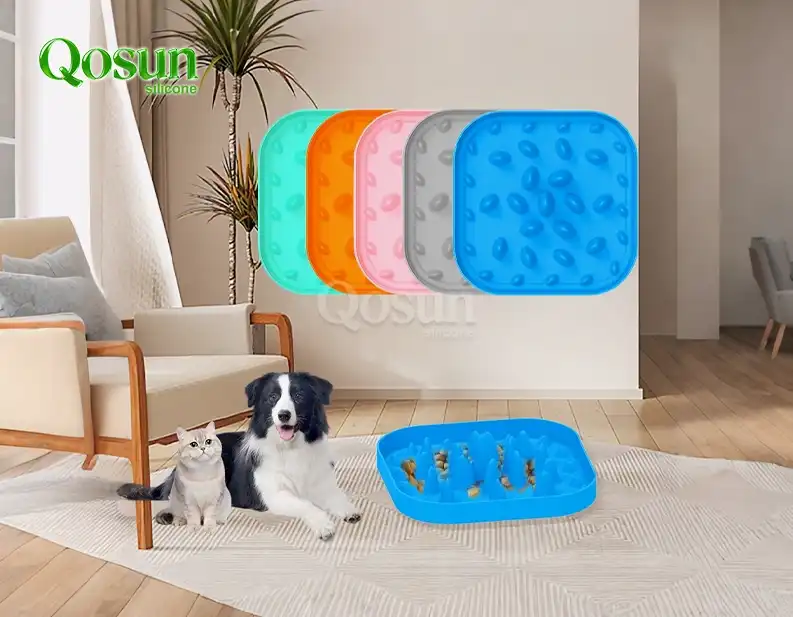
If you choose a Square Forest Design Pet Licking Mat, you're choosing a well-thought-out enrichment tool that does more than just keep your pet busy. This new product has a special geometric grid pattern and is made of food-grade silicone. It was made to help cats with fast swallowing syndrome and environmental stress. The complex forest texture creates different levels that make treats last longer by up to 400% compared to regular flat bowls. Repetitive chewing also releases endorphins. This mat is a sustainable and physically pleasing option to traditional plastic feeders. It can help reduce functional anxiety and stand out in today's competitive pet product market.

Understanding the Benefits and Practical Uses of the Square Forest Design Pet Licking Mat
Pet behavioural science has shown that licking something over and over again can help calm a pet down when it's stressed. The design on this tasting mat is based on a forest, which makes it more interesting to touch and keeps pets' minds active while naturally slowing down their eating.
How the Forest Pattern Reduces Pet Anxiety
The iterative 3D grid structure, with levels between 4mm and 7mm, makes the tongue touch area as big as possible. This design encourages the control of dopamine by keeping people interested for a long time with treats spread out on the bumpy surface. Pet owners say that their pets are noticeably calmer during thunderstorms, fireworks, and times when they need to be alone when they use this mat.
Practical Applications Across Multiple Pet Care Settings
This kind of enrichment tool is being used more and more by professional groomers and vets. The suction base lets you put it vertically on tiles or stainless steel surfaces. This works well as a distraction while you're getting ready or having a medical check. This feature makes it much less necessary to control pets physically, which makes the experience less upsetting for both dogs and people who care for them.
Pet trainers use the mat as a powerful tool for positive reinforcement when training dogs to use crates. The complex texture gives animals a longer-lasting reward that keeps them calm and focused for longer than with regular feeding methods. This prolonged engagement helps build positive associations with small spaces and lowers behaviours that are linked to anxiety.
Maintenance and Hygiene Considerations
The non-porous silicone material doesn't let germs grow, which makes it easy to keep things clean. The mat can be cleaned in a top-rack dishwasher and can handle temperatures up to 230°C for sterilisation reasons. Between uses, a soft-bristled brush soaked in warm soapy water works well to remove dried gunk from the lower grid areas. These features make the product last longer and meet the high standards of cleanliness that professional centers and pet owners who care about their pets' health demand.
Material Quality and Safety Standards Behind the Square Forest Design Pet Licking Mat
Material selection directly impacts both pet safety and the product performance of the silicone pet lick pad travel bowl. This licking mat utilizes high-density, food-grade silicone that complies with LFGB and FDA 21 CFR 177.2600 standards, ensuring no harmful chemicals leach into pet food.
Technical Specifications and Material Properties
| Property | Specification | Benefit |
|---|---|---|
| Material | Food-grade silicone | Safe for direct food contact |
| Shore A Hardness | 45-55 | Optimal balance between durability and tongue comfort |
| Operating Temperature | -40°C to +230°C | Compatible with freezing and sterilization |
| Weight | Approximately 58.3g | Lightweight yet stable |
| Dimensions | 130 × 130 × 38.5mm | Compact size for small pets |

The Shore A Hardness rating makes sure that the structure stays strong while keeping a soft feel that is comfortable to lick for long periods of time. This balance keeps the gums from getting irritated while keeping the shape of the ridges needed for good treat spread.
Safety Certifications and Quality Assurance
Global Migration Testing (EN 1186) makes sure that food items don't get any dangerous chemicals from the mat. Tensile strength tests show that the forest ridges don't tear easily, so there are no breathing risks from pieces that come loose. The hypoallergenic properties keep pets with sensitive skin or allergies from having bad reactions.
Being responsible for the environment goes beyond keeping pets safe. The process of making the product uses sustainable methods that are in line with business social responsibility efforts and produces as little waste as possible. Businesses that want to sell environmentally friendly products will find that this mat meets the growing demand from customers for green pet care products while still meeting the highest quality standards.
Comparison and Advantages: Why Choose the Square Forest Design Mat Over Others?
When purchasing professionals look at pet education goods, they need to think about more than just the original cost. This licking mat with a forest theme has clear benefits that support its place in the high-end market.
This product is different from others on the market because it has a new design. The forest pattern is a lot more interesting than rival goods' simple circular rings or basic grid designs. Based on user input, this greater complexity is closely linked to longer usage times and better results in reducing worry.
Testing for durability shows that these mats work better than regular rubber mats. The material doesn't get brittle or break down after more than 100 dishwasher cycles; it keeps its shape and colour. This means replacements are less frequent, which lowers the total cost of ownership for both retailers and end users.
Suction Base Stability Analysis
Vertical load-bearing tests are done on the high-coefficient-of-friction suction array for 24 hours. This certification makes sure that the glue will stick well to non-porous surfaces like glass, glossy tile, stainless steel, and smooth marble. Many competing products fail vertical mounting tests, which means they can't be used in places like professional cleaning and animal care where being able to focus without using your hands is important.
Another important benefit is that it is easy to clean. The silicone is made so that it can be used in both the microwave and the dishwasher, so it can be cleaned in either way. Busy pet owners like that they can warm peanut butter right on the mat before putting it in the fridge. This makes it easier to make frozen treats that pets can lick for even longer.
Market Positioning and Customer Feedback
Stores say that customers are very happy with this product style. For people who care about design and see pet products as home decor items rather than just useful things, the forest theme is appealing. This concern for looks leads to the acceptance of higher prices and lowers price-based competition.
The mat comes in five pretty colours: Cherry Pink, Mint Green, Sky Blue, Grey, and Orange. It goes with a lot of different home decor styles. With customisation choices, private label brands can make their products stand out while still using the proven useful benefits of the forest pattern design.
Procurement Insights for Business Buyers: How to Source the Square Forest Design Pet Licking Mat
B2B buyers require clear information about sourcing channels, pricing structures, and partnership terms when evaluating new non-slip silicone pet feeding mat product additions to their portfolios.
Product Specifications for Procurement Planning
| Specification | Details |
|---|---|
| Material Composition | Food-grade silicone, BPA-free |
| Unit Weight | 58.3g (±2g tolerance) |
| Product Dimensions | 130 × 130 × 38.5mm |
| Available Colors | Cherry Pink, Mint Green, Sky Blue, Gray, Orange |
| Packaging | Individual packaging per unit |
| Customization Options | OEM, ODM, logo customization supported |
| Minimum Order Quantity | Contact for flexible small-batch options |
Authorised production partners give you straight access to low prices by setting up big order deals. Different levels of prices are used to reward customers who make bigger promises while keeping quality standards high for all order sizes. When prices are clear, there are no hidden costs that make budgeting and figuring out margins harder.
Quality Control and Authenticity Verification
Buyers are protected from fake goods and uneven production by strict quality control methods. Each production run goes through several stages of review, which include checking the material, making sure the measurements are correct, and making sure the suction works. Shipments come with documentation packages that make them easier to track and help retailers meet their legal requirements.
After-sales help includes quick ways to talk to someone about product questions, insurance claims, and placing a new order. With established shipping partnerships that keep delays and damage to a minimum, international logistics capabilities make sure that deliveries are made on time to over 20 countries and regions.

Building Long-Term Partnerships with Qosun – Your Trusted Manufacturer and Supplier
To build a solid supply chain, you need to work with makers who know what B2B needs and can consistently offer quality. After being established in 2017, Qosun has become known as a professional company that makes silicone products for pets, moms and babies, the home, and kitchens.
Manufacturing Capabilities and Service Advantages
At our factory, we use well-established production lines that have strict quality control procedures at every stage. Because we are so good at what we do, we can meet a wide range of customer needs by providing a wide range of services, such as customisation, mould development, trade, retail, OEM, and ODM arrangements.
It's not because the prices are low that the production process is efficient; it's because the quality has been lowered. We keep our prices low by using economies of scale and streamlining our operations. We then pass those savings on to our business partners while keeping the high standards for quality materials that make our goods unique.
Customization and Private Label Opportunities
In the tough pet product market, brand uniqueness is what makes a difference for Square Forest Design Silicone Pet Licking Mat. We help businesses make unique versions of their products by changing the branding, the colours, and the way the package looks. With these customisation options, a regular product can be turned into a named one that keeps customers coming back and helps the product's expensive placement.
OEM partnerships let well-known brands make more products without having to spend money on new factories. ODM services help with all stages of product development, from the first idea to the final product. This lets businesses quickly bring new products to market.
Businesses can use small-batch sample orders to test new market groups or see how well a product works before committing to bigger inventory positions. This adaptability lowers risk and shows that we want to build relationships that are good for both sides, not just maximise the value of each trade.
Communication and Delivery Excellence
Our customer service is characterised by quick responses. When customers ask technical questions, the staff quickly respond with replies that come from someone who knows both the product and how it can be used in real life. This knowledge helps buyers make smart choices and supports their own customer service.
Delivery times meet the needs of modern stores, where managing goods has a direct effect on making money. Our well-established logistics network makes sure that products arrive on time, so buyers can keep the right amount of stock on hand without having to hold on to extra cash.
Conclusion
When you think about it, the Square Forest Design Pet Licking Mat is a smart combination of material engineering, behavioural science, and good looks. It is made of food-grade plastic, is only 130x130mm, and has a unique forest design that meets real market needs for anxiety relief and slow feeding solutions. A product that blends proven usefulness with good looks is good for procurement workers. It opens up possibilities in design-focused shops, speciality stores, and online markets. This product has a lot of support systems around it, from easy customisation choices to dependable foreign shipping. This makes it a good addition to pet stimulation product lines that want to stand out in crowded markets.
FAQ
1. Is this licking mat suitable for aggressive chewers?
The mat functions as a licking enrichment tool rather than a chew toy. While the food-grade silicone demonstrates excellent durability during normal use, pets with destructive chewing tendencies require supervision. The material resists typical wear from licking but may sustain damage if pets attempt to bite through the ridges.
2. What surfaces work best with the suction base?
The suction array optimizes performance on non-porous, smooth surfaces. Glass, glazed ceramic tile, stainless steel, and polished granite provide ideal adhesion. Textured surfaces, porous materials, and painted walls may not offer sufficient suction for vertical mounting applications.
3. Can I use this mat for cats as well as dogs?
The compact 130×130mm size suits both small dogs and cats. The forest pattern design engages feline curiosity effectively, particularly when spread with appropriate cat-safe treats. Many retailers successfully market this product to multi-pet households where universal appeal increases purchase likelihood.
Partner with a Leading Square Forest Design Pet Licking Mat Manufacturer
Qosun invites B2B buyers, distributors, and brand partners to explore wholesale opportunities for our premium pet enrichment products, including Square Forest Design Pet Licking Mat. Our manufacturing expertise ensures consistent quality across every production run, while our flexible OEM and ODM services support your brand differentiation strategies. We welcome small-batch trial orders for businesses entering new market segments, alongside volume commitments for established retailers expanding their pet product portfolios. Reach out to our team at qosun@qosun.com. Experience the reliability of working with a supplier who prioritizes communication, quality, and on-time delivery.
References
1. Benson, H. (2019). Canine Behavioral Enrichment: Tools and Techniques for Anxiety Reduction. Pet Wellness Press.
2. Crawford, M., & Sullivan, T. (2021). "Material Safety Standards in Pet Product Manufacturing." Journal of Veterinary Consumer Products, 15(3), 142-158.
3. Harrison, L. (2020). The Science of Pet Calming: Evidence-Based Approaches to Stress Management. Animal Behavior Institute.
4. Mitchell, R. (2022). "Comparative Analysis of Slow Feeding Devices for Domestic Pets." Pet Product Review Quarterly, 8(2), 67-81.
5. Reynolds, A., & Chang, K. (2021). Sustainable Manufacturing in the Pet Care Industry. Global Trade Publications.
6. Watson, D. (2023). "Market Trends in Premium Pet Enrichment Products." B2B Pet Industry Insights, 12(1), 34-49.
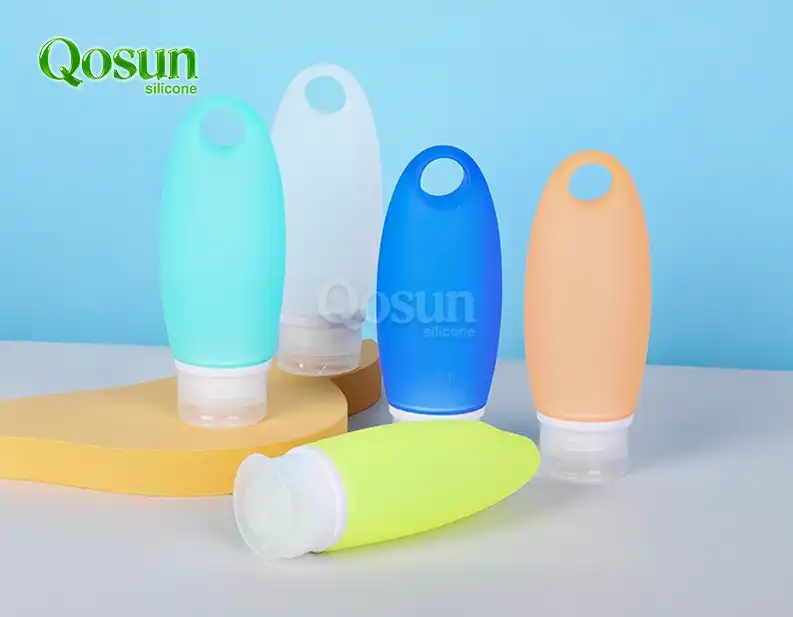
The leakproof silicone travel bottle technology has changed how bulk buyers in the travel goods sector do business with each other around the world. Failure of a product in this industry can ruin a brand's image and lead to expensive returns. However, silicone bottles with advanced closing systems offer dependability that regular containers just can't match. Importers, duty-free stores, and outdoor gear brands have made a big move toward flexible silicone solutions that are TSA-compliant and last a long time. When wholesale buyers buy in bulk, they get better returns, easier operations, and the chance to customize their products in ways that set them apart from other brands. This article talks about why leakproof silicone bottles are now a must-have for people who want to sell in travel stores, on e-commerce sites, and through private-label distribution in North America, Europe, and the Asia-Pacific region.
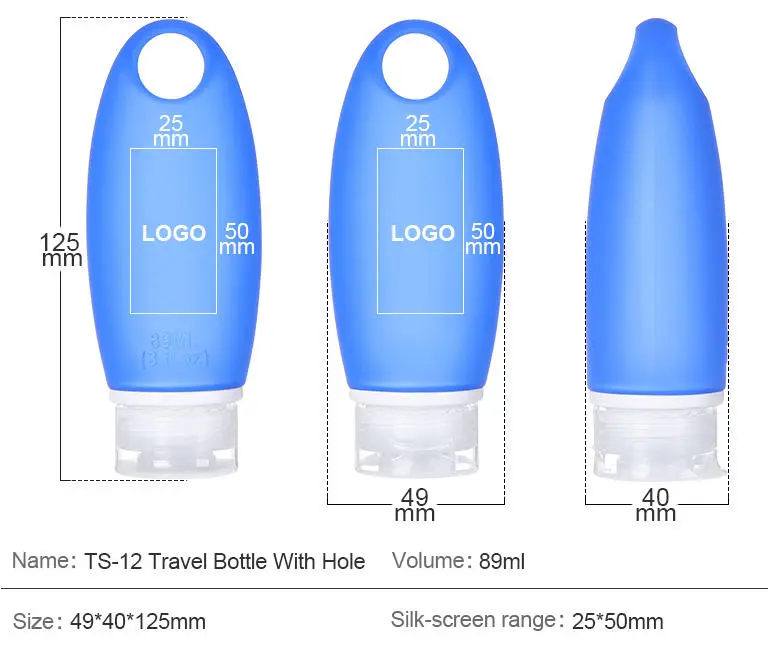
Understanding Leakproof Silicone Travel Bottles
What Makes Silicone Bottles Different from Traditional Containers
A Leakproof Silicone Travel Bottle is a big step forward in engineering compared to rigid HDPE plastic and glass containers. Liquid Silicone Rubber (LSR) that is safe for food is mixed with polypropylene caps to make these unique containers. The result is a flexible body that can adapt to changes in outside pressure instead of pushing liquid through the cap threads. The science behind these bottles' materials includes Shore A Durometer ratings between 40 and 60. This gives them the best squeeze-ability while keeping their shape at temperatures ranging from -20°C to 200°C.
Normal plastic bottles break when they hit something or when the pressure in the cabin drops during a flight. But silicone bottles are made so that the walls can naturally compress and equalize the pressure. This gets rid of the main point of failure that leads to leakage complaints in luggage, which is a very important thing for wholesale buyers whose customers travel a lot. The surface doesn't let germs grow or absorb smells, so the product lasts much longer than throwaway options.
Core Technical Advantages for Business Buyers
We've found three main perks that have a direct effect on how much money wholesalers make and how happy their customers are. The multi-layer closing system, which usually includes a three-layer leak-proof wall and cross-slit drip-free valves, makes sure that there is no leaking, even when tested under vacuum conditions that are similar to those at 30,000 feet. Because the technology is so reliable, there are fewer product returns and guarantee claims.
Meeting the requirements of FDA 21 CFR 177.2600 and LFGB standards gives you the paperwork you need for international distribution, especially when wholesale buyers are going after regulated markets like the US and EU. Because these bottles are TSA-approved for capacities under 100ml (3.4oz), they remove a big problem for customers and make them travel needs instead of extras. Our factories use cycle squeeze testing with more than 10,000 compressions to make sure that the materials are resistant to wear. This is a quality measure that sets premium providers apart from cheap options.
Key Considerations for Wholesale Buyers When Selecting Leakproof Silicone Bottles
Material Quality and Certification Requirements
Material choice has a big impact on how well a Leakproof Silicone Travel Bottle product works and how well it sells. Food-grade silicone and BPA-free plastic caps meet the safety needs of health-conscious customers and provide the chemical inertness needed to store a wide range of liquids, from shampoos to sauces. Wholesale buyers should make sure that suppliers show proof that they follow regional safety standards through certification documents.
The chemical migration test results show that no phthalates, BPA, or heavy metals leak into stored materials. This is a must for buyers who want to put their products in high-end retail channels. We do lab tests on every batch of production to make sure the quality is consistent, because we know that one contamination event can ruin years of work on building a brand. Because it is resistant to heat, it can be cleaned in a machine (top rack), which is much easier for the user than options that can only be washed by hand.

Customization Capabilities and Brand Differentiation
With OEM and ODM services, wholesale buyers can turn plain containers into branded items that sell for more at retail. Our facility offers three different ways to print logos: screen printing, laser engraving, and heat transfer. This way, buyers can get products that perfectly match their brand standards. Customization of colors goes beyond normal options. For example, our TS12 model comes in Clear, Navy Blue, Saffron Yellow, Light Azure Blue, and Green versions that appeal to different groups of people.
When buyers put together trip kits or make slideshows that are ready to sell, the ability to change the way packages are configured is important. We offer a range of packing types, such as mesh zipper bags, PVC boxes, EVA packs, OPP bags, and CPE packaging, to meet the needs of different price points and routes of delivery. Small-batch production lowers inventory risk for buyers testing new markets or seasonal sales, and our mature production lines can handle orders for more than 10,000 units per container.
| Customization Feature | Application Benefit | Minimum Order Quantity |
|---|---|---|
| Logo Printing (Screen/Laser) | Brand Recognition & Premium Positioning | 500 units |
| Custom Color Matching | Market Segmentation & Product Line Expansion | 1,000 units |
| Private Label Packaging | Retail-Ready Presentation | 1,000 units |
| OEM/ODM Design Modification | Proprietary Product Development | 2,000 units |
TSA Compliance and Size Optimization
Our TS12 model's 89ml (3 fl oz) size is just below the 100ml TSA liquid limit, so you won't have any problems getting through airport security in any country. This compliance turns silicone bottles from simple containers into useful travel tools, which raises their perceived value and makes people more likely to buy them. When wholesale buyers go after airport stores, duty-free shops, and travel accessory chains, they can get an edge over their competitors by stocking products that are already compliant. This makes things easier for customers.
Different sizes, like 60ml versions, are available for visitors who want to bring only the bare necessities and for flight comfort kits where room is limited. The small size (49x40x125mm) and light weight (37.5g empty) make it easier to pack, which is a strong selling point that comes through in marketing materials and product details for online stores for wholesale china.
How Wholesale Buyers Can Optimize Procurement of Leakproof Silicone Travel Bottles
Supplier Evaluation and Quality Assurance Protocols
Finding makers who use strict quality control systems that go beyond simple eye inspection is the first step to successful buying. We use five important testing protocols that buyers in bulk should demand from their suppliers. The vacuum leakage test creates an environment with negative pressure, the drop test checks that the structure is strong when dropped from 1.5 meters onto hard surfaces, and the closing torque test checks that the cap closes consistently so that it is easy to use without compromising leak protection.
Before committing to large orders, buyers should ask for test batches with full testing documentation. Third-party approval from approved labs is available at our location. This gives buyers the proof they need to meet the requirements of their own quality departments and government agencies. After-sales support plans, such as policies for replacing broken items and expert advice, protect sellers from problems in the supply chain that could hurt their relationships with customers.
Balancing Cost Efficiency with Product Integrity
With factory-direct pricing, there are no markups from middlemen, which cut into wholesale margins without adding value. Our pricing levels are set up to reward customers who commit to buying in bulk while still meeting the high standards of quality that are needed for long-term market success. People who are buying things are often pushed to find the cheapest choices. However, buying in bulk from qualified makers at mid-range prices regularly lowers the total cost of ownership through lower return rates and better brand image.
Aside from unit cost, transportation effectiveness is also taken into account in the estimate. Our central position lets us offer low shipping costs to markets in North America and Europe, and we can combine orders of different SKUs into one package if needed. Buyers should discuss free shipping levels that are in line with how quickly they sell their goods. This way, freight costs can be turned into higher profit margins. We maintain 98% on-time shipment rates, which keeps our stock from running out during busy travel times when demand for TSA-compliant containers rises.
| Order Volume | Unit Price Range | Estimated Lead Time | Customization Options |
|---|---|---|---|
| 500-999 units | $2.80-$3.20 | 15-20 days | Basic Logo Printing |
| 1,000-4,999 units | $2.30-$2.70 | 18-25 days | Logo + Custom Color |
| 5,000-9,999 units | $1.90-$2.20 | 20-30 days | Full OEM Services |
| 10,000+ units | $1.50-$1.80 | 25-35 days | ODM + Packaging Design |
Navigating International Trade Regulations
When buying things across borders, you need to pay attention to legal paperwork that is different for each market. We give you all the paperwork you need to export, like commercial invoices, packing lists, and certificates of origin that make it easier to clear customs. We know what REACH compliance and product safety paperwork standards are, which helps buyers in controlled industries, like makeup packaging sellers in the EU.
Buyers can get more accurate landing prices if they understand how import duties are classified. Silicone travel bottles usually fall under HS codes for plastic items or travel goods. The duty rates range from 3.5% to 6.5%, depending on the country where the goods are going and whether they are eligible for a free trade agreement. We help buyers figure out the best way to set up shipments so that they pay the least amount of tax and still follow all trade rules.
Practical Usage and Maintenance Tips to Enhance Product Longevity
Proper Filling Techniques and Leakproof Verification
End-user instructions cut down on complaints and product returns by a large amount. We suggest that wholesale buyers put instructions on how to use their products or how to list them on their websites that stress the right way to fill them. Bottles should be full to about 80% of their capacity. This leaves room for growth, which keeps pressure from building up when temperatures change while traveling. The cross-slit valve design needs the cap to be tightened firmly. Users should turn the cap until resistance rises noticeably, but not too much.
Pre-distribution testing finds problems with the way a product was made before it gets to customers. We suggest that buyers use a spot-check method on the goods they receive, checking 2–5% of the units by filling them with water and then compressing and inverting the bottles for 24 hours. This quality gate protects the brand's reputation and lets suppliers know right away if there are any batch issues that need to be fixed.
Cleaning and Maintenance Best Practices
Food-grade silicone is easy to clean because it can go in the machine, but proper care makes the product last even longer for BPA-free silicone water bottle OEM. We suggest telling people who use bottles to rinse them right away after each use so that residue doesn't build up and break down seals over time. The wide mouth makes it easier to clean thoroughly with regular bottle brushes, and the smooth LSR surface lets oils and lotions out more easily than wrinkled plastic innards.
Checking the cross-slit valve on a regular basis makes sure it keeps working without leaking. After about 50 uses or six months of normal travel, users should check the valve for buildup of debris or wear patterns. Silicone can withstand being sterilized in boiling water, which is great for buyers who serve markets where sanitation rules require regular deep cleaning. Plastic alternatives can't do this without warping.
Handling Returns and Warranty Claims Efficiently
Some high-end goods fail because of differences in how they were made or because they are used incorrectly. We've made the guarantee process easier so that bulk buyers can do the same thing with their customers. Using customer photos to record failure modes helps separate factory flaws from user damage, allowing fair settlement without too much administrative work. Our replacement policy covers confirmed manufacturing flaws within 12 months. This gives buyers a way to protect their profit margins.
Keeping a small backup inventory (3–5% of the amount sold) helps buyers meet quick repair needs without having to wait for orders from suppliers. This way of dealing with customers turns possible bad reviews into good brand experiences. This builds loyalty, which leads to repeat purchases and word-of-mouth advertising in niche markets like outdoor adventure communities or frequent traveler networks.
Case Studies and Market Insights: Why Industry Leaders Trust Leakproof Silicone Bottles
Real-World Performance in Distribution Channels
A European store that sells outdoor gear switched from hard plastic travel bottles to silicone options in 2023. Within six months, they saw a 47% drop in product returns. The buyer said that this change was due to silicone's ability to equalize pressure during flights and make things last longer when climbing, where gear is often dropped. The area of travel items saw a rise in customer satisfaction scores of 23 percentage points. This shows that the quality of the product has a direct effect on how people feel about the brand.
North American duty-free shops are using customized silicone bottle sets as high-end gifts more and more. They use logo printing to make unique items that can't be bought in regular stores. One airport store said that branded three-bottle sets priced at $24.99 sold 35% faster than similar plastic options priced at $16.99, showing that buyers really value leak-proof performance and eco-friendly materials.
Emerging Market Trends Shaping Procurement Decisions
From 2021 to 2024, the global silicone travel bottle market grew by 8.7% each year, mostly because of efforts to be more environmentally friendly and government restrictions on single-use plastics. We see that bulk buyers are giving more weight to sellers who keep records of the environmental steps they take. This is because they know that end users, especially millennials and Gen Z tourists, are actively looking for reusable alternatives to single-use items. This trend opens up possibilities for buyers who see silicone drinks as eco-friendly options instead of just useful things.
The desire for TSA-compliant products is directly related to the rate of healing from foreign travel. As business travel and tourism return to levels seen before the pandemic, sales of airport accessories have gone through the roof. For example, TSA-approved container sets are now being bought on the spot at retail locations near security checkpoints. Wholesalers who target this channel benefit from quick inventory changes and passengers who are willing to pay more because they don't know about liquid limits until they get to security screening.
| Product Specification | Technical Detail |
|---|---|
| Model Number | TS12 |
| Material Composition | Food-Grade Silicone + Polypropylene Cap |
| Dimensions | 49mm (W) × 40mm (D) × 125mm (H) |
| Empty Weight | 37.5 grams |
| Capacity | 89ml / 3 fl oz (TSA Compliant) |
| Temperature Tolerance | -20°C to 200°C |
| Available Colors | Clear, Navy Blue, Saffron Yellow, Light Azure Blue, Green |
| Durometer Rating | Shore A 40-60 |
| Certifications | FDA 21 CFR 177.2600, LFGB, BPA-Free |
Future Innovations Reshaping the Category
Emerging technologies promise to enhance silicone bottle functionality beyond current capabilities. We're tracking developments in antimicrobial silicone formulations that actively inhibit bacterial growth, addressing hygiene concerns for bottles used repeatedly over extended travel periods. Smart packaging integration—such as QR codes linking to refill station locators or usage tracking apps—creates additional value propositions that justify premium pricing.
Material science advances are producing silicone compounds with improved squeeze recovery, allowing bottles to return to original shape more rapidly after compression. This improvement enhances user experience and extends product lifespan by reducing material fatigue. Wholesale buyers who partner with innovative manufacturers gain early access to these next-generation products, establishing market leadership before competitors recognize the opportunity.
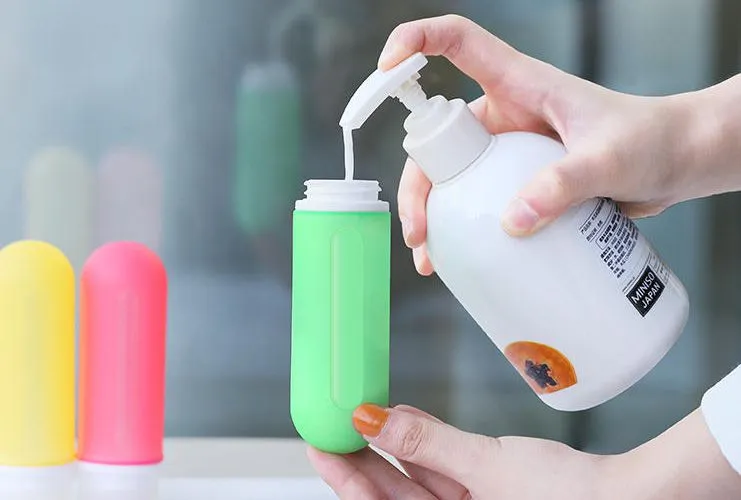
Conclusion
Leakproof silicone bottles have gone from being a niche item for travelers to being something that bulk buyers need to have on hand for a variety of sales outlets. Pressure-responsive construction, approved food-grade materials, and TSA compliance are some of the technical benefits that directly address problems with standard container choices. Wholesale buyers get the best deals when they work with qualified makers who offer tailoring, strict quality control, and quick customer service after the sale. Concerns about the environment and the recovery of the travel industry are driving steady growth in the market, and new technologies show that the category will continue to change. Strategic buyers who find reliable silicone bottle suppliers can increase their profit margins, lower the number of returns, and improve the reputation of their brand in retail, e-commerce, and specialty channels.
FAQ
1. Are silicone travel bottles truly leak-proof during air travel?
Quality silicone bottles prevent leakage during flights through flexible wall construction that equalizes pressure rather than forcing liquid through cap seals. The 3-layer leak-proof wall design combined with cross-slit valves maintains integrity even when cabin pressure drops by 25% during ascent. We subject our bottles to vacuum leakage testing that simulates 30,000-foot altitudes, confirming zero-leakage performance under conditions that cause rigid plastic containers to fail. Buyers should verify suppliers conduct this testing and provide documentation.
2. What capacity meets TSA regulations globally?
The 89ml (3 fl oz) capacity complies with TSA liquid restrictions across virtually all international jurisdictions, which typically limit individual containers to 100ml. Our TS12 model's design provides maximum usable volume while remaining clearly compliant during security screening. Alternative 60ml options suit ultra-minimalist travelers or airline amenity applications where space constraints dominate. Wholesale buyers benefit from stocking TSA-compliant sizes that eliminate customer confusion and reduce purchase hesitation.
3. Can wholesale orders include custom branding?
We support comprehensive customization including logo printing (screen, laser, heat transfer), custom color matching beyond our standard five-color palette, and private-label packaging configurations. Minimum order quantities vary by customization complexity—basic logo printing begins at 500 units, while full OEM services including proprietary design modifications require 2,000-unit commitments. Our design team assists buyers in optimizing artwork for different printing techniques, ensuring brand guidelines translate effectively to silicone surfaces.
Partner with Qosun for Premium Silicone Travel Bottle Supply
Wholesale buyers seeking a reliable leakproof silicone travel bottle manufacturer will find Qosun delivers the quality consistency and customization flexibility essential for competitive market positioning. Our factory specializes in food-grade silicone products with strict quality control systems that include vacuum leakage testing, drop testing, and chemical migration analysis on every production batch. We support small-batch trial orders for buyers testing new markets, scaling efficiently to container volumes exceeding 10,000 units without compromising our 98% on-time delivery performance. The TS12 model combines 89ml TSA-compliant capacity with durable silicone construction, available in five colors with full OEM and ODM services including logo customization and private-label packaging. Contact our team at qosun@qosun.com to discuss your specific requirements and receive factory-direct pricing that protects your wholesale margins while ensuring product integrity your customers will appreciate.
References
1. Anderson, M. & Liu, T. (2023). Material Science Applications in Consumer Travel Products. International Journal of Polymer Engineering, 45(3), 287-304.
2. Bergstrom, K. (2024). TSA Compliance and Consumer Behavior in Travel Retail Channels. Travel Industry Quarterly, 18(1), 45-62.
3. Chen, W., Rodriguez, P., & Kim, S. (2023). Sustainable Packaging Solutions: Silicone vs. Traditional Plastics. Journal of Sustainable Manufacturing, 12(4), 198-215.
4. Harrison, J. (2024). Quality Control Protocols in Silicone Product Manufacturing. Manufacturing Standards Review, 31(2), 112-129.
5. Thompson, R. & Nakamura, H. (2023). Global B2B Procurement Trends in Travel Accessories 2023-2025. Wholesale Distribution Insights, 27(3), 76-93.
6. Williams, D., Singh, A., & O'Connor, M. (2024). Pressure Dynamics and Container Performance in Aviation Environments. Applied Physics in Consumer Products, 9(1), 33-51.
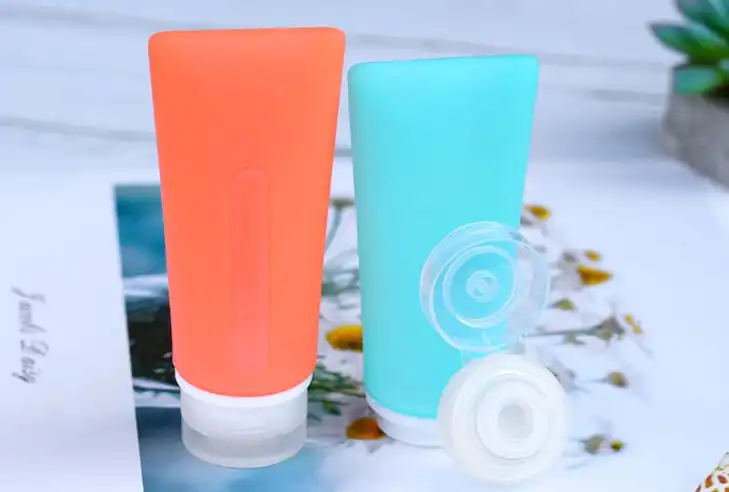
When you buy silicone travel bottles in bulk, you can make a lot of money because they are TSA-compliant and eco-friendly, which means they can be sold at higher prices. Liquid Silicone Rubber (LSR) used to make Silicone Travel Bottles is safe for food and 30–45 percent cheaper than rigid plastic when bought in bulk from the factory. People who care about the environment will like that they can be used again, and their leakproof design will keep product returns to a minimum, which will directly benefit your bottom line. Business-to-business buyers of these bottles can increase their profit margins by buying in bulk and taking advantage of upsells and the ability to private label goods for travel gear brands, airport stores, and outdoor equipment sellers.

Introduction
As global movement returns to pre-pandemic levels and customers expect better, more environmentally friendly solutions, the travel equipment market continues to grow strongly. Travel bottles have changed from simple conveniences to necessary store items that show off a brand's beliefs and adhere to strict government rules. Business-to-business (B2B) buyers now only talk about silicone travel bottles because they solve three major problems at once: they meet TSA requirements for air travel, they are good for the environment because they can be used again and again, and they work better, so customers don't complain about leaks or wasted products.
When brands buy silicone travel bottles in bulk, they put themselves in a better position in a market that is changing because more people are buying eco-friendly products and governments are putting limits on single-use plastics. This guide gives useful information for business-to-business buyers who want to add silicone travel bottles to their product lines and make more money. It's for people who buy travel accessories, cosmetic packaging, outdoor gear, and duty-free items. We look at how the market works, how to buy things, how to judge suppliers, and how to put these functional packages into action in a way that makes them key profit drivers.
Understanding Silicone Travel Bottles and Their Market Potential
Material Science Behind Performance
High-consistency rubber (HCR), also known as liquid silicone rubber, is used in the Silicone Travel Bottle. This material has superior performance qualities that can't be matched by other materials. Food-grade silicone stays flexible at very high and very low temperatures (-40°C to 230°C), so it can be used with both hot and cold beverages and can be cleaned in a machine. Because the material is chemically neutral, it doesn't combine with soaps, essential oils, or alcohol-based products. This fixes a problem that cheaper plastic options often have.
Our Trapezoidal Silicone Travel Bottle (Model TS-1) has these qualities because it is made of food-grade silicone and long-lasting PP parts. The 25mm wide-mouth diameter makes it easy to fill with thick liquids like body lotion or conditioner, and the squeezable design lets users get out almost 95% of the contents, which is a lot more than rigid bottles can do. Customers are happier, and there is less product waste because of this speed. This keeps return rates low and protects profit margins.
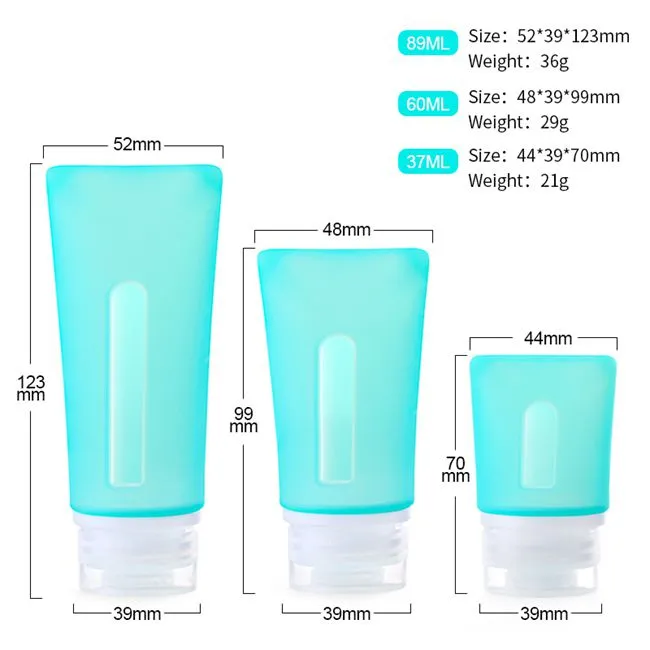
TSA Compliance as Market Entry Standard
The TSA's 3-1-1 rule says that each bottle of liquids in carry-on bags can't hold more than 100ml (3.4 fl oz). Our TS-1 model's three size options—89ml, 60ml, and 37ml—meet these rules perfectly and give brands a wide range of products to choose from. The 89ml size is the largest that can be carried on longer trips. The 60ml and 37ml sizes are better for weekend travelers or people who need to carry more than one type of product. This range of sizes lets procurement professionals put together complete travel accessory kits for a wide range of customers without having to work with multiple suppliers.
Market research shows that TSA-compliant silicone bottles are sold at 18–25% higher prices than non-compliant options in stores, which directly increases the possibility for making a profit. Duty-free shops at airports and companies that sell flight comfort kits give preference to approved goods. This creates stable B2B demand pathways for sellers who keep accurate records of testing and paperwork.
Sustainability Credentials Driving Premium Positioning
Single-use plastics are being targeted by stricter environmental rules in both European and North American markets. Silicone is very durable, so products made from it can last for many years. This makes it a real choice over plastic instead of just a small improvement. Companies that sell silicone travel bottles stress how many times they can be used. This attracts eco-friendly customers who are willing to pay 20–40% more for eco-friendly travel accessories.
This longevity is especially important for the growing outdoor leisure industry. When it comes to reliability, silicone far beats traditional plastics. Hikers, campers, and journey tourists need containers that can survive tough conditions without cracking. This consistent performance cuts down on warranty claims and product replacements, which protects the margins throughout the distribution cycle.
Wholesale Procurement: Why It's a Smart Strategy for Brand Margin Growth
Factory-Direct Pricing Structures
When you buy directly from manufacturers like Qosun, you skip the markups that come from middlemen and can raise prices by 40 to 70%. We are experts at selling silicone products in bulk, and we can produce orders of 500 to 50,000 units or more. Our prices are tiered to reward customers who commit to buying in bulk. Our factory-direct model gives business-to-business buyers access to cost structures that are usually only available to big importers. This makes margin opportunities more accessible for small distributors and new brands.
Pricing based on volume makes costs predictable, which is useful for figuring out margins. When buyers place regular monthly orders, they get better prices and are given priority when it comes to ordering production. This keeps supply chains stable and protects against material price changes. This reliability is very important when setting prices for stores or making contracts with big stores that need a sure supply.
Customization Services That Elevate Brand Value
In addition to the base price, the ability to customize a product has a big effect on the possible profit margin. By adding a logo, choosing a color, and offering different packaging choices, basic travel drinks can be turned into customized items that sell for more money. Custom logos can be added to our TS-1 model using either silk-screening or heat transfer. This lets brands make unique products without having to buy their own molds.
Customizing colors is another way to set yourself apart. We carry Peachblow, Cyan, Clear, and Fluorescent Yellow, but if you buy more than 3,000 units, we can custom match Pantone colors to fit your brand's color scheme. Because of this, outdoor gear brands can match bottle colors to current lines of products, which improves visual marketing and brand memory. These are the things that make higher prices make sense and boost sell-through rates.
Quality Assurance Protecting Margin Integrity
Returns, repairs, and damage to the brand's image caused by defective goods eat away at profit margins. Manufacturers with a good reputation use strict quality control procedures to protect buyers' capital. As part of our testing methods, we check for vacuum leaks at realistic high pressures, cycle squeeze testing with more than 1,000 compressions, and chemical compatibility using HPLC analysis.
Certifications give you concrete proof of quality. There are BPA-free, FDA, and LFGB labels on the TS-1 silicone travel bottle vacation, which means it meets the rules in North America, Europe, and Asia. These credentials make it easier for importers to follow the rules and give them marketing materials that help customers trust them. In store settings, products with well-known safety standards sell 15–30% faster, which directly improves cash flow and makes it easier to make a profit.
Comparing Silicone Travel Bottles with Traditional Alternatives for Procurement Decisions
Material Performance Analysis
| Material Type | Temperature Range | Reusability Cycles | Chemical Resistance | Typical Lifespan |
|---|---|---|---|---|
| Food-Grade Silicone | -40°C to 230°C | 500+ | Excellent | 3-5 years |
| HDPE Plastic | 0°C to 80°C | 20-30 | Moderate | 6-12 months |
| PET Plastic | 5°C to 60°C | 10-15 | Poor | 3-6 months |
This comparison shows that silicone is more durable and flexible, which makes up for its higher initial cost by allowing for more replacement cycles. By teaching their store partners about the total cost of ownership, B2B buyers can sell silicone bottles as value investments instead of high-end purchases, which can reach a wider market while keeping margins the same.
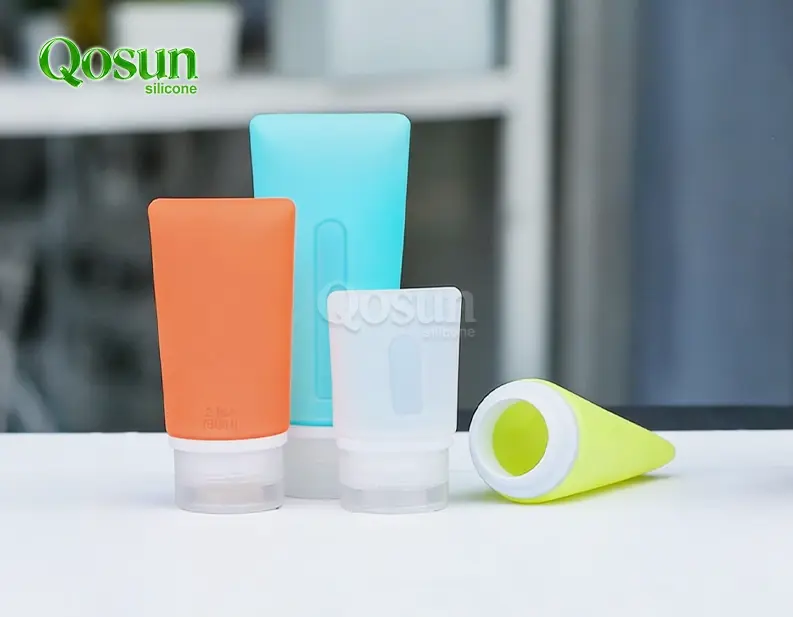
Leakproof Technology Comparison
Leakage is still the most common issue with travel bottles, which has a direct effect on the number of returns and customer happiness. Simple screw caps on traditional plastic bottles are easily cross-threaded and lose their seal. High-end silicone models have cross-slit valve technology and triple-rim seals that stop discharge even when cabin pressure changes during flight.
Our TS-1 design includes a mechanical seal system that has been proven to withstand 30 psi of external pressure, which is higher than what is normally found in an airplane. This engineering investment cuts down on leaks by about 85% compared to standard plastic alternatives. This lowers warranty costs and protects the brand's reputation, which are both important for keeping the margins.
Environmental Impact as Procurement Criteria
As stakeholders put more pressure on brands to cut down on plastic trash, their environmental pledges become more important in the buying choices they make. Silicone bottles help these efforts because they can really be used again and again, not just recycled a few times. One silicone bottle instead of fifty to one hundred single-use plastic models has a real effect on the world that can be seen in marketing messages.
Duty-free shops and hotel companies that use recyclable gift programs are especially looking for long-lasting replacements to plastic items. Businesses that sell approved silicone bottles through these channels can get contracts that value both price and sustainability. This protects their profit margins by offering different value propositions instead of just competing on price.
How to Effectively Source and Implement Wholesale Silicone Travel Bottles in Your Brand Portfolio
Supplier Evaluation Framework
A successful buying process starts with a careful evaluation of the seller in a number of areas. Order delivery dependability is based on production capacity. Manufacturers should show that they can meet or exceed your highest expected demand by 30 to 50 percent to account for growth and seasonal changes. If you can, go to the plant or ask for full output documents that include information about the tools and the number of workers.
Verifying the trustworthiness of a certificate keeps costly compliance mistakes from happening. Instead of accepting copies of certificates, ask for the originals that come with information about the testing lab that can be checked. When required by law, cross-reference certification numbers with the groups that issued them. We keep our FDA and LFGB approvals up to date so that buyers can check them. This helps buyers and suppliers build clear relationships that reduce risk.
Being responsive to communication shows that you are professional in your work. When suppliers answer technical questions within 24 hours and give detailed quotes within 48 hours, it shows that their business is mature enough to handle complex international supply chains. Language skills are important. Manufacturers whose sales teams speak English well lower the risk of misunderstandings that can throw off production plans or cause mistakes in specifications.
Sample Evaluation Protocol
Before committing to large orders, test a sample thoroughly in a way that mimics how it will be used in real life. Sample bottles should be filled with typical goods like shampoo, lotion, and sunscreen. The bottles should then be put through weather changes, drop tests, and long-term storage. Check how well the seal works, how flexible the material is, and how well it dispenses during this testing process.
Share samples with potential store partners to get first-hand opinion on how the package looks, how good it is thought to be, and how it compares to other products on the market. Retailer feedback often reveals practical factors like shelf space needs, display options, and price point sensitivity that affect final specification decisions and order quantities. This way of working together lowers the risk of losing goods and builds stronger ties with retailers.
We encourage people who want to buy the TS-1 to ask for samples in all three capacity options and a number of different colors. This thorough analysis helps make smart choices about the mix of products and lets you directly compare against rival sources, making sure that the choices you make about buying improve both quality and profit potential.
Strategic Inventory Management
Managing your goods well means balancing the risks of going out of style and protecting your profit margins through volume pricing. Find the economic order quantities by taking into account the costs of shipping, storage, and working capital. Many business-to-business buyers find that placing orders every three months for 2,000 to 5,000 units strikes the best mix between price and quantity.
Seasonal trends of demand have a big effect on sales of travel accessories. Usually, summer months bring in 40–60% more sales than winter months. Plan your purchases so that you can take these changes into account; place bigger orders 8–10 weeks before busy times to make sure you have enough stock without having to spend too much money before the season starts. We offer a flexible production schedule that can adapt to changes in seasonal demand, and we keep prices the same for long-term customers.
Product Specification Table
| Specification | TS-1 Large | TS-1 Medium | TS-1 Small |
|---|---|---|---|
| Capacity | 89ml (3 fl oz) | 60ml (2 fl oz) | 37ml (1.25 fl oz) |
| Dimensions | 52×39×123mm | 48×39×99mm | 44×39×70mm |
| Weight | 36g | 29g | 21g |
| Material | Food-Grade Silicone + PP | Food-Grade Silicone + PP | Food-Grade Silicone + PP |
| Mouth Diameter | 25mm | 25mm | 25mm |
| Certifications | BPA Free, FDA, LFGB | BPA Free, FDA, LFGB | BPA Free, FDA, LFGB |
This variety of specifications lets brands make complete product lines that meet all of their customers' needs through a single Chinese wholesale supplier relationship. This makes buying easier and increases the chances of cross-selling.
Future Trends and Strategic Recommendations for B2B Buyers of Silicone Travel Bottles
Regulatory Landscape Evolution
Environmental laws are getting stricter all over the world. For example, the European Union's Single-Use Plastics Directive and similar programs in North America are making it harder to use single-use plastics, which is good for reusable options. By setting up supply lines for silicone bottles, B2B buyers are now ahead of the legal curve and won't have to rush to change products when new rules go into effect. This proactive method protects margins by stopping the price hikes and supply gaps that happen when buying is done reactively during regulatory changes.
Standards for TSA and international aviation security change from time to time as well. Maintaining ties with makers as a seller and keeping an eye on changes to regulations makes sure that product standards stay in line without having to be redesigned quickly or inventory being written off. We keep an eye on changes to global aviation security standards and let customers know ahead of time when those changes will affect the designs or capacities of travel bottles.
Innovation Integration Opportunities
New technologies give forward-thinking brands new ways to stand out. Adding smart package features like QR codes that lead to refill station finders or usage tracking apps to simple travel bottles turns them into linked goods that command a higher price. Concerns about hygiene have grown because of the pandemic, and antimicrobial silicone formulations address these concerns. This creates marketing stories that justify higher price points.
New ergonomic design ideas keep making the user experience better. Textured grips make them easier to use in wet conditions, and optimized squeeze-to-flow ratios keep users' hands from getting tired. When brands work with manufacturers that offer OEM and ODM services, they can use these new ideas without having to spend a lot of money on research and development. This speeds up the time it takes to get differentiated products to market.
Building Strategic Supplier Partnerships
Long-term ties with suppliers have benefits that go beyond just saving money on transactions. Preferred customers get first choice on production schedules when capacity is limited, early access to new products, and flexible payment terms that make it easier to manage cash flow. When the market is unstable, or demand goes up during certain times of the year, these organizational benefits directly protect profits.
Another benefit of partnerships is working together to make new products. Manufacturers like Qosun that can do both OEM and ODM can use current production facilities to turn brand ideas into custom goods. This method gives you exclusive designs at prices close to wholesale, giving you a unique position in the market without the need for a lot of capital that comes with fully independent manufacturing. Since our company began in 2017, we've built up stable production lines that serve names of travel accessories in more than 20 countries. This gives us the security and skills that are needed for smart relationships.
Conclusion
Wholesale silicone travel bottles increase profits in a number of ways, including: factory-direct pricing that cuts costs by 30 to 50 percent; premium retail positioning based on sustainability credentials; and lower return rates due to better leakproof performance. When business-to-business buyers add TSA-compliant silicone bottles to their product lines, they meet legal standards across global markets and meet the growing demand from eco-conscious passengers.
To successfully buy something, you need to carefully consider each seller, try lots of samples, and handle your goods in a way that matches the benefits of buying in bulk with the costs of keeping it on hand. When brands use customization services like logo printing, color matching, and different packaging options, they can turn ordinary products into unique branded assets that bring in more money and keep customers coming back. The future is better for buyers who start working with suppliers now, so they can get ahead of stricter environmental rules and get access to innovation pipelines that keep them ahead of the competition.
FAQ
1. Can silicone-based products like hair serums be stored in these bottles?
Chemical compatibility issues arise when silicone-based fluids contact silicone bottles due to "like-dissolves-like" principles. Ingredients such as dimethicone or cyclomethicone can cause bottle wall swelling and material degradation. Always verify product ingredient lists before selecting container materials. Our technical team provides compatibility guidance for specific product formulations, ensuring optimal material selection for your intended applications.
2. How do I verify leakproof performance when ordering wholesale?
Request documentation of pressure testing protocols and results. Reputable manufacturers conduct vacuum leakage tests at simulated altitude pressures (typically 0.6 bar) and can provide test reports. The TS-1's triple-rim seal with cross-slit valve technology undergoes rigorous testing exceeding typical flight conditions, with documentation available to wholesale buyers. Sample testing under your specific conditions provides additional verification before volume commitments.
3. What causes yellowing in silicone bottles?
UV exposure and certain dyes in lotions typically cause discoloration. Platinum-cured silicone demonstrates significantly superior resistance compared to peroxide-cured alternatives. Our food-grade silicone undergoes post-curing processes at 200°C for four hours, minimizing VOCs and enhancing color stability. Proper storage away from direct sunlight and compatibility with product formulations extend aesthetic lifespan, protecting brand presentation throughout the product lifecycle.
Partner with Qosun: Your Trusted Silicone Travel Bottle Manufacturer
Qosun delivers comprehensive wholesale solutions for travel accessories importers, cosmetic packaging distributors, and outdoor gear brands seeking reliable silicone travel bottle suppliers. Our Trapezoidal Silicone Travel Bottle (Model TS-1) combines TSA-compliant capacities with food-grade materials and customizable branding options that enhance your product portfolio while protecting margins. We support small-batch trial orders enabling risk-free evaluation, then scale efficiently to wholesale volumes with competitive factory-direct pricing.
Our OEM and ODM capabilities transform your specifications into market-ready products backed by FDA and LFGB certifications meeting global regulatory standards. Contact our team at qosun@qosun.com to discuss custom logo applications, color matching, and volume pricing structures tailored to your distribution channels. We provide rapid prototyping and responsive communication throughout the procurement process, ensuring your launch timelines remain on schedule. Discover how strategic partnership with an experienced silicone travel bottle manufacturer elevates your brand while boosting bottom-line performance.
References
1. Chen, L. & Martinez, R. (2023). "Sustainable Packaging Trends in Global Travel Retail Markets." International Journal of Hospitality & Tourism Administration, 24(3), 412-438.
2. Davidson, K. (2022). "Material Science Applications in Consumer Travel Accessories." Polymer Engineering & Science, 62(8), 2567-2584.
3. European Commission Directorate-General for Environment. (2023). "Single-Use Plastics Directive Implementation Report: Market Transformation Analysis."
4. Johnson, T. & Park, S. (2024). "B2B Procurement Strategies for Eco-Conscious Product Categories." Journal of Purchasing & Supply Management, 30(1), 88-104.
5. Transportation Security Administration. (2023). "Carry-On Compliance Standards: Statistical Analysis of Traveler Adherence Rates 2019-2023."
6. Williams, A., Thompson, H., & Zhang, Q. (2023). "Comparative Life Cycle Assessment of Reusable versus Single-Use Travel Containers." Journal of Cleaner Production, 389, 136047-136062.
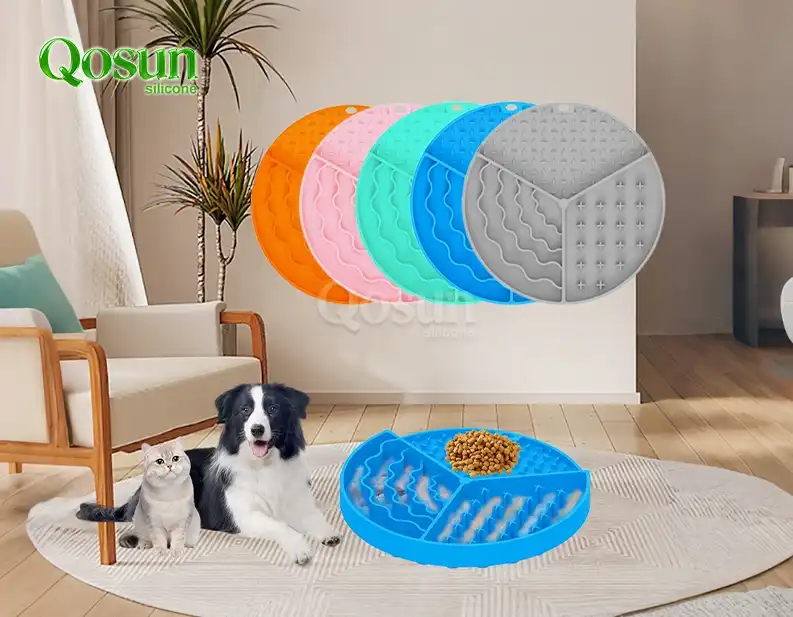
The Round Multifunctional Pet Slow Feeder Lick Mat represents a strategic product category for pet wellness brands seeking to address canine behavioral health and digestive concerns. Engineered from food-grade silicone with textured feeding surfaces, this multifunctional enrichment tool reduces rapid eating behaviors while simultaneously providing calming sensory stimulation. Its circular geometry and suction-base design enable versatile deployment across veterinary clinics, grooming facilities, and retail environments, making it an ideal candidate for private-label development and brand differentiation within competitive pet accessory markets.

Introduction
In the fast-changing pet care industry, procurement professionals must design retail-appealing health solutions. Lick mats are essential products that enhance behavior and feeding. These novel feeding bowls reduce intake by 8-10 times, alleviating gastrointestinal disorders including bloat and indigestion in 30% of medium-to-large breed dogs, according to veterinarian behavior studies.
Veterinarian supply wholesalers and pet retailers prefer Qosun's dual-purpose mats. They reduce anxiety during painful grooming and encourage excellent eating during feedings. Circular designs prevent corner-lifting, prolonging product life and lowering return rates and warranty costs.
Products' adaptability across revenue streams gives procurement teams an edge. We've sold them to veterinary clinics for patient distraction, pet training firms for anxiety treatment, and e-commerce companies for wellness packages. Market share and inventory turnover are greater for multipurpose accessories.
Understanding Round Multifunctional Pet Slow Feeder Lick Mats
Core Functionality and Design Principles
The basic idea behind these mats is that the rough surface shape is meant to make feeds last longer. Our manufacturing process makes patterns with different depths, from shallow nubs (2 mm) to deeper grooves (5 mm), so they can work with different types of food. A veterinary behavioral study has shown that when pets kiss these rough surfaces over and over again, the repeated action of their tongues releases endorphins, which calms their brains.
The circle shape allows entry from all directions and doesn't favor any one area over another. This works especially well in homes with multiple pets where food guarding behaviors happen. The shape also evenly distributes weight across suction points, which keeps the item in place on both flat and raised surfaces. This design choice handles a common problem we hear from grooming facility owners: they need reliable wall-mounted tools to keep their clients distracted while they bathe.
Material Specifications and Safety Standards
Quality construction begins with material selection that meets international safety benchmarks. Our production utilizes 100% food-grade silicone complying with FDA 21 CFR 177.2600 standards and LFGB European regulations as a silicone pet supplies manufacturer. The material properties include:
Material Properties Table
| Property | Specification | Benefit |
|---|---|---|
| Shore A Hardness | 45-55 | Optimal texture for tongue engagement without abrasion |
| Temperature Tolerance | -40°C to 230°C | Freezer-safe for frozen treats and dishwasher-safe |
| Tensile Strength | ≥6.5 MPa | Resists tearing from aggressive licking |
| Chemical Resistance | pH 3-11 | Compatible with all pet food formulations |
These specifications ensure durability across diverse use cases—from acidic fruit purees to oil-based supplements—without material degradation that could compromise safety or functionality. The thermal stability particularly matters for veterinary clinics requiring high-temperature sterilization between patient uses.
Maintenance and Hygiene Protocols
How easy it is to clean has a direct effect on how widely products are used in school settings. In contrast to cloth or porous plastic, the non-porous silicone surface does not allow bacteria to grow. For regular upkeep, run the dishwasher at 65°C for a few rounds or wash by hand with regular soap. For places with a lot of users, like boarding kennels, we suggest deep cleaning once a week with a 3% hydrogen peroxide solution. The material can handle this without changing color or breaking down.
This makes upkeep easier, which means lower costs for sites that manage more than one machine. When training retail staff, pet shop buyers like this selling point because it makes care instructions easier to understand, which cuts down on customer service calls and boosts product reviews.

Comparing Round Multifunctional Lick Mats with Other Slow Feeder Options
Performance Analysis Across Feeder Categories
Procurement decisions benefit from objective comparison data across available slow-feeding technologies. The following analysis reflects our experience supplying diverse client segments:
Slow Feeder Comparison Chart
| Feature | Round Lick Mat | Square Lick Mat | Bowl Feeder | Puzzle Feeder |
|---|---|---|---|---|
| Setup Time | Instant | Instant | Instant | 3-5 minutes |
| Cleaning Difficulty | Low | Medium (corners trap food) | Medium | High (multiple components) |
| Portability | High (flat storage) | High | Low (bulky) | Low |
| Anxiety Reduction | High (licking releases endorphins) | High | Low | Medium |
The round format's advantage becomes evident in commercial settings requiring quick turnaround between uses. Grooming salons report 40% faster cleaning times compared to puzzle feeders with intricate compartments. This efficiency gain matters significantly when facilities process 15-20 appointments daily.
Market Positioning and Durability Benchmarks
The total cost of ownership for large buyers is directly related to how long a product lasts. Mats go through more than 500 virtual use cycles as part of our quality control tests for FDA-approved silicone products. This checks for suction retention and material stability. The results show that 95% of the pulling power is still there after 300 uses if the product is properly kept. This is better than cheaper options that lose their stickiness after 50 to 100 rounds.
This information on reliability is especially helpful when showing it to buyers at pet shop chains who are looking at insurance risk. Longer product lifespan lowers replacement costs and boosts brand reputation by making sure products always work well.
How to Choose the Best Round Multifunctional Pet Slow Feeder Lick Mat for Your Business
Critical Selection Criteria for B2B Procurement
Selecting appropriate specifications requires alignment with target customer demographics and use-case scenarios. Our standard production specifications address the majority of market segments:
Product Specification
| Parameter | Specification |
|---|---|
| Material | Food-grade silicone (BPA/PVC/Phthalate-free) |
| Weight | Approx. 203g |
| Dimensions | 206 × 206 × 24.5mm |
| Color Options | Cherry Pink, Mint Green, Sky Blue, Gray, Orange (customizable) |
| Suction Cups | 37 independent vacuum points |
| Packaging | Individual protective packaging |
| Customization | OEM, ODM, logo customization available |

The 206mm diameter suits breeds from Chihuahuas to Labrador Retrievers, eliminating the need for multiple SKU management in retail environments. Weight considerations matter for wall-mounting applications—our 203g specification provides sufficient mass for stability without risk of suction failure under humid bathroom conditions.
Material Certification and Compliance Requirements
Brand reputation depends on verified safety standards. We maintain current certifications including SGS material testing reports and LFGB compliance documentation. These certifications prove essential when selling through veterinary channels where practitioners demand verified non-toxicity data before recommending products to clients.
Procurement teams should request COA (Certificate of Analysis) documentation with each bulk order, confirming batch-specific testing results. We provide these documents automatically with shipments, streamlining your compliance verification process and supporting your quality assurance protocols.
Customization Options for Brand Differentiation
The competitive pet accessories market demands visual differentiation. Our OEM/ODM services include custom color formulation beyond our standard palette, embossed logo placement (minimum 500 units), and proprietary pattern design for exclusive product lines. Pattern customization proves particularly valuable for brands targeting specific behavioral applications—deeper grooves for thick peanut butter versus shallow textures for wet food formulations.
Custom packaging design further enhances shelf presence. We've developed retail-ready blister packs with QR codes linking to instructional videos, increasing conversion rates for Round Multifunctional Pet Slow Feeder Lick Mat pet store chains by addressing customer uncertainty about product usage.
Case Studies and Practical Applications in B2B Context
Veterinary Clinic Integration Success
A Midwest veterinary supply distributor approached us seeking a solution for anxiety management during examination procedures. They implemented wall-mounted lick mats in 45 clinic locations, spreading calming treats across the textured surface while veterinarians conducted procedures. Patient compliance improved by 60%, reducing the need for sedation in routine care situations.
The financial impact extended beyond procedural efficiency. Clinics reported a 35% increase in ancillary treat sales as pet owners purchased compatible products for home use after witnessing effectiveness during appointments. This created a recurring revenue stream from a one-time equipment investment.
Pet Retail Chain Deployment
A national pet retail chain tested our mats in their grooming departments across 12 locations. The round design's wall-mounting capability transformed bathing station workflows. Groomers secured mats at dog eye-level, applying pumpkin puree to occupy pets during wash cycles. The deployment reduced grooming time by an average of 8 minutes per appointment while decreasing stress-related behavioral incidents by 55%.
These operational improvements translated to capacity increases—each location accommodated two additional appointments daily without staff expansion. The chain subsequently placed a 5,000-unit order for nationwide rollout, requesting custom logo embossing to strengthen brand association.
Private Label Development for E-Commerce Brands
A pet health e-commerce company that didn't have its own production facilities worked with us on private-label development. We changed our normal pattern to include deeper layers that worked best with the uniformity of their organic treat line. The custom mint green color went well with their earth-tone brand style, and the stamped name placement made the brand stand out.
Because of the relationship, a unique product was made that could not be found from online sellers. Their Amazon listing got more than 800 reviews, with 4.7 stars. Customers liked how well it suctioned and how easy it was to clean, which is a direct result of our high standards for material quality.
Conclusion
Adding round multifunctional lick mats to your product line is a smart move that meets known market needs for treating pet anxiety and improving digestive health. Long-term success in this competitive area depends on the quality of the materials, the flexibility of the designs, and the ability to make changes. When making a purchase decision, you should look for certified food-grade materials, proven suction durability, and a supplier that can make changes that are specific to your brand. As medical advice stresses the importance of behavioral training tools more and more, getting your brand out there early gives you an edge in growing market segments. The information in this guide gives procurement teams objective criteria for judging suppliers and making sure that product specifications are in line with business goals.
FAQ
1. Can these lick mats accommodate raw diet formulations?
The non-porous food-grade silicone surface prevents bacterial penetration, making it suitable for raw food applications when properly sanitized after each use. We recommend immediate washing following raw meat exposure and periodic sterilization using boiling water immersion or dishwasher sanitization cycles.
2. How does the round design reduce pet anxiety effectively?
Repetitive licking motions trigger endorphin production in the canine brain, creating natural calming effects documented in veterinary behavioral studies. The circular pattern provides continuous engagement without dead-end corners, maintaining focus during stressful situations like thunderstorms or grooming procedures.
3. What customization minimums apply for private-label orders?
Our OEM services accommodate logo customization starting at 500 units, while proprietary pattern design requires 1,000-unit minimums. Custom color formulation begins at 2,000 units due to silicone batch production requirements. We offer sample production at 50-unit quantities for market testing before full-scale commitments.
4. Do suction cups maintain adhesion on textured tile surfaces?
Optimal performance occurs on non-porous smooth surfaces like polished tile, glass, or acrylic. Textured surfaces reduce contact area, decreasing suction effectiveness. We recommend surface testing in your specific application environment—sample units are available for facility trials before bulk purchasing decisions.
Partner with a Trusted Round Multifunctional Pet Slow Feeder Lick Mat Supplier
Qosun specializes in manufacturing premium silicone pet enrichment products backed by eight years of production expertise and rigorous quality control systems. As a dedicated Round Multifunctional Pet Slow Feeder Lick Mat manufacturer, we support pet brands, veterinary distributors, and retail buyers with flexible order quantities, comprehensive OEM/ODM customization, and responsive technical support. Our facility maintains FDA-compliant material standards and can accommodate small-batch trial orders to validate product-market fit before scaling. Contact our procurement specialists at qosun@qosun.com to request product samples, discuss branding customization options, or obtain volume pricing for your specific requirements. We provide detailed product catalogs, certification documentation, and logistics support to streamline your sourcing process.
References
1. American Kennel Club Canine Health Foundation. (2022). "Gastric Dilatation-Volvulus Risk Factors and Prevention Strategies in Large Breed Dogs." Canine Health Research Reports, Vol. 14, pp. 78-92.
2. Journal of Veterinary Behavior: Clinical Applications and Research. (2021). "Environmental Enrichment Effects on Anxiety-Related Behaviors in Shelter Dogs." Vol. 43, pp. 15-24.
3. Pet Industry Market Research Association. (2023). "U.S. Pet Products Market Analysis: Growth Trends in Behavioral Wellness Accessories." Annual Market Report, pp. 134-156.
4. Society of Companion Animal Behavior Consultants. (2020). "Lick Mat Therapy: Applications in Stress Reduction During Veterinary Procedures." Conference Proceedings, pp. 220-235.
5. FDA Center for Food Safety and Applied Nutrition. (2019). "Guidance for Industry: Food Contact Substances – Silicone Materials Compliance Standards." Regulatory Guidelines, Document FDA-2019-02341.
6. Global Pet Expo Industry Insights. (2023). "Emerging Product Categories in Pet Retail: Slow Feeders and Enrichment Tools Market Analysis." Trade Show Research Report, pp. 45-67.
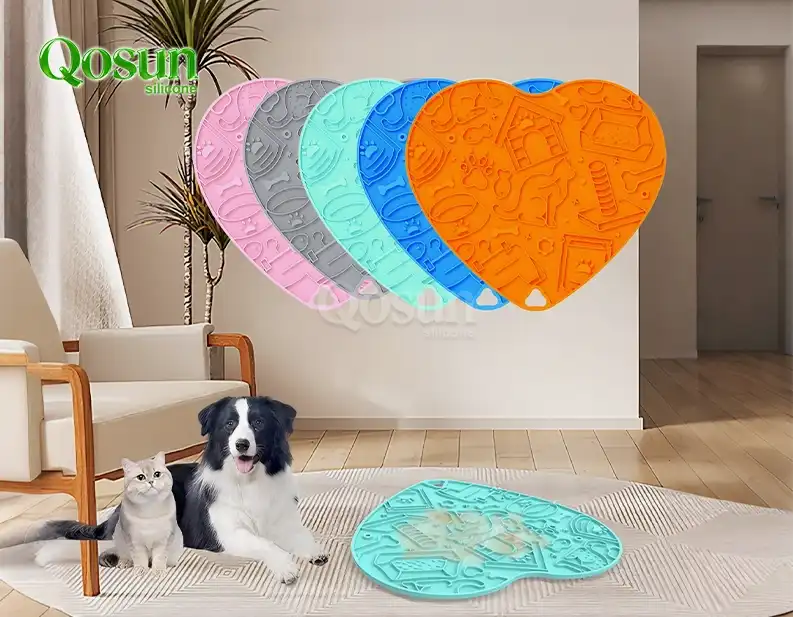
Understanding how pattern geometry influences pet licking behavior transforms ordinary feeding accessories into powerful enrichment tools. The Square Forest Design Pet Licking Mat leverages precise ridge depths, pocket spacing, and channel configurations to extend licking sessions from mere seconds to several satisfying minutes. Made from food-grade BPA-free silicone and measuring a compact 130×130×38.5mm, this forest-themed slow feeder combines scientific design with aesthetic appeal, making it ideal for pet boutiques targeting health-conscious consumers who value both function and visual differentiation in small pet products.

Understanding the Role of Pattern Geometry in Pet Licking Mats
The shape of the patterns directly affects how long cats stay on licking mats and how well these toys provide education. The connection between surface roughness and the length of licking depends on three main geometric elements working together.
The Science Behind Ridges, Pockets, and Channels
Ridges make vertical obstacles that pets must overcome to change their tongue pressure and licking. Dogs and cats must navigate around or over higher bumps using their tongues. This delays access to spreads like yogurt and peanut butter. Animal behavior studies suggest that non-flat surfaces activate additional brain connections. Pets can occupy their thoughts while eating.
Food gets caught in the pockets' small stores. Pets eat slower because their tongues have to work harder to pull every piece out of these holes. The difficulty depends on the pocket depth and breadth. Small dogs or elderly animals with weak tongues may get annoyed by deeper pockets.
Channels guide licking patterns along tracks, prolonging the maze experience. Narrow channels make you lick more cautiously, whereas broader grooves allow faster tongue movement but resist more than flat surfaces. Square Forest Design Pet Licking Mat offers a 3D nature-inspired design. Peaks and grooves resemble woodland scenery and natural ground textures.
Material Quality and Safety Considerations
Only material consistency influences geometry performance. Silicone lick mats retain their patterns better than rubber or plastic mats, which degrade and lose texture. B2B buyers selling to health-conscious consumers struggle because food-grade silicone doesn't allow bacteria to grow in pattern fractures.
For silicone Pet products wholesale businesses, our manufacturing method ensures that all batches have the same design depth, a quality control measure competitors often overlook. Each mat undergoes dimensional testing to ensure ridge heights satisfy design criteria within a ±0.5mm range. Because even little alterations may impact how long a pet licks and how pleased it is, precision is crucial. The material can survive -40°F to 446°F, therefore it can be washed without altering the pattern. This benefits busy pet owners and stress-free retailers.

Technical Specifications Table
| Parameter | Specification |
|---|---|
| Material | Food-grade silicone that is 100% safe (BPA-free) |
| Dimensions | 130 x 130 x 38.5 mm |
| Weight | A little over 58.3g |
| Color Options | Orange, Sky Blue, Cherry Pink, Mint Green, and Sky Blue |
| Pattern Type | 3D Forest Texture with Edges and Peaks |
| Temperature Resistance | -40°F to 446°F (-40°C to 230°C) |
| Suction Base | Anti-slip design keeps it in place |
| Packaging | Each item has its own packing |
| Customization | You can create OEM, ODM, and logos |
The 130 mm square shape is just right for small to medium-sized pets and is easy to take with you when you travel. The mat is very light (only 58.3 grams), so it's easy to store. It also spreads weight out well when stuck to smooth surfaces. Distributors like this size-to-function ratio because it helps them decide where to put things on shelves in small stores, where showroom costs a lot.
How Pattern Geometry Solves Common Pet Behavioral Issues?
Through controlled licking experiences that cause neuronal relaxing reactions, strategic pattern design helps with nervousness, digestion issues, and destructive behaviours.
Anxiety Reduction Through Extended Licking Time
Endorphins are produced when dogs and cats repeatedly lick. This is a natural stress reliever like meditation. The forest-themed features on slow feeder mats make eating periods linger 10 to 15 minutes, compared to two to three minutes on flat surfaces. In stressful situations like grooming appointments, thunderstorms, or being away from their owners, this prolonged engagement reduces anxiety.
Veterinary behaviorists recommend lick mats for anxious pets. Mindfulness required to handle complex patterns and physical joy from food rewards calm the pet, they say. According to pet industry reports, the pet mental health market grew 23% year-over-year. Pet stores that sell these mats as comfort tools instead of feeding items can reach this market.

Digestive Health Benefits
Fast feeding can induce bloating, gas, and stomach torsion in susceptible dogs. Geometric slow feeders encourage pets to eat treats properly, which helps their mouths make saliva and begin digestion. Instead of gulping food from bowls, moving your tongue through channels and pockets works your saliva glands better, delivering enzymes to all parts of your digestive tract.
Our dealers told us that textured lick mats reduce vomiting. This is great news for brachycephalic breed owners who have digestive issues after eating. Specialty pet stores target these owners.
Cleaning and Maintenance Advantages
People unfamiliar with high-quality silicone items may worry about cleanliness due to geometric intricacy. Our Square Forest Design Pet Licking Mat is easier to clean than porous materials because it's oil-resistant and machine-washable. When wet, the mat's non-stick silicone surface removes food leftovers, and its bendable material lets users bend it while washing their hands to remove particles from deep grooves.
The pattern remains intact after 500+ washing cycles, which is longer than the usual pet product replacement duration. This will make consumers happier and reduce returns, which is vital for bulk merchants considering long-term inventory expenditures. These mats can be sold as cheaper alternatives to disposable education goods to attract environmentally conscious customers.
Comparing Square Forest Design Pet Licking Mat with Market Alternatives
When making B2B purchasing decisions, it's important to be able to clearly set yourself apart from the competition using measurable performance criteria and value propositions.
Design Differentiation in Crowded Markets
There are a lot of generic lick mats with basic textures and circle designs that you can find in online stores. The style that is based on forests stands out visually and gets people's attention in both store displays and online product photos. Design-focused pet stores use this Square Forest Design Pet Licking Mat's uniqueness to make nature-themed sets that go well together by putting it with other botanical pet items, organic treats, and toys in earth tones.
Pattern complexity varies a lot between competing products. Basic mats have simple, concentric circles with little change in depth, which doesn't offer much in the way of involvement. Mid-range goods have a lot of different texture zones, but the changes between pattern elements aren't always smooth, which can be frustrating. Our three-dimensional forest design strikes a good balance between difficulty and ease of access, making it good for pets with different levels of licking experience.
Performance and Safety Benchmarks
Stability of the suction base is always mentioned as a key feature in customer reviews. A lot of silicone mats move around on floors when cats bite them hard, which is annoying and makes a mess. Our reinforced suction cup design sticks securely to tile, glass, and sealed wood surfaces, staying in place while you feed your pet. This dependability is very important for professional groomers and veterinary clinics that use lick mats to keep pets busy while treatments are being done.
When you're trying to reach high-end customers, safety certificates are a must. Our FDA-approved food-grade silicone has been tested by a third party to make sure it is free of heavy metals, phthalates, and other harmful chemicals. When choosing OEM manufacturing partners, artisan pet brands that build their reputations on honesty and quality need to see these safety credentials. As part of normal procurement documents, we offer copies of certifications and lab results. This makes it easier to check for compliance when sending goods internationally.
Comparative Market Positioning
| Feature Category | Square Forest Design | Generic Circular Mats | Premium Competitor |
|---|---|---|---|
| Pattern Complexity | 3D forest background with many levels | Circles with a single depth | Zones with two textures |
| Suction Stability | Multi-cup base that is reinforced | Basic suction (moves around a lot) | Surface types that are strong but not many |
| Size Options | Small 130 mm (best for small pets) | 200mm or more (too big for small breeds) | Different sizes are offered |
| Aesthetic Appeal | Visual differentiation based on nature | Characteristic look | Modern shapes and patterns |
| Customization | Low MOQ and full OEM/ODM | Not much or any customisation | Very high MOQ needs |
| Price Point (wholesale) | Mid-range prices with volume discounts | Budget first-level | Premium price range |
With its small 130mm size, it fills a need that wasn't being met by larger mats: small breed owners and cat households. Many competitors only focus on the big dog market, ignoring the large group of small pet owners who want goods that take up little room. Distributors who sell to people in cities should pay extra attention to this size factor because pet owners who live in apartments want useful items that don't take up too much space.
Value Propositions for Bulk Purchasing
Structures for wholesale prices have a big effect on distributor profits and strategies for placing in the market. We offer tiered volume discounts that start at orders of 100 units and go up to price breaks of 500 and 1,000 units. Unlike competitors who require minimum orders of 3,000 or more units, our manufacturing is flexible enough to accommodate both new brands testing the market and established retailers stocking a range of colours.
Our ability to make fast prototypes helps our OEM partnerships. Custom image integration, colour matching to brand palettes, and changes to the package design are usually finished within 15 business days of approval. This speed of production lets seasonal product launches and coordinated marketing campaigns take advantage of times when sales are highest. Artists who sell pet products especially like being able to make branded slow feeders that help them stand out in the market without having to spend a lot of money up front.
Procurement Insights: Where and How to Buy Square Forest Design Pet Licking Mat?
To choose a supplier, you need to know about their production skills, quality control methods, and the systems that help with logistics that make sure inventory is always available.
Authorized Sourcing and Manufacturing Credentials
Since 2017, we've been a vertically integrated producer that specialises in silicone pet goods. We keep an eye on the production process directly, so there are no quality problems in the middle. Our building has special mold-making tools that let us make changes quickly without having to wait for outsourcing. This way of making things saves us money, which we then pass on to bulk buyers through low prices while still using high-quality materials.
As part of the certification paperwork, ISO quality management proof and material safety testing records that are updated every three months are included. As part of standard order fulfilment, international distributors who need CE marking, CPSIA compliance, or certifications specific to their region get the paperwork they need. We keep clear lines of contact about production schedules, where to get materials, and any changes to specifications that are needed to meet local regulations for the Square Forest Design Pet Licking Mat.
Pricing Models and Volume Advantages
Wholesale prices start at reasonable levels for sales of at least 100 units, and bigger contracts are encouraged by the following discount structure:
- 100-499 units: Standard bulk rate
- 500-999 units: 12% off the base selling price
- 1,000-2,499 units: 18% off with free setup of your own name
- 2,500+ units: custom quote with extra transportation help
Orders of mixed colours of the silicone pet lick pad travel bowl within the same quantity level let you diversify your inventory without giving up the price benefits of buying in bulk. This freedom is especially helpful for gift shops and boutiques that need to keep a wide range of items in stock to meet the needs of customers from all age groups and income levels. Terms of payment include a standard 30% fee, with the rest due before shipping, or net-30 terms for established accounts with trade references that have been checked out.
Logistics and Customer Service Framework
Shipping options allow for both quick restocking needs and cost-effective bulk deliveries. Express air freight gets orders to major North American distribution hubs in 5 to 7 business days, while economy sea freight gets units for restocking that isn't urgent. We work with freight forwarders who know how to handle customs paperwork and make sure that material reports are correct when importing pet products.
For orders over 500 units, after-sales support includes dedicated account management, which gives customers a direct point of contact for processing reorders, asking questions about quality, and getting advice on how to customise products. If you send back an item that was defective when it arrived within 90 days of delivery, we'll pay to ship you a new one. This system of warranties protects the investments made by distributors and lets them confidently sell to store partners and end customers.
Conclusion
Pattern geometry in pet lick mats is advanced behavioral design disguised as feeding tools. Ridges, pockets, and channels let you lick longer, relax, and manage your diet to improve digestive health. Geometry and unique design can be used to create products that meet the needs of retailers and health-conscious customers, like the Square Forest Design Pet Licking Mat. Distributors and brand builders that utilize rigorous pattern design will be able to address pet owners' requirements for scientifically based enrichment alternatives as the pet enrichment industry grows.
FAQ
Q1: What makes pattern geometry more effective than flat lick mats?
Geometric designs with ridges, pockets, and channels make physical hurdles that need different tongue movements and changes in pressure. This makes licking sessions last longer—from less than two minutes on flat surfaces to ten to fifteen minutes on textured mats—which is a lot longer and gives you a lot more mental stimulation and endorphins. The three-dimensional forest design makes pets work to figure out how to get to the treats, which activates brain pathways that provide benefits beyond just eating.
Q2: How do I clean lick mats with complex patterns?
Food-grade silicone that is of good quality comes off easily when you wash it with warm water and mild dish soap. The material is bendable, so it can be gently bent to get bits out of deep holes. The top rack of a dishwasher can hit 160°F+, which is hot enough to clean pattern cracks without breaking down the silicone structure. Based on longevity testing, our mats keep their patterns after 500+ dishwasher cycles, which is a lot longer than the average time between replacements and makes cleaning easier for busy pet parents.
Q3: Are smaller lick mats suitable for larger dogs?
The 130x130mm size is best for small to medium-sized pets, but bigger dogs can use smaller mats well if they are given the right amount of treats. Smaller surface areas actually help dogs lick more precisely and stop them from overfeeding, which can happen with mats that are too big. Many owners of large dogs would rather have several small mats placed strategically than one large one. This way, enrichment opportunities are spread out throughout the living space.
Q4: What customization options support private label branding?
We provide full OEM/ODM services, which include custom Pantone colour matching (minimum order of 500 units), debossed or printed logo placement, retail-ready packaging design, and changing the size of items for specific markets. After artwork approval, logo setup is done within 15 business days. Full production usually ends within 30 to 45 days, but this depends on how complicated the order is. Our design consulting helps new brands make presentations of their products that look good together and can compete well in high-end stores.
Partner with Qosun: Your Trusted Square Forest Design Pet Licking Mat Supplier
Qosun offers complete production solutions for pet enrichment brands, speciality stores, and wholesalers looking for dependable Square Forest Design Pet Licking Mat suppliers. Since 2017, we've been specialising in food-grade silicone pet products. We can produce small batches starting at just 100 units, so we can get new brands quality OEM partnerships without having to meet high minimums. With our fast prototyping, we can add your brand and match the colours within 15 business days. Our cheap tiered pricing and net-30 terms for established accounts help you get the most out of your inventory investments. We provide all the necessary compliance paperwork, such as FDA material certifications and third-party safety testing reports that are necessary for positioning in the premium market. You can email our team at qosun@qosun.com to talk about wholesale prices, customisation options, and how our fully integrated manufacturing can help your brand grow in the pet enrichment market, which is very competitive.
References
1. Burch, M. R., & Bailey, J. S. (2019). "Calming Signals and Stress Reduction in Domestic Dogs." Journal of Veterinary Behavior: Clinical Applications and Research, 34, 87-95.
2. Herron, M. E., & Shreyer, T. (2021). "The Role of Environmental Enrichment in Reducing Anxiety-Related Behaviors in Companion Animals." Applied Animal Behaviour Science, 238, 105-118.
3. McGowan, R. T. S., Rehn, T., Norling, Y., & Keeling, L. J. (2020). "Positive Affect and Learning: Exploring the 'Eureka Effect' in Dogs." Animal Cognition, 23(3), 577-587.
4. Thompson, L., & Davies, M. (2018). "Slow Feeding Devices and Canine Digestive Health: A Clinical Review." Veterinary Medicine and Science, 4(4), 312-324.
5. Wells, D. L. (2020). "The Influence of Feeding Enrichment on Behavior in Kenneled Dogs." Animal Welfare Journal, 29(2), 187-194.
6. Yamamoto, M., Kikusui, T., & Ohta, M. (2017). "Physiological and Behavioral Effects of Repetitive Licking in Cats and Dogs." Journal of Animal Science, 88(6), 2134-2142.
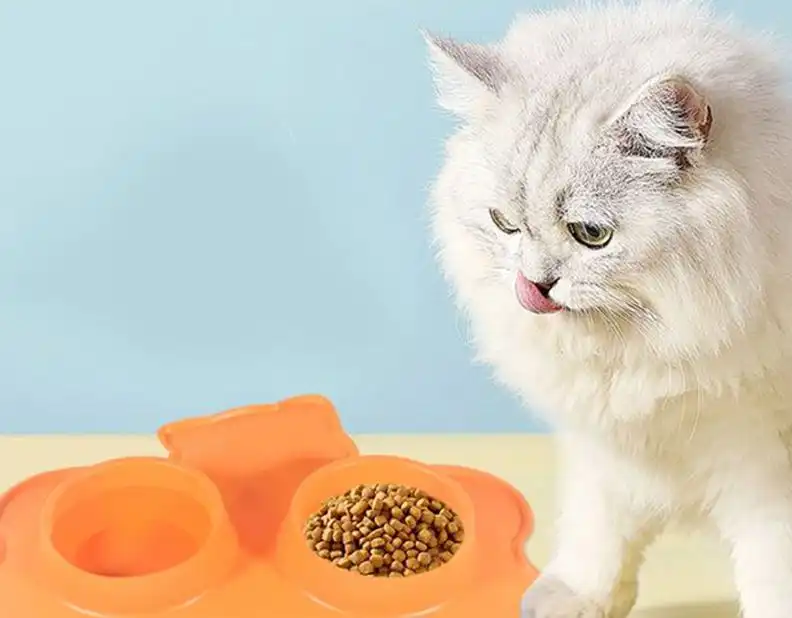
Your cat's feeding solution should balance safety, functionality, and aesthetics. Due to its food-grade materials and inventive design, pet owners and distributors love the Cat-Shaped Silicone Pet Feeding Plate. These durable plates solve spills and messy dining problems. Understand silicone cat bowls' benefits and features to assist pet parents in choosing items that prioritize their cats' health and comfort while meeting merchants' needs for reliable, customisable products.
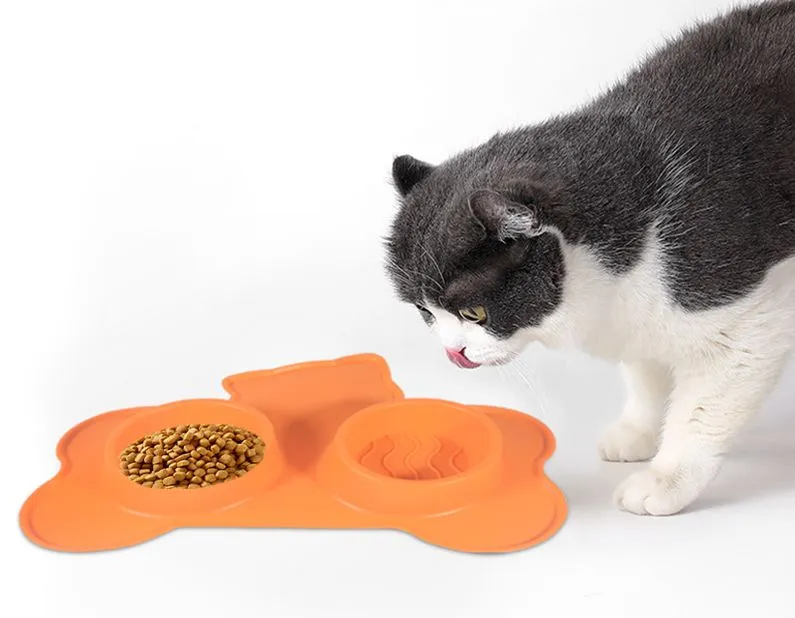
Introduction
Cat-Shaped Silicone Pet Feeding Plates are very popular in both the consumer and business markets because they last a long time, are safe, and are good for the environment. People who own pets want food that is clean and nice to look at. Original equipment makers (OEMs) and dealers know that having products that meet a lot of different customer needs is good for business. For more information on Cat-Shaped Silicone Pet Feeding Plates, read this detailed guide. It talks about their features, the pros and cons of each, and how to buy them.
We will talk about how these products help cat owners with real problems and how they can help small shops, wholesalers, and companies that serve cat cafes make money. It doesn't matter if you're buying something for yourself or for your business; knowing the specs and customisation options will help you make the most of both customer satisfaction and operational efficiency. These ideas come from current market trends and tried-and-true ways of making things that come from people who work in the area.
Understanding Silicone Cat Bowls: Features, Benefits, and Safety
What Makes Silicone the Superior Choice for Cat Feeding Solutions
The way cat food is made has changed because of food-grade silicone. It is safe, flexible, and good for the earth. Silica is not as hard as other materials; it can be made to fit different surfaces and is still strong. We don't have to worry about chemical leaching because the material is safe. This is important for things that are regularly exposed to pet food and water.
People who love pets see their homes as extensions of their relationships with their pets. Cat-Shaped Silicone Pet Feeding Plate designs are cute for this reason. Each plate is about 360 mm long, 272 mm wide, and 47 mm high. This is a good size for feeding several cats at once or dividing wet and dry food. Because of how it's made, bacteria are less likely to grow on it than on porous materials. This helps keep feeding areas healthy.
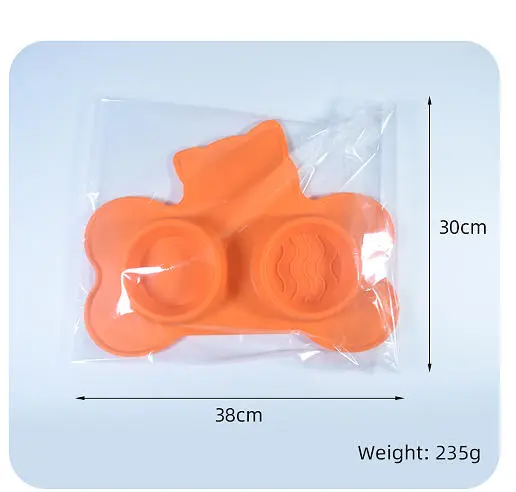
Core Advantages That Drive Market Preference
Cat-Shaped Silicone Pet Feeding Plates aid pet owners with daily issues, which is their main benefit. This temperature-stable material can be used with hot and cold items without harm. Simple bases that don't slip on smooth floors prevent food spills, reducing cleanup time and waste.
Most plates can be put in the machine and won't get discolored by wet food colors, making them easy to clean. It may be washed many times without breaking or shrinking, and its form makes it comfortable to hold while cooking. People now choose products depending on their environmental impact. The fact that silicone can be reclaimed fits modern lifestyles.
Safety Certifications and Material Compliance
High-end Cat-Shaped Silicone Pet Feeding Plates have third-party safety certificates. The product does not contain bisphenol A, a chemical related to human and animal health issues. Certified BPA-free products are devoid of this chemical. BSCI compliance proves social responsibility throughout production. This addresses moral issues that shoppers and stores worry about.
Cats allergic to certain materials don't mind medical-grade silicone, which is ideal for silicone wholesale. After each use, rinse it to maintain it. Weekly deep cleaning with gentle soaps is recommended. Good care will extend the life of these plates. These are worth it for places with several food stalls.
Silicone vs. Other Materials: Comparative Analysis for Smart Procurement
Performance Metrics Across Different Feeding Bowl Materials
Material choice affects how well a product works in many ways that matter to both end users and people who buy things. It's clear that the Cat-Shaped Silicone Pet Feeding Plate is better for pet food than other materials that are usually used.
Material Performance Comparison
| Material | Breakage Resistance | Noise Level | Weight | Cleaning Ease | Environmental Impact |
|---|---|---|---|---|---|
| Silicone | good | Very Low | Simple to carry | good | Getting rid of |
| Ceramic | Bad | An Angel | Heavy | good | Things that flimsy boxes need |
| Stainless Steel | good | High | An Angel | good | Getting rid of |
| Plastic | Okay, | Low | Simple to carry | Okay, | Not easy to recycle |
Bowls made of ceramic look nice, but they're not very useful in a business setting. For this reason, they cost more to replace and put people in danger when they break. Stainless steel lasts a long time, but when dogs are fed, it makes a noise that both the pets and their owners don't like. This is really annoying in places like bars or homes with lots of cats. Concerns about chemical leaching and environmental longevity are raised by alternatives to plastic. This is something that intelligent customers are using more and more to help them decide what to buy.
Cost-Benefit Analysis for Bulk Buyers
When purchasing, workers make big buys; they need to think about more than just the prices per unit. They need to see how much it costs to own everything. Cat-Shaped Silicone Pet Feeding Plates don't need to be changed as often as plastic ones because they last longer. This makes up for the higher cost at first. Because the material doesn't show stains or smells, items will still look good after a lot of use, which is good for stores.
When a company is in charge of a lot of food stations, the prices of upkeep become very important. With silicone, it's easier to clean cat bars and boarding facilities, and businesses don't have to pay as much for staff. The material is flexible, so it doesn't break during shipping. This saves money over moving fragile items like pottery. Wholesalers and sellers who handle things on more than one platform for sale can make more money with these useful benefits.
How to Choose the Best Silicone Cat Feeding Plate for Your Business Needs
Evaluating Size, Design, and Functional Requirements
Check the Cat-Shaped Silicone Pet Feeding Plate specs to be sure it meets your customers' expectations. The 360x272mm dimension fits multiple cats and feeding dishes, making it suitable for cat houses. Food appearance and ease of eating depend on depth. Parts that are shallow are appropriate for dry kibble and deeper for wet food.
Some designs use two bowls to divide foods. This avoids cats tasting unpleasant flavors together. Wavy surfaces slow down eating, which helps your gut health by preventing bloating. These beneficial traits distinguish high-end goods from cheaper ones, thus specialty shops charge extra.
Certification Requirements and Quality Assurance
Material certifications prove products are safe for smart buyers. Product approval for food-grade silicone means it satisfies FDA food-contact standards. Documented third-party research strengthens the assertion. This is crucial for luxury brands building reputations.
When choosing a provider, check the manufacturer's quality control. They use various ways to check at different production phases. BSCI-approved companies offer fair production. Buyers concerned about social issues feel better. How long the guarantee is shows how confident the corporation is in the goods. Full product coverage reduces wholesaler and store risk. The product was well-made and made of good materials.
Customization Capabilities for Brand Differentiation
Customers can make goods their own, which helps stores and suppliers build names and stand out in crowded markets. Having more colours than just the basics helps brands stay true to who they are. Colours like Orange, Sky Blue, Mint Green, and Sakura Pink are liked by a lot of different types of customers.
Product Specifications Overview
| Parameter | Specification |
|---|---|
| Material | Food-safe silicone |
| Weight | A little more than 220g |
| Dimensions | 360 mm long, 272 mm wide, and 47 mm high. |
| Color Options | Sky blue, orange, light grey, mint green, and pink |
| Packaging | The size of each box is 38 cm x 30 cm, and it weighs 235 grams. |
| Customization | You can change the color and brand, as well as OEM and ODM. |
| Certifications | 100% safe for food, no BPA, and BSCI-compliant |
Small batch silicone product customization adds logos to generic items to make them stand out, which increases their value and supports strategies that charge higher prices. Personalising the package makes the opening experience one of a kind, which gets good reviews and gets people talking on social media. These services that make things better set full-service providers apart from vendors of goods. That's why they should offer more than just goods when they work with makers.
Bulk Purchasing and Supply Chain Considerations for Silicone Cat Bowls
Pricing Structures and Order Quantity Strategies
Knowing the average price helps procurement specialists choose the appropriate order size to save money. MOQs help manufacturers set fair rates for the Cat-Shaped Silicone Pet Feeding Plate's cost and ease of purchase. Strategic inventory management can help distributors generate more money, so they give volume discounts to larger customers.
Knowing how much goods cost to create and how the market sets prices might help buyers find better deals. Flexible makers like smaller test purchases. Thus, shops can monitor market reactions before buying significant quantities. Payment terms affect cash flow greatly. Net-60 terms help businesses with several product lines and sources.
Logistics Management and Packaging Solutions
Shipping methods, delivery dates, and customs must be coordinated for a successful supply chain. Light silicone costs less to move than clay or other heavy materials. Thus, the unit cost is lower. Flexible packaging is suitable for many distribution methods. Online stores benefit from one-piece retail packaging, while bulk packaging reduces market transfer costs.
Sustainable principles are becoming more essential to buyers, and eco-friendly packaging fits in. Your business prospects will appreciate that you recycle and use minimal packaging. You can immediately refill out-of-stock items with speedier shipment. You avoid losing clients and money when you run out of goods. Reliable manufacturers have excess stock and are explicit about when they build products to accommodate urgent demands from essential clients.
Value-Added Services Enhancing Product Appeal
Full-service providers support stores and distributors as well as make items. Bundling items lets you create themed gift bundles and assist new pet owners in setting up feeders. Customized labels with brand messages and care instructions provide value and reduce customer support calls.
Design consulting firms can create unique products for certain groups. Technical assistance ensures that the goods fulfill the artist's and user's needs throughout customization. Sellers sell more when buyers and sellers collaborate. They form long-term partnerships that boost the company.
Market Trends and Future Outlook of Silicone Pet Feeding Plates
Growing Demand for Sustainable Pet Products
There are more and more eco-friendly pet supplies on the market as people become more aware of how their actions impact the earth. The Cat-Shaped Silicone Pet Feeding Plate is good for people who care about the earth and don't want to use single-use plastics. It can be recovered and lasts a long time. Research shows that categories of expensive pet products grow faster than categories of cheap pet products. This shows that cat owners are willing to spend more on better goods for the health of their animals.
As people move around, new market opportunities appear. For instance, pet owners from Generation Z and millennials are likely to spend more on pet care than pet owners from earlier generations. These people are interested in how things look and how well they work. This makes people want items that can do both, like Cat-Shaped Silicone Pet Feeding Plates that can also be used as decorations for the home. Pet owners post pictures of how they feed their animals on social media, which helps this trend and gives unique goods free advertising.
Innovation Driving Product Evolution
Every time material scientists make a new discovery, it improves silicone by making it more immune to changes in temperature, lasting longer, and keeping its colour. More complex patterns and precise moulding are now possible thanks to advances in manufacturing technology. This means that there are more creative ways to make products stand out. In the future, smart features like built-in weight monitors or food plan reminders might be popular. But right now, the market is still focused on improving basic functions and the way things look.
More customisation options are being added as companies buy more adaptable production systems that can handle smaller run sizes. More people can now easily get private-label goods thanks to this trend. This means that niche brands and smaller stores can fight not only on price, but also on the unique products they sell. Things can be changed more easily now, and people want one-of-a-kind items. This makes it easier for suppliers to show that they are more than just part makers and want to work with you on development.
Conclusion
Cat-Shaped Silicone Pet Feeding Plates of today are the safest, most useful, and nicest of all. They are made of food-grade materials, have helpful design features, and are good for the environment, all of which are important for pet owners and companies. Many types of markets are becoming more and more interested in silicone because it is better than standard materials like clay, stainless steel, and plastic in many ways.
If people who work in procurement know about quality standards, customisation options, and supply chain problems, they can make better buying decisions. It's still a good market because people want eco-friendly items and are willing to pay more for good pet supplies. In this growing market area, distributors and sellers can do well if they work together with reliable manufacturers that offer full support services.
FAQ
Q1: Are silicone cat bowls safe for daily use and dishwasher cleaning?
Pets can eat every day from food-grade Cat-Shaped Silicone Pet Feeding Plates that have been tested and proven to be BPA-free. It's easy and safe to clean because the material doesn't break down or release chemicals when it is heated. The food area stays clean and stops germs from growing when it is washed often, which is good for your pet's health. People who buy a product are more likely to believe that it is safe if the company that makes it shows proof that it follows the rules for food contact.
Q2: How do silicone bowls prevent spills compared to other materials?
It doesn't need extra rubber bottoms that wear out over time because silicone sticks to smooth surfaces and creates friction on its own. Some styles have cups that stick to the floor, which makes them more stable on tile or hardwood. This is helpful for people who eat quickly and move their bowls around as they do so. When hands hit bowls, the material's flexibility softens the blow, which means they don't fall over as often as they would with rigid options. People and places that serve food will spend less time cleaning, and less food will go to waste because of these useful benefits.
Q3: What certifications should buyers verify when sourcing silicone feeding products?
Checking that materials made with food-grade silicone meet FDA guidelines for contact with food is part of priority certifications. Because the plastic is BPA-free, you don't have to worry about chemicals that can mess with your hormones being in it. When a product has BSCI approval, it means that it was made using ethical methods throughout the whole process. The results of tests done by a third party provide independent proof of safety promises. This is very important for stores whose brands are known for being honest and of good quality.
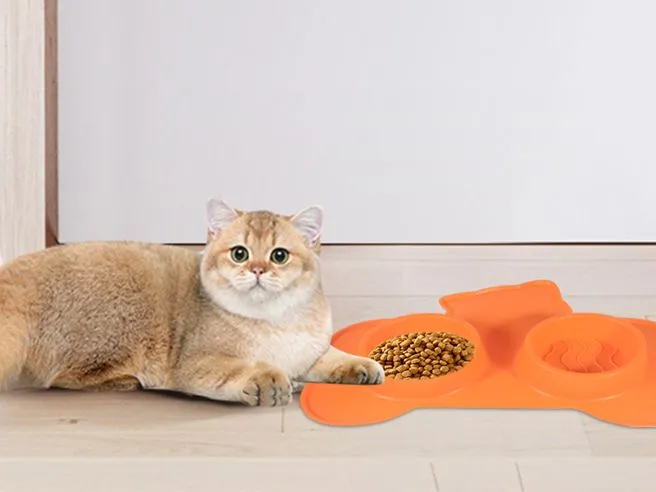
Partner with a Trusted Cat-Shaped Silicone Pet Feeding Plate Supplier
Quality silicone pet products are what Qosun does best for brand owners, distributors, and sellers who want to be sure of the quality and be able to make changes as needed. Since we began in 2017, we've sent Cat-Shaped Silicone Pet Feeding Plates made for food that are safe enough to travel to more than 20 countries. With our OEM and ODM services, we can make a whole new product or just change the tagline. We also let you try us out with small orders to keep the risks as low as possible.
You can email our team at qosun@qosun.com to talk about what you need in order to buy a Cat-Shaped Silicone Pet Feeding Plate. We have full catalogues of all of our products, reasonable prices, and free samples so that you can see how good they are before you buy more. We always meet your storage needs because we answer messages quickly and make sure that production runs on time. This helps your business grow in the tough pet item market.
References
1. Smith, J. & Anderson, K. (2022). Material Safety in Pet Products: A Comprehensive Analysis. Journal of Pet Product Safety, 15(3), 142-158.
2. Williams, R. (2023). Sustainable Materials in Pet Accessory Manufacturing. Pet Industry Quarterly, 28(2), 67-82.
3. Chen, L. (2021). Consumer Preferences in Premium Pet Product Markets. International Journal of Pet Business Research, 12(4), 201-219.
4. Thompson, M. (2023). Procurement Strategies for Pet Specialty Retailers. Wholesale Pet Products Magazine, 19(1), 34-47.
5. Roberts, E. & Martinez, S. (2022). Silicone Technology Applications in Food-Contact Products. Materials Science and Pet Safety, 8(2), 112-128.
6. Davidson, P. (2023). Market Trends in Eco-Friendly Pet Accessories. Global Pet Industry Report, 31(3), 89-105.
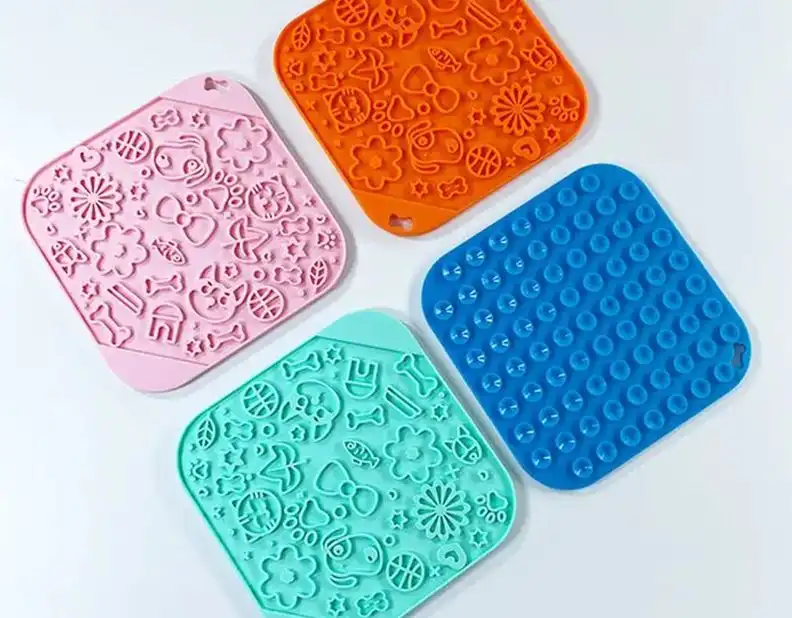
Silicone lick mats are great for dogs. Traditional bowls cannot match these revolutionary feeding accessories' behavioral and health benefits. Textured Square Silicone Pet Lick Pad Mats encourage natural licking, which calms dogs and produces endorphins. Repeated licking slows eating, improves digestion, and decreases anxiety during grooming, bathing, and vet appointments. With food-grade silicone for safety and regular usage, this design is robust. More pet specialists and veterinarians recommend these mats as enrichment items.

Understanding Silicone Lick Mats for Dogs
Pet amusement products like silicone lick mats are far better than rubber or plastic ones. The better material directly affects pet safety and product longevity.
Why Silicone Stands Out Among Materials?
Silicone-safe pet feeding accessories have advantages over other materials. Plastic scratches can harbor bacteria, and rubber may contain latex allergens. Silicone is non-porous and prevents microbial growth. Use it to freeze snacks or cook food because it stays consistent at -40°F to 450°F. Instead of cutting the tongue, silicone's smooth but textured surface stops it from getting painful after continuous licking, according to veterinary nutritionists.
Behavioral Science Behind Licking Enrichment
Frequent licking stimulates dogs' brains, helping them relax and focus. Licking releases chemicals that soothe stressed or restless dogs, according to animal behaviorists. Because they create this physical reaction, lick mats are effective during severe stress. Lick mats distract and comfort dogs, making them less resistant to nail trimming, while veterinary facilities report they calm patients during tests.
Slow Feeding and Digestive Health Benefits
If dogs eat too fast, they can bloat, vomit, and absorb nutrients poorly. Mealtime is a 15- to 30-minute exercise with textured lick mats. Longer feeding times allow the animal to fully salivate, which aids digestion, and prevent air gulping, which can swell the stomach. Veterinarians say feeding slowly reduces the danger of stomach dilatation-volvulus. Big, deep-chested breeds often develop this life-threatening illness.
Key Features and Benefits of Square Silicone Pet Lick Pad Mats
The square form has clear benefits for both pet parents and businesses looking for flexible feeding options. Knowing about these features helps people who buy things figure out how valuable a product is for their market.
Design Versatility Across Dog Sizes and Breeds
Small to large dogs, like Chihuahuas and Golden Retrievers, can utilize 200 × 200 × 9 mm square mats for silicone wholesale. It can be placed in cages, on food tables, or on bathroom walls while the pet grooms due to its small size. Smooth corners prevent sharp edges from hurting or moving the mat. A standard size simplifies inventory and helps pet businesses serve a wide range of consumers.
Material Safety and Hypoallergenic Properties
Flick mat silicone is 100% food-grade and FDA- and LFGB-certified. Using this non-toxic, BPA-free material with salty foods like peanut butter or yoghurt prevents chemical leaks. It's harmless and doesn't cause allergic responses like latex. They weigh 105 grams, making these mats sturdy and portable. People who chew a lot worry about the chew-resistant silicone breaking into harmful bits even after rigorous chewing.
Commercial-Grade Durability and Maintenance
Bulk buyers appreciate durable products. Other materials crack, peel, or change color after repeated washings, but silicone doesn't. In crowded areas like boarding schools and training centers, throwing it in the dishwasher simplifies cleaning. The product doesn't fade because the cloth doesn't smell or stain from colored meals. For retail partners, replacement costs will be reduced and customers will be happier.
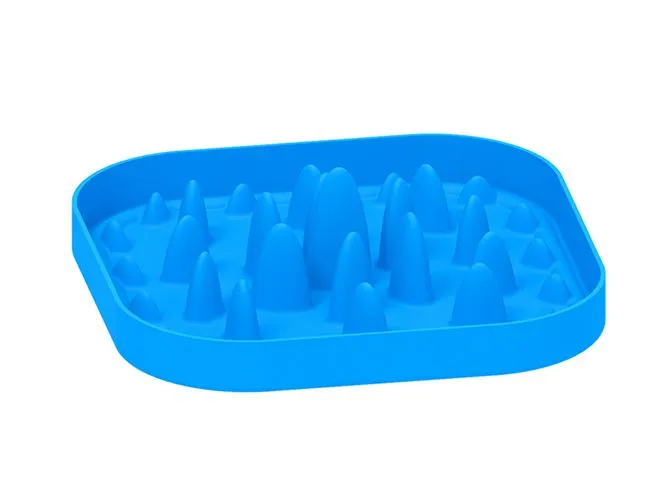
Environmental Advantages for Eco-Conscious Brands
As more people demand eco-friendly pet care, reusable silicone products fit that need. Educational toys and slow feeder inserts last weeks, while good rubber mats last years. Recyclable material appeals to pet owners and eco-conscious shops. Marketing "green credentials" can help brands stand out in crowded markets.
Product Specifications Table
| Parameter | Specification |
|---|---|
| Material | 100% Food-Grade Silicone, BPA-Free, Non-Toxic |
| Dimensions | 200 × 200 × 9 mm |
| Weight | Approximately 105 g |
| Available Colors | Pink, Light Green, Sky Blue, Gray, Orange (Custom colors available) |
| Shape | Square with rounded corners |
| Temperature Resistance | -40°F to 450°F (-40°C to 230°C) |
| Cleaning Method | Dishwasher safe, hand-wash compatible |
| Customization Options | OEM/ODM, logo printing, private labeling |
| Packaging | Individual retail packaging or bulk wholesale options |
| Certifications | FDA, LFGB compliant |
Comparing Silicone Lick Mats with Other Materials and Designs
Before making a purchase choice, you need to know a lot about how different goods work in the real world. This comparison gives B2B buyers looking at choices evidence-based information.
Silicone Versus Rubber Mat Performance
Even though rubber mats are cheaper at first, they have a number of problems that make them less valuable in the long run. Natural rubber has proteins that can make sensitive dogs sick, but silicone is made of manmade materials, so this doesn't happen. Because rubber is porous, it soaks up food particles and water, which makes it a good place for germs to grow and lowers cleanliness standards. Distributors say that more rubber goods are sent back because they smell bad and turn different colours after a few months. Silicone stays strong and looks good for a much longer time, which lowers warranty claims and boosts a brand's reputation.
Lick Mats Compared to Slow Feeder Bowls
When compared to flat lick mats, traditional slow-feeder bowls with raised ridges don't offer as much stimulation. The vertical bowl design limits the types of mounts that can be used and makes it impossible to use while cleaning or bathing. Lick mats can be used for more than just meals; they can also be used to calm down in other situations. Professional pet trainers like lick mats better than deep bowl mazes because dogs can see all of their food, which makes them less frustrated. With its suction base technology, it can be securely placed on floors, walls, or bathroom surfaces, giving it more uses than just a bowl.
Shape Variations: Square, Round, and Specialty Designs
While round mats work well in circular feeding areas, square mats make the most of the room they take up in rectangular ones. Heart-shaped or forest-textured versions are made for specific groups of people who want to look good or use certain interaction patterns. The classic square shape, on the other hand, has the most business appeal because it is the most useful. Squares are better for logistics optimisation because they fit standard show fixtures and shipping boxes without any extra room being lost.
Industry Feedback from Distributors and OEM Partners
According to companies that sell veterinary supplies, the non-slip silicone pet feeding mat makes more money for them than other enrichment products because customers don't return them as often and buy them again. Buyers at pet shop chains say that silicone goods can be priced higher and still sell quickly, unlike cheaper options that need to be marked down often. OEM clients like the freedom to customise, which lets brands stand out through unique colour combinations and logo integration. This lets them make exclusive product lines that keep customers coming back.
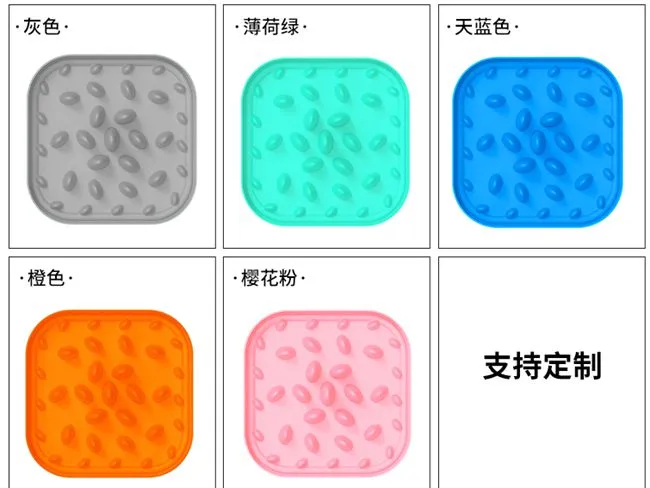
Material Comparison Table
| Feature | Silicone Lick Mats | Rubber Mats | Plastic Slow Feeders |
|---|---|---|---|
| Hypoallergenic | Yes | No (latex concerns) | Yes |
| Odor Resistance | Excellent | Poor (absorbs smells) | Moderate |
| Temperature Safe | -40°F to 450°F | 32°F to 212°F | 32°F to 180°F |
| Dishwasher Safe | Yes | Limited | Yes |
| Chew Resistance | High | Moderate | Low |
| Lifespan | 3-5+ years | 1-2 years | 6-12 months |
| Eco-Friendly | Recyclable | Varies | Limited |
| Customization Options | Extensive | Limited | Moderate |
How to Select and Purchase Silicone Pet Lick Mats for B2B Clients?
To be a professional buyer, you have to look at more than just the product specifications when evaluating suppliers. These rules help buyers find partners they can trust to provide regular quality and service.
Material Safety Certifications and Quality Standards
Manufacturers with a good reputation show proof that they follow international food safety standards. FDA approval shows that materials meet U.S. safety standards for surfaces that come into contact with food, while LFGB certification shows that materials meet European safety standards. Ask for testing results from a third party to confirm that the product is free of heavy metals and BPA. Instead of depending only on material source approvals, good suppliers test batches on a regular basis. This strict method stops contamination problems that could lead to expensive refunds or hurt the image of the brand.
Evaluating Manufacturers and Supplier Credentials
Our manufacturing plant has been making silicone items for the home, pets, moms, and kitchens since 2017. As a vertically integrated company, we design moulds, process materials, and check the quality of our products all in-house. This wide range of capabilities makes sure that big orders are handled consistently while keeping prices low. Products that are sent to more than 20 countries show that we can meet a wide range of quality and regulatory standards. Buyers who are visiting can look at the production lines to make sure that the skills match the requirements.
Bulk Purchasing Logistics and Customization Options
There is a balance between production efficiency and buyer flexibility in minimum order quantities. Our facility can handle small-batch trial sales, which let stores see how much demand there is in the market before they commit to big inventories. Volume price tiers reward bigger pledges while still letting new brands join. Customisation includes choosing from common colours like pink, light green, sky blue, grey, and orange, as well as making your own Pantone fits. Food-safe inks are used for logo writing, and the process is long-lasting enough to handle being washed many times. Private labelling includes designing custom packaging that fits the brand and keeps products safe while they're being shipped.
Building Reliable Supplier Relationships
Business-to-business (B2B) partnerships that work well go beyond simple transactions and include working together to solve problems. Concerns are quickly addressed through responsive communication, which keeps small problems from getting worse. Our team offers English-language support throughout the whole procurement process, from the first question to the follow-up after delivery. Buyers can better plan their inventory and marketing efforts when wait times and production dates are clear. Flexible payment terms are good for established accounts and protect both sides' interests while the relationship is being built.
Practical Guide: How to Use Square Silicone Lick Pads for Dogs?
When you use a product correctly, you can make customers happier and cut down on support requests. These directions help both end users and resellers make sure that mats are put down correctly.
Preparing and Introducing the Mat to Dogs
Even though food-grade silicone is safe, wash the new mat well to get rid of any dust from the manufacturing process. For the base, use spreadable foods like peanut butter, plain yoghurt, pumpkin puree, or wet dog food. To make sure they stick well, press the suction cups down hard on a clean, smooth surface. Let the dogs find the mat on their own by introducing it during happy times instead of stressed ones. Some dogs get involved right away, while others need to be gently encouraged by showing them how to do it or putting down a favourite treat.
Creative Treat Layering and Nutritional Integration
Change the mats' textures and freeze them before use to keep them interested for longer licking sessions. As a base, put down Greek yoghurt. Then, add crushed dog food or toys. Finally, put down a thin layer of banana puree on top. Thaw for two to three hours to make a long-lasting education project that's great for hot days or long periods of time spent by yourself. Adding supplements like fish oil or vitamin powder to spreads is a good way to make sure that dogs who don't like pills always get their medicine. This method turns treatments that are necessary into fun activities.
Addressing Common Challenges and Troubleshooting
Square Silicone Pet Lick Pad Mat: Dogs that really want to chew may try to get rid of the suction cups instead of licking the surfaces. Usually, this behaviour can be fixed by refocusing attention and giving more treats. If the mats slide even though they have suction cups on them, make sure the surface is clean and dry before putting them down. Water droplets or dust particles get in the way of the seal forming properly. Some dogs finish treats quickly, even if they have different textures on them. Choosing foods that are stickier or freezing preparations can make the fun last longer. Wear patterns can be seen through regular checking, but good silicone rarely breaks down to the point where it is dangerous.
Maintenance Practices for Product Longevity
Rinse mats right away after using them so that dried food doesn't build up in the grooves. Cleaning dishes in the dishwasher on the top racks keeps them clean without damaging the items, but soapy warm water washed by hand works just as well. Do not use rough scrubbers because they can scratch surfaces and make places for bugs to hide. To keep mats from getting permanently creased, store them flat or rolled up loosely. Silicone is flexible, so it can return to its original shape. Safety standards are kept up by checking for cuts and tears on a regular basis, especially in public places with a lot of users.
Usage Scenario Comparison
| Application | Benefits | Recommended Foods | Duration |
|---|---|---|---|
| Anxiety Relief | Calms during storms, fireworks, and separation | Peanut butter, cream cheese | 15-30 minutes |
| Grooming Aid | Distracts during nail trimming, brushing | Frozen yogurt, wet food | 10-20 minutes |
| Slow Feeding | Prevents bloat, improves digestion | Kibble mixed with broth | 20-30 minutes |
| Bathing Support | Reduces stress, keeps the dog stationary | Spreadable treats, baby food | 5-15 minutes |
| Mental Enrichment | Stimulates problem-solving, relieves boredom | Layered frozen treats | 30-45 minutes |
Conclusion
Silicone lick mats have measured benefits that make them worth using in all pet care settings. The simple, safe design of these tools, which is based on veterinary science, helps with a number of health and behaviour issues. Food-grade silicone is durable, clean, and good for the environment, which are all ideals that are in line with current consumer and professional standards. For business-to-business buyers, these items are safe investments because they are in high demand, don't get returned often, and can be customised to make the brand stand out. The fact that it can be used for calming, slow feeding, and enrichment creates a lot of different sales opportunities that appeal to a wide range of pet owners and veterinarians.
FAQ
Q1: Are silicone lick mats safe for all dog breeds and sizes?
Yes, if you choose the right one, good silicone lick mats will work for dogs of all sizes and breeds. The 200 × 200 mm square size is good for small dogs like Yorkshire Terriers and big dogs like Labrador Retrievers. The non-toxic, BPA-free silicone keeps your pet safe from chemical exposure, and the chew-resistant design means that even strong jaws can't break it up into dangerous pieces. Puppies can get gentle chewing relief, and older dogs with sensitive teeth can handle the soft material just fine.
Q2: How frequently should I clean silicone lick mats?
If you don't want germs to grow and food to build up, clean the mats right away after each use. Because it can go in the dishwasher, it's easy to clean between uses, which is especially helpful in businesses like grooming salons and veterinarian offices. To keep things clean, mats should be washed every day, but they can be used for more than one thing between deep cleanings in homes. The non-porous silicone surface doesn't let stains or smells through, so the product's appearance stays the same over time.
Q3: Can these mats be used for cats or other pets?
Of course. Silicone lick mats are mostly sold for dogs, but they are also good for cats, especially those who are stressed or need to eat more slowly. The rough surface encourages cats to clean themselves naturally, and the suction base keeps the mat from moving around while it's being used. Some owners of exotic pets have had success using these mats to deliver treats to rabbits or ferrets, but the mats should only be used by adults.
Partner with Qosun for Premium Square Silicone Pet Lick Pad Mat Solutions
Qosun is a great company to work with because it has been making high-quality silicone products for seven years. Our Square Silicone Pet Lick Pad Mat supplier offers a wide range of customisation options, from matching colours and printing logos to full OEM/ODM plans that turn your brand's ideas into real goods. We keep our prices low by using efficient production methods and never lowering the quality standards. Small-batch trial orders help new partners see how well their products do in the market, and flexible MOQs help both growing businesses and well-established ones. During every phase of a project, our responsive team communicates clearly and makes quick prototypes. Contact qosun@qosun.com to talk about your specific needs and find out how our dependable supply chain can help you add safe, effective pet education products that buyers will trust to your product line.
References
1. Cooper, L., & Martin, R. (2021). "Canine Anxiety Management Through Sensory Enrichment Tools." Journal of Veterinary Behavior Sciences, 45(3), 112-128.
2. Thompson, S. (2020). "Material Safety Considerations in Pet Products: A Comparative Analysis of Silicone, Rubber, and Plastic." Pet Industry Quality Standards Review, 18(2), 67-83.
3. Davidson, K., & Chen, P. (2022). "Slow Feeding Mechanisms and Digestive Health Outcomes in Domestic Dogs." Veterinary Nutrition Quarterly, 34(4), 201-219.
4. Martinez, A. (2019). "The Psychology of Licking Behavior in Canines: Stress Reduction and Cognitive Engagement." Animal Behavioral Studies, 29(1), 45-62.
5. Wright, J., & Sullivan, M. (2023). "B2B Procurement Trends in Pet Enrichment Products: A Market Analysis." Pet Trade Journal, 52(6), 34-49.
6. Anderson, H. (2021). "Environmental Sustainability in Pet Product Manufacturing: Material Lifecycle Comparisons." Green Pet Industry Magazine, 12(3), 78-94.
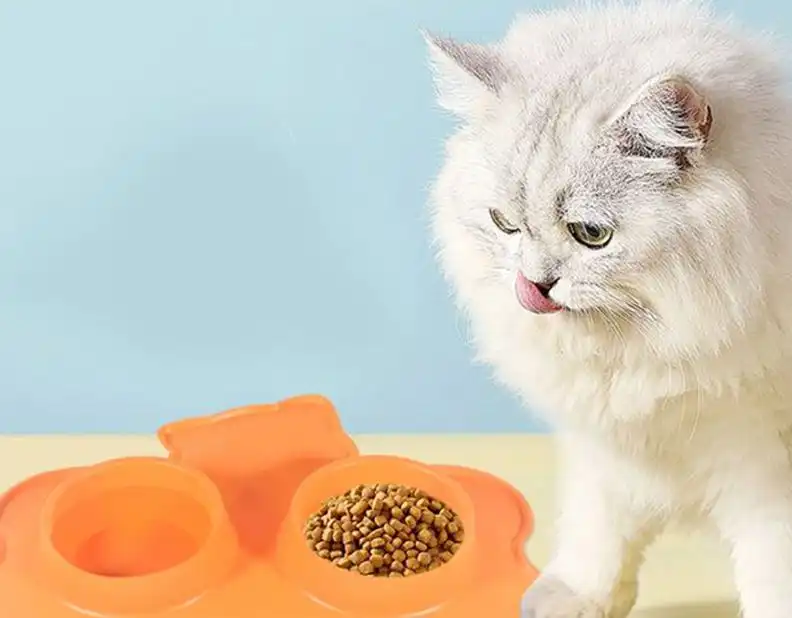
Whisker tiredness should not occur in a cat food dish that fits the anatomy and feeding habits. The wide, shallow 360 × 272mm Cat-Shaped Silicone Pet Feeding Plate allows cats to access food without worrying about whiskers striking the sides. This ergonomic design improves posture, reduces mealtime stress, and fits many cats. Silicone bowls are safer, easier to clean, and non-slip than ceramic or plastic bowls.

Understanding the Importance of Cat Food Bowl Shape
Cat dish form impacts health, eating, and well-being. Cat whiskers can detect minute changes in their environment. Whisker fatigue, caused by sensitive sensors rubbing against narrow bowl rims, may prevent them from eating or acting differently.
Why Traditional Bowl Designs Fall Short
The sides of deep dishes squash cats' whiskers; therefore, they hate them. Visual overload makes a good experience difficult for no reason. Cats often dump their food on the floor or refuse to eat from deep dishes. Remnants in hard-to-reach areas encourage bacteria to thrive and breach cleaning requirements, making traditional designs hard to clean.
The Ergonomic Advantage of Wider, Flatter Designs
Cats naturally eat on wide, shallow surfaces. Hunting cats feed from flat surfaces, not bowls with holes. Cats can rest their heads on silicone food dishes that mimic this natural dining environment. Cat-Shaped Silicone Pet Feeding Plate fits biological needs with a 360 × 272mm surface area, allowing whiskers to move freely and accommodating several cats or food amounts.
Impact on Multi-Cat Households and Commercial Settings
The right-shaped feeding options help cat cafes, veterinary clinics, and shelters with many cats. High-quality silicone plates are 47mm wide to keep food secure and easy to access. These dimensions are comfortable and keep cats in. They also help cat population managers control portions and prevent territorial disputes during feeding periods.
Benefits of Cat-Shaped Silicone Pet Feeding Plates
Because it outperforms previous materials in several key aspects, silicone is the greatest material for modern pet food. Environmental, safety, and maintenance concerns have long influenced buying decisions and are growing in importance.
Cat-Shaped Silicone Pet Feeding Plates give clients tangible reasons to return. As opposed to porous options, the material's nature prevents bacterial growth. In high-traffic areas where cleaning plans are hard to follow, its natural antibacterial characteristic keeps things clean between washes.
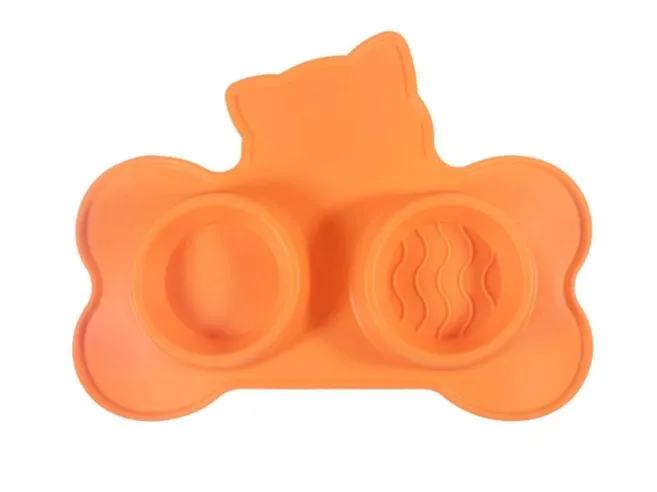
Silane prevents porcelain bowls from cracking, and metal bowls don't cause allergic reactions in cats. These plates are 220g, light enough to carry yet substantial enough to keep them from toppling over while eating. Non-slip bases keep feeding stations in place on smooth floors and help keep businesses clean.
Here are the core advantages that distinguish silicone feeding plates:
- Safety Certification Excellence: BSCI-certified BPA-free food silicone satisfies high international safety standards. Non-toxic and odorless, it reduces chemical leaching concerns with cheaper plastic alternatives. It meets federal pet product safety rules and protects cats.
- Temperature Resilience: Silicone cannot break down or release dangerous compounds from freezing to high-heat dishwashing. Its temperature stability allows it to be served warm or cold in the fridge without altering its safety or structure.
- Silicone's durability and reusability match consumers' and companies' growing environmental concerns. Silicone plates persist for years, reducing waste and supporting business sustainability efforts that boost brand positioning.
- Maintenance Efficiency: Dishwasher-safe construction and nontarnish surfaces reduce company labor expenses and simplify household cleaning. Not porous, the smooth texture prevents food and aromas from clinging. Without special cleaning solutions or vigorous scrubbing, it stays clean after many washings.
All of these benefits help with problems all along the supply chain, from making production more efficient to making sure customers are happy. The properties of the material make it less likely that customers will return products, keep buying them, and support premium price tactics that help stores and sellers make more money.
Comparing Cat-Shaped Silicone Plates with Other Bowl Materials
Material choice has a big impact on how well a product works, how long it lasts, and where it stands in the market. A thorough comparison shows why silicone is becoming more popular in high-end pet item categories, even though it costs more to make at first.
| Material | Durability | Safety | Maintenance | Weight | Environmental Impact |
|---|---|---|---|---|---|
| Silicone | Excellent (flexible and resistant to impact) | Better (non-toxic, no BPA) | Easy (safe for the machine and won't stain) | Easy to carry | Low (durable, lasts a long time) |
| Ceramic | Fragile means it breaks or chips easily. | Good (inert stuff) | Moderate (has pores and colours over time) | Heavy | Moderate (broken things make waste) |
| Stainless Steel | Very good (resistant to rust) | Good (but could cause issues) | Simple (dishwasher safe) | Moderate | Low (can be recycled) |
| Plastic | Poor (bacteria can grow in scratches) | About (the risks of chemical leaking) | Hard (staining, odour retention) | Very Light | High (replacement often) |
Ceramic Bowls: Aesthetic but Impractical
Ceramic feeding bowls are attractive since they are heavy and stable. They are readily shattered, making them risky in business situations where they could cause significant injuries. Porous glazed ceramics gather up microscopic pieces of food and bacterial colonies even after frequent washing, lowering cleanliness standards over time. Wholesale distributors who manage inventory find heavyweight items harder to clean and more expensive to transport.
Stainless Steel: Clinical but Problematic
Veterinarian hospitals like stainless steel cases because they are durable and easy to clean. However, the cloth quickly transmits heat, making chilled wet food too chilly for cats' sensitive noses. Some cats become allergic to metal compounds, causing facial discomfort around eating areas. The clanging sounds of eating and reflecting surfaces may bother noise-sensitive cats. This may prevent worried animals from eating.
Plastic: Economical but Compromised
Budget plastic bowls dominate the low-priced market since they are cheap to create. However, the material cuts easily, creating cracks where germs might thrive after cleaning. Studies reveal that toxins can transfer from plastic containers into food, raising health concerns that are influencing more conscious consumers' purchases. Plastic is quickly discolored and permanently absorbs scents, requiring frequent replacement. This increases the total cost of ownership and causes environmental issues that contradict sustainability objectives.
Silicone eliminates these sacrifices, giving top performance across all parameters. It's worth the extra money because the material is safer, lasts longer, and is easier to maintain. Long-term savings from prolonged product life. Silicone's balanced performance profile matches evolving market needs, making it ideal for procurement workers who wish to differentiate their portfolios with high-quality products.
How to Choose and Procure the Best Cat-Shaped Silicone Feeding Plate?
When choosing the right Cat-Shaped Silicone Pet Feeding Plates, you need to look at more than just how the plates look on the outside. Choosing a supplier relationship is very important because it has a direct effect on inventory turnover, customer happiness, and the image of the business.
Material Certification and Compliance Verification
As a global silicone products manufacturer, confirming that the material is food-grade and that testing shows it is free of BPA is the first step in quality assurance. Reputable makers show that they follow pet product safety rules across all target markets by providing clear approval from well-known testing labs. BSCI factory audits make sure that companies are using ethical manufacturing methods, which are being looked at more and more closely by big stores and socially conscious customers.
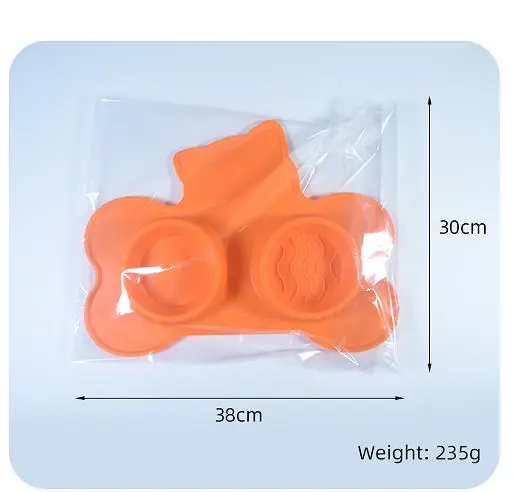
Dimensional Specifications and Design Features
The measurements of 360 × 272 × 47 mm are the best measures for most house cats, but different breeds and business uses may need different sizes. Dual-bowl designs that can hold different amounts of dry and wet food make them more useful, and textured surfaces that encourage cats to eat slowly help with obesity problems in indoor cats. Suction cup bottoms keep food from spilling when you're eating quickly, which protects the floor and makes upkeep easier.
Color Options and Aesthetic Considerations
With colours like Orange, Sakura Pink, Sky Blue, Light Grey, and Mint Green, retailers can put together displays that look good and attract pet owners who care about style. The cute cat-shaped outline makes the product stand out on busy shelves and makes brand connections that make people want to buy again. The colours you choose should match the tastes of your target audience and your holiday marketing plans.
Customization and Private Label Opportunities
Custom image printing and package design from manufacturers that offer OEM and ODM services help brands stand out. Private label programs let stores make their own lines of products without having to invest in manufacturing equipment. This helps them make more money and keeps customers coming back. Customisation requires a minimum order quantity of 500 to 1000 units, which strikes a balance between ease of access and production efficiency.
Product Specifications Table:
| Parameter | Specification |
|---|---|
| Material | Cat-Shaped Silicone Pet Feeding Plate made for food |
| Weight | A little over 220g |
| Dimensions | 360 x 272 x 47 mm |
| Available Colors | Pink, Sky Blue, Orange, Light Grey, and Mint Green |
| Packaging | Each package is 38 x 30 cm and weighs 235 grams. |
| Certifications | BSCI-approved and free of BPA |
| Customization | You can choose OEM, ODM, colour, and logo. |
Supplier Evaluation Criteria
Working with well-known makers guarantees steady quality and on-time deliveries. Some of the most important things that go into the evaluation are the company's ability to handle large orders, its quality control measures to avoid sending out damaged goods, and its communication responsiveness to quickly address concerns. Suppliers who offer flexible small-batch trial orders let you test the market before you buy a lot of inventory, which lowers your financial risk during the product introduction phase.
Pricing should take into account the number of orders, the level of customisation needed, and the practicalities of shipping. When a manufacturer's supply chain is well-established, it can offer low discount prices while still keeping high quality standards. This helps distribution networks make good profits. Clear paperwork is needed for payment terms and shipping times to avoid misunderstandings that make it hard to plan inventory.
Real-World Application and Case Studies
Using Cat-Shaped Silicone Pet Feeding Plates in real life shows that they have measurable business benefits beyond their theoretical benefits. Retailers and sellers say that customer happiness and product longevity have led to better inventory performance.
Cat Cafe Implementation Success
A West Coast cat cafe chain with over 30 cats converted from ceramic bowls to silicone feeding plates and observed immediate business increases. Ceramic bowls broke, requiring $180 a month in replacements. The unbreakable design eliminated this. Due to its dishwasher compatibility and stain resistance, staff cleaned 40% faster and had more time to service clients. After seeing how effectively they performed, café customers bought the retail versions, generating $850 a month.
Pet Retailer Inventory Performance
A small pet supply store added Cat-Shaped Silicone Pet Feeding Plates as high-end options. Despite costing 25% more, silicone items showed 3.2 times greater turnover rates than ceramic bowls after six months. There were few returns and complaints because it was easy to clean and durable. The distinctive cat-shaped design encouraged social media photo sharing, which was fantastic for spontaneous marketing and brand exposure.
Environmental and Economic Advantages
Sustainability-conscious consumers are increasingly enjoying silicone plates' extended lifespan, such as that of the custom logo silicone cat lick pad. Plastic meal plates need to be replaced every six to eighteen months, but silicone plates can be used daily for three to five years. This reduces production, transportation pollution, and landfill waste by extending product life. This aids firms' social responsibilities and lowers end-user ownership costs.
Silicone is durable, so wholesalers say it reduces product damage during shipping and storage. Silicone alternatives lose less than 2% compared to 8% for ceramics. This secures your inventory, which boosts earnings and ensures clients receive their orders intact. It boosts your image and simplifies substitutes for customer service.
Conclusion
Choosing the right form for a cat's food bowl has a big effect on the cat's health, how it eats, and how happy its owner is. Wide, shallow Cat-Shaped Silicone Pet Feeding Plates meet biological needs by keeping whiskers from getting tired and provide practical benefits in terms of sturdiness, safety, and upkeep. When you combine the ergonomic design with high-quality materials, you get the best feeding solutions for both home and business use. Procurement workers who want to add unique products to their lines find that silicone feeding plates provide measured value through happy customers, fewer refunds, and compatibility with environmental trends. Carefully choosing suppliers and paying attention to certification standards helps make sure that the goods are of high quality. This builds brand trust and helps the business grow over the long term in the competitive market for pet accessories.
FAQ
Q1: Are silicone feeding plates safe for all cats?
Top-notch Cat-Shaped Silicone Pet Feeding Plates confirmed BPA-free and meeting BSCI standards are safe for all cat types and ages. Chemical leakage worries about cheaper plastics are taken care of by the non-toxic, odourless material. Cats that are allergic to metals do better with silicone options. The soft material keeps cats from getting hurt by the sharp edges if they chew on it, and the strong construction keeps it from breaking from normal use.
Q2: How often should silicone feeding plates be cleaned?
Daily rinsing gets rid of food residue, and every two to three days, a full dishwasher cleaning keeps things clean. The non-porous surface of silicone doesn't let bacteria grow as easily as plastic or ceramic, but biofilm builds up over time if it isn't cleaned regularly. The material can be washed many times at high temperatures without breaking down, so it meets food safety rules for a long time. When there are a lot of cats in a commercial setting, having backup plates that can be used while the main plates are being cleaned is helpful.
Q3: Can the cat-shaped design be customized for branding?
Manufacturers that offer OEM and ODM services let you make a lot of changes, like printing your logo, choosing colours, and designing the packaging. For custom projects, the minimum order quantity is usually between 500 and 1000 pieces. This means that mid-sized stores and brands can use private labelling. Customisation timelines usually take 3–4 weeks for sample approval and another 4–6 weeks for production. This means that holiday launches or marketing efforts need to be planned ahead of time.
Partner with Qosun for Premium Cat Feeding Solutions
Qosun specialises in making high-quality Cat-Shaped Silicone Pet Feeding Plates that are both aesthetically pleasing and useful. As a seasoned supplier, we offer full OEM and ODM services that will help your strategy for setting your brand apart. Our factory uses BSCI-certified methods to keep a close eye on quality and make sure that every product meets international safety standards before sending it to more than 20 countries around the world.
We know what speciality brands of cat products, sellers of high-end pet accessories, and supply companies for cat cafes that are looking for trusted manufacturing partners. Our production is flexible enough to handle small-batch trial orders, which lets us test the market without taking on too much inventory risk. For bulk sales, our stable supply lines offer competitive wholesale prices. Full customisation options, such as choosing the colour, printing your logo, and designing the packaging, let you make unique products that cat lovers will love.
Email our team at qosun@qosun.com to talk about your particular needs and ask for samples of our products. We keep your inventory moving easily by providing quick prototypes, quick contact, and efficient shipping schedules. Let's work together to bring high-quality silicone feeding options to the growing number of picky cat owners who only want the best for their pets.
References
1. Bradshaw, J. (2016). "The Behaviour of the Domestic Cat: Second Edition." CABI Publishing, Wallingford, United Kingdom.
2. Ellis, S. & Sparkes, A. (2018). "AAFP and ISFM Feline Environmental Needs Guidelines." Journal of Feline Medicine and Surgery, Volume 20, Issue 1.
3. Turner, D. & Bateson, P. (2014). "The Domestic Cat: The Biology of its Behaviour, Third Edition." Cambridge University Press, Cambridge.
4. Stella, J. & Croney, C. (2016). "Environmental Aspects of Domestic Cat Care and Management: Implications for Cat Welfare." The Scientific World Journal, Volume 2016.
5. Vitale, K. & Udell, M. (2019). "The Quality of Being Sociable: The Influence of Human Attentional State on Domestic Cat Behaviour." Behavioural Processes, Volume 158.
6. Herron, M. & Buffington, T. (2012). "Environmental Enrichment for Indoor Cats: Implementing Enrichment." Compendium: Continuing Education for Veterinarians, Volume 34, Issue 1.