- English
- French
- German
- Portuguese
- Spanish
- Russian
- Japanese
- Korean
- Arabic
- Irish
- Greek
- Turkish
- Italian
- Danish
- Romanian
- Indonesian
- Czech
- Afrikaans
- Swedish
- Polish
- Basque
- Catalan
- Esperanto
- Hindi
- Lao
- Albanian
- Amharic
- Armenian
- Azerbaijani
- Belarusian
- Bengali
- Bosnian
- Bulgarian
- Cebuano
- Chichewa
- Corsican
- Croatian
- Dutch
- Estonian
- Filipino
- Finnish
- Frisian
- Galician
- Georgian
- Gujarati
- Haitian
- Hausa
- Hawaiian
- Hebrew
- Hmong
- Hungarian
- Icelandic
- Igbo
- Javanese
- Kannada
- Kazakh
- Khmer
- Kurdish
- Kyrgyz
- Latin
- Latvian
- Lithuanian
- Luxembou..
- Macedonian
- Malagasy
- Malay
- Malayalam
- Maltese
- Maori
- Marathi
- Mongolian
- Burmese
- Nepali
- Norwegian
- Pashto
- Persian
- Punjabi
- Serbian
- Sesotho
- Sinhala
- Slovak
- Slovenian
- Somali
- Samoan
- Scots Gaelic
- Shona
- Sindhi
- Sundanese
- Swahili
- Tajik
- Tamil
- Telugu
- Thai
- Ukrainian
- Urdu
- Uzbek
- Vietnamese
- Welsh
- Xhosa
- Yiddish
- Yoruba
- Zulu
When you buy silicone travel bottles in bulk, you can make a lot of money because they are TSA-compliant and eco-friendly, which means they can be sold at higher prices. Liquid Silicone Rubber (LSR) used to make Silicone Travel Bottles is safe for food and 30–45 percent cheaper than rigid plastic when bought in bulk from the factory. People who care about the environment will like that they can be used again, and their leakproof design will keep product returns to a minimum, which will directly benefit your bottom line. Business-to-business buyers of these bottles can increase their profit margins by buying in bulk and taking advantage of upsells and the ability to private label goods for travel gear brands, airport stores, and outdoor equipment sellers.

Introduction
As global movement returns to pre-pandemic levels and customers expect better, more environmentally friendly solutions, the travel equipment market continues to grow strongly. Travel bottles have changed from simple conveniences to necessary store items that show off a brand's beliefs and adhere to strict government rules. Business-to-business (B2B) buyers now only talk about silicone travel bottles because they solve three major problems at once: they meet TSA requirements for air travel, they are good for the environment because they can be used again and again, and they work better, so customers don't complain about leaks or wasted products.
When brands buy silicone travel bottles in bulk, they put themselves in a better position in a market that is changing because more people are buying eco-friendly products and governments are putting limits on single-use plastics. This guide gives useful information for business-to-business buyers who want to add silicone travel bottles to their product lines and make more money. It's for people who buy travel accessories, cosmetic packaging, outdoor gear, and duty-free items. We look at how the market works, how to buy things, how to judge suppliers, and how to put these functional packages into action in a way that makes them key profit drivers.
Understanding Silicone Travel Bottles and Their Market Potential
Material Science Behind Performance
High-consistency rubber (HCR), also known as liquid silicone rubber, is used in the Silicone Travel Bottle. This material has superior performance qualities that can't be matched by other materials. Food-grade silicone stays flexible at very high and very low temperatures (-40°C to 230°C), so it can be used with both hot and cold beverages and can be cleaned in a machine. Because the material is chemically neutral, it doesn't combine with soaps, essential oils, or alcohol-based products. This fixes a problem that cheaper plastic options often have.
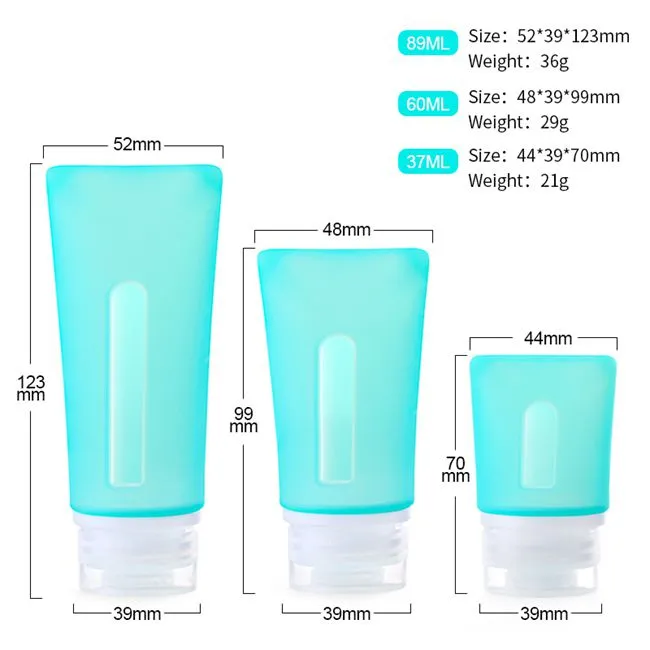
Our Trapezoidal Silicone Travel Bottle (Model TS-1) has these qualities because it is made of food-grade silicone and long-lasting PP parts. The 25mm wide-mouth diameter makes it easy to fill with thick liquids like body lotion or conditioner, and the squeezable design lets users get out almost 95% of the contents, which is a lot more than rigid bottles can do. Customers are happier, and there is less product waste because of this speed. This keeps return rates low and protects profit margins.
TSA Compliance as Market Entry Standard
The TSA's 3-1-1 rule says that each bottle of liquids in carry-on bags can't hold more than 100ml (3.4 fl oz). Our TS-1 model's three size options—89ml, 60ml, and 37ml—meet these rules perfectly and give brands a wide range of products to choose from. The 89ml size is the largest that can be carried on longer trips. The 60ml and 37ml sizes are better for weekend travelers or people who need to carry more than one type of product. This range of sizes lets procurement professionals put together complete travel accessory kits for a wide range of customers without having to work with multiple suppliers.
Market research shows that TSA-compliant silicone bottles are sold at 18–25% higher prices than non-compliant options in stores, which directly increases the possibility for making a profit. Duty-free shops at airports and companies that sell flight comfort kits give preference to approved goods. This creates stable B2B demand pathways for sellers who keep accurate records of testing and paperwork.
Sustainability Credentials Driving Premium Positioning
Single-use plastics are being targeted by stricter environmental rules in both European and North American markets. Silicone is very durable, so products made from it can last for many years. This makes it a real choice over plastic instead of just a small improvement. Companies that sell silicone travel bottles stress how many times they can be used. This attracts eco-friendly customers who are willing to pay 20–40% more for eco-friendly travel accessories.
This longevity is especially important for the growing outdoor leisure industry. When it comes to reliability, silicone far beats traditional plastics. Hikers, campers, and journey tourists need containers that can survive tough conditions without cracking. This consistent performance cuts down on warranty claims and product replacements, which protects the margins throughout the distribution cycle.
Wholesale Procurement: Why It's a Smart Strategy for Brand Margin Growth
Factory-Direct Pricing Structures
When you buy directly from manufacturers like Qosun, you skip the markups that come from middlemen and can raise prices by 40 to 70%. We are experts at selling silicone products in bulk, and we can produce orders of 500 to 50,000 units or more. Our prices are tiered to reward customers who commit to buying in bulk. Our factory-direct model gives business-to-business buyers access to cost structures that are usually only available to big importers. This makes margin opportunities more accessible for small distributors and new brands.
Pricing based on volume makes costs predictable, which is useful for figuring out margins. When buyers place regular monthly orders, they get better prices and are given priority when it comes to ordering production. This keeps supply chains stable and protects against material price changes. This reliability is very important when setting prices for stores or making contracts with big stores that need a sure supply.
Customization Services That Elevate Brand Value
In addition to the base price, the ability to customize a product has a big effect on the possible profit margin. By adding a logo, choosing a color, and offering different packaging choices, basic travel drinks can be turned into customized items that sell for more money. Custom logos can be added to our TS-1 model using either silk-screening or heat transfer. This lets brands make unique products without having to buy their own molds.
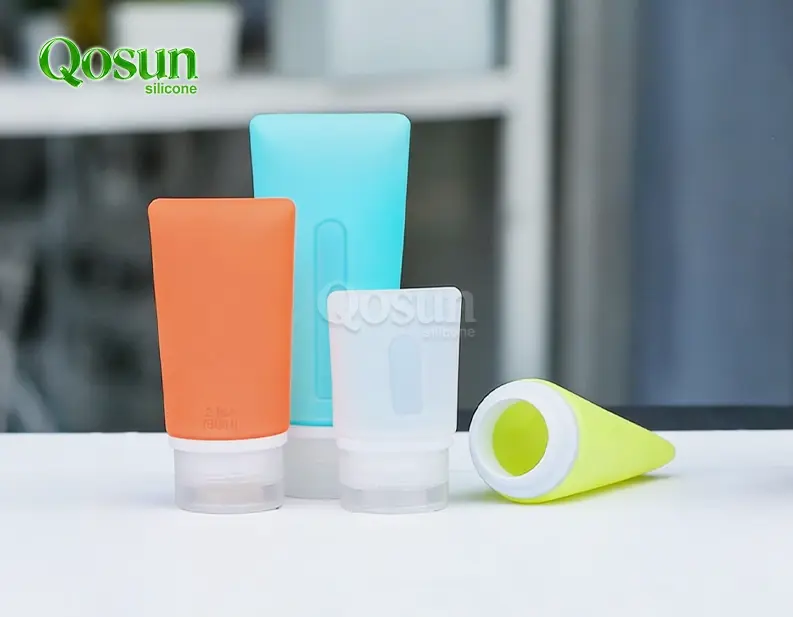
Customizing colors is another way to set yourself apart. We carry Peachblow, Cyan, Clear, and Fluorescent Yellow, but if you buy more than 3,000 units, we can custom match Pantone colors to fit your brand's color scheme. Because of this, outdoor gear brands can match bottle colors to current lines of products, which improves visual marketing and brand memory. These are the things that make higher prices make sense and boost sell-through rates.
Quality Assurance Protecting Margin Integrity
Returns, repairs, and damage to the brand's image caused by defective goods eat away at profit margins. Manufacturers with a good reputation use strict quality control procedures to protect buyers' capital. As part of our testing methods, we check for vacuum leaks at realistic high pressures, cycle squeeze testing with more than 1,000 compressions, and chemical compatibility using HPLC analysis.
Certifications give you concrete proof of quality. There are BPA-free, FDA, and LFGB labels on the TS-1 silicone travel bottle vacation, which means it meets the rules in North America, Europe, and Asia. These credentials make it easier for importers to follow the rules and give them marketing materials that help customers trust them. In store settings, products with well-known safety standards sell 15–30% faster, which directly improves cash flow and makes it easier to make a profit.
Comparing Silicone Travel Bottles with Traditional Alternatives for Procurement Decisions
Material Performance Analysis
| Material Type | Temperature Range | Reusability Cycles | Chemical Resistance | Typical Lifespan |
|---|---|---|---|---|
| Food-Grade Silicone | -40°C to 230°C | 500+ | Excellent | 3-5 years |
| HDPE Plastic | 0°C to 80°C | 20-30 | Moderate | 6-12 months |
| PET Plastic | 5°C to 60°C | 10-15 | Poor | 3-6 months |
This comparison shows that silicone is more durable and flexible, which makes up for its higher initial cost by allowing for more replacement cycles. By teaching their store partners about the total cost of ownership, B2B buyers can sell silicone bottles as value investments instead of high-end purchases, which can reach a wider market while keeping margins the same.
Leakproof Technology Comparison
Leakage is still the most common issue with travel bottles, which has a direct effect on the number of returns and customer happiness. Simple screw caps on traditional plastic bottles are easily cross-threaded and lose their seal. High-end silicone models have cross-slit valve technology and triple-rim seals that stop discharge even when cabin pressure changes during flight.
Our TS-1 design includes a mechanical seal system that has been proven to withstand 30 psi of external pressure, which is higher than what is normally found in an airplane. This engineering investment cuts down on leaks by about 85% compared to standard plastic alternatives. This lowers warranty costs and protects the brand's reputation, which are both important for keeping the margins.
Environmental Impact as Procurement Criteria
As stakeholders put more pressure on brands to cut down on plastic trash, their environmental pledges become more important in the buying choices they make. Silicone bottles help these efforts because they can really be used again and again, not just recycled a few times. One silicone bottle instead of fifty to one hundred single-use plastic models has a real effect on the world that can be seen in marketing messages.
Duty-free shops and hotel companies that use recyclable gift programs are especially looking for long-lasting replacements to plastic items. Businesses that sell approved silicone bottles through these channels can get contracts that value both price and sustainability. This protects their profit margins by offering different value propositions instead of just competing on price.
How to Effectively Source and Implement Wholesale Silicone Travel Bottles in Your Brand Portfolio
Supplier Evaluation Framework
A successful buying process starts with a careful evaluation of the seller in a number of areas. Order delivery dependability is based on production capacity. Manufacturers should show that they can meet or exceed your highest expected demand by 30 to 50 percent to account for growth and seasonal changes. If you can, go to the plant or ask for full output documents that include information about the tools and the number of workers.
Verifying the trustworthiness of a certificate keeps costly compliance mistakes from happening. Instead of accepting copies of certificates, ask for the originals that come with information about the testing lab that can be checked. When required by law, cross-reference certification numbers with the groups that issued them. We keep our FDA and LFGB approvals up to date so that buyers can check them. This helps buyers and suppliers build clear relationships that reduce risk.
Being responsive to communication shows that you are professional in your work. When suppliers answer technical questions within 24 hours and give detailed quotes within 48 hours, it shows that their business is mature enough to handle complex international supply chains. Language skills are important. Manufacturers whose sales teams speak English well lower the risk of misunderstandings that can throw off production plans or cause mistakes in specifications.
Sample Evaluation Protocol
Before committing to large orders, test a sample thoroughly in a way that mimics how it will be used in real life. Sample bottles should be filled with typical goods like shampoo, lotion, and sunscreen. The bottles should then be put through weather changes, drop tests, and long-term storage. Check how well the seal works, how flexible the material is, and how well it dispenses during this testing process.
Share samples with potential store partners to get first-hand opinion on how the package looks, how good it is thought to be, and how it compares to other products on the market. Retailer feedback often reveals practical factors like shelf space needs, display options, and price point sensitivity that affect final specification decisions and order quantities. This way of working together lowers the risk of losing goods and builds stronger ties with retailers.
We encourage people who want to buy the TS-1 to ask for samples in all three capacity options and a number of different colors. This thorough analysis helps make smart choices about the mix of products and lets you directly compare against rival sources, making sure that the choices you make about buying improve both quality and profit potential.
Strategic Inventory Management
Managing your goods well means balancing the risks of going out of style and protecting your profit margins through volume pricing. Find the economic order quantities by taking into account the costs of shipping, storage, and working capital. Many business-to-business buyers find that placing orders every three months for 2,000 to 5,000 units strikes the best mix between price and quantity.
Seasonal trends of demand have a big effect on sales of travel accessories. Usually, summer months bring in 40–60% more sales than winter months. Plan your purchases so that you can take these changes into account; place bigger orders 8–10 weeks before busy times to make sure you have enough stock without having to spend too much money before the season starts. We offer a flexible production schedule that can adapt to changes in seasonal demand, and we keep prices the same for long-term customers.
Product Specification Table
| Specification | TS-1 Large | TS-1 Medium | TS-1 Small |
|---|---|---|---|
| Capacity | 89ml (3 fl oz) | 60ml (2 fl oz) | 37ml (1.25 fl oz) |
| Dimensions | 52×39×123mm | 48×39×99mm | 44×39×70mm |
| Weight | 36g | 29g | 21g |
| Material | Food-Grade Silicone + PP | Food-Grade Silicone + PP | Food-Grade Silicone + PP |
| Mouth Diameter | 25mm | 25mm | 25mm |
| Certifications | BPA Free, FDA, LFGB | BPA Free, FDA, LFGB | BPA Free, FDA, LFGB |
This variety of specifications lets brands make complete product lines that meet all of their customers' needs through a single Chinese wholesale supplier relationship. This makes buying easier and increases the chances of cross-selling.
Future Trends and Strategic Recommendations for B2B Buyers of Silicone Travel Bottles
Regulatory Landscape Evolution
Environmental laws are getting stricter all over the world. For example, the European Union's Single-Use Plastics Directive and similar programs in North America are making it harder to use single-use plastics, which is good for reusable options. By setting up supply lines for silicone bottles, B2B buyers are now ahead of the legal curve and won't have to rush to change products when new rules go into effect. This proactive method protects margins by stopping the price hikes and supply gaps that happen when buying is done reactively during regulatory changes.
Standards for TSA and international aviation security change from time to time as well. Maintaining ties with makers as a seller and keeping an eye on changes to regulations makes sure that product standards stay in line without having to be redesigned quickly or inventory being written off. We keep an eye on changes to global aviation security standards and let customers know ahead of time when those changes will affect the designs or capacities of travel bottles.
Innovation Integration Opportunities
New technologies give forward-thinking brands new ways to stand out. Adding smart package features like QR codes that lead to refill station finders or usage tracking apps to simple travel bottles turns them into linked goods that command a higher price. Concerns about hygiene have grown because of the pandemic, and antimicrobial silicone formulations address these concerns. This creates marketing stories that justify higher price points.
New ergonomic design ideas keep making the user experience better. Textured grips make them easier to use in wet conditions, and optimized squeeze-to-flow ratios keep users' hands from getting tired. When brands work with manufacturers that offer OEM and ODM services, they can use these new ideas without having to spend a lot of money on research and development. This speeds up the time it takes to get differentiated products to market.
Building Strategic Supplier Partnerships
Long-term ties with suppliers have benefits that go beyond just saving money on transactions. Preferred customers get first choice on production schedules when capacity is limited, early access to new products, and flexible payment terms that make it easier to manage cash flow. When the market is unstable, or demand goes up during certain times of the year, these organizational benefits directly protect profits.
Another benefit of partnerships is working together to make new products. Manufacturers like Qosun that can do both OEM and ODM can use current production facilities to turn brand ideas into custom goods. This method gives you exclusive designs at prices close to wholesale, giving you a unique position in the market without the need for a lot of capital that comes with fully independent manufacturing. Since our company began in 2017, we've built up stable production lines that serve names of travel accessories in more than 20 countries. This gives us the security and skills that are needed for smart relationships.
Conclusion
Wholesale silicone travel bottles increase profits in a number of ways, including: factory-direct pricing that cuts costs by 30 to 50 percent; premium retail positioning based on sustainability credentials; and lower return rates due to better leakproof performance. When business-to-business buyers add TSA-compliant silicone bottles to their product lines, they meet legal standards across global markets and meet the growing demand from eco-conscious passengers.
To successfully buy something, you need to carefully consider each seller, try lots of samples, and handle your goods in a way that matches the benefits of buying in bulk with the costs of keeping it on hand. When brands use customization services like logo printing, color matching, and different packaging options, they can turn ordinary products into unique branded assets that bring in more money and keep customers coming back. The future is better for buyers who start working with suppliers now, so they can get ahead of stricter environmental rules and get access to innovation pipelines that keep them ahead of the competition.
FAQ
1. Can silicone-based products like hair serums be stored in these bottles?
Chemical compatibility issues arise when silicone-based fluids contact silicone bottles due to "like-dissolves-like" principles. Ingredients such as dimethicone or cyclomethicone can cause bottle wall swelling and material degradation. Always verify product ingredient lists before selecting container materials. Our technical team provides compatibility guidance for specific product formulations, ensuring optimal material selection for your intended applications.
2. How do I verify leakproof performance when ordering wholesale?
Request documentation of pressure testing protocols and results. Reputable manufacturers conduct vacuum leakage tests at simulated altitude pressures (typically 0.6 bar) and can provide test reports. The TS-1's triple-rim seal with cross-slit valve technology undergoes rigorous testing exceeding typical flight conditions, with documentation available to wholesale buyers. Sample testing under your specific conditions provides additional verification before volume commitments.
3. What causes yellowing in silicone bottles?
UV exposure and certain dyes in lotions typically cause discoloration. Platinum-cured silicone demonstrates significantly superior resistance compared to peroxide-cured alternatives. Our food-grade silicone undergoes post-curing processes at 200°C for four hours, minimizing VOCs and enhancing color stability. Proper storage away from direct sunlight and compatibility with product formulations extend aesthetic lifespan, protecting brand presentation throughout the product lifecycle.
Partner with Qosun: Your Trusted Silicone Travel Bottle Manufacturer
Qosun delivers comprehensive wholesale solutions for travel accessories importers, cosmetic packaging distributors, and outdoor gear brands seeking reliable silicone travel bottle suppliers. Our Trapezoidal Silicone Travel Bottle (Model TS-1) combines TSA-compliant capacities with food-grade materials and customizable branding options that enhance your product portfolio while protecting margins. We support small-batch trial orders enabling risk-free evaluation, then scale efficiently to wholesale volumes with competitive factory-direct pricing.
Our OEM and ODM capabilities transform your specifications into market-ready products backed by FDA and LFGB certifications meeting global regulatory standards. Contact our team at qosun@qosun.com to discuss custom logo applications, color matching, and volume pricing structures tailored to your distribution channels. We provide rapid prototyping and responsive communication throughout the procurement process, ensuring your launch timelines remain on schedule. Discover how strategic partnership with an experienced silicone travel bottle manufacturer elevates your brand while boosting bottom-line performance.
References
1. Chen, L. & Martinez, R. (2023). "Sustainable Packaging Trends in Global Travel Retail Markets." International Journal of Hospitality & Tourism Administration, 24(3), 412-438.
2. Davidson, K. (2022). "Material Science Applications in Consumer Travel Accessories." Polymer Engineering & Science, 62(8), 2567-2584.
3. European Commission Directorate-General for Environment. (2023). "Single-Use Plastics Directive Implementation Report: Market Transformation Analysis."
4. Johnson, T. & Park, S. (2024). "B2B Procurement Strategies for Eco-Conscious Product Categories." Journal of Purchasing & Supply Management, 30(1), 88-104.
5. Transportation Security Administration. (2023). "Carry-On Compliance Standards: Statistical Analysis of Traveler Adherence Rates 2019-2023."
6. Williams, A., Thompson, H., & Zhang, Q. (2023). "Comparative Life Cycle Assessment of Reusable versus Single-Use Travel Containers." Journal of Cleaner Production, 389, 136047-136062.