- English
- French
- German
- Portuguese
- Spanish
- Russian
- Japanese
- Korean
- Arabic
- Irish
- Greek
- Turkish
- Italian
- Danish
- Romanian
- Indonesian
- Czech
- Afrikaans
- Swedish
- Polish
- Basque
- Catalan
- Esperanto
- Hindi
- Lao
- Albanian
- Amharic
- Armenian
- Azerbaijani
- Belarusian
- Bengali
- Bosnian
- Bulgarian
- Cebuano
- Chichewa
- Corsican
- Croatian
- Dutch
- Estonian
- Filipino
- Finnish
- Frisian
- Galician
- Georgian
- Gujarati
- Haitian
- Hausa
- Hawaiian
- Hebrew
- Hmong
- Hungarian
- Icelandic
- Igbo
- Javanese
- Kannada
- Kazakh
- Khmer
- Kurdish
- Kyrgyz
- Latin
- Latvian
- Lithuanian
- Luxembou..
- Macedonian
- Malagasy
- Malay
- Malayalam
- Maltese
- Maori
- Marathi
- Mongolian
- Burmese
- Nepali
- Norwegian
- Pashto
- Persian
- Punjabi
- Serbian
- Sesotho
- Sinhala
- Slovak
- Slovenian
- Somali
- Samoan
- Scots Gaelic
- Shona
- Sindhi
- Sundanese
- Swahili
- Tajik
- Tamil
- Telugu
- Thai
- Ukrainian
- Urdu
- Uzbek
- Vietnamese
- Welsh
- Xhosa
- Yiddish
- Yoruba
- Zulu
When brands are making new product lines or growing into travel-friendly consumer goods, they face a big problem: how to package small, multi-use things in a way that keeps their integrity and makes them look their best on the shelf? This need is met by an All-in-One Portable Sub Bottling Kit, which combines several refillable containers into a single, well-organized system. Strategic OEM wrapping turns these kits from useful tools into branded experiences that keep customers coming back. With the right approach to packing, brands can lower shipping costs, improve customer satisfaction when opening the box, and share safety standards—all while meeting the needs of today's fast-paced e-commerce world.

Understanding All-in-One Portable Sub Bottling Kits
Portable sub-bottling kits have changed the way people plan their trips and take care of their personal care. These combined solutions put several refillable bottles in a protective case. This makes a system that takes up less room and gets rid of the hassle of having to look for separate containers before each trip.
What Makes These Kits Different From Traditional Travel Bottles?
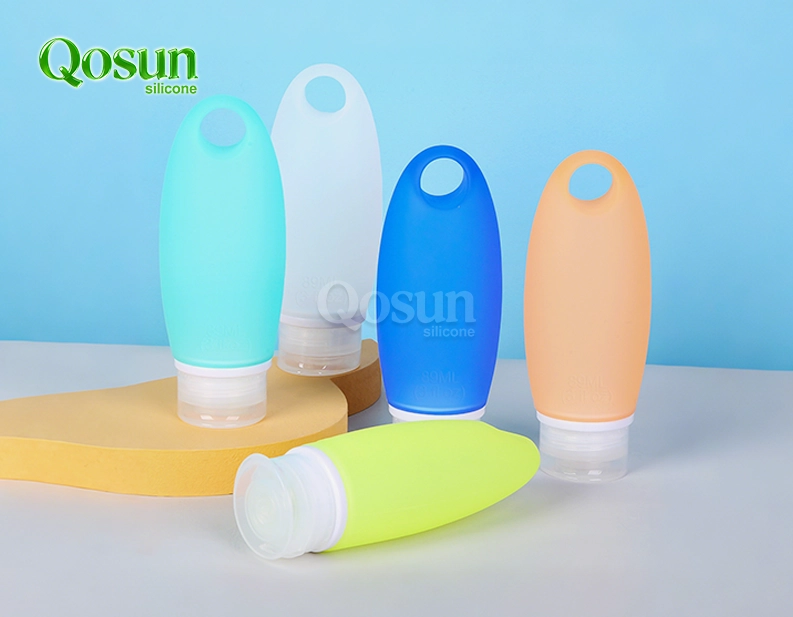
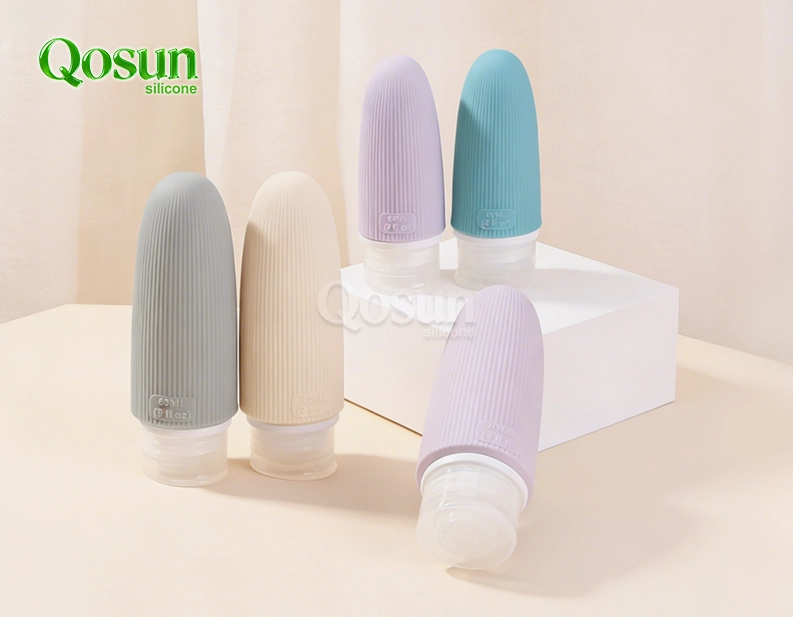
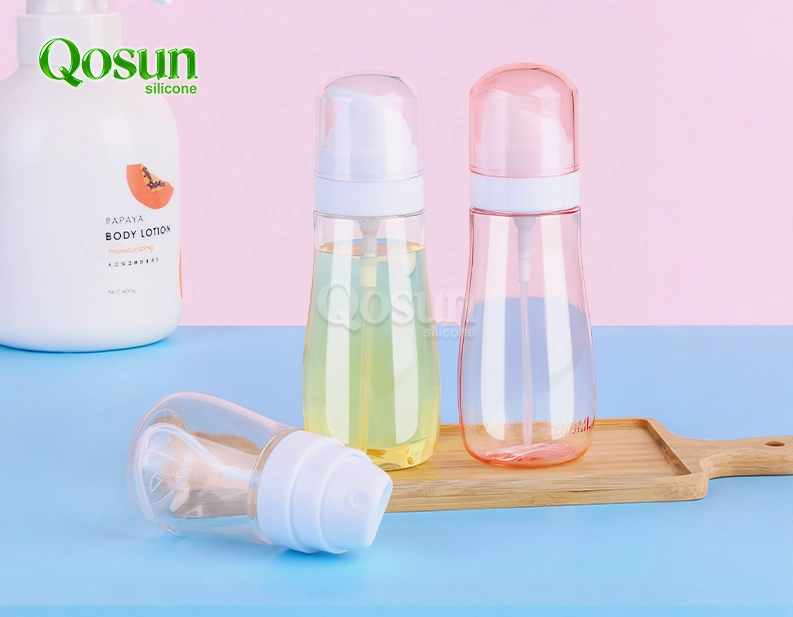
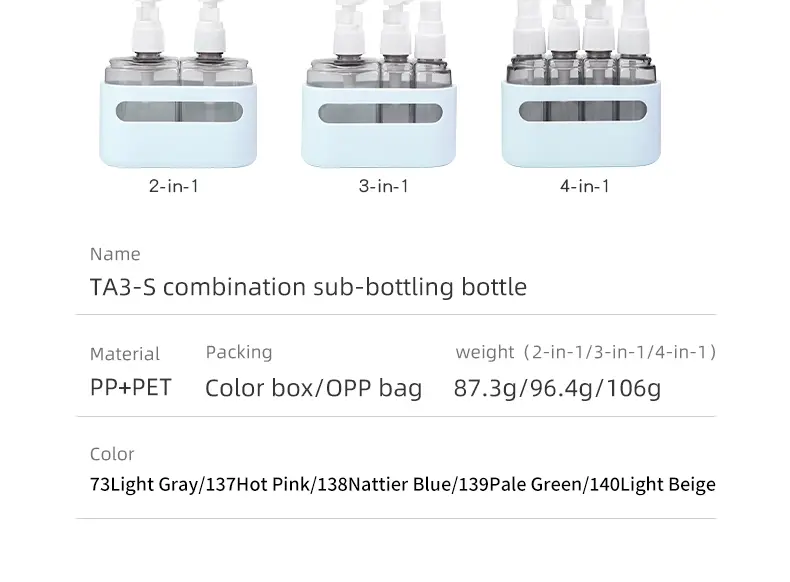
All-in-one kits are better than separate travel bottles because they have organized storage and leak-proof sections. This way of thinking is shown by the TA3-S Combination Sub-Bottling Bottle, which can be set up in 2-in-1, 3-in-1, or 4-in-1 ways. These kits are made from strong PP and PET materials and weigh between 87.3g and 106g, depending on how they are set up. They are light enough to fit in a carry-on bag but strong enough to be used over and over again. Each kit comes with both spray and lotion pump heads, so you can use everything from face toner to hand sanitizer without worrying about cross-contamination.
Key Components and Functional Design
The small size (between 46.5 × 122 mm and 101 × 122 mm) makes the most of the luggage room while keeping the useful capacity. Modern color choices like light gray, hot pink, Nattier blue, pale green, and light beige are popular with travelers who care about style and see travel items as a way to express themselves. The tight-sealing design of the bottle stops leaks during transport, which is one of the biggest problems tourists have. Because they are well-made, these kits can be used for work trips, gym bags, and camping trips.
Target Markets and Applications
These kits are used by more and more people outside of individuals. They are used as business gifts, in hotel amenity programs, and for store marketing. Pet care companies use similar designs for portable grooming tools, and baby care companies use them for formula preparation and diaper care necessities that can be used on the go. Refillable bottle systems are flexible, which works with green efforts. They give brands that care about the environment a real way to cut down on single-use plastic use.
OEM Packaging Strategies for Portable Sub Bottling Kits
When B2B brands go into retail settings that are already very competitive, the packaging acts as a silent salesman. When used carefully, OEM package solutions keep goods safe while they're being shipped, quickly communicate brand values, and make it easier to keep track of inventory across all lines of distribution.
Packaging Material Selection and Protection Standards
The choice between color box packing and OPP bag forms, the all-in-one portable sub-bottling kit, has a big effect on how much value is seen and how safe the goods are. Color boxes protect structures better during shipping, which makes them perfect for premium placement and store shows. The rigid construction keeps the bottle aligned inside the case and keeps the pump parts from getting damaged by tension. By lowering dimensional weight charges and offering enough protection for direct-to-consumer packages, OPP bags are a cost-effective way to handle large orders and online delivery. Brands that want to sell on Amazon FBA often choose OPP packing because it keeps the product visible through clear materials and cuts down on storage fees.
Branding Opportunities Through Custom Packaging
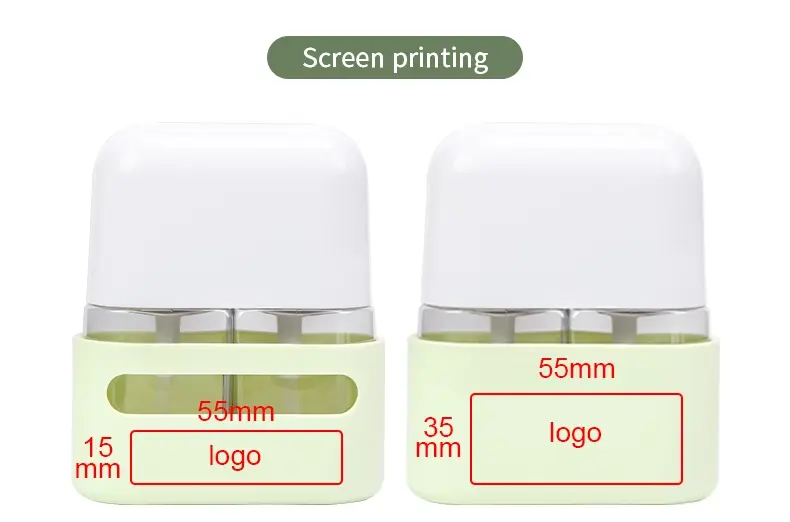
When you use the small (55 × 15mm) and large (55 × 35mm) name printing areas wisely, you can turn plain goods into branded assets. Screen printing makes it possible to get clear copies of logos, slogans, and approval marks that immediately show high standards of quality. Color matching lets brands keep the look of their goods consistent across lines, which makes it easier for customers to recognize their names, whether they're in stores or online. This level of tailoring is especially helpful for startups that want to see how the market reacts before committing to large-scale production runs.
Compliance Labeling and Market-Specific Requirements
Labeling rules for personal care products are very strict in North America and Europe. Packaging must clearly show what the material is made of, how much it can hold, and any necessary safety alerts. Adding bilingual labels during production saves brands money because they don't have to pay for expensive repackaging at target markets. To ease buyers' worries about safety right away, FDA and LFGB compliance marks should be placed clearly on packages. Placing these elements in the design order with care keeps the overall appeal while also meeting legal requirements.
Choosing the Right Portable Sub Bottling Kit Configuration
When making purchases, people don't just look at unit prices; they also look at the total cost of ownership, how reliable the provider is, and how well the product fits with the brand's image. Knowing the differences between configuration choices helps you better allocate your goods and lower the number of returns.
Comparing 2-in-1, 3-in-1, and 4-in-1 Models
The 2-in-1 design (87.3g) is good for people who don't need much and brands that want to make solutions that are very compact. Its slimmer shape makes it easy to fit in jacket pockets and small handbags, which makes it appealing to business travelers who want to make sure they have their important health items with them. The 3-in-1 type (96.4g) is a good compromise between size and mobility. It can hold the basics of a basic skincare routine or grooming routine without taking up too much space in your suitcase. The 4-in-1 version (106g) is good for long trips and use with the whole family because it has enough space for all of your personal care needs. Instead of thinking that maximum capacity determines choice, brands should look at customer journey data to see which configuration matches how people actually use their products.
Evaluating Supplier Capabilities for Trial Orders
Many new brands are hesitant to go ahead with minimum order quantities that are too high for their initial budgets for testing the market. Controlled trial orders are a way for manufacturers who offer flexible small-batch production to lower risk. This method lets brands find out which colors customers like best, get feedback on how well the pumps work, and improve the message on the package before going big. Getting prototypes back quickly—ideally within two weeks—speeds up the time it takes to launch a product, which can help you take advantage of holiday sales or adapt to new travel trends. How quickly suppliers are to communicate has a direct effect on how well ideas can be changed based on feedback from early adopters.
Price-Value Analysis Across Market Segments
Pricing that is cost-effective must take into account the quality of the materials, the level of tailoring, and the help after the sale. There are cheaper options, but food-grade material approval doesn't add much to the cost per unit and greatly lowers the risk of responsibility. No matter how much pressure there is on prices, brands that are trying to reach health-conscious customers or baby care markets can't skimp on material safety. Consistent quality across production batches is good for a long-term relationship because it avoids bad reviews and return processing costs that are much higher than the original savings from cheap suppliers.
Best Practices for Product Presentation and Market Entry
More than just getting inventory is needed to successfully start portable sub-bottling kit options. Clear instructions on how to use the product, strategic product presentation, and proactive quality checking are the building blocks for repeat sales and good word-of-mouth.
Creating Effective Product Photography and Listings
High-quality pictures of the TSA-approved silicone travel bottle set kit being used in real-life situations, like on bathroom shelves, in carry-on luggage, or in gym bags, help potential buyers picture how it could be used. By showing how the pump works, how the bottles are arranged inside, and how the leak-proof seals work, you can answer pre-purchase questions that would normally need customer service help. Lifestyle pictures that follow the platform's rules and show scale references work better than boring white-background shots alone for Amazon sellers to get more sales.
Developing User Guides That Reduce Returns
Common user mistakes can be avoided by including clear directions for filling for the first time, priming the pump, and cleaning and upkeep. It's not always because the product is broken; sometimes people just don't understand how to use it properly. A small insert card that tells you how to keep air out of pump mechanisms and how often to clean them after keeping oily goods makes the product last longer. This proactive method cuts down on bad reviews and shows that the brand cares about the success of its customers after the sale.
Quality Control Checkpoints Before Market Launch
Setting up checking routines for the functionality of the pump, the integrity of the bottle seal, and the mechanisms for closing the case finds manufacturing flaws before they reach the customer. To keep the brand's image, random samples are taken from production batches, filled bottles are put under pressure in different ways, and the color is checked against accepted standards. When going from trial sales to mass production, these quality gates become even more important because manufacturing processes may change as output goes up.
Future Trends in Travel Container Innovation and Packaging
The next wave of portable sub-bottling solutions is shaped by rules about ecology, the use of smart technology, and changing customer tastes. When brands plan for these changes, they become stars in their fields instead of reactive followers.
Sustainable Material Alternatives and Circular Economy Models
More people are concerned about the environment, so biodegradable case materials and drinks made from recycled ocean plastics are being made. People who care about the environment and are willing to pay more for certified sustainable choices are interested in packaging that tells them how to properly dispose of it and how much of it is recycled. Some forward-thinking brands now have "take-back" programs where customers can return used kits and get recycling points that they can use on future purchases. This creates a loyalty loop and keeps used kits out of landfills.
Smart Features and Connected Product Experiences
There are QR codes on some products that can be used to access digital experiences, like how to refill your bottles and trip packing lists. Some companies are now looking into NFC-enabled cases that can keep track of when they need to be refilled and offer replacement times based on how often they are used. These linked features gather useful information about how the product is used and raise its perceived value. For business-to-business buyers, packaging that encourages interaction after the sale sets them apart in crowded markets where functional similarity makes competition fierce.
Adapting to Changing Travel Regulations and Consumer Habits
Travel habits after the pandemic show that people want personal hygiene items more than sharing bathrooms and custom bulk silicone travel bottles. This change in behavior means that Portable Sub Bottling Kit options can be used for more than just vacations. They can also be used for daily commutes, keeping the workplace clean, and outdoor activities. Packaging tactics need to change so that they focus on being flexible across a range of situations, rather than just set for air travel. Regulatory changes about container sizes and material limits need to be constantly tracked, and providers that can quickly make changes to designs will stay ahead of the competition.
Conclusion
Strategic OEM packaging turns portable sub-bottling kits from common items into branded solutions that really help travelers. The TA3-S Combination Sub-Bottling Bottle shows how careful design—many configurations, long-lasting materials, and the ability to be customized—meets the needs of a wide range of market segments, from individual customers to business-to-business distributors. Brands that carefully choose setups that fit with the journeys of their customers, spend money on compliant packaging that shows quality standards, and work with makers that are quick to set themselves up for long-term growth. When functionality, good looks, and the ability to be customized all come together, you get items that customers choose again and again and enthusiastically suggest.
FAQ
1. What minimum order quantities apply for customized portable bottling kits?
Small-batch trial orders are available for brands that want to try out new markets or different versions of their products. The lowest numbers needed depend on how customized they are. For example, logo printing usually needs lower minimums than full-color matching. This gives new businesses and Amazon buyers the freedom to manage inventory risk and make sure their products are right for the market before committing to bigger production runs.
2. How long does prototype development take for custom packaging designs?
After the design is approved, our fast prototyping method usually sends samples within two weeks. This schedule includes any mold changes that need to be made to place the brand correctly and the first production of sample units in the color and with the printing that you choose. When brands have quick turnaround times, they can meet yearly launch windows and act quickly on new market possibilities.
3. Can packaging accommodate multilingual labeling for international distribution?
Of course. We often make packages with compliance information in more than one language for names that sell in North America, Europe, and the Asia-Pacific area. Our design team makes sure that the placement of legal text meets the needs of each market while keeping the brand's visual appeal and unity across all language versions.
Partner With Qosun for Your Custom Travel Bottle Solutions
Qosun specializes in providing dependable All-in-One Portable Sub Bottling Kit options for both new names and well-known wholesalers. Our small-batch production is flexible enough to handle practice sales, so you can see how the market reacts before going big. We help brands get their products to market faster and smarter by using FDA-approved PP and PET materials, offering a wide range of customization choices such as color matching and image printing, and being able to make prototypes quickly. Our experienced team communicates quickly and clearly throughout the development process to make sure that your packing strategy fits with your brand's positioning and the needs of the market. As a trusted All-in-One Portable Sub Bottling Kit maker, contact qosun@qosun.com right away to talk about how our OEM services can help you start your next product.
References
1. Anderson, M. & Thompson, R. (2022). "Sustainable Packaging Strategies for Consumer Goods: Material Selection and Brand Impact." Journal of Product Innovation Management, 39(4), 512-530.
2. Chen, L. (2023). "OEM Manufacturing Partnerships: Quality Control and Communication Best Practices for Cross-Border Procurement." International Business Review, 32(2), 145-162.
3. Davidson, K. & Martinez, S. (2021). "Travel Accessories Market Analysis: Consumer Preferences and Purchase Drivers in North American Retail." Market Research Quarterly, 28(3), 78-95.
4. Nguyen, P. (2023). "Flexible Manufacturing Systems: Enabling Small-Batch Production for E-commerce Brands." Supply Chain Management Review, 27(1), 34-49.
5. Roberts, J. & Williams, H. (2022). "Material Safety Standards in Consumer Products: FDA and LFGB Compliance for International Markets." Regulatory Affairs Journal, 33(6), 220-238.
6. Taylor, E. (2023). "Packaging as Brand Experience: Design Strategies for Direct-to-Consumer Products in Digital Commerce." Journal of Marketing Research, 60(2), 301-318.