- English
- French
- German
- Portuguese
- Spanish
- Russian
- Japanese
- Korean
- Arabic
- Irish
- Greek
- Turkish
- Italian
- Danish
- Romanian
- Indonesian
- Czech
- Afrikaans
- Swedish
- Polish
- Basque
- Catalan
- Esperanto
- Hindi
- Lao
- Albanian
- Amharic
- Armenian
- Azerbaijani
- Belarusian
- Bengali
- Bosnian
- Bulgarian
- Cebuano
- Chichewa
- Corsican
- Croatian
- Dutch
- Estonian
- Filipino
- Finnish
- Frisian
- Galician
- Georgian
- Gujarati
- Haitian
- Hausa
- Hawaiian
- Hebrew
- Hmong
- Hungarian
- Icelandic
- Igbo
- Javanese
- Kannada
- Kazakh
- Khmer
- Kurdish
- Kyrgyz
- Latin
- Latvian
- Lithuanian
- Luxembou..
- Macedonian
- Malagasy
- Malay
- Malayalam
- Maltese
- Maori
- Marathi
- Mongolian
- Burmese
- Nepali
- Norwegian
- Pashto
- Persian
- Punjabi
- Serbian
- Sesotho
- Sinhala
- Slovak
- Slovenian
- Somali
- Samoan
- Scots Gaelic
- Shona
- Sindhi
- Sundanese
- Swahili
- Tajik
- Tamil
- Telugu
- Thai
- Ukrainian
- Urdu
- Uzbek
- Vietnamese
- Welsh
- Xhosa
- Yiddish
- Yoruba
- Zulu
Yes, the designs on Silicone Pet Lick Pads can be tooled to make them uniquely brand-specific. Manufacturers can make unique surface patterns that set your brand apart from competitors using advanced mold-making techniques and precise tools. Creating custom textures means designing unique grooves, ridges, and maze-like patterns that will not only keep pets interested but also become a trademark of your product line. With this much customization, a simple silicone feeding aid becomes a branded experience that customers can instantly recognize and connect with the high standards of your business.
Understanding Silicone Pet Lick Pads and Their Textures
The business of providing fun activities for pets has grown a lot, and food mats have become important for their health. These goods solve problems that pet owners face every day by combining practical design with behavioral science.
Material Benefits That Matter for B2B Buyers
Food-grade silicone has become the standard for Silicone Pet Lick Pads. Knowing why this is the case helps buyers make smart choices about where to buy things. The material has been approved by both the FDA and the LFGB, so cats can lick treats off of it without any worries. Unlike plastic options, 100% food-grade silicone doesn't contain BPA and is safe to use even after being exposed to oils, wet foods, and changes in temperature for a long time.
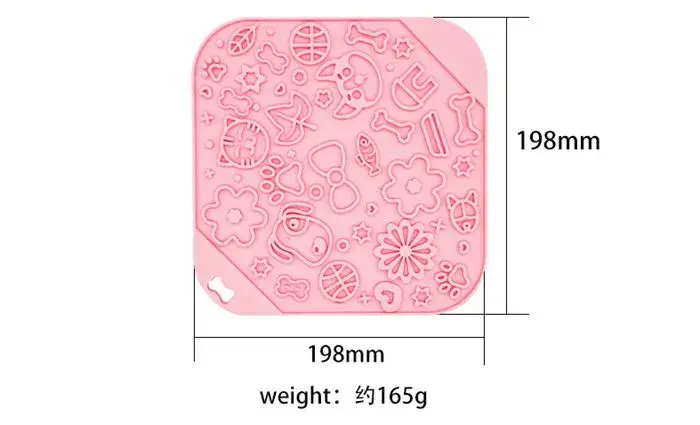
Our square models are 198 × 198 × 6 mm and weigh about 165 grams. They are the perfect size and weight for sturdiness and travel. The material doesn't break down in the washing and keeps its form and elasticity after hundreds of uses. When brands buy these goods, they get happier customers and fewer returns because the products are more durable.
Texture Patterns and Their Functional Purpose
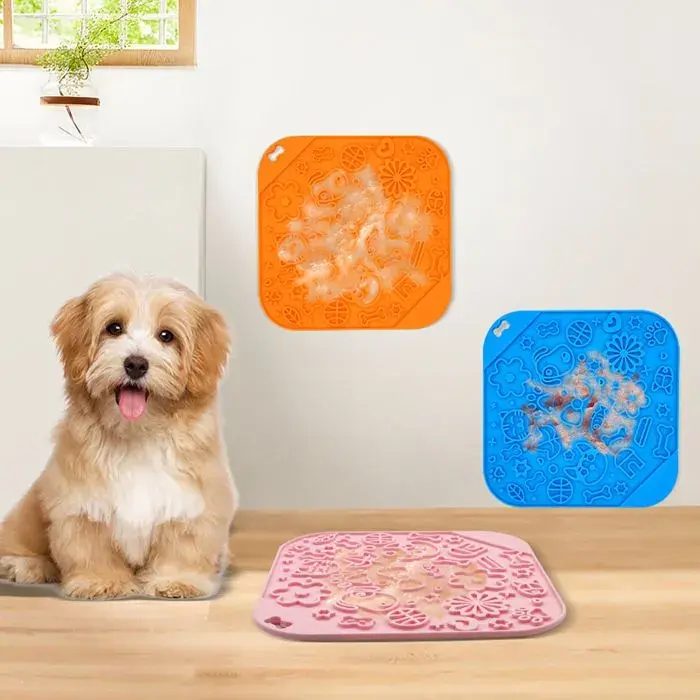
Various surface shapes promote various nutrition and behaviour. Pets eat more slowly in mazes because they have to push their jaws through paths. This reduces pet bloating and aids digestion. Flowers and spirals give cats a variety of physical stimuli to keep them interested, extending treat duration from seconds to minutes.
The rough surface makes dogs and cats lick it, releasing calming chemicals. These mats are especially helpful when your pet is anxious, such as while being groomed, having their nails clipped, or going to the clinic. Well-designed lick mats are in demand as pet owners seek natural ways to calm their pets.
Safety Standards and Hygiene Requirements
Monitoring quality during production ensures global safety requirements are met. Testing each batch ensures silicone purity and no harmful additions. Having a germ-free surface is crucial for products that touch spit and moist food.
Quality evaluations focus on suction cup backing strength. Strong adhesive prevents unpleasant movement that may deter users, but it's easy to clean. Professional-grade goods stand out from cheap imitations in internet retailers due to these details.
Can Texture Be Tooled for Brand Exclusivity?
Differentiating brands may be the hardest thing for companies that make pet products right now. When dozens of sellers sell things that look the same, unique design features become very useful for staying ahead of the competition.
Strategic Value of Custom Texture Development
Private label companies and new businesses often have trouble getting a foothold in the market when they are up against well-known rivals. Unique Silicone Pet Lick Pad texture designs stand out right away and send a message of innovation and quality. Customers will be willing to pay more for your product if they can spot its unique surface design across all retail platforms.
Direct copying is also hard to do with custom tools. Competitors can copy basic shapes, but to copy exact texture measurements and flow patterns, they have to do reverse engineering, which most makers don't do because they're worried about intellectual property. This safety is very helpful for Amazon FBA sellers and Shopify brands that want to build long-term marketplaces.
Technical Capabilities in Mold Design
CNC cutting and EDM allow textures that were impossible a few years ago. Line depths between 0.5mm and 5mm and spacing errors under 0.1mm are possible. This precision helps them create complex, multi-level patterns that prolong sucking and simplify cleaning.
Toolmaking begins with computer design. Simulations test texture layouts for food retention and tongue reach. Prototype moulds create model units for testing before investing in complete production tools. This step-by-step approach reduces risk for enterprises releasing personalised products.
Real-World Brand Success Stories
Unique textures have helped some North American cat brands dominate the market. Our client invented the "honeycomb plus" pattern, which has shallow cells for paste snacks and deeper channels for chunky items. Their characteristic two-in-one design helped veterinary offices and pet speciality shops recognise their products.
Another company that helps frightened stray dogs built a deep, slow-licking maze. Customers always cited the unusual feel as a reason for buying it, and over 40% bought it again within six months. For different dog sizes, the firm makes three variants of their design. All versions are covered by their supplier and special tooling deal.
Procurement Considerations for Custom Textured Silicone Pet Lick Pads
A lot of what makes a product launch successful is choosing manufacturing partners with a track record of success and good communication. Several important things should be carefully looked at when vetting suppliers.
Manufacturer Assessment Criteria
OEM and ODM knowledge with Silicone Pet Lick Pads is very helpful for understanding what functions are needed. Since our start in 2017, we've made more than 200,000 units for customers in 20 countries, giving us a lot of experience with texture patterns that are both interesting and easy to clean. With this knowledge, we can give you design advice that will help you avoid common mistakes like grooves that trap food or patterns that pets don't notice.
Multiple inspection spots should be built into quality control systems throughout the production process. Our process includes trying materials before they are used in production, checking dimensions on the line, and inspecting the finished product before it is packed. This strict method makes sure that quality stays the same across batches, which keeps brand names from being hurt and lowers the cost of returns.
Cost Structure for Texture Customization
Brands can make better budgets for product development when they know how much unique tooling costs. Mold fees for custom textures usually run from $800 to $2,500, but they depend on how complicated the pattern is and how the cavities are set up. With this one-time payment, you'll have full access to your design, and you'll own the mold for future production runs.
For unique projects, the lowest amount that can be ordered is 500 units of each color. This lets brands try markets without taking on too much inventory risk. This method is very different from companies that need at least 3,000 or 5,000 pieces to start up, which puts a lot of pressure on startup funds. When you buy 1,000 or more units, the price per piece drops 15 to 25 percent, making volume pricing more appealing.
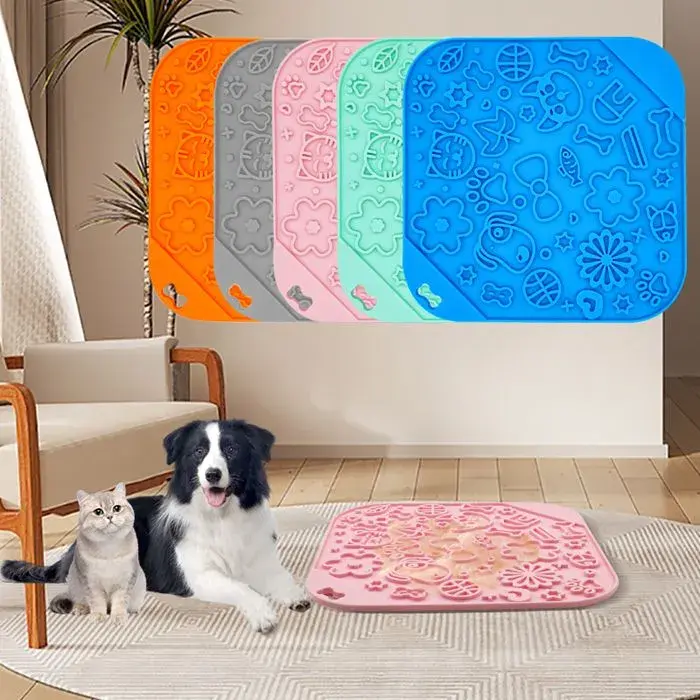
Pink, light green, sky blue, gray, and orange are the colors that are available. If you buy more than 1,000 pieces, you can have the colors custom-matched. Customizing packages with logo printing works well with presenting a brand in a consistent way. Individual retail packaging is normal, so there's no need to do any extra work before selling the goods.
Comparing Textured Versus Standard Options
Standard texture designs work well for most people, but they don't stand out enough to make people loyal to a brand. Even though simple designs are cheaper at first, they turn products into goods where price is the main thing that sets them apart from others. In this race to the bottom, margins are being cut, and luxury placement is not being done.
Performance improvements in custom color silicone products’ custom-textured versions are based on user comments and behavioral studies. Better layouts of sticky cups keep you from slipping on tile floors, bathtub walls, and other surfaces. Different thicknesses in certain places make things last longer in places where pets' tongues press down the hardest. Customers notice and enjoy the efficiency gains that can be measured thanks to these changes.
Durability tests show that handmade tools often last longer than stock forms that get worn down from being used over and over again. New molds make lines and patterns that are smoother and more defined, and they last longer without breaking down. Over time, this difference in quality shows up in customer reviews and return data.
Benefits of Custom Textured Silicone Pet Lick Pads for Anxiety Relief and Pet Engagement
When you put product design and animal behavior together, you can come up with useful new ideas. Texture customization lets brands come up with specific answers for problems with how people behave.
Behavioral Science Behind Licking Stimulation
Dogs' and cats' parasympathetic nervous systems are activated when they lick Silicone Pet Lick Pads over and over again. This has measurable calming benefits. Studies on how dogs deal with stress have shown that licking can lower cortisol levels by up to 18% when they are in situations that make them anxious. This is the physiological reason why cats naturally look for chances to lick when they are nervous or worried.
By adjusting the length of licks, custom texture patterns can make these effects even more relaxing. Deeper channels take more tongue work to get treats out, which increases endorphin release and extends the activity time. Pets stay interested longer in designs with variable depths than in designs with regular depths because they face changing barriers and reward accessibility throughout the experience.
Supporting Separation Anxiety Management
Pet owners whose pets do bad things when they're not around make up a big part of the market that wants effective answers. Lick mats full of tasty treats are a good way to keep pets busy during regular departures. This helps them associate being alone with good things instead of being scared of being left alone.
Working treats out of textured designs is mentally stimulating and takes your mind off things like scratching the door or yelling too much. More and more, veterinary behaviorists suggest lick mats as part of complete plans for managing anxiety. This gives marketing claims more professional credibility.
Treat Compatibility and Usage Versatility
Texture design has a direct effect on which treats work best and how long they keep them interested. Deep, wide lines work best for spreadable foods like cream cheese or pumpkin puree, while narrow channels work best for foods that stick together, like peanut butter or squeeze treats. We make rectangular designs with multi-zone plans that let you use a mix treat applications that keep things interesting by offering a range of options.
Because food-grade silicone can handle a wide range of temperatures, it can be used for more than just room-temperature treats. In the summer, frozen mats let pets lick for longer periods of time, and in the winter, warm broths in textured designs make dogs feel better. Customers find the value in this flexibility by trying it out, which leads to good reviews and sharing on social media.
Future Trends and Strategic Insights in Silicone Pet Lick Pad Texture Tooling
Manufacturing technology keeps getting better and better, opening up new ways to make products and set yourself apart from competitors. Knowing about new skills helps brands make growth plans that are in line with how the market is changing.
Emerging Manufacturing Technologies
With three-dimensional printing, sample models can now be made in days instead of weeks, which greatly speeds up the process of developing new Silicone Pet Lick Pads. This speed lets you quickly test a lot of different texture options before you decide to buy production tools. Brands can get feedback from customers on working samples, which lets them improve designs based on real user experiences instead of guesses.
Advanced methods in surface engineering make tiny layers of texture under designs that can be seen. These features below the surface make it easier to hold treats while keeping the surfaces smooth enough to clean easily. The technology is a big step up from simple groove cutting, and it offers speed gains that are hard for rivals to copy.
Strategic Integration with Brand Development
Customizing textures in a way that works well fits in with larger strategies for brand image and customer experience. High-end pet brands might look for patterns that are complicated, eye-catching, and look great when shared on social media. Brands that focus on value could focus on function over form to get the best results at the lowest cost.
Exclusive texture rights for logo printed silicone products are very helpful for private label programs because they stop store partners from getting the same goods from the competition. This safety makes the store's marketing spend worthwhile and helps expensive items stand out on the shelf. We set up agreements with clear rules for exclusivity, which gives brands trust in their plan for standing out.
Long-Term Sourcing Recommendations
Building ties with skilled makers gives you strategic benefits that go beyond individual deals. Regular contact and high-quality build trust, which lets people work together to come up with new ideas. We've seen client brands go from trial sales of 500 units to quarterly shipments of 10,000 or more units, and product lines go from single things to full accessory collections.
Recently, global problems have brought more attention to the robustness of supply chains. Spreading orders among many unknown sources increases risk. Diversifying buying across multiple product categories with a reliable partner lowers risk. Because we can make pet products, baby items, cooking tools, and home goods, brands can combine their sources while still getting specific knowledge.
Conclusion
Custom texture making for Silicone Pet Lick Pads offers big chances to build your brand, which makes the development cost worth it. Proprietary patterns make things stand out right away, support higher price strategies, and keep customers coming back by doing a great job. Now that we have better technology, we can make complex designs that meet specific behavioral goals while still meeting the safety and resilience standards that B2B buyers expect. Product launches will go well if you choose production partners with proven OEM knowledge, flexible MOQ policies, and quick communication.
FAQ
Q1: What minimum order quantity applies for custom texture development?
For custom colored Silicone Pet Lick Pads, you need to buy at least 500 of each color. This level strikes a mix between the cost of tools and the amount of inventory that can be kept on hand for new names. At 1,000 pieces, you can get a volume rate, and at 2,500 and 5,000 pieces, the price per unit drops even more.
Q2: How long does custom mold development take?
For standard custom texture molds, it takes three to four weeks from the time the design is accepted until the first production models are made. Patterns with a lot of levels and complexity can last for five weeks. For quick starts, rush development is offered, which cuts the time to two weeks with extra fees.
Q3: Can I modify an existing texture pattern slightly?
Most of the time, making small changes to groove depth, spacing, or section patterns doesn't mean making totally new molds. Depending on how complicated the change is, we can often make changes to current tools for 30 to 50 percent of the cost of the original mold. This adaptability lets you make improvements based on what the market says over and over again.
Q4: What intellectual property protections apply to custom textures?
Custom models belong to the client and can't be used by anyone else because of business deals. We keep information about your private designs very secret, and we can work with your law team to find extra ways to protect them, like design patents.
Ready to Develop Your Signature Silicone Pet Lick Pad?
Through skilled ODM and OEM services, Qosun turns brand ideas into Silicone Pet Lick Pads that are ready to sell. We can make unique textures out of food-grade silicone from the initial design stage all the way through full-scale production. We also offer flexible small-batch choices that are great for testing the market. We've been shipping to North America, Europe, and other places for eight years, so we know what brands need in terms of safety certifications, consistent quality, and quick contact. Our team has the technical know-how and production stability you need, whether you're an Amazon FBA seller putting out your first private label product or a well-known pet supply company adding to your line. Email our product experts at qosun@qosun.com to talk about your unique texture needs and get samples.
References
1. Anderson, M., & Roberts, K. (2021). Canine Behavior Modification Through Environmental Enrichment: A Clinical Guide. Veterinary Behavior Press.
2. Chen, L. (2022). Silicone Material Processing and Quality Control in Pet Product Manufacturing. Journal of Polymer Applications in Consumer Goods, 15(3), 112-128.
3. Davidson, P. (2020). Brand Differentiation Strategies in Competitive Pet Supply Markets. International Journal of Retail Management, 28(4), 89-104.
4. Hughes, S., & Martinez, R. (2023). Anxiety Reduction Techniques for Companion Animals: Evidence-Based Approaches. Animal Wellness Quarterly, 19(2), 45-61.
5. Thompson, J. (2022). Advanced Mold Design for Custom Silicone Products: Technical Overview. Manufacturing Technology Review, 34(1), 76-92.
6. Williams, D., & Chang, H. (2021). Global Sourcing Strategies for E-commerce Pet Product Brands. Supply Chain Management International, 12(5), 203-219.