- English
- French
- German
- Portuguese
- Spanish
- Russian
- Japanese
- Korean
- Arabic
- Irish
- Greek
- Turkish
- Italian
- Danish
- Romanian
- Indonesian
- Czech
- Afrikaans
- Swedish
- Polish
- Basque
- Catalan
- Esperanto
- Hindi
- Lao
- Albanian
- Amharic
- Armenian
- Azerbaijani
- Belarusian
- Bengali
- Bosnian
- Bulgarian
- Cebuano
- Chichewa
- Corsican
- Croatian
- Dutch
- Estonian
- Filipino
- Finnish
- Frisian
- Galician
- Georgian
- Gujarati
- Haitian
- Hausa
- Hawaiian
- Hebrew
- Hmong
- Hungarian
- Icelandic
- Igbo
- Javanese
- Kannada
- Kazakh
- Khmer
- Kurdish
- Kyrgyz
- Latin
- Latvian
- Lithuanian
- Luxembou..
- Macedonian
- Malagasy
- Malay
- Malayalam
- Maltese
- Maori
- Marathi
- Mongolian
- Burmese
- Nepali
- Norwegian
- Pashto
- Persian
- Punjabi
- Serbian
- Sesotho
- Sinhala
- Slovak
- Slovenian
- Somali
- Samoan
- Scots Gaelic
- Shona
- Sindhi
- Sundanese
- Swahili
- Tajik
- Tamil
- Telugu
- Thai
- Ukrainian
- Urdu
- Uzbek
- Vietnamese
- Welsh
- Xhosa
- Yiddish
- Yoruba
- Zulu
Collapsible silicone water bottles are becoming increasingly popular around the world. People are becoming more aware of the world, their lives are getting busier, and new things are being made all the time. People who like to travel, be outside, or do business and want eco-friendly alternatives to hard plastic bottles will like these portable, space-saving ways to stay hydrated. Collapsible silicone water bottles are in a great position to meet both needs, which is driving strong market growth as companies push for eco-friendly products and customers want convenience without losing safety.

Understanding Collapsible Silicone Water Bottles: Features and Benefits
It's a big step forward in water technology that bottles are no longer made of glass or metal and can be folded up. These days, flexible bottles are better than big ones because they can be used in more settings without any problems.
Material Innovation and Safety Standards
People like food-grade silicone the most for making collapsible silicone water bottles because it is safe and can be used in many ways. However, regular plastics may give off harmful chemicals when they break down at temperatures as low as -40°C and as high as 200°C. BPA-free silicone doesn't. Because the materials are resistant to this range of temperatures, they can be used to store both hot and cold drinks without breaking down. Having licenses from both the FDA and the LFGB gives buyers confidence that these goods are safe and meet strict international standards. Because of this, there are no worries about harm when a lot of the goods are spread around. Since there are no holes on the surface, germs can't live there. In other words, it doesn't need as much maintenance and still stays clean enough for business use.
Space-Saving Design and Portability
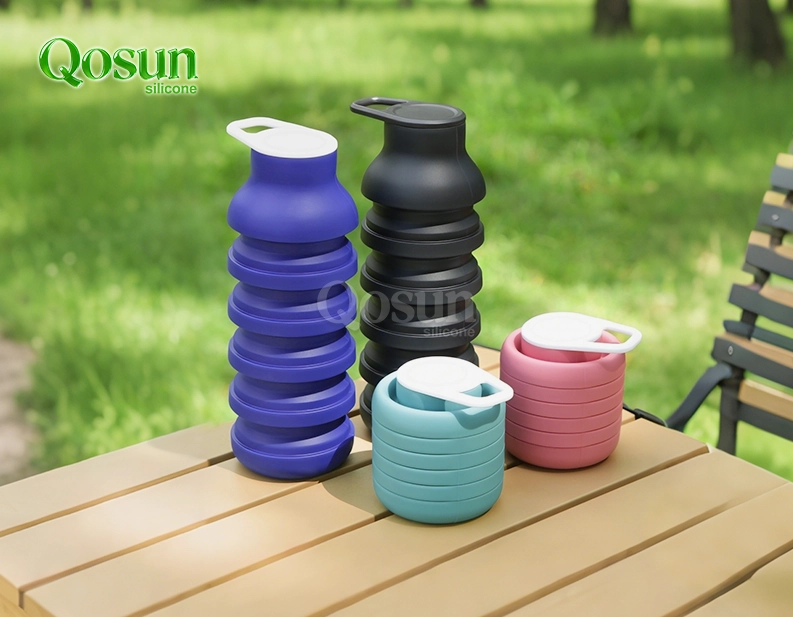
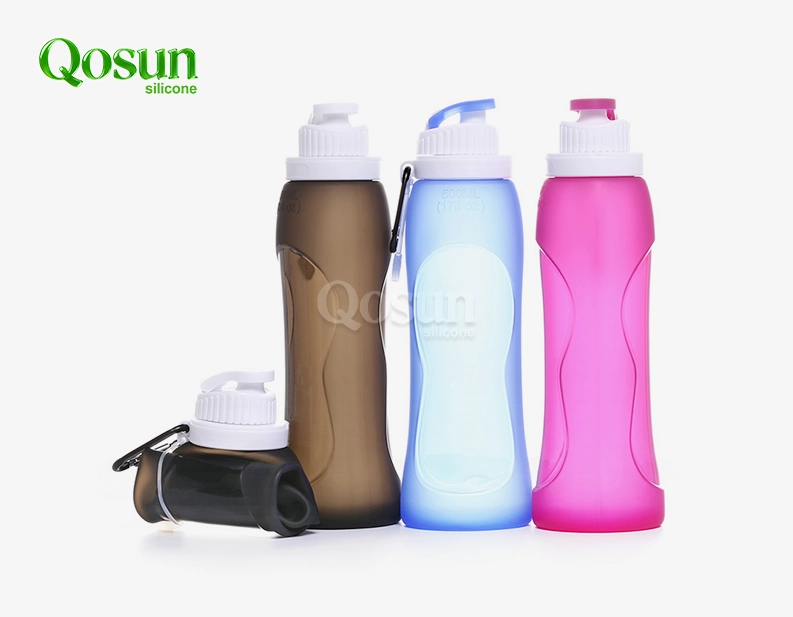
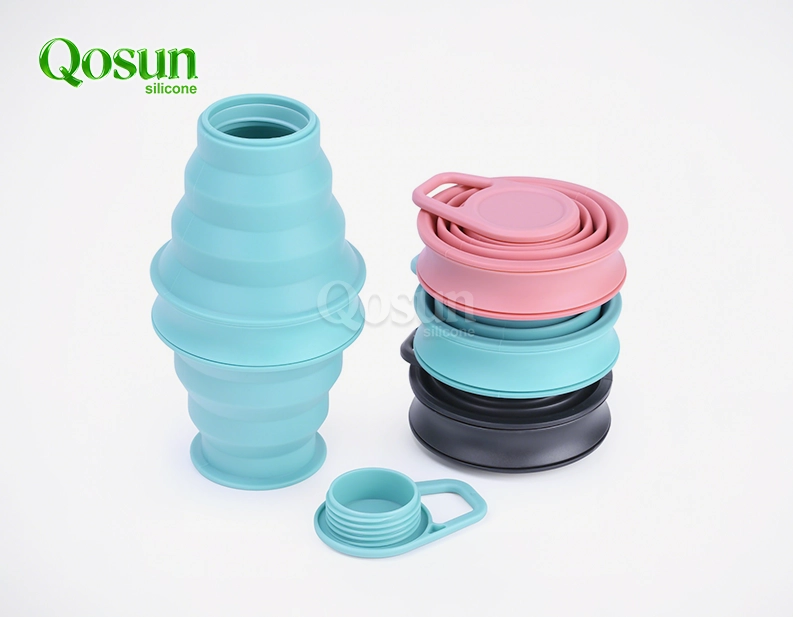
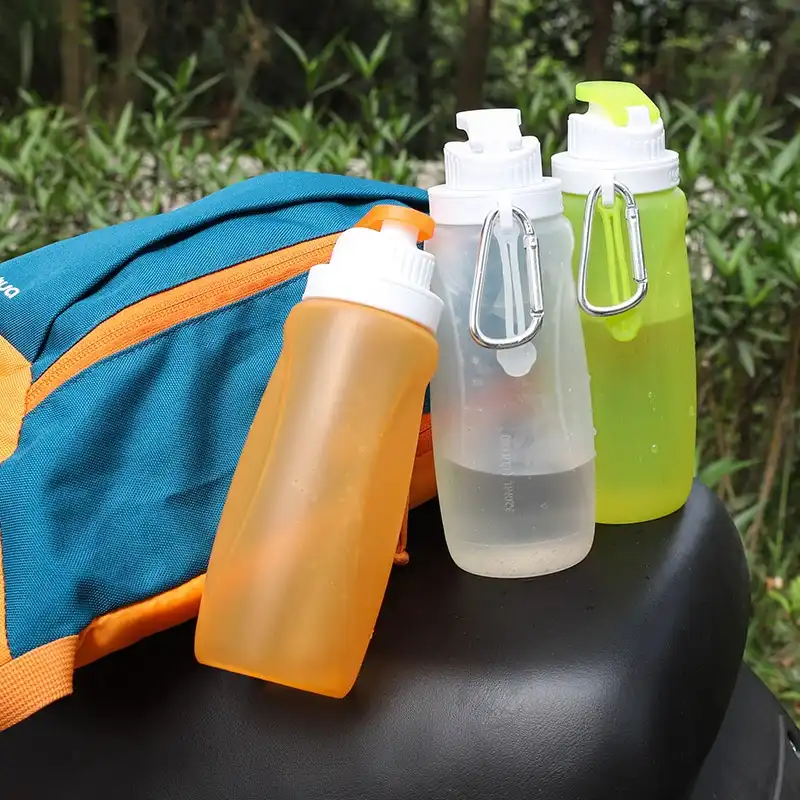
Because you can fold them up, they're more useful than hard bottles. Most 600ml bottles are 21 cm tall when they are full, but only 8.5 cm tall when they are empty. This saves about 70% of store space. This compression feature changes how stores run, which helps them deal with tourists and limited goods. It also helps travelers make the most of the space in their bags. It's very light (often less than 100 grams), and it has metal clips built in so you can attach it to your bag, belt, or bike frame without any tools. These features make gifts seem more important and useful when they can be taken with you. This is especially helpful for office giving programs.
Durability and Leak-Proof Performance
Engineers have made work that has eased early concerns about how reliable silicone bottles are. Today, triple-seal systems with precisely threaded caps and stronger silicone seals are used to keep the bottle from leaking even when it's upside down or when the pressure changes in the air. Silicone that doesn't break easily is much better than choices like glass or hard plastic because it can handle drops and stress. A lot of tests are done on things made by companies like Qosun. To make sure they will last, they go through over 5,000 strength rounds. This means lower repair costs and happy buyers for business-to-business sales, where product life has a direct effect on the total cost of ownership.
Customization Capabilities for Brand Differentiation
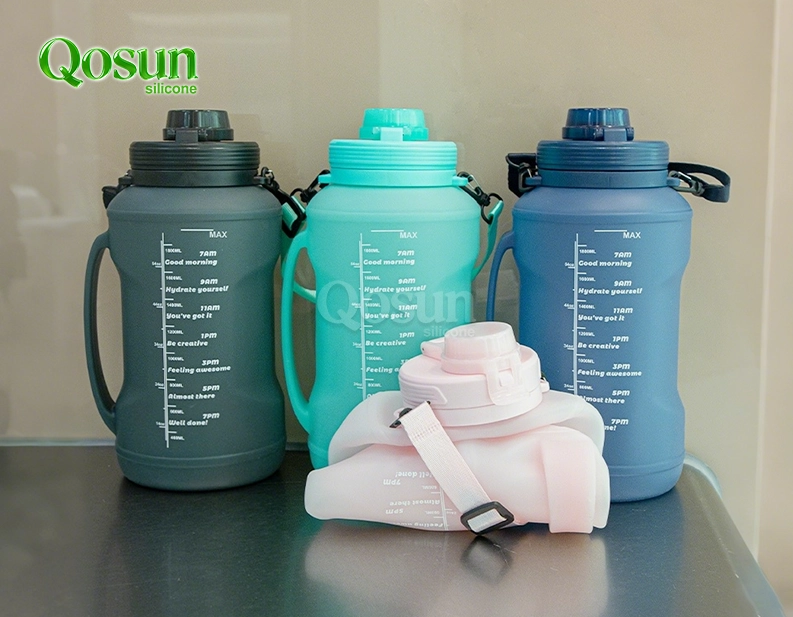
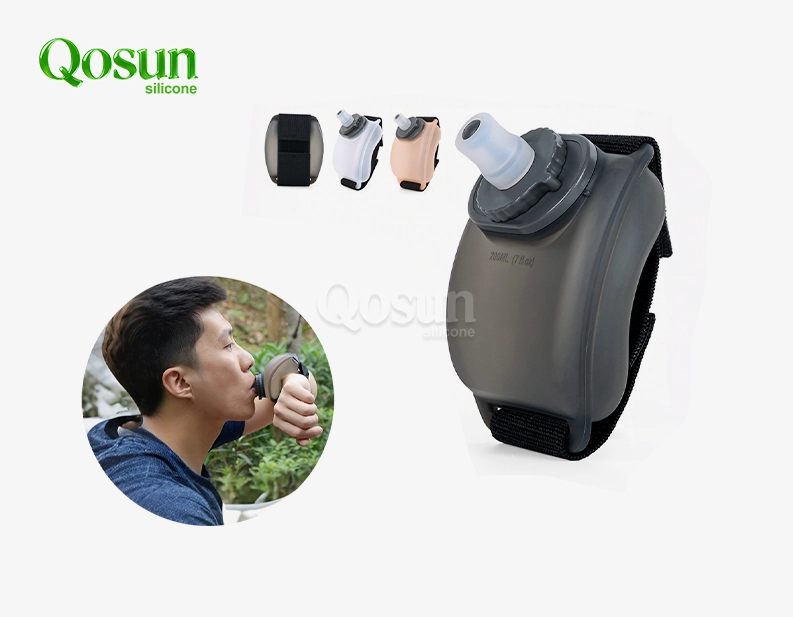
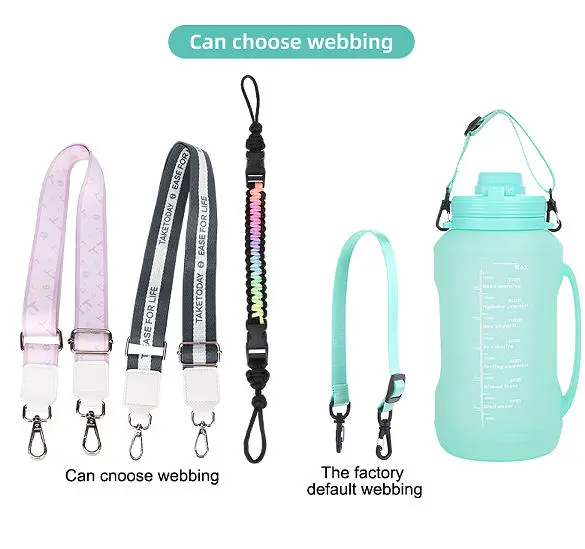
Making changes to silicone is easy because it is flexible and can be shaped in many ways that help with marketing and branding goals. On the surface, you can use silk-screen printing, laser cutting, and engraving to make logos that won't damage the material. Because there are so many dull and shiny colors, brands can make sure that their products match a certain style. Changes to the design can include different sizes, from small wrist bottles that hold 250 ml to big 2-liter bottles that have clocks to help you stay on track. With OEM and ODM services, it's easier to make designs that are one of a kind. These designs help products stand out in crowded markets and give brands an edge over their competitors by adding unique features.
Market Growth Trends and Industry Drivers
Collapsible silicone water bottles are becoming more popular in both the consumer and business markets. This is due to a number of reasons working together. For brands and providers, this means a lot of new options.
Environmental Regulations and Sustainability Mandates
Laws are being made all over the world to stop single-use plastics and promote choices that can be used more than once. Following the rules has become more important thanks to the Single-Use Plastics Directive in the European Union and similar laws in North America. This pushes people to use things that can be used more than once and last longer. ESG (Environmental, Social, and Governance) problems are important to companies, so they use eco-friendly products in their marketing and their health plans for workers. Because of these rules, more money is set aside to buy environmentally friendly items. People think of silicone bottles as high-end, long-lasting choices that help businesses meet their responsibilities and are useful.
Active Lifestyle and Wellness Trends
Thanks to the global health movement, keeping track of how much water you drink has gone from being a niche interest to a major worry. People who care about their health, like fitness fans and outdoor adventurers, look for items that help them live busy lives without making them heavier or bigger. When they're empty, collapsible bottles don't take up much room, but when they're full, they can hold a lot of liquid. Because there are so many running events, climbing groups, and other outdoor activities, there is a clear need for products like bottles that can be worn on the wrist and have movable designs with comfortable straps. People in this group like new things and are willing to spend more on features that make life easier and things work better.
E-Commerce Growth and Direct-to-Consumer Models
Because of online shopping, the way that hygienic products get to buyers has changed. New brands can now fight with the big ones thanks to this. Folks who sell on Amazon FBA or have a Shopify shop can easily start selling custom silicone bottles as long as they work with manufacturers who are flexible and don't have strict minimum order amounts. It's good for internet marketing that collapsible bottles look good. Demo movies that show how they can save space are what get people to buy. It's easy for travel and green social media influencers to spread the word about a brand. This creates huge demand spikes that need suppliers with flexible production capacity and quick shipping choices.
Corporate Gifting and Promotional Product Demand
A business sees branded items as an investment in their marketing, not as cheap stuff. People think that foldable water bottles are worth a lot more than they cost. This makes them a good choice for trade shows, campaigns to thank employees, and campaigns to keep customers coming back. People will use the bottles because they are useful, which is good for marketing since the brand gets more attention over time. When you customize, you can match with certain ads or holiday sales, and the eco-friendly stance makes people feel good about the brand. People in this market group like sellers who can handle difficult orders with a lot of different versions and still deliver on time and make sure the quality is good.
Procurement Insights: How to Evaluate and Source Collapsible Silicone Water Bottles?
To buy collapsible silicone water bottles well, you should pay close attention to the technical features, the skills of the seller, and the total cost, which includes the price per unit.
Quality Certification and Testing Protocols
It shows that you care about quality and safety if you give full approval to providers first. You should ask about more than just basic food-grade approvals. You should also know about specific testing methods for chemical makeup, leak resistance, and material durability. Manufacturers you can trust give thorough test results that show how well their goods work under stress, high and low temperatures, and regular use. If you want to make sure that your customers are happy in the long run, ask for samples that come from real production batches instead of trial units. It is important to make sure that the silicone mixtures you use are allowed in the places you want to sell them. Different places have different rules, and if you don't follow them, you could be held responsible.
Supplier Flexibility and Communication Standards
It's safer to test the market when you can place test orders for foldable silicone travel water bottles before committing to big amounts. When sellers let brands try out a product on the market without having to buy a lot of it, this is called a "flexible MOQ." Communication that is quick to respond is also very important, since taking too long to deal with quality issues or explain specs can stop sales in their tracks. When you're looking at possible partners, you should see how quickly they answer your first questions, how tech-savvy their sales teams are, and how willing they are to adapt to your needs. Manufacturers like Qosun stress how important it is to have fast testing services because they cut down on development times and let brands quickly change designs based on what the market says.
Production Capacity and Scalability
Check with your service providers to see if they can handle your growth without lowering the quality of their goods or services or making supplies less reliable. Ask about the factory facilities, like whether they can make models and what their backup production lines and quality control systems are like. Suppliers whose lines of work have been used for a while can quickly fill orders because their orders are more regular. You can plan your goods and keep track of your cash flow better if you know the difference between the lead times for first sales and return purchases. Ask if there are ways to speed up production for sudden or predicted rises in demand, and if so, how much these services cost extra.
Total Cost Analysis Beyond Unit Pricing
A full cost analysis looks at all the costs, including freight, taxes, payment terms, and quality-related costs like inspection fees or return rates. There may be secret costs behind unit prices that look lower, such as lower quality that needs more repairs or bad packing that breaks during shipping. Check the payment terms to see how they affect cash flow, and make sure that the loan terms and the need for a deposit are fair for long-term relationships. Think about how easy it is to get help after the sale. When you handle customer issues or business returns quickly, you can save money on the costs that come with them.
Future Outlook: How Market Trends Will Shape Procurement Strategies?
People who want to stay competitive in markets that are changing can change the way they buy collapsible silicone water bottles before they happen.
Integration of Smart Technology
Hydration technology is growing, and now there are features that work with it and containers that aren't being used. Bottles that can sense temperature, have LED lights that remind you to drink water, and connect to your phone are the next big thing in technology. Many people aren't using it yet, but brands that want to be ahead of the curve are looking into working with companies that can add computer parts to plastic designs. Putting these things together helps you stand out, but you need sources who know a lot about engineering in a lot of different areas and quality control methods that work with electrical goods.
Sustainable Material Advancements
Bio-based silicones and better ways to recycle are still being studied, which will change where material options come from. As part of the cycle economy, brands ask their sellers to look into ways to get rid of silicone goods when they're no longer helpful. For example, they could look into take-back programs or partnerships with recycling centers. People are becoming less trusting of promises about sustainability, so it's important to have clear proof of the supply line. To back up marketing claims, procurement plans ask sellers more and more to give detailed information on where materials come from and how they impact the earth.
Supply Chain Digitization
Digital platforms make it easier to find sellers, compare prices, and handle sales. This makes it easier to buy things from other countries. Soon, licenses and tests may be recorded in a way that can't be changed by blockchain-based checks. This would make things more open while making things easier for the people in charge. Clients should find out how tech-savvy their service providers are and if they are ready to work with digital payment systems. These features will help relationships that are already up and running stand out from old-fashioned ones that move slowly.
Customization Automation
A lot of things can be changed more easily now that digital printing and quick development are getting better, including dishwasher-safe silicone sports water bottles. One day, on-demand production methods could let smaller brands get one-of-a-kind designs that were too expensive to make before because they needed to spend a lot of money on tools. If you look at how suppliers use these technologies, you can find partners who can help you make product development plans that are flexible and can respond quickly to changes in the market without investing too much inventory.
Conclusion
People are becoming more health-conscious, eco-friendly, and time-conscious, as shown by the rise in the market for collapsible silicone water bottles. To make the most of the market's growth, brands and sellers should learn about what makes people buy things, how to buy them best, and what the latest trends are. You need to work with makers who offer certified goods, a range of production choices, and quick response times if you want to break into a market. More and more people will need new, adaptable ways to stay hydrated as environmental rules get tighter and people's needs change. Companies that share these values will have long-term opportunities because of this.
FAQ
1. Can collapsible silicone bottles safely hold both hot and cold liquids?
Yes, food-grade silicone maintains structural integrity and safety across temperatures from -40°C to 200°C. This allows users to fill bottles with hot tea, coffee, or cold water without material degradation or chemical leaching. The insulation properties differ from vacuum-sealed bottles, meaning external surfaces will reflect internal liquid temperatures, but the material itself remains safe and functional across this entire range.
2. What is the expected lifespan under regular commercial use?
With proper maintenance, quality collapsible silicone bottles typically last 3-5 years under regular use, including daily washing and normal wear. Manufacturers conducting rigorous durability testing demonstrate products withstanding thousands of compression cycles without significant degradation. Lifespan depends on usage intensity, cleaning practices, and storage conditions, but silicone's inherent durability significantly exceeds disposable plastic alternatives.
3. What customization options exist for corporate branding?
Extensive customization possibilities include silk-screen logo printing, laser engraving, embossed designs, and full-color branding. Manufacturers typically accommodate custom color selection, capacity variations, and proprietary design features through OEM and ODM services. Minimum order quantities for customization vary by supplier but often start at 500-1,000 units for basic logo printing, with custom mold development requiring higher commitments typically around 3,000-5,000 units.
Partner with Qosun for Premium Collapsible Silicone Water Bottle Solutions
Qosun brings over seven years of specialized expertise as a collapsible silicone water bottle manufacturer, delivering certified food-grade products that meet FDA and LFGB standards. Our flexible production capabilities support small-batch trial orders, enabling brands to test market fit before scaling. We offer comprehensive OEM and ODM customization services with rapid prototyping, transforming concepts into market-ready products within weeks rather than months. Our competitive pricing structure provides cost advantages without compromising quality, supported by rigorous inspection protocols ensuring batch consistency. Whether you're launching a new brand, expanding product lines, or fulfilling corporate gifting needs, our responsive team provides technical guidance and logistics support throughout the procurement journey. Contact us at qosun@qosun.com to discuss your specific requirements and explore how our silicone water bottle solutions can strengthen your market position.
References
1. Smith, J. & Anderson, K. (2023). "Sustainable Hydration: Market Analysis of Reusable Water Bottle Adoption Trends." Journal of Environmental Consumer Products, 18(4), 112-129.
2. International Silicone Alliance. (2022). "Food-Grade Silicone Safety Standards and Certification Guidelines for Consumer Products." ISA Technical Report Series, Volume 7.
3. Chen, L., Martinez, R. & Thompson, D. (2023). "Material Innovation in Portable Hydration Systems: Engineering and Market Perspectives." Polymer Applications Quarterly, 31(2), 88-104.
4. Global Wellness Institute. (2023). "Active Lifestyle Trends and Impact on Consumer Goods Markets: 2023 Annual Report." GWI Research Publications.
5. European Commission Directorate-General for Environment. (2022). "Single-Use Plastics Directive Implementation and Market Response Analysis." EU Environmental Policy Review, 15(3), 45-67.
6. Zhang, W. & Roberts, M. (2024). "E-Commerce Growth and Direct-to-Consumer Trends in Sustainable Product Categories." Digital Commerce Research Journal, 9(1), 34-51.