- English
- French
- German
- Portuguese
- Spanish
- Russian
- Japanese
- Korean
- Arabic
- Irish
- Greek
- Turkish
- Italian
- Danish
- Romanian
- Indonesian
- Czech
- Afrikaans
- Swedish
- Polish
- Basque
- Catalan
- Esperanto
- Hindi
- Lao
- Albanian
- Amharic
- Armenian
- Azerbaijani
- Belarusian
- Bengali
- Bosnian
- Bulgarian
- Cebuano
- Chichewa
- Corsican
- Croatian
- Dutch
- Estonian
- Filipino
- Finnish
- Frisian
- Galician
- Georgian
- Gujarati
- Haitian
- Hausa
- Hawaiian
- Hebrew
- Hmong
- Hungarian
- Icelandic
- Igbo
- Javanese
- Kannada
- Kazakh
- Khmer
- Kurdish
- Kyrgyz
- Latin
- Latvian
- Lithuanian
- Luxembou..
- Macedonian
- Malagasy
- Malay
- Malayalam
- Maltese
- Maori
- Marathi
- Mongolian
- Burmese
- Nepali
- Norwegian
- Pashto
- Persian
- Punjabi
- Serbian
- Sesotho
- Sinhala
- Slovak
- Slovenian
- Somali
- Samoan
- Scots Gaelic
- Shona
- Sindhi
- Sundanese
- Swahili
- Tajik
- Tamil
- Telugu
- Thai
- Ukrainian
- Urdu
- Uzbek
- Vietnamese
- Welsh
- Xhosa
- Yiddish
- Yoruba
- Zulu
When looking for silicone refillable toiletry containers in bulk, B2B buyers look for suppliers that are reliable, keep prices low, and use safe materials. These food-grade silicone cups can be used more than once and are a great deal because they are long-lasting, won't leak, and were made with the environment in mind. They meet the growing demand from customers for eco-friendly travel items and give brands a lot of ways to make them their own. When purchasing managers are in charge of new product launches or expanding inventory, picking the right supplier is important to make sure they get competitive prices, consistent quality, and production that can be scaled up or down. This way, initial trial orders can turn into long-term partnerships that drive profits and brand differentiation in North American, European, and global markets.
Understanding Silicone Refillable Toiletry Containers and Their Benefits
Why Silicone Outperforms Traditional Materials?
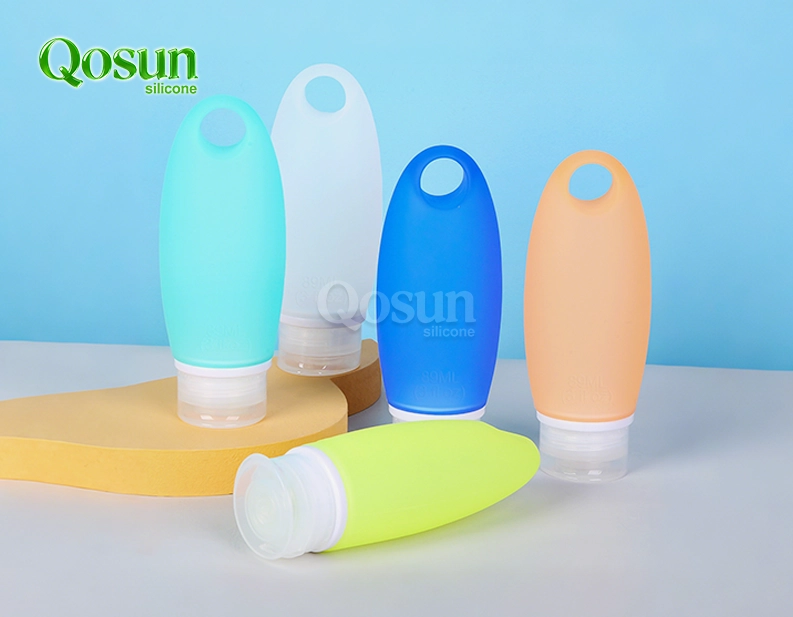
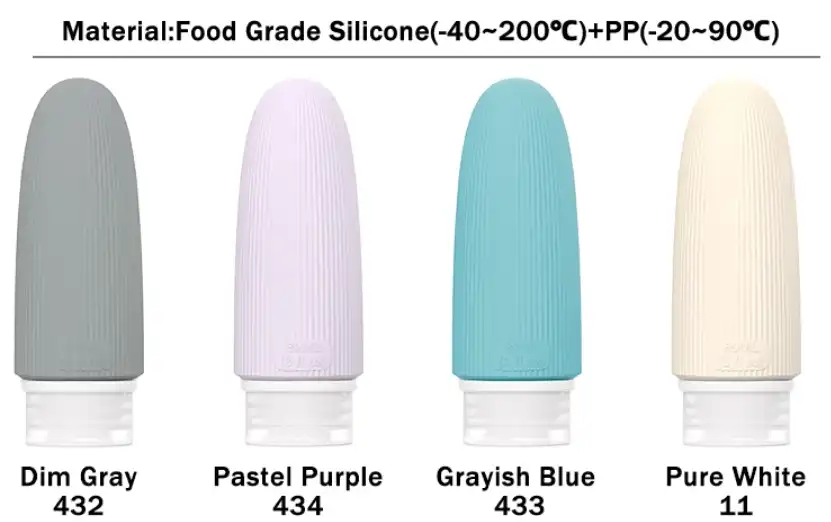
When buying things for businesses, silicone refillable toiletry containers are a big step up from plastic, glass, and metal options. Food-grade silicone can resist temperatures from -40°C to 200°C and keeps its shape after many uses, which is something that hard plastics can't do. Instead of breaking during transport like glass containers do or metal bottles that rust, silicone's natural flexibility lets it take hits without leaking. This material's durability directly leads to fewer returns and complaints after the sale, which are important measures for brands managing their image on e-commerce platforms like Shopify storefronts and Amazon FBA.
The benefits to the earth are great for the way things are going with regulations and what people want. People who buy baby products and personal care items do so because they are worried about their health. BPA-free approval answers these concerns. Reusable Silicone Refillable Toiletry Bottle Containers cut down on single-use plastic waste, which supports brands' messages about sustainability without affecting how well the products work. For wholesalers who work with hotels or travel stores, these bottles meet TSA liquid limits and offer better squeeze control than rigid options, which makes customers happier and increases the likelihood that they will buy from them again.
Long-Term Cost Savings Through Durability
Procurement teams know that the cost of the first unit is only a small part of the total cost of ownership. When compared to throwaway plastic bottles that break down after only a few uses, silicone lasts a lot longer. Based on our tests, food-grade silicone refillable toiletry containers that are properly cared for can be refilled over 500 times without breaking down or losing their seal. This makes replacements less common, which lowers the costs of inventory change and shipping that come with having to reorder often. This extended usefulness is especially helpful for cross-border sellers with small profit margins because it increases the living value of customers and lowers complaints about products breaking down too soon.
How to Choose the Right Silicone Refillable Toiletry Containers for Your Business?
Matching Product Specifications to Market Segments
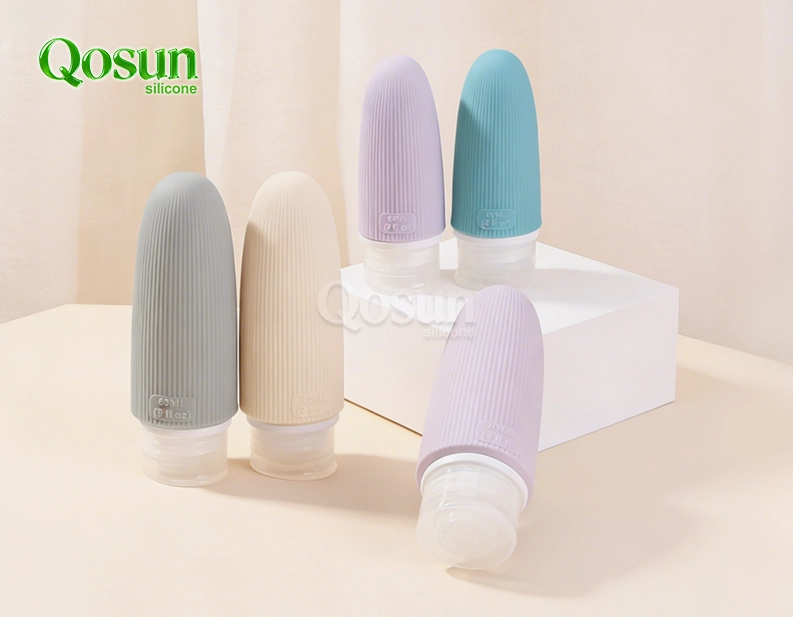
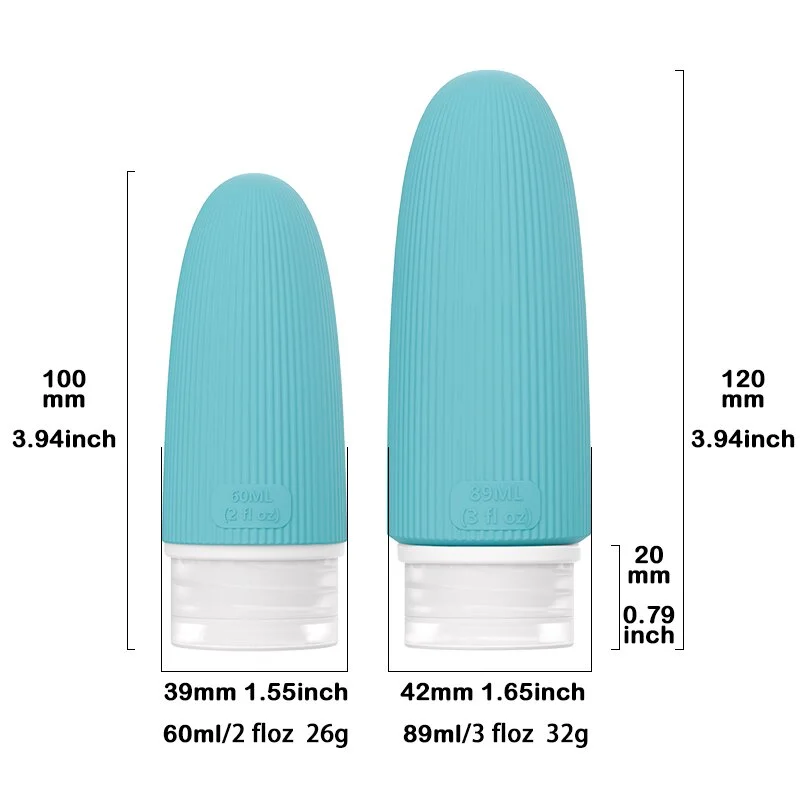
Different types of buyers need different silicone refillable toiletry container layouts. Travel retail brands that sell at airport shops focus on TSA-compliant sizes between 60ml and 89ml with safe flip-cap designs that keep spills from happening during flights. For high-end bathrooms, hospitality providers that provide hotel services often choose bigger 100ml bottles with pump dispensers. E-commerce sellers who want to start selling on Amazon need containers that look good in photos. Our Round Stripe Travel Bottle in pastel purple or dark blue regularly has higher click-through rates than other designs. Knowing your target market will help you decide whether to stock small 60ml units that only weigh 26g or bigger 89ml bottles that weigh 32g and can hold thicker creams and lotions.
Responsible buying is based on getting certifications. Material safety for direct skin contact and unintentional ingestion is confirmed by FDA and LFGB approvals. This is a must for baby products, silicone refillable toiletry containers, and makeup. This is a must for baby products and makeup. Qosun's Round Stripe Travel Bottle meets these standards because it is made of food-grade silicone that can withstand temperatures from -40°C to 200°C and has PP caps that can withstand temperatures from -20°C to 90°C. This ability to withstand different temperatures is important for brands that sell their products in places with cold winters and hot summers, like Scandinavia and the Middle East. It helps keep the quality of the products throughout the world's supply lines.
Design Features That Drive User Satisfaction
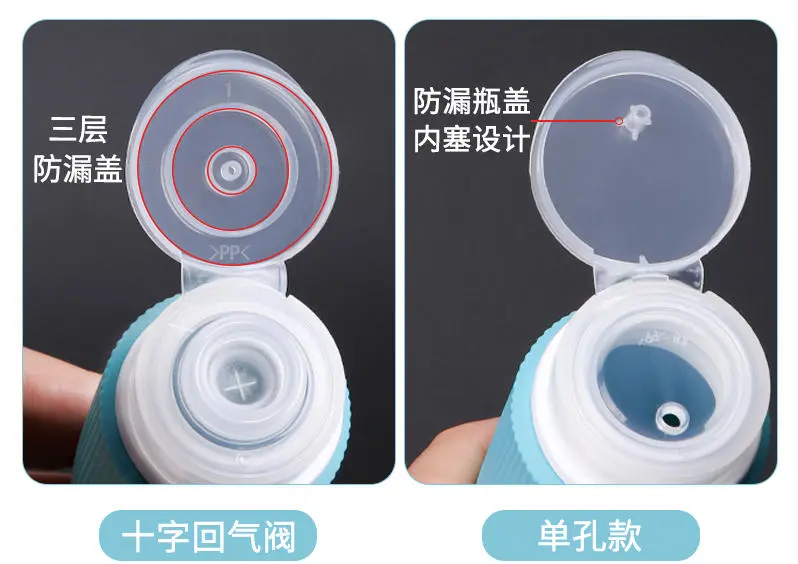
Engineering that doesn't let water in has a direct effect on a brand's image and return rates. When you put your purse away or handle your bags, cross-valve structures and tight-sealing caps protect you three times as well from unexpected drips. The TS16 model's 25mm wide hole makes it easy to replace with thick products like hair conditioner or body lotion without making a mess. This is a useful feature that customers keep mentioning in positive reviews. The anti-slip diagonal stripes make it easier to hold on to things when your hands are wet or dirty, which is a common problem in the shower and when traveling.
Long-term customer engagement is affected by how easy it is to clean. Wide-mouth designs make it possible to thoroughly clean between different types of silicone refillable toiletry containers, so when users switch from shampoo to hand sanitizer, there is no cross-contamination. Silicone's smooth, non-porous surface keeps germs from growing better than plastic alternatives, so it stays clean through many refill rounds. For companies that talk a lot about sustainability, this reusability connects the performance of their products with environmental ideals. This makes customers more loyal and supports charging higher prices.
Top Cost-Effective Silicone Refillable Toiletry Containers for Wholesale in 2026
Featured Product: Round Stripe Travel Bottle (Model TS16)
The Round Stripe Travel Bottle is a great example of how careful engineering can give you an edge in a crowded silicone refillable toiletry container market. This model meets TSA requirements and comes in 60ml and 89ml sizes, so it's big enough for trips that last a week. The vertical stripe texture does two things: it makes the product look better in stores and makes it easier to hold when you're using it. Using food-grade silicone and PP caps to make the product ensures compliance with regulations in North America, Europe, and the Asia-Pacific region, where safety standards are very different.
Color choices like dim gray, pastel purple, bluish blue, and pure white are available, all of which don't require expensive custom molds. When compared to clear bottles, these modern colors picture very well for online store listings, leading to higher conversion rates. You can choose between PVC or OPP bags for flexible packing that works in a variety of store settings. OPP bags are better for selling single units, while PVC packaging is better for travel sets with multiple bottles. Both sizes, 100mm and 120mm high, fit standard carry-on toiletry bags without taking up extra room, which is a practical worry that many frequent travelers raise in product reviews.
Wholesale Pricing Structures and Bulk Discounts
Understanding the different levels of price helps procurement teams make correct budget predictions. Starting wholesale sales usually range from 500 to 1,000 units and offer discounts of 25 to 30 percent off retail prices for leakproof silicone toiletry bottles. This is a good amount of profit for Amazon FBA buyers who are trying out new product lines. Orders of 2,000 to 5,000 units get discounts of 35 to 40 percent, which is great for Shopify brands that want to grow after a good start. Partnerships that buy more than 10,000 units can get 45–50% discounts, which lets wholesalers and marketers fight fiercely while still making money. These structures encourage loyalty while also being able to handle the pattern of trial-order-to-scaling that is usual for new brands.
The cost of customization depends on how complicated the job is and how many of them you need. For minimums of 1,000 pieces, simple name printing costs an extra $0.15 to $0.30 per unit. Custom color matching, on the other hand, needs pledges of 3,000 units because of the need to batch the materials. Full OEM development with custom mold making costs more up front, but it gives brands unique designs that rivals can't copy. This is valuable intellectual property for brands trying to stand out in the market. Because Qosun's MOQ rules are open, new businesses can start with 500-unit logo-printed runs and move on to custom molds when sales demand warrants it.
Best Practices for Using, Cleaning, and Maintaining Silicone Refillable Toiletry Containers
Optimizing Filling Techniques for Different Products
The right way to fill silicone, refillable toiletry containers makes them last longer and keeps users from getting frustrated. For toners or micellar water, which are thin liquids, normal funnel methods work well through the 25mm opening. Before transferring thicker items like hair masks or body lotions, they need to be warmed up to room temperature. This lowers their thickness and makes the flow easier. Don't fill it more than 90% of the way—leaving some room for growth stops pressure from building up, which could damage the seal during flying changes in altitude. This information helps customer service teams handle fewer issues and makes your brand look like it knows how to use its products properly.
How you store things affects how well they work in the long run. To keep the silicone flexible and the cap seal working well, store refilling bottles standing at temperatures between 10°C and 30°C. Even though silicone is resistant to UV light, don't leave it in full sunlight for long periods of time. This can fade colors and speed up the aging process. Individual protective wrapping keeps caps from getting damaged from compression during shipping. This is a small detail that has a big effect on how customers unbox and first view the product.
Cleaning Protocols for Maximum Hygiene
Keeping things clean between refills protects both the quality of the product and the safety of the user. Rinse Silicone Refillable Toiletry Containers well with warm water as soon as you're done using them to keep gunk from building up and becoming harder to get rid of over time. A bottle brush, warm water, and mild dish soap work well together to clean all the inside areas deeply. When compared to narrow-neck options that need special cleaning tools, the wide-mouth shape makes this process easier. Let bottles dry fully in the air with the caps off before refilling them. Moisture that gets stuck inside encourages the growth of bacteria that can affect later batches of the product.
Cross-contamination can be avoided by cleaning between types of products, including food-grade silicone travel squeeze bottles. Putting bottles in a mix of one part white vinegar to three parts water and letting it soak for 30 minutes gets rid of smells and germs without hurting the silicone. Do not use strong chemical cleaners that have bleach or acetone in them, as these can break down the structure of silicone and make material safety standards useless. With these upkeep guidelines, brands can give detailed care directions, which will cut down on returns that are due to user error instead of product defects.
Conclusion
To find silicone refillable toiletry containers that are also affordable, you have to weigh the short-term costs of purchase against the long-term benefits, such as sturdiness, the ability to customize, and the dependability of the seller. Food-grade materials that meet FDA and LFGB standards protect the reputation of the company and meet customer safety demands. The Round Stripe Travel Bottle is a good example of how useful design features like leak-proof valves, non-slip textures, and TSA-compliant sizes can lead to happy customers and return purchases. Successful business-to-business (B2B) relationships go beyond just buying things from each other. They become partnerships where companies like Qosun spend time learning about your marketplace and growth trajectory so they can give you custom solutions that change as your business does.
FAQ
1. Are silicone toiletry bottles truly leak-proof during air travel?
When properly sealed, high-quality, refillable silicone toiletry containers with cross-valve structures and triple-seal caps keep things from leaking during trips. Because of changes in pressure during takeoff and landing, it's better to leave a little room for growth than to fill to the top. When our Round Stripe Travel Bottle is filled to 90% of its capacity, it is put through pressurization tests that mimic flight conditions. These tests prove that the bottle will not leak.
2. Can I customize bottles with my brand logo for small orders?
Minimums for customization depend on the method. Screen printing and heat transfer can be used to put logos on orders as low as 500 to 1,000 items, which makes branding easy for new online sellers. Due to material mixing, color variation needs bigger orders of around 3,000 units. As part of its OEM services, Qosun offers design advice to make sure that logos can be read on curved silicone surfaces while still looking good.
3. How do I verify BPA-free and food-grade certifications?
If you ask, reputable makers will give you proof of their certifications, such as FDA compliance certificates and LFGB test results from approved labs. These papers explain how to test things and do a study of the materials to make sure they don't contain any harmful chemicals. By asking for certificates before finalizing big orders, you can protect your brand from the legal problems and liability risks that come with letting non-compliant goods into the market.
Partner with Qosun for Your Silicone Toiletry Container Needs
Qosun has approved food-grade Silicone Refillable Toiletry Containers that are ready to meet your bulk sales needs. These containers are made to last and look good on the market. Our MOQ policies are open enough to allow trial orders as low as 500 units, which lets you test the market carefully before committing to larger orders. Fast prototyping services can send you unique samples in 7–10 days, which cuts down on the time it takes to build a product. In addition to manufacturing, we offer helpful English-language contact and full after-sales support, which includes quickly solving any quality issues. As a well-known company that has been supplying Silicone Refillable Toiletry Containers to customers around the world since 2017, we know how hard it is for cross-border sellers and new brands to find their way in the competitive market. Email qosun@qosun.com to get full quotes, talk about customization options, and find out how our low-cost solutions can help you improve your product line while meeting the sustainability standards that your customers are demanding more and more.
References
1. American Chemistry Council. (2023). Silicone Materials in Consumer Products: Safety and Performance Standards. Washington, DC: ACC Publications.
2. Chen, L., & Martinez, R. (2023). Sustainable Packaging Solutions for Personal Care Products: Material Comparisons and Environmental Impact. Journal of Packaging Technology and Research, 7(2), 145-162.
3. International Trade Centre. (2024). Global Market Analysis: Travel Accessories and Toiletry Containers. Geneva: ITC Market Reports.
4. Packaging Strategies Magazine. (2023). Food-Grade Silicone Certification Requirements Across International Markets. Chicago: Packaging Media Group.
5. Thompson, K. (2024). B2B Procurement Best Practices for E-commerce Sellers: Supplier Evaluation and Partnership Development. New York: Business Insights Press.
6. U.S. Food and Drug Administration. (2023). Guidance for Industry: Food Contact Substances—Silicone Polymers. Silver Spring, MD: FDA Center for Food Safety and Applied Nutrition.