- English
- French
- German
- Portuguese
- Spanish
- Russian
- Japanese
- Korean
- Arabic
- Irish
- Greek
- Turkish
- Italian
- Danish
- Romanian
- Indonesian
- Czech
- Afrikaans
- Swedish
- Polish
- Basque
- Catalan
- Esperanto
- Hindi
- Lao
- Albanian
- Amharic
- Armenian
- Azerbaijani
- Belarusian
- Bengali
- Bosnian
- Bulgarian
- Cebuano
- Chichewa
- Corsican
- Croatian
- Dutch
- Estonian
- Filipino
- Finnish
- Frisian
- Galician
- Georgian
- Gujarati
- Haitian
- Hausa
- Hawaiian
- Hebrew
- Hmong
- Hungarian
- Icelandic
- Igbo
- Javanese
- Kannada
- Kazakh
- Khmer
- Kurdish
- Kyrgyz
- Latin
- Latvian
- Lithuanian
- Luxembou..
- Macedonian
- Malagasy
- Malay
- Malayalam
- Maltese
- Maori
- Marathi
- Mongolian
- Burmese
- Nepali
- Norwegian
- Pashto
- Persian
- Punjabi
- Serbian
- Sesotho
- Sinhala
- Slovak
- Slovenian
- Somali
- Samoan
- Scots Gaelic
- Shona
- Sindhi
- Sundanese
- Swahili
- Tajik
- Tamil
- Telugu
- Thai
- Ukrainian
- Urdu
- Uzbek
- Vietnamese
- Welsh
- Xhosa
- Yiddish
- Yoruba
- Zulu
As a safe and comfortable way for babies to teethe while being worn, a Baby Glove Soother is a big step forward in baby care. Parents can rest easy knowing that these new products are made with approved materials and smart design to ease the pain of chewing and stop kids from sucking their thumbs. Retailers and brand builders who look into this area find great ways to stand out in the market, especially when they work with makers who know how to meet safety standards and give brands a lot of freedom. The market for baby gloves that can be used as soothers keeps growing as more parents look for safe, useful options to traditional pacifiers.
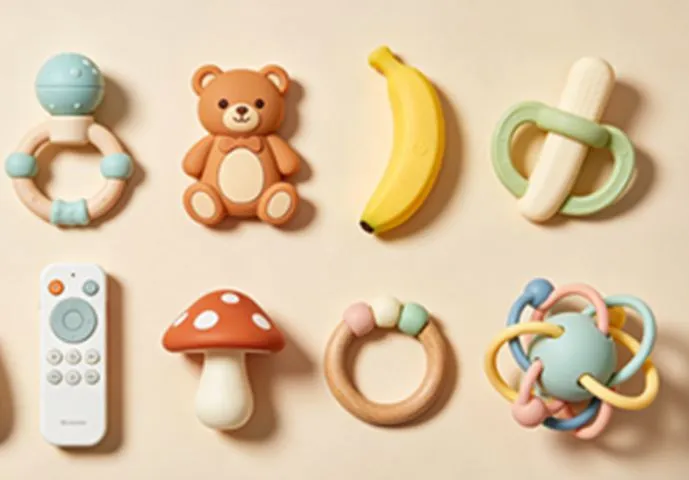
Understanding Baby Glove Soothers – Features, Benefits, and Usage
What Makes Baby Glove Soothers Unique
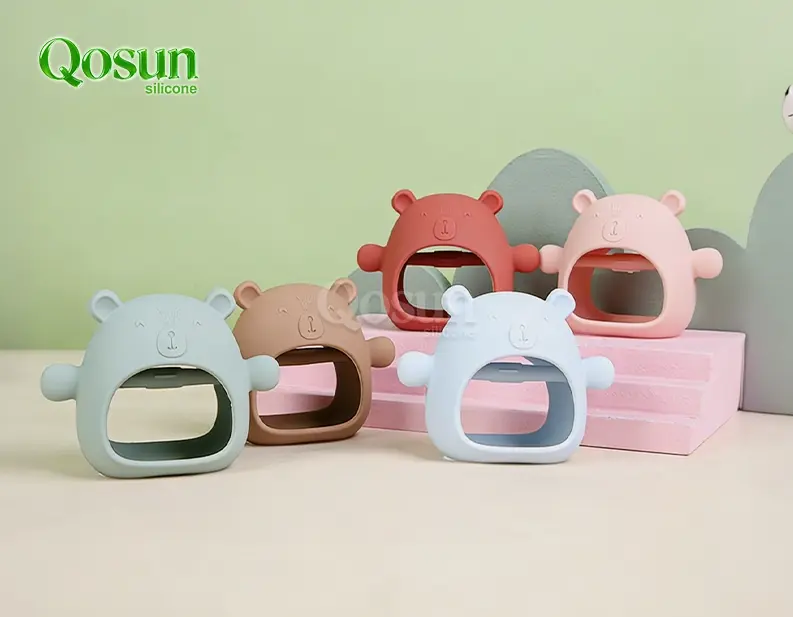
Normal chewing toys and baby glove soothers work in different ways. The glove-like shape fits around an infant's hand and lets them make natural sounds to calm themselves without worrying about dropping or losing the product. These soothers are mostly made of medical-grade silicone and have rough sides that rub sore gums without hurting sensitive skin. Because it's reusable, the teether can be used throughout the day, which means parents don't have to help as much, and the baby can be left alone.
Modern design ideas can be seen in the TR093 Axolotl Silicone Baby Teether. This product is both portable and useful. It measures 106 × 97 × 51 mm and weighs only 46 grams. Its cute axolotl form attracts babies' attention visually, keeping them interested during important growth stages. The teether comes in light blue, macadamia, brandied apricot, and orchid colours, so it can fit a wide range of artistic tastes without sacrificing safety.
Core Material Advantages
Food-grade silicone is the most popular type of baby glove soother because it has so many great qualities. This material can be sterilised over and over again, stays structurally sound at high and low temperatures, and is the perfect hardness for massaging the gums. Fabric alternatives can harbour germs or need to be replaced often, but plastic soothers stay clean with simple cleaning steps. Parents like goods that don't break down when put in hot water, dishwashers, or microwaves.
The material choice has a direct effect on decisions about what to buy. Teething rings made of silicone and other Baby Silicone products meet FDA and LFGB standards, so there are no worries about regional compliance issues that make foreign shipping harder. Parents are worried about chemical exposure, so BPA- and phthalate-free labels make products more marketable. When stores buy from qualified makers, they lower their legal risks and build trust with customers by making clear material statements.
Custom Baby Glove Soothers: Why They Matter to Retailers and Brand Builders
Differentiation Through Customization
In areas that are already full, it's hard for generic baby goods to get a piece of the market. Customisation turns plain teethers into branding experiences that people will pay more for and stick with. Putting a logo in the 32 × 20 mm stamp area turns useful items into marketing tools that help build brand recognition every time they are used. By giving more colours than just the basics, you can match your new items with current lines or seasonal campaigns, making sets that look good together and encourage people to buy things from different categories.
Functional customisation helps stores that are trying to reach certain groups of people. People who care about the environment and are willing to pay more for green products like organic-certified silicone. Softer durometer grades are better for babies who are just starting to crawl, while harder builds are better for toddlers who like to chew on things. Different types of packaging, like single retail boxes that show off product features and inexpensive OPP bags for bundles, help products stand out on store shelves in a wide range of settings.
Meeting Regional Compliance Needs
Different safety standards in different countries make it harder to start new products. In addition to changes for looks, customisation can also include changes for compliance that ensure market entry. European stores need LFGB approval, Australian markets need certain labelling styles, and Japanese customers want certain package sizes. Companies that offer flexible compliance support can cut down on the time it takes to get a product to market and avoid costly regulatory rejections.
Working with sellers who know about the specifics of your area can help you avoid costly mistakes. When you work with experienced partners, things like material licenses, versions of warning labels, and changes to age ratings are easier to handle. This knowledge is very helpful for new brands that don't have their own legal tools. It lets them grow into new areas faster without having to pay more for costs.
How to Choose the Right Baby Glove Soother Supplier: Criteria for B2B Procurement
Quality Verification Standards
Verification of material approval is the first step in evaluating a supplier. Asking for test reports from approved labs verifies claims that food-grade silicone is what it says it is. This keeps stores safe from fake materials that put customers' safety and the brand's image at risk. Testing for batch uniformity shows how disciplined the manufacturing process is, which is important for keeping quality as production numbers grow. Even though they take a lot of time and money, site audits give invaluable information about how production works, how quality control systems work, and how working conditions affect the dependability of output.
Minimum order amounts have a big effect on how easy it is to buy something in the Baby Silicone products market. Startups that want to see how the market responds need smaller MOQs, usually between 300 and 1,000 units. This lets them do cheap test runs before committing to bigger stocks. Established wholesalers that care about cutting costs are looking for sources that are fine with orders of 5,000 units or more, because that lets them get big savings. Flexible providers who can work with both situations help customers grow in the ways that make the most sense for them and help build relationships that grow as the business does.
Lead Time and Communication Efficiency
Time-to-market decides where a company stands in the market for fast-moving consumer goods. Suppliers that offer 7-day sampling and 3D prototyping speed up the development process of new products, so stores can get their hands on popular styles before the market is full. Standard production lead times of 15 to 30 days strike a balance between how quickly things can be made and how well they can be managed. This keeps things from running out during times of high demand while keeping costs low.
Partnership happiness can be predicted by how well people communicate and respond. When suppliers answer questions within 12 hours, it shows that they are organised well and put the needs of their customers first. Support for multiple languages gets rid of mistakes that slow down projects, especially when there are complex customisation needs. Giving clear reports on the progress of a project builds trust and lowers worry, especially during foreign transactions where direct supervision is not possible.
Market Comparison: Baby Glove Soother vs. Alternatives & Brand Positioning
Advantages Over Traditional Pacifiers
Traditional pacifiers need to be constantly reattached after babies drop them, which is annoying for parents and makes it hard for babies to sleep. This problem is solved by baby glove soothers, which stay in place on the baby's hand while they play and help them fall asleep. The worn design keeps the product from getting lost while out and about, which saves parents stress and money on product replacement. These useful benefits come up a lot in customer reviews, which spreads good word of mouth and helps marketing efforts.
Concerns about dental growth are affecting parents' buying decisions more and more. Orthodontists say that using a dummy for a long time can make your bite less straight. On the other hand, glove soothers let your baby explore his or her world naturally without putting too much pressure on the growing tooth arches. Because of this growth edge, glove soothers are seen as high-end options for health-conscious families, and the longer-term health benefits support the higher prices.
Material Durability Comparisons
Silicone is more durable than cloth options in a number of ways. Fabric glove soothers soak up spit, which helps bacteria grow between cleanings and means they need to be replaced often to keep up with cleanliness standards. The non-porous surface of eco-friendly baby silicone products doesn't let microbes stick to it, so it stays clean with just a rinse between sterilisation rounds. This longevity means that the product will have a higher living value for the customer, which will cut down on bad reviews about the product breaking down too soon.
Organic materials appeal to eco-conscious consumers but introduce practical limitations. Natural rubber teethers degrade faster than synthetic alternatives, especially under UV exposure or repeated sterilization. Wood-based teethers require specialized maintenance and cannot withstand immersion cleaning. Silicone's balance between safety, sustainability, and practicality explains its market dominance, particularly among time-constrained parents prioritizing convenience alongside health considerations.
Procurement Insights: Buying Custom Baby Glove Soothers in Bulk
Sourcing Platform Strategies
Direct manufacturer relationships offer maximum customization flexibility and competitive pricing structures. Platforms like Alibaba connect buyers with factory-direct suppliers, though due diligence remains essential for verifying credentials and production capabilities. Trade shows provide face-to-face evaluation opportunities, allowing tactile product assessment and relationship building that streamlines future communications. Industry-specific exhibitions attract specialized manufacturers whose focus ensures deeper expertise than generalist factories.
Domestic sourcing reduces lead times and simplifies logistics, but typically commands premium pricing compared to overseas manufacturing. Geographic proximity facilitates site visits and rapid prototype iterations, advantages that prove valuable during initial product development. Overseas suppliers deliver cost efficiencies crucial for price-sensitive market segments, particularly when production volumes exceed 10,000 units, where shipping costs become proportionally negligible.
Price Negotiation Tactics
Volume commitments unlock tiered pricing structures that significantly impact margin potential. Committing to quarterly orders totaling 5,000 units often secures 15-20 percent discounts versus one-time purchases, improving profitability without requiring upfront inventory investments. Long-term agreements with predictable order schedules help suppliers optimize production planning, savings they frequently share through preferential pricing.
Material selection represents the largest cost variable. Standard color silicone costs substantially less than custom Pantone matching or specialty formulations incorporating antimicrobial additives. Packaging choices create similar cost differentials—plain OPP bags cost pennies while custom printed retail boxes add dollars per unit. Strategic specification decisions aligned with target market expectations optimize value delivery without unnecessary expense.
Sustainability Considerations
Consumer demand for eco-friendly baby silicone products grows exponentially, with 73 percent of millennial parents willing to pay premium prices for verified sustainable products, according to recent market research. Suppliers offering recyclable silicone formulations or carbon-neutral shipping options address this demand while differentiating brands in competitive markets for eco-friendly baby silicone products. Third-party sustainability certifications like GOTS or Cradle to Cradle provide marketing claims that resonate with environmentally motivated buyers of eco-friendly baby silicone products.
Packaging sustainability extends brand environmental commitments beyond product materials. Biodegradable retail boxes, soy-based inks, and minimalist designs reducing material waste align with circular economy principles, attracting conscious consumers. These choices generate positive social media coverage and influencer endorsements that amplify marketing reach beyond paid advertising budgets.
Conclusion
The baby glove soother category presents compelling opportunities for retailers and brand builders seeking differentiation in competitive infant care markets. Success requires identifying manufacturing partners who balance quality, customization, flexibility, and responsive service. Products like the TR093 Axolotl Silicone Baby Teether demonstrate how thoughtful design, certified materials, and branding readiness create market-ready solutions that satisfy both regulatory requirements and consumer preferences. Strategic procurement emphasizing sustainable materials, reasonable MOQs, and clear communication establishes foundations for long-term growth. Retailers who invest in understanding market dynamics, compliance standards, and customization possibilities position themselves to capture expanding demand while building customer loyalty through superior product offerings.
FAQ
1. Is the Baby Glove Soother Safe for Newborns?
Baby glove soothers are designed for infants aged three months and above when hand-eye coordination develops sufficiently for intentional hand-to-mouth movements. Newborns lack the motor control to benefit from glove-style teethers and may become entangled. Products meeting FDA and LFGB standards use materials safe for oral contact, though age-appropriate usage remains essential for maximizing safety and effectiveness.
2. How Should I Clean and Maintain Silicone Baby Glove Soothers?
Rinse the soother under warm water after each use to remove saliva and food particles. Perform deep cleaning every two days by boiling for five minutes, running through dishwasher cycles, or microwaving in water for 90 seconds. The open structural design prevents hidden residue accumulation, simplifying maintenance compared to complex teether shapes. Inspect regularly for tears or degradation, replacing immediately if damage appears to prevent choking hazards.
3. What Distinguishes Silicone from Fabric Baby Glove Soothers?
Silicone soothers provide superior durability, hygiene, and sterilization tolerance compared to fabric alternatives. Fabric versions absorb moisture, promoting bacterial growth and requiring frequent replacement. Silicone withstands temperature extremes and repeated sterilization without structural compromise. Texture variety proves greater in silicone, allowing targeted gum massage designs that fabric construction cannot replicate. These functional advantages explain silicone's market dominance despite higher initial costs.
Partner with Qosun: Your Trusted Baby Glove Soother Manufacturer
Building your baby product line requires a manufacturing partner who understands both quality and market responsiveness. Qosun specializes in creating custom silicone baby products, including Baby Glove Soother, that meet international safety standards while delivering the flexibility growing brands demand. Our TR093 Axolotl Silicone Baby Teether showcases our commitment to combining playful design with rigorous safety engineering, featuring 100 percent food-grade silicone and comprehensive customization options. We support small-batch trial orders starting from manageable quantities, allowing you to test market reception before scaling. Rapid prototyping capabilities mean your concepts reach production within days, not weeks, protecting your competitive advantage. Reach out to qosun@qosun.com to discuss how our OEM and ODM services can transform your baby glove soother vision into a market-ready reality.
References
1. Chen, L., & Morrison, K. (2022). Material Safety in Infant Oral Products: A Comprehensive Review. Journal of Pediatric Product Safety, 18(3), 145-162.
2. Global Baby Teething Products Market Analysis Research Group. (2023). Market Trends and Consumer Preferences in Infant Soothing Products 2023-2028. International Market Research Institute.
3. Harrison, D. M., & Peters, R. J. (2021). Developmental Benefits of Self-Soothing Tools in Early Infancy. Child Development Quarterly, 44(2), 89-104.
4. Reynolds, A. K. (2023). B2B Procurement Strategies for Baby Product Retailers. Commercial Publishing House.
5. Thompson, S. L., & Wagner, F. P. (2022). Sustainability and Safety: Balancing Consumer Demands in Baby Products. Environmental Product Design Journal, 12(4), 221-238.
6. United States Consumer Product Safety Commission. (2023). Safety Standards for Infant Teething Products: Compliance Guidelines for Manufacturers and Importers. Government Printing Office.