- English
- French
- German
- Portuguese
- Spanish
- Russian
- Japanese
- Korean
- Arabic
- Irish
- Greek
- Turkish
- Italian
- Danish
- Romanian
- Indonesian
- Czech
- Afrikaans
- Swedish
- Polish
- Basque
- Catalan
- Esperanto
- Hindi
- Lao
- Albanian
- Amharic
- Armenian
- Azerbaijani
- Belarusian
- Bengali
- Bosnian
- Bulgarian
- Cebuano
- Chichewa
- Corsican
- Croatian
- Dutch
- Estonian
- Filipino
- Finnish
- Frisian
- Galician
- Georgian
- Gujarati
- Haitian
- Hausa
- Hawaiian
- Hebrew
- Hmong
- Hungarian
- Icelandic
- Igbo
- Javanese
- Kannada
- Kazakh
- Khmer
- Kurdish
- Kyrgyz
- Latin
- Latvian
- Lithuanian
- Luxembou..
- Macedonian
- Malagasy
- Malay
- Malayalam
- Maltese
- Maori
- Marathi
- Mongolian
- Burmese
- Nepali
- Norwegian
- Pashto
- Persian
- Punjabi
- Serbian
- Sesotho
- Sinhala
- Slovak
- Slovenian
- Somali
- Samoan
- Scots Gaelic
- Shona
- Sindhi
- Sundanese
- Swahili
- Tajik
- Tamil
- Telugu
- Thai
- Ukrainian
- Urdu
- Uzbek
- Vietnamese
- Welsh
- Xhosa
- Yiddish
- Yoruba
- Zulu
It can be hard to find the right partner for Silicone Food Grade Products, especially when you're starting a new brand or trying out new product ideas. At our heart, we know that modern businesses need makers who can be both environmentally friendly and adaptable. We've been making FDA-approved, eco-friendly silicone kitchenware, baby items, and pet supplies with low minimum order numbers since 2017. This method lets new businesses, Amazon sellers, and distributors try markets without putting too much inventory or cash at risk. Our dedication to useful design, strict quality control, and customer-first service has won us trust in more than 20 countries, which has helped brands safely move from one-time orders to long-term partnerships.
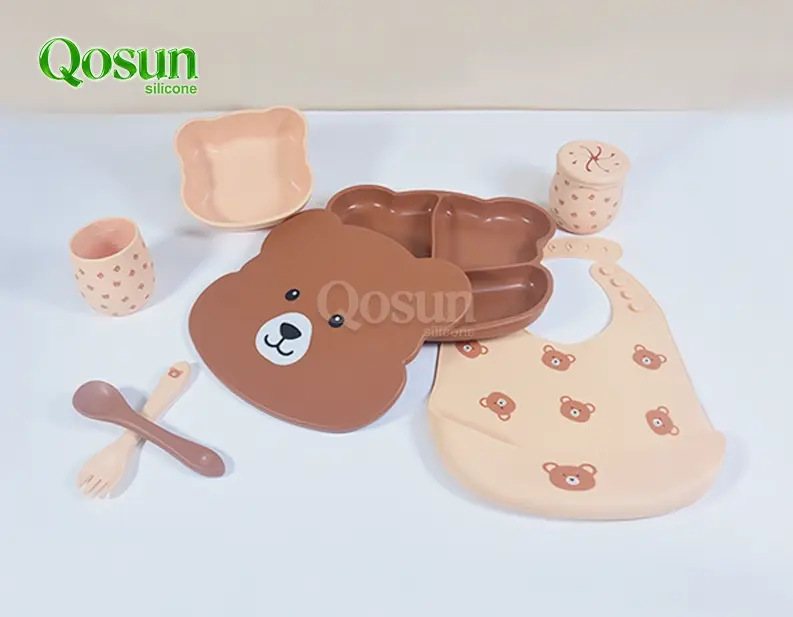
Understanding Food Grade Silicone: Key Properties and Benefits
Food-grade silicone is safe and versatile, making it unique. This BPA-free substance is safe. It fulfils stringent FDA and LFGB regulations, so it doesn't discharge harmful particles into food. Silicone can withstand temperatures from -40°F to 446°F, making it ideal for freezers, ovens, and microwaves.
Material Characteristics That Matter
Premium silicone is chemically neutral, so it won't combine with acidic tomato sauces or alkaline batters. Unlike metal instruments that convey deadly heat or plastic containers that absorb garlic scents, silicone lasts thousands of uses. Its nonstick surface makes food easier to remove from baking pans and reduces oil use, making cooking healthier. Designers may construct folding storage bins, bending ice trays, and spatulas with pleasant handles using the material's flexibility. These are impossible for hard materials.
Applications Across Industries
Kitchenware, which manufactures silicone mats, tools, oven mitts, and food storage lids that seal firmly without petroleum plastics, dominates the silicone industry. Silicone is safe, so parents trust it to produce pacifiers, baby toys, and breast pump parts. Silicone gaskets, O-rings, and tubes are used daily in food processing machines, where cleanliness and temperature are issues. Silicone doesn't age, discolour, or develop bacteria, so it's excellent for everyone. Products last longer, look better, and are safer with these features.
Environmental and Health Advantages
Unlike single-use plastics, durable silicone products reduce landfill waste. A durable plastic baking surface may replace hundreds of parchment paper sheets. Pure silicone is preferable for sensitive persons than latex-containing rubber. The way things are manufactured has become greener. Responsible suppliers now reduce VOCs and recover industrial waste. More customers are realising that using authorised eco-friendly silicone helps satisfy company responsibility goals and improve outcomes, as an eco-friendly silicone products manufacturer does.
Why Choose an Eco-Friendly Silicone Manufacturer with Low MOQ Options?
Traditional manufacturing agreements need 5,000 or 10,000 SKU orders. New brands cannot overcome the issues it causes—tying up cash, stacking warehouses with untested products, and making it tougher to respond to changing consumer trends. We've seen too many wonderful ideas fail because they were too expensive to start. Our business strategy is adaptable.
Financial Flexibility for Growing Brands
Low MOQ strategies alter risk management. Before mass-producing a new rubber bib style, a Shopify business owner can order 300 to test client demand. This step-by-step strategy retains marketing cash flow, allows feedback-driven modifications, and avoids selling thousands of pointless items. Distributors testing local markets prefer buying smaller volumes of many product lines rather than committing to one. With cash breathing room, businesses may experiment, change their minds, and expand at their own speed.
Speed and Market Responsiveness
Flexible manufacturers can adapt in weeks if Amazon's travel container patterns shift toward foldable ones. Small-batch production reduces time from idea approval to warehouse delivery. We've helped companies send 500-unit trial orders in 15 days to capitalise on holiday sales. This adaptability provides firms with an advantage against inflexible, high-volume providers that they can't match. Instead of responding too late, you may keep ahead of the market by trying out new coloured, sized, or packaged items without making large promises.
Sustainability Through Reduced Waste
Overproduction harms the planet. Limit your orders to what you can sell quickly to safeguard them. Silicone loses quality and ends up in dumps after years of storage, reducing its eco-friendliness. Lower MOQs ensure manufacturing meets demand, reducing needless excess. Our sustainable production practices, such as energy-efficient machinery, water recycling, and scrap reuse, match your CSR aims. When buying, teams engage with eco-conscious producers, and the supply chain is more responsible.
Selecting the Right Food-Grade Silicone Products for Your Business
Different silicone goods are used for different things. Knowing these differences will help you choose items that fit your brand's image and meet customer standards. Product types are very different in how hard they are to understand, what certifications they need, and how much they can be customized.
Product Categories and Use Cases
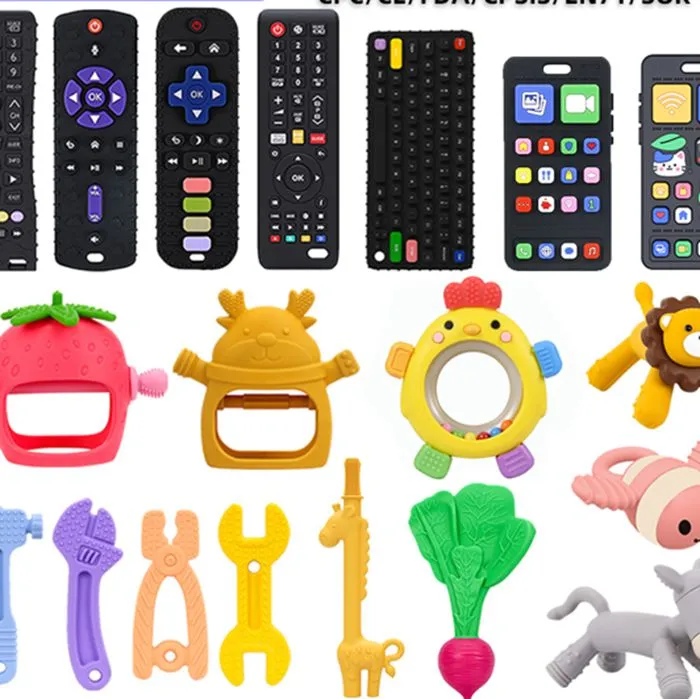
The largest group is baking and culinary utensils, including spatulas, pans, trivets, and oven mitts. These must be flexible, simple to clean, and able to withstand repeated high temperatures. Baby and toddler products must undergo stricter safety checks to ensure they don't contain harmful substances or bacteria-friendly surfaces. Pet accessories like foldable bowls and rugs must withstand eating and outdoor use. Strong seals and food-safe material information are key to stretch lids and sealed containers. Napkins, phone covers, and planning tools are bought because they look and feel good.
Quality Grades and Performance Differences
Premium food-grade silicone has no additives, so it's more tear-resistant and uniformly coloured. Lower-quality materials may be filled with calcium carbonate or other inexpensive fillers, making them less durable and less dangerous. Testing shows these differences: a good silicone spatula twists back without white stress lines. Using turmeric or beetroot juice can permanently modify the colour of high-quality clothes, but not stain them. Different silicones react differently at different temperatures. Real food-grade silicone remains flexible at freezing, whereas inferior silicone stiffens. Knowing these distinctions can help you match product quality to client needs and pricing range, especially with silicone food-grade products.
Customization Capabilities for Brand Differentiation
OEM and ODM services provide unique designs that are hard to imitate, giving firms an edge. We provide bespoke mould development for unique forms, Pantone colour matching for brand consistency, laser etching or debossing for logos, and fun custom wrapping to make opening the package. Silicone bibs with flexible neck ties and unique pockets may be needed for newborns. An assortment of culinary implements may include spatulas with ergonomic handles and measuring markings. These adjustments convert generic items into distinctive ones that sell better and retain customers.
Every type of product comes with compliance paperwork like FDA certificates, LFGB test results, REACH statements, and material safety data sheets. We keep our approval processes open and honest, giving retailers the proof they need and giving end customers peace of mind. This care saves the image of your brand and makes it easier to get into controlled markets in North America and Europe.
How to Procure from Trusted Eco-Friendly Silicone Manufacturers?
Clear communication about goals and a detailed background check are the first steps to building a good procurement relationship. We've improved our processes to get rid of common problems that make buyers who work with sellers far away angry.
Verification and Certification Authentication
Genuine makers are happy to share full certification papers. Ask for up-to-date FDA license numbers and test results from reputable labs like SGS or Intertek. Look at the certificates for specific product lines. For example, a company that is qualified for silicone tubing might not be approved for kitchenware. Whether they are done online or in person, factory checks show how things are made and how quality is controlled. We welcome openness because our methods and licenses can stand up to close inspection. Be wary of suppliers whose prices seem too good to be true and whose paperwork can't be checked. Materials that have been tampered with create legal risks that far outweigh any initial savings.
Production Capacity and Lead Time Assessment
Knowing how much a maker can really produce keeps you from being disappointed and waiting too long. We keep thorough production schedules that make open slots and wait times clear, taking into account the complexity of the order. For sales of less than 1,000 units, standard things made from existing molds usually ship within 7 to 10 days. For custom molds, it takes an extra 15 to 20 days, based on how complicated the design is. Large sales or busy times of the year may cause delays, which we let clients know about ahead of time so they are not surprised. Being clear about your production capacity helps you plan your store needs and organize your marketing strategy better.
Pricing Structures and MOQ Negotiations
Our prices are fair because we use approved raw materials, skilled labor, and thorough testing, and we keep our prices low by running our business efficiently. We set up tiered pricing that rewards customers who place more orders without punishing customers who only place a trial order. The cost per unit for a 300-unit sale might be 20% higher than for a 2,000-unit run, but that extra cost gives you important market testing information. We're honest about what affects the price: complicated molds, multicolored products, or rush orders cost more, while basic designs from existing molds keep prices low. As part of building connections, we work with clients to find cost options that work for all stages of their business, from testing the waters as a startup to growing.
Logistics and After-Sales Support
When procedures are streamlined, work goes well, and customers are happy. We organize the shipping methods—sea freight for cheaper, bigger orders and air freight for urgent needs—and take care of the paperwork for customs clearance, which makes the process easier. Packaging keeps goods safe while they're being shipped across foreign borders, and it can also be eco-friendly by using reusable materials. Support after the sale is what sets trusted partners apart from transactional providers. We react quickly when people have questions about how to care for a product, when small problems happen despite quality checks, or when reorders need small changes. Our customer service team knows that your business depends on us, so we give all questions the attention they deserve.
Real Success: Brands Thriving with Flexible Silicone Manufacturing
Many businesses have changed for the better thanks to strategic relationships that put quality and freedom ahead of rigid mass production models. The lessons learned from these events can be used in any industry or market.
Startup Brand Launch Success
A woman in California started a brand of baby feeding devices because she had a hard time finding safe, cute items. Traditional makers told her she had to buy 10,000 units of their products, which would have used up all of her cash on just one item. We started by making three designs: bibs, spoons, and placemat sets. Each run had 500 units. Based on what customers said, the most popular items were bibs in certain colors and spoons with slightly longer handles. After using real-world data to improve designs, she increased production of things that were clearly doing well and stopped making slower-moving items. Within 18 months, her brand started making money and was sold in major stores. This was possible because it was based on smart testing instead of risky prediction.
E-commerce Seller Inventory Optimization
An Amazon FBA seller who mainly sold kitchen tools always had trouble keeping enough of the most popular items in stock and not having enough of the ones that didn't sell as quickly. He was able to use just-in-time inventory tactics after switching to a low-MOQ provider. Instead of buying 3,000 units of mixed colors, he ordered 800 units a month of tried-and-true best-sellers, giving him the freedom to change colors based on how quickly they sold. This strategy increased the rate at which he sold his goods, lowered the cost of storage, and freed up money for promotion. When Amazon's algorithm favored his items that were frequently restocked, sales went through the roof. This shows how practical flexibility is key to success in the marketplace.
Distributor Market Expansion
A wholesaler from Europe that sells to specialty cooking stores wanted to try the North American market, but they were afraid to place big orders before they knew if customers would want them. We helped with a staged entry: 1,000 units of five different types of products were sent to a fulfillment center. This lets the distributor give samples to possible store partners without making any warehouse promises. As some products became more popular, we increased production while stopping production of less popular products. This approach kept financial risk to a minimum when entering a new market, made sure that the product was a good fit for the market before investing a lot of money, and laid the groundwork for the distributor's now-thriving North American business, with support from a silicone OEM manufacturer China.
Industry Trend: Growing Demand for Sustainable Options
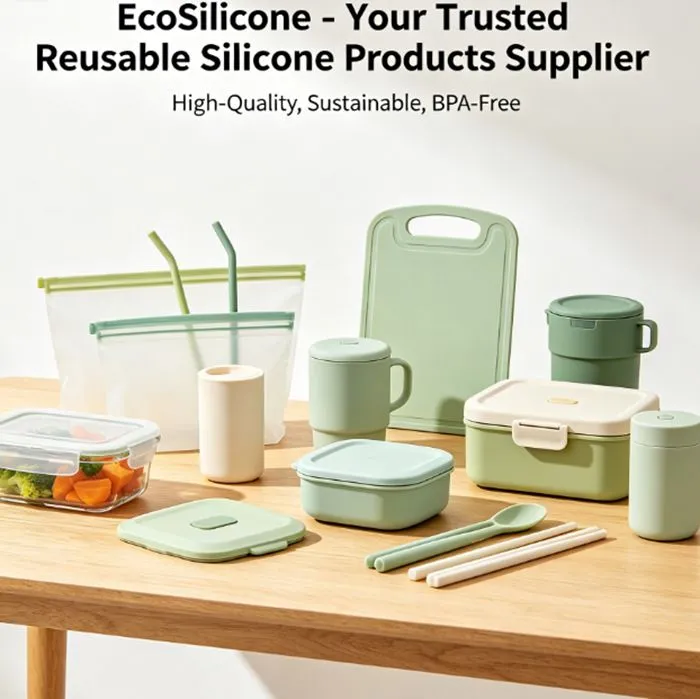
Consumers, especially in North America and Europe, regularly choose sustainable goods over less sustainable ones, even when they cost more. Growing groups of people are buying from brands that focus on eco-friendly production methods and long-lasting, reused silicone goods. More and more, retailers need environmental evidence from suppliers before they will put goods on the shelf. As part of our work with clients to build sustainable manufacturing partnerships, we've helped them come up with marketing stories. To do this, we've provided factory openness and certification paperwork that makes brand stories stronger. This trend doesn't seem to be going away any time soon. Companies that care about the environment now will be better prepared for what the market will expect tomorrow.
Conclusion
Working with the right company can turn ideas for products into successful products on the market. We've built our name on the idea that brands today need more than just production capacity. They need quality, flexibility, and a real relationship. Our low MOQ choices, along with our strict food-grade standards and eco-friendly methods, give businesses power at every stage. We give you the manufacturing base you need to focus on growth, whether you're trying your first idea, making more of a product that has already been proven, or entering new markets. Brands that do well in tough markets all have one thing in common: they work with providers who see their success as a shared goal rather than a commercial one.
FAQ
Q1: What exactly qualifies as food-grade silicone?
Food-grade silicone passes the standards set by the FDA in the US or the LFGB in Europe. This means it doesn't have any toxic fillers, doesn't give off any harmful chemicals when it comes in touch with food, and can handle temperatures from -40°F to 446°F without breaking down. Products that are real come with proof papers from approved testing labs.
Q2: Why are low MOQ options important for my business?
Low minimum order amounts lower the financial risk of trying out new goods, speed up the turnover of inventory, keep capital from getting stuck on items that haven't been tested, and make it easier to adapt to changing market trends. This freedom is especially helpful for new businesses, people who sell things online, and companies that are growing into new product categories or areas.
Q3: How long does custom mold development typically take?
Depending on how complicated the design is, making a custom mold usually takes 15 to 20 days. Simple forms with only one color are made faster, but complicated goods with many parts take longer to build. During the initial meetings, we give you realistic timelines and stay in touch during development to make sure we stay on track with your start dates.
Q4: Can you handle both small trial orders and large-scale production?
Of course. We've set up our business so that we can easily handle orders ranging from 300 units for testing the market to tens of thousands of units for well-known goods. This scalability lets you keep the same supplier as your business grows, so you don't have to deal with the hassle of moving manufacturers when your number goes up.
Partner with Qosun for Your Silicone Manufacturing Needs
Qosun is ready to help your business with approved food-grade silicone options that are made to fit your needs. Since 2017, we've been making Silicone Food Grade Products. We offer full OEM and ODM services, and our minimum order amounts are flexible enough to work for both new and established brands. We can make things for babies, kitchens, pets, and homes. All of these things are made under strict quality rules that meet FDA and LFGB standards. We know how frustrating it can be to deal with problems like uncertain wait times, poor communication, and inconsistent quality, so we've set up our business to avoid these problems. Email our team at qosun@qosun.com to talk about the details of your project, ask for examples, or find out how our low prices and quick prototyping services can help you get your products to market faster while still keeping the quality your customers expect.
References
1. Chen, L., & Williams, R. (2021). Food Contact Materials: Silicone Safety and Regulatory Compliance. International Journal of Food Safety Standards, 15(3), 204-219.
2. Anderson, M. (2022). Sustainable Manufacturing Practices in the Silicone Industry. Environmental Production Review, 8(2), 112-128.
3. Thompson, K., & Rodriguez, J. (2020). Low MOQ Strategies for E-commerce Product Development. Journal of Modern Retail Operations, 12(4), 67-84.
4. European Food Safety Authority. (2023). Guidelines on Food Contact Silicone Materials. EFSA Technical Report Series, Volume 18.
5. Martinez, S. (2022). Supply Chain Flexibility in Small Business Growth. Business Development Quarterly, 29(1), 45-61.
6. North American Silicone Manufacturing Association. (2023). Industry Standards for Food-Grade Silicone Production and Testing. NASMA Annual Publication.