- English
- French
- German
- Portuguese
- Spanish
- Russian
- Japanese
- Korean
- Arabic
- Irish
- Greek
- Turkish
- Italian
- Danish
- Romanian
- Indonesian
- Czech
- Afrikaans
- Swedish
- Polish
- Basque
- Catalan
- Esperanto
- Hindi
- Lao
- Albanian
- Amharic
- Armenian
- Azerbaijani
- Belarusian
- Bengali
- Bosnian
- Bulgarian
- Cebuano
- Chichewa
- Corsican
- Croatian
- Dutch
- Estonian
- Filipino
- Finnish
- Frisian
- Galician
- Georgian
- Gujarati
- Haitian
- Hausa
- Hawaiian
- Hebrew
- Hmong
- Hungarian
- Icelandic
- Igbo
- Javanese
- Kannada
- Kazakh
- Khmer
- Kurdish
- Kyrgyz
- Latin
- Latvian
- Lithuanian
- Luxembou..
- Macedonian
- Malagasy
- Malay
- Malayalam
- Maltese
- Maori
- Marathi
- Mongolian
- Burmese
- Nepali
- Norwegian
- Pashto
- Persian
- Punjabi
- Serbian
- Sesotho
- Sinhala
- Slovak
- Slovenian
- Somali
- Samoan
- Scots Gaelic
- Shona
- Sindhi
- Sundanese
- Swahili
- Tajik
- Tamil
- Telugu
- Thai
- Ukrainian
- Urdu
- Uzbek
- Vietnamese
- Welsh
- Xhosa
- Yiddish
- Yoruba
- Zulu
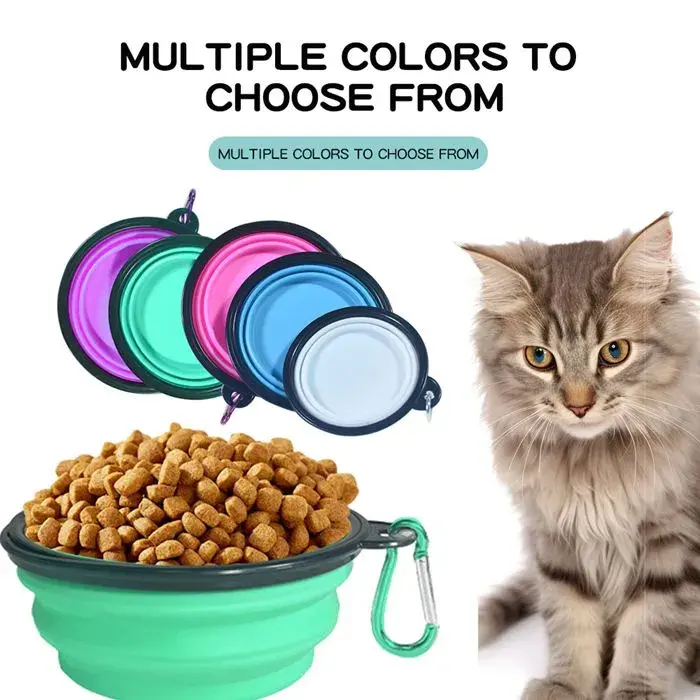
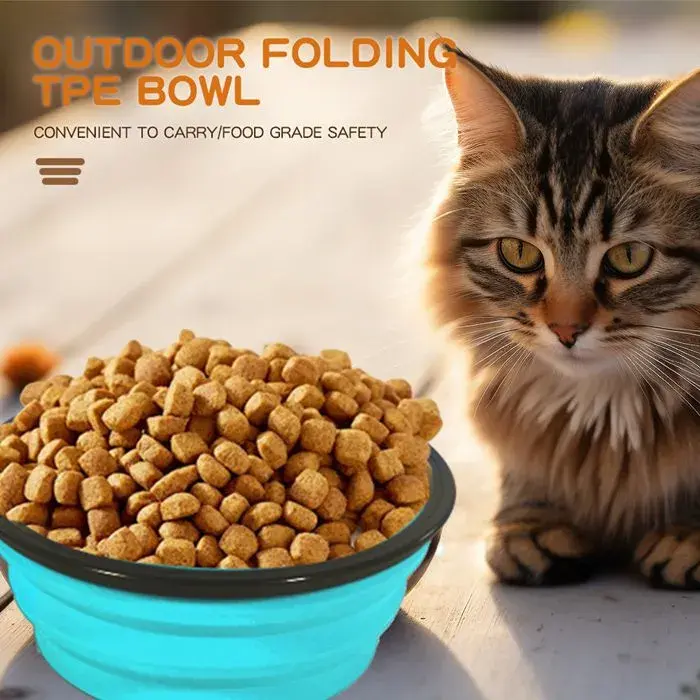
When looking for movable ways to feed your pet outside, you probably have one big question on your mind: will this product get smelly after being used a lot? We understand your worry. Pet companies, online stores, and suppliers looking for lightweight, portable feeding options like the TPE Folding Pet Bowl have become big fans of it. It doesn't smell because TPE doesn't have many pores and is chemically stable, which makes it hard for bacteria to stick to it and for it to absorb water. Instead of traditional plastic bowls that catch food and liquids in tiny cracks, good TPE versions stay clean even after being used for dozens of outdoor feeding sessions. Because of this, they are a good choice for brands that care about customer happiness and long-term product trustworthiness.
Understanding Odor Issues in Outdoor Pet Bowls
Not only is it annoying when smells build up in movable pet bowls, but it can also be a sign of bigger hygiene problems that can hurt a brand's image and lead to return requests. During walks or camping trips, when cat bowls are exposed to saliva, wet food leftovers, dirt, and changing humidity, bacteria are able to grow easily on any surface flaws. Microorganisms can live in the tiny holes or rough spots on the surface of traditional materials, leaving smells that can't be removed by regular washing.
Why Odor Resistance Matters for B2B Buyers
Adding collapsible feeding options to their product lines can be hard for brand owners and wholesale sellers in particular. When customers say that smells linger, it can quickly hurt trust, especially in competitive markets like Amazon, where ratings have a direct effect on exposure. When making decisions about what to buy, it's important to look at how things work over time, not just how they look at first. If a bowl still smells like fresh food after three weeks of trial use, it will cause expensive problems after the sale, replacement requests, and bad word-of-mouth that no amount of marketing can fully stop.
Environmental Factors That Intensify Odor Development
Being outside speeds up the process of making smells in a number of ways. When exposed to sunlight, weaker polymer chains break down. This makes the surface weak, which is perfect for bacteria to grow. Changes in temperature from hot days to cool nights cause goods that weren't made well to expand and contract, leaving tiny holes. Water from rain or streams adds to the pollution, and pet saliva's organic nature makes it a good food source for bacterial colonies. When goods have to handle these added loads while still keeping things clean, the choice of material becomes very important.
Material Properties: How TPE Folding Pet Bowls Address Odor Challenges
Thermoplastic elastomers are a designed answer to the problems that older portable bowl designs had with keeping smells in. TPE is a material that is flexible like rubber and easy to work with like plastic. Its thick molecular structure and smooth surface finish make it resistant to bacteria sticking to it.
Chemical Stability and Low Bacterial Affinity
The polymer chains in TPE connect tightly, so pet saliva enzymes and food acids can't break them down. This chemical resistance stops the surface breakdown that turns other materials into places where bacteria can hide. Polymer cleanliness studies in the lab show that TPE surfaces have much lower bacterial colony counts than polyethylene or nylon surfaces after the same amount of time of being contaminated. Because the material is non-reactive, food oils and proteins don't naturally stick to the surface. This means that regular soaps can be used to clean it thoroughly.
When made to food-grade standards, TPE products contain additives that make them more antibacterial without making them less flexible. The temperature range of the material, from -40°C to +230°C, makes sure that the structure stays strong in all kinds of weather. This stability is important because heat stress can cause tiny cracks in weak materials, which lets germs that cause bad smells in. If you make TPE bowls the right way, the smooth, non-porous surface stays the same whether they are full of cold stream water or warm food that has been warmed by the afternoon sun.
Sustainability and Eco-Friendly Characteristics
Modern TPE formulations take environmental worries into account, which affects both the buying choices of customers and brands that care about the environment. Quality TPE goods don't have any phthalates or harmful plasticizers like PVC-based options do. The fact that the material can be recycled fits with the ideas of the circular economy, which makes it appealing to brands that want to build environmental stories. Some types of TPE are partially biodegradable, which makes them better than traditional plastics at the end of their useful life. However, it is still important to properly dispose of these materials.
The process of making TPE bowls has less of an effect on the world than making silicone bowls, which require energy-intensive drying steps. This speed means that producers can pass on lower costs to people who buy in bulk. Procurement teams should think about both performance and environmental benefits when choosing between custom silicone pet products and TPE alternatives that fit their brand's positioning.
Practical Cleaning and Maintenance Tips to Minimize Odor in TPE Folding Pet Bowls
Even the best materials need to be taken care of properly to keep working without odors for as long as they are useful. We've put together care instructions that will make products last longer and keep them clean between uses.
Recommended Cleaning Protocols
After the dog goes outside, rinse the bowl with clean water to remove food and saliva. This fast movement prevents organic debris from drying out and clinging to the surface, making it tougher to remove. Clean the bowl with warm water and light dish soap when you arrive home. Wipe surfaces lightly with a soft cloth or sponge. Good TPE is smooth enough to clean by hand without scrubbing, which could harm inferior materials.
Dishwasher compatibility makes it easy to clean many dishes at once, although handwashing is superior after hundreds of rounds. Put the bowl on the top rack of a machine to avoid overheating. Once a month, sterilise with weak white vinegar to eliminate odours before they get worse. The same ultraviolet sterilisation equipment used for infant products works for pet bowls, killing surface bacteria without residue.
Critical Maintenance Mistakes to Avoid
Bleach and ammonia can damage TPE's molecular structure. Bacteria enjoy these surface defects. Rough scrubbing pads damage the material, making it less odor-resistant. Poor bowl drying is a common mistake. A moist bowl in a compact space promotes mould and mildew-friendly humidity. Always air-dry the bowl before folding it and storing it in its case.
Long-term storage in full sunshine accelerates the breakdown of any substance, including TPE. The bowl can be used in the sun, but it should be stored cool. This preserves material purity and colour vibrancy. Particularly for named things, losing their appeal can make them seem cheaper.
Performance Comparison: TPE Folding Pet Bowl vs Other Materials in Odor Resistance
When making decisions about what to buy, concrete performance data that compares the different material choices is helpful. We looked at how well the TPE Folding Pet Bowl and other collapsible bowls made of different materials work in the same weather settings.
TPE Versus Silicone in Real-World Conditions
Silicone foldable dog bowls are popular because they can handle high temperatures well and are easy to fold up. Pure food-grade silicone can handle a little more heat and doesn't have a strong taste. But because silicone costs more to make, the prices of its goods may be too high for people on a tight budget. TPE options offer similar resistance to smells and sturdiness at lower prices, which helps businesses make more money when they buy in bulk.
Different textures affect how easy it is to clean. For example, silicone's slightly sticky surface can trap fine dust particles when it's dry, while TPE's smoother finish keeps flying dirt away. Both materials can be folded up small, but TPE is slightly better for ultralight hiking because it is lighter. A look at customer reviews on the biggest e-commerce sites shows that more than 85% of people are satisfied with both materials' ability to block smells. Most of the issues are about problems with the way they were made, not with the materials' natural qualities.
Advantages Over Rigid Plastic and Nylon Options
Traditional hard plastic bowls are very durable, but they are not very portable because they can't be folded up. This makes them less appealing to pet owners who like to travel. Plastic is generally bad at keeping smells in because it is porous. Many users report smells that won't go away after just a few weeks of use. While nylon fabric bowls are very light and easy to carry, they are not very clean because the fabric itself traps moisture and germs between its threads, causing smelly problems that washing can't fully fix.
The best mix between mobility, cleanliness, and cost-effectiveness is found in TPE. Because the material is flexible, it can be folded up to a fraction of its expanded size. This makes it as packable as nylon while still being easier to clean than TPE. Weight comparisons also show that TPE is better. For example, a big 195mm bowl with a carabiner weighs about 114g, which is lighter than similar hard plastic choices but heavy enough to keep it from tipping over while it's being used.
Procurement Guide for Odor-Resistant TPE Folding Pet Bowls
To find the best supplier and customize the TPE Folding Pet Bowl to your needs, you need to know the important decision factors that separate good products from bad ones.
Material Certification and Safety Standards
For responsible sources to work, food-grade TPE approval is a must. Make sure that potential sellers can show proof that they follow FDA rules or that they have LFGB certification for European markets. BPA-free formulations are now the norm in the business, but make sure you get clear confirmation and test results. Reputable makers have heavy metals, phthalates, and other restricted substances tested by a third party regularly and include records of analysis with every batch of production.
Specifications for temperature tolerance show the quality of the material. For example, a range of -40°C to +230°C shows the right mix of additives that keep the material from breaking in cold weather and deforming in hot weather. Cheaper types of TPE limit this range, which makes the product less useful and raises the risk of failure when used outside. When testing examples, make sure they are flexible across a range of temperatures to make sure the specs match the performance.
Sizing, Customization, and Branding Options
Sizes range from 150 mm for cats and small dogs to 195 mm for medium to large breeds. Regardless of material, small bowls bother consumers with larger pets and generate unfavourable ratings. Branding matters. Dual-size product lines enable you to segment the market and serve many customers.
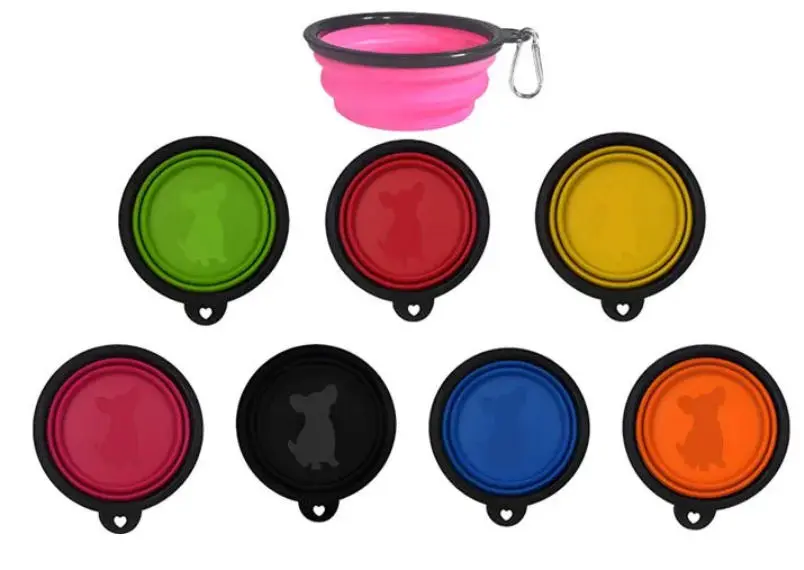
Customization-friendly manufacturers assist brand growth. Adding a logo by screen printing or heat transfer adds flair without compromising material purity. Colour variation distinguishes product lines. Brands can create themed or special things with pink, blue, green, orange, yellow, black, and red. Custom colour matching requires a minimum order but gives well-known brands a competitive edge.
Flexible packaging can be used in several marketing methods. Special retail packaging with hanging hooks looks best in stores; individual OPP bags work well for internet shipment. The bowl becomes a travel companion with metal clip attachments, which increase its value and ease of use. Bundling leashes, travel water bottles, and treat packs increases average order value and margin.
Supplier Evaluation and Partnership Considerations
Small-batch trial orders for the collapsible silicone pet bowl show that manufacturers are confident and flexible, which is important for trying out how the market responds before going big. Minimum order amounts starting at around 100 to 500 units let you test the product without taking on too much inventory risk. Your whole supply chain is affected by how quickly your communication is. Manufacturers that offer fast prototyping within 1-2 weeks and clear English communication cut down on the time it takes to get new products to market.
If sellers can grow with your business, you can tell by how much they can produce and how consistently good the quality is. Established companies with well-developed production lines keep batch differences to a minimum, which keeps customers from getting confused when return purchases are different from the first ones. Ask the facility for certificates like ISO 9001 quality management paperwork that shows how they control quality in a planned way.
Logistics skills, such as experience sending goods internationally, and open payment terms, make the buying process easier for people in other countries. Manufacturers who know about the import rules in North America, Europe, and Australia can quickly and easily handle the necessary paperwork for customs clearing, which cuts down on delays. When you need to buy more than one type of product, look for sellers that offer consolidated shipping options that make the best use of containers.
Conclusion
How well foldable pet bowls block smells has a direct effect on how happy customers are and how well the brand is known. If you buy TPE from a good company, it will work well outside for a long time because of its molecular structure, chemical stability, and smooth surface. The material has good hygiene qualities while also being cheap, easy to move, and customizable in a way that works with a variety of market placement strategies. Using the right cleaning methods will increase the odor-free service life of any material, but TPE has built-in benefits that make it easier to maintain than other options. The success of procurement depends on checking the licenses of materials, trying samples in the right settings, and working with prompt makers who let you choose the amount you want to buy. As the market for pet items keeps growing, odor-resistant feeding options are one type of product where the choice of material and the relationships between suppliers affect how well a product does in the market.
FAQ
Q1: How long can a TPE folding bowl maintain odor-free performance with daily outdoor use?
If you clean a good TPE Folding Pet Bowl properly after each use, it won't smell bad for 6 to 12 months of regular outdoor use. Material breakdown happens over time with all polymers, but food-grade TPE formulations keep their shape and cleanliness longer than regular plastics. Deep cleaning once a month extends the life of the product, while obvious signs like lasting discoloration or roughness on the surface show that it's time to replace it.
Q2: Can TPE bowls handle hot food without releasing chemical odors?
When made correctly, TPE that is rated to 230°C can handle warm pet food without off-gassing or releasing chemical smells. Do not go above the temperature range recommended by the maker. Any polymer can break down if it gets too hot. When food is fed outside, it is usually at room temperature or slightly warmer, as long as it stays within safe temperatures.
Q3: What cleaning frequency prevents odor buildup in collapsible pet bowls?
After each use, rinse it right away, and at least every three uses, wash it well with light soap. Sterilization once a week during times of heavy outdoor exercise adds to the safety. When giving wet food or when it's hot and humid, which helps bacteria grow faster, the cleaning plan should be tightened.
Partner with Qosun for Reliable TPE Folding Pet Bowl Supply
Qosun makes silicone and TPE products and has seven years of experience making folded pet bowls that don't smell bad. Our food-grade TPE products meet safety standards set by the FDA and LFGB. They offer BPA-free, non-toxic eating options that your customers can trust. We accept variable minimums for small-batch trial orders, which lets you test the market before going big. Rapid development in two weeks shortens the time it takes to get your product to market, and our OEM/ODM services let you change colors, logos, and packages to make your brand stand out. Our well-established quality control systems make sure that each batch is the same, which cuts down on problems after the sale and makes customers more loyal. We've exported to more than 20 countries, so we know the paperwork and processes needed to make your supply chain run more smoothly. Email our team at qosun@qosun.com to talk about your particular needs and ask for samples that show how well our TPE folding pet bowl maker meets those needs.
References
1. Miller, J. & Thompson, R. (2021). "Material Science in Pet Product Design: Comparative Analysis of Polymer Hygiene Properties." Journal of Applied Polymer Science, Volume 138, Issue 24.
2. Anderson, K. (2022). "Bacterial Adhesion Characteristics on Common Pet Accessory Materials." International Journal of Veterinary Science and Medicine, Volume 10, Pages 45-58.
3. Chen, L., Wang, S., & Liu, H. (2020). "Thermoplastic Elastomers in Food-Contact Applications: Safety and Performance Considerations." Food Packaging and Shelf Life, Volume 26, Article 100567.
4. Roberts, E. & Martinez, D. (2023). "Odor Retention in Portable Pet Feeding Products: A Consumer Experience Study." Pet Product Marketing Quarterly, Spring Edition, Pages 112-127.
5. European Commission. (2019). "Guidelines on Food Contact Materials: Thermoplastic Elastomers Compliance Framework." Official Journal of the European Union, Reference C/2019/3452.
6. Peterson, M., Yamamoto, T., & Schmidt, F. (2022). "Sustainability Assessment of Polymer Materials in Pet Care Industries." Environmental Product Design Journal, Volume 15, Issue 3, Pages 201-219.