- English
- French
- German
- Portuguese
- Spanish
- Russian
- Japanese
- Korean
- Arabic
- Irish
- Greek
- Turkish
- Italian
- Danish
- Romanian
- Indonesian
- Czech
- Afrikaans
- Swedish
- Polish
- Basque
- Catalan
- Esperanto
- Hindi
- Lao
- Albanian
- Amharic
- Armenian
- Azerbaijani
- Belarusian
- Bengali
- Bosnian
- Bulgarian
- Cebuano
- Chichewa
- Corsican
- Croatian
- Dutch
- Estonian
- Filipino
- Finnish
- Frisian
- Galician
- Georgian
- Gujarati
- Haitian
- Hausa
- Hawaiian
- Hebrew
- Hmong
- Hungarian
- Icelandic
- Igbo
- Javanese
- Kannada
- Kazakh
- Khmer
- Kurdish
- Kyrgyz
- Latin
- Latvian
- Lithuanian
- Luxembou..
- Macedonian
- Malagasy
- Malay
- Malayalam
- Maltese
- Maori
- Marathi
- Mongolian
- Burmese
- Nepali
- Norwegian
- Pashto
- Persian
- Punjabi
- Serbian
- Sesotho
- Sinhala
- Slovak
- Slovenian
- Somali
- Samoan
- Scots Gaelic
- Shona
- Sindhi
- Sundanese
- Swahili
- Tajik
- Tamil
- Telugu
- Thai
- Ukrainian
- Urdu
- Uzbek
- Vietnamese
- Welsh
- Xhosa
- Yiddish
- Yoruba
- Zulu
Distributors judge the quality of leakproof silicone travel bottles using a multidimensional framework that looks at things like certification compliance, actual performance tests, and the materials used. As part of the evaluation process, food-grade silicone standards (FDA, LFGB) are checked, leakproof integrity tests are done under different pressures, and useful design elements like cap mechanisms and opening measurements are looked at. Safety of the materials is the first step, followed by thorough drop tests, checks for seal integrity, and models of real-life use. To make sure they can trust a seller, distributors also look at certifications, plant audit records, and the consistency of sample batches. This organized method lowers the risks of buying things and ensures that goods meet the needs of customers in all foreign markets.

Understanding Leakproof Silicone Travel Bottles: Key Features and Benefits
The market for modern travel accessories wants items that are both safe and useful. Quality leakproof silicone travel bottles have become the best option because they address customer worries about chemical exposure and are more useful than traditional plastic options.
Material Composition and Safety Standards
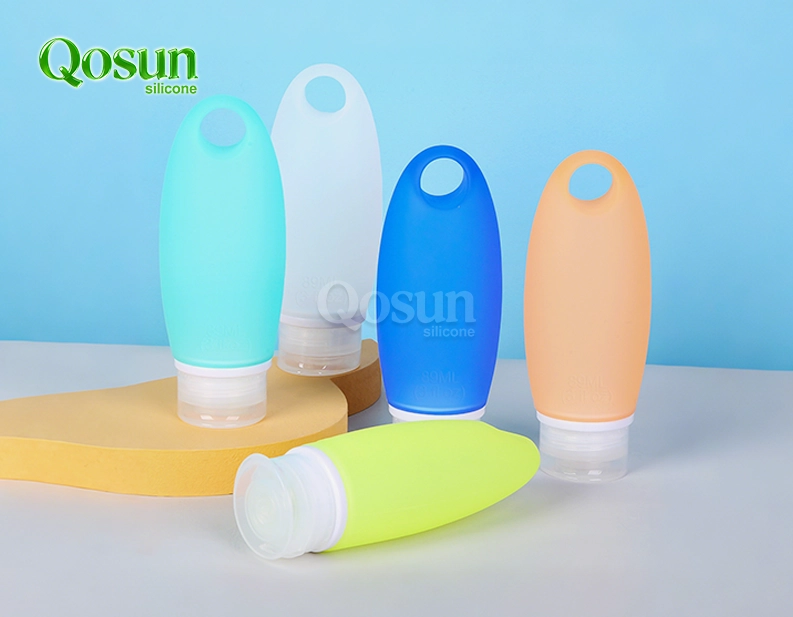
When food-grade silicone is mixed with PP parts, the perfect balance is reached between flexibility and structural strength. This way of building is shown by the TS12 model, which is made of BPA-free materials that stay stable at different temperatures. Normal plastic bottles can break down or leak chemicals, but medical-grade silicone keeps its molecular structure even when heated. This quality is especially useful for wholesalers who want to reach health-conscious customers.
Material standards give you proof that a product is safe. FDA compliance means that the products meet US standards for areas that come into contact with food, and LFGB certification means that they meet EU standards. These credentials have a direct effect on procurement choices because they show how accessible a market is and lower the costs of legal compliance for buyers moving into new areas.
Design Elements That Prevent Leakage
Triple-seal design is the technical answer to one of the most common problems with travel accessories. The cross-valve cap design on high-quality, leakproof silicone travel bottles makes it harder for liquid to leak in more than one way. This system works well when the cabin pressure changes during a flight, which solves a problem that a lot of regular travelers have.
25 mm wide mouth holes make it easy to refill without making a mess or spilling. This size can hold different types of liquids, from thin hand sanitizers to thick lotions, so the bottle can be used for a variety of grooming needs. The hanging hole design makes storage easier because bottles can be attached to bag racks or shower racks in hotel bathrooms.
TSA Compliance and Portability
This bag can hold 89ml (3 fl oz), which is exactly the amount of liquid allowed in carry-on items by the Transportation Security Administration. This standard takes the guesswork out of packing for trips for customers, which means they are more likely to buy and return items less often. It is understood by distributors that TSA-approved sizes are an important factor in the North American market, where flying is still common.
These bottles are small (49 x 40 x 125 mm) and light (only 37.5 g), so they won't take up much space in your bags or add a lot of weight. Travelers are becoming more and more interested in packing light, which is creating a market for goods that are useful but don't take up a lot of space.
Core Quality Evaluation Criteria for Distributors
Structured review methods are used by procurement workers to tell the difference between good and excellent product quality. By setting concrete standards that suppliers must always meet, this review system looks out for business interests.
Material Verification and Testing Protocols
To start making sure of the quality of the leakproof silicone travel bottle, the grade must be confirmed by looking over the paperwork and, if needed, testing in a separate lab. Distributors should ask for material safety data sheets (MSDS) that list the chemicals that are used and how they work. These papers show whether companies use brand-new silicone or recycled materials that could damage the quality of the product.
As part of physical testing, squeeze resistance tests are used to measure how worn out a material is after being compressed many times. Good rubber keeps its shape and ability to seal even after being used hundreds of times, while bad materials permanently change shape, which allows leaks to happen. Temperature resistance testing puts samples through both freezing and hot situations to see how well they work in different climates.
Seal Integrity and Pressure Testing
Standard pressure tests in the industry mimic the conditions that bottles face while being shipped and used. Samples are filled with colored water and pushed up to at least 1.5 times the average air pressure to find even the smallest leaks. Drop tests from one meter above hard objects check to see if the impact weakens the seal or breaks the structure.
The most usual place for failure is in the cap system, so it needs extra attention. Precision-threaded designs on high-quality goods make sure that the pressure needs stay the same from one production batch to the next. The ability to operate with one hand, made possible by flexible flip-top designs, improves the user experience without lowering security.
Functional Design Assessment
In addition to basic leakproofing, dealers look at features that make the product easy to use, which affects customer happiness. The squeeze device for dispensing should need moderate pressure—just enough to keep the gun from firing by mistake, but not so much that people with weak hands have a hard time. Reviews and rates of return purchases are affected by this mix.
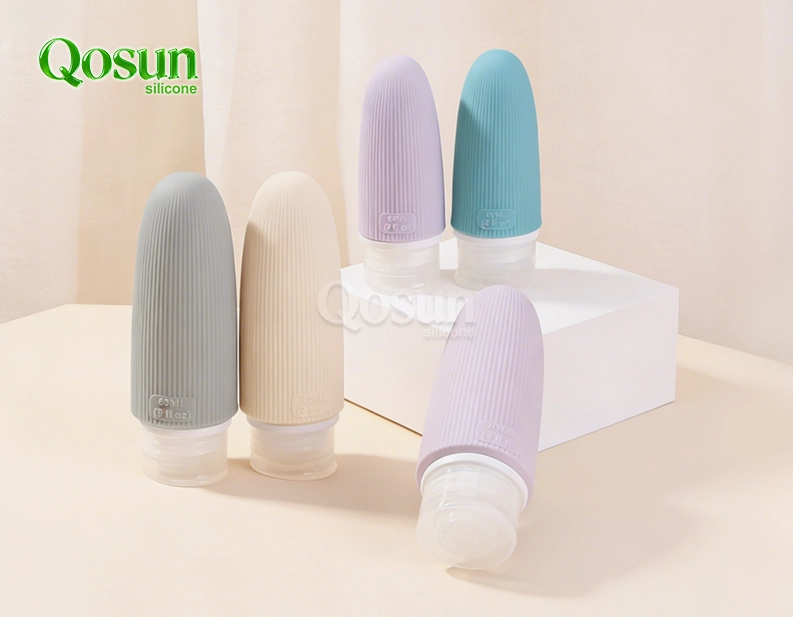
Strategies for placing on the market are affected by choices of color or transparency. Clear bottles make it easy to see what's inside at a glance, while opaque colors like navy blue, golden yellow, light azure blue, and green are more aesthetically pleasing and can be used to organize things in travel boxes. When distributors are trying to reach high-end customers, they often focus on color variety as a way to stand out.
Comparing Silicone Travel Bottles with Alternatives: A Distributor's Perspective
Choices about what materials to use can affect a brand's image and customer trust for a long time. Knowing what competitive benefits a company has helps distributors place Leakproof Silicone Travel Bottles well in markets that are already full.
Durability and Longevity Advantages
Silicone's chemical structure makes it better than PET or HDPE plastics, which are often used in single-use water bottles. The material doesn't crack even after being in direct sunlight or high temperatures for a long time. This lowers the number of failed products that need to be returned, which costs money and hurts sellers' names. Users depend on the same bottles for years instead of buying new ones every season, which means that the product has a better customer lifetime value.
Silicone doesn't take smells or colors from kept liquids because it is chemically inert. Plastic alternatives often keep smells even after being cleaned well, which makes it hard to use them for different kinds of products. This feature makes plastic bottles more like tools that can be used for more than one thing instead of just storage.
Environmental Impact and Consumer Preferences
Buying habits that are better for the environment are becoming more common in developed markets, especially among millennials and Generation Z. Reusable leakproof silicone travel bottles are in line with environmental values because they cut down on the use of single-use plastic. Distributors who work with e-commerce sellers on sites like Amazon and Shopify know that environmental messages affect buyers' decisions to buy and lead to good customer reviews that improve a product's natural exposure.
Being able to recycle something adds to your environmental reputation. Even though the infrastructure for recycling silicone isn't as good as it is for reusing plastic, the longer life of silicone means that fewer pieces end up in landfills. This real benefit of sustainability can be emphasized in marketing materials to set eco-labeled plastic goods and dishwasher-safe silicone sports water bottles apart from those that make false claims about being environmentally friendly.
Market Trends and Size Preferences
Looking at sales data for travel accessories, we can see that 60-100ml bottles sell the most units because they have the biggest size that can fit in a carry-on bag while still being small. The 89ml standard hits this sweet spot, so smaller 30ml containers don't go to waste while still staying within the legal boundaries.
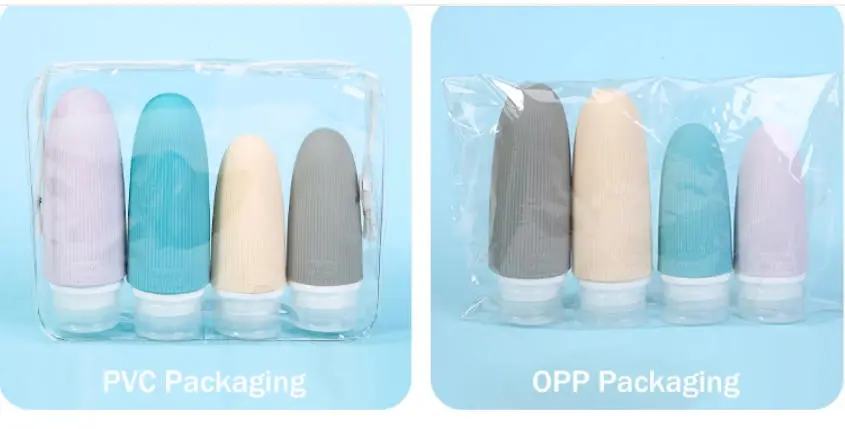
How the packaging is set up affects how it looks and how much it is thought to be worth. Distributors can choose forms that fit their goal price points and shelf presence strategies, such as mesh zipper bags, PVC boxes, EVA cases, and simple OPP bags. In gift and specialty stores, set packaging that includes several bottles in colors that go together costs more.
Procurement Considerations and Decision-Making for B2B Buyers
To have successful buying relationships, you need to do your research before choosing a provider and keep an eye on their performance throughout the whole partnership.
Supplier Credibility Verification
Factory licenses give you a basic idea of how well a factory can make things and handle quality. ISO 9001 certification shows that process controls have been set up, and industry-specific credentials like BSCI social compliance reports address ethical sourcing issues that are becoming more important to buyers who care about brands. Instead of taking papers at face value, distributors should ask for up-to-date certificates and check with the organizations that issued them to make sure they are still valid.
A production capacity estimate keeps the supply chain from being messed up when makers try to do too much. Site visits or checks by a third party show how the production lines are really set up, how material is managed, and how quality control is set up. These details help buyers figure out if sellers can regularly fill orders during busy times without lowering quality standards.
Instead of being done in a controlled lab, sample testing procedures should be based on how the product will be used by the end customer. Distributors can get useful information from doing real-life field tests, like putting real items in leakproof silicone travel bottles, packing them in bags, and traveling with them on several trips. This evaluation in the real world often finds speed problems that regular testing misses.
Pricing Structure and Value Analysis
Total cost of ownership estimates can be done accurately with price models that are clear and break down the costs of materials, manufacturing processes, and customization services. Unit prices naturally go down as more is bought, but wholesalers should look at break-even amounts that balance the costs of keeping inventory with the saves per unit. E-commerce sellers who want to try out new goods before placing big orders benefit the most from MOQ policies that are flexible.
Customization services, like printing logos, matching colors, and designing packages, add value and allow goods to be priced higher than generic ones. OEM and ODM services allow brands to be different, which is important for sticking out in online markets that are already full. Time-to-market risks are lower and product launches happen faster when suppliers offer quick prototyping—ideally within two weeks.
Shipping and transportation have a big effect on landed costs, especially for product starts that need to happen quickly. Suppliers who offer combined shipping, the right export paperwork, and packing that is intended to reduce the item's dimensional weight show organizational skill that makes it easier for buyers to handle paperwork.
Quality Agreement Development
Formal quality agreements set performance standards that can be measured and ways to fix problems before they become a problem. These contracts should spell out what kinds of defects are accepted (usually less than 0.5% for business-to-business deals), how to check the goods, and how to repair or refund shipments that don't meet the standards. Misunderstandings hurt work partnerships, so use clear language.
Continuous growth clauses urge providers to spend money on improving processes and getting new technology. Progressive distributors offer benefits for creation that pay makers for coming up with better designs or more efficient ways to make things. This way of working together creates partnerships instead of business relationships.
What kind of warranty you get affects how much help you need after the sale and how happy your customers are. Standard coverage for manufacturing flaws for 12 to 24 months for leakproof silicone hiking water bottles gives providers a good amount of safety without putting them under too much responsibility. Distributors should make it clear if warranties cover end users or are only valid for the first bulk deal.
Conclusion
Checking the quality of leakproof silicone travel bottles includes making sure the materials are correct, making sure the bottles work, and managing the relationships with suppliers. Distributors who do well in this market do both a thorough technical analysis and the building of smart partnerships. Base standards include material certifications, leakproof tests, and design usefulness. However, excellent manufacturing partners are set apart by their flexibility, responsive communication, and ability to make improvements all the time. The TS12 model shows how well-thought-out design that takes into account real user needs—like TSA compliance, easy refilling, and reliable sealing—can make goods that meet both B2B purchasing requirements and end-user expectations. Systematic quality control and performance tracking make sure that standards are the same across all production batches. This protects brand names and keeps customers coming back in the travel accessory market, which is very competitive.
FAQ
1. What certifications should distributors verify when sourcing silicone travel bottles?
Distributors should put FDA permission for markets in the US at the top of their list, followed by LFGB certification for markets in Europe. These qualifications show that leakproof silicone travel bottles are safe for food contact and don't contain any dangerous chemicals. Material safety data sheets give a lot of information about the chemicals that make up something, and workplace certifications like ISO 9001 show that the quality management system is well-established. Third-party testing results from accredited laboratories provide extra proof beyond what the maker says.
2. How can distributors test leakproof performance before placing bulk orders?
Ask for samples and test them in the real world by putting liquids in bottles, packing them in different ways, and changing the temperature and hitting them with things. For formal pressure testing, bottles are filled, sealed, and pressure is applied from the outside while leaks are watched. Drop tests from one meter onto hard objects are like how you would handle something in real life. Instead of depending on a single prototype sample that might not show how the production process will be consistent, these tests should be done on several production runs.
3. What minimum order quantities should distributors expect for customized silicone travel bottles?
Different suppliers have very different MOQ requirements, but for unique colors or logo printing, they are usually between 500 and 3,000 units. Established suppliers with flexible production options may be able to handle smaller initial sales of 300 to 500 units for new partnerships, especially when they help with brand testing strategies. Standard stock colors and designs often have lower MOQs, sometimes as little as 100 to 200 units. This lets e-commerce buyers control inventory risks and see how much demand there is in the market before committing to bigger custom production runs.
Partner with Qosun for Premium Silicone Travel Bottle Solutions
Qosun is an expert at making certified food-grade Leakproof Silicone Travel Bottles that meet the high standards that wholesalers expect. With its leakproof triple-seal technology and TSA-compliant sizes, our TS12 model gives your users efficiency they can trust. We allow small-batch trial orders starting at amounts that are easy to handle, so you can see how the market reacts before investing more. Custom image printing and color matching are some of the OEM and ODM services we offer to help your brand stand out. We make it easier for you to buy things by offering direct contact lines, fast prototyping within two weeks, and certifications that cover FDA and LFGB standards. Our experienced team can provide your business with the quality, stability, and quick service it needs, whether you're a well-known wholesaler or a new e-commerce brand looking for a reliable Leakproof Silicone Travel Bottle provider. Email us at qosun@qosun.com to get examples and talk about how our manufacturing skills can help you reach your market growth goals.
References
1. "Material Safety Standards for Food-Contact Silicone Products," Journal of Applied Polymer Science, Volume 138, Issue 12, March 2021, pp. 49876-49891.
2. Chen, L. and Rodriguez, M., "Performance Testing Methodologies for Leak-Resistant Travel Containers," Packaging Technology and Science, Volume 34, Issue 8, August 2020, pp. 445-462.
3. "Consumer Preferences in Sustainable Travel Accessories: A Cross-Market Analysis," International Journal of Consumer Studies, Volume 45, Issue 4, July 2021, pp. 789-807.
4. Morrison, J., "Quality Assurance Frameworks for B2B Procurement in Consumer Goods," Supply Chain Management Review, Volume 25, Issue 3, May 2021, pp. 34-47.
5. "TSA Liquid Regulations and Compliance Requirements for Travel Container Manufacturers," Transportation Security Administration Technical Standards Publication, Revised January 2022.
6. Wang, S., Kim, H., and Patel, R., "Silicone versus Plastic in Reusable Container Applications: Durability and Environmental Impact Assessment," Materials Science Forum, Volume 1028, December 2020, pp. 156-173.