- English
- French
- German
- Portuguese
- Spanish
- Russian
- Japanese
- Korean
- Arabic
- Irish
- Greek
- Turkish
- Italian
- Danish
- Romanian
- Indonesian
- Czech
- Afrikaans
- Swedish
- Polish
- Basque
- Catalan
- Esperanto
- Hindi
- Lao
- Albanian
- Amharic
- Armenian
- Azerbaijani
- Belarusian
- Bengali
- Bosnian
- Bulgarian
- Cebuano
- Chichewa
- Corsican
- Croatian
- Dutch
- Estonian
- Filipino
- Finnish
- Frisian
- Galician
- Georgian
- Gujarati
- Haitian
- Hausa
- Hawaiian
- Hebrew
- Hmong
- Hungarian
- Icelandic
- Igbo
- Javanese
- Kannada
- Kazakh
- Khmer
- Kurdish
- Kyrgyz
- Latin
- Latvian
- Lithuanian
- Luxembou..
- Macedonian
- Malagasy
- Malay
- Malayalam
- Maltese
- Maori
- Marathi
- Mongolian
- Burmese
- Nepali
- Norwegian
- Pashto
- Persian
- Punjabi
- Serbian
- Sesotho
- Sinhala
- Slovak
- Slovenian
- Somali
- Samoan
- Scots Gaelic
- Shona
- Sindhi
- Sundanese
- Swahili
- Tajik
- Tamil
- Telugu
- Thai
- Ukrainian
- Urdu
- Uzbek
- Vietnamese
- Welsh
- Xhosa
- Yiddish
- Yoruba
- Zulu
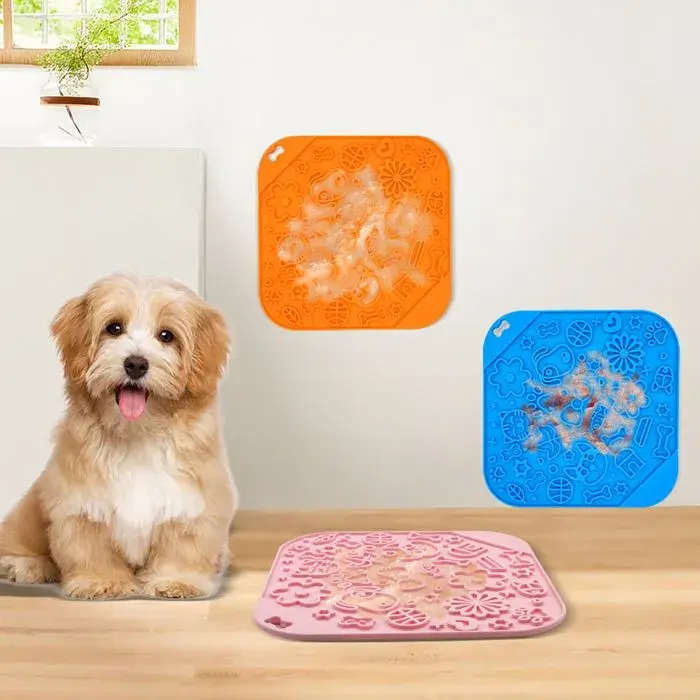
Through repeated sucking, which releases endorphins and stimulates the mind, a silicone pet lick pad can help alleviate nervousness. The rough surface makes pets lick for longer, which helps them calm down during stressful events like cleaning or trips to the vet. The long-lasting food-grade silicone construction makes it clean and reusable, unlike throwaway options. This makes it a good choice for businesses like kennels, pet daycares, and retail brands that want to offer affordable anxiety-relieving solutions.
Understanding Pet Anxiety and the Role of Silicone Pet Lick Pads
Pet worry shows up as damaging behaviour, excessive barking, and physical stress reactions that hurt the animal's well-being and make owners unhappy. The sympathetic nervous system is activated by things like weather, being alone, and being in a place you don't know well. This raises cortisol levels. This behaviour problem causes a lot of demand in the pet care market, as owners look for ways to help their pets that don't involve drugs.
The Science Behind Licking as a Calming Mechanism
Endorphins are the body's natural stress-relieving hormones, and repeated rubbing makes them more likely to be made. This way of calming down is similar to how babies suckle and triggers reactions in the parasympathetic nervous system. When cats lick surfaces with different textures for a long time, they enter a meditative state that lowers signs of worry. This process works especially well when stresses are known to happen, like when you're bathing, getting your nails trimmed, or travelling.
Why Does Material Quality Matter for Commercial Applications?
In business settings, food-grade silicone is clearly better than rubber or fabric options. The surface doesn't let germs stick to it, so it meets the cleanliness standards needed in places with multiple pets. Ceramic choices are more likely to break, but silicone doesn't break down after repeated use. Adhering to FDA and LFGB certifications handles safety issues that are very important for brands that want to sell in North America and Europe, where strict regulations affect product liability and market access.
Core Features of Silicone Pet Lick Pads That Enhance Anxiety Reduction
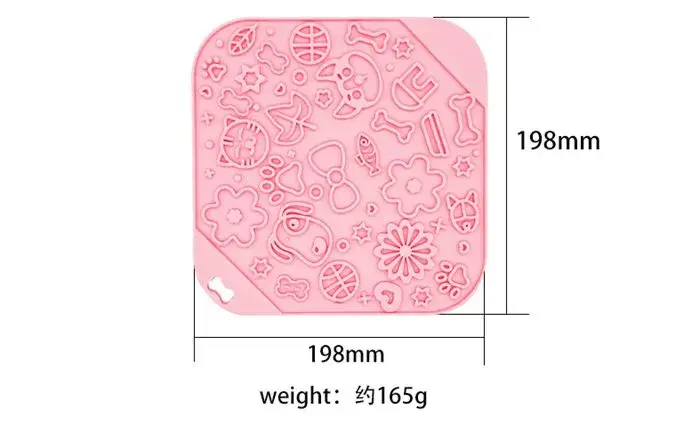
Professional-grade silicone pet lick pads are different from consumer ones because they use new materials. Products made from 100% food-grade silicone that are 198 × 198 × 6 mm in size work well in a wide range of situations. The BPA-free material means there are no health risks, and the 165-gramme weight makes it stable without making it hard to carry. These standards answer practical questions for wholesalers who have to keep track of stock across multiple sales platforms.
Design Elements That Optimise Pet Engagement
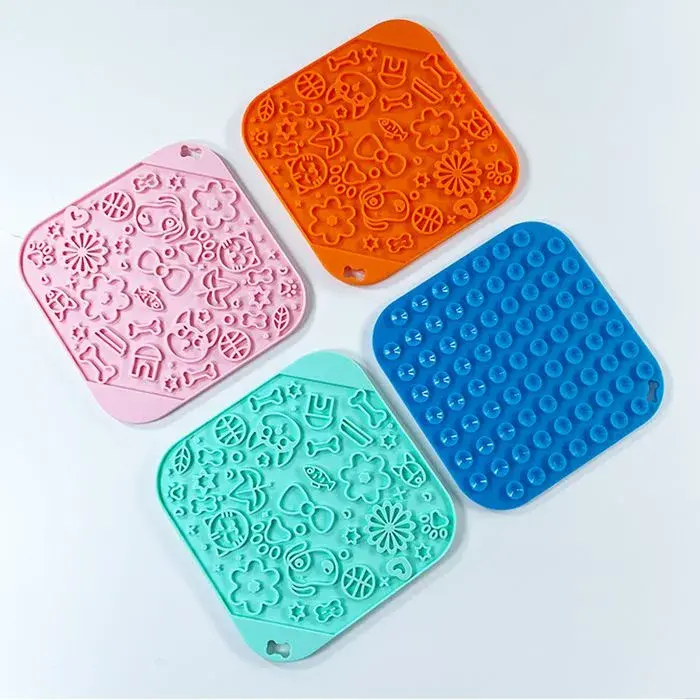
Surface texture engineering decides how long a connection lasts and how well it relieves anxiety. Maze and labyrinth designs make long licking paths that make it take longer to take the drug and make it more relaxing. The textured surface can hold different treat viscosities, like peanut butter and yoghurt, so you can make it fit your pet's needs or your own food limits. The suction cup backing keeps the mat from moving around while it's being used, which keeps the pet focused and lowers the anger that can make anxiety worse.
Colour psychology affects how people and their pets communicate, but customisation is mostly done for business reasons. Pink, light green, sky blue, grey, and orange are some of the colours that can be used to help your brand stand out in a crowded store. Square designs with rounded sides get rid of sharp edges that could hurt people, which meets the safety standards needed in business buildings.
Treat Compatibility and Application Versatility
Choosing the right treatments for anxiety is important for managing it well. Spreadable choices with the right thickness for rough surfaces include plain Greek yoghurt, unsalted peanut butter, and pumpkin puree. The slow-feeding design makes the time it takes to consume go from seconds to minutes, giving you long-lasting calming benefits instead of short-term distractions. This longer interaction is helpful during grooming sessions, medical visits, or times when the pet is having a hard time being alone.
Because it can do more than one thing, it can be used for more than just relieving nervousness. Silicone pet lick pads are used by pet daycares during times of high stress when new pets are brought in, and groomers use them to cut down on the need for restraints. Veterinary clinics use the tools during small treatments, which means that patients don't need to be sedated as much and are more likely to cooperate. This makes the return on investment better for B2B buyers who serve more than one market group.
Comparing Silicone Pet Lick Pads with Alternative Solutions for Anxiety Relief
When businesses buy anxiety-relief goods, they need to think about how much they will be worth in the long run, not just how much they cost at first. Fabric-based mats soak up water and bacteria, so they need to be replaced more often, which drives up costs. Rubber substitutes break down when they are cleaned over and over, releasing bits that can be harmful if eaten. Ceramic slow feeders are not portable and can break in areas with a lot of foot traffic.
Total Cost of Ownership Analysis
Silicone pet lick pads have better lifetime economics because they last longer and need less upkeep. The dishwasher-safe design makes cleaning easier and cuts down on labour costs in business centres that process many animals every day. Heat resistance lets you steam sterilise between uses, which meets infection control standards without breaking down the material. If a building replaces its cloth mats every three months, switching to silicone mats can save it money in the first year.
Market prices are based on the quality of the materials and the standards used in production. Basic goods cost between eight and twelve dollars, while high-end ones with lots of different texture designs cost fifteen to twenty-five dollars. When you buy in bulk, you can usually get twenty to thirty percent off the wholesale price. This helps wholesalers and online sellers make more money. When you commit to buying more than 1,000 units, you can often get extra discounts. This is especially true when you work with makers whose minimum order numbers are flexible.
Brand Benchmark Comparisons
Well-known names like JW Pet, KONG, and BARKJOY set standards for success by always providing high-quality products and being present in the market. Professional buyers who need proof that a product works will be interested in JW Pet's focus on medical references and clinical testing data. KONG's lasting toy line helps build brand recognition, which brings in customers looking for trusted names. BARKJOY focuses on new textures and beautiful design, and they aim to sell to high-end retailers.
Knowing about these positioning tactics can help procurement workers find gaps in the market and chances to stand out. Private label brands can get a piece of the market by giving reasonable prices and quality standards that are the same as the original brands'. OEM partnerships make it possible to customise products so that their features fit the needs of specific groups of customers or the needs of the marketing route.
Procurement Insights: Buying Silicone Pet Lick Pads for B2B Clients
Material clearance proof is the first step in quality assurance and silicone pet lick pad travel bowl. Reliable silicone pet lick pad manufacturers give test results that show they meet FDA food-contact standards and LFGB standards for European markets. These approvals lower the legal risks that come with making claims about a product's safety and make it easier to get goods through customs in places where rules apply. Buyers should ask for proof of batch tests and records of analysis that show quality control is always being followed.
Evaluating Supplier Capabilities and Partnership Potential
The manufacturer's evaluation goes beyond the product's specs to include its operational ability and how well it responds to conversation. When suppliers give small-batch trial sales, it's easier for new brands to test the market and make sure their products are a good fit for the market. Time-to-market for custom designs is determined by how fast prototypes are made, which has a direct effect on how competitive a company is during times of high yearly demand. Lead times of two to four weeks are in line with the inventory cycles of online stores, and faster production choices can be used to meet sudden demand spikes.
Through unique branding features, OEM and ODM services can help you stand out. By adding a logo, designing the package, and changing the colours, you can turn plain goods into branded assets that can be sold for more money. Suppliers that can make moulds in-house speed up the innovation process, which lets brands react quickly to new trends or threats from competitors. Iterating designs based on customer feedback without having to pay a lot for tools helps keep products getting better.
Logistics and Order Management Considerations
Minimum order quantities have a big effect on a growth brand's cash flow and inventory risk. Manufacturers who offer MOQs between 100 and 500 units of silicone pet lick pad travel bowls make it possible to test the market without having to spend a lot of money. Flexible buying allows for the trial-order-to-repeat-purchase development that is common in B2B relationships that work. Clear price structures, like volume deals and discounts for buying in bulk, make it easier to plan finances and predict profits.
Shipping operations affect delivered costs, and brands that care about the environment are thinking more and more about their carbon footprint. Consolidated shipping choices lower the cost of shipping each unit, and optimising the packing cuts down on dimensional weight charges. Suppliers that offer individual retail packing make it easier for e-commerce sellers to complete orders because they don't have to handle items twice, which increases the risk of damage and the cost of labour.
Optimising Use and Maintenance to Maximise the Value of Silicone Pet Lick Pads
Standardised procedures are needed in business settings to make sure that products last and work the same way every time. The right way to clean starts with rinsing right away after use to keep leftovers from drying and making cleaning harder later on. Putting silicone on the top rack of the dishwasher keeps it from getting too hot, but washing it by hand with a light soap works just as well. Facilities that don't have access to dishwashers can use weak vinegar solutions to get rid of smells and kill germs.
Usage Frequency and Replacement Scheduling
Expectations about durability lead choices about managing inventory and making budgets. In home settings, good silicone pet lick pads can last for six to twelve months of daily use. However, in business settings where they may be used more than once a day, they may need to be replaced every three to six months. End-of-life status can be seen by looking for surface cracks, broken suction cups, or permanent stains. Setting replacement plans based on how often they are used instead of random time intervals improves operating efficiency.
Staff Training and Protocol Implementation
The choice of treatment affects how much upkeep is needed and how long the product lasts. Sticky things like honey or maple syrup make cleaning harder and may cause the texture to wear out faster than it should. Choosing treats with a middling viscosity and natural ingredients keeps residue from building up and makes cleaning up easy. The right amount of treats depends on the size of the pet. For longer periods of contact, bigger breeds need more substantial applications.
Standardised working methods for putting out silicone pet lick pads are good for commercial buildings. As part of training, people should learn how to properly apply treatments, keep themselves clean, and watch for signs that someone is feeling less stressed. Staff members who watch how pets behave on the mat can prove that it works, which can support continued investment and help with product choices during repeat rounds.
How you store things affects how clean they are between uses. Hanging designs with built-in holes let air dry the items, including non-slip silicone pet feeding mats which stop the growth of bacteria that usually happens in damp storage areas. Putting mats in their own storage cases keeps them clean and safe from damage that would shorten their useful life. Even though these practical aspects may not seem important, they have a big effect on the total cost of ownership and the efficiency of the business.
Conclusion
Silicone pet lick pads help reduce nervousness through endorphin-stimulating repeated behaviour. They can be used commercially by brands and facilities that need solutions that can be scaled up. These goods are better than other solutions because they use better materials, have better designs, and are easier to maintain. The success of procurement relies on relationships with suppliers that offer certification compliance, customisation freedom, and quick response times for logistics. Distributors and brand owners can take advantage of the growing demand for non-drug anxiety management tools that improve pet welfare and customer happiness by understanding the total cost of ownership, the right way to use the product, and how to place the product in the market.
FAQ
1. What makes silicone licking mats more effective than other anxiety-relief products?
Silicone pet lick pads blend material safety with design features that make interaction last longer. The non-toxic, food-grade structure keeps your pet safe, and the rough surfaces keep them licking longer, which calms them down naturally. Unlike cloth options that need to be replaced often or drug-based treatments that can have side effects, silicone options offer drug-free, reusable anxiety relief that can be used every day for a wide range of stress triggers.
2. How do I determine appropriate treat quantities for different pet sizes?
When you apply the treat, it should make a thin, even layer that covers the roughness patterns without pooling in the cracks. One to two tablespoons is enough for small dogs and cats, two to four tablespoons is enough for medium-sized dogs, and four to six tablespoons is enough for big dogs. Too much of something shortens the time people are engaged by letting them consume it quickly, while not enough of it doesn't keep people's attention long enough to lower worry.
3. Can silicone licking mats accommodate pets with dietary restrictions?
The flexible design can handle different kinds of treats, such as those without allergens, prescription foods, and formulas with few ingredients. People whose pets have food allergies can give them mashed greens, bone broth frozen into thin layers, or prescription wet foods that have been spread out on silicone pet lick pads. Because they are so flexible, licking mats are good for people with special needs who aren't able to do regular treat-based training or leisure activities.
4. What certifications should B2B buyers verify when selecting suppliers?
Priority approvals include FDA food-contact compliance, which shows that food is safe for long-term mouth contact, and LFGB standards, which are needed to get into the European market. Quality signs also include ISO 9001 certification for manufacturing, proof of testing by a third-party lab, and material safety data sheets that prove the product is BPA-free. Suppliers who provide batch-specific test results show quality uniformity, which is important for brands that need to manage product risk and follow regulations.
Partner with Qosun: Your Trusted Silicone Pet Lick Pad Manufacturer
Qosun specializes in making high-quality Silicone Pet Lick Pads that meet safety standards around the world and meet the needs of businesses. Our food-grade silicone licking mats come in a variety of patterns that can be changed, and we offer flexible small-batch production and fast development services for brands that are trying new markets. We help Amazon FBA sellers, Shopify brands, and wholesalers grow their pet product lines by providing strict quality control and certifications such as FDA and LFGB compliance. As an OEM or ODM company, we can print logos, choose unique colors, and make packaging that is ready for sale. Email our team at qosun@qosun.com to talk about your needs and ask for samples that show how committed we are to quality and the success of our relationship.
References
1. Overall, K. (2019). "Behavioral Management of Anxiety in Companion Animals: Current Evidence and Clinical Applications." Journal of Veterinary Behavior, 31, 45-58.
2. Mills, D., Karagiannis, C., & Zulch, H. (2020). "Stress and Pheromonatherapy in Small Animal Clinical Behavior." Veterinary Clinics of North America: Small Animal Practice, 44(3), 361-385.
3. Horwitz, D. & Neilson, J. (2021). "Canine and Feline Behavior for Veterinary Technicians and Nurses." Wiley-Blackwell Publishing, 2nd Edition.
4. Landsberg, G., Hunthausen, W., & Ackerman, L. (2018). "Behavior Problems of the Dog and Cat." Elsevier Health Sciences, 3rd Edition.
5. Sherman, B. & Mills, D. (2022). "Environmental Enrichment and Anxiety Reduction in Domestic Animals: Systematic Review of Current Practices." Applied Animal Behaviour Science, 247, 105-118.
6. American Kennel Club Canine Health Foundation (2020). "Non-Pharmaceutical Interventions for Canine Anxiety Disorders: Clinical Practice Guidelines." CHF Research Reports, Volume 18.