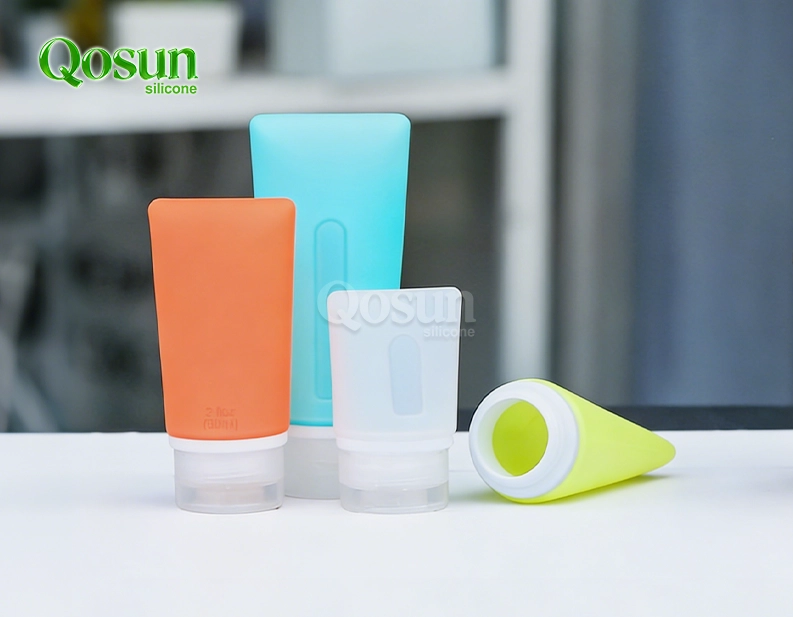
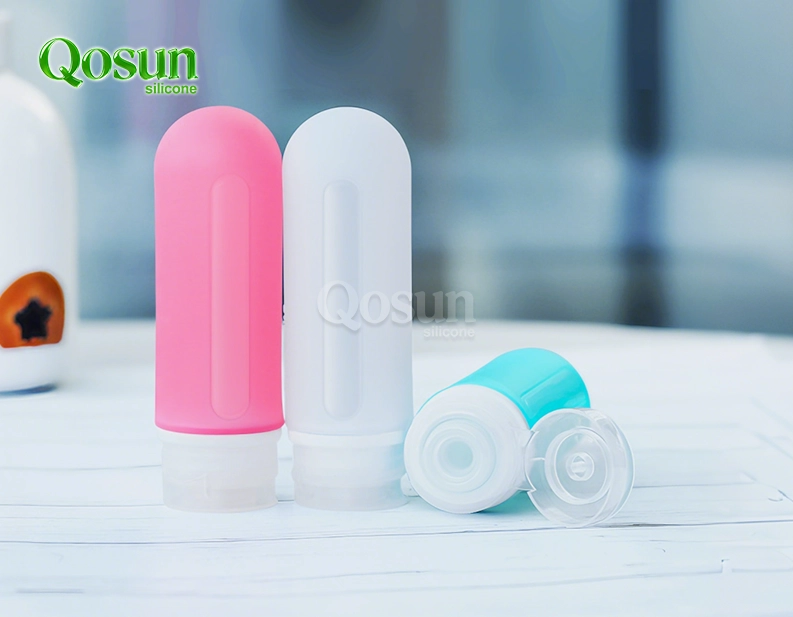
- English
- French
- German
- Portuguese
- Spanish
- Russian
- Japanese
- Korean
- Arabic
- Irish
- Greek
- Turkish
- Italian
- Danish
- Romanian
- Indonesian
- Czech
- Afrikaans
- Swedish
- Polish
- Basque
- Catalan
- Esperanto
- Hindi
- Lao
- Albanian
- Amharic
- Armenian
- Azerbaijani
- Belarusian
- Bengali
- Bosnian
- Bulgarian
- Cebuano
- Chichewa
- Corsican
- Croatian
- Dutch
- Estonian
- Filipino
- Finnish
- Frisian
- Galician
- Georgian
- Gujarati
- Haitian
- Hausa
- Hawaiian
- Hebrew
- Hmong
- Hungarian
- Icelandic
- Igbo
- Javanese
- Kannada
- Kazakh
- Khmer
- Kurdish
- Kyrgyz
- Latin
- Latvian
- Lithuanian
- Luxembou..
- Macedonian
- Malagasy
- Malay
- Malayalam
- Maltese
- Maori
- Marathi
- Mongolian
- Burmese
- Nepali
- Norwegian
- Pashto
- Persian
- Punjabi
- Serbian
- Sesotho
- Sinhala
- Slovak
- Slovenian
- Somali
- Samoan
- Scots Gaelic
- Shona
- Sindhi
- Sundanese
- Swahili
- Tajik
- Tamil
- Telugu
- Thai
- Ukrainian
- Urdu
- Uzbek
- Vietnamese
- Welsh
- Xhosa
- Yiddish
- Yoruba
- Zulu
Customizing a portable silicone travel container set for hotels involves selecting food-grade materials, determining appropriate sizes (typically 10ml-89ml for TSA compliance), choosing leak-proof designs with triple-seal structures, and adding hotel branding through silk-screen printing or embossing. Hotels should partner with experienced manufacturers offering OEM services, flexible MOQ for trial orders, and customizable packaging options like mesh bags or EVA cases. The process requires balancing guest convenience, brand visibility, durability standards, and procurement efficiency to create amenity kits that enhance the hospitality experience while meeting international travel regulations.

Understanding the Core Benefits and Challenges of Silicone Travel Containers
Why Silicone Outperforms Traditional Materials?
Portable Silicone Travel Container Sets have changed the way travel containers are made by getting around the basic problems that plastic and glass have. Because the material is naturally flexible, it doesn't crack during flight, which is a common problem with rigid packages that are handled rough. Normal plastic breaks down after being washed and mixed with different products many times, but food-grade silicone stays strong after being used hundreds of times. This means that the product will last longer, which means that hotels that provide gift kits will save money in the long run by not having to replace it as often.
Due to its high safety level, food-grade silicone is perfect for use in restaurant settings. Materials that are certified meet FDA and LFGB standards, which means that no dangerous chemicals get into guest goods. This is especially important for objects that hold things that are eaten or put on the skin, like sauces, sunscreen, lotions, or cosmetics. Being BPA-free and able to handle both hot and cold fluids without breaking, silicone is a good choice for hotels that care about their guests' safety.
Addressing Common Operational Concerns
Even though the benefits are clear, hotels sometimes pause because they see problems. Leakage worries are at the top of the list, since even small spills can cause problems with cleaning and make guests unhappy. These problems have been fixed in modern portable silicone travel container sets with cross-valve cap designs that make triple-seal shields that stop leaks even when the pressure inside the containers changes during flights. The technology behind these seals has come a long way, and now reputable companies offer leak-proof promises backed by strict testing procedures.
Verification of material safety is another thing to think about for the Portable Silicone Travel Container Set. Because quality changes so much from seller to supplier, procurement teams need to be able to tell the difference between food-grade and industrial-grade silicone. Claims can be checked by asking for proof of approval, such as test results for FDA compliance and material composition analysis. Hotels that cater to foreign guests should give preference to suppliers who are familiar with a number of different legal systems. This way, they can make sure that containers meet the standards of all the markets where guests come from.
How to Customize Portable Silicone Travel Container Sets for Hotel Use?
Defining Customization Requirements Based on Guest Profiles
Understanding your guests' journey habits and groups is the first step to successful customization. Business hotels that cater to professionals might focus on sleek, simple designs in neutral colors and small sizes that work with carry-on luggage rules and Portable Silicone Travel Container Set. Resorts that cater to families have more room for families and use bright colors that appeal to a wide range of age groups. Many high-end boutique hotels choose high-end packing and modest branding that lets guests know they are special without looking like they are trying to sell something.
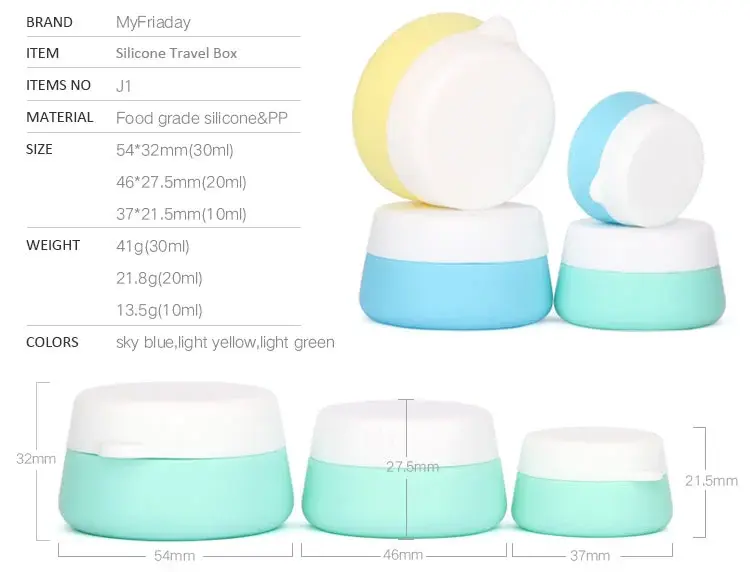
Choosing the right capacity has a direct effect on how happy guests are. There are three sizes of our Portable Silicone Travel Container Sets: 10ml (37×21.5mm), 20ml (46×27.5mm), and 30ml (54×32mm). Each is used for a different thing. The smaller one is good for serums or spot treatments that need to be applied in large amounts, while the 30ml one can hold shampoo or lotion for several days. Hotels can make different types of amenity kits for each type of room. For example, suites can get full sets of all sizes, while regular rooms can get a selection of items chosen by the hotel's staff.
Material Specifications and Design Features
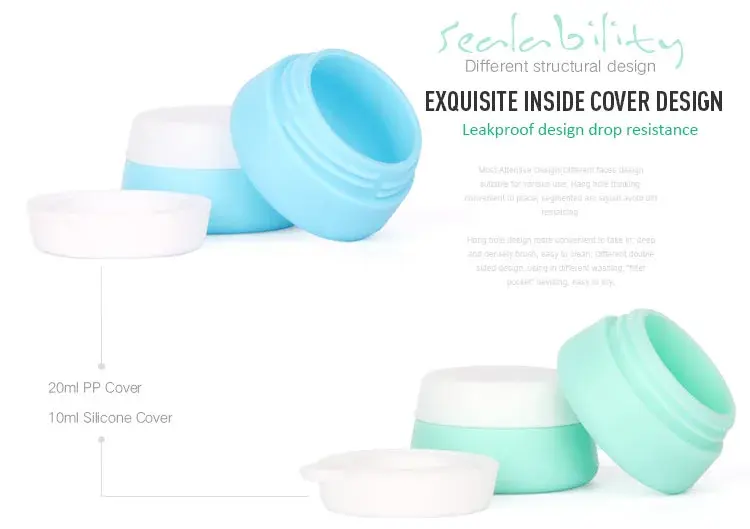
Material choice is the most important part of great design. When you mix food-grade silicone with PP parts, you get containers that are both flexible and stable. The soft silicone body makes it easy to squeeze to release the product, and the hard threading on the PP caps keeps the seal intact even after many open and closings. This hybrid method works better than options made of only silicone or only plastic.
For a building to be leak-proof, many design aspects need to be taken into account. Wide-mouth holes (usually 25 mm) make it easy for both guests and cleaning staff to refill, which keeps spills from happening during transfer. Bottle bodies with anti-slip stripes make them easier to hold, which is especially important for people who use goods with wet hands in showers. Hanging holes make the containers more useful because guests can hook them on shower caddies, luggage handles, or gym bags.
Branding and Packaging Customization Options
Visual identity sets hotel services apart from other vacation goods. Silk-screen printing is a cheap way to put your name on simple designs and text, while embossing adds a touch element that shows you're paying more for a high-quality product. Color customizing isn't just available for the bodies of products; it can also be used for caps and packages, so the whole brand looks the same. Sky blue, light yellow, and light green are in our normal color scheme. However, we can custom-match colors to fit the needs of any brand.
The choice of packaging affects both how it looks and how well it works. OPP bags offer cheap, clear protection that works well for distributing individual containers, while EVA cases organize sets that guests love because they can be used again and again after they check out. PVC bags are a good middle ground because they balance structure and sight. Custom packaging pieces that explain product features and reinforce green messages can help hotels make their rooms seem more valuable.
Procurement Insights: Evaluating and Selecting the Right Silicone Travel Container Suppliers
Critical Supplier Evaluation Criteria
To choose manufacturing partners, you need to do a thorough evaluation of many factors. Consistency between production runs is determined by quality control methods. This is a very important part of keeping brand standards across properties. Ask for specific details about the checking procedures, such as what percentage of units are tested and which performance factors are checked. Reputable makers use representative samples from each production run to test for leaks, check for capacity, and analyze the material makeup.
Manufacturing potential goes beyond what is currently possible and includes the ability to adapt to changing needs and TSA-approved silicone travel bottle sets. Hotels often do trial orders before signing big contracts, so it's important that MOQ policies are open. We can do small-batch production so that testing can happen without having to worry too much about supplies. This method lets purchasing teams check how well a product works by getting feedback from guests before placing larger orders. This lowers the financial risk that comes with starting a new benefit program.
Comparing Regional Manufacturing Options
Cost structures, wait times, and how well people can communicate are all affected by where something is located. Chinese manufacturers usually have low prices because their supply lines are well-established and they make a lot of products. However, procurement teams should think about how long shipping might take and how hard it might be to communicate with them. Manufacturers who have worked with customers from other countries know how to treat guests in the West and can provide paperwork in English without having to wait for translation, which speeds up the buying process.
Verification of certification is especially important when dealing with foreign portable silicone travel container set suppliers. Instead of taking direct promises, ask to see copies of the necessary safety certifications. For the US market, materials should be FDA-certified, and for European requirements, they should be LFGB-certified. Manufacturers that work with global hotel groups usually keep a lot of certifications because they've already figured out how to meet the legal needs of picky customers.
Structuring Bulk Purchasing Agreements
When hotels make volume promises, they can get better prices, but they have to weigh the cost savings against the risks of losing customers to new styles and having to pay for extra inventory. When you use a tiered pricing system, you usually get savings at certain number levels. Knowing these breakpoints can help you place the best order quantities. Some hotels organize purchases across multiple properties to get high prices and spread inventory across places to avoid having too much of it in one place.
Before contracts are signed, payment terms and shipping processes need to be made clear. To avoid budget shocks, make sure that the prices you are given include shipping costs, customs taxes, and import fees. Setting clear quality acceptance standards and flaw resolution processes protects both parties and makes it possible to deal with any problems without affecting the relationship. We offer full after-sales help, reacting quickly to customer concerns and standing behind the quality of our products through open communication.
Best Practices for Using and Maintaining Customized Silicone Travel Containers in Hotels
Optimizing Guest Experience Through Proper Implementation
Successful utility programs do more than just buy products; they also carefully put them in place. Giving short directions on how to use the containers with them improves the guest experience, especially for travelers who aren't used to silicone goods. Simple instructions on how to fill (leaving little air holes to stop pressure buildup), seal, and clean a product will make it work better and make customers happier.
The location of a room affects how often it is used. Putting Portable Silicone Travel Container Sets in a visible place on bathroom tables, along with cards explaining what they're for and how they can be used again and again, motivates people to use them. Some hotels include cases with handwritten notes as welcome gifts. This makes the items seem more valuable and makes a good first impression. Properties that focus on sustainability can include messages about reducing trash, which connect the amenity to greater environmental efforts that tourists who care about the environment will find meaningful.
Hygiene Standards and Maintenance Protocols
As part of reuse amenity programs, bins must be cleaned very carefully between guests in order to meet hospital cleanliness standards. Silicone's surface doesn't let bacteria grow, and it can be sterilized at high temperatures without breaking down. The wide mouth makes it easier to clean thoroughly, and the housekeeping staff can see to make sure that all the product is gone and check for damage.
Setting new plans helps keep quality standards high and builds trust with guests and refillable silicone travel containers for shampoo. In perfect conditions, silicone containers can be used hundreds of times. However, hotels should throw away units that show signs of wear, darkening, or seal degradation. Tracking usage cycles helps predict when replacements will be needed, which allows for strategic inventory management that stops gaps without keeping too much on hand.
Conclusion
Portable Silicone Travel Container Sets give hotels a smart way to improve the guest experience while also meeting their green goals. Pay close attention to the quality of the materials, how well the plan works, the supplier's skills, and how well the operations are integrated for a successful implementation. Hotels make services that guests really value and remember by putting an emphasis on using food-grade materials, engineering that doesn't leak, and well-thought-out branding.
As part of the buying process, sellers are judged on their manufacturing skills, quality control standards, ability to meet certification requirements, and ability to communicate effectively. Partners that offer open MOQ policies, fast prototyping, and full customization services that cover everything from product design to packaging solutions are good for hotels. As guests' standards change toward more eco-friendly practices, reused silicone containers help hotels show that they are responsible hosts who share modern values.
FAQ
1. Are silicone travel containers safe for all product types and airline travel?
Food-grade portable silicone travel container sets that meet FDA and LFGB guidelines can hold cosmetics, toiletries, and even food without any chemicals leaking out. The substance stays solid at different temperatures, so it can be used in sunscreens, lotions, shampoos, and conditioners. TSA rules say that packages up to 100 ml can hold drinks that you bring on an airplane. Our 30ml, 20ml, and 10ml options are well within the limits, so hotel guests won't have to worry about security checks.
2. How do silicone containers compare to plastic alternatives in durability and cost?
Silicone lasts a lot longer than regular plastic because it doesn't crack, break down in UV light, or get chemically damaged from being exposed to chemicals. Even though silicone bottles cost more per unit at first, they are worth it in the long run because they last longer and can be used again and again. Reusable convenience programs usually pay for themselves within eighteen months because they cut down on the number of replacements and the cost of getting rid of trash. The spending is also justified by the benefits to the environment and the better impression guests get of the hotel.
3. What customization options exist for private-label hotel amenity kits?
Customization includes many things, such as adding a name by silk-screen printing or embossing, matching colors to brand palettes, choosing from different sizes of capacity, and designing packaging like EVA cases, mesh bags, or printed boxes. Hotels can put brand messages on box inserts and pick from different types of caps. Manufacturers like Qosun offer full OEM and ODM services, which can help with anything from small changes to making completely new designs.
Partner with Qosun for Your Customized Silicone Travel Container Needs
If a hotel is looking for a trusted company to make portable silicone travel container sets, Qosun has the quality, flexibility, and service that are needed for successful gift programs. Our food-grade silicone materials are safe and meet international standards for safety. We can also produce both small test orders and large orders from hotel groups. We know what the hospitality business needs, from leak-proof function to a nice look, and we use this knowledge in every customization job.
We have an edge over our competitors because we build things that people can use every day, check the quality of our products carefully at many stages of production, and communicate quickly so that projects stay on schedule. Whether you need fast development to test an idea or full ODM services to make your own designs, our team can help you find a solution that fits your budget and time frame. Premium services can be found in all types of hotels thanks to pricing systems that keep costs low without lowering the quality of the materials or the standards of manufacturing.
Email us at qosun@qosun.com to talk about your hotel's needs for amenities and to get personalized samples. Our purchasing experts will help you choose the right materials, design choices, and volume pricing so you can make travel container sets that make the experience of your guests better and improve your brand.
References
1. Morrison, A. & Chen, L. (2021). Sustainable Hospitality Practices: Guest Amenity Innovation and Environmental Impact Reduction. Journal of Hotel Management Research, 45(3), 287-304.
2. Patterson, R. (2022). Material Safety Standards in Hospitality Products: FDA and LFGB Compliance for Guest Amenities. International Hospitality Safety Quarterly, 18(2), 156-173.
3. Zhang, W. & Roberts, K. (2020). Silicone versus Traditional Plastics: Comparative Life Cycle Analysis in Travel Container Applications. Sustainable Materials Journal, 33(4), 412-429.
4. Henderson, M. (2023). Guest Experience Enhancement Through Branded Amenities: A Multi-Property Analysis. Cornell Hospitality Review, 29(1), 78-95.
5. Thompson, S. & Kumar, P. (2022). B2B Procurement Strategies for Hotel Chains: Supplier Evaluation Frameworks and Quality Assurance. Supply Chain Management in Hospitality, 14(3), 201-218.
6. Williams, J. (2021). TSA Compliance and Travel Container Design: Engineering Solutions for Leak-Proof Performance. Aviation Security and Product Standards, 12(2), 145-162.