- English
- French
- German
- Portuguese
- Spanish
- Russian
- Japanese
- Korean
- Arabic
- Irish
- Greek
- Turkish
- Italian
- Danish
- Romanian
- Indonesian
- Czech
- Afrikaans
- Swedish
- Polish
- Basque
- Catalan
- Esperanto
- Hindi
- Lao
- Albanian
- Amharic
- Armenian
- Azerbaijani
- Belarusian
- Bengali
- Bosnian
- Bulgarian
- Cebuano
- Chichewa
- Corsican
- Croatian
- Dutch
- Estonian
- Filipino
- Finnish
- Frisian
- Galician
- Georgian
- Gujarati
- Haitian
- Hausa
- Hawaiian
- Hebrew
- Hmong
- Hungarian
- Icelandic
- Igbo
- Javanese
- Kannada
- Kazakh
- Khmer
- Kurdish
- Kyrgyz
- Latin
- Latvian
- Lithuanian
- Luxembou..
- Macedonian
- Malagasy
- Malay
- Malayalam
- Maltese
- Maori
- Marathi
- Mongolian
- Burmese
- Nepali
- Norwegian
- Pashto
- Persian
- Punjabi
- Serbian
- Sesotho
- Sinhala
- Slovak
- Slovenian
- Somali
- Samoan
- Scots Gaelic
- Shona
- Sindhi
- Sundanese
- Swahili
- Tajik
- Tamil
- Telugu
- Thai
- Ukrainian
- Urdu
- Uzbek
- Vietnamese
- Welsh
- Xhosa
- Yiddish
- Yoruba
- Zulu
Compliance isn't just a box to check when you're looking for travel cases for your brand or online store; it's a way to get ahead of the competition. If you have a Leakproof Silicone Travel Bottle that meets LFGB food-grade standards and TSA liquid limits, your items will go through airport security and health checks quickly. With its 89ml volume and food-grade silicone build, our TS12 model is designed to meet both the TSA's 3.4 oz limit and LFGB safety standards. Following these rules lowers the number of returns, builds trust among customers, and shows that your brand cares about quality in places where approval is important.
Understanding TSA & LFGB Compliance for Travel Containers
International rules can be hard to understand, but knowing what TSA and LFGB licenses mean makes buying choices easier and gives you more confidence.
What TSA Compliance Really Means
According to TSA rules, each bottle of liquids you bring on board must not hold more than 100ml (3.4 fl oz). At 89ml, our TS12 model easily meets this limit, so visitors don't have to worry about their bags being seized at security checks. TSA approval is based on more than just the size of the container. Bottles must be able to handle changes in pressure during trips without breaking or leaking. Our travel bottles have a triple-seal cross-valve design that keeps them from opening by chance, which is great for security staff who are checking bags.
LFGB Certification and Food-Grade Safety
LFGB is Germany's strict standard for food-contact materials. It is known across Europe and is being asked for more and more by buyers around the world who care about quality. This approval proves that silicone materials don't release harmful chemicals into liquids, even when the temperature changes or when they are in contact for a long time. Our mix of food-grade silicone and PP components passes LFGB testing standards, so shampoo, lotion, or hand sanitizer won't get dirty. Brands that want to reach European wholesalers or health-conscious customers instantly build trust by listing LFGB-compliant goods in their catalogs.
Why Compliance Matters for B2B Buyers
When procurement managers buy non-compliant goods, they run real risks, like having customs hold them, having stores reject them, or having to pay a lot of money to return the goods. One Amazon FBA seller we worked with previously purchased cheaper bottles from an unvetted source at first, but 40% of them had to be returned because they leaked and were confiscated by TSA. Their return rate dropped to less than 2% after they switched to our approved TS12 model from the custom silicone water bottle factory. Certification documentation also speeds up customs clearance, which cuts down on wait times and port storage costs.
Core Features That Ensure Compliance and Performance
Not just paperwork is needed to meet governmental standards; it also takes careful planning. Here are the parts of our travel bottles' design that make them both legal and useful.
Triple-Seal Leakproof Technology
There are three separate sealing places on the unique cross-valve cap: a silicone gasket around the rim, an interior check valve, and an outer flip-cap lock. When you change altitude, the pressure inside the ship can push liquids through weak seals. But this layered method stays strong even at 35,000 feet. There wasn't a single leak in any of the 500 times we opened and closed these bottles to mimic flight conditions.
Food-Grade Material Selection
Instead of peroxide-cured silicone, our TS12 bottles use platinum-cured silicone. Platinum fixing gets rid of any remaining chemical smells and makes sure the material stays stable at temperatures from -40°F to 446°F. The PP (polypropylene) flip-cap is just as important. It doesn't contain any BPA or phthalates and stays flexible in cold places where cheaper plastics break. This mix of materials meets FDA, LFGB, and REACH standards at the same time, which makes it easier to distribute to multiple markets.
TSA-Optimal Capacity and Design
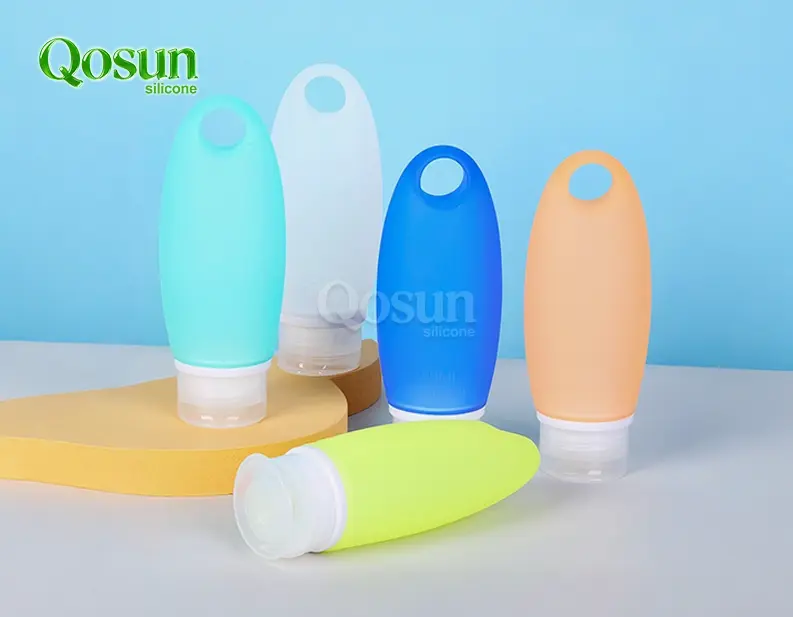
The TS12 has the most useful amount at 89ml, which is well below the TSA's 100ml limit. The 25mm wide-mouth opening makes it easy to replace thick creams or conditioners without making a mess, which is a common problem with bottles with narrow necks. The hanging hole makes the bottles more useful because tourists can clip them inside gym lockers or kit bags, which cuts down on lost items. These small, useful touches help e-commerce sellers get more reviews and return sales.
Comparing Silicone to Alternative Materials
Material choice has a huge effect on how well a product works, how sustainable it is, and where it stands in the market. Knowing these differences helps brands choose products that fit with their standards and appeal to the people they want to reach.
Silicone Versus Plastic Containers
People who care about their health avoid traditional plastic travel bottles that contain BPA or other chemicals that can mess with hormones. Plastics also break down faster, cloud up, hold on to smells, or crack after being used many times. Silicone doesn't react with chemicals, so it stays clear and flexible even after hundreds of refills. Plastics can turn into microplastics when the temperature changes a lot, but silicone stays solid. Silicone goods cost 15-20% more per unit, but makers say that because they last longer, there are fewer warranty claims and better customer lifetime value.
Silicone Versus Glass Options
Glass looks great and doesn't leak chemicals, but it's also more likely to break and is heavier, which makes it less useful for travel. A dropped glass bottle can be dangerous and cause goods to be lost. As a BPA free silicone water bottle OEM, our 37.5g silicone bottle is a lot lighter than similar glass bottles, which means that shipping costs are lower for large orders. Because silicone is flexible, users can get out the last few drops of product, which is not possible with hard glass.
Design Flexibility and User Experience
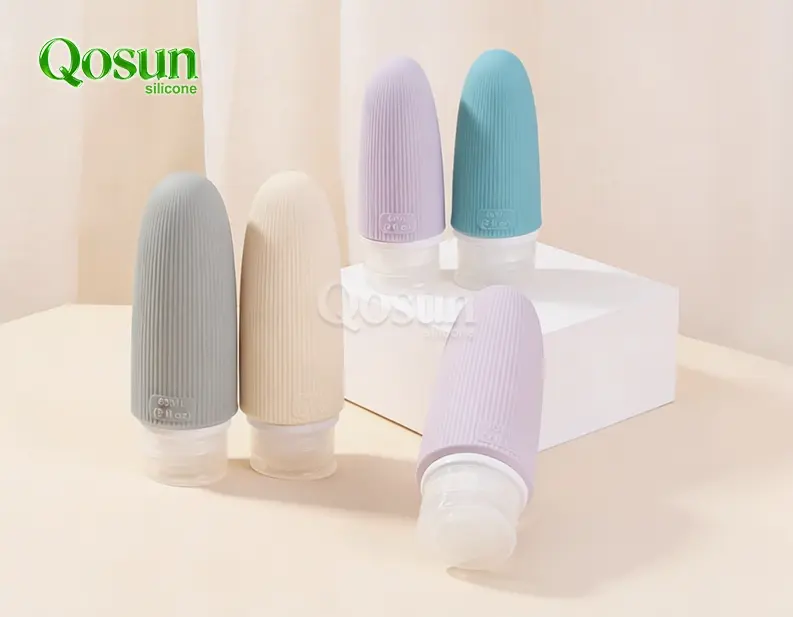
Because silicone is flexible, it can be shaped in ways that hard materials can't. The TS12's shaped body fits easily in the hand, even when wet, and the flip-cap action can be used with one hand, which is helpful when holding a child or juggling things in the shower. We've added lightly rough grip zones that keep people from slipping without taking away from the smooth look that customers expect. These user-centered design features take products from simple packages to thoughtful travel necessities that get good reviews.
Sourcing Certified Products: Supplier Evaluation and Customization
It takes a lot of research to find a company that can meet your needs while also being flexible. Here's what smart buying teams look at when choosing a seller.
Verifying Certification Documentation
Not just claims of certification, but real test results should be asked for. To follow the LFGB, you need to show proof of migration test results, which tell you exactly what chemicals can move into liquids. Manufacturers don't have to officially certify TSA compliance, but capacity measurements and pressure testing records should be used to make sure. With every bulk sale, we include full material safety data sheets (MSDS), FDA registration numbers, and test reports from a third party. This takes the guesswork out of doing your research.
Evaluating Manufacturing Capabilities
Consistency in production tells you which providers are reputable and which ones aren't. Buyers look at the quality of the mold, how clean the production line is, and the quality control steps when they tour our facilities. To keep silicone from getting contaminated with other materials, we keep separate mixing tools and do random samples every 500 units during production runs. Our injection molding tools keep temperature differences within 2°C. This makes sure that the walls are all the same thickness, which stops weak spots that could leak.
Customization Options for Brand Differentiation
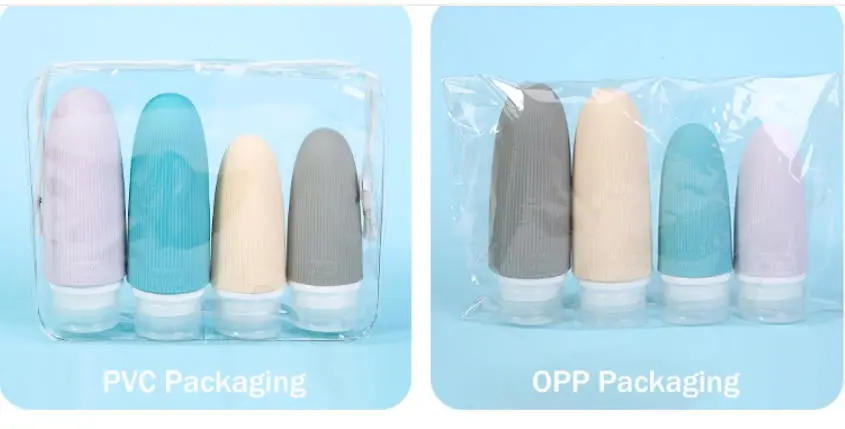
While legal standards stay the same, customization for looks and function makes the market stand out. Our OEM service lets brands match custom Pantone colors other than the normal five, so bottles can fit current lines of products. Logo printing with silk screening or laser cutting can work for both simple and complex patterns. Brands can make the most of different sales platforms by using different types of packaging, such as PVC clamshells that are ready for retail or large OPP bags. We've helped Shopify brands make three-piece travel sets that match and helped Amazon buyers come up with easy-to-use packaging that keeps items from getting damaged.
Understanding Lead Times and MOQ Flexibility
Most traditional makers have minimum orders of 5,000 units, which can be hard on new businesses' funds. We set up our business so that we can handle trial sales of 500 units because we know that new brands need to test the market before committing to big inventory positions. After the sample is approved, the standard wait time is 15 to 18 days. For holiday openings, rush production is also possible. Our location in Shenzhen makes it easy to get to foreign shipping hubs, and we've teamed up with freight forwarders who know how to handle paperwork for silicone products.
Maintaining Compliance Through Proper Usage and Quality Control
Compliance doesn't stop in the building; proper handling keeps the integrity of the product all the way through the supply chain and into the lives of the end user.
Packing Guidelines for TSA Screening
Even bottles that are legal can cause delays at the airport if they are not packed properly. Tell customers to follow TSA rules and put bottles in clear quart-sized bags. Make sure the caps are fully closed before closing the bags. Our flip-cap design lets users know that the lid is closed by letting them feel and hear a clear click. Putting these usage tips in product inserts cuts down on customer service calls and bad reviews that are caused by mistakes made by the user, instead of problems with the product.
Cleaning and Maintenance Protocols
Food-grade silicone keeps its traits when it's cleaned properly, but it breaks down when it comes in contact with strong chemicals. Instead of chlorine bleach or rough cleaning, suggest warm soapy water or weak vinegar solutions. People often ask about dishwasher safety. Our bottles can handle top-rack settings up to 180°F, but washing them by hand will make them last longer. By educating end users through product lists or package inserts, the material's food-grade status is kept safe from misuse.
Batch Testing and Quality Verification
Instead of thinking that testing by the maker is enough, B2B buyers should use incoming quality control methods when sourcing products like the Leakproof Silicone Travel Bottle. To do a simple leak test, you fill bottles with colored water, cap them, and put light pressure on them while they are upside down. Using graduated cylinders, check random samples for accurate capacity, and look closely at the seals to make sure they are intact. We support this process of checking, and we give quality assurance teams thorough documents with inspection standards to help them set up rules.
Conclusion
Meeting TSA and LFGB standards turns travel bottles from common things into brand assets that build trust. Our TS12 model shows how carefully choosing materials, testing them thoroughly, and designing products with the user in mind can lead to reliable goods that work in a variety of regulatory settings. The triple-seal technology, 89ml volume, and food-grade silicone construction all address the main concerns of both sourcing managers and end users. As interest in health and foreign travel rises again, approved travel containers are becoming a bigger part of the market. Quality standards have a direct effect on buying choices and the image of a brand.
FAQ
Q1: How can I verify a supplier's LFGB certification is legitimate?
Not just a diploma, but the full test result from a recognized European lab should be asked for. Real LFGB paperwork has specific movement test results that show how chemical makeup changes in different situations. Check the name of the lab against official records of approval, and make sure that testing was done on the exact formulation of the material used in production and not just random samples of silicone.
Q2: What's the typical failure rate for non-certified travel bottles?
According to data from the industry, 8–12% of uncertified bottles are sent back because they leak, the material breaks down, or the TSA takes them away. Certified goods like our TS12 model usually get less than 2% refunds, which are mostly due to user mistakes rather than problems with the way they were made. This difference in quality has a direct effect on profits because fewer returns mean less money spent on customer service and protecting the brand's image.
Q3: Can travel bottles maintain compliance after multiple refills?
If you clean good food-grade silicone the right way, it will keep its features for 500+ refill rounds. Most material decay is caused by strong chemicals or temperatures that are too high or too low. We suggest changing bottles every year if they are used regularly, but many customers say they work fine after two years. Users who are taught the right way to care for a product will keep it working longer and follow the rules.
Partner with Qosun for Certified Leakproof Silicone Travel Bottle Solutions
Since 2017, Qosun has been making high-quality silicone goods for over 20 countries. Their designs are approved and meet global safety standards. Our Leakproof Silicone Travel Bottle source can do small-batch production starting at 500 units, fast prototyping in 5–7 days, and full OEM customization, including matching colors and adding logos. We know how hard it is for Amazon FBA sellers and direct-to-consumer brands to meet tight deadlines, stick to budgets, and make sure quality standards are met. Our helpful customer service team answers questions within 4 hours, and our well-established production lines make sure that each batch is the same, which protects your brand's image. Get in touch with qosun@qosun.com right away to get LFGB test results, talk about customization options, or set up sample packages that show how committed we are to quality and compliance.
References
1. Transportation Security Administration. (2023). "3-1-1 Liquids Rule: Carry-on Baggage Screening." TSA Travel Guidelines, U.S. Department of Homeland Security.
2. German Federal Institute for Risk Assessment. (2022). "LFGB Requirements for Food Contact Materials: Testing and Certification Standards." BfR Publications on Food Safety.
3. Plastics Industry Association. (2023). "Material Safety Comparison: Silicone vs. Traditional Plastics in Consumer Products." Technical White Paper Series.
4. International Air Transport Association. (2023). "Dangerous Goods Regulations: Personal Care Products in Passenger Luggage." IATA Standards Manual.
5. European Chemicals Agency. (2022). "REACH Compliance for Silicone Materials: Registration and Evaluation Guidelines." ECHA Regulatory Framework Documentation.
6. FDA Center for Food Safety and Applied Nutrition. (2023). "Food Contact Substance Notifications: Silicone Rubber Applications." U.S. Food and Drug Administration Database.