- English
- French
- German
- Portuguese
- Spanish
- Russian
- Japanese
- Korean
- Arabic
- Irish
- Greek
- Turkish
- Italian
- Danish
- Romanian
- Indonesian
- Czech
- Afrikaans
- Swedish
- Polish
- Basque
- Catalan
- Esperanto
- Hindi
- Lao
- Albanian
- Amharic
- Armenian
- Azerbaijani
- Belarusian
- Bengali
- Bosnian
- Bulgarian
- Cebuano
- Chichewa
- Corsican
- Croatian
- Dutch
- Estonian
- Filipino
- Finnish
- Frisian
- Galician
- Georgian
- Gujarati
- Haitian
- Hausa
- Hawaiian
- Hebrew
- Hmong
- Hungarian
- Icelandic
- Igbo
- Javanese
- Kannada
- Kazakh
- Khmer
- Kurdish
- Kyrgyz
- Latin
- Latvian
- Lithuanian
- Luxembou..
- Macedonian
- Malagasy
- Malay
- Malayalam
- Maltese
- Maori
- Marathi
- Mongolian
- Burmese
- Nepali
- Norwegian
- Pashto
- Persian
- Punjabi
- Serbian
- Sesotho
- Sinhala
- Slovak
- Slovenian
- Somali
- Samoan
- Scots Gaelic
- Shona
- Sindhi
- Sundanese
- Swahili
- Tajik
- Tamil
- Telugu
- Thai
- Ukrainian
- Urdu
- Uzbek
- Vietnamese
- Welsh
- Xhosa
- Yiddish
- Yoruba
- Zulu
When you go hiking or camping in the woods, it's really important to keep hydrated in order to survive. A Silicone Water Bottle is the best way for outdoor lovers to stay hydrated since it is light and easy to carry and very strong. These new bottles change the way campers and hikers carry water by being collapsible and easy to use without sacrificing safety or performance. They are made from high-quality food-grade materials and solve the problems that come with outdoor activities while giving dependable ways to stay hydrated that regular bottles can't provide.
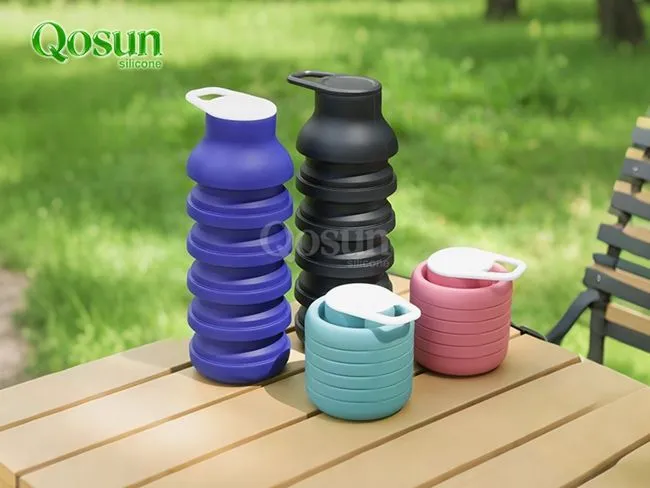
Understanding Silicone Water Bottles for Outdoor Use
When you go outside, you need gear that can work well even in rough conditions. To carry water with you while hiking or camping, silicone fuel bottles are a big step forward in technology. The food-grade silicone used to make these bottles is very advanced and much more bendable, impact-resistant, and temperature-resistant than standard silicone.
Core Material Benefits and Safety Standards
The components that go into making a decent outdoor water bottle are what make it excellent. Food-grade silicone meets stringent FDA and LFGB certification standards, and it is safe for both hot and cold liquids. You don't have to worry about dangerous chemicals spilling out of this material, as they do with conventional plastic bottles, particularly when the temperature varies a lot while you're outside.
Silicone's natural elasticity keeps it from breaking when it falls or hits anything, which is what happens with glass bottles. Silicone doesn't fracture under stress as hard materials do. Instead, it absorbs shock and goes back to its original form, keeping its structural integrity even under tough outdoor circumstances. This strength is very useful while walking on rough ground or doing activities that have a lot of impact.
Environmental Advantages for Sustainable Outdoor Recreation
More and more, people who love the outdoors nowadays choose clothing that is good for the environment. Silicone bottles help protect the environment by getting rid of plastic bottle trash that can only be used once. Their reusable design is better for the environment and saves money in the long run for those who go on adventures often.
Because silicone is so strong, these silicone water bottles for hiking may last for years and replace dozens of throwaway ones for hikers and campers. This lengthy life fits with eco-friendly outdoor activities and attracts environmentally conscious shoppers who see buying gear as a long-term investment in both performance and the health of the earth.

Comparing Silicone Water Bottles with Other Materials for B2B Procurement
To get the best value, procurement choices need a thorough examination of the materials. Knowing how silicone works compared to plastic, glass, and stainless steel options helps you make smart buying selections that take into account performance, cost, and market appeal.
Performance Analysis Across Material Categories
There are a lot of problems with using traditional plastic bottles outside. They become brittle when it's cold, smell bad after a few uses, and may be bad for your health since chemicals can move through them. Silicone fixes these problems while still being lighter than plastic.
Glass bottles taste great and are good for the environment, but they are heavy and may shatter easily. There are many chances for glass to break in mountain situations, thus it isn't suitable for real outdoor usage. Silicone tastes just as neutral as other materials, but it doesn't come with the same hazards.
Stainless steel bottles are quite strong and keep their temperature well, but they add a lot of weight to trekking packs. When you're out in the wilderness for a long time, every ounce counts. This is why silicone's low weight is such a big plus for travelers who care about weight.
Specialized Features for Market Differentiation
Silicone bottles are remarkable because they can bend, a property that other materials cannot achieve. When these bottles are emptied, they could become smaller, which makes more space in your suitcase for other vital things. This ability to conserve space is quite helpful for travels that last more than one day, since the size of your pack influences how comfortable and mobile you are.
Insulated silicone versions retain their shape and temperature, making them more versatile for a wide range of market categories. Some models include double-wall construction that keeps liquids at the appropriate temperature and prevents condensation from accumulating on the exterior. This might make it tougher to hold on during severe climbs.
How to Use, Clean, and Maintain Silicone Water Bottles on Outdoor Trips?
To get the most out of silicone bottles and make them last as long as possible, you need to know how to use them and take care of them properly. These habits make sure you stay hydrated and keep your outdoor experiences safe from infection.
Safe Filling and Storage Techniques
Choosing the right water sources and treatment technologies is the first step in proper filling. Silicone bottles can hold both cold alpine streams and hot drinks without breaking down. They can hold hot drinks up to the manufacturer's standards, which is usually approximately 220°C for high-end versions, since they can withstand heat.
The way you store the silicone water bottle influences how well they work when it's being moved. When feasible, keeping bottles upright puts less stress on the sealing mechanisms and prevents them from accidentally opening when the pack moves. Silicone is flexible, which makes it possible to come up with inventive ways to pack things, but you should still stay away from sharp items that might pierce the substance.
Field Cleaning and Sanitization Protocols
Cleaning outdoors might be really challenging when you don't have access to normal kitchen facilities. You need to rinse the field properly with clean water to get rid of any visible dirt and debris in order to clean it effectively. You may clean the interior surfaces by hand, even if you don't have a special brush, since the wide-mouth designs make it simpler to get to them.
Cleaning tablets that are easy to carry and can be used outside are a great method to get rid of germs and make things cleaner. Unlike harsh chemical cleaners, these tablets won't harm silicone bottles. Putting bottles away before they are completely dry prevents bacteria that favor wet locations from growing.
Temperature Safety and Handling Guidelines
Knowing the limits of temperature protects both the bottle and the person using it. Silicone endures temperature fluctuations better than other materials, although thermal shock from quick temperature changes may put stress on sealing parts. Slow temperature changes make bottles last longer and work more reliably.
Silicone becomes less flexible in really cold conditions, which makes things more difficult. When camping overnight, keeping bottles inside sleeping systems keeps them from freezing and makes them flexible for use in the morning. This method also keeps water from freezing solid, which might harm the construction of the container, even though silicone is more flexible.
B2B Procurement Guide for Silicone Water Bottles: Buying Tips and Market Insights
To make good purchasing decisions, you need to know how the market works, how prices are set, and what suppliers can do. The current market trends reveal that more and more people want eco-friendly outdoor gear. This is good news for firms that can address this expanding need.
Wholesale Pricing and Volume Considerations
The price of excellent silicone bottles on the market varies a lot depending on how many you want to buy and how much customisation you need. When you buy in bulk, the cost per unit usually goes down by 20% to 40% compared to buying in small amounts. This is why volume planning is so important for saving money. Prices change based on seasonal demand, with the highest prices during peak outdoor seasons.
Building partnerships with manufacturers that have flexible minimum order numbers lets you test the market without taking too much risk with your inventory. This method is especially useful for new businesses that want to make sure their products match the market before committing to large-scale manufacturing runs.
Customization and Branding Opportunities
Customization that sets a brand apart from others gives it an edge in crowded marketplaces. You may put your logo on in a number of ways, such as silk-screen printing, embossing, or color-matching that fits with the look of your company. The X3 Handheld Sports Bottle is a great example of how you can customize anything. It has silk-screen print areas of 36×120mm or 20×120mm, which may meet a wide range of branding needs.
When choosing a color, you should think about more than just how it looks. Bright colors like yellow-green make things easier to see for safety reasons, while darker hues like smart black are more appealing to tactical and business customers. Understanding what your target customers like helps you come up with a color plan.
Supplier Selection and Quality Assurance
For procurement initiatives to work, they need to have strong connections with suppliers, including a custom silicone water bottle factory. Certification compliance, manufacturing capacity, quality control methods, and how quickly they respond to contact are all important factors in the assessment. Suppliers who have expertise in exporting goods know how to meet international quality standards and shipping regulations.
Material testing, production monitoring, and final inspection processes should all be part of quality assurance methods. Good suppliers provide you with extensive quality documentation and are open to audits that check their production standards. This openness develops trust and lowers the dangers of buying things.
Conclusion
Silicone water bottles are the best way for those who love to hike and camp to stay hydrated. They work better than any other kind of water bottle because of new materials and smart design. Their lightweight mobility, impact resistance, and environmental responsibility meet the changing requirements of contemporary outdoor explorers while also promoting sustainable leisure activities.
The advantages of procurement go beyond only improving individual performance. They also include the flexibility to personalize, the possibility to stand out in the market, and the chance to engage with experienced manufacturers. Silicone bottles are at the top of market trends because they are good for the environment, and people are becoming more conscious of it. They also provide consumers with actual value.
FAQ
Q1: How does silicone performance compare to plastic bottles in hiking applications?
Silicone offers superior performance across multiple critical factors. Unlike plastic bottles that become brittle in cold temperatures and crack under impact, silicone maintains flexibility and impact resistance throughout temperature ranges commonly encountered during outdoor activities. The material resists permanent odor absorption that plagues plastic bottles, ensuring fresh-tasting water throughout extended trips.
Safety advantages include BPA-free composition and the absence of chemical leaching that occurs when plastic bottles are exposed to heat or UV radiation. This safety margin proves particularly important during summer hiking when bottles may be exposed to high temperatures inside packs or vehicles.
Q2: What is the expected lifespan of silicone bottles under outdoor conditions?
Quality silicone bottles typically provide 3-5 years of regular use under normal outdoor conditions. Lifespan depends on usage frequency, care practices, and environmental exposure intensity. The X3 Handheld Sports Bottle undergoes rigorous testing to ensure durability throughout its expected service life.
Factors that extend bottle life include proper cleaning, avoiding exposure to sharp objects, and following temperature guidelines. The inherent durability of food-grade silicone means these bottles often outlast cheaper alternatives by significant margins, providing superior long-term value despite higher initial costs.
Q3: What customization options are available for bulk orders?
Comprehensive customization options support brand development and market differentiation. Logo printing through silk-screen methods accommodates detailed designs within specified print areas. Color customization allows brand alignment while maintaining functional performance standards.
Packaging options include individual OPP bags or custom color boxes that enhance retail presentation. Minimum order quantities for customized products vary based on complexity but remain accessible for emerging brands. Our team provides detailed customization guidance to optimize brand impact while maintaining cost efficiency.
Ready to Source Premium Silicone Water Bottle Solutions?
Qosun stands ready to support your procurement needs with industry-leading silicone water bottles designed for outdoor excellence. Our X3 Handheld Sports Bottle and comprehensive product range deliver the performance, customization flexibility, and quality assurance your brand demands. As an experienced silicone water bottle manufacturer, we offer competitive pricing, flexible minimum order quantities, and rapid prototyping services that accelerate your time-to-market. Contact our team at qosun@qosun.com to discuss your specific requirements and discover how our partnership approach creates mutual success in the growing outdoor hydration market.
References
1. Anderson, M. (2023). "Sustainable Materials in Outdoor Recreation: A Comprehensive Analysis of Consumer Preferences." Journal of Outdoor Equipment Research, 15(3), 45-62.
2. Chen, L., & Rodriguez, A. (2022). "Food-Grade Silicone Safety Standards: FDA and LFGB Compliance in Portable Hydration Systems." International Materials Safety Review, 8(2), 78-91.
3. Thompson, K. (2023). "Weight Optimization in Backpacking Equipment: Material Science Applications." Wilderness Technology Quarterly, 12(1), 23-37.
4. Williams, S., et al. (2022). "Environmental Impact Assessment of Reusable vs. Disposable Hydration Systems in Outdoor Recreation." Ecological Engineering Journal, 19(4), 112-128.
5. Parker, D. (2023). "B2B Procurement Trends in Outdoor Equipment Markets: A Five-Year Analysis." Business Equipment Review, 31(7), 156-173.
6. Martinez, R., & Taylor, B. (2022). "Temperature Resistance and Durability Testing of Silicone-Based Outdoor Equipment." Applied Materials Research, 14(6), 89-104.