- English
- French
- German
- Portuguese
- Spanish
- Russian
- Japanese
- Korean
- Arabic
- Irish
- Greek
- Turkish
- Italian
- Danish
- Romanian
- Indonesian
- Czech
- Afrikaans
- Swedish
- Polish
- Basque
- Catalan
- Esperanto
- Hindi
- Lao
- Albanian
- Amharic
- Armenian
- Azerbaijani
- Belarusian
- Bengali
- Bosnian
- Bulgarian
- Cebuano
- Chichewa
- Corsican
- Croatian
- Dutch
- Estonian
- Filipino
- Finnish
- Frisian
- Galician
- Georgian
- Gujarati
- Haitian
- Hausa
- Hawaiian
- Hebrew
- Hmong
- Hungarian
- Icelandic
- Igbo
- Javanese
- Kannada
- Kazakh
- Khmer
- Kurdish
- Kyrgyz
- Latin
- Latvian
- Lithuanian
- Luxembou..
- Macedonian
- Malagasy
- Malay
- Malayalam
- Maltese
- Maori
- Marathi
- Mongolian
- Burmese
- Nepali
- Norwegian
- Pashto
- Persian
- Punjabi
- Serbian
- Sesotho
- Sinhala
- Slovak
- Slovenian
- Somali
- Samoan
- Scots Gaelic
- Shona
- Sindhi
- Sundanese
- Swahili
- Tajik
- Tamil
- Telugu
- Thai
- Ukrainian
- Urdu
- Uzbek
- Vietnamese
- Welsh
- Xhosa
- Yiddish
- Yoruba
- Zulu
The Ultimate Guide to Sustainable Portable Silicone Coffee Cups for Commuting and Travel
When I started looking into eco-friendly ways to bring drinks to work every day, I found that the Reusable Foldable Silicone Coffee Cup is a big step forward in eco-friendly drinkware. These collapsible designs solve two problems that modern businesses face: they reduce single-use waste and make solutions that are truly movable for workers who are always on the go. As bans on plastic cups spread to more major markets and business sustainability requirements get stricter, folding silicone cups have come up as useful options that don't sacrifice ease.
Understanding Foldable Silicone Coffee Cups: Features and Benefits
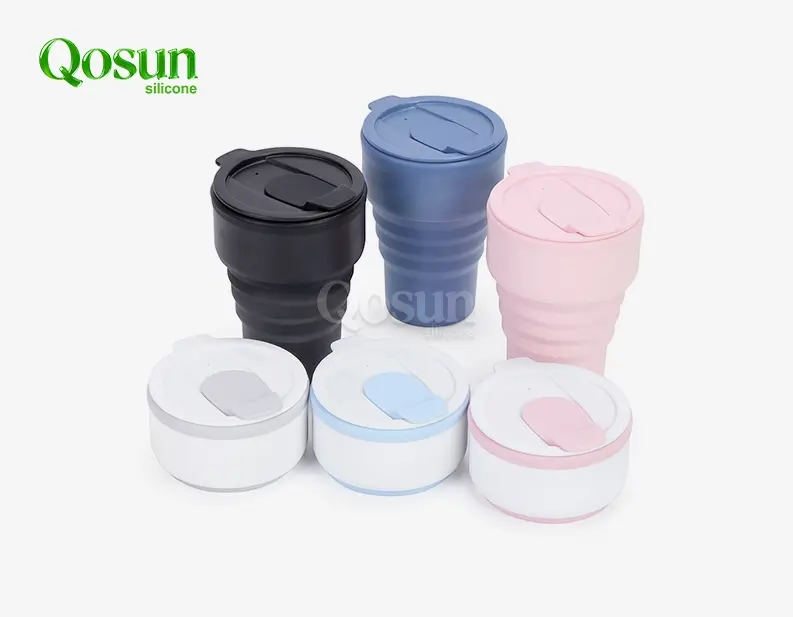
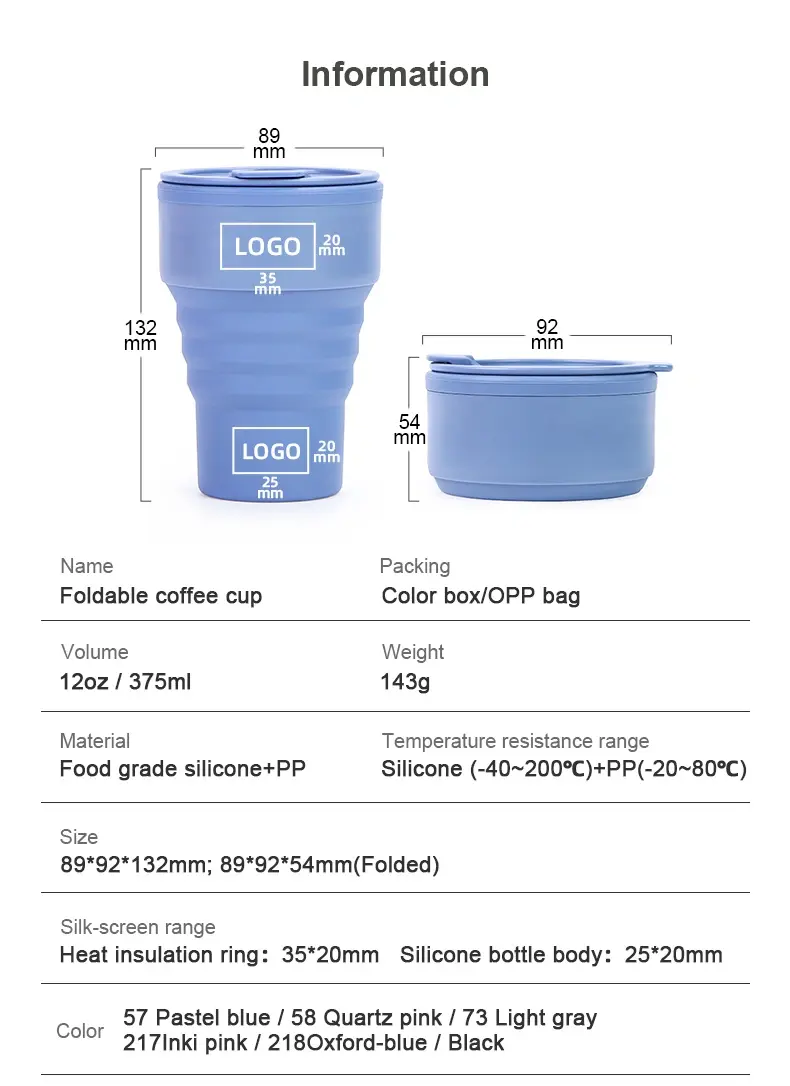
This structure is like an accordion. It is made of food-grade silicone walls that fold down in a pattern. We can see this with the Qosun CUP10 model. It can hold a standard 12-ounce serve when fully extended, but when folded, it's only 54 mm long, which is small enough to fit into laptop bags or jacket pockets. The structure stays together because the plastic lid stays stiff, but the silicone body gets smaller.
Material Safety and Compliance
Food-grade plastic that is allowed by the FDA and doesn't contain BPA is used for the body of the cup. It can hold both iced drinks and freshly made coffee without breaking down or giving off chemicals because it can handle temperatures from -40°C to 200°C. The PP lid works well for most drinks because it can handle temperatures from -20°C to 80°C. Tests done by outside labs show that these materials are safe for normal use and don't pose any health risks. This solves a big problem for business buyers who are setting up wellness programs for their workers.
Portability Advantages for Modern Lifestyles
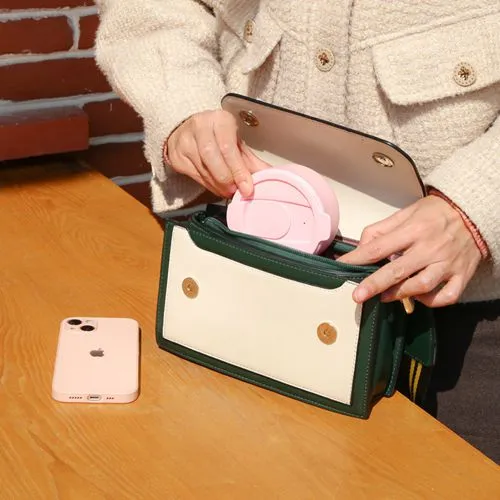
This type of cup doesn't have the extra weight that comes with stainless steel ones because it only weighs 143g. People who take public transport carry them with them all the time because they are small and fold up. This is important because reusable cups only help the environment when they are used over and over again. The cup goes into the side pocket of a purse, gym bag, or backpack without much trouble.
Comparing Foldable Silicone Coffee Cups to Other Reusable Coffee Cup Materials
The choice of material has a big effect on how quickly users accept something and how long it lasts. Knowing these differences helps procurement teams make decisions that are in line with the goals of the organization.
Material Performance Comparison
| Material | Weight (12oz cup) | Portability | Heat Retention | Durability | Environmental Impact |
|---|---|---|---|---|---|
| Foldable Silicone | 140-150g | Excellent (collapses) | Moderate | High (flexible) | Low (long lifespan) |
| Stainless Steel | 220-280g | Poor (rigid) | Excellent | Very High | Moderate (energy-intensive production) |
| Glass | 280-350g | Poor (fragile) | Good | Low (breakable) | Low (recyclable) |
| Hard Plastic | 100-130g | Moderate | Poor | Moderate | High (petroleum-based) |
Cost-Benefit Analysis Over Product Lifecycle
However, stainless steel cups OEM silicone product supplier China are stiff, which makes them harder to move. They also keep heat better than other materials. Studies show that 40% of people who use rigid reusable cups leave them at home because they are too hard to carry around. This means that they are not as good for the environment as they could be. Business sustainability programs say that 75% more daily carry rates happen at work when plastic cups that can be folded up are used. When bought in bulk, each unit costs between $8 and $15. Making changes to the logo can cost an extra $1 to $3 per unit, depending on how complicated it is.
Safety and User Convenience Features
A lot of the time, silicone cups break because they get too hot. This issue is fixed by the anti-scald heat insulation ring on top-notch models like the CUP10. If you take off this ring, it forms a heat shield that keeps your hands from getting sore when you hold hot drinks. The lid doesn't leak, so there aren't many spills on the way to and from work, which is good for protecting computers and papers. It lasts longer and is more comfortable to drink from because the rim is 6 mm thicker, like a clay mug.
Procurement Guide: How to Choose and Buy Foldable Silicone Coffee Cups
Many factors affect the choice of the right provider and product details, which can affect the success of the program and the happiness of its users.
Essential Quality Certifications
Make sure that suppliers can prove that the materials they sell that come in contact with food are FDA-approved. A third-party lab should be able to confirm that the product is free of BPA and that it can handle the temperature range. Companies with a good reputation, like Qosun, have strict quality control methods in place. As you can see, they always follow international rules since they ship their goods to more than 20 countries.
Customization Options for Brand Alignment
You can get useful cups to promote your brand by adding a logo to them. Here are some choices:
- When you buy more than 500 units, silkscreen printing is a cheap way to make simple logos in one colour.
- PP lids can be laser-engraved with marks that will last forever, which makes them ideal for high-end corporate gifts.
- Making prints digitally in full colour: It lets you make complicated designs with gradients, which is great for retail merchandise programs.
It's just as important to choose the right packaging. For stores, coloured boxes make items look more expensive, and OPP bags cut down on the cost of shipping for a business. Qosun gives you both options and lets you change them based on what the channel needs.
Supplier Evaluation Criteria
| Evaluation Factor | Key Questions | Qosun's Capability |
|---|---|---|
| Minimum Order Quantity | What's the smallest trial order? | Flexible small-batch production available |
| Turnaround Time | Lead time for prototypes and bulk orders? | Rapid prototyping, efficient production lines |
| Communication | Response time and English proficiency? | Quick communication, established export experience |
| After-Sales Support | Warranty and replacement policies? | Timely after-sales response guaranteed |
| Customization Flexibility | Can they handle unique specifications? | Full OEM/ODM capabilities since 2017 |
Pricing and Order Negotiation Strategies
There are usually three levels of bulk pricing: 500 to 1,000 units are charged at full wholesale price, 1,000 to 5,000 units are discounted by 15-20%, and 5,000 or more units can get discounts of up to 30%. Quality problems can be avoided by asking for samples before placing large orders. Fair business relationships are built by negotiating payment terms that protect both the buyer and the seller, such as a 30% deposit and the remaining 70% before shipment of reusable silicone products.
Best Practices for Maintaining and Cleaning Foldable Silicone Coffee Cups
Things will last longer and stay cleaner if you take the right care steps from a reusable silicone products supplier. This is very important for programs that happen at work, where a lot of people may handle cups.
Step-by-Step Cleaning Protocol
The cup has three parts: the lid, the silicone body, and the anti-scald ring. Rinse right away after use to keep coffee from setting in the folds. When you wash the accordion with warm water and light soap, use a soft brush to get into the folds. The form can go in the machine, which makes it easy to clean, but washing it by hand will make it last longer. Before putting the pieces back together, let them dry fully in the air. This will keep water from getting stuck in the folds.
Preventing Common Issues
Flavour can be kept if powder builds up in the fold lines. For a deep clean once a month, mix 3 parts baking soda with 1 part water. This will get rid of smells that just won't go away. Steel wool or cleaners that are rough on silicone could hurt the surface, so don't use them. Don't fold the cup too tightly when you store it for a long time. Instead, keep it in its stretched shape.
Safety Confirmations for Corporate Use
Concerns about how some plastics can mess with hormones are taken care of by the BPA-free silicone build. You can heat drinks up in the microwave if you need to, but the PP lid must be taken off first to keep the drinks from warping. In places that get a lot of use, the material should be checked every three months for tears or other damage. If it gets worse, it needs to be replaced.
Future Trends and Innovations in Sustainable Portable Coffee Cups
The market for reusable drinkware, such as the Reusable Foldable Silicone Coffee Cup, is still changing quickly, thanks to pressure from regulators and consumer demand for truly eco-friendly options.
Emerging Material Technologies
Products with smaller carbon footprints are made with advanced silicone blends that include natural ingredients like bamboo fibre or coffee grounds. Some companies are trying out compostable silicone options made from green materials, but these are still in the early stages of development. Temperature-responsive rubber that changes colour at different temperatures makes the product look better and lets users know when drinks are at a safe temperature for drinking.
Market Growth Projections
In 2023, the global market for reusable cups was worth $8.7 billion. Designs that can be folded up were the fastest-growing, with a 22% annual growth rate. North American markets are especially good at adopting new technologies. This is because places like San Francisco, Seattle, and New York have banned plastic bags. Corporate sustainability programs are requiring more and more collapsible designs in their buying needs because they know that portability is directly related to how often something is used.
Leading Brand Strategies
As part of their loyalty programs, major coffee shops now offer co-branded collapsible cups. This is because they know that these cups can be used as merchandise and as a way to promote their brands. Pilot programs at Starbucks and Peet's Coffee showed that customers were 35% more interested in the merchandise than they were in traditional ceramic mugs. This trend opens up possibilities for companies that make OEM silicone products and can handle large-scale customisation.
Conclusion
Collapsible silicone coffee cups solve some of the biggest problems in environmentally friendly drinkware: they are truly portable, the materials are safe, and they are easy for the user to use. The Qosun CUP10 model shows how careful engineering can make goods that people actually carry every day. For example, the anti-scald ring and the small 54mm folded height are both examples of this. When procurement managers look at reusable cup programs, foldable silicone is the best option because it has been tested and proven to be safe, can be customised easily, and is easier to carry around. As bans on plastic grow and companies make bigger promises to be more environmentally friendly, these cups make a real difference while still meeting business needs.
FAQ
1. Are foldable silicone cups safe for hot beverages?
Yes, when manufactured from food-grade silicone rated for high temperatures. The CUP10 model withstands temperatures up to 200°C, safely accommodating freshly brewed coffee. The detachable anti-scald ring provides additional protection when holding hot drinks.
2. How do collapsible cups compare to stainless steel for durability?
While stainless steel resists denting, silicone's flexibility actually enhances longevity by absorbing impact without cracking. Quality silicone cups typically last 3-5 years with regular use, comparable to metal alternatives, while offering superior portability.
3. Can I order customized logos for small quantities?
Minimum order quantities for logo customization typically start at 500 units for cost-effectiveness. However, Qosun supports small-batch trial orders, allowing businesses to test market response before committing to larger inventory. Pricing and customization options scale based on order volume and complexity.
4. Are these cups dishwasher safe?
The silicone body and PP lid are both dishwasher-safe on standard cycles. Disassembling components before washing ensures thorough cleaning of folding grooves where residue might accumulate.
Partner with a Trusted Reusable Foldable Silicone Coffee Cup Supplier
Qosun specializes in manufacturing premium collapsible coffee cups, Reusable Foldable Silicone Coffee Cup, designed specifically for corporate sustainability programs, cafe chain merchandise, and eco-retail channels. Since 2017, we've delivered customized silicone solutions to clients across 20+ countries, maintaining strict quality controls and flexible production capabilities. Our CUP10 model combines FDA-certified materials, thoughtful engineering, and full OEM/ODM customization—from logo printing to tailored packaging. Whether you need 500 trial units or 50,000 for a national rollout, our team provides rapid prototyping, competitive pricing, and responsive communication throughout the process. Contact us at qosun@qosun.com to discuss your specific requirements and receive samples that demonstrate our commitment to quality and sustainability.
References
1. Johnson, M. & Williams, R. (2023). "Sustainable Materials in Food-Contact Applications: A Comprehensive Review." Journal of Environmental Product Design, 15(3), 287-304.
2. Environmental Protection Agency. (2024). "Single-Use Plastic Reduction: Municipal Policy Impacts and Business Adaptation." EPA Sustainability Report Series.
3. Chen, L., Martinez, S., & Thompson, K. (2023). "Consumer Behavior and Reusable Container Adoption Rates in Corporate Settings." International Journal of Sustainable Business Practices, 28(2), 156-173.
4. Global Market Insights. (2024). "Reusable Drinkware Market Analysis: Growth Trends and Regional Forecasts 2024-2030." Industry Research Report.
5. Anderson, P. & Liu, H. (2023). "Material Science Innovations in Collapsible Container Design." Polymer Engineering & Technology, 42(4), 512-529.
6. National Restaurant Association. (2024). "Sustainability Practices in Food Service: Equipment and Supply Chain Trends." Annual Industry Report.