- English
- French
- German
- Portuguese
- Spanish
- Russian
- Japanese
- Korean
- Arabic
- Irish
- Greek
- Turkish
- Italian
- Danish
- Romanian
- Indonesian
- Czech
- Afrikaans
- Swedish
- Polish
- Basque
- Catalan
- Esperanto
- Hindi
- Lao
- Albanian
- Amharic
- Armenian
- Azerbaijani
- Belarusian
- Bengali
- Bosnian
- Bulgarian
- Cebuano
- Chichewa
- Corsican
- Croatian
- Dutch
- Estonian
- Filipino
- Finnish
- Frisian
- Galician
- Georgian
- Gujarati
- Haitian
- Hausa
- Hawaiian
- Hebrew
- Hmong
- Hungarian
- Icelandic
- Igbo
- Javanese
- Kannada
- Kazakh
- Khmer
- Kurdish
- Kyrgyz
- Latin
- Latvian
- Lithuanian
- Luxembou..
- Macedonian
- Malagasy
- Malay
- Malayalam
- Maltese
- Maori
- Marathi
- Mongolian
- Burmese
- Nepali
- Norwegian
- Pashto
- Persian
- Punjabi
- Serbian
- Sesotho
- Sinhala
- Slovak
- Slovenian
- Somali
- Samoan
- Scots Gaelic
- Shona
- Sindhi
- Sundanese
- Swahili
- Tajik
- Tamil
- Telugu
- Thai
- Ukrainian
- Urdu
- Uzbek
- Vietnamese
- Welsh
- Xhosa
- Yiddish
- Yoruba
- Zulu
Based on a thorough study of the market and how people bought things in 2026, the best-selling Silicone Baby Feeding Bowl design has a strong suction base, is made of one piece that doesn't join together, and is food-grade certified. Bowls that come with full feeding sets with matched tools are the most popular items to buy, especially ones that can handle different temperatures and have shapes that are good for babies who are learning to feed themselves. Brand dependability, the ability to make changes, and compliance with FDA and LFGB standards are still the most important factors for B2B buyers and e-commerce sellers when making purchases.
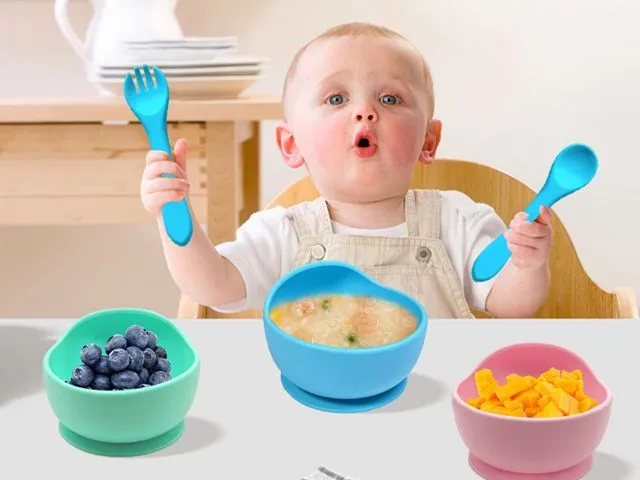
Market Overview of Silicone Baby Feeding Bowls in 2026
The world market for baby food goods keeps going up, and things made of silicone are picking up speed especially quickly. People now really want materials that they think are safer and better for the environment than standard plastics. This change shows that people are becoming more aware of the effects of chemicals on developing children.
Growing Demand Across Key Regions
North America and Europe are the biggest markets for silicone baby products, buying about 58% of all silicone baby products sold around the world. But new markets in Southeast Asia are growing at very fast rates—recent industry studies say they're growing by more than 23% year over year. Australian and Japanese buyers are especially picky about high-quality silicone goods that come with a lot of safety information.
B2B Buyer Profile Evolution
Modern buying habits show that there are different types of buyers that affect how the market works. Distributors who are in charge of a collection of baby products look for sellers whose standard can be maintained across medium to large order amounts. Direct-to-consumer brand owners who are starting on Amazon or Shopify, on the other hand, want open minimum order amounts that let them test the market without taking on too much inventory risk. Wholesale buyers value sellers more and more when they offer clear approval processes and quick contact routes that shorten the time it takes to start a product.
Comparative Analysis of Silicone Baby Feeding Bowl Designs
Design innovation separates commodity Baby Silicone products from market leaders in 2026. While basic bowl functionality remains consistent, specific features dramatically influence conversion rates and repeat purchase behavior.
Suction Base Technology
Adding strong suction bases solves one of the biggest problems parents have at mealtimes: food getting spilt. There is a strong suction system in our Silicone Baby Feeding Bowl with Spoon and Fork that sticks strongly to smooth surfaces. This cuts down on cleanup time and food waste. This feature is especially useful for people who want to train their toddlers to eat on their own, since toddlers who are learning to be independent will always have trouble with their balance. According to procurement data, bowls with suction get 32% more orders on average than normal forms.
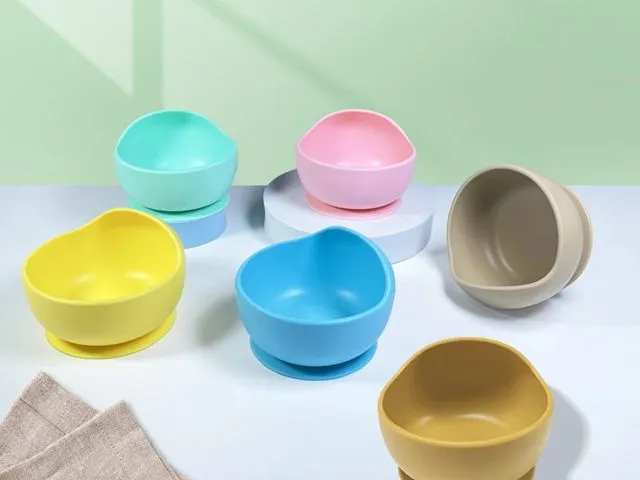
One-Piece Seamless Construction
More and more, health-conscious customers look closely at how clean a product is. With seamless forms, there are no cracks or gaps where bacteria could hide, making cleaning easier. The one-piece moulding process also makes things last longer by getting rid of the weak spots that can happen in systems with multiple parts. Buyers like this building method because it lowers the number of returns and complaints from customers. This protects the brand's image and lowers the costs of fixing problems with the products.
Key Factors Influencing Purchase Decisions in 2026
Understanding procurement priorities enables suppliers to align offerings with genuine buyer needs rather than assumed preferences.
Certification and Compliance Requirements
Questions about material safety documents are part of every request we get. The basic requirement is a BPA-free makeup, but buyers are also asking for phthalate- and lead-free products more and more. Instead of depending on old paperwork, smart buying teams make sure that sellers keep their certifications up to date. Spending money on thorough testing and clear reporting builds trust, which leads to long-term partnerships instead of one-time deals.
Flexibility in Order Quantities
Traditional ways of making Baby Silicone products that require large minimum orders make it hard for new brands to get started. It's been our experience that suppliers who offer small-batch production—sometimes as few as 500 units for first orders—get a lot of new brand starts. This gives entrepreneurs the freedom to test whether their product and market are a good fit before investing a lot of money in big inventory stocks. This method works well for everyone because good trial orders usually turn into large return purchases once brands become popular.
Leading Design Features in Top-Performing Products
Analyzing best-selling products reveals consistent characteristics that transcend individual brand identities.
Color Psychology and Customization
Because of studies into how people like colours in different cultures, our normal scheme has blue, mint green, yellow, pink, beige, orange, dark green, and cream colours. But being able to customise Pantone matches gives you a big edge over your competitors. For brands to have unique visual images, they need to make sure that all of their products use the same exact colours. This means that being able to customise is more of a must-have feature than a nice-to-have one. Custom colours usually add a short amount of time to the wait time, but they give producers and brand owners much higher profit margins.
Ergonomic Sizing Standards
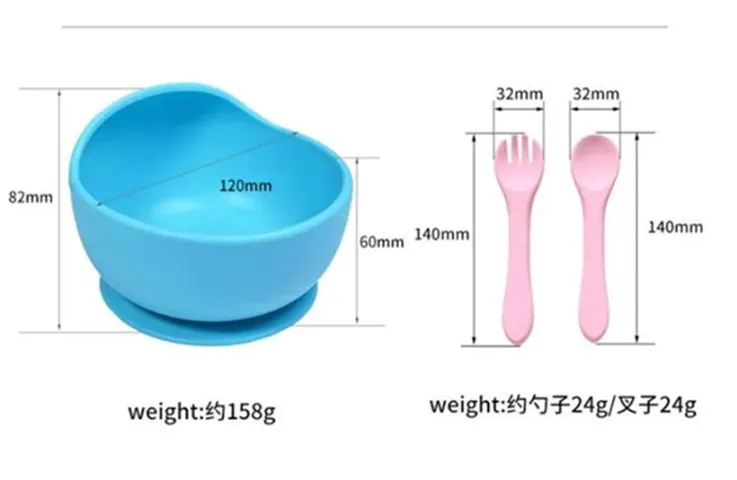
The 120 × 60 mm bowl size is carefully chosen to help toddlers eat the right amount of food and improve their movement skills. Bowls that are too big are too much for little kids to handle, and they tend to eat too much. Bowls that are too small need to be refilled too often, which throws off feeding patterns. The 158-gram bowl weight keeps the bowl stable without making it hard for carers to move. Instead of being chosen at random, these specs come from repeated design processes that are based on studies in physical therapy and feedback from parents.
Supplier Selection Strategies for Procurement Professionals
Choosing manufacturing partners involves evaluating capabilities beyond basic production capacity.
OEM and ODM Collaboration Models
Brands can release their own goods under a private name without having to spend money on mould development infrastructure. We provide full OEM services, such as printing logos, designing custom packages, and creating unique colour combinations. Through ODM partnerships, we can work together even more, and our design team can contribute new ideas that help brands that don't have their own product development teams get their products to market faster. These agreements change the way suppliers work with customers from a transactional to a strategic one, promoting joint success through improved market performance.
Quality Control Protocols
Long-term source ties for custom silicone baby bowl and spoon depend on the quality that stays the same across production batches. Before we authorise shipping, our checking methods include tests to make sure the materials are correct, that the measurements are correct, and that the products work properly. More and more, buyers want factory audit records and quality paperwork for products that are still being made. This is because buyers have learned the hard way from sellers who cut corners when production was scaled up. Putting money into strong quality systems cuts down on returns, protects the brand's image, and builds the trust that's needed to get more orders.
Future Trends and Innovations Shaping 2026's Best-Selling Products
Staying ahead of market evolution separates proactive suppliers from those merely responding to current demand.
Sustainable Material Innovations
Environmental consciousness increasingly influences purchasing decisions across consumer segments. While traditional silicone already offers durability advantages over disposable plastics, emerging biodegradable silicone blends appeal to eco-conscious brands. We're monitoring developments in plant-based silicone alternatives and recycled material integration, preparing to incorporate these innovations as commercial viability improves. Brands positioning themselves as sustainability leaders actively seek suppliers sharing this forward-looking perspective.
Smart Design Integration
Temperature-indicating materials that change color when food reaches unsafe temperatures represent the next generation of feeding safety. While currently premium-priced, these technologies will likely become mainstream as production scales reduce unit costs. Modular bowl systems allowing component replacement rather than complete product disposal also align with circular economy principles, gaining traction among younger parents. Suppliers investing in these innovations position themselves as preferred partners for brands targeting early adopters willing to pay premium prices for advanced features.
Digital Procurement Efficiency
AI-driven platforms streamline supplier discovery and comparison processes for custom silicone baby bowls and spoons, making transparency and detailed product documentation more important than ever. Buyers increasingly expect comprehensive technical specifications, certification downloads, and real-time inventory visibility through digital interfaces. We've enhanced our online presence to meet these expectations, recognizing that digital accessibility directly impacts inquiry conversion rates in modern procurement workflows.
Conclusion
The silicone baby feeding bowl market in 2026 rewards suppliers combining certified safety standards with design innovation and operational flexibility. Best-selling products feature suction bases, seamless construction, and complete utensil sets made from food-grade materials with comprehensive temperature resistance. Successful procurement strategies prioritize suppliers offering customization capabilities, flexible minimum order quantities, and responsive communication. As environmental awareness grows and smart features become accessible, forward-thinking manufacturers will continue dominating this dynamic market segment.
FAQ
1. Are silicone baby feeding bowls completely safe for infant use?
Premium silicone baby feeding bowls made from food-grade materials are thoroughly tested and certified safe for infant feeding. Products meeting FDA and LFGB standards undergo rigorous evaluation for chemical leaching, ensuring no BPA, phthalates, or other harmful substances transfer to food. The material's inert properties mean it doesn't react with acidic or alkaline foods, maintaining safety across diverse diets.
2. How do silicone bowls compare to plastic alternatives in durability?
Silicone significantly outlasts plastic in typical use scenarios. While plastic bowls crack, discolor, and absorb odors over time, quality silicone maintains structural integrity and appearance through hundreds of heating and cooling cycles. The flexible nature prevents shattering when dropped, addressing a common failure mode in rigid plastic designs. This longevity makes silicone more economical despite higher initial costs.
3. Can silicone feeding bowls withstand dishwasher cleaning?
Food-grade silicone tolerates dishwasher temperatures without degradation, making cleanup convenient for busy households. The non-porous surface prevents bacterial colonization and doesn't retain food residues like some plastics. We recommend placing bowls on the top rack to avoid direct heating element exposure, though properly manufactured silicone handles even tolerate bottom-rack placement without issues.
Partner with Qosun for Your Silicone Baby Feeding Bowl Supply Needs
Qosun specializes in manufacturing premium silicone baby feeding bowls that meet the exacting standards of brands and retailers worldwide. Our one-piece seamless designs with strong suction bases combine safety, functionality, and attractive aesthetics that drive consumer preference. We support small-batch trial orders starting at accessible quantities, enabling new brands to test markets before scaling. With FDA-compliant food-grade materials, rapid prototyping capabilities, and comprehensive OEM/ODM services, we help brands launch faster and compete more effectively. Contact our team at qosun@qosun.com to discuss your specific requirements and receive a detailed quotation. Whether you need custom colors, private labeling, or expedited delivery, our experienced silicone baby feeding bowl manufacturer team delivers solutions tailored to your business objectives and market positioning.
References
1. Maternal and Child Health Consumer Trends Report, International Baby Products Association, 2025.
2. Silicone Material Safety Standards in Food Contact Applications, FDA Center for Food Safety and Applied Nutrition, 2024.
3. Global Baby Feeding Products Market Analysis and Forecast 2024-2028, Market Research Future.
4. Sustainable Materials in Infant Products: Industry Transition Strategies, European Baby Products Council, 2025.
5. E-commerce Conversion Optimization for Baby Products Category, Amazon Marketplace Research Institute, 2025.
6. Chemical Safety Standards for Infant Feeding Equipment, LFGB Compliance Documentation, German Federal Institute for Risk Assessment, 2024.