- English
- French
- German
- Portuguese
- Spanish
- Russian
- Japanese
- Korean
- Arabic
- Irish
- Greek
- Turkish
- Italian
- Danish
- Romanian
- Indonesian
- Czech
- Afrikaans
- Swedish
- Polish
- Basque
- Catalan
- Esperanto
- Hindi
- Lao
- Albanian
- Amharic
- Armenian
- Azerbaijani
- Belarusian
- Bengali
- Bosnian
- Bulgarian
- Cebuano
- Chichewa
- Corsican
- Croatian
- Dutch
- Estonian
- Filipino
- Finnish
- Frisian
- Galician
- Georgian
- Gujarati
- Haitian
- Hausa
- Hawaiian
- Hebrew
- Hmong
- Hungarian
- Icelandic
- Igbo
- Javanese
- Kannada
- Kazakh
- Khmer
- Kurdish
- Kyrgyz
- Latin
- Latvian
- Lithuanian
- Luxembou..
- Macedonian
- Malagasy
- Malay
- Malayalam
- Maltese
- Maori
- Marathi
- Mongolian
- Burmese
- Nepali
- Norwegian
- Pashto
- Persian
- Punjabi
- Serbian
- Sesotho
- Sinhala
- Slovak
- Slovenian
- Somali
- Samoan
- Scots Gaelic
- Shona
- Sindhi
- Sundanese
- Swahili
- Tajik
- Tamil
- Telugu
- Thai
- Ukrainian
- Urdu
- Uzbek
- Vietnamese
- Welsh
- Xhosa
- Yiddish
- Yoruba
- Zulu
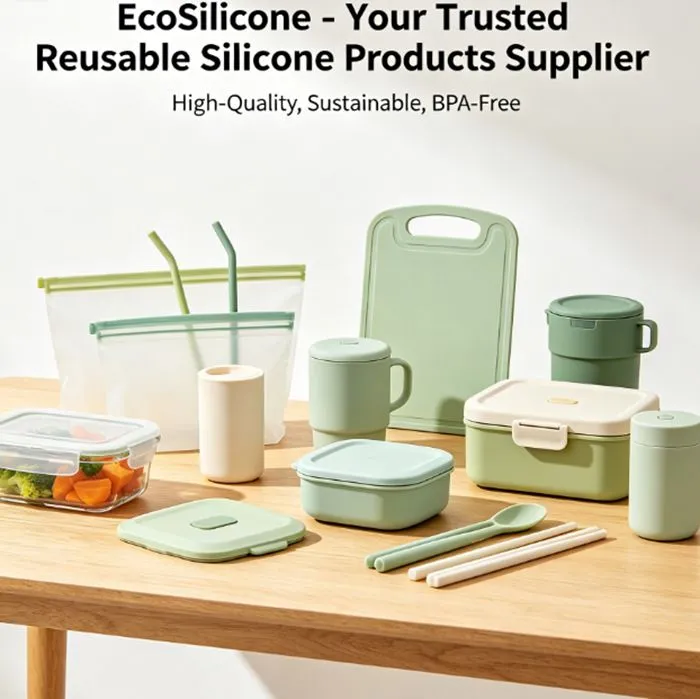
The worldwide Silicone Export Market will reach $8.51 billion in 2024. Rising demand in technology, healthcare, consumer products, and autos is the reason. B2B procurement personnel must choose the correct Chinese OEM manufacturer to receive affordable, high-quality silicone items that fulfil demanding international safety regulations in this changing environment. China sells 546,000 tonnes of silicone worth $1.53 billion annually, making it the world's largest manufacturer. This comprehensive book covers industry trends, Chinese OEM manufacturing benefits, the best ways to buy, and how to develop trusting connections. We empower businesses, corporations, and online sellers to make informed decisions that accelerate product launches without compromising quality.
Understanding the Global Silicone Export Market in 2026
Silicone is still booming. The market is estimated to reach $25.9 billion by 2035, growing 2.1% annually from 2024. Demand in emerging and developed nations, notably in the Asia-Pacific region, where infrastructure is being built, and consumer products are being created, is driving this growing trend.
Germany's exports are the most valuable at $1.71 billion. Germany maintains prices low to compete in the EU markets. China trails behind with $1.53 billion, but its huge production base makes it the volume export leader. The US gives $1.37 billion and imports a lot, showing that international trade patterns are related. The top three exporters compete differently. Germany prioritises quality, China size and cheap costs, while the US balances exports and domestic demand.
Trade patterns indicate significant shifts. China's top export destinations in 2025 are Russia, South Korea, India, Vietnam, and Thailand. India is notable for its rapid expansion and silicone glue and oil imports. The top three buyers are China ($829 million), the US ($704 million), and South Korea ($514 million). Industrial centres are also shopping destinations.
Regulatory frameworks influence purchase choices. REACH and RoHS influence material selection and usage in all European markets. FDA and LFGB certification is still required for North American and German food-grade silicone products. Import restrictions and tariffs vary by area, affecting landing pricing and shipping times. By recognising these challenges, B2B buyers may make smarter supply chain selections while obeying the regulations.
Company automation investments are driven by segment research showing increased demand for silicone seals, coatings, and adhesives. Due to infant, pet, and kitchenware usage, new food-grade liquid silicone rubber compositions are being developed. These industry-specific demands demonstrate the need to work with OEM makers with diverse manufacturing expertise.
Why Choose a Silicone OEM Manufacturer in China?
China's silicone manufacturing climate helps foreign companies, startups, and struggling cross-border buyers. Decades of industrial progress have created a complex manufacturing infrastructure for the Silicone Export Market, which can handle small test runs and huge orders. Foreign purchasers seeking reliable partners benefit from industrial maturity.
Cost-Efficiency Without Quality Compromise
China costs silicone OEM producers $2,651 per tonne, compared to Japan's $12,002. Prices vary owing to stronger supply lines, competitive employment markets, and economies of scale from having several firms in one location. This low price helps firms launch new product lines by letting them focus on marketing and sales rather than production.
We demonstrate this value promise with clear, cost-effective price plans for companies at various growth phases. Our low costs and thorough quality control keep your profits high without compromising product quality.
Comprehensive Production Capabilities
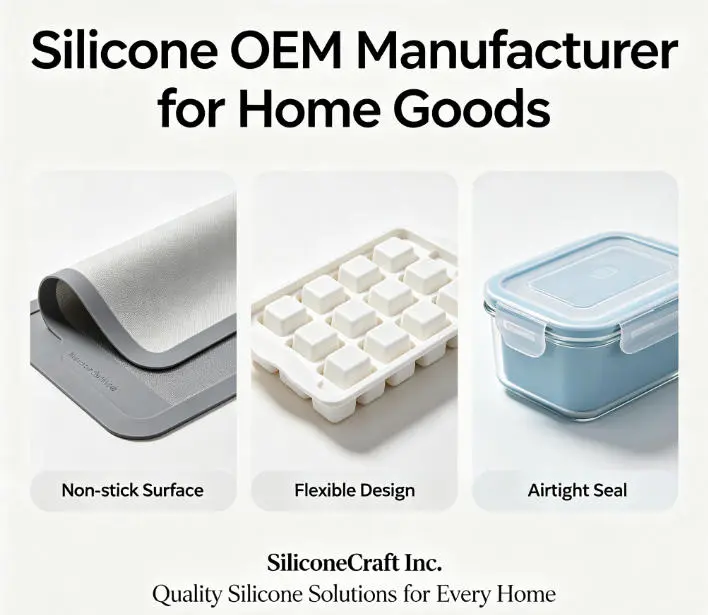
Chinese manufacturers sell liquid silicone rubber, high-consistency rubber, and bespoke parts. This versatility enables customers to receive numerous SKUs from one vendor, simplifying communication and processes. If your brand requires infant bottle nipples, pet food mats, kitchen gadgets, or complex systems with many parts, Chinese OEMs have the technical know-how and equipment.
Qosun specialises in silicone products for babies, pets, the household, and the kitchen. Our one-stop services include customisation, mould development, wholesale, retail, OEM, and ODM. This lets clients unify their vendor connections, which reduces clerical labour and strengthens ties.
Rigorous Quality Control and Certifications
Top Chinese silicone manufacturers comply with ISO, FDA, LFGB, and REACH requirements, demonstrating their commitment to quality. These certificates demonstrate that the organisation invested in testing tools, process documentation, and growth strategies. Many checks are made in mature production lines, from raw materials to completed goods. This reduces post-sale flaws and issues.
Our extensive quality inspections at all stages of manufacture eliminate the uneven batch quality problem. Picky clients who value safety and dependability have welcomed our products in over 20 nations and regions. Food-grade silicone compounds are tested extensively to fulfil FDA and LFGB requirements. Brands targeting safety-conscious clients may relax.
Flexible MOQ and Rapid Prototyping
Traditional manufacturers have unreasonably high minimum order quantities, making product testing and validation difficult. Chinese OEM partners are realising new brands, and Amazon FBA sellers require small batch options. It's adaptable, so purchasers may test the market, gather client feedback, and tweak the design before committing a lot of money.
Our technique addresses this pain point with small-batch trial sales and speedy development. E-commerce relies on frequent product modifications, so we keep our communication lines open and lead times low. This flexibility simplifies 8-week purchase cycles and speeds market entrance.
Advanced Export Logistics Infrastructure
China has well-established shipping lines to key worldwide markets, speciality goods forwarding networks, and customs broking services. Internationally experienced manufacturers can handle paperwork, tariffs, and compliance standards, reducing delays and expenses. Combine shipping from industrial centres to final destination ports for the best freight prices and consistent arrival schedules.
To ensure your merchandise arrives on time, we manage all processes and ship and contact you quickly. We've sold to over 20 countries, so we know local labelling and packing laws. From manufacturing to office, this simplifies the process.
How to Effectively Procure Silicone from a Chinese OEM Manufacturer?
A strong procurement strategy balances supplier evaluation with realistic order processing and timeliness goals. Research and straightforward communication help B2B buyers develop relationships that survive numerous order cycles and generate consistent outcomes.
Supplier Selection Criteria
Production ability matters more while judging. Ask if a manufacturer can handle small and large orders as your firm grows. Ask about their equipment kinds, daily production, and simultaneous project capacity. Suppliers with several manufacturing lines can fix faulty equipment and timing issues.
Certifications objectively demonstrate quality commitment. Make sure your ISO certifications are current and relevant to your goods. Check documentation to ensure food-contact items meet FDA or LFGB standards. Products registered under REACH fulfil European chemical safety criteria. Badges make following the regulations easy and reduce your chance of getting sued.
Customer feedback reveals real-world processes. Get recommendations from clients in comparable product or market categories. See how attentive a manufacturer is during an inquiry. Quick and detailed responses from manufacturers are expected to continue during production. Watch the samples' quality because they indicate the final product's consistency.
By distinguishing trading businesses from direct manufacturers, markups and contract delays may be avoided. Direct manufacturers provide more customisation, expert assistance, and simpler plant tours. Trading businesses can help, but B2B customers seeking long-term partnerships should work directly with manufacturers.
Understanding Order Procedures
Minimum order quantities vary depending on product complexity and mould requirements. Simple single-cavity objects can be made in 500–1,000 units. For multi-component assemblies that require specific tooling, 3,000 to 5,000 pieces are typical. Clear MOQ discussions with first enquiries prevent mismatches and sample time loss.
The lead time is normally two to eight weeks, depending on order complexity, mould condition, and production queue depth. Standard goods using standard moulds arrive faster than completely customised designs that need new tools. Add sample approval processes to your project timeline. One to two weeks for prototype revisions before mass manufacturing is typical.
Pricing models should incorporate unit prices, mould fees, sample expenses, and shipping costs. Request breakdowns showing cost reductions at the number level. This helps you plan items better. Clarify payment conditions, review processes, and quality fixes. Written quotations end debates and define responsibilities.
Building Long-Term Partnerships
The trial order gives both sides time to reflect. Test communication, instruction following, and problem-solving with the initial orders. Manufacturers who update you on production and resolve issues clearly have a relational approach, not a transactional one.
Repeat orders develop connections that reduce pricing, speed booking, and personalise service. Share your forecasts to help producers use resources effectively and acquire supplies. Group planning reduces wait times and strengthens the supply chain, as a global silicone products manufacturer does.
Long-term collaboration partnerships formalise pledges, which might improve pricing, output times, and collaborative development. These arrangements help fast-growing businesses maintain supply during uncertain demand periods.
Overcoming Common Challenges When Working with Chinese Silicone OEMs
Distance, culture, and convoluted norms will always make multinational collaborations difficult. Proactive tactics that transform potential issues into opportunities to establish strong procedures help reduce these issues.
Communication Excellence
Conversation must be organised due to language and time zone variations. Establish major points of contact with both parties and express their availability and preferences. Email-sent documentation tracks specifications, approvals, and modification requests. Video chats simplify technical conversations by providing immediate answers and building relationships.
Understanding various cultures improves collaboration. Chinese corporate culture prioritises connections over transactions. Learning about your manufacturer's strengths, shortcomings, and business attitude can help you collaborate and appreciate each other. Being patient during negotiations typically leads to better long-term deals.
Teamwork tools should centralise data, track change histories, and notify users. Cloud systems allow you to exchange specifications, make notes on technical drawings, and employ misunderstanding-reducing review processes. Clear purchase orders, including quantities, materials, colours, packing, and quality requirements, reduce misunderstandings.
Quality Assurance Protocols
Factory checks show how goods are manufactured, equipment is maintained, and processes are monitored. Third-party inspection services can provide an impartial assessment of facilities and staff when you can't visit. These audits verify certifications, workplace safety, and manufacturing capacity.
Before mass manufacturing, samples are tested for quality. Request pre-production models created with genuine production tools and materials instead of other prototypes. Check the dimensions, material, finish, and functionality. Write down the tolerance limits.
Third parties inspect items throughout manufacturing and pre-shipment and find problems. It prevents expensive returns. Random selection, dimensions verification, and functional testing are done by separate quality control organisations per your directions. Even though they cost more, these inspections prevent batch-wide quality issues that impact the brand's reputation and earnings.
Regulatory Navigation
Understanding export restrictions and tariff classifications requires specialised knowledge. Reliable manufacturers communicate with customs brokers and utilise Harmonised System silicone product codes. Your provider should offer business invoices, packing lists, certificates of origin, and material safety data sheets.
Import laws in destination countries impose additional constraints. CPSC compliance for children's goods, FDA registration for food-contact items, and labelling rules must be considered throughout design. Manufacturers who know your target markets will recognise these needs and develop appropriate prototypes straight away, saving you money on redesigns.
Share hidden ideas or recipes with care to preserve intellectual property. Non-disclosure agreements and phased disclosure safeguard project knowledge. Maintaining ties with reputable manufacturers who prioritise long-term client retention above short-term earnings is another practical precaution.
Case Studies: Successful Partnerships with Chinese Silicone OEM Manufacturers
Real-life examples illustrate how international buyers in various sectors and growth stages may reach their business goals by carefully selecting suppliers and working together.
European Baby Brand Expansion
A Dutch infant product manufacturer intended to produce food-grade silicone feeding sets while adhering to LFGB and keeping prices low. The company partnered with a Chinese baby and mother OEM. They leveraged the supplier's licensing and mould library to accelerate development.
The market tried three colour alternatives with 1,000 unit test buys per SKU in the collaboration. Customers appreciated the product, thus sales reached 10,000 per month within six months. This planned expansion route without inventory risk was achieved because of the manufacturer's adjustable MOQ technique. Clear communication and pre-shipment checks maintained quality across batch extensions. This reduced client returns and made retail partners happy.
Amazon FBA Seller Cost Optimisation
Amazon FBA sellers that marketed pet items in the US faced lower profit margins as platform fees and advertising expenditures rose. The vendor teamed with a Chinese silicone producer to develop a private-label range of pet food mats and travel bowls that ship cheaper than US-made ones.
Because the manufacturer could prototype quickly, development timelines dropped from three months to five weeks. This facilitated faster response to popular product categories. Small-batch manufacture reduced storage expenses, allowing the vendor to test designs before placing big orders. Dedicated account management and extensive product photography for Amazon listings simplified contact and provided value to basic production services. Within a year, pet items accounted for 40% of the seller's revenue and had higher profit margins, thanks to silicone mass production capacity.
Industrial Distributor Customisation Success
An Australian industrial products business needed tight-sized silicone gaskets for mining equipment. The distributor collaborated with a Chinese OEM with high-tech quality control and liquid silicone rubber injection moulding.
The maker's engineering team and the wholesaler's technical staff improved material compositions to endure high temperatures and react with chemicals. A third-party verified performance before manufacture. The manufacturer's capacity to produce 50,000 units per year with good quality and affordable pricing enabled a multi-year supply arrangement. Proactive communication regarding raw material availability and manufacturing schedules prevented supply issues during the distributor's peak times.
Conclusion
Companies, startups, and online merchants should pick a Chinese silicone OEM producer to succeed in the developing worldwide Silicone Export Market. Low pricing, flexible manufacturing, quality certifications, variable order amounts, and export understanding alleviate some of the overseas buyers' main difficulties. Expect $25.9 billion by 2035 as the market grows. Building links with experienced Chinese manufacturers helps position your firm to capitalise on increasing baby, pet, kitchenware and other markets. You must carefully examine your suppliers, establish clear communication standards, and work together to develop long-term partnerships rather than short-term transactions to succeed. This guide helps procurement personnel handle complexity and develop long-term supply chains that help firms flourish.
FAQ
Q1: What types of silicone products can Chinese OEM manufacturers produce?
Some of the many products that Chinese companies make are made from liquid silicone rubber, high-consistency rubber parts, silicone cookware, baby feeding products, pet supplies, medical-grade devices, car parts, and custom-moulded assemblies. You can choose from basic catalogue things or designs that are completely made just for you.
Q2: How do I verify the quality of a Chinese silicone manufacturer?
You can check the quality in several ways, such as by looking at the latest ISO, FDA, and REACH certifications, asking for samples to be tested, doing factory surveys yourself or using a third-party service, getting references from past customers, and inspecting production orders before they are shipped.
Q3: What are typical shipping times from China?
Depending on the port of location, sea freight usually takes 20 to 40 days. This is a cost-effective way to ship bigger orders. Air freight takes 5–10 days to arrive and costs more, but it's good for small shipments or quick restocking. Express delivery services can get samples to most places in 3–7 days.
Q4: Are Chinese makers able to handle small orders?
A lot of Chinese OEM makers, especially those that work with new brands and online stores, have flexible MOQ choices that range from 500 to 3,000 units, based on how complicated the product is. This lets you test the market and spend on inventory in a controlled way during growth times.
Partner with Qosun for Reliable Silicone Manufacturing Solutions
Qosun's main job is to help global brands confidently and quickly handle the Silicone Export Market. Since we started in 2017, we've made high-quality silicone things for moms and babies, pets, homes, and kitchens for customers in North America, Europe, Australia, and other places. Our food-grade silicone materials are safe for even the most demanding uses because they meet FDA and LFGB standards.
We know the unique problems that companies and online sellers face, which is why we accept small-batch trial orders, offer fast prototyping services, and keep in touch with you regularly throughout the lifecycle of your project. Our OEM, ODM, and full customisation services can turn your product ideas into real products that are ready for the market. Qosun offers complete options that are tailored to your business needs, whether you need low prices to stay competitive or solid quality control to lower risks after the sale. Get in touch with our team at qosun@qosun.com to talk about your needs with an experienced silicone OEM maker and seller who cares about your success.
References
1. IndexBox Research. "Global Silicone Market Analysis and Forecast to 2035." Industrial Materials Report Series, 2024.
2. The Observatory of Economic Complexity. "Silicone Trade Flows and Export Statistics 2024-2025." International Trade Database.
3. Chen, L. and Wang, H. "Manufacturing Excellence in China's Silicone Industry: Production Capacity and Quality Standards." Journal of Industrial Manufacturing, Vol. 18, 2024, pp. 45-67.
4. International Trade Centre. "Compliance Requirements for Silicone Products in Global Markets: FDA, LFGB, and REACH Standards." Trade Regulation Guidelines, 2024.
5. Morrison, J. "Supply Chain Strategies for B2B Procurement from Asian OEM Manufacturers." Global Sourcing Quarterly, Vol. 12, No. 3, 2024, pp. 112-134.
6. Zhang, M. et al. "Quality Control Protocols in Silicone Product Manufacturing: Case Studies from Leading Chinese Exporters." Materials Science and Engineering Reports, Vol. 29, 2024, pp. 201-225.