- English
- French
- German
- Portuguese
- Spanish
- Russian
- Japanese
- Korean
- Arabic
- Irish
- Greek
- Turkish
- Italian
- Danish
- Romanian
- Indonesian
- Czech
- Afrikaans
- Swedish
- Polish
- Basque
- Catalan
- Esperanto
- Hindi
- Lao
- Albanian
- Amharic
- Armenian
- Azerbaijani
- Belarusian
- Bengali
- Bosnian
- Bulgarian
- Cebuano
- Chichewa
- Corsican
- Croatian
- Dutch
- Estonian
- Filipino
- Finnish
- Frisian
- Galician
- Georgian
- Gujarati
- Haitian
- Hausa
- Hawaiian
- Hebrew
- Hmong
- Hungarian
- Icelandic
- Igbo
- Javanese
- Kannada
- Kazakh
- Khmer
- Kurdish
- Kyrgyz
- Latin
- Latvian
- Lithuanian
- Luxembou..
- Macedonian
- Malagasy
- Malay
- Malayalam
- Maltese
- Maori
- Marathi
- Mongolian
- Burmese
- Nepali
- Norwegian
- Pashto
- Persian
- Punjabi
- Serbian
- Sesotho
- Sinhala
- Slovak
- Slovenian
- Somali
- Samoan
- Scots Gaelic
- Shona
- Sindhi
- Sundanese
- Swahili
- Tajik
- Tamil
- Telugu
- Thai
- Ukrainian
- Urdu
- Uzbek
- Vietnamese
- Welsh
- Xhosa
- Yiddish
- Yoruba
- Zulu
The global pet silicone products market is experiencing robust growth, driven by rising pet humanization, strict safety standards, and sustainability demands. In 2025, the market reached USD 1.6 billion, with a 7.4% CAGR projected through 2030, as silicone replaces plastic in bowls, toys, feeders, and travel gear. China, as the world’s largest silicone manufacturer, stands at the center of this expansion, with pet product exports hitting USD 18.6 billion in 2025 (up 22.4% YoY) and forecast to reach USD 22.8 billion in 2026.
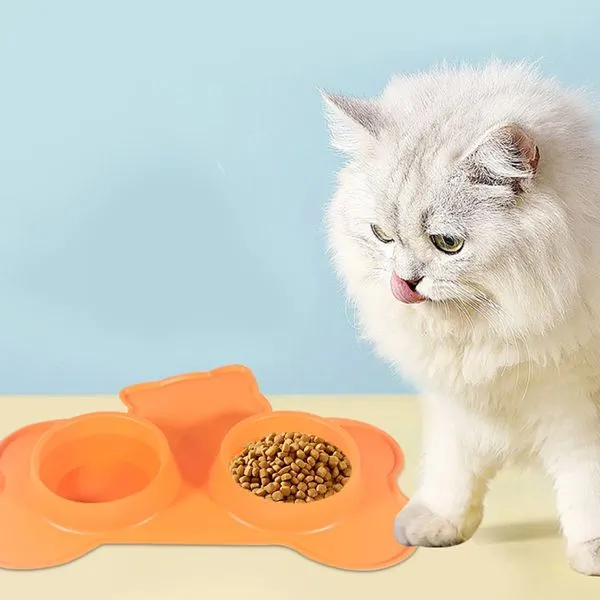
Market Drivers: Safety, Sustainability & Youthful Pet Owners
Pet owners increasingly prioritize non-toxic materials: 65% of consumers avoid plastic due to BPA and phthalate risks, while 70% prefer eco-friendly, reusable brands. Silicone—BPA-free, food-grade, heat-resistant (-40°C to 230°C), and dishwasher-safe—perfectly matches these demands. Demographically, Gen Z and millennials (43.7% of China’s pet owners in 2025) fuel premiumization, favoring stylish, functional, and socially shareable silicone products.
Top Product Categories & Export Hotspots
Leading silicone pet items include:
- Collapsible travel bowls: Lightweight, space-saving, ideal for outdoor activities.
- Lick mats & slow feeders: Reduce choking and anxiety during meals.
- Chew toys: Durable, soft on teeth, and resistant to outdoor weather.
- Waterproof collars/leashes: Odorless, mud-resistant, and flexible.
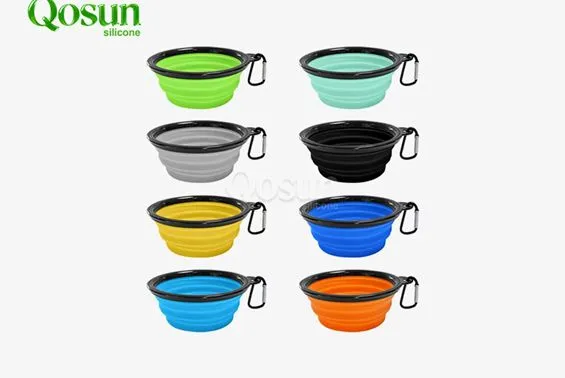
Export destinations are concentrated in North America (40%), Europe (30%), and Northeast Asia (15%), where FDA and LFGB certifications are mandatory. Cross-border e-commerce (Amazon, Chewy, AliExpress) accelerates sales, with online pet product revenue growing at 15% annually.
China’s Competitive Edge & Supply Chain Upgrades
China’s advantage lies in cost-effective OEM/ODM capacity, mature silicone supply chains, and rising certification standards. By 2025, 37 domestic firms held ISO 13485 medical-grade silicone credentials, ensuring consistent quality. Manufacturers offer custom colors, logos, and textures, meeting private-label demand from global brands. Meanwhile, sustainable production—such as recyclable packaging and low-waste molding—boosts appeal to eco-conscious buyers.
Challenges & Future Outlook
Despite growth, challenges include raw material price volatility, intensified competition, and tariff barriers in some regions. However, innovation in antibacterial silicone and smart pet gear (e.g., temperature-sensing feeders) will unlock new opportunities. By 2027, the market is expected to exceed USD 2 billion, with China’s export share rising to 60%.
In summary, pet silicone products are no longer niche—they are a mainstream, high-growth category. For global buyers, China offers reliable, scalable, and compliant solutions; for manufacturers, focusing on safety, sustainability, and customization will be key to capturing global demand.