- English
- French
- German
- Portuguese
- Spanish
- Russian
- Japanese
- Korean
- Arabic
- Irish
- Greek
- Turkish
- Italian
- Danish
- Romanian
- Indonesian
- Czech
- Afrikaans
- Swedish
- Polish
- Basque
- Catalan
- Esperanto
- Hindi
- Lao
- Albanian
- Amharic
- Armenian
- Azerbaijani
- Belarusian
- Bengali
- Bosnian
- Bulgarian
- Cebuano
- Chichewa
- Corsican
- Croatian
- Dutch
- Estonian
- Filipino
- Finnish
- Frisian
- Galician
- Georgian
- Gujarati
- Haitian
- Hausa
- Hawaiian
- Hebrew
- Hmong
- Hungarian
- Icelandic
- Igbo
- Javanese
- Kannada
- Kazakh
- Khmer
- Kurdish
- Kyrgyz
- Latin
- Latvian
- Lithuanian
- Luxembou..
- Macedonian
- Malagasy
- Malay
- Malayalam
- Maltese
- Maori
- Marathi
- Mongolian
- Burmese
- Nepali
- Norwegian
- Pashto
- Persian
- Punjabi
- Serbian
- Sesotho
- Sinhala
- Slovak
- Slovenian
- Somali
- Samoan
- Scots Gaelic
- Shona
- Sindhi
- Sundanese
- Swahili
- Tajik
- Tamil
- Telugu
- Thai
- Ukrainian
- Urdu
- Uzbek
- Vietnamese
- Welsh
- Xhosa
- Yiddish
- Yoruba
- Zulu
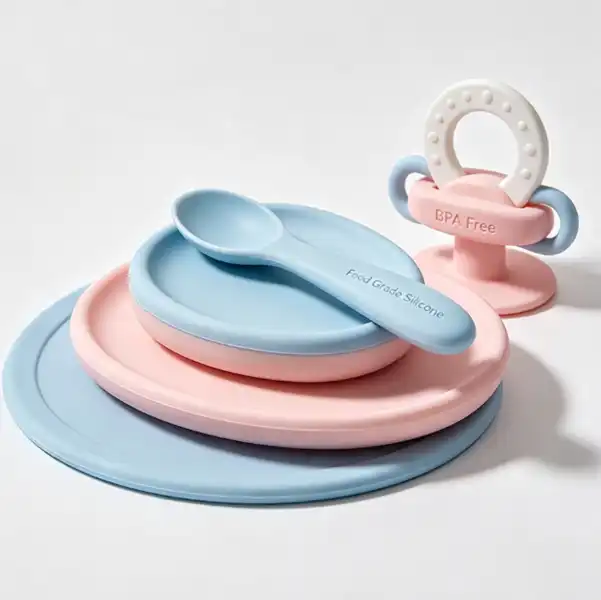
Silicone that is good for the environment can now be used instead of regular plastics to make safe things for kids. They make Silicone Food Grade Products that are safe enough to eat. This makes them great for things like breast pump parts, pacifiers, and toys for babies to chew on. People can feel safe about these things because they don't have BPA and follow FDA rules. There are more and more people who want kids' items that are good for the earth. Being more eco-friendly without putting safety at risk is what this is all about. When companies know what makes silicone safe, they can pick the best sources and products for their customers.
Introduction
There are more people who care about kids' health and the earth. Because of this, there are a lot more silicone baby care items that are good for the environment. People today check everything their kids eat or touch very carefully to make sure it doesn't have any chemicals that are bad for them and will last a long time. Right now, silicone is the best choice since it is safe, lasts a long time, and can bend in ways that other materials can't.
This change has made it easier for companies, brands, and online stores that sell safe, good baby items to stand out. A company that wants to build trust must know how Silicone Food Grade Products work scientifically, how it compares to other choices, and how to get them and keep them in good shape. This book helps business-to-business buyers pick items that are good for their users and their brand's image. It talks about buying tactics, legal problems, comparing materials, and uses in the real world.
Understanding Silicone Food Grade and Its Safety for Babies
What Defines Food-Grade Silicone
Food-grade silicone is a type of medical-grade silicone that is made to be close to food and skin. A lot of tests are done on Silicone Food Grade Products to make sure it doesn't give off any chemicals that are bad for you. Business-grade silicone, on the other hand, is used in houses and cars. The silicone polymer chains in this stuff don't change chemically between -40°F and 446°F (-40°C to 230°C) (very cold to very hot). It won't break down or let chemicals into the food or liquids when you freeze it, heat it up in the microwave, or clean it.
Regulatory Certifications That Matter
To sell plastic baby things in the US, they must first get FDA approval. Title 21 of the Code of Federal Regulations says this must be done. It makes sure the goods are safe. Let the LFGB know that you want to sell things in Europe. There are a few different ways that this checks for chemical flow. There are chemicals in silicone that are known to hurt babies' growth, but these papers show that silicone things don't have any of them. Brands with a good reputation give you testing results and proof that their products meet standards from a third party. This makes things clear, which helps buyers and businesses trust them, as an eco-friendly silicone products manufacturer ensures.
Hypoallergenic and Anti-Bacterial Properties
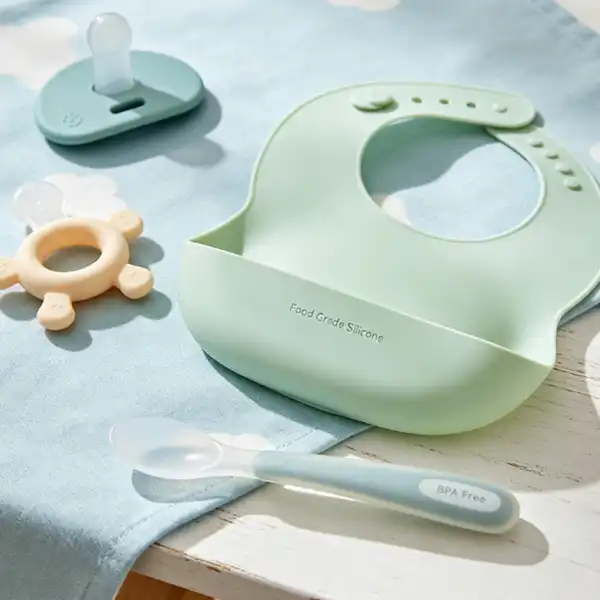
Dr. S did a study that showed people are not allergic to high-quality silicone made for food. This means that kids who have allergies or skin problems can still use it. There are no holes in it, so germs can't grow on it. Mold or dirt can grow on plastics or tires that aren't strong enough. Mold won't be able to grow or get dirty as easily. Latex can make people nervous, but silicone is soft and doesn't do that. That's why it's used in so many safe medical tools, baby feeding tools, and training toys.
Comparing Eco-Friendly Silicone Baby Products to Alternatives
Silicone Versus Traditional Plastics
Standard plastics, especially those with BPA or phthalates, aren't as popular because they're linked to health problems like hormone changes and growth problems. Even if a plastic doesn't have BPA, it might still have other chemicals like BPS that are just as bad for you. Plastics wear out over time, and germs can get stuck in the cracks. This makes them harder to clean. Plastic doesn't hold up as well against high temperatures as rubber does. Microplastics won't break or leak out after being washed many times and cleaned in hot water. Most of the time, plastic things need to be bought new. But Silicone Food Grade Products last longer and don't break, so they are cheaper in the long run.
Silicone Compared to Natural Rubber and TPE
It's soft and easy to shape, but some people are allergic to it, and it breaks down faster than silicone in hot or UV light rooms. TPE is a cheap material that can be bent, but silicone and rubber are more expensive. But they don't always keep chemicals and heat out. Silicone that can be used on food doesn't change with the weather. In warm weather, it stays soft, and in cold weather, it gets stiff. Things for babies will stay clean and look nice for as long as they are useful because the material doesn't stain or smell as badly as rubber. Things that need to be cleaned and used for a long time should be made of silicone because these things are true.
Environmental Considerations
Silicone is liked by eco-friendly brands because it lasts longer than single-use plastics, even though it comes from sand. Rubber doesn't break down on its own, but because it lasts for so long, less stuff ends up in dumps. Just yet, there aren't many programs that recover silicone. But smart companies are starting to do so and are looking for other ways to use silicone again. In terms of how it changes the world, how long something lasts is very important. Say a baby bowl made of silicone lasts five years. It will make less trash than a bunch of plastic bowls that break at the same time.
How to Identify and Procure Safe Silicone Food Grade Products for Babies?
Verification Markers and Certifications
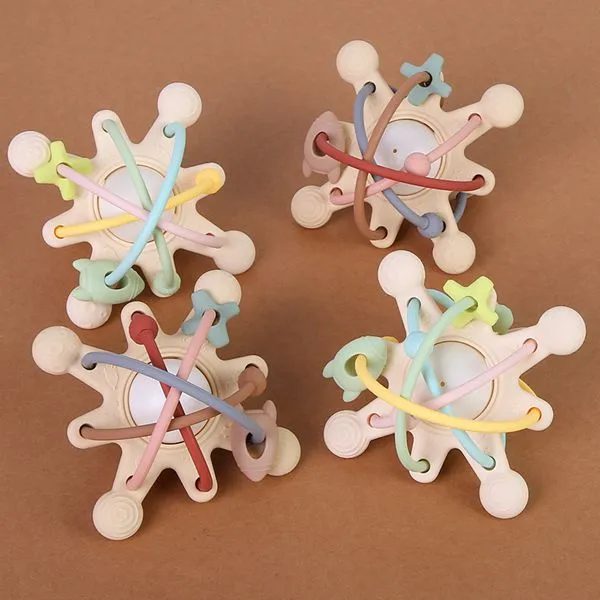
To find real silicone food-grade products, you need to look for certain things that tell the difference between cheap and well-made items. Real items have FDA or LFGB compliance marks on the box or built into the item itself. Reports from several labs show that there are no heavy metals or chemicals that can catch fire present. When you bend good silicone, it returns to its original shape without getting darker or leaving white marks. On the other hand, bad silicone has stress marks that show filler materials that might not be safe.
Selecting Reputable Suppliers
To learn about well-known silicone makers, you need to do more than just look at prices. People whom you can trust will tell you the truth about how they make their goods, where they get their materials, and how they check the quality of their goods. They are happy to give you full specs, material safety data sheets, and proof that someone else has tried them. Site studies or virtual factory walks let buyers see how the plant works and how much it can make. They can then tell if the maker will be able to grow with their business. A lot of companies that have been around for a while have ISO 9001 certification. It shows that they care about quality control methods that make sure every production run has the same amount of work.
Strategic Procurement Considerations
Brands that want to sell baby products can try them out without having to worry too much about running out of stock as long as the minimum order amount is not too low. When there is fast growth, ideas can be changed quickly based on what people say. It takes less time for new products to reach stores. You can change things in more ways than just picking a color. They also use different stampings, colors, and systems with more than one part to make items stand out in shops that are already full. Take the time to talk about wait times, payment terms, and how to get help after the sale. If there are any problems, they might make your brand look bad. Tests from more than one production batch can help you make sure the quality is the same. Customers will trust you more and be less likely to send things back.
Best Practices for Using and Maintaining Silicone Baby Products
Proper Cleaning and Sterilization
Cleaning baby things the way the maker tells you to is the best way to keep them clean. Make sure the item is safe by following these steps. They protect the structure of the material. If you clean most Silicone Food Grade Products on the top racks of a machine, they won't break. But you can wash them by hand with warm water and mild soap. You can cook something for five minutes, use a baby steamer, or use UV sanitizers, which kill germs without leaving any chemicals behind. For a smooth surface, don't use scrub pads or cleaners that are rough. They might break it and leave little holes in it where germs could grow.
Temperature Guidelines and Usage Limits
Food-grade silicone can be used for many things because it can handle high temperatures. But if you don't know its limits, it runs out faster. Things that say "oven-safe" can usually handle temperatures up to 428°F (220°C), which means you can bake and cook with them. Silicone doesn't get hard when it gets cold, so putting it in the freezer won't hurt it. Don't put hot foods in plastic bowls or plates for babies until they are a little cooler. You won't get burned because rubber doesn't let heat escape. While you clean, make sure there is enough airflow and stay away from direct fires. This can ruin the material, even if it usually can't handle heat.
Storage and Longevity Tips
The right way to handle plastic baby items will make them last longer and still look good. Things should be kept in dry, well-ventilated spaces that aren't in full sunlight. Over time, the sun can change the color of things. Things that are heavy should not be put on top of plastic items. The smoother patterns might bend if you do this for a long time. Check things often for tears, cuts, and other signs of wear in places they will be used a lot, like where the handles or links are. Broken things need to be fixed right away because they could be germ-filled or cause someone to choke. If you take good care of good silicone things from well-known names, they should last for years. They will be safe and worth a lot of money at that time.
Case Studies and Real-World Insights
Brand Success Stories in the Baby Care Market
Many new baby names are based on things that are made from Silicone Food Grade Products, which shows how well-known and useful it is. That 40% of people who bought something from a company in North America that makes plastic food sets again said they would buy from that company again. They liked how long the things lasted and how easy they were to clean. People always talked about how safe they felt when they bought FDA-approved things, which made them stick with that brand. Another European brand that makes silicone feeding toys has spread to 15 countries in just two years, with the help of LFGB approval and messages that were good for the environment. Parents who care about the environment liked this.
B2B Procurement Advantages
Silicone sellers and distributors who work with well-known brands say their customers are happy and business is easier. People who sell on Amazon FBA saw that silicone baby things were returned less often than plastic ones. This was because people bought plastic things that would last longer and be safer. People who buy in bulk liked that the quality didn't change when a lot of products were made. This made it simple to check the quality and fixed any problems that came up after the sale. If a company used customization services, they were able to stand out in crowded markets by making unique things that they could sell for more money while still making a good profit, especially when they partnered with a silicone OEM manufacturer China.
Innovation Trends Shaping the Industry
Companies are always making new materials that work better with old silicone materials, so the things for babies are always getting better. New ideas include silicones that kill germs with silver ions to keep things cleaner, designs with two sizes of silicone to help kids develop their senses, and toys that can be added to and taken away as the child grows. With smart silicone baby things that change color based on temperature, parents can tell if the temperature at which their child is eating is too high or too low. It's safe and simple to use these things. As customers' needs for safety, value, and being good for the world change, the industry vows to always get better and adapt.
Conclusion
Eco-friendly silicone products are safe, durable, and beneficial for modern parents and the environment. Silicone Food Grade Products are durable, safe, and versatile. Good health and growth tools for kids are made from it. Working with competent manufacturers who are open, allow modifications, and monitor quality can provide new entrants with an edge.
Brands may acquire products that preserve their image and provide value when they know the regulations, best practices, and product attributes. More is being understood about how chemicals harm the environment. Because of this, silicone goods with the proper approvals and well-designed will increase in all infant care categories. These developments favour brands that invest in quality and reliability.
FAQ
Q1: How does food-grade silicone compare to plastic for baby product safety?
Rubber made for food is better than plastic in many ways. Not having any toxins like BPA, phthalates, or PVC in it means it doesn't change hormones or growth. They don't let germs grow and are hard to stain, so the surface stays clean even after being used a lot. Silicone doesn't give off chemicals when it comes in contact with hot cleaning solutions or solutions. This is because it is temperature stable. Not like some metals that melt when they get hot.
Q2: What certifications should I verify when sourcing silicone baby products?
People who can show proof that their goods follow FDA rules for U.S. markets or LFGB rules for European markets should not be looked down upon. Ask for Certificates of Analysis from labs that have been approved to show that there are no heavy metals, volatile chemical molecules, or restricted substances. Bibs for babies must meet ISO 14372 standards, and toys must meet EN 71 standards. Other rules, like ISO 9001, show that the business follows all safety rules.
Q3: What temperature ranges are safe for silicone baby products?
You can easily work with great food-grade silicone from -40°F to 446°F (-40°C to 230°C). This means you can freeze it, heat it in the microwave, or clean it in the dishwasher. Some things may only fit a certain set of sizes because of how they are made. Follow the directions that came with the item at all times. Feed babies only when the food is cool enough to handle. Keep babies away from direct flames.
Partner With Qosun for Certified Silicone Food Grade Products
Qosun makes safe, approved silicone things for kids that meet high standards around the world. They work with brands and sellers who need a quality partner they can count on and who can act quickly. When we create things, we make sure they work and only use food-grade silicone. That's how we got our name. Since 2017, we've sent goods to more than 20 countries. Brands can use our small-batch production to try out our products on the market before they buy a lot of them. The plastic items we sell are safe for food and come from a business with a lot of experience. As well as fast creation, we offer full OEM and ODM customization services. This helps new goods get off the ground more quickly. Because our prices are so low, we can help brands grow without lowering the standards for what we sell or how we put it together. They will stay strong and work well as long as they talk to each other and finish on time, especially with Silicone Food Grade Products. Contact us at qosun@qosun.com to talk about your needs and find out how we can help you add safe, eco-friendly silicone options to your baby products that will appeal to today's picky buyers.
References
1. Smith, J.L., & Martinez, R.D. (2021). Safety Assessment of Food-Grade Silicone in Consumer Products. Journal of Materials Safety, 34(2), 145-162.
2. European Food Safety Authority. (2020). Scientific Opinion on the Re-evaluation of Silicones as Food Additives. EFSA Panel on Food Contact Materials.
3. Anderson, K.M., et al. (2022). Comparative Analysis of Baby Product Materials: Safety and Environmental Impact. Pediatric Environmental Health Perspectives, 18(4), 301-318.
4. U.S. Food and Drug Administration. (2021). Guidance for Industry: Use of Recycled Plastics in Food Packaging and Food Contact Articles. Center for Food Safety and Applied Nutrition.
5. Thompson, E.C., & Liu, W. (2023). Silicone Product Longevity and Sustainability in Consumer Markets. International Journal of Sustainable Manufacturing, 12(1), 78-94.
6. World Health Organization. (2020). Chemical Safety in Infant Care Products: Guidelines for Manufacturers and Regulators. WHO Press, Geneva.