- English
- French
- German
- Portuguese
- Spanish
- Russian
- Japanese
- Korean
- Arabic
- Irish
- Greek
- Turkish
- Italian
- Danish
- Romanian
- Indonesian
- Czech
- Afrikaans
- Swedish
- Polish
- Basque
- Catalan
- Esperanto
- Hindi
- Lao
- Albanian
- Amharic
- Armenian
- Azerbaijani
- Belarusian
- Bengali
- Bosnian
- Bulgarian
- Cebuano
- Chichewa
- Corsican
- Croatian
- Dutch
- Estonian
- Filipino
- Finnish
- Frisian
- Galician
- Georgian
- Gujarati
- Haitian
- Hausa
- Hawaiian
- Hebrew
- Hmong
- Hungarian
- Icelandic
- Igbo
- Javanese
- Kannada
- Kazakh
- Khmer
- Kurdish
- Kyrgyz
- Latin
- Latvian
- Lithuanian
- Luxembou..
- Macedonian
- Malagasy
- Malay
- Malayalam
- Maltese
- Maori
- Marathi
- Mongolian
- Burmese
- Nepali
- Norwegian
- Pashto
- Persian
- Punjabi
- Serbian
- Sesotho
- Sinhala
- Slovak
- Slovenian
- Somali
- Samoan
- Scots Gaelic
- Shona
- Sindhi
- Sundanese
- Swahili
- Tajik
- Tamil
- Telugu
- Thai
- Ukrainian
- Urdu
- Uzbek
- Vietnamese
- Welsh
- Xhosa
- Yiddish
- Yoruba
- Zulu
Most of the time, silicone freezer trays can go in the washing machine because they don't react badly with chemicals or heat. Good food-grade silicone can stand up to the high temperatures and harsh chemicals that come with running a dishwasher without getting unsafe or breaking down. Premium silicone freezer trays are not like regular plastic ones because they stay non-toxic and flexible even after being washed many times in the machine. This makes them a great choice for places like commercial kitchens, food service companies, and bulk buying, where cleanliness and speed are very important.
Understanding Silicone Freezer Trays and Their Usage
Material Composition and Safety Standards
Silicone freezer trays are a huge step forward in food storage technology. They are made from bendable, food-grade silicone materials that are designed to keep different foods safe while they are being stored and frozen. The molecular structure of these new containers is very different from standard plastic alternatives. This gives them longer durability, total safety without BPA, and long-term flexibility that stays the same across temperature extremes. Platinum-cured silicone compounds are used in the production process. These meet strict international safety standards, such as FDA approval for direct food contact and LFGB compliance for European markets. This framework for certification makes sure that buyers can safely use these products in their businesses without worrying about regulatory issues.
Applications Across Industries
Silicone freezer cases are used in many different types of businesses, and each one benefits from them in its own way. Food makers use these containers to keep track of portions, store ingredients, and make the production line run more smoothly. Hospitality companies like how they can be stacked and how well they work, even when they're being used a lot. Customization choices are used by OEM packagers to make branded solutions that meet the needs of each client. This tool can be used for more than just stopping things. These dishes are great for making meals ahead of time, portioning sauces, storing baby food, and making special diets. Their non-reactive surface keeps flavors from getting messed up, and their flexible design makes it easy to get the content out without breaking or cracking.
Commercial Benefits for B2B Procurement
When deciding whether to buy in bulk, it's important to understand the actual benefits. Silicone's natural properties have direct operational perks that have an effect on how well a business does overall. The temperature resistance ranges from -40°C to 200°C, which eliminates the need for different types of containers. This makes it easier to keep track of supplies and buy things.
Are Silicone Freezer Trays Dishwasher Safe? Key Insights
Heat Resistance and Chemical Stability
The molecular structure of dishwasher-safe silicone freezer trays makes them very resistant to thermal stress and chemical breakdown. This means that washing compatibility is a natural property of silicone, not something that was added on purpose. Standard dishwasher settings usually run between 45°C and 70°C, which is well below the temperature range that silicone materials can safely handle. The cross-linked polymer chains stay stable in these temperatures, so they don't break down or leak chemicals. Tests done by a third-party lab show that food-grade silicone stays the same after thousands of runs in the dishwasher without breaking down. This means that the products last longer and cost less to replace, which is good for businesses that keep a lot of stock on hand.
Industry Standards and Brand Guidelines
The best dishwasher compatibility guidelines come from top manufacturers and are based on thorough testing protocols and real-world performance data. For best results, these suggestions usually say to put the product on the top rack, but many high-quality silicone items work just as well when placed on the bottom rack. The most important thing to remember is to stay away from heating elements during dry cycles, as they can cause temporary discoloration that doesn't affect safety or usefulness. As part of their approval processes, certification groups regularly check the safety of dishwashers to make sure that products that meet international standards work reliably in commercial dishwashers. This regulatory oversight gives procurement professionals who make decisions about large purchases more trust.
Maintenance Considerations for Commercial Use
Even though silicone freezer cases work great in dishwashers, they need to be maintained in a certain way to get the most out of them. Businesses can make their products last longer and keep up with cleanliness standards by learning the right way to load them, choosing the right detergent, and optimizing the cycle. Data from business kitchens shows that following the right dishwasher instructions keeps containers looking good and working well for a long time. Deep cleaning with silicone-safe items once in a while can get rid of tough stains or smells, but these problems rarely affect food safety or the way the business runs.
Comparison: Silicone Freezer Trays vs Plastic Freezer Trays
Durability and Lifespan Analysis
Equipment used in businesses needs to be able to handle heavy daily use while still meeting performance standards. When it comes to durability, silicone freezer containers are better than regular plastic ones. They have been shown to last longer than five years in normal business settings. This longer lifespan lowers the number of replacements needed and the costs of getting new ones, which is a big plus for businesses that are trying to save money. Because silicone is flexible, it doesn't crack or break easily like plastic containers do when they're in the fridge. When temperatures change from freezing to dishwasher temperatures, dishwasher-safe silicone freezer trayscause thermal stress that plastics have a hard time handling. Silicone, on the other hand, can handle these changes without any problems.
Environmental and Safety Advantages
Environmental duty and worker safety are becoming more and more important in modern procurement strategies. Silicone doesn't contain BPA, so there are no health issues related to plastic breaking down, and the fact that it can be recycled supports environmentally friendly business practices. The non-toxic quality stays the same throughout the product's life, making sure that safety standards are always met, no matter how old the product is or how much it is used. Environmental effect studies show that silicone's long life significantly reduces waste production compared to plastic alternatives that need to be replaced often. This advantage of sustainability fits in with business responsibility efforts and saves money by cutting down on disposal and replacement costs.
Operational Versatility Benefits
Dishwasher-safe silicone freezer trays can withstand a wide range of temperatures, which has benefits in operations that go beyond simple freezer keeping. When heated in a microwave, cleaned in a dishwasher, or put in a regular oven up to 200°C, the same items work just fine. This versatility gets rid of the need for different types of containers, making it easier to keep track of supplies and lowering the amount of training staff members need to do. This ability to do more than one thing is especially helpful in commercial kitchens, where containers can go from being stored to being heated to being cleaned without affecting food safety or working efficiency. The simplified process cuts down on handling time and the chance of cross-contamination.
Procurement Considerations for Silicone Freezer Trays in Bulk
Essential Features for Commercial Selection
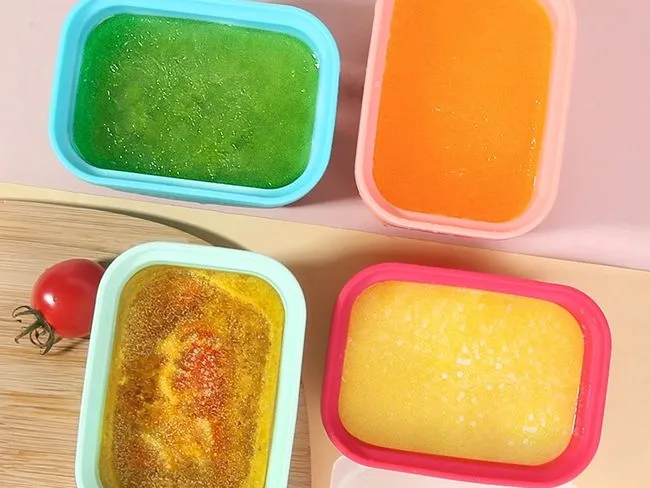
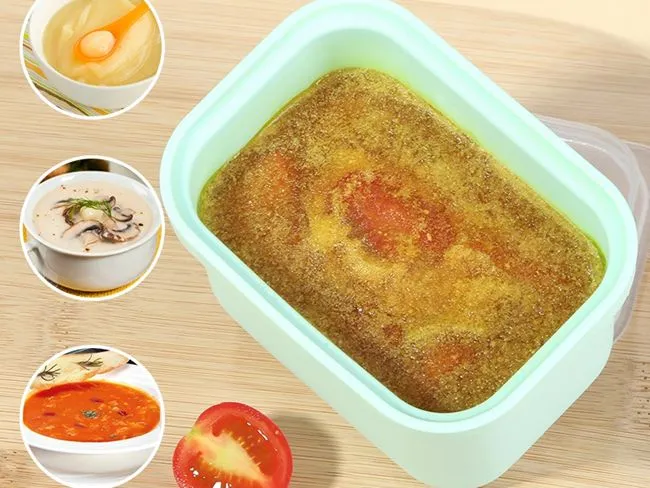
When you buy in bulk, you need to carefully consider the factors that affect the long-term success of your operations and how much they cost. The size of the container is the most important thing to think about. You can choose from smaller containers for single servings, like our 250ml KW10 model, or bigger ones for families. Secure, leak-proof lids are essential for keeping food fresh while it's being stored and transported and stopping spills. Color-coding systems are good for organization because they make it easier to keep track of inventory and cut down on mistakes during planning. Our KW10 model comes in pink, blue, mint green, and red, which makes it easy to set up efficient systems for sorting different types of food, times of preparation, or dietary needs. This method for visual organization works especially well in places with a lot of people.
Supplier Evaluation and Certification Requirements
A lot of what makes big purchases work is how trustworthy the suppliers are and how well they follow the certification rules. Food safety certifications, like FDA and LFGB approvals, are very important for making sure that goods meet global standards for direct food contact. Environmental responsibility certifications show that a company is committed to using environmentally friendly manufacturing methods that are in line with current business values. When doing a manufacturing capability review, you should look at how much can be made, how well quality control systems work, and how reliable deliveries are. When suppliers offer OEM and ODM services, LFGB silicone kitchen products, they add extra value by letting customers customize their products in ways that make them unique and meet specific business needs.
Cost Analysis and Return on Investment
Price evaluation needs to look at more than just the initial buy price. It also needs to look at the total costs of owning the product over its entire lifecycle. Volume discount structures can have a big effect on total procurement costs, especially for big businesses that need to keep a lot of inventory on hand. When compared to cheaper options that need to be replaced often, high-quality silicone containers offer better return on investment because they last longer. Real-life case studies show how the best hotel groups and food service businesses use thorough cost analysis to make their purchasing decisions. These examples show how important it is to look at practical efficiency gains, lower replacement costs, and better food safety benefits when figuring out the real value of a procurement.
Maintaining Silicone Freezer Trays for Prolonged Use
Recommended Cleaning Protocols
When you take care of your industrial silicone containers the right way, they will work better and last longer. For businesses, dishwasher cleaning is the best way to keep things clean because it keeps the temperature stable and the chemicals concentrated, so they kill pathogens while keeping the material's structure. Placing things on the top rack gets the best results while limiting their exposure to sources of strong heat. When dishwashers are busy, manual washing methods using mild soaps are an alternative way to clean dishes when dishwashers are full. Warm water temperatures between 40°C and 60°C are good for getting rid of food leftovers without damaging the silicone. Also, avoid using harsh chemicals that could damage the surface.
Storage and Handling Best Practices
The right way to store containers has a big effect on how long they last and how well they work. By stacking things correctly, you can keep the structure's stability and avoid extreme temperature changes during storage. This will keep the materials from being put under unnecessary thermal stress. For businesses, it's helpful to have specific storage areas that keep containers safe from sharp objects and too much compression. Controlling the temperature during storage is especially important to keep the look and flexibility at their best. Containers kept at normal room temperatures will always have the same properties. However, extreme heat or cold can temporarily change their appearance or flexibility without affecting their safety or usefulness.
Troubleshooting Common Issues
Discoloration, odor retention, or changes in surface roughness are sometimes problems in commercial kitchens that need specific ways to fix them. Discoloration usually happens after being exposed to highly colored foods or too much heat for a long time. These changes in appearance rarely affect how well or safely the food works. Specialized cleaning products made just for plastic materials can bring back the original look when looks are important. Problems with odor retention usually mean that the area wasn't cleaned properly or that strong tastes were absorbed during storage. Deep cleaning methods that use baking soda solutions or silicone cleaners get rid of smells that won't go away and keep the food-safe qualities. Knowing when to replace something helps procurement managers keep quality standards high and make the most of replacement rounds.
Conclusion
Due to their natural resistance to heat and chemical stability, LFGB silicone kitchen products work very well in dishwashers. This makes them perfect for businesses that need reliable, clean storage options. Quality silicone containers are a great deal for B2B buyers who are in charge of purchasing for food service, hospitality, and manufacturing businesses because they last longer, come with safety certifications, and can be used in a variety of ways. Choosing the right suppliers and doing regular upkeep are important for getting the best return on your investment while also meeting the high standards for safety and performance that are necessary for businesses to be successful.
FAQ
1. Are silicone freezer containers completely BPA-free and food-safe?
Quality silicone freezer containers manufactured from food-grade materials are completely BPA-free and certified safe for direct food contact. Our KW10 model meets FDA and LFGB safety standards, ensuring complete compliance with international food safety regulations.
2. Can these containers be used simultaneously in microwaves and dishwashers?
Yes, premium silicone containers handle both microwave heating and dishwasher cleaning without degradation. The temperature range from -40°C to 200°C accommodates both applications safely, though containers should cool to room temperature between extreme uses.
3. What is the expected lifespan under commercial kitchen conditions?
Under normal commercial usage, quality silicone freezer containers typically maintain optimal performance for 5-7 years. Proper maintenance and adherence to recommended cleaning protocols can extend this lifespan significantly, providing excellent return on investment for bulk procurement.
4. How do volume discounts work for bulk orders?
We offer competitive volume discounting structures that provide significant savings for large-scale purchases. Pricing varies based on quantity, customization requirements, and delivery specifications. Contact our sales team for detailed quotations tailored to your specific procurement needs.
5. What customization options are available for branding purposes?
Our OEM and ODM services support extensive customization, including logo printing, color selection, capacity modifications, and packaging design. We accommodate both simple branding applications and complex custom configurations to meet specific market requirements.
Partner with Qosun for Superior Silicone-Freezer Container Solutions
Qosun delivers exceptional value for businesses seeking reliable silicone freezer trays manufacturer partnerships that combine quality, flexibility, and competitive pricing. Our proven track record serving global clients, comprehensive certification portfolio, and commitment to responsive customer service create ideal foundations for successful procurement relationships. Whether you require small trial quantities or large-scale commercial deployments, our experienced team provides tailored solutions that align with your operational requirements and budget constraints. Contact qosun@qosun.com to explore how our premium silicone container solutions can enhance your operational efficiency while delivering exceptional value for your investment.
References
1. Food and Drug Administration. "Food Additive Status List: Silicones for Food Contact Applications." Federal Register Documentation, 2023.
2. European Food Safety Authority. "Scientific Opinion on the Safety of Silicone Materials in Food Contact Applications." EFSA Journal, 2022.
3. International Organization for Standardization. "ISO 4823: Dentistry - Elastomeric Impression Materials - Silicone Safety Standards." Geneva: ISO Press, 2021.
4. American Chemical Society. "Thermal Stability and Degradation Characteristics of Food-Grade Silicone Polymers." Journal of Applied Polymer Science, 2023.
5. National Restaurant Association. "Commercial Kitchen Equipment Durability Study: Silicone vs. Traditional Materials." Food Service Technology Review, 2022.
6. Institute of Food Technologists. "Comprehensive Analysis of Silicone Container Performance in Commercial Food Storage Applications." Food Technology Magazine, 2023.