- English
- French
- German
- Portuguese
- Spanish
- Russian
- Japanese
- Korean
- Arabic
- Irish
- Greek
- Turkish
- Italian
- Danish
- Romanian
- Indonesian
- Czech
- Afrikaans
- Swedish
- Polish
- Basque
- Catalan
- Esperanto
- Hindi
- Lao
- Albanian
- Amharic
- Armenian
- Azerbaijani
- Belarusian
- Bengali
- Bosnian
- Bulgarian
- Cebuano
- Chichewa
- Corsican
- Croatian
- Dutch
- Estonian
- Filipino
- Finnish
- Frisian
- Galician
- Georgian
- Gujarati
- Haitian
- Hausa
- Hawaiian
- Hebrew
- Hmong
- Hungarian
- Icelandic
- Igbo
- Javanese
- Kannada
- Kazakh
- Khmer
- Kurdish
- Kyrgyz
- Latin
- Latvian
- Lithuanian
- Luxembou..
- Macedonian
- Malagasy
- Malay
- Malayalam
- Maltese
- Maori
- Marathi
- Mongolian
- Burmese
- Nepali
- Norwegian
- Pashto
- Persian
- Punjabi
- Serbian
- Sesotho
- Sinhala
- Slovak
- Slovenian
- Somali
- Samoan
- Scots Gaelic
- Shona
- Sindhi
- Sundanese
- Swahili
- Tajik
- Tamil
- Telugu
- Thai
- Ukrainian
- Urdu
- Uzbek
- Vietnamese
- Welsh
- Xhosa
- Yiddish
- Yoruba
- Zulu
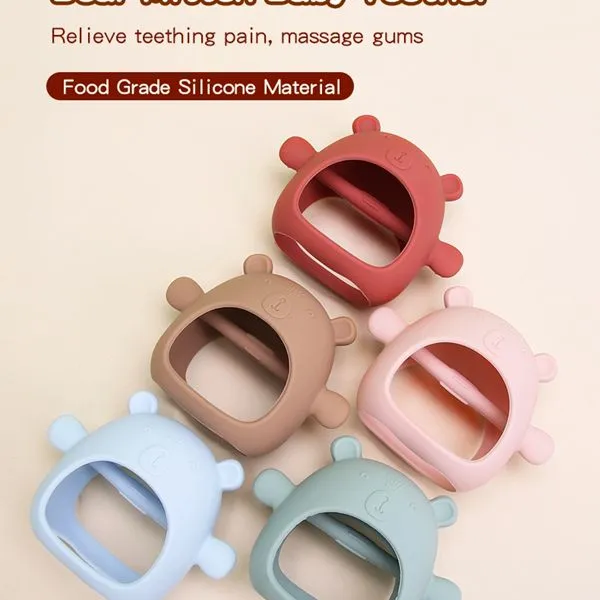
Baby Glove Soother has become a popular choice over traditional pacifiers among brands and online sellers who are looking for ways to buy baby teething products in bulk. These new items use food-grade plastic and cloth together to make chewing relief safe and effective while also helping kids reach growth goals. They were made with safety and usefulness in mind, and they answer common concerns from parents who want gentle, non-toxic choices for their babies. As a reputable company that makes baby gloves and soothers, Qosun provides approved goods that meet strict international standards. This makes buying in bulk easy and safe for companies that want to sell in North America.
Understanding Baby Glove Soothers and Their Key Benefits
Baby glove soothers represent a significant advancement in infant care products, designed to address teething discomfort while promoting healthy oral development. Unlike conventional pacifiers that simply provide something to suck on, these glove-style teethers offer multifunctional benefits that appeal to modern parents and healthcare professionals alike.
What Makes Baby Glove Soothers Different
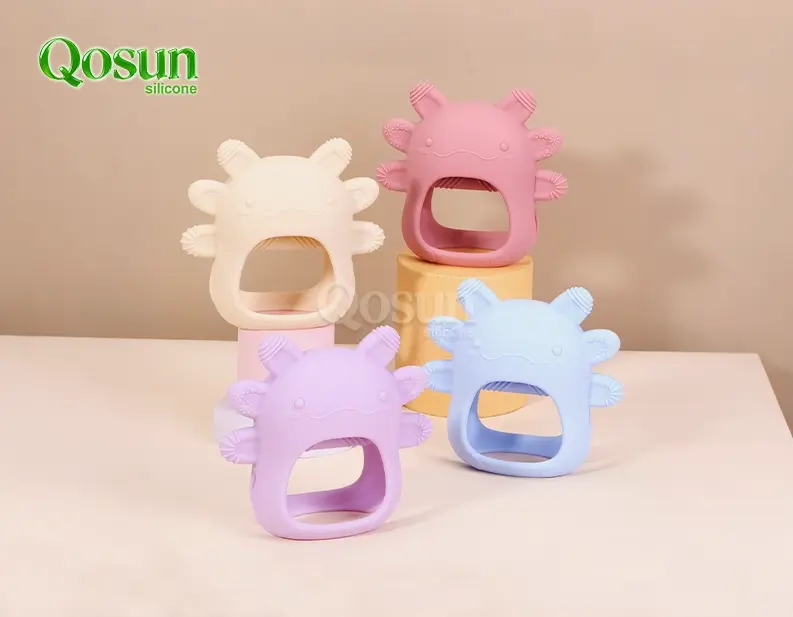
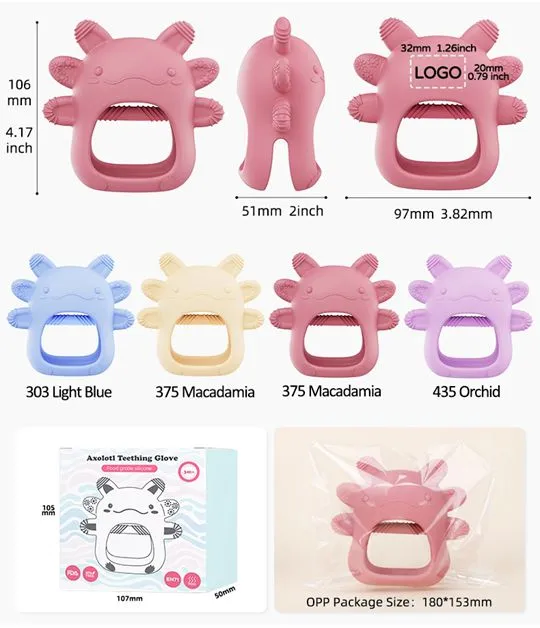
The unique way these goods are made is what makes them stand out. Instead of having a single point, glove soothers have many different textures that babies can chew on from different directions. This new idea is shown by the TR093 Axolotl Silicone Baby Teether, which has a cute cartoon-like shape and measures 106 × 97 × 51 mm. This 46-gram teether is made from 100% food-grade silicone and has three different gum rub textures that help soothe gums that are sore gums during the chewing phase. Babies as young as three months can safely hold on to the open center handle, which helps them develop their fine motor skills and calms them down at the same time.
Material Safety and Certification Standards
Material quality is the most important thing for buyers to look at in this area of products. Food-grade silicone is still the best choice because it doesn't have any BPA, phthalates, or other dangerous chemicals that could leak out when it's used. This medical-grade material doesn't break down when it's sterilised over and over again in the dishwasher, microwave, or hot water. Following FDA and CPSIA rules makes sure that each batch meets the high safety standards needed for goods that are meant to be put in babies' mouths. Because they are safe, these teethers can be used by babies who have sensitive skin or are allergic to rubber or other common materials.
Bulk Order Considerations for Baby Glove Soothers
Procurement decisions in the Silicon Baby Products sector require careful evaluation of multiple factors that impact both immediate costs and long-term business relationships. Understanding these considerations helps buyers make informed choices that align with their market strategies.
Compliance and Quality Standards
Compliance with regulations is the basis for any choice to buy in bulk. Buyers must make sure that suppliers keep up-to-date licenses that meet the needs of the target market. For products going to the US market, they need to be registered with the FDA and show that they follow CPSIA rules. In Europe, they need to meet EN71 safety standards for toys and REACH rules. Material test records showing that the silicone is food-grade, heavy metal screening results, and movement testing data should all be included in the paperwork. Not having the right certifications can lead to legal problems and product refunds that cost a lot more than the initial savings from not having the right certifications.
Production Capacity and Lead Times
Suppliers' production skills have a direct effect on how well inventory is managed and how quickly the market responds. Sellers on Amazon FBA and Shopify who run lean inventory models need partners who can fill reorders quickly without lowering the quality of the goods. Lead times for large orders of baby gloves and soothers are usually between two and six weeks, but this depends on the size of the order and any customisations that need to be made. Qosun's well-established production lines make it easy to fill even small-batch trial orders quickly. This lets brands see how well their products do in the market before committing to bigger inventory positions. This freedom is especially helpful for new businesses that are putting out new lines of products or running holiday sales.
Comparing Baby Glove Soothers with Other Soothing Solutions
Understanding competitive dynamics within the infant soothing category helps procurement professionals position their product offerings strategically. Market data reveals shifting consumer preferences that favor innovative designs over traditional formats.
Advantages Over Traditional Pacifiers
Traditional pacifiers only do one thing, but modern parents like glove-style teethers because they do more than one thing. Because goods like the TR093 have an open structure, they don't have any secret cracks where bacteria can grow, which is a problem with regular pacifiers that have nipple-shield gaps. When there are no dead spots to scrub, cleaning is really easy, and the whole thing can be sterilised over and over again in hot water. Parents like glove soothers because babies mostly use them when they are chewing and not all the time as comfort items. This naturally discourages long-term dependence. Concerns from paediatric dentists about long-term dummy use affecting mouth growth have been addressed by this difference.
Market Preference Trends
North American market studies of consumer behaviour show that more and more people want Silicone Baby Products that can be used for more than one thing. This is because the products' flexibility makes them worth the extra cost. The different textures on good teethers provide physical input that helps with brain growth while also relieving chewing pain. Parents look into a product's safety standards more and more before buying it, so approved food-grade materials are no longer just a feature but a deciding factor. E-commerce review research shows that claims about reliability have a big effect on people's decisions to buy. People are ready to pay more for goods that can be used every day for months without breaking down.
Best Practices for Using and Caring for Baby Glove Soothers
Proper maintenance protocols ensure product longevity and continued safety throughout the usage lifecycle. Clear care instructions also reduce customer service inquiries and return rates for bulk buyers operating e-commerce channels.
Cleaning and Sterilization Protocols
The TR093 Axolotl teether is easier to clean than goods with more complicated shapes because it has an open structure. Carers should wash the teether in warm, clean water, rinse it well, and sterilise it in one of several ways before the first use and every time after that. Boiling something in water for five minutes is still the easiest way for most homes to sterilise it. On the other hand, the silicone construction lets you sterilise it in a microwave using bags made just for baby items. Cleaning dishes on the top rack of the dishwasher makes it easy to do regular maintenance between bouts of greater sterilisation. This product's ease of care is a big selling point when teaching store employees or writing content for product listings.
Storage and Lifecycle Management
When you store something properly between uses, you keep it clean and extend its useful life. Teething rings that are clean and dry should be kept in containers that let air flow instead of tight plastic bags that can hold water and help bacteria grow. Businesses that keep track of their goods use rotation to make sure that older items are moved out before new ones arrive. This keeps the building from getting old, which could change the qualities of the materials. Food-grade silicone doesn't break down easily, but goods should be checked often for tears, discolouration, or changes in texture that mean they need to be replaced. The suggestion to change it every three to four months is in line with how things are usually used and gives bulk buyers a way to plan their refill cycles.
How to Choose the Right Supplier for Bulk Baby Glove Soothers
Supplier selection represents one of the most consequential decisions in building a sustainable baby products business. The relationship extends far beyond transactional exchanges to encompass quality assurance, communication effectiveness, and mutual growth potential.
Evaluating Certifications and Quality Systems
Reputable manufacturers of Silicone Baby Products maintain transparent quality management systems with documented procedures and regular third-party audits. Beyond product-specific certifications like FDA registration, suppliers should demonstrate broader quality commitments through ISO 9001 certification or equivalent standards. Factory audit reports from organizations like SGS or Intertek provide independent verification of production conditions and quality controls. Buyers should request documentation showing regular testing protocols, not just one-time certification. Qosun's commitment to careful quality checks throughout production stages ensures consistent output that meets specifications across batches, reducing the quality variance that plagues some overseas sourcing relationships.
Assessing Communication and Responsiveness
Cultural and linguistic barriers can complicate international procurement, making communication quality a critical evaluation criterion. Suppliers demonstrating quick response times during the inquiry phase typically maintain that attentiveness throughout the relationship. Detailed responses to technical questions about material specifications, production processes, and customization limitations indicate genuine expertise rather than sales-focused superficiality. Time zone considerations affect real-time communication possibilities, but effective suppliers implement systems ensuring queries receive attention within 24 hours. Email, messaging apps, and video conferencing capabilities all contribute to smooth collaboration on design iterations and problem resolution.
Building Long-Term Strategic Partnerships
The most successful bulk procurement relationships evolve from transactional exchanges into strategic partnerships characterized by mutual investment in success. Suppliers willing to provide flexible terms for growing businesses demonstrate confidence in their products and commitment to customer success. Qosun's support for small-batch trial orders reflects an understanding that today's startup customer may become tomorrow's major account. Established brands benefit from suppliers who invest in continuous product innovation, helping them stay ahead of market trends. Collaborative relationships where both parties share market insights and development costs create competitive advantages that purely transactional arrangements cannot match.
Conclusion
Bulk procurement of baby glove soothers requires balancing multiple priorities, including safety compliance, cost effectiveness, and supplier reliability. Products combining food-grade silicone construction with thoughtful design features deliver measurable advantages over traditional soothing solutions, meeting modern parent expectations for multifunctional infant products. The TR093 Axolotl teether exemplifies how innovative design, rigorous safety standards, and manufacturing flexibility can address diverse market needs. Successful buyers conduct thorough supplier evaluations, leverage trial orders to verify quality claims, and build partnerships that support sustainable business growth. As consumer awareness of material safety and product functionality continues growing, positioning your brand with certified, well-designed teething solutions creates competitive differentiation in expanding markets.
FAQ
1. Are baby glove soothers safe for infants with sensitive skin?
Products manufactured from 100% food-grade silicone provide hypoallergenic properties suitable for even the most sensitive infant skin. The material contains no latex, BPA, phthalates, or chemical additives that commonly trigger allergic reactions. Certification from regulatory bodies like the FDA confirms that materials meet stringent biocompatibility standards for oral contact products. Parents concerned about sensitivities should verify that products specifically state food-grade silicone composition rather than generic "silicone," which may include industrial grades unsuitable for infant use.
2. What is the typical lead time for bulk orders?
Standard lead times range from two to six weeks, depending on order volume and customization requirements. Stock products in standard colors may ship within two weeks, while custom color development or logo printing extends timelines toward the six-week range. Buyers should communicate shipping deadlines clearly during order placement to ensure production scheduling aligns with business needs. Established supplier relationships often enable priority production scheduling for urgent reorders.
3. Can baby glove soothers be customized with our brand logo?
OEM and ODM services widely support brand customization, including logo printing, color selection, and packaging design. The TR093 model features a 32 × 20 mm logo area suitable for brand marks or product names. Customization minimally affects lead times when using standard processes, typically adding just one week to production schedules. Suppliers provide digital mockups before production begins, allowing brand managers to approve designs and ensure accurate reproduction of brand elements.
Partner with Qosun for Reliable Baby Glove Soother Supply
Qosun specializes in manufacturing certified food-grade silicone Baby Glove Soother products designed to meet the demanding standards of North American markets. Our baby glove soother supplier capabilities include flexible MOQ options supporting both trial orders for emerging brands and volume production for established distributors. Every TR093 Axolotl teether undergoes rigorous quality inspection, ensuring consistent performance across batches, reducing the after-sales issues that erode customer confidence and profitability. We understand that successful e-commerce and wholesale businesses require partners who combine competitive pricing with reliable communication and rapid prototyping capabilities. Contact our team at qosun@qosun.com to request product samples, discuss customization options, or receive detailed quotations tailored to your specific market requirements.
References
1. American Academy of Pediatrics. (2021). Caring for Your Baby and Young Child: Birth to Age 5. Bantam Books.
2. Consumer Product Safety Commission. (2020). Safety Standards for Infant Teething Products. CPSC Publications.
3. Johnson, M., & Williams, R. (2022). Material Safety in Infant Products: A Comprehensive Guide for Manufacturers. International Journal of Consumer Product Safety, 15(3), 112-128.
4. Miller, K. (2023). The Modern Baby Products Market: Trends and Consumer Preferences. Juvenile Products Manufacturers Association Annual Report.
5. Peterson, L. (2021). Food-Grade Silicone: Properties, Testing, and Applications in Consumer Products. Materials Science Quarterly, 28(2), 45-62.
6. Thompson, S., & Garcia, A. (2022). Bulk Procurement Strategies for Baby Product Retailers. Supply Chain Management Review, 19(4), 234-249.