- English
- French
- German
- Portuguese
- Spanish
- Russian
- Japanese
- Korean
- Arabic
- Irish
- Greek
- Turkish
- Italian
- Danish
- Romanian
- Indonesian
- Czech
- Afrikaans
- Swedish
- Polish
- Basque
- Catalan
- Esperanto
- Hindi
- Lao
- Albanian
- Amharic
- Armenian
- Azerbaijani
- Belarusian
- Bengali
- Bosnian
- Bulgarian
- Cebuano
- Chichewa
- Corsican
- Croatian
- Dutch
- Estonian
- Filipino
- Finnish
- Frisian
- Galician
- Georgian
- Gujarati
- Haitian
- Hausa
- Hawaiian
- Hebrew
- Hmong
- Hungarian
- Icelandic
- Igbo
- Javanese
- Kannada
- Kazakh
- Khmer
- Kurdish
- Kyrgyz
- Latin
- Latvian
- Lithuanian
- Luxembou..
- Macedonian
- Malagasy
- Malay
- Malayalam
- Maltese
- Maori
- Marathi
- Mongolian
- Burmese
- Nepali
- Norwegian
- Pashto
- Persian
- Punjabi
- Serbian
- Sesotho
- Sinhala
- Slovak
- Slovenian
- Somali
- Samoan
- Scots Gaelic
- Shona
- Sindhi
- Sundanese
- Swahili
- Tajik
- Tamil
- Telugu
- Thai
- Ukrainian
- Urdu
- Uzbek
- Vietnamese
- Welsh
- Xhosa
- Yiddish
- Yoruba
- Zulu
The Silicone Export Market has a lot of promise for brands and companies that want to work with dependable manufacturers as the world grows. The international silicone sector, which was worth about $8.51 billion in 2024, continues to show steady strength despite changes in the economy. The market is expected to grow to $25.9 billion by 2035, which makes it a great place for new brands in baby products, pet supplies, and home goods that want to work with qualified, open manufacturers who know how to handle cross-border trade.
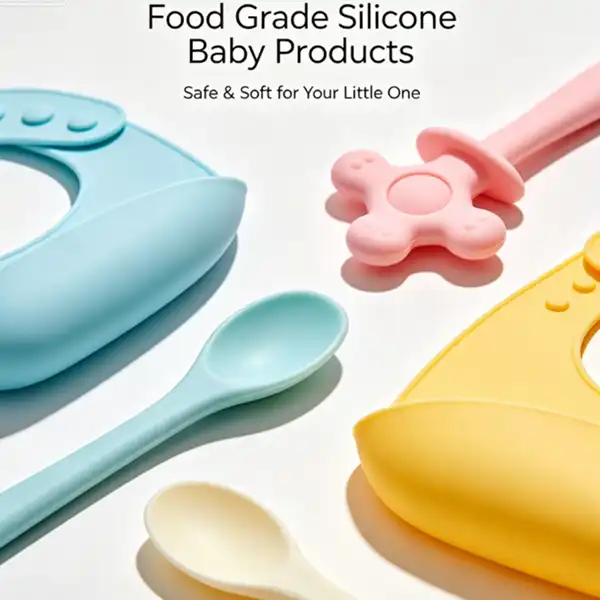
Global Silicone Export Market Trends and Growth Forecast
The international trade of silicone is full of interesting changes that are caused by regional strengths and changing customer needs. Germany is in first place with $1.71 billion in export earnings. It stays on top of European markets thanks to well-established trade networks and strict quality standards. China comes in close behind with $1.53 billion, and with about 546,000 tons of exports each year, it leads the world in quantity. The United States rounds out the top three with $1.37 billion, which shows that it can balance its large exports and large import needs.
Regional Demand Patterns and Emerging Markets
The fastest rise is happening in the Asia-Pacific region, where manufacturing ecosystems are growing, and middle-class spending is rising. India looks like a very promising market because its imports of silicone oils and resins are growing quickly. This growth is due to more market goods needing food-grade silicone materials and a general trend toward industrialization. South Korea and Vietnam also have large amounts of imports, which makes them good markets for companies that make high-quality, personalized silicone items.
The landscape of prices shows smart placement chances. Japan charges more, $12,022 per ton, because people think its products are of higher quality and are used in specific ways. China, on the other hand, has an average sale price of $2,651 per ton, which makes it easier for buyers on a budget to get in. This difference in prices makes separate market groups for buyers with different needs, ranging from high-end specialized uses to mass production of consumer goods.
Industry Application Growth Drivers
Baseline demand is still being driven by the automotive, electronics, and building industries, but consumer-facing areas offer exciting growth opportunities. Food-grade silicone is being used more and more in chewing toys, feeding tools, and bath items for babies because it meets FDA and LFGB safety standards. Pet supply companies are finding that silicone is a durable material that can be used to make travel bowls, cleaning tools, and food mats. Silicone is becoming more popular as a material for bakeware, storage solutions, and cooking tools, so the categories of home items are growing.
When companies invest in technology and expand their production lines, it shows that they are sure that demand will stay high. Companies in major exporting countries are improving their production skills to fix supply chain problems that were made public during recent global delays. This investment in infrastructure helps new brands by shortening wait times, making sure quality is always the same, and allowing for more fluid production that can handle smaller test orders before committing to larger orders, as a silicone products export supplier ensures.
Quality Standards, Regulations, and Compliance in Silicone Export
One of the most important parts of buying silicone internationally is figuring out how to deal with different legal systems. When companies don't follow the rules, it can cause delays, damage to their image, and problems getting into new markets, all of which can be very expensive and hurt customer trust.
Material Certification Requirements
Food-grade silicone approval is the most basic condition for use in consumer goods. FDA clearance controls entry to the US market by laying out the types of materials that are allowed, the limits on migration, and the testing procedures that must be followed. European markets need LFGB approval, which shows that the food meets German food safety rules that are generally accepted by all EU member states. The Australian and Japanese markets have extra specific standards that mean sellers need to keep full certification portfolios that cover a lot of different regulatory areas.
Working with makers who keep their certifications up to date avoids a lot of the risks that come with buying things. Certified providers know the right way to do tests, keep accurate records, and use quality control methods to make sure that all output batches follow the rules. This knowledge is very helpful when putting out new goods on short notice or answering questions from regulators.
Documentation and Traceability Systems
When you export something, you have to keep very detailed records about where the materials came from, how they were made, and how well they worked. Basic requirements include commercial bills, certificates of origin, and customs reports. However, some types of products need extra certifications that show they have been tested for safety and follow the rules. Advanced makers use traceability systems that connect finished goods to the batches of materials that went into them. This lets them quickly answer questions about quality or legal issues.
Environmental laws are changing how things are made and how people can get them on the market. Sustainability standards affect how materials are made, how they are formulated, and how they are disposed of. Forward-thinking sellers start using eco-friendly methods right away, which puts their partners in a good situation as rules around the world get stricter. North American and European customers are especially concerned about the environment, which gives brands that focus on sustainable sources a chance to stand out from the competition.
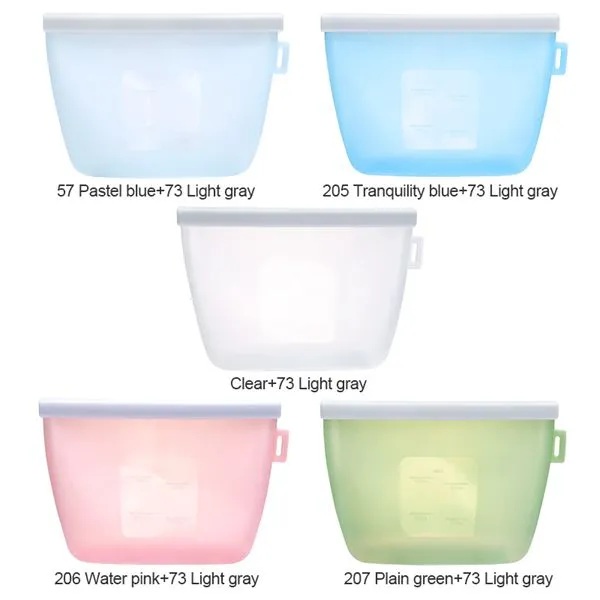
Comparing Export Markets and Logistics Solutions for Silicone
There are more factors than just unit price that need to be considered when choosing the right manufacturing partner. The success and long-term happiness of a relationship depend on many factors, including the ability to produce enough goods, maintain consistent quality, communicate effectively, and handle logistics.
Supplier Evaluation Framework
Established producers with well-tuned production lines provide stability, which is important for a brand's image. The ability to scale up or down with the growth of the business and avoid expensive supplier changes as numbers rise depends on the production capacity. In-process checks and final product tests are both part of quality control systems that lower the number of defects and the problems that come up after the sale. Independent proof of skills and compliance can be found in certifications from well-known standards organizations.
Communication response has a big effect on how long it takes to create a product and solve a problem. Time zone differences and language hurdles can make it hard for countries to work together. When companies spend money on responsive customer service teams, clear communication methods, and efficient sampling processes, they can make iteration cycles go faster and sell products that do better.
Logistics Optimization Strategies
Costs, shipping reliability, and product security must all be balanced in order for foreign logistics to work well. Multimodal transport solutions that combine ocean freight to save money with faster choices for packages that need to get there quickly give businesses the freedom they need to work with their schedules. Specialized packaging that keeps silicone goods safe during foreign shipping prevents delays and replacement costs from happening because of damage, which is crucial in the Silicone Export Market.
Minimum order amounts can be hard for new brands that want to test the market before committing to big inventory positions. Risk-managed market entry is possible with flexible makers who offer lower MOQs. This lets brands test demand before ramping up production. This freedom is especially helpful for direct-to-consumer brands and Amazon FBA sellers who need to manage inventory risks while quickly adding more products to their lineup.
How to Successfully Export Silicone Overseas: A Step-by-Step Guide
Understanding the rules for how to do things makes foreign deals go more smoothly and avoids costly delays. Putting the export process into doable steps makes it clear who is responsible for what and sets realistic deadlines.
Pre-Production Planning
Product design development makes it easy for buyers and sellers to understand each other. Miscommunication is less likely when there are clear models, material requirements, tolerance standards, and functional requirements. Before starting full production, sample approval methods check that everything is lined up. This way, design problems or quality issues are caught early, when they are still easy and cheap to fix.
Mold creation times depend on how complicated the product is and how skilled the maker is. Rapid modeling speeds up the development process, which makes it easier to get into new markets more quickly. When compared to companies that outsource this important task, those that make their own molds often have shorter lead times and can make changes more quickly.
Production and Quality Verification
Scheduling production means working together to get materials, make sure there is enough capacity, and meet shipping deadlines. Clear communication about milestones helps buyers keep track of promises made further down the line and get ready for product delivery. In-process quality checks catch problems before the whole batch is finished, which cuts down on waste and extra work.
Before goods are sent across foreign borders, they are checked one last time during pre-shipment checks. Independent third-party inspection services provide unbiased opinions, but trust-based processes that rely on source quality systems are often possible with established maker relationships. Photographic records and reports on measurements can give you trust, even if you can't be at the production sites in person.
Shipping and Customs Clearance
Customs delays and the keeping fees that come with them can be avoided by properly preparing your documents. Careful planning is needed to make sure that commercial bills correctly show transaction values, harmonized tariff codes allow for correct duty assessment, and certificates of origin meet the requirements for special trade agreements. Experienced makers help buyers understand the paperwork they need to fill out by using their knowledge gained from exporting to many different countries.
Tariff planning affects how prices are set and how competitive the market is. Knowing about tax rates, trade preferences, and possible exemptions helps you make smart choices about where to buy things. Some sellers take advantage of preferential deals or free trade zones to lower the cost of goods arriving at their destination and improve their place in target markets.
Strategic Insights and Future Outlook for B2B Buyers in Silicone Export
Researching the market helps you make better choices about what to buy and how to place yourself in the market. Understanding new trends, changing customer tastes, and changes in technology makes it possible for businesses to be proactive instead of reactive.
Emerging Application Opportunities
More and more medical gadget makers and wellness brands are using silicone in their products, which opens up new possibilities in healthcare. Silicone's skin-friendly properties are used in personal care items, and its biocompatibility and sterilization resistance are used in healthcare applications. These specific products usually come with higher standards for compliance and cost more, reflecting the latest silicone consumer products trends.
Smart product integration is a new area of research. Silicone parts that hold electronics, sensors, or communication features have material benefits and better usefulness. Brands that want to come up with new products get more value from manufacturers who can combine different materials and assembly methods.
Data-Driven Supplier Selection
By looking at how well a supplier does in terms of quality measures, delivery reliability, and contact responsiveness, choices can be made based on facts instead of gut feelings. Tracking failure rates, amounts of on-time deliveries, and reaction times to questions gives you numbers that you can use to compare things. This analytical method cuts down on making decisions based on feelings and places partnerships on abilities that can be shown.
Building long-term partnerships brings more and more rewards. When suppliers understand the company's needs, aesthetic preferences, and quality standards, they can make goods that are better and better with less supervision needed. Knowing each other better makes it easier to communicate, speed up sampling processes, and solve problems before they happen. When there aren't enough slots or an order needs to be sent quickly, people with established relationships can often get special care.
Conclusion
In conclusion, for brands and companies looking for strategic manufacturing relationships, the foreign Silicone Export Market has a lot of room to grow. The market is expected to grow to $25.9 billion by 2035, which means there are lots of chances for new brands in consumer goods. To be successful, you need to pay close attention to following the rules, figuring out what your suppliers can do, and planning your logistics. Companies that give certified materials, flexible output numbers, quick contact, and a wide range of support services can get into the market faster and keep growing. Procurement workers can take advantage of growing possibilities while managing the risks that come with doing business internationally if they understand how regional markets work and what new application trends are happening.
FAQ
Q1: What drives growth in the international silicone market?
There are many things that are driving the Silicone Export Market's growth, such as more people wanting lasting, safe materials in baby and home goods. Automotive and tech industries use it in a steady way, and new healthcare and personal care industries are using it in new ways that will help it grow. Food-grade, non-toxic materials are becoming more popular, which is good for the silicone marketplace compared to other options.
Q2: How can brands manage minimum order quantity challenges?
Working with makers who are flexible enough to take on smaller trial orders lets you test the market before making big promises. When you place your first order with some providers, the cost per unit is a little higher, but the total investment is cheaper. By building relationships that show growth potential, you can get providers to be more flexible, which is good for both of your long-term success.
Q3: What certifications should buyers prioritize?
To get into the US market, you need FDA permission, and to meet European standards, you need LFGB registration. Achieving ISO 9001 quality management approval means that processes are controlled in a planned way. Additional confidence comes from testing results that are specific to the product and show that it meets all safety standards. Comprehensive approval profiles set serious makers apart from rivals who aren't as well known.
Partner with Qosun for Your Silicone Manufacturing Needs
Qosun is a reliable maker and seller that can help your brand grow in the growing Silicone Export Market. Since our start in 2017, we've focused on making food-grade silicone products for babies, pets, and the home. We send these products to over 20 countries around the world. Flexible small-batch production that's great for testing the market, approved food-grade materials that meet FDA and LFGB standards, the ability to make fast prototypes, and quick communication that keeps your product launches on track are just a few of the things that set us apart from our competitors. We know that new brands need partners that can offer low prices, reasonable minimum order amounts, and full OEM/ODM customization services. You can email our team at qosun@qosun.com to talk about how our seasoned production skills and focus on the customer can help you reach your foreign growth goals faster.
References
1. Global Silicone Market Analysis and Trade Statistics 2024, IndexBox Platform Research Report, Published 2024.
2. International Trade Flows in Silicone Products: Export and Import Data 2023-2024, The Observatory of Economic Complexity, Annual Trade Report.
3. Regulatory Compliance Standards for Food-Grade Silicone in International Markets, FDA and LFGB Certification Guidelines, Updated 2024.
4. Silicone Industry Growth Forecast and Market Projections Through 2035, Chemical Industry Market Research, 2024 Edition.
5. Supply Chain Optimization Strategies in Specialty Chemical Exports, Journal of International Trade Logistics, Volume 18, 2024.
6. Emerging Applications and Innovation Trends in Consumer Silicone Products, Materials Science and Product Development Quarterly, Spring 2024.