- English
- French
- German
- Portuguese
- Spanish
- Russian
- Japanese
- Korean
- Arabic
- Irish
- Greek
- Turkish
- Italian
- Danish
- Romanian
- Indonesian
- Czech
- Afrikaans
- Swedish
- Polish
- Basque
- Catalan
- Esperanto
- Hindi
- Lao
- Albanian
- Amharic
- Armenian
- Azerbaijani
- Belarusian
- Bengali
- Bosnian
- Bulgarian
- Cebuano
- Chichewa
- Corsican
- Croatian
- Dutch
- Estonian
- Filipino
- Finnish
- Frisian
- Galician
- Georgian
- Gujarati
- Haitian
- Hausa
- Hawaiian
- Hebrew
- Hmong
- Hungarian
- Icelandic
- Igbo
- Javanese
- Kannada
- Kazakh
- Khmer
- Kurdish
- Kyrgyz
- Latin
- Latvian
- Lithuanian
- Luxembou..
- Macedonian
- Malagasy
- Malay
- Malayalam
- Maltese
- Maori
- Marathi
- Mongolian
- Burmese
- Nepali
- Norwegian
- Pashto
- Persian
- Punjabi
- Serbian
- Sesotho
- Sinhala
- Slovak
- Slovenian
- Somali
- Samoan
- Scots Gaelic
- Shona
- Sindhi
- Sundanese
- Swahili
- Tajik
- Tamil
- Telugu
- Thai
- Ukrainian
- Urdu
- Uzbek
- Vietnamese
- Welsh
- Xhosa
- Yiddish
- Yoruba
- Zulu
Choosing the right soft silicone baby teether ball is an important choice for parents who are trying to meet their child's growth needs. These creative teething aids are safe, useful, and comfortable, and they help with the problems that come up during early childhood mouth development. Silicone baby teether balls are better than traditional toys made of plastic or rubber because they are more flexible, last longer, and keep babies clean, all of which are things that modern parents want. Because there are so many choices on the market, it's important to know how to pick good teething products to keep your baby safe and comfortable during this important growth stage.
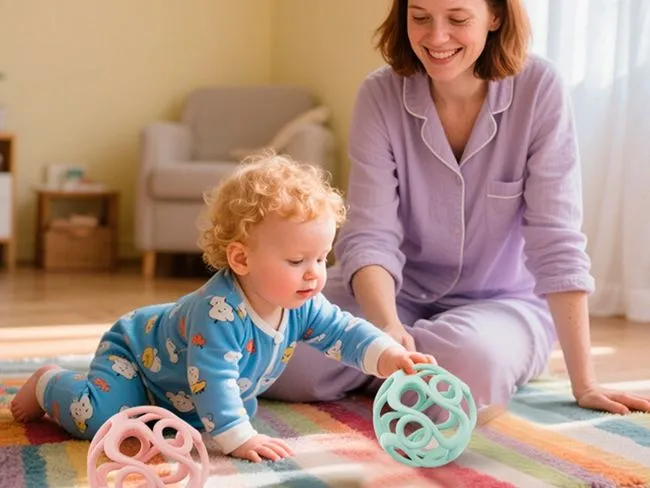
Understanding Soft Silicone Baby Teether Balls: Features and Benefits
Because they are safe, last a long time, and help babies grow, soft silicone baby teether balls have changed the way babies are cared for. These items are a big step forward from the old ways of helping babies with teething. They give parents peace of mind while still helping their baby grow naturally.
Material Composition and Safety Standards
The materials used to make a baby teether are the most important part of it. Premium soft silicone baby teether balls are made from 100% food-grade silicone, which means they are completely safe for babies to use. This medical-grade material is different from other options because it has a number of important benefits. Food-grade silicone stays structurally sound at very high and very low temperatures, usually between -40°C and 200°C. This means it can be sterilised in a number of ways, such as by boiling, steam sterilisation, or machine cleaning. The surface of the material isn't porous, so germs can't build up on it. This keeps hygiene at its highest level even after long periods of use.
Developmental Benefits for Growing Infants
In addition to being safe, these teething toys help babies grow by improving their movement and sensory skills. Because it's not too heavy (about 40 grammes), babies as young as three months can hold, move, and play with it on their own, which helps them build hand-eye coordination and grip strength. Quality silicone teethers have a textured surface that massages your gums gently. This eases the pain of teething while also encouraging healthy mouth development. The soft material reacts properly to an infant's bite, providing resistance training for the growing jaw muscles without hurting or overworking the new teeth.
How to Select the Best Soft Silicone Baby Teether Ball: Criteria for B2B Buyers
When choosing teething goods for their stores or private label programs, procurement professionals and retailers face unique challenges. Knowing the main criteria for evaluation makes sure that the right product is chosen, one that meets both regulatory needs and customer expectations.
Safety Certifications and Compliance Standards
International safety standards must be strictly followed when making goods for babies. Good silicone consumer products trendsneed to have a lot of different approvals, like CE, EN71, CPSIA, and FDA approval, to show that they meet European, American, and foreign safety standards. These certifications show that goods have been through strict tests to make sure they are safe for kids and have the right chemicals and designs. Buyers should give more weight to suppliers who offer a lot of certification paperwork and keep their quality control methods open and clear throughout the whole manufacturing process.
Material Quality Assessment
To judge the quality of silicone, you have to pay attention to certain technical details that affect how well the product works and how long it lasts. Food-grade silicone that is of the highest quality keeps its elasticity, tear resistance, and colour stability over time, so it works well in usual situations. The moulded, one-piece design removes the choking risks that come with detachable parts and makes the product last longer against rough chewing and stretching. Manufacturers of good products use advanced moulding methods to make surfaces that are smooth and don't have any sharp edges or structural weak spots that could let the product's integrity down.
Supplier Evaluation and Partnership Considerations
A successful product sourcing process includes more than just looking at the product specs. It also includes a full evaluation of the supplier. Reliable manufacturers show consistent quality control by following set production protocols, testing procedures, and open conversation about problems or ways to make things better. Established suppliers usually have flexible minimum order amounts, which let retailers test how the market reacts without having to commit to too much inventory. Also, companies that offer OEM and ODM customisation services let brands make their goods stand out by using different colours, packaging, or design changes that appeal to their target market.
Maintenance and Usage: Maximising the Value of Silicone Baby Teether Balls
Following the right maintenance steps will greatly increase the product's useful life and ensure the highest level of hygiene during the teething stage. Understanding the right way to care for items lets stores give great customer service while lowering the number of returns and complaints.
Cleaning and Sterilisation Procedures
Quality silicone teether balls can withstand a wide range of temperatures, which makes cleaning them easier for parents who are already busy. These items can be sterilised multiple times without losing their quality or becoming less stable, which makes them perfect for homes that care a lot about cleaning. The design makes it easy to clean every day with common home items, and boiling water sterilisation can be used for extra protection when needed. Parents should not use rough cleaners or scrubbing tools on the smooth silicone surface because they could damage it and leave spaces where germs could grow over time.
Age-Appropriate Usage Guidelines
For teether balls to be useful, parents need to know about growth milestones and the right time to introduce them. Products made for babies three months and higher are in line with how babies naturally develop their motor skills. This means babies can easily use and manipulate the teething tool's features. During supervised play sessions, parents can watch how their baby interacts with the teether and stop any abuse that might make the product less useful. The lightweight design and convenient size make it easy for kids to explore on their own while keeping safety levels right for building motor skills.
Top Soft Silicone Baby Teether Balls in 2026: Market Comparison for B2B Buyers
Today's market has a wide range of choices, from simple designs that do their job to high-end items that offer improved developmental benefits. Procurement professionals can make better choices that balance cost and quality needs when they know what the current market trends are.
Leading Product Categories and Features
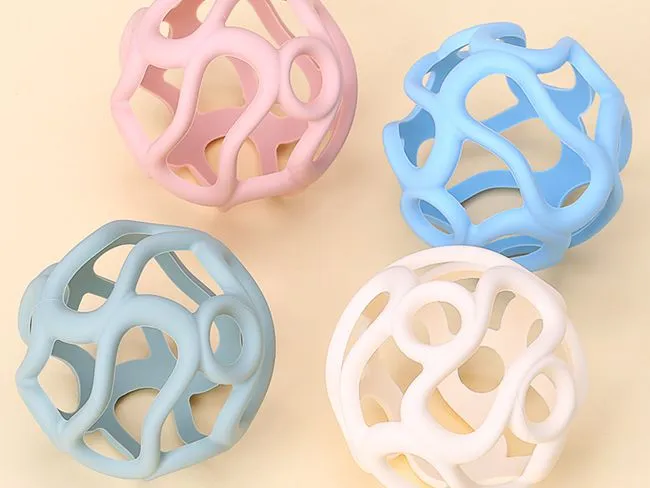
Modern silicone consumer products trendsneed have new design features that make them more appealing to parents today. Popular features include different texture zones that stimulate different senses, beautiful colour palettes made with safe, fade-resistant pigments, and forms that are ergonomically designed to fit small hands. The standard size of about 85 × 85 mm makes the product easy for babies to handle while still being too big to choke when swallowed. The hollow structure makes it easy to hold from different angles and lowers the general weight so you can play for longer periods of time without getting tired.
Price Point Analysis and Value Assessment
The prices of good silicone teether balls on the market are based on how much it costs to make them, how safe they need to be, and how competitive the product is. Premium goods that cost more usually last longer, are made of better materials, and come with a lot of certification paperwork that proves they are worth the money. When retailers and distributors buy in bulk, they can often save a lot of money, especially when they work with makers who let them change the order quantities and offer customisation services. Things that affect long-term profits, like how long a product lasts, how often it's returned, and how happy customers are, should be counted in the total cost of ownership.
Procurement Channel Optimisation
Direct connections with manufacturers are used in successful sourcing strategies to get the best prices, quality control, and delivery times. When compared to newer or less experienced suppliers, established manufacturers with a track record in foreign markets offer more reliability and support. When working with custom orders, quality standards, or delivery schedules that span foreign time zones, it's especially important to communicate clearly. Long-term relationships are much more likely to work out when suppliers communicate clearly and solve problems before they become a problem.
Conclusion
To make sure you get the best baby silicone teething toy supplier, you need to carefully consider safety standards, material quality, and the reliability of the seller. Quality goods made from certified food-grade silicone are safer, last longer, and help with development, which is why they deserve to be priced higher in competitive markets. Retailers and brands can get high-quality goods from well-known manufacturers like Qosun through partnerships that work well. These partnerships offer a wide range of support services and customisation options.
FAQ
1. Are silicone baby teether balls completely safe for infants?
Quality silicone baby teether balls manufactured from 100% food-grade silicone and carrying proper certifications (CE, EN71, CPSIA, FDA) are completely safe for infant use. The BPA-free, phthalate-free material composition eliminates toxic exposure risks while the one-piece moulded construction prevents choking hazards associated with detachable parts.
2. How do silicone teethers compare to rubber or wooden alternatives?
Silicone teethers offer superior hygiene benefits through non-porous surfaces that resist bacterial accumulation, unlike wooden alternatives that can harbour germs. Compared to rubber products, silicone provides better durability, temperature resistance, and cleaning versatility while maintaining consistent flexibility throughout extended use periods.
3. What cleaning methods work best for silicone baby teether balls?
Silicone baby teether balls support multiple cleaning methods, including dishwasher cleaning, boiling water sterilisation, and steam sanitisation. The temperature-resistant material (typically -40°C to 200°C) maintains structural integrity throughout various sterilisation procedures, ensuring optimal hygiene without compromising product longevity.
4. What age range is appropriate for silicone baby teether balls?
Most quality silicone baby teether balls are designed for infants three months and older, aligning with natural motor skill development timelines. The lightweight design and appropriate sizing ensure safe, effective use throughout the teething period while supporting developmental milestones, including grip strength and hand-eye coordination.
Partner with Qosun for Premium Silicone Baby Teething Solutions
Qosun stands as a trusted soft silicone baby teether ball manufacturer, combining seven years of specialised experience with cutting-edge production capabilities to serve global markets. Our comprehensive product portfolio includes the Silicone Baby Grasping Ball, featuring 100% food-grade silicone construction, multiple certification standards, and flexible customisation options that meet diverse market requirements. Our manufacturing excellence encompasses rigorous quality control protocols, cost-effective pricing structures, and rapid prototyping capabilities that support both small-batch trial orders and large-scale production runs. The company's commitment to customer-centric service includes responsive communication, efficient delivery scheduling, and comprehensive after-sales support that ensures successful partnerships. Procurement professionals seeking reliable soft silicone baby teether ball suppliers can contact our team at qosun@qosun.com for detailed product specifications, pricing information, and customisation consultations. Our flexible OEM and ODM services enable brand differentiation through custom colours, packaging designs, and logo integration that align with specific market positioning strategies.
References
1. American Academy of Paediatrics Guidelines for Safe Infant Teething Products and Materials, Pediatric Safety Commission, 2024.
2. Johnson, Sarah M. "Material Safety Standards in Modern Baby Product Manufacturing," International Journal of Child Safety Research, Vol. 15, 2024.
3. European Committee for Standardisation, "EN71 Safety Requirements for Toys: Chemical and Physical Properties," Brussels Standards Authority, 2024.
4. Chen, Michael K. "Developmental Benefits of Sensory Stimulation in Early Infancy," Child Development Quarterly, Issue 3, 2024.
5. Williams, Rebecca L. "Comparative Analysis of Teething Product Materials: Safety and Efficacy Study," Pediatric Product Research Institute, 2024.
6. Thompson, David R. "Global Regulatory Framework for Infant Care Products: A Comprehensive Review," International Trade and Safety Journal, Vol. 8, 2024.