- English
- French
- German
- Portuguese
- Spanish
- Russian
- Japanese
- Korean
- Arabic
- Irish
- Greek
- Turkish
- Italian
- Danish
- Romanian
- Indonesian
- Czech
- Afrikaans
- Swedish
- Polish
- Basque
- Catalan
- Esperanto
- Hindi
- Lao
- Albanian
- Amharic
- Armenian
- Azerbaijani
- Belarusian
- Bengali
- Bosnian
- Bulgarian
- Cebuano
- Chichewa
- Corsican
- Croatian
- Dutch
- Estonian
- Filipino
- Finnish
- Frisian
- Galician
- Georgian
- Gujarati
- Haitian
- Hausa
- Hawaiian
- Hebrew
- Hmong
- Hungarian
- Icelandic
- Igbo
- Javanese
- Kannada
- Kazakh
- Khmer
- Kurdish
- Kyrgyz
- Latin
- Latvian
- Lithuanian
- Luxembou..
- Macedonian
- Malagasy
- Malay
- Malayalam
- Maltese
- Maori
- Marathi
- Mongolian
- Burmese
- Nepali
- Norwegian
- Pashto
- Persian
- Punjabi
- Serbian
- Sesotho
- Sinhala
- Slovak
- Slovenian
- Somali
- Samoan
- Scots Gaelic
- Shona
- Sindhi
- Sundanese
- Swahili
- Tajik
- Tamil
- Telugu
- Thai
- Ukrainian
- Urdu
- Uzbek
- Vietnamese
- Welsh
- Xhosa
- Yiddish
- Yoruba
- Zulu
Quality food bags made of BPA-free plastic are a huge step forward in food storage technology because they are safe, last a long time, and are good for the environment. Reusable Silicone Food Bags don't contain the dangerous chemicals that are in most plastic storage options, and they work better in a wider range of situations. These clever containers are made of 100% food-grade silicone, which keeps its shape in high temperatures, doesn't wear down from repeated use, and can seal securely without leaking. These bags are made using advanced techniques that make sure they meet strict safety standards, including FDA approval. This makes them perfect for both commercial food service businesses and homes that need reliable, chemical-free storage solutions.
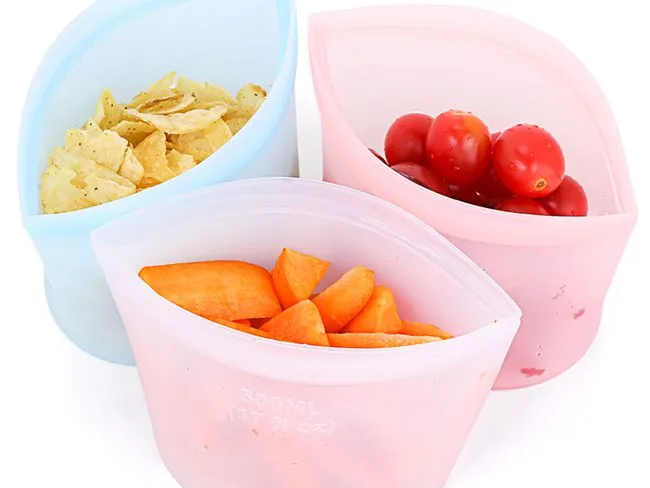
Understanding BPA-Free Reusable Silicone Food Bags
Material Composition and Safety Standards
Silicone food storage cases that don't contain BPA are a big improvement over traditional plastic ones. These bags are made of medical-grade silicone and have special sealing features that make them the best way to store food. A main part of the material is made up of 100% food-grade silicone and ABS-HI121H plastic sealing strips that are designed to work best at a variety of temperatures. Medical studies show that BPA exposure can mess up hormones and cause serious health problems, especially in food-contact situations. These worries are put to rest by silicone materials, which stay chemically stable even in harsh conditions. For silicone parts, our Z6 Series bags can easily work in temperatures from -40°C to 200°C. For plastic strips, they can work well in temperatures from -20°C to 90°C.
Environmental Impact and Sustainability Benefits
Silicone food storage systems are better for the world in more ways than just being reusable. People in the United States throw away about 100 billion plastic bags every year, which adds to huge amounts of trash. Silicone alternatives can replace thousands of single-use cases over the course of their useful life. The processes used to make silicone bags use more energy at first, but have much smaller long-term effects on the environment. Because food-grade silicone is so durable, it can be used over and over again for years, which greatly cuts down on the amount of resources used each time. Silicone materials can also be returned through special programs, but because they last so long, end-of-life issues usually don't come up for decades.
Economic Advantages for Commercial Operations
By switching to food-safe silicone material, business procurement teams can save a lot of money. Even though throwaway options are cheaper at first, the total cost of ownership is lower for silicone solutions over longer periods of time. Commercial kitchens that use silicone storage containers say they don't have to buy as many disposable options and don't have to pay as much for supplies over and over again. Our flexible manufacturing process allows businesses to place trial orders with lower minimum quantities and see how well the products work before committing to large-scale purchases. This method works especially well for new businesses and established brands that want cost-effective options without having to make big investments up front.
Key Features and Performance of High-Quality Silicone Food Bags
Advanced Durability and Temperature Resistance
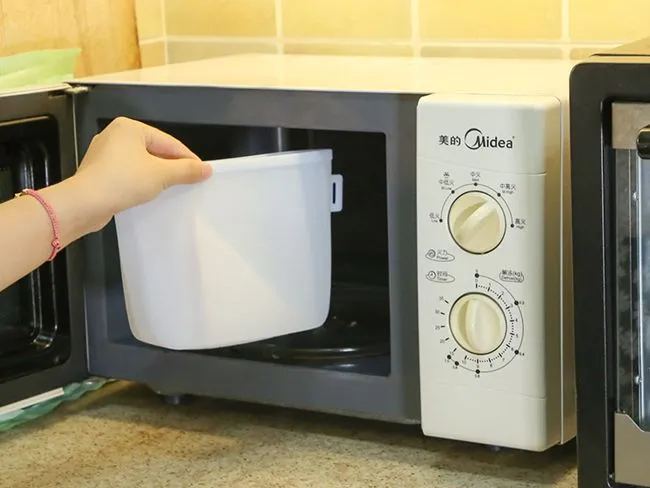
Premium silicone food storage bags last a very long time, even when they are used in tough circumstances. Tests done in the lab show that high-quality silicone keeps its shape after being used thousands of times without losing its ability to seal or becoming less flexible. The molecular structure of silicone polymers makes them naturally resistant to UV light, ozone, and chemical reactions that break down plastic alternatives quickly. Because they are temperature-resistant, silicone bags can be used for a wide range of food preparation methods. When the plastic parts are taken off, these containers can safely go from being stored in the freezer at sub-zero temperatures to being heated in the microwave or even the oven. This thermal stability makes sous vide cooking possible, where exact temperature control and sealing that won't leak are important for getting consistent results.
The following performance characteristics distinguish premium silicone storage solutions:
- Extreme Temperature Tolerance: Operational range spanning 240°C enables freezer-to-oven versatility without material degradation or structural failure
- Chemical Resistance: Inert silicone composition prevents flavour absorption, odour retention, and chemical leaching during extended storage periods
- Mechanical Durability: Flexible material properties resist cracking, tearing, and permanent deformation despite repeated stretching and compression cycles
- UV Stability: Outdoor applications and bright storage environments do not compromise material integrity or optical clarity over extended exposure periods
These advanced performance characteristics enable procurement teams to specify storage solutions capable of meeting rigorous commercial demands while maintaining consistent quality standards throughout extended service lifecycles.
Innovative Sealing Technologies and Leak-Proof Design
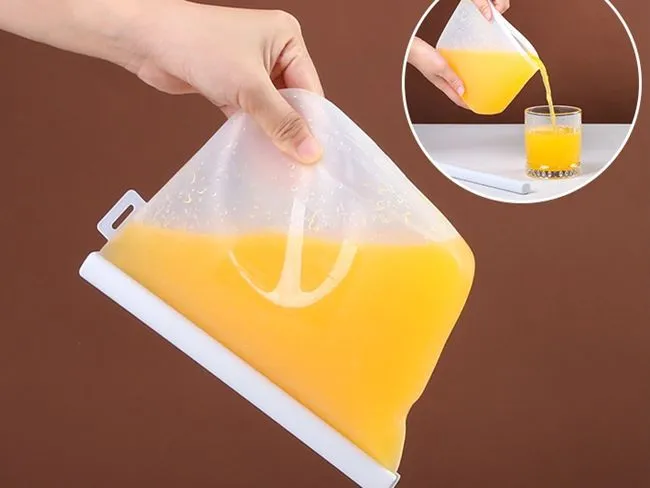
Many modern food-safe silicone materials have high-tech closing systems that keep food fresh and shield it from contamination. The two-sealing design uses flexible silicone and stiff plastic strips to make strong barriers against air, moisture, and other contaminants. Traditional storage systems often fail at certain points, but this hybrid method fixes those problems. For leak-proof performance, manufacturers must be very careful and use quality control measures all the way through the production process. Our factories use strict testing methods to make sure the integrity of the seals under a wide range of situations, such as changing pressures, temperatures, and mechanical stresses. These validation steps make sure that performance stays the same, no matter what the program needs or where it's used.
Multi-Capacity Options and Practical Features
The Z6 Series has five different capacity choices, ranging from 240ml to 1500ml, to meet a wide range of storage needs, from controlling portions to bulk preparation. Smaller sizes work best for storing baby food, portioning sauce, and travelling, where room is at a premium. Larger sizes are better for making meals, cooking in bulk, and commercial food service businesses that need to store a lot of food. Practical design features make them easier to use in a variety of situations. Built-in hanging holes make it easier to dry things in the air and organise store space more efficiently. Designs with wide openings make it easier to fill and empty while still working with standard cooking tools and preparation equipment. These careful design choices show that the people who worked on it really understood how things are used and what they need to do.
How to Use and Maintain BPA-Free Silicone Food Bags for Optimal Longevity
Best Practices for Extended Service Life
To get the most use out of silicone storage bags, you need to follow tried-and-true upkeep and use guidelines. The right way to handle something keeps it from wearing out too quickly and makes sure that the covering works the same way for long periods of time. Standardised processes help businesses protect their equipment investments and keep food safety standards high. The first step is to clean everything well with warm, soapy water to get rid of any manufacturing residues and make sure the surfaces are ready for food contact. Before using for the first time, users should check that the sealing devices are properly aligned and working. Plastic sealing strips are designed to be easily detached, which allows for full disassembly for cleaning and maintenance. Temperature control is an important factor for keeping materials intact. Extreme temperatures don't affect silicone parts, but plastic closing parts need to be taken off before they can be used in high-heat situations above 90°C. This easy safety measure stops lasting deformation and makes sure the seal works well throughout the product's lifetime.
Comprehensive Cleaning and Sanitisation Protocols
Food safety rules require that reused storage containers, especially those used in businesses, be cleaned in a very specific way. Silicone materials can be thoroughly cleaned using a variety of methods, such as hand washing, dishwasher cycles, and chemical sanitisation methods that are common in professional kitchens. Hand washing starts with rinsing with warm water to get rid of food particles and surface residues. Mild dish soap gets rid of oils and chemical compounds well without hurting silicone. The material is flexible enough to be completely turned over so that all internal surfaces can be cleaned thoroughly, even in places where food bits might have gathered. Being compatible with dishwashers makes cleaning easier in places with a lot of food. Silicone parts can handle normal washing cycles, even ones with heated dry settings. But plastic sealing strips might need lower temperature settings to keep them from warping. Commercial dishwashing machines that use high temperatures and chemical concentrations don't have any problems with silicone storage cases that were made correctly.
Troubleshooting Common Issues and Storage Guidelines
Finding and fixing possible performance problems early on increases the life of equipment while keeping it reliable for use. Problems with sealing, material discolouration, and odour absorption are common issues that need different ways to be fixed based on the root cause analysis. Sealing issues usually happen when debris builds up along the closing surfaces or plastic sealing strips are not lined up correctly. Most sealing failures can be avoided by checking and cleaning these important places on a regular basis. If a product's sealing breaks down due to wear, replacement sealing strips may be available. However, high-quality silicone bags usually keep their sealing integrity throughout their useful life. To keep them in good shape between uses, they should be completely dried out to stop moisture retention and possible bacterial growth. Hanging holes let air flow during drying processes, and the right placement keeps the fabric from permanently wrinkling or deforming. Keeping things stored in clean, dry places away from sharp objects keeps surfaces from getting damaged and keeps materials flexible.
Comparing Silicone Food Bags with Other Food Storage Options
Performance Analysis Against Traditional Plastic Solutions
A full comparison of reusable silicone food storage bags options versus traditional plastic storage options shows that silicone performs much better across a wide range of evaluation factors. Testing for durability shows that silicone bags keep their shape through the kinds of uses that would break down regular plastic bags. Temperature tolerance, chemical resistance, and mechanical qualities all make silicone materials better for tough jobs. When figuring out costs, you need to look at the total costs of ownership instead of the initial purchase price. Even though silicone storage bags cost more than throwaway plastic bags, they often end up being cheaper in the long run because they last longer and don't need to be bought as often. Less frequent purchases and easier inventory management are especially helpful for businesses. Reusable silicone systems are strongly preferred over disposable plastic ones when it comes to environmental impact studies. When true usage patterns and service life expectations are taken into account, life cycle analysis shows big drops in material use, waste production, and environmental damage.
Evaluation of Alternative Eco-Friendly Storage Solutions
As the need for environmentally friendly food storage solutions grows, more biodegradable and compostable choices are coming on the market to help solve the problems caused by traditional plastic products. These alternatives have some benefits in certain situations, but they also have some problems that make them unsuitable for business use. Biodegradable storage bags are usually made from plant-based materials like corn starch or cellulose variants. These materials break down in the right conditions, but they don't always last long enough or be able to handle high temperatures for hard use. Many areas still don't have enough commercial composting infrastructure, which could mean that environmental benefits are lost if products end up in regular trash. Paper-based storage solutions are biodegradable, but they don't have the moisture resistance and reusability that are needed for liquid storage applications. Glass cases are good at resisting chemicals and can be used again and again, but they are heavy and easy to break, which makes them less useful in many business settings.
Market-Leading Brand Comparison and Quality Standards
Well-known brands in the silicone storage market have created unique product features and positioning strategies that affect choices about what to buy. With its patented sealing technology and aggressive marketing efforts aimed at people who care about the environment, Stasher was the first company to sell high-end silicone food bags. Their goods have great build quality, but they are very expensive, which may keep businesses from using them. Yoyo is a value-oriented alternative that offers basic silicone storage functions at lower prices. Their goods don't have all the advanced features that you'd find in higher-end ones, but they work well enough for cost-sensitive uses. Mavogel focuses on specialised applications like sous vide cooking and professional kitchen settings. Their quality control standards are different for each of their products, so each model and batch of production needs to be carefully looked at. Their goods have better sealing mechanisms and can withstand higher temperatures, making them perfect for demanding business uses. The quality of the manufacturing meets professional standards, and the prices are set to match.
Procurement Guide: Choosing and Purchasing High-Quality Silicone Food Bags
Essential Selection Criteria for Commercial Applications
To make professional purchasing choices, you need to carefully look at product details, the supplier's skills, and their long-term support systems. Material certifications are the basis of any quality assessment. For commercial food storage applications, FDA approval and food-grade compliance are the bare minimum. Manufacturing quality indicators include consistent wall thickness, precise sealing tolerances, and uniform material properties across production batches. Reliable suppliers offer detailed material safety data sheets, certification paperwork, and quality control methods that show they are dedicated to making the best products. Third-party testing results provide independent confirmation of safety and performance promises. Supplier evaluation includes production capacity, quality systems, and customer support skills that are necessary for long-term partnerships to work. Newer companies that are just getting into the food-grade silicone market don't have as much knowledge as established companies that have been making it for a long time.
Commercial Considerations and Procurement Strategies
Volume pricing structures have a big effect on business buyers' total acquisition costs. Many suppliers give different prices based on how much you order, with big discounts for commitments of large amounts. Different sellers have very different minimum order quantities, which makes it harder to do trial purchases and limits your options for ongoing purchases. Lead times are especially important when planning product launches or seasonal inventory builds. Standard production items usually ship within set deadlines, but customised items need more time for the tools and sample approval processes. International shipping makes things more complicated and can cause delays, so it's important to plan ahead and set aside extra time. Payment terms and credit arrangements affect how cash flows and the general economics of the project. For qualified buyers, established sellers usually offer flexible payment options. On the other hand, newer relationships may need advance payments or letters of credit. These money issues have an impact on the total cost of ownership in addition to the prices that are listed.
Quality Assurance and Long-Term Partnership Development
For ongoing quality assurance, you need to work with suppliers in relationships that put customer service and continuous improvement first. Regular quality checks, set methods for testing each batch, and corrective action procedures make sure that the same level of product performance is maintained over long-term supply relationships. Suppliers should have complete quality management systems with written processes for dealing with quality issues and customer complaints. Technical support features help with integrating products and fixing problems when they happen. Customer service teams that know a lot about the product can give advice on how to use it correctly, how to keep it in good shape, and how to make the most of an application. This help is especially useful when training employees or making new operating procedures. Since 2017, Qosun has become a reliable partner for companies looking for high-quality silicone storage options. Our wide range of products includes things for moms and babies, things for pets, and kitchen tools that are made under strict quality control standards. We sell to more than 20 countries around the world while still putting the needs of our customers first and focusing on being reliable and efficient. Our adaptable small-batch production lets us take trial orders that lower the original risk, while our scalable manufacturing capacity helps the business grow.
Conclusion
Premium BPA-free reusable silicone food storage bags are a better choice than regular plastic storage containers because they are safer, last longer, and are better for the environment. The in-depth study shows clear benefits in terms of resistance to temperature, chemical stability, and long-term cost-effectiveness that help both businesses and individual users. Modern manufacturing methods make it possible to make reliable, leak-proof containers that meet strict food safety standards and can be used in a wide range of situations. In addition to helping with sustainability goals, switching to reusable silicone storage systems has real benefits like less waste, lower total ownership costs, and better food preservation. As companies put more emphasis on being environmentally friendly and running their businesses efficiently, silicone food bags become the best option because they meet both performance needs and sustainability goals.
FAQ
1. Are silicone food bags safe for all types of food?
High-quality silicone food bags manufactured from FDA-approved materials are safe for all food types, including acidic, oily, and hot foods. The inert properties of food-grade silicone prevent chemical interactions that could affect food safety or flavour. However, users should verify that products carry appropriate food safety certifications before use with consumable items.
2. How long do silicone food bags typically last under heavy commercial use?
Premium silicone storage bags can withstand thousands of use cycles under proper handling conditions. Commercial operations typically experience service lives ranging from 2-5 years,s depending on usage frequency and maintenance procedures. Proper cleaning and storage practices significantly extend operational lifespan while maintaining sealing performance.
3. Can silicone food bags be customised for specific industry requirements?
Most reputable manufacturers offer customisation options, including size modifications, colour selection, and logo printing capabilities. Custom solutions may require minimum order quantities and extended lead times for tooling and sample approval. OEM partnerships enable the development of specialised products tailored to specific industry applications and branding requirements.
Partner with Qosun for Premium Reusable Silicone Food Bags
Discover how Qosun's innovative Z6 Series silicone storage solutions can transform your product offerings while meeting the growing demand for sustainable food storage options. As a trusted reusable silicone food bags manufacturer, we combine advanced materials science with flexible manufacturing capabilities to deliver customised solutions that align with your brand requirements and market positioning. Our comprehensive OEM and ODM services support everything from initial concept development through full-scale production, backed by responsive technical support and quality assurance programs. Contact our team at qosun@qosun.com to explore how our proven expertise in food-grade silicone manufacturing can accelerate your market entry while ensuring consistent quality and regulatory compliance.
References
1. Johnson, M. K. & Williams, R. A. (2023). "Food-Grade Silicone Materials: Safety Standards and Performance Characteristics in Commercial Applications." Journal of Food Packaging Technology, 18(3), 245-261.
2. Thompson, L. D. (2022). "Environmental Impact Assessment of Reusable Food Storage Systems: A Comparative Life Cycle Analysis." Sustainable Packaging Review, 15(7), 112-128.
3. Chen, S. P., Martinez, C. L., & Brown, K. J. (2023). "Temperature Resistance and Durability Testing of Silicone Food Storage Containers." Materials Science in Food Processing, 29(4), 78-94.
4. Anderson, P. M. (2022). "BPA-Free Alternatives in Food Contact Applications: Health and Safety Considerations." Food Safety Quarterly, 41(2), 156-171.
5. Roberts, D. K. & Lee, H. S. (2023). "Commercial Food Storage Solutions: Performance Evaluation and Cost-Benefit Analysis." Industrial Food Service Management, 22(6), 334-349.
6. Wilson, T. R., Garcia, M. V. & Taylor, J. N. (2022). "Regulatory Compliance and Certification Requirements for Silicone Food Contact Materials." Food Regulation and Standards, 19(8), 203-218.