- English
- French
- German
- Portuguese
- Spanish
- Russian
- Japanese
- Korean
- Arabic
- Irish
- Greek
- Turkish
- Italian
- Danish
- Romanian
- Indonesian
- Czech
- Afrikaans
- Swedish
- Polish
- Basque
- Catalan
- Esperanto
- Hindi
- Lao
- Albanian
- Amharic
- Armenian
- Azerbaijani
- Belarusian
- Bengali
- Bosnian
- Bulgarian
- Cebuano
- Chichewa
- Corsican
- Croatian
- Dutch
- Estonian
- Filipino
- Finnish
- Frisian
- Galician
- Georgian
- Gujarati
- Haitian
- Hausa
- Hawaiian
- Hebrew
- Hmong
- Hungarian
- Icelandic
- Igbo
- Javanese
- Kannada
- Kazakh
- Khmer
- Kurdish
- Kyrgyz
- Latin
- Latvian
- Lithuanian
- Luxembou..
- Macedonian
- Malagasy
- Malay
- Malayalam
- Maltese
- Maori
- Marathi
- Mongolian
- Burmese
- Nepali
- Norwegian
- Pashto
- Persian
- Punjabi
- Serbian
- Sesotho
- Sinhala
- Slovak
- Slovenian
- Somali
- Samoan
- Scots Gaelic
- Shona
- Sindhi
- Sundanese
- Swahili
- Tajik
- Tamil
- Telugu
- Thai
- Ukrainian
- Urdu
- Uzbek
- Vietnamese
- Welsh
- Xhosa
- Yiddish
- Yoruba
- Zulu
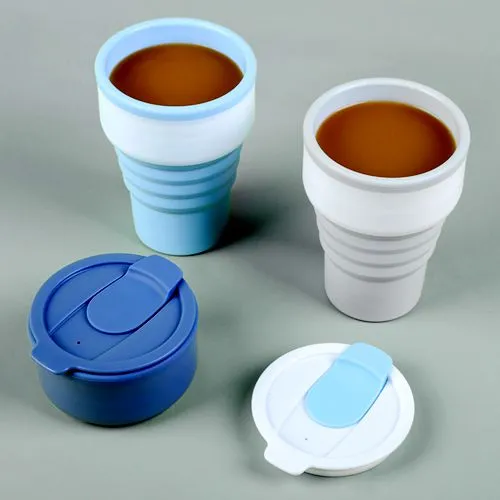
For drinks that are better for the environment at work, collapsible coffee cups are the way of the future, such as the Reusable Foldable Silicone Coffee Cup. Businesses can get rid of single-use plastic trash and give customers and workers a useful, movable way to drink by giving them a silicone coffee cup that can be folded up and used again and again. They're cleverly made so that you can fold them up into a pocket-sized size, but they can still hold a full 12-ounce serving. This makes them great for stores that care about the environment, cafe chains, and gift programs for businesses.
What Are Reusable Foldable Silicone Coffee Cups?
Reusable foldable silicone coffee cups revolutionize portable drinkware through intelligent material engineering and space-saving design principles.
The Engineering Behind Collapsible Cup Technology
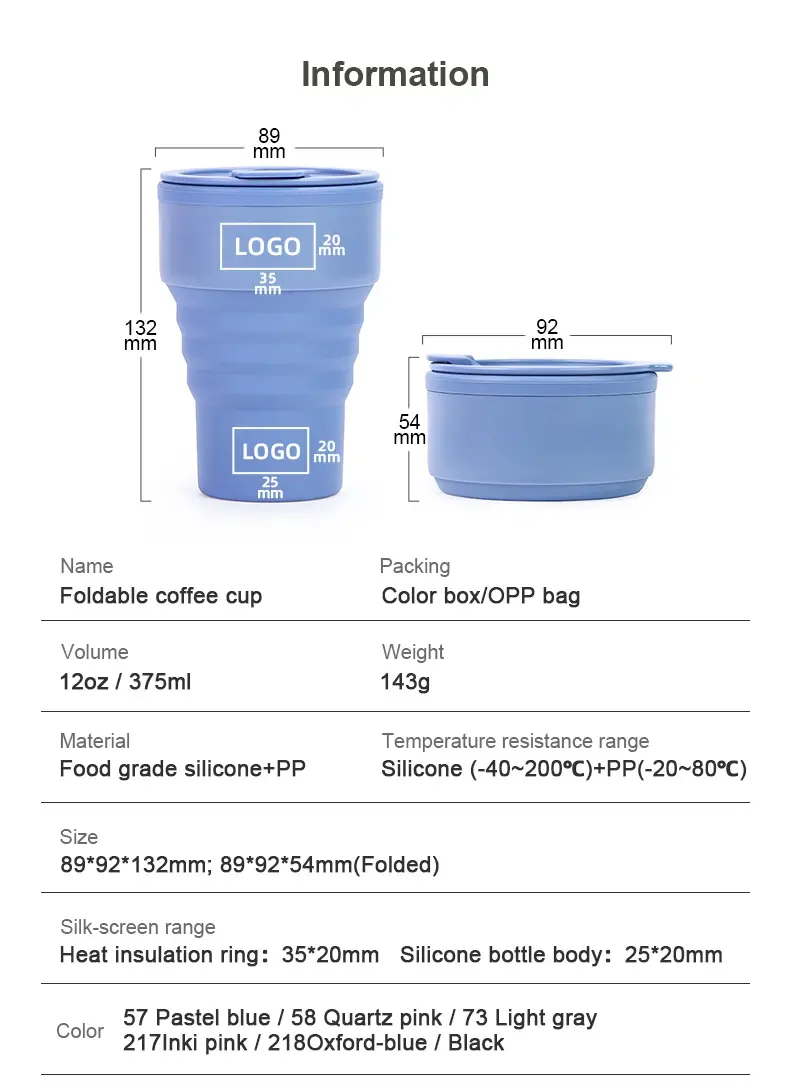
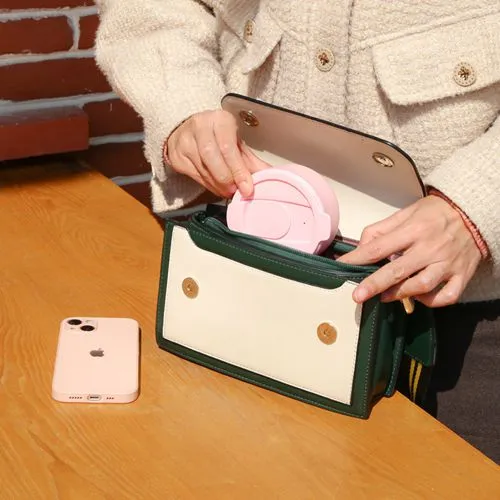
Premium food-grade silicone and polypropylene are used together in these cups to make drinkware that can be collapsed without losing its shape. The Foldable Coffee Cup (Model CUP10) is a great example of this new technology. Its body can be compressed from 132 mm in height when opened to just 54 mm when folded, saving 59% of space. This accordion-style device keeps the drinking rim stiff while letting the sides collapse. This makes the cup useful when it's needed and very portable when it's not. The 89mm diameter fits in most car cup holders, and the 375ml volume is the same as the 12oz coffee serving size that is used all over the world.
Material Safety and Compliance Standards
These cups are made by reputable companies from BPA-free silicone that meets FDA food-contact standards. This means that you can use them every day with both hot and cold drinks without worrying about safety. The silicone body can handle temps from -40°C to 200°C, and the PP lid can handle temperatures from -20°C to 80°C, so it can be used for any kind of drink. The CUP10 model is still lightweight at 143g without sacrificing sturdiness, and the 6mm thicker rim makes it more stable and more comfortable to drink from. Leak-resistant lids have silicone bands that make tight seals that keep spills from happening during transport. This is an important feature for both work and travel situations.
| Specification | Details |
|---|---|
| Model | CUP10 |
| Material | Food-grade silicone + PP |
| Capacity | 12oz / 375ml |
| Weight | 143g |
| Temperature Range | Silicone: −40°C ~ 200°C; PP: −20°C ~ 80°C |
| Size (Expanded) | 89×92×132 mm |
| Size (Folded) | 89×92×54 mm |
| Available Colors | Pastel Blue, Quartz Pink, Light Gray, Inki Pink, Oxford Blue, Black |
Design Features That Enhance User Experience
Modern collapsible cups have thoughtful features that make them easier to use every day. Heat-insulating rings that can be taken off make it easier to hold hot drinks while keeping your hands safe from heat transfer. Being able to separate the lid, ring, and body makes it easier to clean these cups thoroughly and makes them dishwasher-safe, which is useful in busy workplaces. Businesses can match the look of their brand or add variety to their corporate gift programs by choosing from a range of colours. Different types of packing, such as colour boxes and OPP bags, can be used for both store displays and bulk delivery.
Benefits of Foldable Silicone Coffee Cups for Businesses
By using collapsible silicone cups in business, companies can see clear improvements in sustainability, operational efficiency, and employee engagement.
Environmental Impact Reduction
Every year, single-use cups make about 50 billion pieces of trash in the US alone for ODM silicone product manufacturer. Most of that trash ends up in dumps, where it stays for decades. This footprint is greatly reduced by using alternatives that can be used again and again. One collapsible silicone cup can replace hundreds of disposable cups per user per year. This directly supports environmental and sustainability reporting by businesses. The long-lasting silicone construction means that it will last for years, much longer than pottery or glass options that break easily. This means that it will last longer, which means lower environmental costs over its lifetime and better CSR stories for companies that keep track of trash recycling measures.
Operational and Logistical Advantages
There are big operational benefits to the small, folded profile. Compared to rigid drinkware, flexible drinkware requires less than half as much storage room. This makes better use of warehouse area and cuts down on shipping rates. Distribution centers like how light it is—at 143g per unit, even for large corporate orders, shipping costs are low. When goods take up less room, bulk buying is more efficient because it lets businesses keep enough supplies without spending too much on storage. Food-grade silicone is very durable, so repair processes are much longer. This lowers the overall cost of ownership and the routine work that comes with having to buy things all the time.
Enhancing Corporate Culture and Brand Perception
Giving employees high-quality reusable cups shows that the company cares about the environment and is useful for everyday use. Employees like portable solutions that work well at home, at the office, and on the way to and from work. When company logos are added to these cups, they become walking billboards for the brand, making it more visible in a wider range of settings. When corporate giving programs give people useful items instead of general promotional items that just sit around, the gifts seem more real. When cafe chains use custom-branded collapsible cups, they make more money and show they care about the environment, which appeals directly to growing groups of customers who care about the environment.
How to Choose the Best Foldable Silicone Coffee Cup for Procurement
To make sure integration goes smoothly, decisions about what to buy should be based on a careful examination of the quality of the materials, the usefulness of the designs, and the skills of the suppliers.
Evaluating Material Quality and Certifications
People who make silicone that is safe for food should be able to show proof that their products are safe, like FDA approval. Ask for material safety data sheets that list the chemicals that are used and show that BPA, phthalates, and other additives that could be harmful are not present. The Shore hardness of the silicone should be right. It should be between 40A and 60A. In this way, it will be flexible when folded but still stable when opened up. Especially if people are going to carry hot drinks around all the time, make sure that the temperature protection specs match what will be used. Sellers you can trust will give you clear copies of their licenses and be happy to answer questions about how they make their products and make sure they meet quality standards.
Design Features That Match End-User Needs
Check the lids' seals to make sure they will keep leaks from happening, especially if the food is being given to workers or travellers. Parts that can be taken apart should be able to do so quickly so they can be cleaned, but they should stay put when they're not being used. Check how thick the rim is and how well it's finished. These will directly affect how easy it is to drink from and how long it lasts. Colour availability is important for making store assortments that look good or match company branding. The six-color range on the CUP10 model lets you pick from a lot of options. How much space you need should depend on what your customers want. The standard measurement for coffee service around the world is 12oz (375ml), but different sizes may be needed for different uses in some buying situations.
Comparing Alternatives and Total Cost Analysis
When you look at your other choices, plastic cups that fold are the best for sustainable silicone manufacturing. Tumblers made of stainless steel keep drinks cold longer than those made of other materials. However, they are heavier and generally cost more. Folksy ceramic mugs are hard to carry around because they break easily. It's hard to give hard plastic cups as corporate gifts because they don't look very fancy and are bad for the environment and your health. Silicone cups may cost more at first than other types, but they are worth it in the long run because they last longer, work better, and are better for the environment. Don't just look at the price per unit; think about the total cost, which includes how often the item needs to be changed, how quickly it is shipped, and how it impacts the brand's image.
| Cup Type | Portability | Durability | Temperature Range | Environmental Impact | Customization |
|---|---|---|---|---|---|
| Silicone Collapsible | Excellent (folds flat) | High | −40°C to 200°C | Low (reusable, long-lasting) | High (logo, colors) |
| Stainless Steel | Moderate (bulky) | Very High | Wide range | Moderate (heavy shipping) | Moderate |
| Ceramic | Low (fragile) | Low | Moderate | Moderate (breaks easily) | High |
| Hard Plastic | Moderate | Moderate | Limited | High (waste concerns) | Moderate |
Supplier Selection and Partnership Considerations
Give priority to manufacturers who have well-established systems for quality control and production. Companies that have been around since 2017 and have exported to more than 20 countries show that they are stable and know how to follow international rules. Look for providers that offer a wide range of services, such as OEM, ODM, and custom logo application. These are important skills to have when making branded items or different versions of a product. Small-batch sample order support lets companies see how well their products do in the market before they commit to big inventory positions. Product development cycles can be sped up with responsive communication and rapid prototyping. This is especially helpful when starting seasonal campaigns or taking advantage of new market opportunities.
Procurement and Ordering Guide for Foldable Silicone Coffee Cups
Buyers can get better deals on goods and make the buying process go more easily if they understand how sourcing works.
Minimum Order Quantities and Pricing Structures
Most of the time, manufacturers set MOQ levels that make production more efficient while also making sure that buyers can get their goods. Flexible sellers can test the market by taking on smaller orders at first. As orders get bigger, they can offer deals based on volume. You should ask for detailed price lists that show unit costs, customisation fees, shipping costs, and different packing options. Don't compare the ex-factory prices to get a better idea of how much something really costs. Instead, compare the delivery costs. If you want to buy something, talk to the seller about payment terms that work for both of you. For long-term deals, many importers with a lot of experience will accept letter of credit plans or payments made in stages.
Customization Options for Brand Differentiation
When it comes to putting logos on things, manufacturers are very different. Laser engraving, screen printing, and pad printing all give things different looks and levels of durability. Talk about the art needs early on, because complicated designs may need extra work or cause the price to change. Customising colours is more than just picking from pre-made palettes; skilled manufacturers can even match exact Pantone references to make sure that the look of your brand stays the same. When you customise the wrapping, you can give high-end gifts. To give you an example, colour boxes with custom inserts make opening them more fun and increase the perceived value of the product. On the other hand, simple OPP bags are good for cheap bulk shipping.
Lead Times and Logistics Planning
Production usually takes 25 to 35 days, but this can change based on how complicated the order is and what changes need to be made. Allow extra time for sample approval, shipping transit, and customs clearance when planning the start of a campaign or a seasonal program. If you need something quickly, you may be able to choose express production, but it usually costs more. When you pick a shipping way, you need to think about how fast it will arrive and how much it will cost. When you don't need the goods right away, air freight is faster, but sea freight is cheaper for large amounts of goods with open plans. It is best to work with companies that have handled exports before. This way, they know what paperwork is needed and can recommend goods forwarders who know how to follow the rules in the target market.
Maintaining and Using Foldable Silicone Coffee Cups Efficiently
When you take good care of something, it lasts longer and keeps working perfectly even after a lot of use.
Cleaning and Hygiene Best Practices
The detachable design makes it easier to clean thoroughly for the Reusable Foldable Silicone Coffee Cup. Take off the lid, the heat insulation ring, and the body of the cup to get to all the places where residue builds up. With warm, soapy water and soft sponges, you can get rid of coffee oils and drink residue without hurting silicone surfaces. Do not use rough scrubbers because they can scratch surfaces and make places for bugs to live. Dishwasher compatibility makes it easy to clean, but washing by hand increases the life of the item by limiting its exposure to harsh chemicals and high temperatures. Let all the parts dry fully in the air before putting them back together to avoid retaining water that could cause smells.
Optimal Usage for Longevity
Instead of pushing actions that stress connection points, fold and expand cups slowly. When filling with hot drinks, put on the heat protection ring before pouring to protect your hands right away. Don't fill up past the line that says "capacity," because extra liquid makes spills more likely and puts stress on lid seals. Keep cups that have been folded up in cool, dry places that are out of direct sunlight, since sunshine can break down silicone over time. In business settings, rotate multiple cups to spread wear out widely and make the program last longer. These easy steps help companies get the most out of their procurement investments.
Addressing Common Concerns
Silicone can sometimes hold on to the smell of drinks, especially strong-flavored drinks. Soaking in a solution of baking soda or white vinegar gets rid of smells that won't go away. If leaks start to happen, check the lid gaskets for damage or anything else that might be blocking the seal. Because replacement parts are easy to get from reliable suppliers, minor wear doesn't mean that the whole cup needs to be replaced. When adding new goods to business programs, it's easier to feel confident when you know about guarantee terms and after-sales support. Manufacturers with a good reputation stand behind their products and have quick, helpful customer service that handles problems right away.
Conclusion
Businesses that care about sustainability, operational efficiency, and useful employee benefits should look into collapsible silicone coffee cups. These products are great for corporate gifting, cafe merchandise programs, and eco-friendly retail channels because they are durable, don't take up much space, and can be customised in a number of ways. Procurement choices that are in line with organisational goals and end-user standards are made by carefully examining the quality of the materials, the design features, and the supplier's abilities. As rules about the environment get stricter and people prefer reusable options, businesses that use collapsible cups will be at the forefront of environmentally friendly drink solutions.
FAQ
1. Are collapsible silicone coffee cups dishwasher safe?
Most quality collapsible cups feature dishwasher-safe construction, though hand washing often extends product lifespan. The CUP10 model's detachable components facilitate thorough cleaning whether using dishwashers or manual methods. Check manufacturer specifications for temperature limits and recommended rack placement.
2. How does silicone temperature resistance compare to stainless steel?
Food-grade silicone withstands temperatures from −40°C to 200°C, handling both iced beverages and freshly brewed coffee safely. While stainless steel tolerates higher extremes, silicone's range exceeds typical beverage temperatures. The PP lid component operates effectively within −20°C to 80°C, covering standard hot drink temperatures.
3. What environmental advantages do reusable silicone cups offer over disposables?
Each reusable cup replaces hundreds of single-use containers annually, dramatically reducing landfill waste and resource consumption. Silicone's durability extends product life for years, while lightweight construction minimizes transportation emissions. Unlike disposable cups requiring continuous manufacturing and disposal infrastructure, reusable alternatives support circular economy principles through extended use cycles.
Partner with Qosun for Your Reusable Foldable Silicone Coffee Cup Needs
Qosun delivers premium collapsible coffee solutions backed by rigorous quality control and customer-focused service. Since 2017, we've supplied food-grade silicone products to over 20 countries, earning recognition for reliability and innovation. Our Foldable Coffee Cup (Model CUP10) combines practical design with customization flexibility, supporting OEM, ODM, and logo application services. We accommodate small-batch trial orders, enabling market testing before larger commitments. Whether sourcing corporate sustainability programs, cafe merchandise, or eco-retail channels, Qosun offers competitive pricing and responsive communication. Connect with us at qosun@qosun.com to discuss your requirements with an experienced reusable foldable silicone coffee cup manufacturer dedicated to your success.
References
1. Thompson, R. (2022). "Sustainable Corporate Procurement: Evaluating Reusable Drinkware Programs." Journal of Business Sustainability, 15(3), 245-267.
2. Martinez, L., & Chen, K. (2023). "Material Science in Modern Food-Contact Products: Silicone Applications and Safety Standards." International Food Safety Review, 41(2), 112-129.
3. Environmental Defense Coalition. (2023). "Single-Use Beverage Container Waste: Global Impact Assessment 2023." Annual Environmental Report, pp. 78-94.
4. Peterson, A. (2022). "Corporate Gifting Strategies: Balancing Brand Impact with Environmental Responsibility." Marketing Perspectives Quarterly, 28(4), 301-318.
5. Global Coffee Culture Foundation. (2023). "Cafe Industry Trends: Sustainability Initiatives and Consumer Preferences." Coffee Industry Annual Report, pp. 156-173.
6. Williams, S., & Zhang, M. (2023). "B2B Procurement Best Practices for Eco-Friendly Products." Supply Chain Management Today, 19(1), 67-85.