- English
- French
- German
- Portuguese
- Spanish
- Russian
- Japanese
- Korean
- Arabic
- Irish
- Greek
- Turkish
- Italian
- Danish
- Romanian
- Indonesian
- Czech
- Afrikaans
- Swedish
- Polish
- Basque
- Catalan
- Esperanto
- Hindi
- Lao
- Albanian
- Amharic
- Armenian
- Azerbaijani
- Belarusian
- Bengali
- Bosnian
- Bulgarian
- Cebuano
- Chichewa
- Corsican
- Croatian
- Dutch
- Estonian
- Filipino
- Finnish
- Frisian
- Galician
- Georgian
- Gujarati
- Haitian
- Hausa
- Hawaiian
- Hebrew
- Hmong
- Hungarian
- Icelandic
- Igbo
- Javanese
- Kannada
- Kazakh
- Khmer
- Kurdish
- Kyrgyz
- Latin
- Latvian
- Lithuanian
- Luxembou..
- Macedonian
- Malagasy
- Malay
- Malayalam
- Maltese
- Maori
- Marathi
- Mongolian
- Burmese
- Nepali
- Norwegian
- Pashto
- Persian
- Punjabi
- Serbian
- Sesotho
- Sinhala
- Slovak
- Slovenian
- Somali
- Samoan
- Scots Gaelic
- Shona
- Sindhi
- Sundanese
- Swahili
- Tajik
- Tamil
- Telugu
- Thai
- Ukrainian
- Urdu
- Uzbek
- Vietnamese
- Welsh
- Xhosa
- Yiddish
- Yoruba
- Zulu
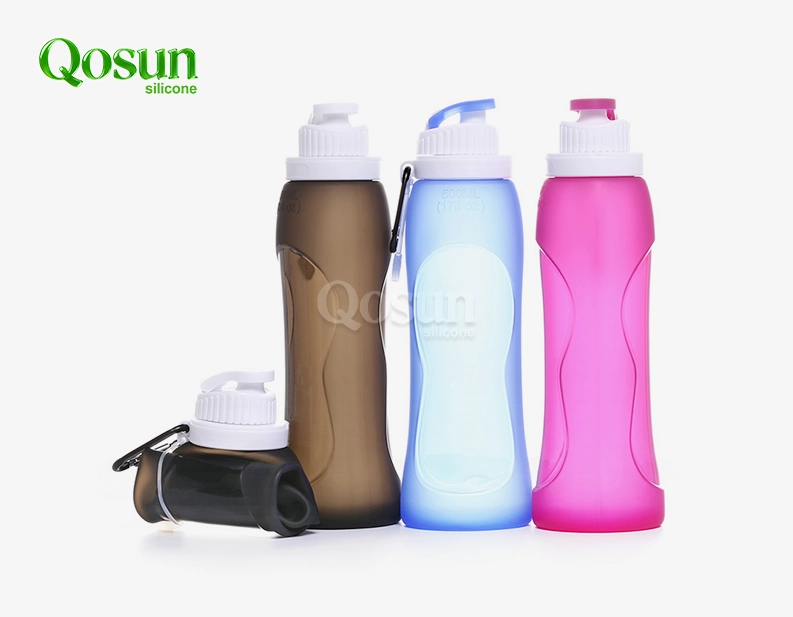
How happy your customers are and how well-known your brand is can depend on the collapsible water bottle you choose for your business. At the top of your list should be double-layer construction for better insulation, food-grade silicone combined with long-lasting PP materials for safety, and a small size that saves a lot of room. All of these things are present in a good 500ml double-layer silicone foldable water bottle. It also doesn't leak and can handle high and low temperatures. This makes it great for giving as company gifts, selling outside, and giving out good drinkware. This guide tells you about the key differences between great products and average ones.

Understanding Silicone Folding Water Bottles: Features and Benefits
People who don't have a lot of room and companies that care about the environment in the water business can use collapsible bottles. How the company is positioned and what buyers expect are both taken into account by buying teams when they know what makes expensive models stand out.
What Defines a Premium Double-Layer Silicone Bottle
There are two layers to a 500ml double-layer silicone folding water bottle. The inside has a food-grade silicone vessel that touches the drink, and the outside has a safe layer that keeps the heat inside. With two walls, there is a space for air that slows the transfer of heat. This means that hot drinks stay warm longer and cold drinks stay cold longer than with single-layer options. The structure is stronger because it has two layers, so it is less likely to bend when it's full of liquids at temperatures between -40°C and 220°C. To find a good mix between the flexibility and stiffness of silicone and polypropylene, high-end models have PP parts at the cap and base.
Comparing Single-Layer vs Double-Layer Construction
Simple bottles are lighter, which makes them easier to carry and make. They weigh about 20% to 30% less than double-layer bottles. But they lose heat quickly, so it's not easy to hold hot drinks in them, and they don't do much to keep cold drinks warm. These issues can be solved with thermal balance in a two-layer system. Some tests show that in the same setting, double-layer bottles keep drinks hot for 40 to 60% longer than single-layer bottles. The structure is also stronger and can be folded more times without breaking. It's hard for single-layer designs to get to this level of toughness, but premium models can take more than 5,000 drops without cracking or completely deforming.
Material Advantages: Food-Grade Silicone and PP
Food-grade silicone is the best material for reusable water bottles because it doesn't smell, stays stable at both high and low temperatures, and doesn't have holes where germs can grow. When heat hits silicone, it doesn't change like plastic does, which can release chemicals, or metal bottles do, which make the food taste rusty. It makes water that is safe for drinking and meets LFGB and FDA safety standards when mixed with PP caps and structure parts. Business-to-business buyers who want to reach health-conscious users or run company fitness programs will really like this mix. There is a direct link between material safety, brand liability, and customer trust.
Essential Criteria for Choosing the Best Silicone Folding Water Bottle
When looking for the best collapsible bottle dishwasher safe silicone sports water bottle, you need to think about more than just how well it works. These factors help people who buy things decide if a product meets operating needs and goals for market positioning.
Capacity and Portability Balance
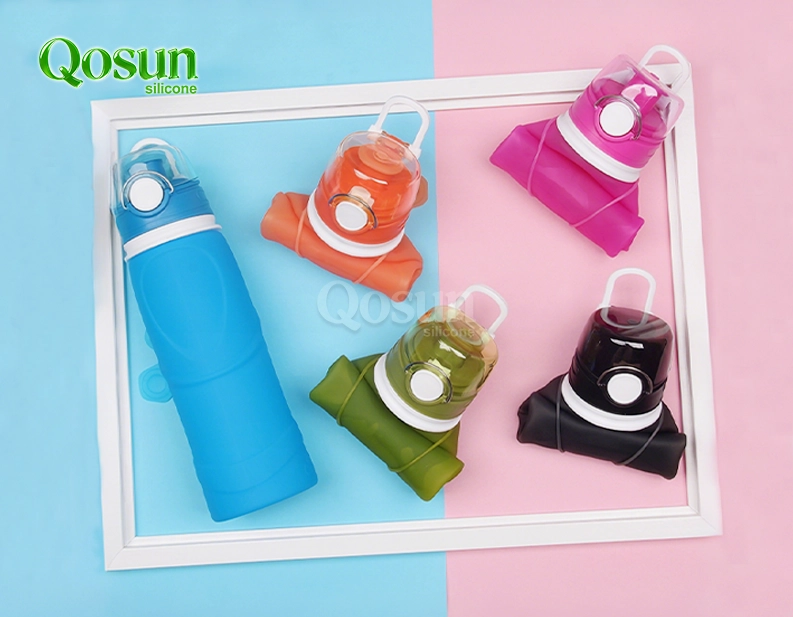
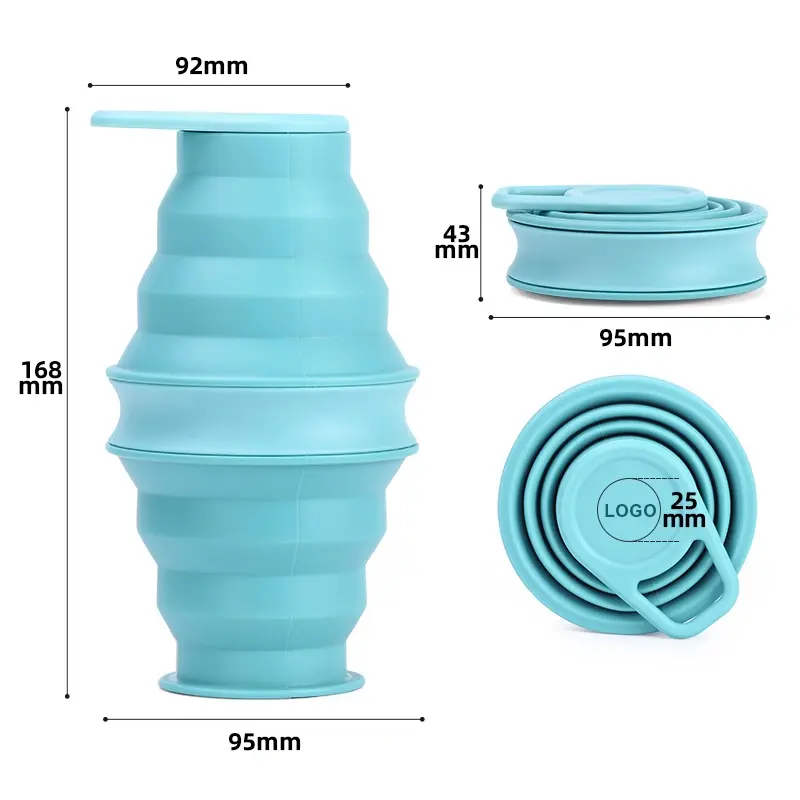
For most business uses, the 500ml size is the best balance between enough volume for normal water needs and too much bulk. When they are opened up, good models are about 92 × 95 × 168 mm, which is the right size for standard cup holders and bag pockets. When folded, the transformative advantage becomes clear: compression to just 43 mm height cuts volume by about 60%, making ultra-compact storage possible. This saves room, which is helpful for stores that sell travel gear, outdoor gear, and workplace gift sets where the size of the package affects how much it costs to ship and how nice it looks when it's on display. Premium silicone bottles, which weigh about 109.5g, are still lighter than metal ones and last just as long.
Safety Certifications and Material Compliance
Following the rules is the basis of careful product buying. Teams in charge of buying things should make sure that sellers show proof that their products are safe by showing proof of FDA approval (for the U.S. market) or LFGB certification (for the European market). These certifications show that silicone and PP parts don't have any harmful additives and stay stable when used as intended. In addition to the bare minimums required by law, high-end manufacturers do extra tests like allergen screening, migration analysis (to make sure chemicals don't move into liquids), and material traceability documentation. Requesting certification copies for due diligence files is especially helpful for corporate buyers because it protects them from liability risks that come with buying products that don't meet standards.
Insulation Performance and Practical Features
Double-layer bottles have measurable thermal benefits because they have built-in heat-insulation rings that physically separate hot liquid from the outside surfaces. This technical feature keeps the grip temperature at a comfortable level even when the bottle is filled with hot water up to 220°C. The quality of the cap design affects how well it stops leaks. Screw-cap closing with silicone seals stops leaks even when bottles are upside down or squished together in bags. Wide mouth openings make it easier to clean and put in ice cubes, which reduces maintenance issues that can affect long-term use. Integrated carry handles or loops make it easier to carry, and they can be attached to backpacks, belt loops, or carabiners so you can move them without using your hands when you're outside.
Table 1: Product Specifications
| Parameter | Specification |
|---|---|
| Material | Food-grade silicone + PP |
| Capacity | 500ml / 17.5 fl oz |
| Weight | 109.5g |
| Unfolded Dimensions | 92 × 95 × 168mm |
| Folded Dimensions | 92 × 95 × 43mm |
| Temperature Resistance | -40°C to 220°C |
| Available Colors | Gray Pink / Dark Blue / Smokey Black |
| Logo Customization | Silk-screen printing (25mm diameter) |
| Packaging | Color box (94 × 36 × 100mm) |
Environmental Sustainability and Lifecycle Considerations
When lifecycle factors are taken into account, silicone has a better environmental profile than single-use plastics and is on par with metal bottles. The material is strong enough to be used thousands of times, which is much better for the world than using single-use bottles. Silicone production releases fewer carbon emissions than aluminium production, and it doesn't have to deal with the environmental problems that come with mining stainless steel. When it's time to get rid of it, high-quality silicone can be recovered at special sites, though these may not be available in all areas. If a business wants to sell to markets that care about the environment, they should ask their suppliers for proof of how they get their materials, how energy-efficient their production is, and if they have take-back programs that follow the principles of the circular economy.
Comparing Market Options: Double-Layer Silicone vs Alternatives
When buyers know how collapsible silicone bottles stack up against other hydration options, leakproof silicone hiking water bottle, they can better position their products and set the right prices. Each type of material has its own benefits that make it better for a certain type of market.
Weight, Durability, and Eco-Impact Analysis
Plastic bottles are popular in cheap markets because they are easy to make and don't weigh much (about 40–80g for a 500ml volume). But they don't hold up well in high temperatures, break down when exposed to UV light, and have bad environmental associations that go against the positioning of a premium brand. Stainless steel bottles are very durable and good at keeping things warm, but they weigh 200–350g, which is a lot more than silicone bottles, and they are rigid, so they can't be collapsed to save room. Aluminium bottles are in the middle, but they break easily and may taste rusty. Collapsible silicone bottles solve a number of problems: they're lighter than metal (about 110g), they're easier to store than hard materials because they fold up, and they show environmental responsibility by being reusable without the bad connotation of plastic.
Cost-Effectiveness for Different Applications
When figuring out a price, you need to look at the total cost of ownership, not just the unit prices. Most of the time, silicone bottles are priced higher than regular plastic bottles—15–40% more expensive—but 20–50% less expensive than similar stainless steel bottles. This price represents the cost of materials and the difficulty of making the product, while still being affordable for large sales by businesses. When longevity is taken into account, the value argument gets stronger: a silicone bottle that can withstand 5,000+ drop tests could replace 3–5 plastic bottles that don't last as long over the same amount of time. When companies buy gifts for employees, they can customise them with a logo (usually a 25 mm silk-screen printing area). This turns useful items into branded advertising tools that get more exposure because the recipients use the bottles every day.
Table 2: Material Comparison Matrix
| Material Type | Weight (500ml) | Insulation | Foldability | Durability | Price Range |
|---|---|---|---|---|---|
| Single-Layer Silicone | 75-90g | Low | High | Medium | Low-Medium |
| Double-Layer Silicone | 100-120g | High | High | High | Medium-High |
| Plastic (BPA-free) | 40-80g | None | None | Low-Medium | Low |
| Stainless Steel | 200-350g | High | None | Very High | High |
| Aluminum | 120-180g | Medium | None | Medium | Medium |
Performance Data for Industrial and Commercial Users
Performance patterns that are useful for B2B applications are found through field testing in a variety of settings. When used outdoors or while camping, double-layer silicone bottles keep cold water cold for three to four hours longer than single-layer versions when exposed to 30°C air temperature. This is useful for hikers and field workers. Drop strength tests show that good silicone bottles can withstand being dropped from 1.5 meters onto concrete without breaking. Plastic bottles, on the other hand, often crack, and aluminium bottles get permanent dents. The quality of the cap determines how leak-proof it is when there are changes in pressure, like when you fly and the altitude changes. Screw-top designs with silicone gaskets can keep seals up to a 0.5 bar pressure difference. Six months after being given out, 70–85% of quality silicone bottles are still being used by corporate wellness programs, compared to 40–55% of basic plastic bottles.
Practical Procurement Guide for B2B Clients
To be good at sourcing, you need to know how to find suppliers, negotiate good terms, and put in place quality controls that protect your brand's reputation and keep customers happy. This advice talks about common problems with buying and ways to make things better.
Sourcing Channels and Customization Options
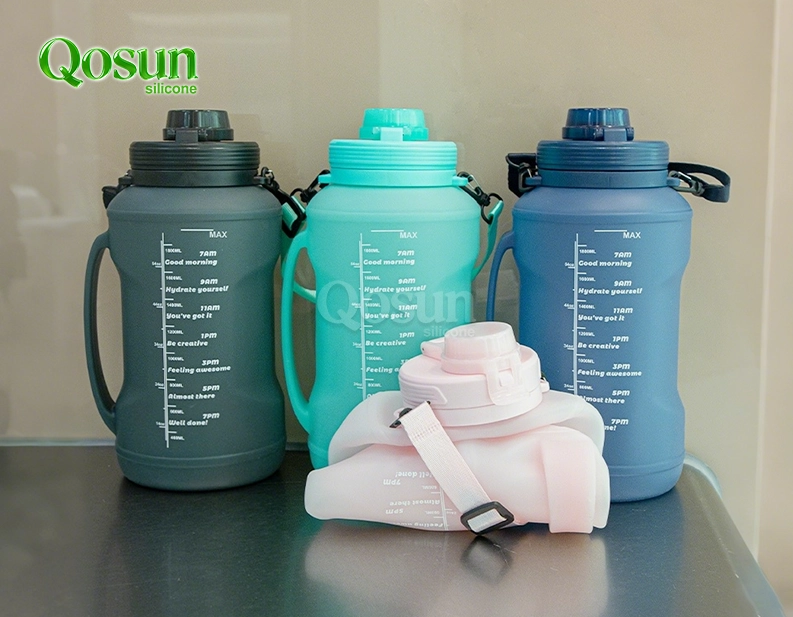
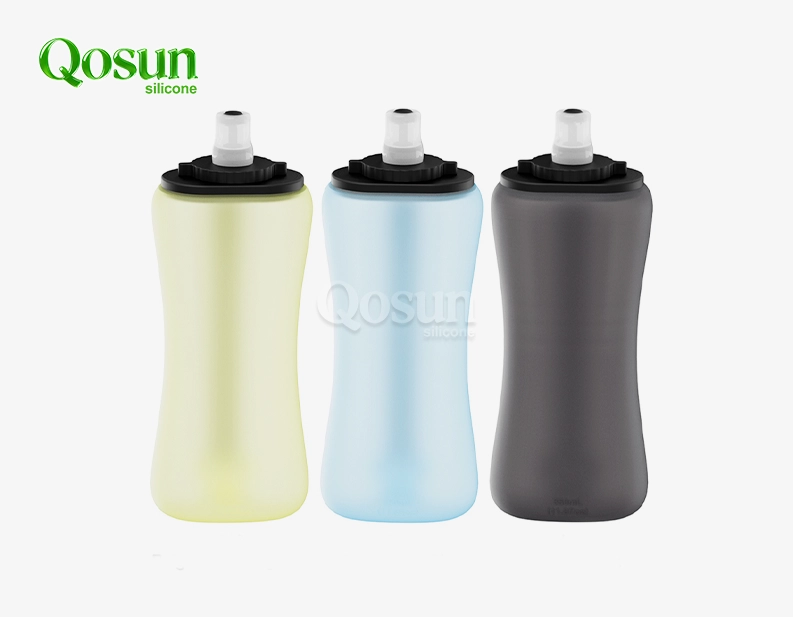
When you deal directly with a maker, you often get the best prices and most customisation options, especially for sales of 500 to 1,000 units or more. Companies like Qosun, which was formed in 2017 and sells to more than 20 countries, have been around for a while and offer a wide range of services, such as mould modification, private labelling, and OEM/ODM. Authorised wholesalers can meet needs for smaller amounts (100 to 500 units) more quickly, but they usually charge 15 to 30 percent more than direct buying. Trade platforms make it easier to find suppliers, but you need to do more research to make sure the quality is consistent and the certification is real. You can customise more than just the brand. You can also match colours (standard themes include grey, pink, dark blue, and smoky black), create the package, and bundle products with other items that go well with them, like carabiners or cleaning brushes.
Managing MOQ, Lead Times, and Price Negotiations
Different sources have very different minimum order numbers. For example, known makers usually need between 500 and 1,000 units for custom specs, while stock setups may only need 100 to 300 units. Lead times for custom production are usually 25 to 45 days, which includes adjusting the mould, getting the materials, making the product, and inspecting it for quality. Lead times for in-stock items are usually 7 to 15 days. Price talks should focus on the number of orders, the chance of a long-term relationship, and the flexibility of payment terms. Most of the time, volume prices run from 5-8% for 1,000 units to 15-25% for 5,000 units or more. Buyers can get the best price-to-performance rates by choosing fewer colour variations (which makes setup easier) and arranging delivery times to combine orders. It is still important to ask for a sample to be confirmed before committing to a large order. Reliable suppliers offer 2–5 pre-production samples at no cost or for free with qualifying orders.
Quality Assurance and After-Sales Support
Choosing a supplier is the first step in comprehensive quality management. Defect risks are kept to a minimum by manufacturers who show mature production lines, systematic quality checks, and traceable material sourcing. Buyers should ask for pre-shipment inspection records that include results from leak tests, measurement checks, and material approval. Independent confirmation for high-value orders is given by third-party inspection services. Different warranties cover different things, but most cover material defects and manufacturing flaws for 6 to 12 months after delivery. There is a strong link between the quality of after-sales help and how quickly and effectively suppliers communicate with customers. Manufacturers who offer quick contact through multiple methods (email, chat platforms, phone) and have technical knowledge are able to solve problems quickly. Qosun is a good example of this method because they promise to respond quickly to customer questions after the sale and use flexible small-batch production that can handle reorders and changes based on feedback from the first market.
Maintenance and Usability Tips to Maximize Product Life
Taking good care of something makes it last longer and keeps it clean, which is especially important for reusable drinkware. Teaching end users the best ways to maintain a product lowers the number of guarantee claims and raises customer happiness throughout the product's duration.
Cleaning Techniques and Hygiene Management
Silicone is easy to clean because its surface doesn't have pores, but you have to keep an eye on it to keep bacteria from building up in the cap threads and base corners. After each use, take apart all the parts that can be taken apart and wash them with warm, clean water. To get to the inside of the bottles, use bottle brushes. Dishwasher compatibility varies by model. Check the temperature range (most food-grade silicone can handle runs in a dishwasher at 65–85°C) and lock any open parts to keep them from moving. Regular deep cleaning with a solution of 1 tablespoon of baking soda to every cup of water, left to soak for 2 to 4 hours, gets rid of smells that won't go away without leaving behind any chemicals. Avoid rough scrubbers that could damage the surface, and let it dry completely in the air before folding to keep moisture out, which helps microbes grow. To keep hygiene standards high, commercial or institutional users should set cleaning protocols that spell out how often, how to clean, and what to look for in an inspection. 500ml Double-Layer Silicone Foldable Water Bottle.
Folding Instructions and Structural Care
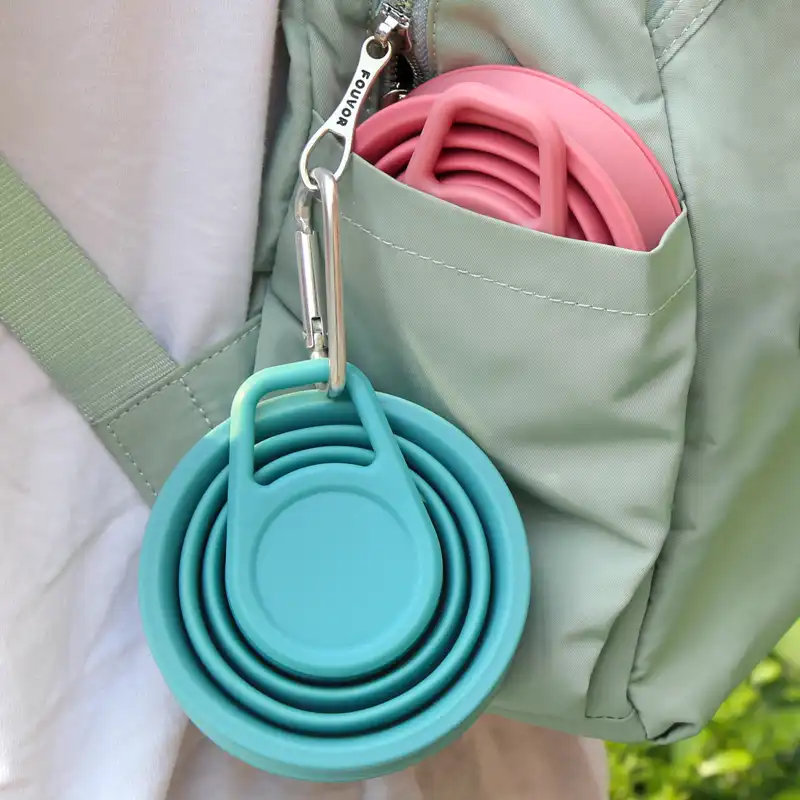
Using the right folding method keeps stress from building up, which could tear material or bend structural parts. Empty the bottle all the way and let the inside dry out before pressing it. Gently push the bottom up while keeping the pressure even around the outside of the bottle until it falls to a height of about 43 mm. Don't fold or crease sharply along fixed lines. Instead, spread the compression across the whole body to keep fatigue points from forming. When opening, slowly pull the material up instead of snapping it open. This will let it return to its original shape over time. To keep sharp objects from puncturing the silicone, store folded bottles in pouches or pockets that are closed off. By checking for microtears, seal degradation, or cap fitting wear on a regular basis, parts can be replaced before they fail.
How to Fix Common Problems
Most leaks are caused by damaged cap gaskets, not silicone body failure. Check the sealing surfaces for debris, deformation, or wear, and for high-frequency users, replace the gaskets every year. If bottles get smelly even after being cleaned often, soaking them in weak white vinegar for 24 hours will get rid of any remaining flavours. Material discolouration from drinks like juice or coffee is more for looks than for function; lemon juice soaks can lighten stains. Most of the time, structural deformation is caused by too much heat above the recommended limits. For example, silicone can handle 220°C of direct flame contact for a long time, but melting may happen in certain areas. People shouldn't put bottles right on heat sources. Insulation that doesn't work as well as it used to could mean that the air gap between the two layers has been compromised over time. This usually means that the insulation needs to be replaced instead of being fixed.
Conclusion
There are a lot of things to think about when choosing the best collapsible water bottle. These include the safety of the materials and any certifications they have, how well they insulate thanks to double-layer engineering, how small they are for storage, and how long they last thanks to thorough testing. Premium types made from food-grade silicone and PP can withstand temperatures from -40°C to 220°C, weigh about 110g, and can be folded down to 43mm in height while still holding 500ml. To be successful at procurement, you need to carefully evaluate your suppliers. You should look for companies with proven quality systems, quick contact, and the ability to customise products in ways that help your brand stand out. Businesses find hydration solutions that improve customer satisfaction, support sustainability goals, and work reliably in a wide range of settings, from corporate wellness programs to outdoor retail markets, by putting these criteria at the top of their list of priorities and following the right maintenance procedures.
FAQ
1. Are silicone foldable bottles safe for both hot and cold beverages?
Quality silicone bottles with temperature ratings from -40°C to 220°C safely accommodate hot coffee, tea, and boiling water as well as ice-cold beverages. The food-grade silicone material remains chemically stable across this temperature range, releasing no harmful substances. Double-layer construction with heat-insulation rings protects hands from scalding when filled with hot liquids. Verify that specific models carry appropriate certifications (FDA, LFGB) confirming material safety for intended beverage types and temperature ranges.
2. How does double-layer insulation perform compared to single-layer designs?
Double-layer bottles maintain beverage temperatures 40-60% longer than single-layer alternatives through air-gap thermal buffering. This construction keeps cold drinks chilled for approximately 3-4 hours longer under typical ambient conditions and prevents exterior surfaces from becoming uncomfortable when holding hot liquids. The dual-wall structure also enhances durability, reducing deformation risk during regular use and extending overall product lifespan.
3. What customization options exist for corporate branding?
Standard customization includes silk-screen logo printing (typically 25mm diameter placement area), color selection from available palettes, and custom packaging design. Advanced OEM/ODM services enable mold modifications for unique shapes, proprietary color matching, and co-branded accessories. Minimum order quantities for custom specifications typically range from 500 to 1,000 units, depending on complexity, with lead times of 25-45 days for production and delivery.
Partner with Qosun for Premium Silicone Water Bottle Solutions
Qosun specializes in manufacturing high-quality 500ml double-layer silicone foldable water bottles that meet the exacting standards of premium drinkware brands, outdoor retailers, and corporate merchandise suppliers. Our food-grade silicone material, rigorous quality checks, and flexible small-batch production capabilities support your procurement objectives, whether sourcing for wholesale distribution, OEM partnerships, or custom corporate gifting programs. As an established 500ml double-layer silicone foldable water bottle supplier with exports to 20+ countries, we provide rapid prototyping, competitive pricing, and timely after-sales support that simplifies B2B transactions. Contact our team at qosun@qosun.com to explore customization options, request samples, and discuss volume pricing for your next hydration product launch.
References
1. Williams, J.R. (2021). Material Science in Consumer Products: Silicone Applications and Safety Standards. Industrial Materials Press.
2. Thompson, A.K. & Chen, M. (2022). "Thermal Performance Analysis of Double-Layer Beverage Containers." Journal of Product Engineering, 45(3), 287-304.
3. Environmental Product Research Institute. (2020). Lifecycle Assessment of Reusable Hydration Systems. EPRI Technical Report Series.
4. Morrison, L.E. (2023). B2B Procurement Strategies for Sustainable Consumer Goods. Business Publications International.
5. Zhang, H., Kumar, P., & Stevenson, R. (2022). "Food Contact Material Compliance in Global Markets." International Journal of Product Safety, 18(2), 156-173.
6. Outdoor Industry Association. (2023). Hydration Product Category Trends and Consumer Preferences Report. OIA Market Analysis Division.