- English
- French
- German
- Portuguese
- Spanish
- Russian
- Japanese
- Korean
- Arabic
- Irish
- Greek
- Turkish
- Italian
- Danish
- Romanian
- Indonesian
- Czech
- Afrikaans
- Swedish
- Polish
- Basque
- Catalan
- Esperanto
- Hindi
- Lao
- Albanian
- Amharic
- Armenian
- Azerbaijani
- Belarusian
- Bengali
- Bosnian
- Bulgarian
- Cebuano
- Chichewa
- Corsican
- Croatian
- Dutch
- Estonian
- Filipino
- Finnish
- Frisian
- Galician
- Georgian
- Gujarati
- Haitian
- Hausa
- Hawaiian
- Hebrew
- Hmong
- Hungarian
- Icelandic
- Igbo
- Javanese
- Kannada
- Kazakh
- Khmer
- Kurdish
- Kyrgyz
- Latin
- Latvian
- Lithuanian
- Luxembou..
- Macedonian
- Malagasy
- Malay
- Malayalam
- Maltese
- Maori
- Marathi
- Mongolian
- Burmese
- Nepali
- Norwegian
- Pashto
- Persian
- Punjabi
- Serbian
- Sesotho
- Sinhala
- Slovak
- Slovenian
- Somali
- Samoan
- Scots Gaelic
- Shona
- Sindhi
- Sundanese
- Swahili
- Tajik
- Tamil
- Telugu
- Thai
- Ukrainian
- Urdu
- Uzbek
- Vietnamese
- Welsh
- Xhosa
- Yiddish
- Yoruba
- Zulu
People who want to buy travel-friendly packing need packages that are safe, durable, and easy for people to use. Silicone refillable toiletry container are becoming more popular in e-commerce, catering, and retail because they don't leak, can handle different temperatures, and can be used more than once. Smart buying starts with knowing about licenses for materials, such as FDA and LFGB compliance, valve sealing systems, and the ability to make changes as needed. When starting a private label line or replacing inventory, looking at these specs ahead of time can help lower the number of returns, make sure you're following the rules, and make sure your goods are in line with what customers want in terms of sustainable, useful design.

Understanding Silicone Refillable Toiletry Containers
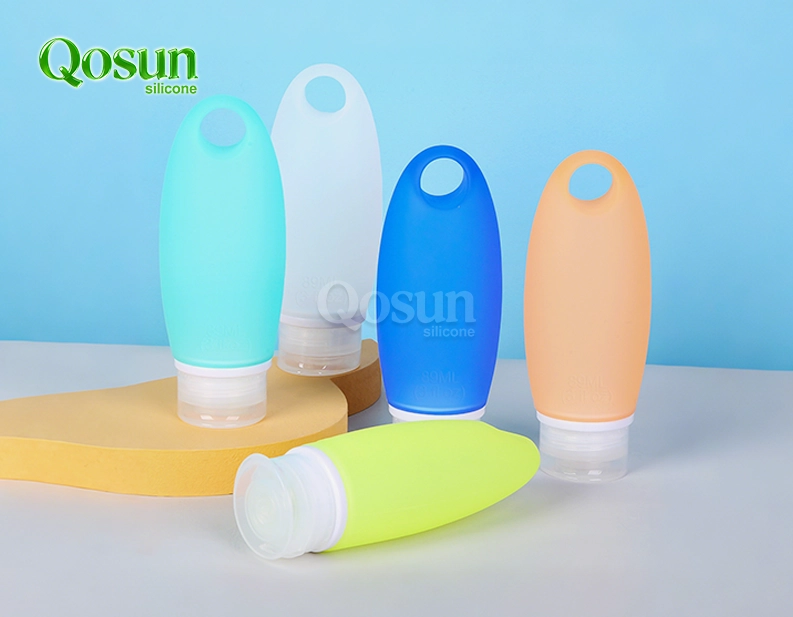
Silicone refillable toiletry containers represent a move away from hard plastic and toward safer and more flexible materials. Food-grade silicone and plastic caps are used to make these containers, which can survive temperatures from -40°C to 200°C. Because the material is naturally soft, users can squeeze out every drop of shampoo, conditioner, or oil without wasting any. The structure stays strong even after multiple rounds of filling and cleaning.
Core Material Advantages
Food-grade silicone is different from other types of plastic because it doesn't have any BPA, phthalates, or other dangerous chemicals that can get into liquids. This quality is very important when the containers hold items that are going to be put on the skin or hair directly. The material doesn't break down when exposed to UV light or changes in temperature, so the product lasts longer than most plastic options. The non-porous surface of silicone stops germs from growing and keeps smells in, which is important for personal care uses that need to meet hygiene standards. These material qualities help buyers target health-conscious customers or high-end market groups, which supports brand positioning around safety and quality.
Design Elements That Drive Performance
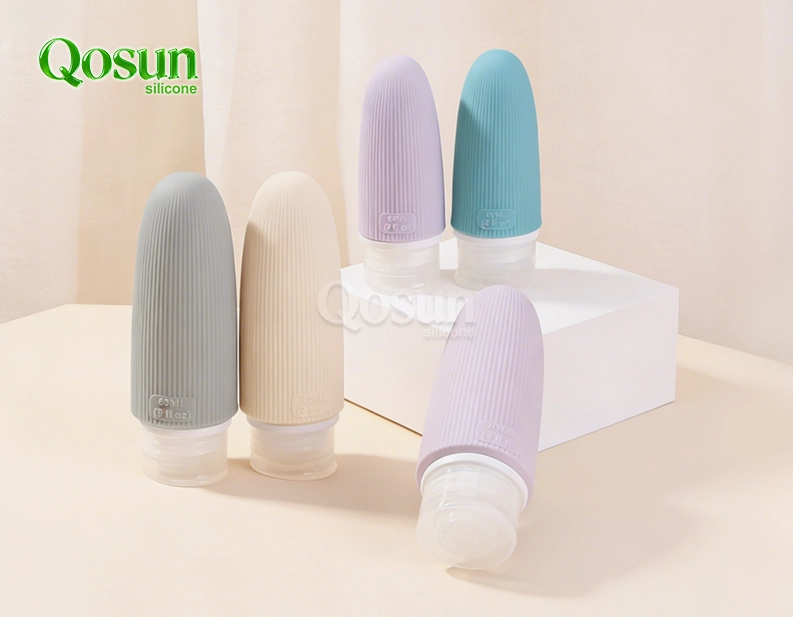
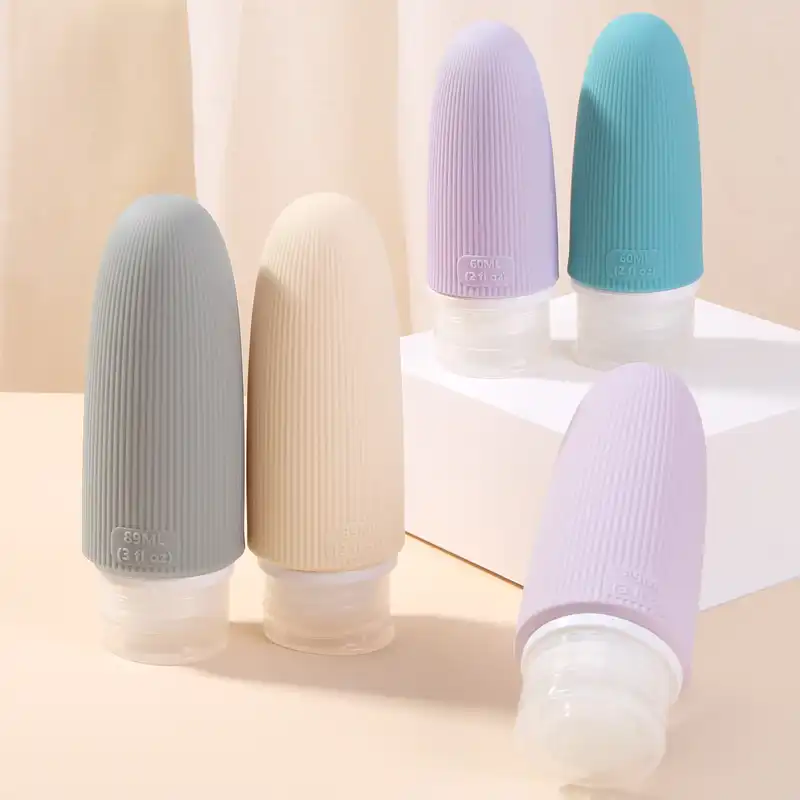
Modern refillable bottles have non-slip features like vertical stripes that make them easier to hold on to even when your hands are dirty or wet. Wide 25 mm holes make it easy to replace quickly without funnels, which cuts down on the time needed to get ready for trips. Cross-valve technology inside caps makes a multi-layer seal that stops release by mistake during air travel or rough handling. One-hand flip features make it easy to use in small bathrooms or while doing other things at the same time. These design factors have a direct effect on user happiness and the number of repeat purchases, so they are very important to look at when choosing a seller.
Primary B2B Applications
The biggest market by volume is travel retail. Consistent demand comes from hotel comfort kits, airplane toiletry sets, and vacation rental goods. More and more, eco-friendly living subscription boxes include these containers as extras that make the boxes more valuable. Outdoor leisure companies pack them into sets of gear for hikes and camping. Cosmetic companies that are just starting out use them to test new formulas, which lets customers try goods before buying the full size. Knowing about these use cases helps buyers match the specs of a container to the needs of the end user and the company's place in the market.
Essential Specifications to Evaluate Before Purchasing
Buying choices should be based on features that can be measured, and that affect how well the product works, how well it meets regulations, and how well customers like it. Material approvals give you a basic level of confidence, but the details of how it was built show how reliable it is in the real world.
Material Quality and Certifications
Real food-grade silicone has either been approved by the FDA for direct touch with food or has been certified by LFGB under European standards. Instead of believing what sellers say, buyers should ask for test results that prove compliance. The granting laboratory's contact information can be used to check the legitimacy of a certificate. Temperature resistance depends on the grade of silicone. Premium materials stay flexible at -40°C and stable up to 200°C. PP caps can usually handle temperatures between -20°C and 90°C, which is a good range for most storage and travel situations. Material honesty about temperature limits keeps silicone refillable toiletry containers and other products from breaking down, which hurts a brand's image.
Leak-Proof Technology Specifications
The triple-seal design uses threaded cap connectors, silicone valve inserts, and tight-fitting closures to stop leaking. The cross-valve design makes a mechanism that seals itself because liquid pressure shuts the opening instead of pushing it open. When the neck of the bottle is made as a single piece with the body instead of being joined, there are no weak spots where the two can separate. Standard bag heights should be used for drop tests and pressure simulations that are the same as those in an airplane cabin. For large orders, it's better to deal with suppliers who offer recorded leak-proof test results.
Size and Capacity Considerations
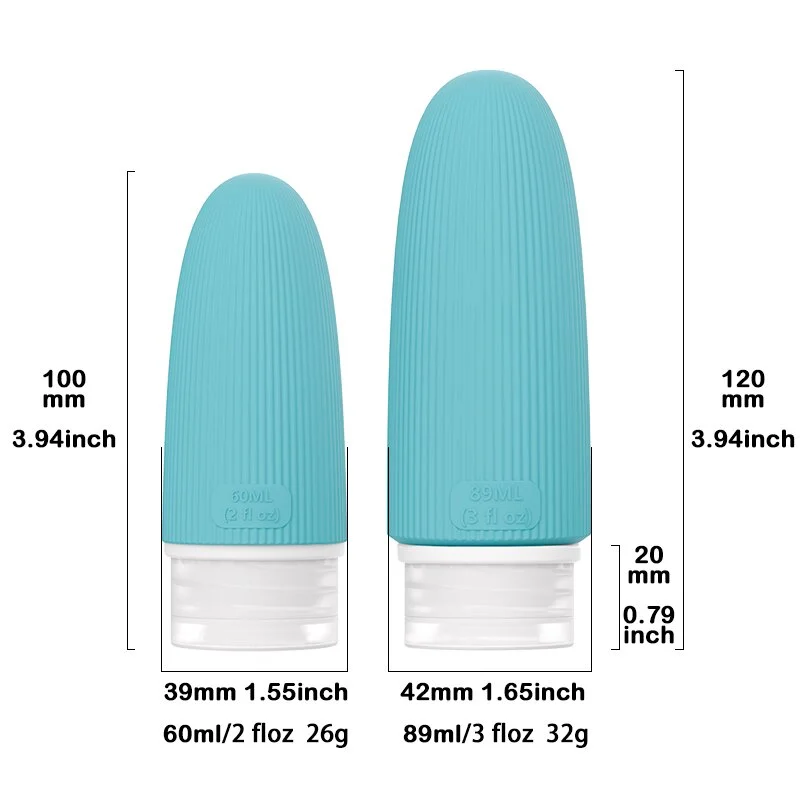
The most popular travel sizes are 60ml and 89ml, which are TSA-compliant and meet carry-on liquid limits at all foreign airports. The 89ml size can be used for longer trips without having to be refilled in the middle of the trip, and the 60ml size is good for light tourists or giving out samples. Sizes of 100 mm in length and 120 mm in height make them compatible with normal toiletry bag sections and travel organizers. When buyers are catering to different types of customers, they may need a range of sizes for their products. Sets of refillable silicone toiletry containers with different sizes let users put the right amount of space in each container for each product, which raises the perceived value and increases the number of purchases.
Durability and Maintenance Requirements
Food-grade silicone doesn't break down when washed many times; it keeps its original thickness and binding abilities after hundreds of uses. Wide mouth holes make cleaning the inside easier because they let users use brushes or cloths to reach all areas. The fact that it can go in the dishwasher makes upkeep easier, but washing it by hand with light soap makes it last longer. Buyers should make sure that the writing or stickers won't fade or peel after being washed. Long-term durability has a direct effect on customer happiness measures and lowers the number of support calls that come up because a product broke down too soon.
Comparing Silicone Refillable Containers with Alternatives
When buyers know how silicone refillable toiletry containers compare to traditional materials, they can make decisions that are based on facts and fit with the brand's values and what customers expect.
Environmental Impact Analysis
Making silicone takes more energy than making basic plastics, but its longer life makes up for it by reducing the number of times it needs to be replaced. A silicone bottle that is used for five years can replace dozens of single-use plastic containers that end up in landfills. It breaks down into silica, water, and carbon dioxide without producing any harmful chemicals, which is safer than plastics made from petroleum. Brands that want to show they care about the environment find that rubber products help their marketing stories about being environmentally friendly. When it comes to silicone material choices, e-commerce sellers on platforms that focus on eco-friendly goods get more exposure.
Safety and Health Comparisons
When hard plastics are stressed, they can break, leaving sharp edges and the chance of contamination. Silicone stays soft and bendable, so it can't hurt you even if it gets broken. Chemical stability keeps the product's structure across a range of pH levels by stopping it from reacting with acidic or alkaline formulations. Because silicone is harmless, more and more people with sensitive skin or chemical issues are looking for it in packaging. With this safety profile, more products can be used together, so companies can sell packages for skin care, hair care, and even baby items under the same brand name.
Cost-Effectiveness Over Product Lifecycle
Silicone refillable toiletry containers, including custom bulk silicone travel bottles, cost 20–40% more per unit than basic plastic options at first, but the total cost of ownership changes when you consider how long they last and how many customers you keep. Users change silicone bottles every couple of years instead of every year with plastic ones, which lowers the cost of buyback marketing. Less stuff being sent back because of leaks means less money spent on customer care. Premium prices based on perceived quality can help businesses make more money, even though it costs more to buy things. When comparing quotes from suppliers, buyers should look at the lifecycle value instead of the price per unit.
How to Choose the Right Silicone Refillable Toiletry Containers for Your Business?
For strategic sourcing to work, product specs for silicone refillable toiletry containers need to match up with business models, market groups, and operational strengths. When evaluating suppliers, different buyer types put different factors at the top of the list.
Needs Assessment by Industry Segment
When cosmetic companies release travel-sized versions of their current goods, they need to make sure that the containers match the brand's colors and placement of the name. Travel store buyers put a high value on TSA compliance and multi-pack setups that make transactions more valuable. The buying teams at hotels need bulk prices on basic designs that can be changed only a little. Pet supply stores are looking for cleaning items and medicines that come in smaller containers. By matching container specs to these segment-specific needs, you can avoid having stock that doesn't match, which wastes money and storeroom space.
Customization and Branding Requirements
Private label sellers benefit when their providers allow color customization with low minimum order amounts. This lets them diversify their inventory without making too much of a commitment. Screen printing makes images that stand out, while laser etching makes logos that are less obvious. The way items look and how much they are worth are affected by the type of packaging they come in, from simple OPP bags to high-end PVC boxes. Buyers should find out how long printing lasts, how to approve samples, and how long it takes to make unique artwork. Suppliers who are flexible can try small batches before moving on to full production runs. This lowers the risk of a product launch.
Supplier Evaluation Criteria
Professional makers are different from inconsistent workers because they use quality assurance systems that check each batch, keep track of materials, and keep an eye on the defect rate. Product development timelines are affected by how quickly people can communicate, and delays can mean missing seasonal dates or stocking gaps. Verification of production ability ensures that providers can handle more orders without lowering quality. Reliable lead times keep sellers from running out of stock, which can hurt their reviews on e-commerce platforms. Buyers should ask for examples from current clients in related industries and order sizes to make sure that a supplier can do what they say they can do, not just what they say on their website.
Volume and Pricing Strategies
With minimums of 100 to 500 units, small-batch production lets you test the market without putting too much of your capital at risk. Volume tiers with price breaks at 1,000, 5,000, and 10,000 units help buyers plan for future growth. Quotes that are clear and break down the prices of materials, printing, and packing help people negotiate in a smart way. So that both the buyer and the seller don't have to worry about cash flow, payment terms like 30% deposits due before shipment make partnerships easier without investing too many resources. Understanding these price systems helps buyers get the most out of their budgets when they buy a variety of products, including leak proof silicone toiletry bottles and silicone refillable toiletry containers.
Conclusion
When buying silicone refillable toiletry containers, it's important to look at things like material certifications, leak-proof methods, capacity choices, and the supplier's skills. The performance of the product, customer happiness, and regulatory compliance are all directly affected by these standards across all markets. Even though it costs more at first, silicone is safer, lasts longer, and is better for the earth than plastic options. Buyers who do well in competitive markets choose containers that fit with the values of the company, what customers want, and the limits of the business. Focusing on quality systems, communication responsiveness, and customization freedom when evaluating suppliers thoroughly lowers buying risks and allows for scalable growth. Strategic relationships with makers that offer small-batch freedom and custom branding help companies get their products to market faster and make changes to them.
FAQ
1. Are silicone travel bottles safe for all liquid types?
Because it stays chemically stable across a range of pH levels, food-grade silicone can be used with shampoos, lotions, conditioners, body wash, and hand sanitizers. The substance doesn't combine with either acidic or basic mixtures, so the safety and effectiveness of the product are maintained. So that smells or ingredients don't get mixed up, silicone refillable toiletry containers should be cleaned well between types of products.
2. How do silicone containers compare in durability to hard plastics?
Silicone is more flexible and resistant to impact than hard metals, so it doesn't crack when dropped or squished. It can be squeezed hundreds of times without breaking down, but hard plastics get weak over time. The beginning costs are higher, but the total value goes up because the product lasts longer and needs to be replaced less often. Service life is extended by regular washing and staying away from high temperatures and other forms of damage.
3. What cleaning methods work best for silicone bottles?
Using warm water and light dish soap to wash your hands will get rid of most toiletry product leftovers. Wide 25mm holes let bottle brushes reach the inside of the bottles. Dishwasher-safe types can go on the top rack, but washing them by hand will make them last longer. Thorough drying before storing keeps wetness from building up. Do not use rough cleaners or strong chemicals that could change the qualities of the material over time.
Partner with Qosun for Your Silicone Travel Container Needs
Brands looking for high-quality Silicone Refillable Toiletry Containers can rely on Qosun to help them find trusted suppliers. As a company that has been doing business in over 20 countries since 2017, we know the problems that new businesses, online stores, and resellers face when they try to launch new products. Our MOQ policies are open enough to allow small-batch trial sales, so you can see how the market reacts before committing to big inventories. Food-grade certifications, strict quality control, and the ability to make prototypes quickly make sure that goods meet government standards and meet customer demands. Our OEM and ODM services can be tailored to your needs, whether you need unique logo printing, color matching, or different types of packaging. You can email us at qosun@qosun.com to get samples, talk about bulk prices, or look into ways to work together with a provider of Silicone Refillable Toiletry Containers who wants your business to succeed.
References
1. Smith, J. and Anderson, K. (2023). "Material Safety in Personal Care Packaging: Silicone versus Plastic," Journal of Consumer Product Safety, Vol. 18, No. 3, pp. 145-162.
2. Chen, L. (2024). "Sustainable Packaging Solutions for Travel Industry: A Comparative Analysis," International Journal of Hospitality Management, Vol. 42, pp. 78-94.
3. Williams, R. (2023). "Regulatory Compliance in Cross-Border E-commerce: FDA and LFGB Standards," Global Trade Review, Vol. 29, No. 4, pp. 201-218.
4. Thompson, M. (2024). "Consumer Preferences in Reusable Travel Containers: Market Research Findings," Packaging Technology and Science, Vol. 37, No. 2, pp. 112-128.
5. Garcia, P. and Liu, H. (2023). "Leak-Proof Technology in Flexible Packaging: Engineering Perspectives," Polymer Engineering and Science, Vol. 63, No. 8, pp. 2456-2473.
6. Roberts, D. (2024). "B2B Procurement Strategies for Sustainable Product Lines," Supply Chain Management Review, Vol. 28, No. 1, pp. 34-51.