- English
- French
- German
- Portuguese
- Spanish
- Russian
- Japanese
- Korean
- Arabic
- Irish
- Greek
- Turkish
- Italian
- Danish
- Romanian
- Indonesian
- Czech
- Afrikaans
- Swedish
- Polish
- Basque
- Catalan
- Esperanto
- Hindi
- Lao
- Albanian
- Amharic
- Armenian
- Azerbaijani
- Belarusian
- Bengali
- Bosnian
- Bulgarian
- Cebuano
- Chichewa
- Corsican
- Croatian
- Dutch
- Estonian
- Filipino
- Finnish
- Frisian
- Galician
- Georgian
- Gujarati
- Haitian
- Hausa
- Hawaiian
- Hebrew
- Hmong
- Hungarian
- Icelandic
- Igbo
- Javanese
- Kannada
- Kazakh
- Khmer
- Kurdish
- Kyrgyz
- Latin
- Latvian
- Lithuanian
- Luxembou..
- Macedonian
- Malagasy
- Malay
- Malayalam
- Maltese
- Maori
- Marathi
- Mongolian
- Burmese
- Nepali
- Norwegian
- Pashto
- Persian
- Punjabi
- Serbian
- Sesotho
- Sinhala
- Slovak
- Slovenian
- Somali
- Samoan
- Scots Gaelic
- Shona
- Sindhi
- Sundanese
- Swahili
- Tajik
- Tamil
- Telugu
- Thai
- Ukrainian
- Urdu
- Uzbek
- Vietnamese
- Welsh
- Xhosa
- Yiddish
- Yoruba
- Zulu
To find reliable cheap choices for collapsible silicone water bottles, you need to know what makes a good product. These new water solutions are both portable and environmentally friendly, which meets the needs of current customers and gives businesses a lot of branding options. Collapsible containers, on the other hand, fold down to save a lot of storage space—some models can cut volume by up to 78%—which makes them perfect for stores, advertising campaigns, and online stores that want to attract buyers with busy lives and an interest in the environment.

Understanding Collapsible Silicone Water Bottles: Features, Benefits, and Materials
Learn about the features, benefits, and materials of collapsible silicone water bottles.
Foldable water items are becoming more popular because of how they are made and how many uses they have. There is growing demand for items that are both useful and good for the environment in a number of market areas, from outdoor stores to workplace gift suppliers.
What Makes Collapsible Designs Different?
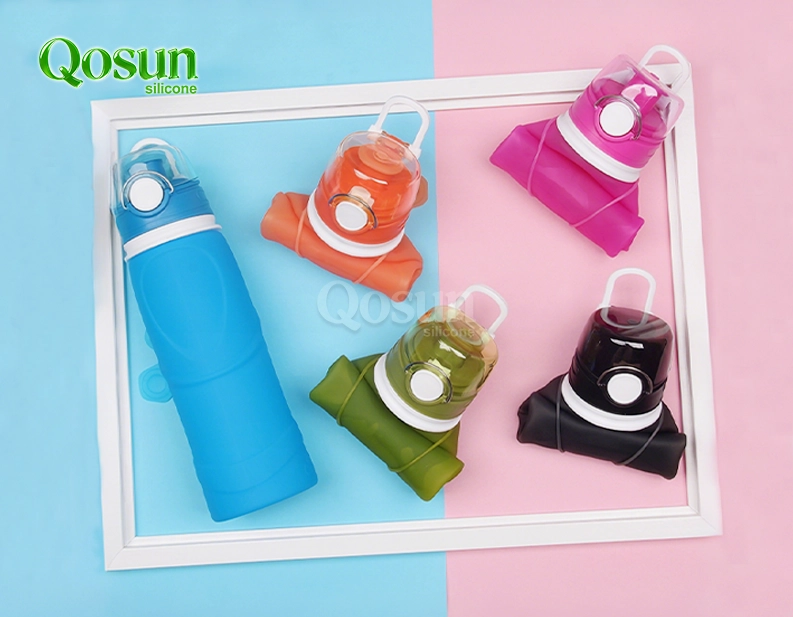
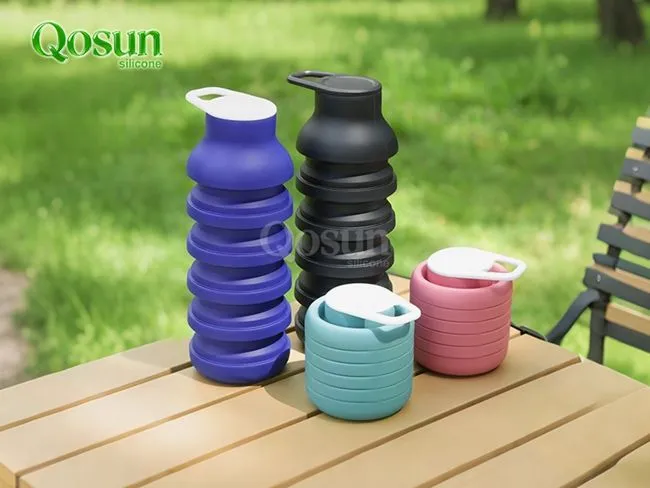
Traditional water bottles take up the same amount of room no matter how much water they hold. This disadvantage can be turned into a benefit with collapsible options. When these bottles are empty, they fold up like an accordion or are made of flexible plastic. This makes them smaller, which saves room in your bag for trips, travel, or activities outside. When opened, a normal 600 ml bottle might be 21 cm long, but when folded down, it's only 8.5 cm long. This kind of space economy is very appealing to travelers and minimalists.
Material Safety and Certification Standards
When buying in bulk, quality is very important. Food-grade silicone is the best material for reusable drinking cups, especially when it comes to materials that meet FDA and LFGB approval standards. These rules make sure that the silicone stays BPA-free, safe, and solid at temperatures ranging from -40°C to 200°C, so it doesn't release chemicals into drinks. When we look at sources, we always check the material compliance paperwork because certification has a direct effect on product liability and customer trust in places like Europe and North America.
Comparing Silicone to Alternative Materials
Plastics are cheaper than stainless steel, but silicone is the best material for foldable items because it is both strong and flexible. Steel doesn't fold without hinges, which add weight and make possible leaky places. Standard plastics don't always hold up well in high temperatures and are bad for the earth. The natural flexibility of silicone, along with its ability to withstand pressure and pass more than 5,000 durability tests, gives it the strength needed for active use without being too stiff to store compactly.
Wholesale Procurement Criteria: How to Choose the Right Collapsible Silicone Water Bottles?
To choose the right goods for your target market, you need to do more than just look at them. We suggest that you look at a few important factors that have a direct effect on customer happiness and the likelihood that they will buy from you again.
Defining Your Application Scenario
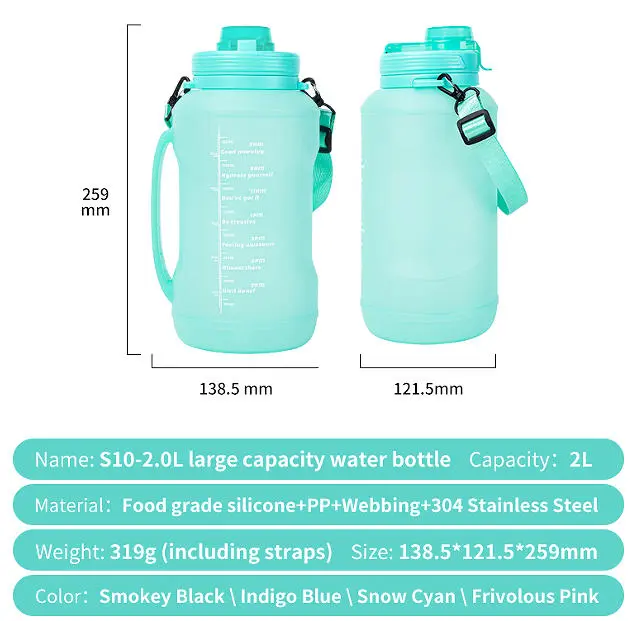
Knowing the end-use situation affects every choice that follows. A branding room and a professional look are important to corporate giving programs. Outdoor stores need products that are tough and have carabiner fittings. Fitness-focused online stores want grips that are easy on the hands, measurement marks for keeping track of water intake, and collapsible silicone water bottles. People who go to the gym and want to keep track of their daily water intake can use the 2.0L bottle with time marks. Runners who need to stay hydrated while training will like the wrist-mounted designs.
Core Quality Metrics to Evaluate
There are a number of technical differences between high-end goods and cheaper options. The best performance is one that doesn't leak. Look for triple-seal systems with precision-engineered seals that stay in place even when they are turned upside down or shaken. Wall thickness affects longevity; silicone that is thicker can be folded over and over again without breaking. Screw-top caps are one type of cap mechanism. Bite nozzles are another type. Bite nozzles work well for busy sports but require more complex mold design. Wide holes (72.5 mm width) make it easier to put in ice cubes and clean thoroughly, which lowers worries about bacterial growth.
Customization and Branding Opportunities
With private marking, basic goods can become valuable brand assets. Silk-screen printing can handle complex logos, and embossing makes it easy to recognize a brand by its texture. Customizing colors beyond the standard choices lets you stand out in the market; for example, in elite areas, matte finishes are currently more popular than shiny ones. Customizing the packaging with things like branded boxes and educational notes raises the perceived value, which is very important for gift markets. When talking to makers, make sure they know if the mold creation costs cover unique cap designs or features that are only available from that manufacturer.
Pricing, MOQ, and Logistics Considerations
Cost levels change a lot from one provider to the next. Unit prices usually go down as the number goes up. Common break points are 500, 1,000, and 5,000 pieces. Testing the market can be limited by minimum order numbers. However, modern suppliers offer small-batch production starting at 100 to 300 units for trial orders. When shipping silicone goods, the weight matters a lot. Collapsed bottles are cheaper than rigid cases when it comes to dimensional weight charges. Lead times are usually between two and four weeks after the sample is approved, but rush production may be possible at higher costs to meet shorter deadlines.
Comparing Top Collapsible Silicone Water Bottle Solutions
According to market data, there are a few well-known names that control the wholesale channels. However, new makers are starting to offer competitive options with terms that are good for businesses that are growing.
Established Brand Options
Hydaway was the first company to make collapsible products. Their patented spiral designs are known for their strong store presence and reliable quality. Their well-known name allows them to charge more at retail, which helps wholesalers make good profits. With stronger caps and bigger temperature ranges, Nomader puts a lot of emphasis on outdoor longevity. Vapur aims for ultralight uses with thinner rubber that is good for camping, where every gram counts. These brands usually have higher MOQs and don't let you change much other than the color, which makes them good for distributors who value name recall over proprietary development.
OEM and Private Label Solutions
One alternative way to buy things is to work with makers that offer OEM and ODM services. This approach gives you more power over the features, branding, and prices of your products. Since 2017, companies that make silicone goods have been able to support custom mold development for portable silicone foldable bottle with carabiner. This lets them make bottles with unique shapes or features that aren't available in normal catalogs. This adaptability is helpful for brands that want to stand out in crowded markets. As a result, development times are longer—usually 4 to 6 weeks for mold making—and upfront equipment costs range from a few hundred to a few thousand dollars, based on how complicated the design is.
Evaluating Supplier Reliability
Beyond the quality of the product, the practical skills of the seller have a big effect on the success of buying. How quickly you answer questions about customer service is a good indicator of that, and delays during the quotation process are often a sign of problems with delivery. Order growth depends on production capacity. Suppliers with well-established production lines can handle higher volumes without affecting quality or delivery times. Quality control measures, such as inspection routines before shipping, lower the number of defects that hurt a brand's image. Suppliers that send goods to 20 or more countries show that they know how to handle processes by following international shipping rules and paperwork requirements.
Practical Guide: How to Maintain and Clean Collapsible Silicone Water Bottles?
Maintenance methods have a direct effect on how long a product lasts and how happy its users are with it. Giving care directions with wholesale packages lowers the number of returns and builds trust with customers by being honest.
Recommended Cleaning Methods
Silicone's smooth, non-porous surface keeps germs from sticking better than many other materials, but it's still important to clean it properly. For daily care, washing your hands with warm water and light dish soap is enough. The wide mouth makes it easier for the bottle brush to get to the inside surfaces and folds where dust builds up. Safety in the dishwasher is a valued comfort feature; silicone can handle normal cycle temperatures without breaking. Baking soda solutions get rid of the smell of flavored drinks without using strong chemicals that could damage seals over time.
Preventing Common Issues
Customers are worried about mold growth, even though rubber is naturally resistant. The best way to keep this from happening is to dry things completely before putting them away. Collapsing bottles while they are still wet traps moisture in the folds. Telling customers to store bottles fully expanded or upside down with the caps off lets all the air flow through. For wholesale marketing to retail outlets, putting these directions on simple care cards stops people from misusing them and shows that you are committed to quality assurance. Corporate clients like specific repair plans because they keep employees from complaining about how well a product works.
Eco-Friendly Impact and Market Trends in Collapsible Silicone Water Bottles
Sustainability qualities are becoming more and more important to all types of buyers, which gives sellers a chance to market their goods around their environmental benefits.
Environmental Advantages Over Disposables
Environmental study groups say that single-use plastic bottles cause about 60 million tons of waste every year. This problem can be solved with reusable options like foldable silicone travel water bottles, which are silicone bottles that can be folded up and used again and again. Each unit can replace hundreds of single-use sales over its lifetime. Because silicone is so strong, it lasts longer than most reused plastic items, which break or hold smells. Compared to PET plastic, silicone recycling infrastructure is still being built up. However, because silicone lasts longer, it has less of an effect on the earth over its entire lifecycle. These talking points work well in marketing products aimed at people who care about the environment.
Market Growth Projections
A study of the market for reusable water bottles shows that it will grow at a rate of more than 4% per year until 2028. The market for flexible bottles will grow faster than the market for stiff bottles. Some of the things that are pushing this trend are stricter rules on single-use plastic in many cities, more people enjoying nature after the pandemic, and companies stepping up their sustainability efforts. E-commerce helps niche products reach specific audiences, which speeds up category growth. For example, the number of searches on Amazon for "collapsible water bottle" has increased 35% year-over-year, which shows that consumers are very interested. Wholesalers can take advantage of this by using FBA programs or direct-to-consumer brands.
Positioning for Green Marketing
Business-to-business buyers should think about how the environmental features of a product support the green messages of their clients. Environmental practices of suppliers are becoming more and more important in corporate buying when choosing vendors. Proposals to business accounts are stronger when they include information about reusable packaging, lower shipping emissions from smaller, collapsible sizes, and material certifications. Retailers can make more money by putting foldable bottles in line with environmentally friendly products that shoppers who care about doing the right thing are willing to pay more for.
Conclusion
Finding collapsible silicone water bottles in bulk means finding a source that can meet your quality standards and help you place your business in the market. Material certifications make sure that safety rules are followed in all foreign markets, and careful design features like leak-proof seals and customization choices make it possible to stand out. When working with well-known brands or making your own goods through OEM relationships, making sure the suppliers you work with are thoroughly checked out is important to avoid quality problems that hurt your relationships with customers. Sustainability trends and changes in lifestyles toward active living are fueling the category's growth. This creates great possibilities for marketers, e-commerce sellers, and brands that want to make useful products that are also good for the environment.
FAQ
1. Are collapsible silicone water bottles safe for hot beverages?
Yes, good food-grade silicone can survive temperatures from -40°C to 200°C without breaking down or releasing chemicals. The material stays strong even when it's wet with hot tea or coffee, but the outside may get warm to the touch. Some styles have insulated layers that make it more comfortable to drink hot liquids.
2. What lead times should I expect for custom wholesale orders?
Most standard product orders are sent out within 5 to 7 working days. Silk-screen painting for custom lettering takes an extra 10 to 15 days. It takes 4 to 8 weeks to finish ODM development with new molds, which includes the sample approval steps. For an extra 15 to 20 percent, rush output can fit into tighter plans.
3. How do minimum order quantities vary between suppliers?
For wholesale prices, well-known names usually need MOQs of 500 to 1,000 units. OEM manufacturers may take smaller trial orders of 100 to 300 pieces, which are great for trying the market before making bigger promises. When you buy more, you can get better unit prices, and sometimes you can even skip the casting fees for special molds.
Partner with Qosun for Your Collapsible Silicone Water Bottle Needs
Finding a reliable collapsible silicone water bottle manufacturer is very important for making customer relationships last. We've been specializing in silicone goods at Qosun since 2017. Our flexible small-batch production and full OEM/ODM skills help brands in North America, Europe, and other places. Our approved food-grade materials, fast prototyping services, and low prices help new brands test the market with confidence, and our reliable supply lines help established dealers do their jobs. Whether you need 200 units for a new product launch or 5,000 units for seasonal stock, our team will keep you informed and make sure the quality of the product is maintained throughout production. You can email us at qosun@qosun.com to talk about your specific needs and ask for samples that show how committed we are to practical design and strict quality control.
References
1. Thompson, R.C. (2022). "Plastic Pollution and Reusable Alternatives: Market Analysis and Environmental Impact." Journal of Sustainable Materials, 18(4), 234-251.
2. International Food Safety Standards Organization (2021). "Silicone Safety in Food-Contact Applications: FDA and LFGB Compliance Guidelines." Food Safety Quarterly, 12(2), 45-62.
3. Chen, L. & Martinez, P. (2023). "Consumer Preferences in Reusable Hydration Products: A Cross-Cultural Study." Journal of Consumer Behavior Research, 29(3), 112-128.
4. Global Reusable Bottle Market Report (2023). "Industry Trends and Forecast 2023-2028." Market Research International, Annual Edition, 78-94.
5. Anderson, K. (2022). "Material Science in Flexible Containers: Silicone Properties and Durability Testing." Polymer Engineering Review, 41(6), 289-305.
6. Williams, S. & Nakamura, H. (2023). "B2B Procurement Strategies for Eco-Friendly Products in North American Markets." Business Sustainability Journal, 15(1), 67-83.