- English
- French
- German
- Portuguese
- Spanish
- Russian
- Japanese
- Korean
- Arabic
- Irish
- Greek
- Turkish
- Italian
- Danish
- Romanian
- Indonesian
- Czech
- Afrikaans
- Swedish
- Polish
- Basque
- Catalan
- Esperanto
- Hindi
- Lao
- Albanian
- Amharic
- Armenian
- Azerbaijani
- Belarusian
- Bengali
- Bosnian
- Bulgarian
- Cebuano
- Chichewa
- Corsican
- Croatian
- Dutch
- Estonian
- Filipino
- Finnish
- Frisian
- Galician
- Georgian
- Gujarati
- Haitian
- Hausa
- Hawaiian
- Hebrew
- Hmong
- Hungarian
- Icelandic
- Igbo
- Javanese
- Kannada
- Kazakh
- Khmer
- Kurdish
- Kyrgyz
- Latin
- Latvian
- Lithuanian
- Luxembou..
- Macedonian
- Malagasy
- Malay
- Malayalam
- Maltese
- Maori
- Marathi
- Mongolian
- Burmese
- Nepali
- Norwegian
- Pashto
- Persian
- Punjabi
- Serbian
- Sesotho
- Sinhala
- Slovak
- Slovenian
- Somali
- Samoan
- Scots Gaelic
- Shona
- Sindhi
- Sundanese
- Swahili
- Tajik
- Tamil
- Telugu
- Thai
- Ukrainian
- Urdu
- Uzbek
- Vietnamese
- Welsh
- Xhosa
- Yiddish
- Yoruba
- Zulu
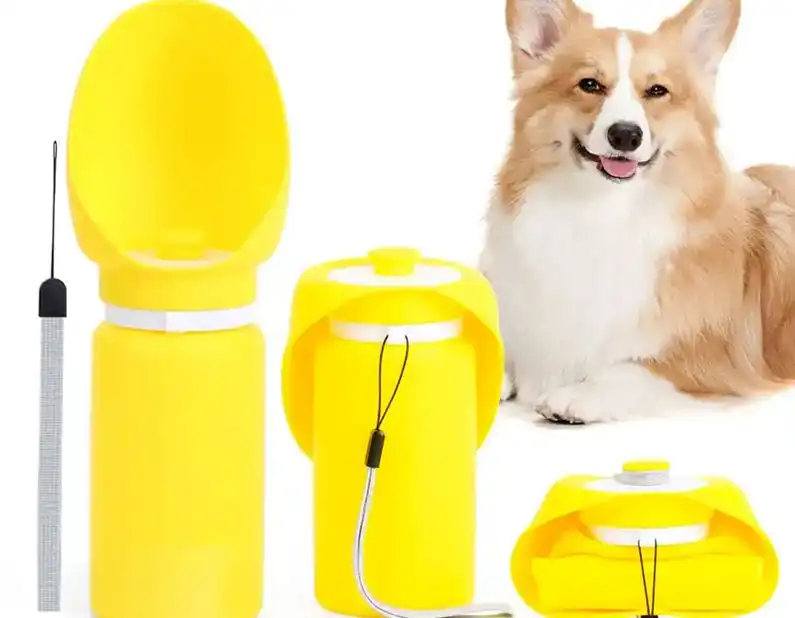
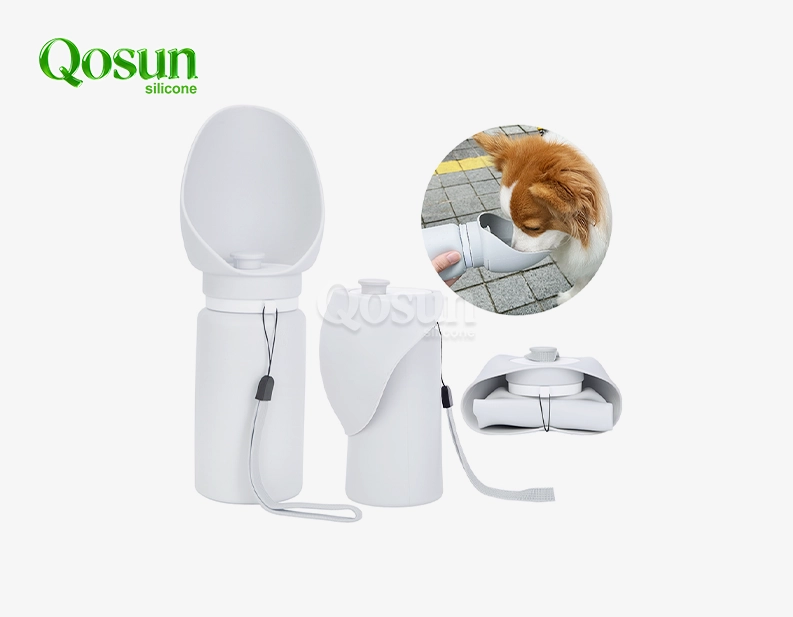
In the past few years, the market for pet products in the European Union has grown incredibly. Portable food options are especially popular with people who care about the environment. TPE Folding Pet Bowls made of food-grade thermoplastic rubber and silicone are one of these new ideas that are becoming more and more popular because they save room and are good for the environment. Pet owners like how convenient these items are for traveling, camping, and other everyday outdoor activities. Meeting the strict EU licensing standards isn't just a hassle; it's necessary for getting into the market and keeping consumers safe. When bringing these goods to European retail channels, B2B buyers, distributors, and original equipment makers have to deal with a lot of complicated rules. If your products don't have the right certificates, they could be turned down at customs, you could be sued, and your image could be hurt, which could mean you can't sell your products in Europe anymore. This complete guide explains the licenses and compliance paths that are needed for pet feeding items made from TPE and silicone. We'll give global buyers and manufacturers useful information that will help them easily follow EU rules while building trust with European retailers and end customers.


Understanding Regulatory Requirements for TPE Folding Pet Bowls in the EU
Overview of EU Regulatory Framework
The European Union has one of the strictest rules on consumer goods in the world, especially when it comes to items that come into contact with food. Regulation (EC) No 1935/2004 says that materials and things that come into contact with food must follow certain rules. This includes your TPE Folding Pet Bowl touching food or water that is meant for animals to eat. This rule says that goods can't put their ingredients into food in amounts that could be bad for people's or animals' health, unacceptably change the food's makeup, or make it taste and smell worse. Because TPE Folding Pet Bowls come into close contact with food and water, companies that make them must show that they are following the rules by testing and keeping records. As part of this, it must be shown that the TPE and silicone materials used in production meet safety standards for chemical movement. European officials take these rules very seriously. They randomly check the market and punish goods that don't follow the rules with harsh punishments.
Key Certification Bodies and Standards
When bringing portable pet food to EU markets, several different approval systems come together. The LFGB (Lebensmittel- und Futtermittelgesetzbuch) is German food law, and it is generally seen as proof of safe food contact all over Europe. REACH, which stands for "Registration, Evaluation, Authorization, and Restriction of Chemicals," makes sure that chemicals are safe by limiting the use of dangerous materials in consumer goods. RoHS (Restriction of Hazardous Substances) puts limits on dangerous substances like mercury, lead, and cadmium. On the other hand, a CE mark means that the product meets EU standards for health, safety, and the environment. Each approval proves a different aspect of a product's safety. REACH is all about making sure that materials don't have substances of very high worry that are more than the allowed limits. Heavy metals and some flame retardants are especially targeted by RoHS. LFGB testing checks to see if materials give off dangerous chemicals when they come into contact with water or food in normal use. All of these certifications add up to a full safety picture that meets the needs of regulators and boosts customer trust.
Material-Specific Regulations for TPE Products
When it comes to compliance, thermoplastic elastomers are different from regular plastics or pure rubber. The European Union wants TPE materials to stay within certain limits for certain chemical compounds, such as flammable organic compounds, plasticizers, and leftover monomers. Labs test TPE samples with food simulants that look like different kinds of food, like watery, sour, alcoholic, and fatty foods, to see if movement goes beyond what is considered okay. The same care is taken with silicon parts, especially when it comes to volatile siloxanes and peroxide leftovers left over from hardening processes. When makers put TPE and silicone together in one product, they have to make sure that both materials meet safety standards on their own and that the combination of the two doesn't cause any new movement problems. Documentation must make it clear what each material is made of, as well as the supplier's licenses and test results that show it meets EU movement limits.

Essential Certifications and Tests for TPE Folding Pet Bowls
Food Contact Safety Certifications
To follow the rules in the EU, you need to show that your TPE Folding Pet Bowls are safe to use with food and water over and over again. As part of testing procedures, product samples are usually put in contact with food simulants at high temperatures for a long time. The simulants are then checked for chemicals that have moved. Depending on what the product is meant to be used for, standard test settings could include ten days of exposure to pure water at 40°C or two hours of exposure to vegetable oil at 60°C. These tests are done by ISO 17025-accredited laboratories using high-tech tools like gas chromatography-mass spectrometry to find even very small amounts of chemicals that have moved. Test records must show that migration levels are below the limits set by the EU for both individual substances and movement as a whole. Products that do really well in tests usually meet both EU Regulation 10/2011 (plastic materials) and the more general food contact guideline rules.
Chemical and Toxicity Evaluations
To follow REACH, you need to know everything about every chemical in your product that has a quantity of 0.1% or more by weight. Manufacturers must make sure that none of the parts of the product are on the SVHC (Substances of Very High Concern) candidate list or are restricted by REACH. For this to work, sellers of raw materials must provide thorough material declarations that list all of the ingredients and their chemical makeup. Ten banned chemicals are checked for in RoHS testing: hexavalent chromium, lead, mercury, cadmium, polybrominated biphenyls, polybrominated diphenyl ethers, and four phthalates. Advanced testing methods, such as X-ray fluorescence spectroscopy and high-performance liquid chromatography, show that these dangerous substances are not present or are present in suitable amounts. When looking at portable TPE Folding Pet Bowls with metal carabiners or other metal parts, the amount of lead and cadmium in these parts needs extra attention.
Mechanical Testing and Durability Standards
European shoppers and sellers expect TPE Folding Pet Bowls to last many folds without breaking, tearing, or deforming. Mechanical testing checks how well a product works by folding and unfolding it over and over again, usually 1,000 to 5,000 times. This is followed by checking the product's appearance and usefulness. During tests, products must keep their structural integrity, their ability to keep out water, and their stable dimensions. Drop tests make sure that bowls don't break or leak when dropped from normal handling heights. They model accidental hits that could happen during use or transport. Temperature cycle tests show that the product works reliably across the temperature range it claims to work in, which is from -40°C to +230°C for luxury TPE-silicone combinations. It doesn't get hard in cold weather or soft in hot weather. These mechanical certifications ensure that customers will not complain or return goods in large numbers.
Eco-Friendly Certifications
In Europe, people buy things because they care about the environment. This makes sustainability licenses useful tools for setting one product apart from others. Certifications like "BPA-Free," biodegradability ratings, or recycling compatibility comments make products more appealing to the market, but they are not required by law. Some companies try to get third-party environmental certifications that show their products have less of an impact on the earth over their whole lifetime. European customers are becoming more and more interested in buying goods that have clear environmental benefits. EU circular economy efforts support clear labels that say materials can be recycled, don't have single-use plastic parts, and last longer, claims that lower the number of times they need to be replaced. These natural factors often play a role in how big stores that are committed to sustainability make purchases.
Comparative Analysis: TPE Folding Pet Bowls vs. Silicone and Plastic Bowls in EU Compliance
Material Safety Profiles
Pure silicone has become the best choice for uses that come into contact with food because it is highly resistant to chemicals and keeps working well at all temperatures. Silicone doesn't usually cause allergic reactions and stays inactive, which lowers worries about migration. Pure silicone goods, on the other hand, usually have higher production costs, which affect the final selling price. Traditional plastics like polypropylene are cheaper, but they are getting more and more attention because they make microplastics, leak chemicals, and stay in the environment for a long time. EU rules keep making it harder to use some plastic ingredients, which makes it hard for companies that only use plastic materials to make sure they are following the rules.
Certification Complexity and Costs
The goal of TPE-silicone hybrid systems is to get the best cost-effectiveness, efficiency, and safety for the collapsible silicone pet bowl. The TPE used in good TPE Folding Pet Bowls is flexible like rubber but doesn't need to be vulcanized. This makes production easier and keeps safety levels about the same as food-grade silicone when it's made right. The mix of TPE structural parts and silicone touch surfaces strikes a good balance between cost-effectiveness and safety, making products that meet EU standards while still being priced affordably for mass-market sale. The ways to get certified are very different for each object. Although there is a lot of historical safety data on pure silicone goods and the approval process has been sped up, full testing still takes several weeks and costs between €2,000 and €5,000, based on how complicated the product is. Migration testing standards for plastic goods are getting more complicated, especially for newer plastic formulations that don't have a long history of safety.
EU Market Trends and Material Preferences
To make TPE-silicone hybrid products, test both materials separately and then compare their performance. This comprehensive procedure sounds tough at first, yet it provides thorough paperwork that even cautious retailers like. Experienced manufacturers like Qosun update raw material supplier certificates. Strategic relationships with compliant manufactures can reduce certification time from months to weeks. Suppliers with established testing techniques, approved lab connections, and detailed quality control systems speed up acceptance. They also reduce test failures, which need costly retesting.
How to Ensure Your TPE Folding Pet Bowl Meets EU Retail Certification Standards?
Step-by-Step Certification Process
Getting EU approval starts with designing the product and choosing the right materials. Work with raw material sources that can give you a lot of paperwork, like material safety data sheets, food contact certifications that are already in place, and REACH/RoHS compliance statements. This upstream due diligence prevents expensive finds of materials that don't meet standards from happening too late in the development process. The exact steps for preparing samples of your TPE Folding Pet Bowls are laid out in the testing guidelines. Laboratories need a lot of samples to do all the tests they need to do. Usually, they need more than one unit so they can do damaging tests, chemical analyses, and retention samples. Send in samples that match the exact production requirements, such as materials, colors, and manufacturing methods, since any change could mean that the tests need to be done again.
Documentation and Compliance Management
Choosing approved testing labs affects certification credibility. ISO 17025-accredited centers perform REACH screening, mechanical tests, and food-contact item testing. European labs are preferable for recognition and processing time; however, budget-friendly Asian labs accredited by Europe can be used. Testing takes three to six weeks, depending on how difficult and busy the lab is. EU compliance relies on full technical files, which centralize documentation and make it easier for customs officials and retail buyers to access. Supplier material certifications, lab test results proving standard compliance, manufacturing process descriptions, quality control systems, and a Declaration of Conformity signed by the manufacturer or their authorized EU agent are crucial papers.

Strategic Partnership Advantages
For some types of products, a silicone pet supplies manufacturer needs to select an EU Authorized Representative. This is a legal body in the EU that works as the manufacturer's agent for compliance issues. This person keeps technical records up to date, answers questions from regulators, and is the point of contact for the police authority. Many foreign makers think that this requirement makes it easier to get into new markets by showing that they are serious about continuing to follow the rules. As rules change, keeping up with licenses requires careful attention. The EU updates its lists of banned substances, limits on movement, and testing standards all the time. Set up ways to keep an eye on changes to regulations that affect your product groups. Working with experienced original equipment makers (OEMs) that make pet goods that are compliant with EU rules greatly lowers the compliance load and risk.
Conclusion
To get TPE Folding Pet Bowls into EU stores, you have to meet strict approval standards that cover things like chemical compliance, mechanical performance, food contact safety, and environmental concerns. The rules, which are based on Regulation (EC) No 1935/2004 and backed by REACH, RoHS, and LFGB standards, require thorough testing and documentation, which can be hard for many foreign manufacturers who don't have experienced help. A hybrid building using TPE and silicone has strong benefits when looking at safety, efficiency, cost, and the environment. When properly made and tested, these materials meet strict EU standards and give European customers the usefulness and longevity they expect. Choosing the right materials, testing them thoroughly, and working with makers who know how to follow the rules can turn regulatory requirements from problems into competitive benefits that set your brand apart in crowded markets.
FAQ
Q1: Is TPE material safe for pet bowls under EU standards?
When checked and approved properly, EU safety standards for TPE Folding Pet Bowls are met by food-grade TPE that is made to be used with food. While being more affordable than pure silicone, good-quality TPE has low transfer properties similar to silicone. The important thing is choosing the right materials—high-quality TPE from trustworthy sources that already have food contact certifications—and doing a lot of tests to show that they meet EU movement limits. Products that have food-grade TPE structural parts and silicone touch areas are the safest possible.
Q2: What's the difference between REACH and RoHS certifications?
REACH covers the safety of thousands of chemicals that are used in consumer goods. It requires companies that make these chemicals to find and deal with the risks that come from them. RoHS limits ten dangerous substances that are often found in electronics and electrical goods, but are also being used more and more in consumer goods with metal or electronic parts. Both certificates are needed to enter the EU market, but they cover different parts of chemical safety. To be fully compliant, you need to meet both standards.
Q3: Can I customize TPE pet bowls while maintaining EU certifications?
Customization options depend on how much can be changed. Most of the time, logo printing, choosing a color from a certified pigment range, and customizing the package don't change the material certifications because they don't change the bowl's makeup or its ability to handle food. If the performance traits change because of changes in dimensions, materials, or design, you may need to do more tests. OEM manufacturers with a lot of experience help clients figure out what customization choices will keep certifications current and help them achieve their brand differentiation goals.
Partner with Qosun for Certified TPE Folding Pet Bowl Solutions
Qosun is ready to help you get into the EU market by providing you with approved, high-quality TPE Folding Pet Bowls that are designed to do well in European stores. As a specialized silicone pet supplies manufacturer with full OEM and ODM capabilities, we've put a lot of money into safety infrastructure that makes it easier for clients to get certified. Food-grade materials like BPA-free, non-toxic TPE and silicone are used to make our TPE Folding Pet Bowls. They also have useful features that pet owners in Europe like, such as the ability to fold up small, withstanding temperatures from -40°C to +230°C, having built-in carabiners, and the ability to customize them by adding a logo or choosing a different color. We offer reasonable pricing that helps you make more money at retail, flexible small-batch trial orders that let you test the market before going big, and fast prototyping that shortens the time it takes to make a new product. Our quality control systems make sure that all of our products consistently meet certified standards. Email our team at qosun@qosun.com to talk about your needs and get full product information for our TPE Folding Pet Bowls.
References
1. European Commission. (2023). "Regulation (EC) No 1935/2004 on Materials and Articles Intended to Come into Contact with Food." Official Journal of the European Union.
2. European Chemicals Agency. (2023). "Understanding REACH Regulation: Guidance for Manufacturers and Importers." ECHA Publication Series on Chemical Safety.
3. German Federal Institute for Risk Assessment. (2022). "Recommendations on Food Contact Materials: LFGB Testing Standards and Protocols." BfR Guidelines for Consumer Products.
4. European Parliament and Council. (2023). "Directive 2011/65/EU on the Restriction of the Use of Certain Hazardous Substances in Electrical and Electronic Equipment (RoHS)." EUR-Lex Legal Database.
5. International Organization for Standardization. (2022). "ISO 17025: General Requirements for the Competence of Testing and Calibration Laboratories." ISO Standards Catalogue.
6. Pet Industry Federation Europe. (2023). "European Pet Product Market Analysis: Trends in Sustainable and Portable Pet Accessories." PIFE Annual Market Report.