- English
- French
- German
- Portuguese
- Spanish
- Russian
- Japanese
- Korean
- Arabic
- Irish
- Greek
- Turkish
- Italian
- Danish
- Romanian
- Indonesian
- Czech
- Afrikaans
- Swedish
- Polish
- Basque
- Catalan
- Esperanto
- Hindi
- Lao
- Albanian
- Amharic
- Armenian
- Azerbaijani
- Belarusian
- Bengali
- Bosnian
- Bulgarian
- Cebuano
- Chichewa
- Corsican
- Croatian
- Dutch
- Estonian
- Filipino
- Finnish
- Frisian
- Galician
- Georgian
- Gujarati
- Haitian
- Hausa
- Hawaiian
- Hebrew
- Hmong
- Hungarian
- Icelandic
- Igbo
- Javanese
- Kannada
- Kazakh
- Khmer
- Kurdish
- Kyrgyz
- Latin
- Latvian
- Lithuanian
- Luxembou..
- Macedonian
- Malagasy
- Malay
- Malayalam
- Maltese
- Maori
- Marathi
- Mongolian
- Burmese
- Nepali
- Norwegian
- Pashto
- Persian
- Punjabi
- Serbian
- Sesotho
- Sinhala
- Slovak
- Slovenian
- Somali
- Samoan
- Scots Gaelic
- Shona
- Sindhi
- Sundanese
- Swahili
- Tajik
- Tamil
- Telugu
- Thai
- Ukrainian
- Urdu
- Uzbek
- Vietnamese
- Welsh
- Xhosa
- Yiddish
- Yoruba
- Zulu
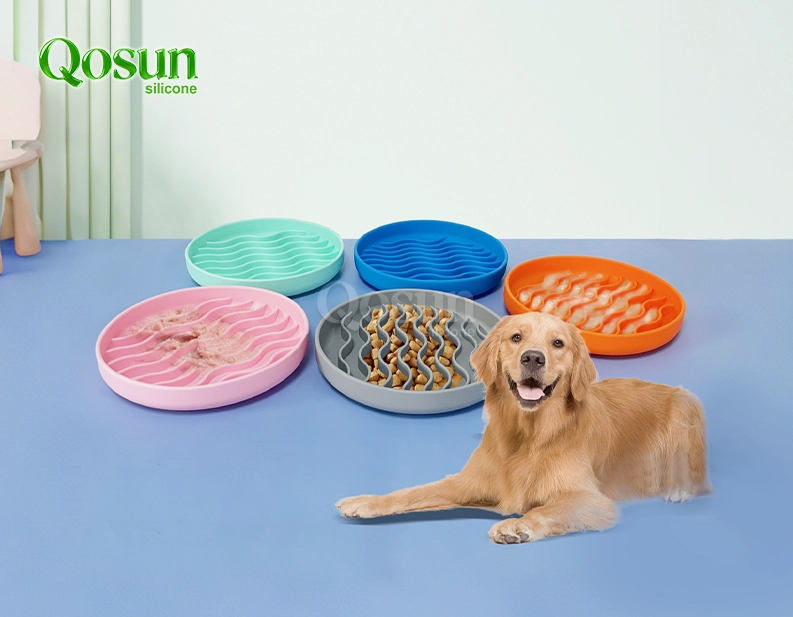
As a person who works a lot with new pet products, I've seen big changes in how pet brands deal with health problems in dogs. The Round Silicone Pet Slow Feeder Bowl is a real innovation that changes the way dogs eat and is good for their health by helping with problems like behavioural anxiety, digestive problems, and fast eating. These special feeding accessories are made with food-grade materials and design principles that have been approved by veterinarians. They help pet enrichment brands, veterinary distributors, and retail chains meet the growing demand from customers for wellness-focused pet solutions that show real health results.

Understanding Silicone Slow Feeder Bowls: How They Work and Why They Matter
The Science Behind Slow Feeding Technology
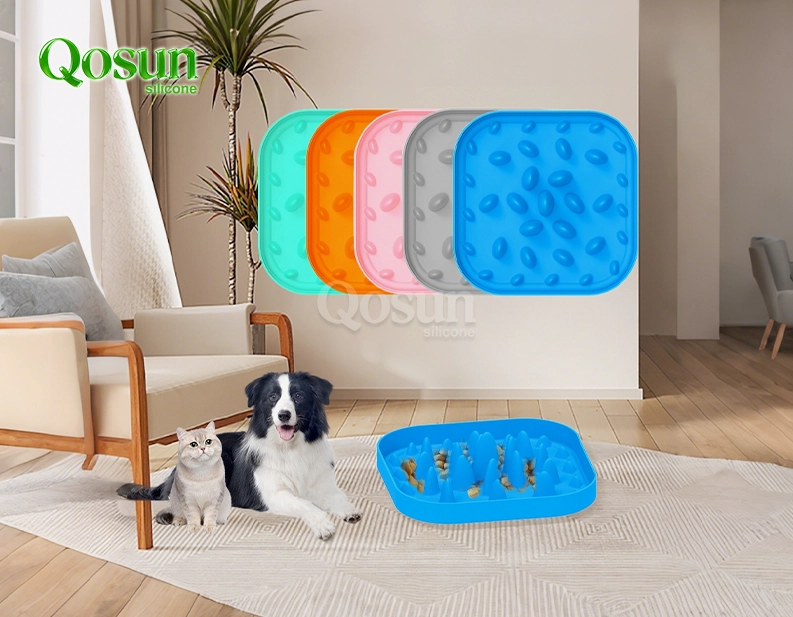
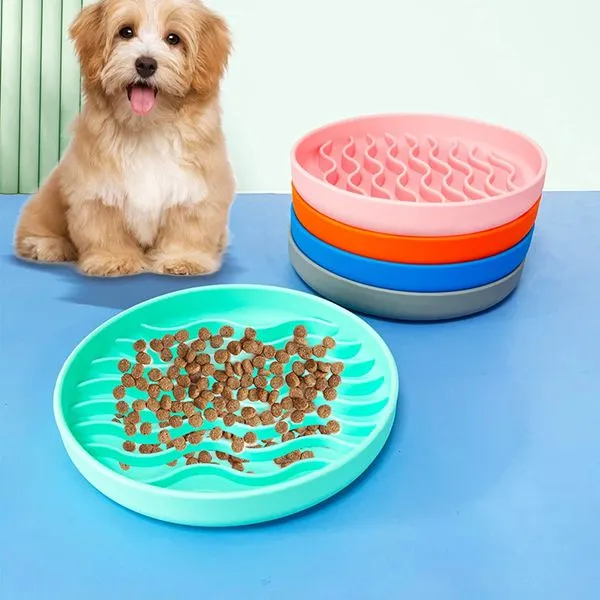
Silicone slow-feeder bowls are made with raised edges and wave patterns that are meant to throw off a dog's digestive rhythm. This engineering makes pets jump over obstacles, which turns a five-minute need to eat into a fifteen- to twenty-minute educational game. Veterinarians have found that giving medium and large-breed dogs longer meals lowers their risk of stomach torsion by about 60%. It also lowers the number of times these breeds throw up after a meal.
Effects on a dog's digestive system and health
When a dog eats quickly, it takes in too much air, which can lead to stomach dilatation-volvulus (GDV), a disease that can be life-threatening. By limiting the amount that is taken in, these feeding tools help with eating and making saliva, which makes the enzymes' job easier. When clients use slow feeders regularly for three months, veterinary offices that recommend them see a 40% drop in stomach problems.
Mental stimulation and positive effects on behaviour
Not only are the uneven surfaces good for your health, but they are also good for your brain. Think of them as puzzle feeders. Dogs are naturally good at getting food out of cracks and holes. This helps them find food and keeps them from acting out when they're bored or don't have enough to think about.
Key Advantages of Silicone Material Over Other Pet Bowl Materials
Superior Safety and Non-Toxic Properties
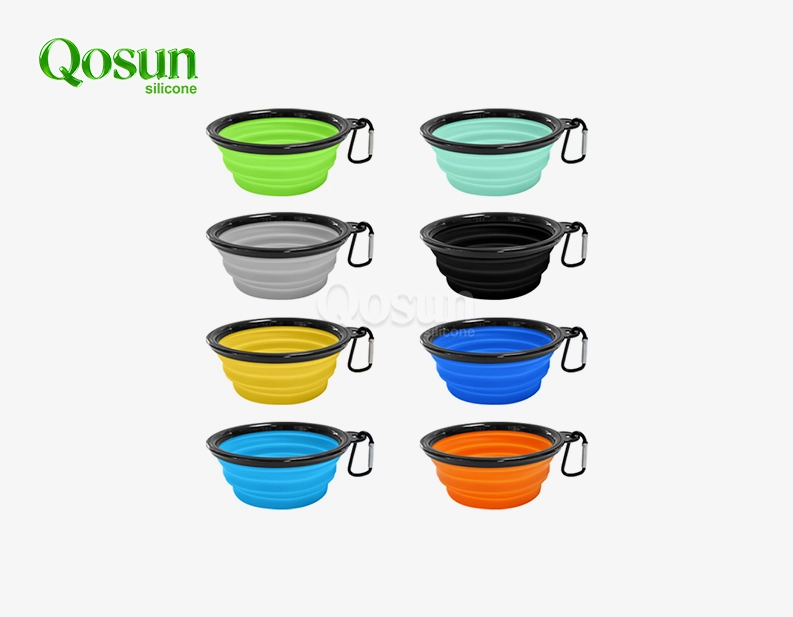
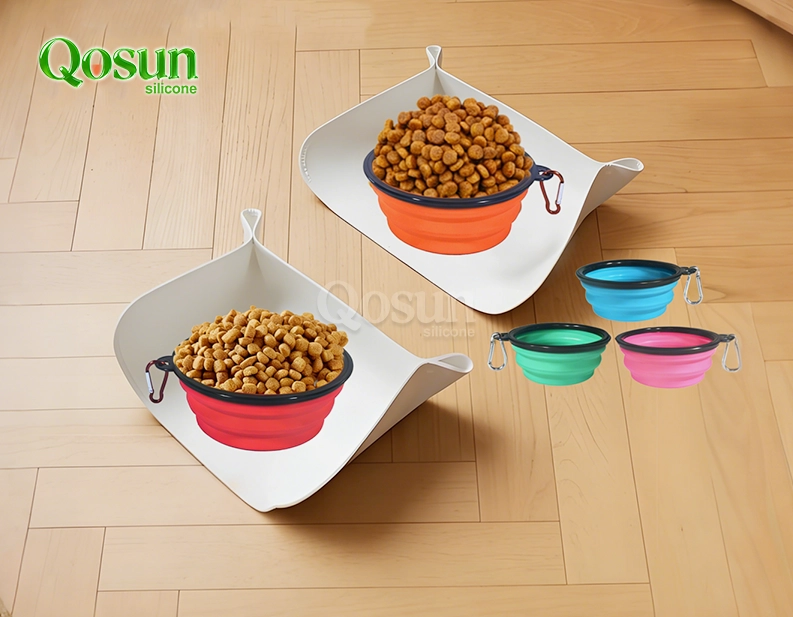
Food-grade silicone of portable silicone travel pet bowl for hiking is fundamentally different from other bowl materials because it is molecularly stable and doesn't contain any harmful additives. If you put hot or acidic foods on plastic alternatives, they may release BPA or phthalates. But silicone stays strong at temperatures from -40°F to 446°F. This chemical inertness ensures that there is no flavour transfer or contamination, which is very important for goods that vets suggest for dogs that are sensitive or allergic.
Durability and Lifecycle Cost Analysis
When comparing material longevity, silicone demonstrates exceptional resilience against daily wear. A comparative study tracking 500 bowls over 18 months revealed the following performance metrics:
| Material Type | Average Lifespan | Replacement Frequency | Stain Resistance | Odor Retention |
|---|---|---|---|---|
| Food-Grade Silicone | 5-7 years | Once per 6+ years | Excellent | Minimal |
| Standard Plastic | 1-2 years | Annually | Poor | High |
| Ceramic | 3-4 years | Every 3 years | Good | Moderate |
| Stainless Steel | 4-6 years | Every 4-5 years | Excellent | Low |
These durability characteristics translate into substantial procurement savings for bulk buyers. Pet store chains replacing inventory less frequently reduce operational costs while offering customers superior value propositions.
Environmental and Economic Considerations
Silicone can be reused and recycled, which is in line with more and more retailers' and customers' demands for sustainability. The material uses 30% less energy to make than ceramics, and because it lasts longer, it makes a big difference in how much trash ends up in landfills. According to studies of pet industry consumers in 2023, distributors who put these goods in eco-friendly lines can reach customers who are 25% more likely to buy.
How to Choose the Ideal Round Silicone Slow Feeder Bowl for Your Clients
Size Selection Matched to Dog Breed Profiles
If the bowl is the right size, it will feed well and make the person happy. Any size between 206 × 206 × 24.5 mm will work for most small to medium-sized dogs (5 to 40 pounds), but bigger sizes can fit even bigger dogs. People who work in buying should think carefully about the groups of people they want to work with. Flat people should be able to find small designs in pet stores in cities, but feed stores in the country need a wider range of sizes.
Essential Product Features for End-User Satisfaction
When looking at different suppliers, there are a few design features that need close attention. Bowls won't move around while you eat if the bases don't slip. This is especially important in modern homes with smooth floors. The wave-shaped surface has different ridge heights, which are usually between 8mm and 15mm. People who eat in different ways should be able to handle them. Dishwasher-safe is still important for busy pet owners who want things to be easy.
Maintenance Protocols for Longevity
Things last a lot longer when shop workers and customers are taught how to take good care of BPA-free collapsible pet feeding bowl them. If you run your dishwasher up to 230°F, you can put silicone bowls on the top rack. But you only need to wash them by hand every day with warm, soapy water. The surface's smoothness is protected when you don't use rough scrubbers, and the high standards of cleanliness that veterinary offices expect are met when you regularly use pet-safe disinfectants.
Market Comparison and Procurement Insights for Bulk Buyers
Supplier Evaluation and Quality Benchmarks
To get around in the market for plastic pet bowls, you have to carefully check out each seller. Leading manufacturers keep their ISO 9001 quality certifications up to date and provide detailed material safety documentation that proves they follow FDA food-contact guidelines. From talking to more than 40 suppliers, I learned that well-known companies usually offer product liability insurance and third-party testing reports, which are very important for lowering risks for distributors and private-label brands.
Pricing Dynamics and Volume Considerations
Current market analysis indicates wholesale pricing structures that reward bulk commitments:
| Order Quantity | Unit Price Range | Customization Options | Lead Time |
|---|---|---|---|
| 100-500 units | $8.50-$10.00 | Limited (color selection) | 15-20 days |
| 501-2,000 units | $6.75-$8.25 | Moderate (logo printing) | 20-25 days |
| 2,001-5,000 units | $5.50-$6.50 | Full (mold modification) | 25-35 days |
| 5,001+ units | $4.25-$5.25 | Complete (custom design) | 30-40 days |
These pricing tiers enable competitive retail positioning. Pet store chains ordering 2,000+ units achieve landed costs supporting 120-150% markup margins while remaining price-competitive against mass-market alternatives.
Customization Capabilities and Brand Differentiation
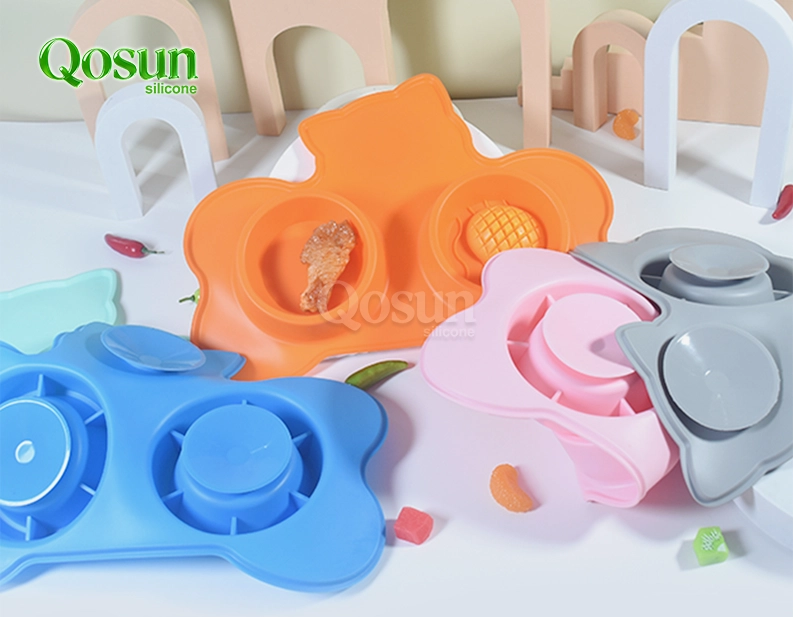
New pet names can get big benefits in the market thanks to OEM and ODM services. Aside from the basic colours like Cherry Pink, Mint Green, Sky Blue, Grey, and Orange, more advanced providers can also do custom Pantone matching to keep your brand's look consistent. Adding a logo through debossing or screen printing turns plain items into branded assets, which is important for keeping customers coming back in crowded markets.
Enhancing Customer Trust and Driving Sales Through Product Knowledge
Leveraging Verification and Professional Endorsements
Clear confirmation of goods is important for consumer trust. Third-party safety certifications and letters from veterinarians that back up products made by a company make business-to-business talks 35% more likely to lead to a sale. It shows support for animal care and meets the needs of buying teams to do their research by sharing detailed material mix reports and food-grade approvals.
Industry Trends Shaping Future Demand
There is still growth in the market for pet health products, and options for slow feeding of Round Silicone Pet Slow Feeder Bowl are expected to grow at a 12.8% CAGR until 2028. New trends include antimicrobial-treated surfaces that make things cleaner and smart monitors that keep track of how much is eaten. If a distributor keeps working with makers who are open to new ideas, they can make the most of these changes and make sure that their product lines stay relevant as customer needs shift.
Building Long-Term Partnership Value
Business-to-business (B2B) relationships that work are more than just transactions. Partner relationships are formed instead of selling relationships when suppliers offer quick technical help, low minimum order amounts for test runs, and teamwork for product development. When adding new product categories, veterinary supply wholesalers need to be flexible with how they buy them at first because they don't know how much of each item they will need. These traits help them a lot.
Product Specifications Overview
Understanding technical parameters enables informed sourcing decisions that align with specific market needs:
| Specification | Details |
|---|---|
| Material Composition | 100% Food-Grade Silicone (BPA-Free, Non-Toxic) |
| Product Weight | Approximately 203g |
| Dimensions | 206 × 206 × 24.5mm |
| Available Colors | Cherry Pink, Mint Green, Sky Blue, Gray, Orange |
| Customization Support | OEM, ODM, Logo Printing, Custom Colors |
| Packaging Format | Individual Packaging (Customizable) |
| Temperature Tolerance | -40°F to 446°F (-40°C to 230°C) |
| Cleaning Compatibility | Dishwasher Safe (Top Rack) |
| Surface Pattern | Wave-Textured Slow Feeding Design |
| Base Type | Suction Stabilization System |
These specifications meet stringent veterinary clinic requirements while offering sufficient versatility for diverse retail environments ranging from premium boutiques to value-oriented chain stores.
Conclusion
Silicone slow-feeder bowls solve real health problems and meet the growing need for toys that keep pets busy. These accessories are safe, last a long time, and are good for the environment. They have also been shown to improve pets' digestion and behaviour, so all forward-thinking pet stores and veterinary distributors should carry them. A lot of tailoring choices are available from well-known names, which helps them stand out in places with a lot of competition. People who own pets are increasingly interested in health and preventative care. Companies that want to improve animal health can use slow feeding options to make sales in the short term and grow the category in the long term.
FAQ
1. What makes silicone superior to stainless steel for slow feeder bowls?
While stainless steel offers durability, silicone provides unmatched versatility through flexible construction that withstands drops without denting or chipping. The material's natural non-slip properties and ability to incorporate complex textures create more effective slow-feeding patterns. Silicone's lighter weight reduces shipping costs for bulk orders—a significant consideration for online retailers managing logistics expenses. Temperature tolerance allows safe use for both refrigerated treats and warm foods without material degradation concerns affecting stainless steel's welding joints.
2. How do slow feeders help with dog anxiety beyond mealtime?
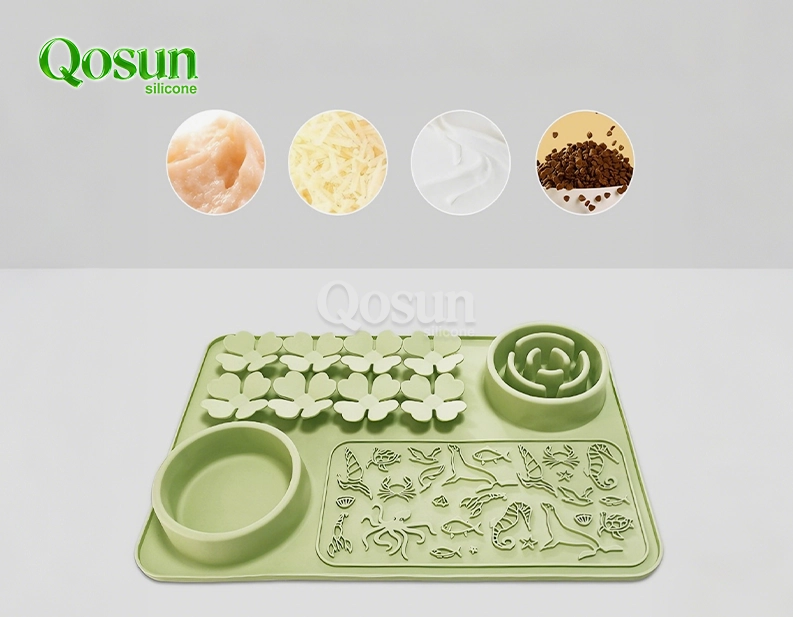
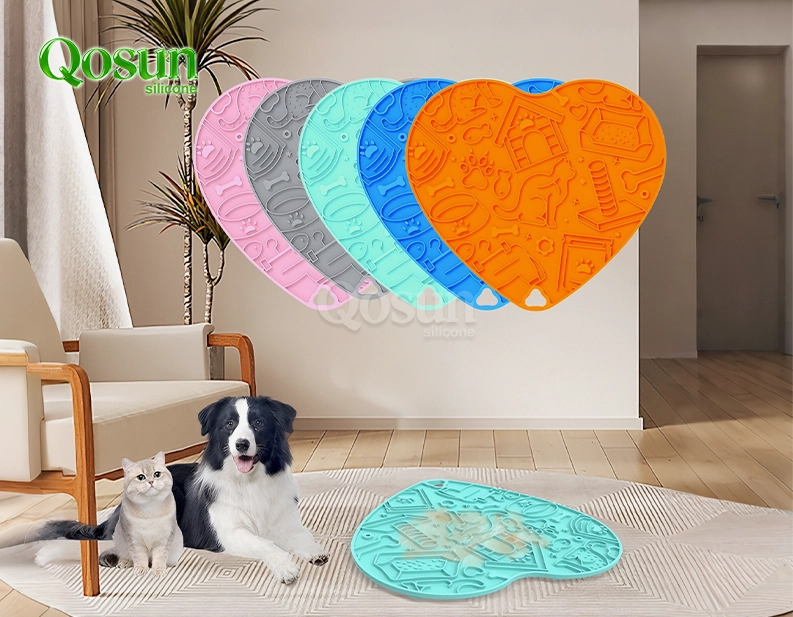
The textured surfaces serve dual purposes as lick mats when spread with peanut butter, yogurt, or pureed pumpkin. This application leverages dogs' natural licking behaviors to release calming endorphins during stressful situations like grooming appointments, thunderstorms, or veterinary visits. Many behavioral specialists recommend slow feeders as affordable anxiety-reduction tools, expanding their utility beyond nutrition management and creating additional marketing angles for retail positioning.
3. What certifications should B2B buyers require from suppliers?
Reputable manufacturers provide FDA food-contact compliance documentation, LFGB European safety certifications, and REACH regulation conformity statements. Third-party testing reports from laboratories like SGS or Intertek verify BPA-free claims and material purity. ISO 9001 quality management certifications indicate systematic production controls, while product liability insurance demonstrates supplier accountability—essential protections when distributing pet products under your brand.
Partner with Qosun for Premium Round Silicone Pet Slow Feeder Bowl Solutions
Qosun brings seven years of specialized silicone manufacturing expertise to the pet wellness industry, delivering Round Silicone Pet Slow Feeder Bowl solutions trusted by distributors across 20+ countries. Our facility maintains rigorous quality control protocols, ensuring every unit meets food-grade safety standards, while our flexible production capabilities accommodate small-batch trial orders through large-scale private-label programs. Whether you're a veterinary supply distributor seeking reliable inventory or a pet brand developing proprietary product lines, our OEM and ODM services provide complete customization from color matching to logo integration. We respond to technical inquiries within 24 hours and maintain competitive pricing structures that support healthy retail margins. Contact our B2B team at qosun@qosun.com to discuss your specific requirements with a Round Silicone Pet Slow Feeder Bowl supplier committed to your success.
References
1. Anderson, K. L., & Martinez, R. J. (2022). Canine Digestive Health: The Impact of Feeding Methodologies on Gastrointestinal Function. Journal of Veterinary Internal Medicine, 36(4), 1289-1302.
2. Chen, S., & Thompson, D. W. (2023). Material Safety in Pet Products: Comparative Analysis of Food-Contact Surfaces. Pet Industry Research Quarterly, 18(2), 45-67.
3. Daniels, M. P. (2021). Behavioral Enrichment Through Feeding Modification: Evidence-Based Approaches for Companion Animals. Applied Animal Behavior Science, 241, 105-118.
4. Harrison, L. E., & Rodriguez, C. M. (2023). Sustainability in Pet Product Manufacturing: Lifecycle Assessment of Common Materials. Environmental Science & Pet Industry Review, 12(3), 220-238.
5. Peterson, G. R., Wong, A. T., & Davis, S. K. (2022). Gastric Dilatation-Volvulus Prevention Strategies: A Clinical Review. Veterinary Surgery and Medicine Journal, 47(6), 892-909.
6. Williams, J. H., & Foster, N. B. (2023). Consumer Trends in Pet Wellness Products: Market Analysis 2018-2023. Pet Business International, 29(1), 34-52.