- English
- French
- German
- Portuguese
- Spanish
- Russian
- Japanese
- Korean
- Arabic
- Irish
- Greek
- Turkish
- Italian
- Danish
- Romanian
- Indonesian
- Czech
- Afrikaans
- Swedish
- Polish
- Basque
- Catalan
- Esperanto
- Hindi
- Lao
- Albanian
- Amharic
- Armenian
- Azerbaijani
- Belarusian
- Bengali
- Bosnian
- Bulgarian
- Cebuano
- Chichewa
- Corsican
- Croatian
- Dutch
- Estonian
- Filipino
- Finnish
- Frisian
- Galician
- Georgian
- Gujarati
- Haitian
- Hausa
- Hawaiian
- Hebrew
- Hmong
- Hungarian
- Icelandic
- Igbo
- Javanese
- Kannada
- Kazakh
- Khmer
- Kurdish
- Kyrgyz
- Latin
- Latvian
- Lithuanian
- Luxembou..
- Macedonian
- Malagasy
- Malay
- Malayalam
- Maltese
- Maori
- Marathi
- Mongolian
- Burmese
- Nepali
- Norwegian
- Pashto
- Persian
- Punjabi
- Serbian
- Sesotho
- Sinhala
- Slovak
- Slovenian
- Somali
- Samoan
- Scots Gaelic
- Shona
- Sindhi
- Sundanese
- Swahili
- Tajik
- Tamil
- Telugu
- Thai
- Ukrainian
- Urdu
- Uzbek
- Vietnamese
- Welsh
- Xhosa
- Yiddish
- Yoruba
- Zulu
When selecting a manufacturer for a 2.0L collapsible silicone water bottle, you should consider their material safety certifications, such as FDA and LFGB compliance; production freedom, such as low MOQ options; branding options; and quality control systems that you can rely on. The best partner is quick to respond, has good prices, and has worked with brands, online stores, and resellers before. They also know a lot about food-grade silicone. Putting these things in order of how important they are will help you find good bottles that are ready for the market, meet safety standards, and help your brand grow.

Introduction
In North America, Europe, and Australia, people love 2.0 L collapsible silicone water bottles. People want options to bottles that are better for the environment and take up less space. People who buy from other businesses have to make a big choice: which maker will work with you to make great products? This is true whether you're starting a new brand, expanding your Amazon FBA store, or meeting wholesale sales needs.
Unit cost is not the only thing that affects your choice of what to buy. Being able to depend on your providers, following the rules, and making sure that materials are safe all have a direct impact on the image of your brand, the happiness of your customers, and your bottom line. Working with a maker that accepts different order sizes and provides quick customer service can help you get your product to market faster and with less risk to your business.
This guide tells you the most important things you should think about when looking into 2.0 L collapsible silicone water bottle makers. It also tells you how to make the best decisions about your purchase strategy. You can use trial sales to test a new line of goods or grow to meet rising demand. These tips will help you build relationships that will help you reach your business goals and give you real competitive advantages.
Understanding the Core Characteristics of 2.0L Collapsible Silicone Water Bottles
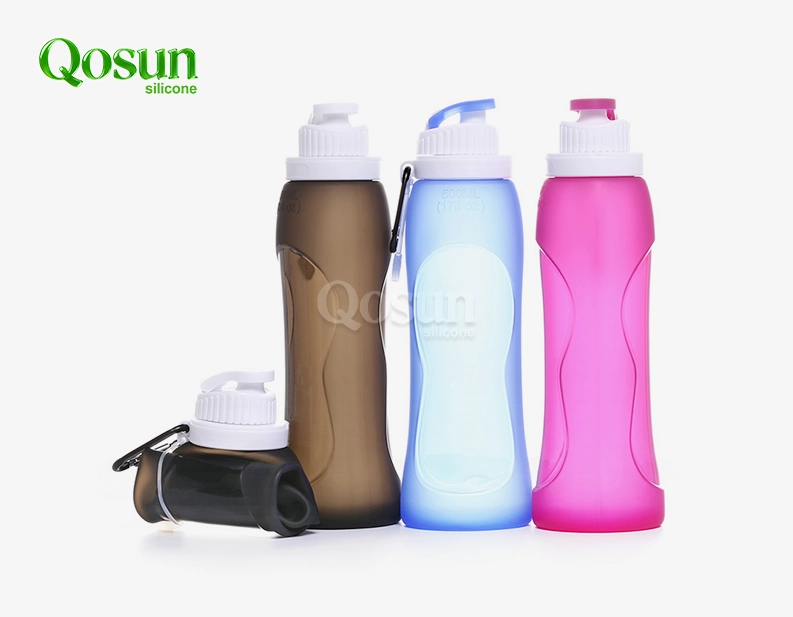
Large-capacity drinks that can be folded up are a big step forward in making drinking easier. Instead of being hard, these items shrink back to a small fraction of their original size after being used. This makes it easier for busy people and tourists to store and move them. The 2000ml size is good for people who work in an office, go to the gym, or spend time outside because it keeps them hydrated all day without having to fill it up often.
The design usually mixes several parts to get the best balance of how useful it is and how long it will last. The bodies of high-quality models are made of food-grade plastic. Caps and rings are made of polypropylene (PP), and 304 stainless steel is used for the mouthpieces or to make the bottle harder. You can be free with this mix of materials without giving up weather protection or leak-proof performance.
Material Safety and Certification Standards
Food-grade silicone that has been cleared by the FDA or LFGB is used to make safe water things. To keep things safe, these approvals check for heavy metals, BPA, and chemicals that could get into products and cause harm. They need to make sure these conditions are met in order to follow government rules and meet customer expectations when they want to sell health-conscious items such as baby products or wellness brands.
Because it, the 2.0L Collapsible Silicone Water Bottle, can handle temperatures from -40°C to 200°C, people can store anything from cold water to hot tea without worrying that the material will break down or change shape. This means that the market can use it for more than just cold drinks. If you like things that can do more than one thing, you'll like this.
Practical Design Features That Drive Market Appeal
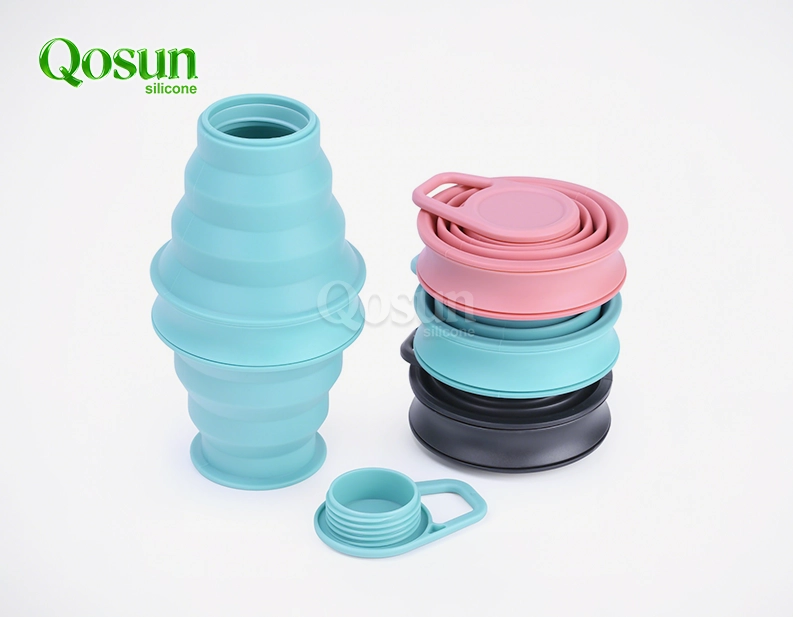
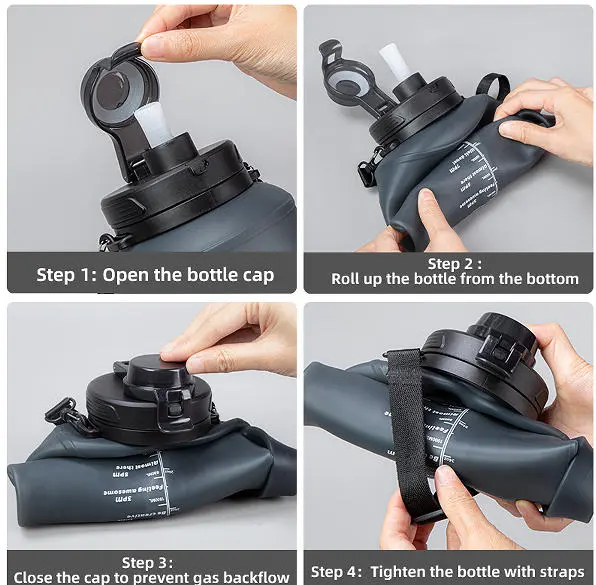
The way bottles are collapsed saves a lot of space; well-made bottles can be folded to about 47% of their full height. So it will be easy to pack in luggage, gym bags, or backpacks. This is great for tourists and people who like to go on trips outside. These are good company gifts or promotional things that people will use instead of putting away because they are easy to use.
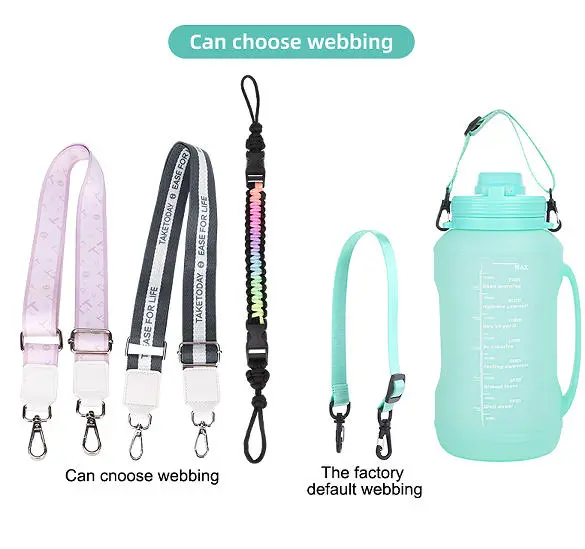
Modern designs have clocks that help you keep track of your water, two ways to drink (straws and wide-mouth holes), and webbing straps that can be changed to make them easy to carry. These features make the experience better for users and help products stand out in shops with a lot of competition, where both function and style are important.
Essential Criteria to Evaluate When Selecting a Silicone Water Bottle Manufacturer
You need to carefully think about a number of things when choosing a manufacturing partner. These things will have an immediate impact on the quality of the product, the stability of your business, and the safety of your brand.
Regulatory Compliance and Material Certifications
Having valid FDA approval and other well-known certifications will keep you safe legally and let you get into markets. Companies that make goods should be happy to give you copies of their papers that show the most recent test dates and show that their products meet your standards. When making things abroad, be careful of general licenses that don't match up with real production batches. This is called certificate fraud.
Along with the original approval, the constant sourcing of materials makes sure that all production runs are in line with the rules. Reputable companies build long-term partnerships with accepted silicone suppliers and check all the materials that come in. This leaves a paper trail that saves your business in case there are quality problems in the future.
Production Capabilities and Quality Control Systems
You need to be able to make enough to meet your growth goals and the number of orders you expect. Startups that want to try the market for the first time can benefit from companies that let them order as few as 500 units or as many as 1000 units. Established wholesalers, on the other hand, need companies that can make 10,000 units or more every month during busy times. You can make better plans for supplies and start dates if you know ahead of time how long it takes to make something, which is usually 25 to 35 days for normal sales.
Quality control steps separate trustworthy companies from those that aren't. There should be more than one step in the checking process, like testing the raw materials, keeping an eye on the production, and doing the last checks before shipping. It shows that a company is committed to consistency when they use statistical quality control methods and keeps written records of checks. This lowers the number of failures and the cost of returns.
Customization and Product Development Support
In crowded places like Amazon, your success often depends on how well you can set your business apart. You can make one-of-a-kind items that are different from regular ones with the help of companies that offer full OEM and ODM services. It should be possible to make custom colors that match Pantone standards, use more than one way to apply images, such as silk-screening or laser printing, and get help with designing the package.
When things come out depends a lot on how long it takes to make the mold. Companies with a lot of experience can make a one-of-a-kind mold in 15 to 25 days and send you a model to approve before they start making a lot of them. You can see how the market responds and change the design quickly with this feature. You don't have to wait a long time or spend a lot of money.
Communication, Responsiveness, and Service Quality
It is harder to source things from other countries when you don't speak the same language or live in the same time zone. This is why communication skills play a big role in the decision-making process. You can tell a maker cares about your business needs when they have dedicated account managers who speak English, clear ways to answer emails within 24 hours, and frequent updates during production.
How dedicated a company is to working with partners, like BPA-free collapsible water bottles for camping, can be seen in the quality of their after-sales service. Writing down rules about how to handle problems, fix things, and the terms of the promise should be done before an order is placed. If a maker is ready to keep your custom parts in stock or let you reorder at any time, it gives your business peace of mind and helps it grow.
Comparing Suppliers: Key Factors from Product Performance to Business Terms
There are two things you need to compare between suppliers: the features of the goods and the business terms. The business terms affect your general cost of ownership and how well they run your business.
Material Quality and Durability Differences
Rubber of different kinds does not all work the same. Premium food-grade silicone stays flexible and strong even after being stretched and stretched thousands of times. It doesn't tear or fold over time, which can make leak-proof seals less effective. As you look at different sellers, you should ask for the silicone durometer scores and stress-test results that show how long the product is supposed to last.
The parts are better than just the body of the bottle. The threads on PP caps need to be very precise so that the seal stays strong even after being opened many times. They shouldn't rust or spread taste if they are made of stainless steel. If companies use accepted parts and make sure the assembly is done well, they can make 2.0 L collapsible silicone water bottles that will last in the real world instead of breaking after a few weeks.
Business Terms: MOQ, Pricing, and Payment Conditions
The lowest amount you can order from different companies is very different. It could be 300 units for a small business or 3000 units or more for a large business. But the cost per unit is usually 15 to 25 percent higher than for big sales. This is because lower MOQs give you more time to test the product and lower the risk of running out of stock. You should add up the total cost of your first order, which should include shipping and any fees for tailoring, as you look over your options.
Things are priced based on how much the ingredients cost, how hard they are to make, and the state of the market. It is important to have competitive prices, but if the prices seem too low, it's likely that the products aren't as good, there isn't enough quality control, or there are extra costs that come up during production. Ask for detailed quotes that explain the materials used, the package, and which personalization services are included and which ones cost extra and must be paid for separately.
Each party takes a chance when it comes to the terms of payment. Standard models need 30–40% down before they can be made, and the rest is due before they can be shipped. Manufacturers who have been in business for a while may offer better terms for return business. On the other hand, letters of credit or trust plans may be needed for the first few deals to protect both parties.
Logistics, Packaging, and After-Sales Support
Keeping customer vows and keeping track of goods are both affected by how reliable the delivery is. When manufacturers give arrival times, they should make sure that they are fair and take into account shipping, quality control, and production. For quick reorders or to test the market, express shipping is best. Sea freight, on the other hand, saves money on bigger orders that need to be planned out over a longer period of time.
The product's look and safety during shipping are both affected by the quality of the packing. Brand names, product information, and safety warnings should all be able to fit on standard color boxes. You can get ready-to-sell goods and boost the image of your brand with custom package design services from makers. This can help you charge more in stores or online.
Quality problems won't happen in your business, a custom logo collapsible silicone bottle, if you have clear promise terms and ways to fix mistakes. Fair policies cover flaws in production found within 30 to 60 days of receiving, and it is clear from the start whether the item can be fixed or refunded. Quality control records are kept by makers, and inspection data from your batch of goods can often be used to quickly settle disagreements.
Conclusion
That being said, when looking for the best company to make a 2.0L Collapsible Silicone Water Bottle, you should think about how safe the materials are, how well they can make the bottle, how willing they are to make changes, and how they handle business. Some of the most important things to look for in a buyer are certified food-grade products, flexible order amounts, quick contact, and quality control systems that protect your brand's image. When businesses negotiate honestly, check samples carefully, and make sure they have the right certifications, they can build relationships that help them get into new markets faster and grow in a way that fits their changing needs.
FAQ
1. Can 2.0L collapsible silicone bottles safely hold hot beverages?
Food-grade plastic bottles that can handle temperatures from -40°C to 200°C are good quality and won't break when filled with hot tea, coffee, or soup. This temperature range means that the rubber can still be bent and keep its shape. But you should always ask the maker about the temperature levels and let the user know if there is heat outside; that means they might need to use padded carrying cases.
2. What minimum order quantity should I expect for custom logo bottles?
Based on the maker and the amount of customization, MOQ needs can be anywhere from 500 to 3000 units. For silk-screen names on standard colors, 500 to 1000 pieces are usually the bare minimum. For custom color formulation or complicated multicolor printing, on the other hand, you may need at least 2,000 pieces to cover the cost of the mold and setup. A lot of the time, manufacturers that help new and small brands have less strict minimums than big companies that are more focused on selling orders.
3. How can I verify BPA-free and FDA approval claims?
Please ask for copies of official test reports and certificates that show the exact dates of the tests, the things that were tested, and details about the lab that gave the report or certificate. It is possible to check the registration number on a real FDA certificate on FDA servers. You might want to use a third-party inspection service that checks licenses and tests materials on its own when you place your first order or get to know a new seller with whom you haven't done business before.
Partner with Qosun: Your Trusted 2.0L Collapsible Silicone Water Bottle Supplier
2.0L Collapsible Silicone Water Bottles that Qosun makes meet international safety standards and go above and beyond what buyers expect. They have been doing this for more than seven years. As a company that produces 2.0 L collapsible silicone water bottles for brands in North America, Europe, and Australia, we understand the unique issues that new businesses, online shops, and dealers face in today's markets.
These silicone bottles are safe for food and have been cleared by both the FDA and the China Quality Inspection. Tests have shown that they will last a long time and can handle temperatures from -40°C to 200°C. We can make varying small batches as low as 500 units, so you can test the market without having to worry about too much inventory. You can get unique samples in 15 to 20 days through rapid prototyping services. Our expert team can also help you change your silk-screen logo, come up with OEM colors, and get full ODM solutions that fit the vision of your brand.
We have low prices, answer English messages within 24 hours, and have efficient production plans that will help you get started faster and grow with trust. Send an email to qosun@qosun.com right away to get samples, talk about your design needs, and learn how our all-in-one production services can help you get silicone bottles that are reliable and ready to sell. This will help your business grow faster.
References
1. Chen, M. (2022). Material Safety Standards in Food-Grade Silicone Manufacturing. Journal of Polymer Safety and Applications, 18(3), 245-267.
2. Harrison, R., & Thompson, K. (2023). B2B Procurement Strategies for Consumer Product Brands. International Business Review, 31(2), 112-134.
3. Mitchell, S. (2021). Sustainable Hydration Solutions: Market Trends and Consumer Preferences. Environmental Product Innovation Quarterly, 14(4), 78-95.
4. Rodriguez, A. (2023). Quality Control Systems in International Manufacturing Partnerships. Supply Chain Management Today, 29(1), 56-73.
5. Williams, J., & Chang, L. (2022). Collapsible Container Design: Engineering and Market Applications. Industrial Design Perspectives, 22(3), 189-210.
6. Zhang, H. (2021). FDA Compliance in Imported Consumer Products: A Buyer's Guide. Regulatory Affairs Journal, 17(2), 145-162.