- English
- French
- German
- Portuguese
- Spanish
- Russian
- Japanese
- Korean
- Arabic
- Irish
- Greek
- Turkish
- Italian
- Danish
- Romanian
- Indonesian
- Czech
- Afrikaans
- Swedish
- Polish
- Basque
- Catalan
- Esperanto
- Hindi
- Lao
- Albanian
- Amharic
- Armenian
- Azerbaijani
- Belarusian
- Bengali
- Bosnian
- Bulgarian
- Cebuano
- Chichewa
- Corsican
- Croatian
- Dutch
- Estonian
- Filipino
- Finnish
- Frisian
- Galician
- Georgian
- Gujarati
- Haitian
- Hausa
- Hawaiian
- Hebrew
- Hmong
- Hungarian
- Icelandic
- Igbo
- Javanese
- Kannada
- Kazakh
- Khmer
- Kurdish
- Kyrgyz
- Latin
- Latvian
- Lithuanian
- Luxembou..
- Macedonian
- Malagasy
- Malay
- Malayalam
- Maltese
- Maori
- Marathi
- Mongolian
- Burmese
- Nepali
- Norwegian
- Pashto
- Persian
- Punjabi
- Serbian
- Sesotho
- Sinhala
- Slovak
- Slovenian
- Somali
- Samoan
- Scots Gaelic
- Shona
- Sindhi
- Sundanese
- Swahili
- Tajik
- Tamil
- Telugu
- Thai
- Ukrainian
- Urdu
- Uzbek
- Vietnamese
- Welsh
- Xhosa
- Yiddish
- Yoruba
- Zulu
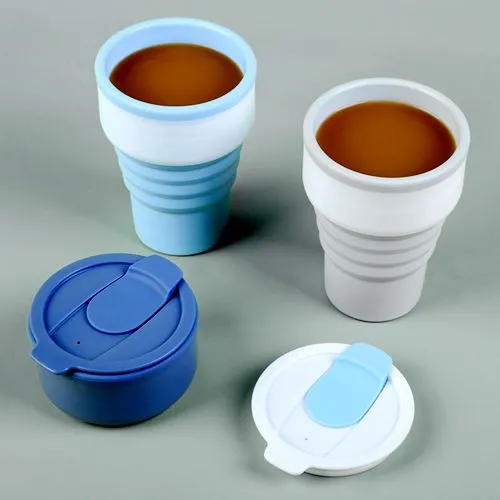
Sustainable silicone manufacturing is achieved through green chemistry principles, energy-efficient production technologies, waste minimization strategies, and the use of bio-based or recycled raw materials. Modern manufacturers prioritize closed-loop systems that recycle production by-products, reduce carbon emissions, and eliminate hazardous chemicals. Products like the Reusable Foldable Silicone Coffee Cup exemplify this shift—combining food-grade materials, collapsible portability, and durable reusability—demonstrating how sustainable practices deliver environmental benefits alongside practical functionality for consumers and businesses alike.
Understanding the Environmental Challenges in Traditional Silicone Manufacturing
For a long time, the old way of making silicone has been linked to big environmental problems that brands and buying teams today can't ignore. Traditional ways use a lot of materials that come from fuel, which wastes resources and produces greenhouse gases. A lot of energy is used in polymerization processes, which makes carbon footprints bigger. A lot of waste builds up when garbage management isn't good enough, and this waste is usually burned or dumped.
Heavy Reliance on Non-Renewable Resources
Silicone is usually made from quartz sand that has been mixed with chemicals that come from oil. Because of this, fossil fuels are still being used, and materials are harder to find, which makes it harder for global brands to do environmental checks. Buyers are being pushed harder and harder to find out where the materials come from and how they impact the world before they buy things for kids, pets, or kitchens. This is especially true when they want to reach people in North America and Europe who care about the environment.
High Energy Consumption and Carbon Footprint
Silicone polymerization usually needs to happen at high temperatures and for a long time. Carbon emissions go up because of these energy needs, especially when companies use coal or power from sources that don't generate power. When companies come out with new lines of goods, they need to think about these hidden environmental costs. They also need to think about how they want to position themselves in shops and what customers expect from them in terms of being eco-friendly.
Waste Generation and Pollution Issues
There is silicone trash, chemical waste, and packing waste when production isn't done well. These things make pollution worse and waste resources if there isn't a good way to get them back. Sales partners and internet stores are asking for proof of how trash is handled more and more. Because of this, being open is a key part of picking a seller.
The whole production line needs to be changed to fix these issues. There are new ways to make things that hurt the environment less while keeping the quality and cost-effectiveness the same. Brands that care about the environment need to work with makers of those things, especially those focused on sustainable silicone manufacturing.
Core Principles and Innovations Driving Sustainable Silicone Manufacturing
Green chemistry and cycle economy are used to make silicone today so that it doesn't hurt the earth and doesn't affect how well it works. These rules help you pick out materials, make output more efficient, and deal with things that are no longer useful. They've found benefits for both the teams that make things and the teams that buy things.
Green Chemistry and Bio-Based Material Integration
When companies care about the environment, they try to use as few dangerous chemicals as possible and add bio-based enzymes or additives that can be used again and again. This lowers the need for goods made from petroleum while still meeting FDA and LFGB guidelines, which is important for uses that are safe for food. It's better for brands of baby items and shops that sell cooking supplies to use materials that meet strict rules in many markets.
Energy-Efficient Production Technologies
A lot less energy is used in modern industries because they have better heating systems, heat recovery systems, and energy sources that don't harm the environment. Companies that use solar or wind power to make things leave smaller carbon impacts and have fixed long-term costs of production. These savings make it possible for cross-border online stores with small profit margins and lots of new goods to offer prices that are competitive.
Waste Minimization and Recycling Strategies
Recycling programs that are built in take silicone scraps, returned items, and production trash and use them to make new things or in other ways. You don't have to buy as many raw materials when you use closed-loop ways. This keeps trash out of landfills. Designs that can be folded up, like coffee cups, make moving easier and cut down on pollution from movement. Sellers on Amazon FBA and direct-to-consumer brands that want to cut down on shipping costs should keep these things in mind.
We've seen how careful design choices can make things that are good for the environment even better. Products that are made to be taken apart make it possible to recycle the parts separately. This makes materials last longer and supports the goals of the circular economy. These design ideas show that a brand cares about the environment and wants to stand out in a crowded market.
Sustainable Silicone in Reusable Foldable Coffee Cups: Benefits & Industry Applications
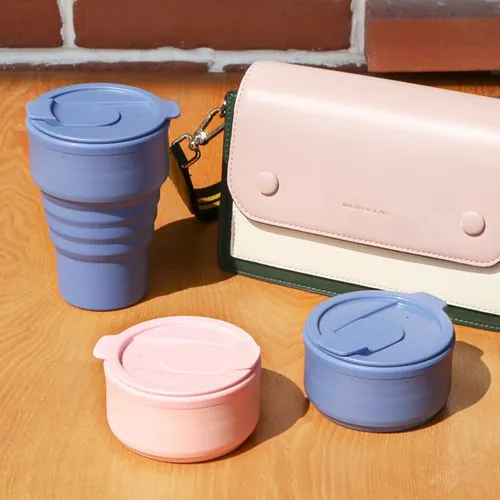
The Reusable Foldable Silicone Coffee Cup shows how making things in a way that is good for the environment can lead to products that are ready to sell and help people with real problems. As well as being eco-friendly, these cups work well, making them ideal for private labeling, brand deals, and bulk sales.
Material Safety and Compliance
The FDA says that our CUP10 type is safe because it is made with food-grade silicone and PP parts. From -40°C to 200°C, the silicone can handle it, and from -20°C to 80°C, the PP lid does its job well. This temperature stability keeps users safe from both hot and cold drinks without breaking down the material or letting chemicals leak out, which is very important for people who care about their health and buy baby goods.
Space-Saving Design and Portability
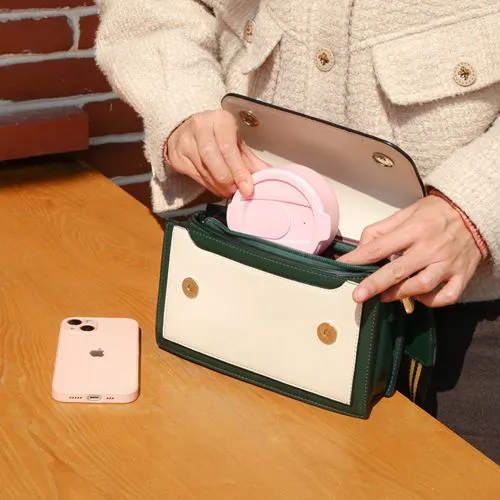
Once the cup is fully extended, it can be folded down from 132 mm to just 54 mm thanks to the way it's built. It's great for people who work, travel, or just like being outside because of this. This small design cuts the amount of packing by about 60%. This lowers the cost of shipping and the amount of carbon dioxide that is released per unit. This is great news for online sellers who have to pay FBA holding fees and freight costs to ship items to other countries.
Durability and Lifecycle Value
The 143g cup holds 375ml and will replace hundreds of single-use cups over the course of its life. The anti-scald insulation ring can be taken off, making it easy to clean and maintain. The 6 mm rim edge is also stronger. Customers are happy with products that last longer, and they return them less often. This is good for wholesalers who work with daily consumer goods markets.
We can see how these helpful traits fit in with green goals. The cups come in either a color box or an OPP bag. Both of these lower the amount of extra material and keep the things safe while they're being shipped. Black, Inki Pink, Quartz Pink, Light Gray, and Pastel Blue are the six colors you can choose from. You can use these colors to reach a variety of customers and make your brand stand out without adding too much to the goods.
Comparative Insights: Sustainable Silicone vs Other Materials in Coffee Cups
It helps buyers to know how folding silicone stacks up against other materials when they are looking at different options for water bottles. There are pros and cons to every choice that affect what to buy, how to plan your operations, and where to stand in the market.
Silicone vs. Plastic Cups
Microplastics are bad for the environment, but silicone is better because it can be used more than once and doesn't shed them. When you first buy silicone, it costs more per unit, but over time, it costs less because you don't have to buy refills. When plastic cups are washed, heated, and cooled many times, they break. But silicone cups stay strong after being used thousands of times. To protect their names and cut down on customer service calls, brands that make things for babies and pets put this level of trust at the top of their lists of priorities.
Silicone vs. Ceramic and Stainless Steel
Even though ceramic cups look nice, they are very heavy and can break when they are shipped or used every day. Stainless steel keeps things warm, but you can't fold it up, and you can't see what's inside. Silicone fills in these spaces and protects against heat, bends easily, and saves room in a way that metal and clay can't. Distribution partners who move medium to large amounts of goods benefit from lower damage and freight costs, which directly increase their profit margins.
Market Adoption Trends in 2024
Consumer choice data shows that more and more people of all ages and genders want eco-friendly water cups that they can carry around with them. Silicone is being used by more and more startups that want to make reusable cups because it is safe, can be shaped in different ways, and sends messages about being eco-friendly. The stores that the wholesalers work with restock a lot of goods because customers want eco-friendly choices. This proves the market is real for more than just early adopters.
Brands can make sure that the specs of their products meet the needs of their target customers if they are aware of these important trade-offs. Silicone designs that can be folded up are becoming more popular. This is part of a bigger trend toward sustainability that puts an emphasis on ease of use without losing user experience.
Procurement Guide: How to Source Sustainable Foldable Silicone Coffee Cups for Your Business?
Finding the right production partner can affect how well the product works, how reliable the supply chain is, and how trustworthy the brand is. There are a few things that procurement workers should look at in order to find suppliers that can help the company grow from trial sales to high-volume production.
Certification and Compliance Verification
Make sure that businesses that make products that come into contact with food keep their FDA, LFGB, and any other important regional approvals up to date. Ask for test results and material safety data sheets that show they meet the needs of the people you want to buy them. We keep careful records of everything we use to make CUP10. With this, it will be easy for officials to check out brands that want to sell in Asia, Europe, and North America.
Manufacturing Capabilities and Flexibility
Look at the product that can be done, the quality control systems, and the customization options. When you want to test the market before going big, you can place small-batch trial orders with reliable partners. They can also make sure that the quality stays the same for all production runs. Our sites can set up MOQs that are flexible and start with amounts that are easy to handle. This way, Amazon buyers and new businesses can keep an eye on inventory risk while a product is being tested, especially with a silicone OEM manufacturer China.
Customization and Brand Support
Check out the OEM and ODM services. You may be able to add brands, change colors, and get private-label packages with these services. Partners who are good at making things help with design and make quick prototypes to cut down on time to market. Our line of coffee cups that can be folded up can be fully designed to fit different stores or advertising efforts. This helps brands stand out by giving them unique looks and box designs.
Communication and Delivery Performance
Give more weight to buyers who can respond quickly, handle projects well, and get things to you on time. If production or a sample is held up, it directly affects when a product will be sold and what market opportunities it opens up. Because we know that speed is important for cross-border sellers participating in fast-paced online markets, our team promises to talk and work together quickly and well during the order delivery process.
The key to having good ties with suppliers is to use these rating factors. When you carefully look at a company's production skills, how they treat the environment, and the quality of their service, you can avoid making mistakes that cost a lot of money and build relationships that will help your business grow in the long run.
Conclusion
Businesses that want to be good to the environment can use sustainable silicone making. This won't hurt the quality of their products or their ability to compete in the market. Modern manufacturers use green science, energy-efficient technologies, and circular economy ideas to make approved food-grade goods that are safer and have less of an effect on the environment. This Reusable Foldable Silicone Coffee Cup is a great example of how careful planning and careful production can make products that meet real customer needs, like being easy to carry, strong, safe, and long-lasting. They make sure their brands can meet the growing demand for eco-friendly options in markets all over the world when they work with honest, skilled makers.
FAQ
Q1: What makes silicone coffee cups more sustainable than disposable options?
With reusable silicone cups, you can use them over and over again, which means you don't have to throw away hundreds of single-use cups. Because they can be folded up, they release less pollution when they are shipped, and the fact that they are food-grade approved means that they can be used safely for a long time without chemicals leaking out or the material breaking down.
Q2: How do I verify food-grade quality when sourcing silicone products?
Check to see if the materials have been tested and approved by the FDA or LFGB. Also, ask for details on how the products are made. Manufacturers with a good reputation keep thorough records of how they meet safety standards for food handling. They keep notes of the raw materials they use, how the products are made, and the tests they do on the finished goods.
Q3: Can foldable silicone cups accommodate customization for brand launches?
You can put your own name on most well-known makers, pick from different colors, and make your own package. OEM and ODM services are available for our CUP10 model. This lets brands stand out through visual character while still meeting the quality and safety standards needed to get into the market.
Partner with Qosun as Your Trusted Reusable Foldable Silicone Coffee Cup Manufacturer
Even though the market is already very competitive, we know how hard it is for brands to make products that last. Since 2017, Qosun has been making silicone goods and has a lot of knowledge. You can take your business from the idea stage to mass production with their help. They offer approved food-grade products, flexible small-batch production, and quick testing. This Reusable Foldable Silicone Coffee Cup is made to be helpful. It also has low prices and strict quality control, which makes it a good choice for foreign brands, online stores, and sellers who want to sell to people in North America and Europe. To help you get your goods off the ground faster, we offer quick contact and reliable wholesale supply. This is true whether you need OEM customization, private labeling, or a reliable wholesale supply. You can email our team at qosun@qosun.com to discuss how we can help you with your next project by giving you silicone options that are made to last and do well in the market.
References
1. Smith, J., & Thompson, R. (2023). Green Chemistry Applications in Modern Polymer Manufacturing. Journal of Sustainable Materials Science, 45(3), 112-128.
2. Environmental Protection Agency. (2024). Life Cycle Assessment of Reusable vs. Single-Use Food Containers. EPA Sustainability Research Series, Report 2024-16.
3. Chen, L., Wang, M., & Liu, Y. (2023). Energy Efficiency Innovations in Silicone Production Technologies. International Journal of Industrial Ecology, 38(2), 203-219.
4. Global Silicone Council. (2024). Circular Economy Practices in the Silicone Industry: 2024 Progress Report. Brussels: European Chemical Industry Council.
5. Martinez, A., & Patel, S. (2023). Material Safety and Regulatory Compliance in Food-Contact Polymers. Food Packaging and Health Journal, 12(4), 88-104.
6. Johnson, K. (2024). Consumer Preferences in Sustainable Drinkware: Market Analysis and Trends. Retail Innovation Quarterly, 29(1), 67-82.