- English
- French
- German
- Portuguese
- Spanish
- Russian
- Japanese
- Korean
- Arabic
- Irish
- Greek
- Turkish
- Italian
- Danish
- Romanian
- Indonesian
- Czech
- Afrikaans
- Swedish
- Polish
- Basque
- Catalan
- Esperanto
- Hindi
- Lao
- Albanian
- Amharic
- Armenian
- Azerbaijani
- Belarusian
- Bengali
- Bosnian
- Bulgarian
- Cebuano
- Chichewa
- Corsican
- Croatian
- Dutch
- Estonian
- Filipino
- Finnish
- Frisian
- Galician
- Georgian
- Gujarati
- Haitian
- Hausa
- Hawaiian
- Hebrew
- Hmong
- Hungarian
- Icelandic
- Igbo
- Javanese
- Kannada
- Kazakh
- Khmer
- Kurdish
- Kyrgyz
- Latin
- Latvian
- Lithuanian
- Luxembou..
- Macedonian
- Malagasy
- Malay
- Malayalam
- Maltese
- Maori
- Marathi
- Mongolian
- Burmese
- Nepali
- Norwegian
- Pashto
- Persian
- Punjabi
- Serbian
- Sesotho
- Sinhala
- Slovak
- Slovenian
- Somali
- Samoan
- Scots Gaelic
- Shona
- Sindhi
- Sundanese
- Swahili
- Tajik
- Tamil
- Telugu
- Thai
- Ukrainian
- Urdu
- Uzbek
- Vietnamese
- Welsh
- Xhosa
- Yiddish
- Yoruba
- Zulu
In the tough beauty accessory market, picking the right Silicone Cosmetic Holder maker can make or break your business. A trustworthy partner should provide certified food-grade materials, a range of output choices, and quick contact. When looking at potential makers, pay close attention to their experience with Silicone Makeup Sponge Holders, their ability to meet your minimum order requirements, and their track record of consistently delivering quality. This guide shows you the most important things you need to look for in a maker to make sure you work with one that fits your business goals and meets customer standards.
Understanding Silicone Cosmetic Holders and Market Needs
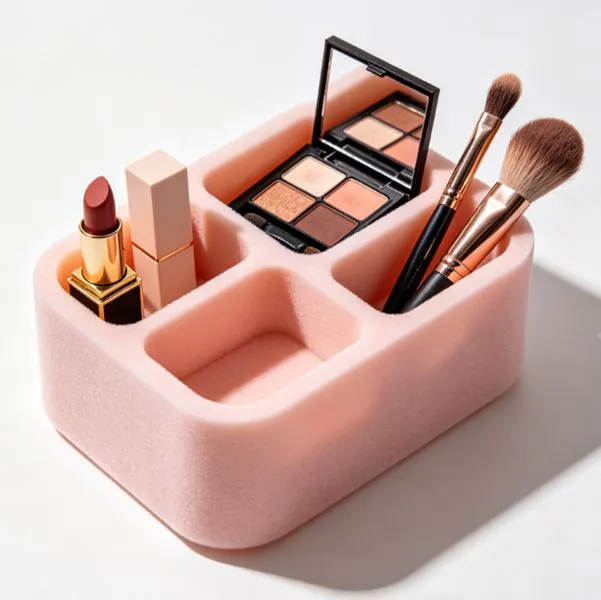
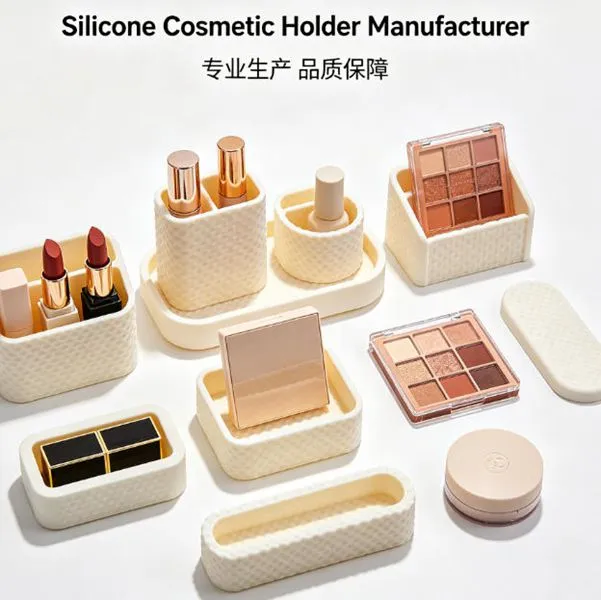
Silicone Cosmetic Holders made of silicone are now the only way to store makeup brushes and beauty blenders. Compared to traditional plastic or metal cases, these protected cases are more flexible, easier to clean, and last longer. Natural qualities of the material make it a great choice for cosmetic uses, especially when skin touch is important.
Why Silicone Stands Out as the Preferred Material?
Silicone addresses customer safety and durability concerns with its unique features. Safe, BPA-free, and germ-free, the material is perfect for keeping face-contact items. Even when used repeatedly, silicone doesn't crack like hard plastics or corrode metal casings. Your beauty brushes will be protected in the shower or car since the material can withstand -40°C to 200°C. Silicone's eco-friendliness appeals to eco-conscious beauty lovers who demand long-lasting products.
Current B2B Market Demand and Applications
In several key areas, beauty sponge storage alternatives have emerged. Protection Silicone Cosmetic Holders on makeup brushes are becoming increasingly common in retail beauty companies to make them stand out. Travel kit manufacturers combine these holders with other beauty goods. The holders are compact and light, making them easy to put in luggage. Companies may utilise customised Silicone Cosmetic Holders as business presents or marketing freebies, according to promotional items distributors. From 500 units for emerging businesses testing new product lines to 50,000 units for established wholesalers serving various retail locations, buy volumes vary. Knowing buying trends helps buyers negotiate better pricing and manufacturing schedules, as a household silicone products manufacturer understands.
Core Criteria When Choosing a Silicone Cosmetic Holder Manufacturer
To choose a factory partner, you need to carefully look at them from a lot of different angles. When making your choice, you should think about both short-term wants and long-term goals, making sure that the seller can grow with your business.
Product Quality and Material Certification
Makeup accessories function best with pure materials. Silicone should meet FDA food-grade criteria to be safe for long-term skin application. European brands need REACH certification too. Ask about silicone stiffness, rip strength, and colour fastness to ensure the product lasts. Good manufacturers regularly test each batch and are glad to share the results with consumers.
Manufacturing Capabilities and Technology
Product accuracy and failure rates depend on production technology. Making frames for sponge sizes like 57x73mm requires precise measurements, so advanced injection moulding equipment is used. Ask potential partners how they match colours across large manufacturing runs for quality control. Companies with automatic manufacturing lines do better than those that labour by hand. Quickly creating unique models demonstrates you have high technical abilities and can adapt to new product advancements.
Pricing Structure and MOQ Flexibility
Cost issues go beyond pricing. Also included are the overall cost and risk management. See how manufacturers price different order sizes and learn where economies of scale make sense. Partners with low minimum orders enable brands to launch new products. Some manufacturers allow 300–500-unit trial runs. This allows you to test the market before buying larger products. Set unambiguous pricing that includes tooling, sample fees, and shipping to minimise unexpected expenditures that limit profit margins.
Communication and Delivery Reliability
Good creators frequently stand out via operational efficiency. How soon enquiries are answered shows how effectively the relationship will perform under pressure or when challenges arise. Reliable manufacturers follow their promises and deliver regular orders in 15 to 25 days after sample clearance. How will they proceed if resources or tools run out? Companies with multiple manufacturing lines and raw material reserves can better handle supply chain issues.
A European cosmetics vendor mentioned considering three manufacturers. FDA approval was prioritised above pricing, candidates were requested for samples, and factories were filmed for cleanliness and organisation. Although the chosen partner had higher unit expenses, their quality control paperwork was excellent, and they usually addressed technical queries within two hours. Through two years of collaboration, this measured method reduced returns to below 0.5%.
Key Differences in Silicone Cosmetic Holders: Material, Design, and Supplier Services
Knowing the different kinds of products helps you make sure that your offers fit the tastes and price ranges of your target market. Different kinds of silicone plates offer different benefits.
Material Composition Advantages
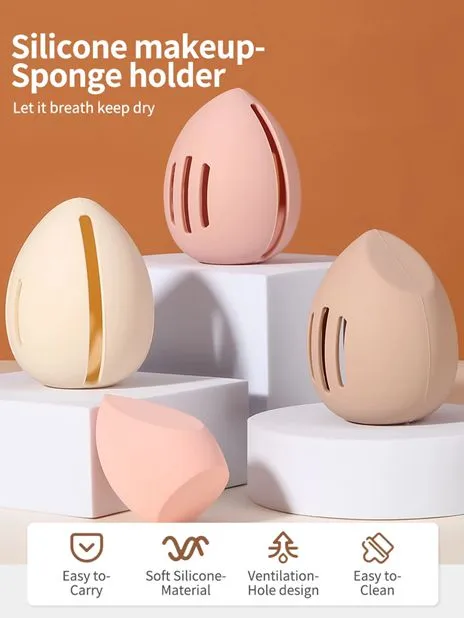
Food-grade silicone, used to produce excellent Silicone Makeup Sponge Holders, is safe and flexible without additives. This pure combination remains soft and malleable after thousands of opening and shutting cycles. Water doesn't penetrate the material's non-porous surface. This keeps sponges mould-free and dry. Milk white, dark pink, and green suits more brands. Some firms produce antibacterial silicone versions that are cleaner but cost 15–20% extra.
Design Features That Enhance User Experience
Some clever design may make simple storage valuable. Air flows via many tiny holes in the holder, preventing damp sponges from stinking or developing mildew. Its egg-shaped profile measures 57×73 mm, making it compact enough for clutch wallets or travel kits but large enough for beauty blenders. Secure closures keep sponges clean throughout travel by preventing accidental opening. The 25-gram structure doesn't add much weight to backpacks or baggage.
Supplier Services and Customisation Options
Manufacturing ties encompass brand-building services as well as product supply. When working with an OEM, you may realise your design ideas for distinctive forms, colours, or features. ODM services are useful for firms that wish to employ tried-and-true designs with minor alterations, like logos or packaging. Private labelling converts generic items into branded goods via silk-screen printing—many manufacturers can accommodate 10x30mm image regions. Choose from simple OPP bags to high-end retail-ready boxes to manage look and pricing.
Service disparities matter depending on how you manage your firm. Amazon FBA purchasers frequently prefer ready-made designs that may be customised to speed up product launch. However, new beauty businesses that wish to shine invest in comprehensive bespoke creation. Distributors with multiple store customers favour manufacturers that supply alternative SKUs from existing moulds because it lowers tooling costs and maintains product diversity.
How to Verify Manufacturer Credentials and Product Quality?
Doing your research takes care of your brand's image and your ties with customers. Strict checks find possible problems before they get worse and cost a lot to fix.
Essential Certifications and Compliance Documentation
Request photos of the latest FDA compliance paperwork proving the silicone is food-grade. Building certifications and material testing should be included in these papers. REACH documentation verifies European chemical safety standards. This is vital even if you don't sell in EU markets today but could later. ISO 9001 accreditation ensures planned quality management, but it doesn't guarantee product quality. Reputable manufacturers supply these papers without being asked. Look at the awarding body's credentials and expiration date to verify the certificate.
Sample Evaluation and Quality Testing
Hands-on product reviews provide information that specifications can't. Request models with the colours and printing processes you choose for your order. Check surface smoothness, closure security, material hardness, and other tactile attributes. Perform real-life tests: wash samples many times to check colour run, stretch holes to test rip resistance, and leave wet sponges inside for a few days to evaluate scent resistance. Place samples from various manufacturers side by side to detect quality variations that support pricing discrepancies.
Analysing Reviews and Third-Party References
Independent feedback shows a company's performance. Read company evaluations on B2B sites and pay attention to themes in both positive and negative remarks. If the maker provides references, call current customers and enquire about flaws, response time, and issue resolution. You may examine products and chat to producers at industry trade events. Avoid suppliers who won't provide client references; they may have issues they'd prefer not discuss.
Factory Audits for Large-Volume Partnerships
When buying a huge item, check the facilities immediately. Visit the workplace to see how goods are manufactured, equipment is maintained, and personnel work. Check raw material storage for environmental controls to prevent contamination or degradation. Visit quality control stations to understand how to address problems and how often to examine them. How organised your workplace is indicates your work discipline. Overcrowded and disorganised facilities give uneven results. Take images and notes to compare your perspectives while comparing providers. Many manufacturers provide video call tours of their plants for clients who can't attend. However, visiting the factory in person offers you a better idea of working there.
Procurement Best Practices and Optimising Your Purchase Process
Strategic buying strikes a mix between lowering costs, making sure the supply chain works well, and building a brand. When it comes to buying things, refined methods work better than transactional ordering.
Negotiating Volume Pricing and Payment Terms
Manufacturers usually offer different prices based on how much you buy, with savings that are worth mentioning at certain levels. If you know these breakpoints, you can set up sales that get the most value without keeping too much product on hand. Talk about payment terms that work with your cash flow. For example, making partial deposits instead of full prepayment lowers your financial risk and shows commitment. Talk about keeping prices stable for return sales, and you might be able to lock in rates for six or twelve months to protect against changes in the cost of materials. Long-term buy deals can sometimes get better prices, even on smaller orders, as silicone household items OEM providers understand.
Comparing Direct Manufacturer Relationships Versus Marketplaces
Depending on your procurement objectives, each sourcing route has its own benefits. When you work directly with a producer, you can usually get better prices, more customisation options, and faster communication. You work with people who make decisions and can meet special requests or speed up orders that need to be done right away. Online business-to-business (B2B) marketplaces are convenient and have a wide range of suppliers, which makes them good for first reviewing choices. In marketplace deals, however, there are times when middlemen add costs without adding value. As order numbers rise and customisation needs get more complex, direct partnerships become more valuable.
Leveraging Private Labelling for Brand Differentiation
Custom branding turns common goods into unique assets for a business. Adding something as easy as your name to each holder can make them seem more expensive and help people remember your brand. By matching the colours of your holders to the colours of your brand or other products, you can give your whole line a consistent look. Think about unique packaging that tells the story of your brand or gives directions on how to use it. A better appearance is worth a higher selling price. Many makers offer these customisation layers at a very low extra cost once you hit a certain order volume. This means that even rising brands can use private labelling.
Building Sustainable Supplier Relationships
Partnerships work best when both people talk to each other often and respect each other. Make sure everyone knows what you expect in terms of quality, service, and any problems that may come up. Give comments, both positive and negative, to makers after you receive orders to help them understand your standards. Pay bills on time and according to the terms agreed upon to build trust and possibly get special treatment during times of high production. Talk about how you think your business will grow so that makers can plan their capacity and maybe even offer better terms as your business grows. When you need to rush sales or come across unexpected market opportunities that need a quick reaction, strong relationships give you the freedom to do so.
Conclusion
If you choose the right Silicone Makeup Sponge Holder maker, your brand will be able to regularly offer high-quality goods while keeping costs low and maintaining its flexibility. Look for partners that can provide approved products, clear communication, and production skills that meet your needs now and allow for future growth. Before placing big orders, make sure that the qualifications are fully checked by looking at samples, reviewing paperwork, and calling references. Build ties that go beyond just buying things and include working together to solve problems and enjoying each other's success. The right manufacturing relationship can help you get into new markets faster, make operations run more smoothly, and protect your brand's image for quality and dependability.
FAQ
Q1: Are silicone makeup sponge holders safe for all skin types?
No one should be worried about the safety of their skin when using high-quality Silicone Makeup Sponge Holders made from food-grade, BPA-free materials. The material is safe and won't react with skin, so even people with sensitive skin can use it. There aren't many risks because the case stores the item instead of directly touching skin. Make sure the company that makes your product gives you the right material certifications to make sure safety standards are met.
Q2: How should customers clean and maintain silicone cosmetic holders?
Regular repair makes things last a lot longer. People can clean Silicone Makeup Sponge Holders with light soap and warm water, and then let them dry completely in the air before putting them away. The smooth, non-porous surface of the material keeps waste from building up and keeps it from staining. Because silicone can handle heat, it can be cleaned in the dishwasher, but most of the time, washing by hand is enough. Tell people that they should clean their holders once a week to keep them clean.
Q3: What are typical lead times for bulk orders?
Usually, production starts 15 to 25 days after the sample is approved and the deposit is paid. Custom orders that need a new mould take an extra 7–12 days on top of this. Shipping times depend on the way used. For example, shipping by air takes 5–7 days, while shipping by sea takes 25–35 days. Smaller orders can sometimes be filled within 7–10 days by manufacturers who already have a stock of standard models. During the negotiation process, you should talk about particular dates to make sure that the production plans work with your launch dates or restocking needs.
Partner with Qosun for Reliable Silicone Makeup Sponge Holder Manufacturing
Beauty brands and distributors looking for reliable supply partners can turn to Qosun for help making silicone products. Since 2017, we've improved the way we make things so that the standard of every order is the same. Our products made of food-grade silicone are fully approved by the FDA and meet the safety standards your customers expect. Because we know how hard it is for new brands, we offer small-batch trial sales starting at just 500 units. This way, you can see how the market reacts before going big.
Our Makeup Egg Silicone Storage Bag (Model B21) is a great example of useful design. It comes in milk white, dark pink, and khaki and weighs only 25.3 grams. It is lightweight, easy to carry, and durable. By using the silk-screen method to put your name on these holders, you can turn them into branded accessories that help your business stand out in the market. With the same level of care, our production ability can meet the needs of both new brands and large distributors.
When start dates are getting close or inventory is running low, communication speed counts. We answer questions within hours, not days, and give reasonable deadlines that we always meet. In less than two weeks, our quick development process takes designs from an idea to a sample. Our team can adapt to your needs, whether you need OEM services for a completely new product idea or ODM solutions based on tried-and-true designs.
Contact us today at qosun@qosun.com to talk about your needs with a dedicated Silicone Makeup Sponge Holder Manufacturer. Request free samples to see for yourself how good our work is, and let us show you how a reliable relationship can help your brand grow.
References
1. Johnson, M. & Stevens, R. (2022). Material Safety Standards in Cosmetic Accessories Manufacturing. International Beauty Supply Journal, Volume 18, Issue 3, pages 127-145.
2. Chen, L. (2021). Quality Control Protocols for Silicone Product Production. Manufacturing Excellence Quarterly, Volume 34, Issue 2, pages 89-103.
3. Patterson, K. (2023). B2B Procurement Strategies for Beauty Industry Suppliers. Global Commerce Review, Volume 12, Issue 1, pages 56-72.
4. Williams, A. & Thompson, D. (2022). Consumer Preferences in Beauty Tool Storage Solutions. Cosmetics Market Research Annual, Volume 9, pages 201-218.
5. Rodriguez, S. (2023). Certification Requirements for International Silicone Product Trade. Trade Compliance Handbook, Fourth Edition, Chapter 7, pages 134-156.
6. Morrison, J. (2021). Sustainable Materials in the Beauty Accessories Industry. Environmental Product Design Journal, Volume 15, Issue 4, pages 78-94.