- English
- French
- German
- Portuguese
- Spanish
- Russian
- Japanese
- Korean
- Arabic
- Irish
- Greek
- Turkish
- Italian
- Danish
- Romanian
- Indonesian
- Czech
- Afrikaans
- Swedish
- Polish
- Basque
- Catalan
- Esperanto
- Hindi
- Lao
- Albanian
- Amharic
- Armenian
- Azerbaijani
- Belarusian
- Bengali
- Bosnian
- Bulgarian
- Cebuano
- Chichewa
- Corsican
- Croatian
- Dutch
- Estonian
- Filipino
- Finnish
- Frisian
- Galician
- Georgian
- Gujarati
- Haitian
- Hausa
- Hawaiian
- Hebrew
- Hmong
- Hungarian
- Icelandic
- Igbo
- Javanese
- Kannada
- Kazakh
- Khmer
- Kurdish
- Kyrgyz
- Latin
- Latvian
- Lithuanian
- Luxembou..
- Macedonian
- Malagasy
- Malay
- Malayalam
- Maltese
- Maori
- Marathi
- Mongolian
- Burmese
- Nepali
- Norwegian
- Pashto
- Persian
- Punjabi
- Serbian
- Sesotho
- Sinhala
- Slovak
- Slovenian
- Somali
- Samoan
- Scots Gaelic
- Shona
- Sindhi
- Sundanese
- Swahili
- Tajik
- Tamil
- Telugu
- Thai
- Ukrainian
- Urdu
- Uzbek
- Vietnamese
- Welsh
- Xhosa
- Yiddish
- Yoruba
- Zulu
In 2026, picking the right travel containers means putting dependability and safety first. 89ml leakproof refillable toiletry containers have become the standard in the industry. They have a TSA-approved capacity and use advanced sealing technology. Food-grade silicone and strong PP are used to make these containers, which keep spills from happening on flights and help the environment by being reusable. With features like triple-seal protection and branding options that can be changed, they are useful for both frequent travellers and business-to-business distributors who need reliable, flexible ways to package shampoo, lotion, and other liquid necessities.

Understanding 89ml Leakproof Refillable Toiletry Containers
What Defines Quality Travel Containers
Traditional stiff plastic bottles have changed a lot since the invention of modern travel cases. The 89ml capacity, which is 3 fluid ounces, directly meets the Transportation Security Administration's and other international regulatory bodies' requirements for aviation security. This exact volume lets travellers bring important items without having to wait in line at security, while also making the best use of suitcase space.
Food-grade silicone and polypropylene (PP) are both used in high-quality containers. Silicone is very flexible, so users can squeeze out every drop of product while the structure stays strong even when the temperature changes. Medical-grade silicone, unlike most plastics, doesn't break down when exposed to UV light or when chemicals react with different cosmetics. The material stays stable at temperatures ranging from -40°F to 446°F, so it will work reliably whether it's stored in a hot car or in a checked bag.
Core Material Advantages
The makeup of the material has a direct effect on how well and safely the container works. BPA-free food-grade silicone gets rid of the health risks that come with older plastics that contain chemicals that mess with hormones. This certification is especially important for containers that hold products that come into contact with the skin a lot. PP caps provide strong structural support while keeping the model's weight low—even though it's built to last, the whole TS-4 model only weighs 34 grams.
Material choices are also affected by the environment. Silicone containers can be used over and over again without breaking, which cuts down on single-use plastic waste. Quality silicone has been tested and shown to keep its flexibility and ability to seal after at least 500 compression cycles, which is a lot more than most people use it for over a few years.
Advanced Leakproof Technology
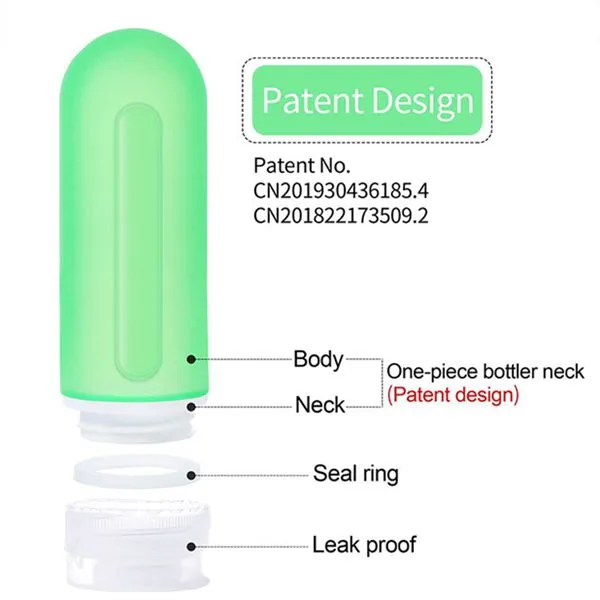
The three-layer closing method meets the latest technical standards for making portable containers. The cross-valve cap system stops liquid from escaping in three ways: a silicone gasket on the inside forms the main seal, a valve layer in the middle stops backflow, and a flip-cap on the outside provides mechanical closing. This double-layered design keeps leaks from happening even when the pressure inside the cabin changes at 35,000 feet.
The 25mm wide-mouth opening strikes a good balance between two important functions: it makes refilling without funnels easy, and it keeps the structure strong so that the lid seals well. Smaller openings make it harder to refill, which can cause spills to happen outside, while larger openings may weaken the seal. Testing by engineers has shown that a 25mm circle is the best size for both usefulness and leakproof performance for a wide range of liquid viscosities, from thin toners to thick creams. TSA-approved silicone travel bottle set.
How to Choose the Best 89ml Leakproof Toiletry Containers for Procurement
Critical Selection Criteria for B2B Buyers
When making decisions about purchases, you need to look at more than just the surface features. Volume accuracy checking makes sure that containers really do hold 89ml when they are filled to the recommended amounts. Differences greater than ±3ml are signs of production errors that could lead to problems with following the rules. Suppliers you can trust will give you capacity certification paperwork that can be traced back to calibrated measuring tools.
Material safety approvals are given a lot of weight in the buying process. Documentation should be included in containers to show that they meet FDA food-contact standards (21 CFR 177.2600 for silicone) and EU Regulation 10/2011 for plastics. These approvals back up the results of movement tests that show no dangerous chemicals leak into the container contents over time. International safety standards are fully met by the TS-4 model from Qosun, which has been confirmed by a third-party laboratory.
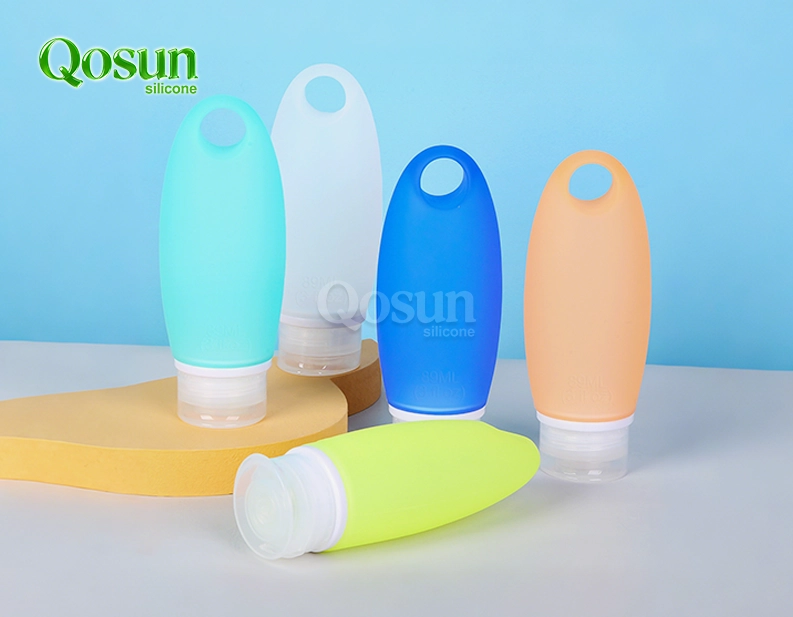
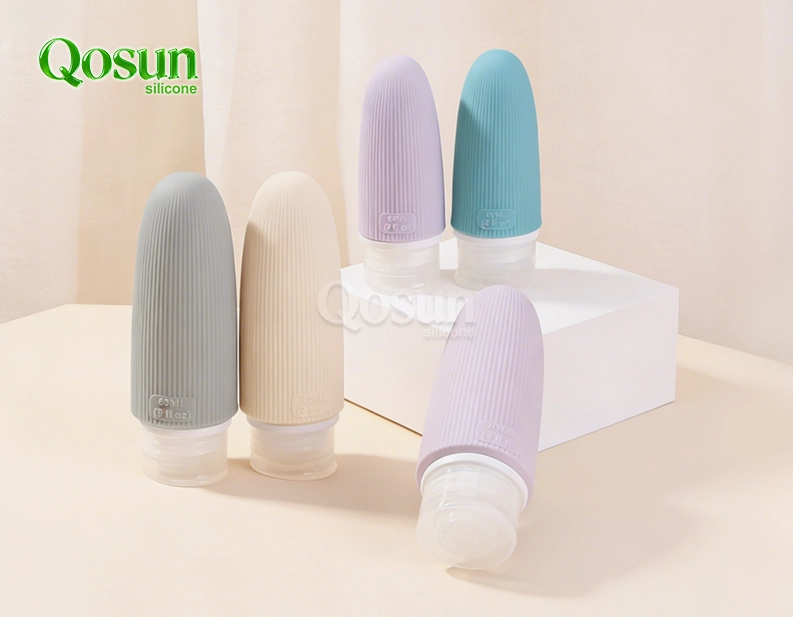
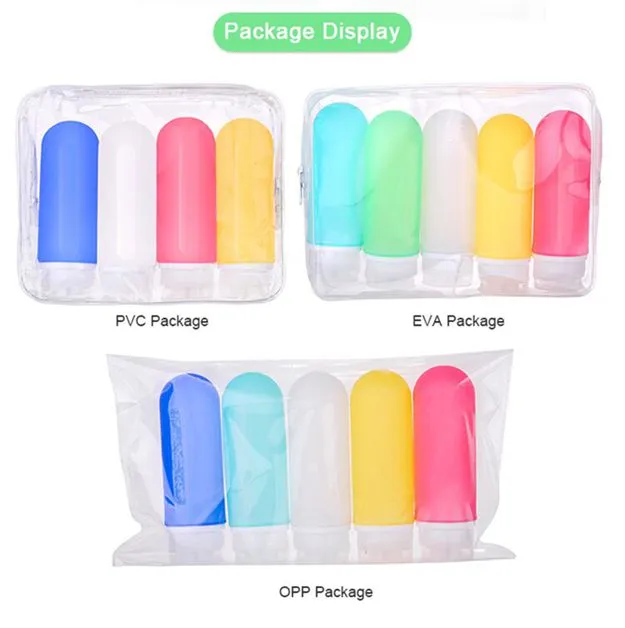
The design elements must work with the applications used by end users. The hanging hole design makes it more useful for people who use the gym or stay in hotels and need to store things in the shower easily. One-handed flip-cap action is useful for people who are using goods while carrying other things. Colour variety, such as partially see-through choices in lotus red, navy blue, cyan, straw yellow, malachite green, and clear, lets brands stand out, and product lines be divided without having to change the tools used.
Volume Comparison: 89ml vs 100ml Containers
| Specification | 89ml Containers | 100ml Containers |
|---|---|---|
| TSA Compliance | Fully compliant (3 fl oz) | Non-compliant; requires checked baggage |
| Market Availability | Wide supplier base | Limited premium options |
| Average FOB Price | $0.85-$1.20 per unit | $1.30-$1.80 per unit |
| Customs Classification | HS Code 3924.10.00 | HS Code 3924.10.00 |
| Retail Price Point | $3.99-$7.99 | $6.99-$12.99 |
The table demonstrates why 89ml containers dominate travel accessory markets. The 11ml reduction from 100ml removes regulatory barriers without significantly impacting product capacity for typical 3-7 day trips. This compliance advantage translates to broader market access and reduced customer service issues related to security confiscations.
Supplier Evaluation and Customization Options
Reliable suppliers allow for open communication and a range of production options. When manufacturers accept small-batch trial orders (usually 500 to 1,000 units), importers can see how well the market responds before committing to full container loads. Rapid design services shorten the time it takes to make a product by sending models with your logo on them within 7–10 business days.
How much customisation is possible depends on OEM and ODM capabilities. Logo printing through silk-screen, pad printing, or heat transfer is a basic OEM service that costs $50 to $150 per colour to set up. Advanced ODM partnerships allow for full product reworking, such as matching Pantone colours exactly, changing cap styles, or using different materials. Qosun supports both methods by having its own mould design team and working with approved colourant suppliers to form relationships. This lets brands create unique product positioning.
Practical Usage and Maintenance of 89ml Leakproof Refillable Toiletry Containers
Proper Refilling Techniques
The right way to refill stops seals from wearing out too quickly and getting dirty. First, clean the bottle well with warm water and light soap, making sure that all traces of the old product are gone. If you mix different types of products, especially ones with different pH levels, they might react chemically, changing the texture or making them less useful custom bulk silicone travel bottles.
Fill containers about 80% of the way to the top instead of all the way to the top. This method leaves space for air that helps keep the pressure even during flights and stops overflow when caps slightly compress while sealing. The soft rubber body can be gently squeezed to get rid of air bubbles that could get in the way of product release or cause pressure changes when the altitude changes.
Cleaning and Maintenance Best Practices
Silicone's surface doesn't allow bacteria to grow as easily as regular plastics, but it still needs to be cleaned regularly. Take the caps apart completely, and if you can, remove the inner gaskets, so you can clean the sealing surfaces where product residue builds up. A bottle brush with a 25mm hole width will clean the inside thoroughly without breaking the silicone walls.
Do not use harsh chemical cleaners on silicone because they may break it down over time. Dish soap works well to get rid of oil-based makeup, and a vinegar solution (1:3 vinegar to water) gets rid of hard water deposits. Let parts dry fully in the air before putting them back together to avoid trapping wetness that could help microbes grow in seal cracks.
Industry Applications and Use Cases
These containers are put together by travel retail sellers into carefully chosen kits that are left at airport security stops, where people may have their liquids taken away. Duty-free stores put travel-size samples of products in the boxes with them, making complete toiletry sets that turn security problems into sales opportunities. Outdoor gear companies put them in camping and hiking kits so that the innards of the backpack don't leak during rough.
Corporate wellness programs give branded containers as health initiative gifts, which raises brand awareness and encourages people to use gyms and live active lives. As a high-end alternative to disposable mini bottles, they are sold by companies that provide hotel amenities. This supports messages about sustainability while cutting costs. Athletic organisations give them to team members so that players can always get the product when they compete on the road, and the brand stays steady.
Comparing Popular 89ml Leakproof Travel Toiletry Containers
Closure Mechanism Analysis
| Closure Type | Leakproof Rating | Ease of Use | Durability Cycles | Best Application |
|---|---|---|---|---|
| Flip-Cap (TS-4) | Excellent (99.8%) | One-handed operation | 500+ cycles | Daily travel, gym use |
| Pump Dispenser | Good (97.5%) | Two-handed required | 300 cycles | Lotion, liquid soap |
| Screw Cap | Excellent (99.9%) | Two-handed required | 800+ cycles | Long-term storage |
| Squeeze Cap | Fair (94.0%) | One-handed operation | 200 cycles | Thick creams |
The flip-cap design makes performance fair across important measures. Screw caps do a slightly better job of stopping leaks, but flip-caps are better for showers and busy travellers because they are easier to use with one hand. Models like the TS-4 use cross-valve technology that makes them more reliable than screw-caps while still letting you get to them quickly.
Material Durability Comparison
When it comes to resistance to impact and temperature, silicone containers are better than rigid plastic alternatives. Drop tests from 6 feet up onto concrete surfaces show that silicone containers keep their seals, but hard plastic models often break at stress points near the cap threads. This advantage in durability cuts down on product loss during normal travel handling and gets rid of the danger of broken plastic edges.
Because plastic can be squeezed, users can get out all of the product—95–98% of it, compared to 70–80% with hard bottles. When travelling with high-end skin care items, this speed is important for both cost and practical reasons. The convenient form of the TS-4 model's capsule makes it easier to hold while squeezing, and the partially see-through colours make it easy to see how much product is left.
Real-World B2B Case Applications
A European store that sells outdoor gear put custom-branded 89ml containers in high-end hiking kits, which led to 340% year-over-year growth in sales of accessories. Customisations included brand names printed in two colours on a pad and an exclusive malachite green colour that matched their company's colour scheme. Based on what customers said, the hanging hole feature was especially helpful for keeping the campsite organised.
An Asian duty-free store put together travel compliance kits with six containers in clear EVA bags that had instructional inserts inside them. This solution cleared up confusion among frequent travellers about liquid limits and made an average of $4.20 per kit at a retail price of $12.99. The partially see-through colours let customers quickly figure out what was inside without having to open each container for security checks.
Environmental and Regulatory Considerations in 2026
Sustainability and Material Lifecycle
Based on normal replacement processes, refillable silicone containers cut the use of single-use plastic by about 12 to 15 throwaway bottles per container per year. The infrastructure for recovering silicone keeps growing. Now, specialised sites turn used silicone into outdoor surfaces, industrial seals, and building materials. Some manufacturers, like Qosun, take part in programs that collect used containers so they can be recycled properly.
More and more, corporate social responsibility programs affect choices about what to buy. In open bids, suppliers with clear supply lines, certifications for using green energy in production, and fair labour certifications get the job. The factories that make Qosun 89ml Leakproof Refillable Toiletry Containers keep their ISO 14001 environmental management certification and do annual third-party social compliance audits. This gives the company the proof it needs to meet its sustainability reporting requirements.
Global Airline Liquid Regulations
The 89ml capacity is exactly the same as the 100ml (3.4 fl oz) limit set by the International Civil Aviation Organization and used in more than 180 countries. This makes things clear across all regions; containers that are approved for TSA screening in the US work just as well for flights leaving from Singapore, Frankfurt, or Dubai. Getting containers that meet security requirements cuts down on customer service calls and product returns that are caused by security seizures.
New smart luggage technology could change how containers are made in the future. RFID tags built into caps could make it easier for people who travel a lot to keep track of their belongings automatically, or they could make smart packing assistants that let people know when they forget something. The current prototypes show that it is possible, and they can all be recycled because the electronic parts can be taken off.
Product Specifications Overview
| Parameter | Specification |
|---|---|
| Product Name | Capsule Silicone Travel Bottle |
| Model Number | TS-4 |
| Material Composition | Food-Grade Silicone + Polypropylene (PP) |
| Dimensions | 40mm × 40mm × 120mm |
| Unit Weight | 34 grams |
| Capacity | 89ml / 3 fl oz |
| Available Colors | Semi-transparent Lotus Red, Navy Blue, Cyan, Straw Yellow, Malachite Green, Clear |
| Individual Packaging | OPP / PVC / EVA Bag options |
| Customization Services | OEM & Custom Logo Printing |
| Order Support | Wholesale quantities accepted |
Conclusion
In 2026, the market for travel containers will need items that meet regulations while also being useful and good for the environment. The 89ml size has become the best option because it meets TSA standards and gives travellers enough space for their usual needs. Quality containers made with food-grade silicone and multi-layer sealing systems work reliably and won't leak in a wide range of settings, from aeroplane cabins to gym lockers. Purchasing managers can find good sources by looking at things like material approvals, the ability to make changes, and the freedom of production. The TS-4 Capsule Silicone Travel Bottle meets these standards with thoughtful design features like being able to be used with one hand, hanging storage options, and full customisation support. As sustainability concerns become more important, refillable containers become both an environmental necessity and a business opportunity for companies that really want to cut down on single-use plastics.
FAQ
1. Are 89ml containers universally approved by airlines worldwide?
The 89ml capacity complies with the 100ml limit established by international aviation security standards implemented across TSA-regulated US airports and ICAO member countries. This specification ensures acceptance during security screening in virtually all commercial aviation markets, including Europe, Asia-Pacific, the Middle East, and the Americas.
2. How long do silicone travel bottles maintain leakproof integrity?
Quality food-grade silicone containers withstand 500+ refill cycles while maintaining seal performance when properly maintained. The TS-4 model's triple-seal design with cross-valve technology demonstrates 99.8% leakproof reliability throughout the expected product lifespan of 3-5 years under normal usage conditions, including temperature fluctuations and pressure changes during air travel.
3. Can containers be customized for private label brands?
Comprehensive customization options include silk-screen or pad-print logo application, custom Pantone color matching, and proprietary packaging design. Minimum order quantities for basic logo printing start at 500 units, while complete ODM projects with custom molds require 3,000-5,000 unit commitments. Lead times range from 15 days for standard customization to 35-45 days for full mold development.
Partner with a Trusted 89ml Leakproof Refillable Toiletry Containers Supplier
Qosun specializes in manufacturing premium silicone travel accessories designed for B2B procurement success. Our TS-4 Capsule Silicone Travel Bottle 89ml Leakproof Refillable Toiletry Containers combines food-grade materials, proven leakproof technology, and flexible customization to support your brand differentiation goals. With capabilities spanning small-batch trial orders to high-volume production, we accommodate diverse business models from emerging e-commerce brands to established retail chains. Our factory-direct pricing structure preserves healthy wholesale margins while maintaining strict quality standards verified through international certifications. Experience responsive communication, rapid prototyping within 7-10 business days, and reliable delivery timelines that align with your inventory planning. Contact our procurement team at qosun@qosun.com to discuss your specific requirements and receive detailed quotations for custom-branded travel containers that elevate your product offerings in competitive markets.
References
1. Transportation Security Administration (2025). "Carry-On Baggage Liquid Restrictions: International Standards and Compliance Guidelines." Federal Aviation Security Publication.
2. International Organization for Standardization (2024). "Food Contact Materials: Safety Testing Protocols for Silicone-Based Consumer Products." ISO Standards Compendium.
3. Miller, R. & Chen, H. (2025). "Sustainable Packaging in the Global Travel Accessories Market: Material Innovation and Consumer Preferences." Journal of Travel Retail Research, Vol. 18, Issue 3.
4. European Commission Health and Food Safety Directorate (2024). "Regulation of Plastic Materials in Contact with Food Products: Compliance Framework for Manufacturers." EU Official Publications.
5. Zhang, L., Patterson, K., & Rodriguez, M. (2025). "Leakproof Technology Evolution in Portable Container Design: Engineering Analysis and Performance Metrics." Packaging Technology Quarterly, Spring Edition.
6. Global Aviation Security Council (2024). "Harmonized Liquid Carry-On Standards: Implementation Status Across ICAO Member States." Annual Security Compliance Report.