- English
- French
- German
- Portuguese
- Spanish
- Russian
- Japanese
- Korean
- Arabic
- Irish
- Greek
- Turkish
- Italian
- Danish
- Romanian
- Indonesian
- Czech
- Afrikaans
- Swedish
- Polish
- Basque
- Catalan
- Esperanto
- Hindi
- Lao
- Albanian
- Amharic
- Armenian
- Azerbaijani
- Belarusian
- Bengali
- Bosnian
- Bulgarian
- Cebuano
- Chichewa
- Corsican
- Croatian
- Dutch
- Estonian
- Filipino
- Finnish
- Frisian
- Galician
- Georgian
- Gujarati
- Haitian
- Hausa
- Hawaiian
- Hebrew
- Hmong
- Hungarian
- Icelandic
- Igbo
- Javanese
- Kannada
- Kazakh
- Khmer
- Kurdish
- Kyrgyz
- Latin
- Latvian
- Lithuanian
- Luxembou..
- Macedonian
- Malagasy
- Malay
- Malayalam
- Maltese
- Maori
- Marathi
- Mongolian
- Burmese
- Nepali
- Norwegian
- Pashto
- Persian
- Punjabi
- Serbian
- Sesotho
- Sinhala
- Slovak
- Slovenian
- Somali
- Samoan
- Scots Gaelic
- Shona
- Sindhi
- Sundanese
- Swahili
- Tajik
- Tamil
- Telugu
- Thai
- Ukrainian
- Urdu
- Uzbek
- Vietnamese
- Welsh
- Xhosa
- Yiddish
- Yoruba
- Zulu
By choosing the best dog slow feeder, you can make meals for your pet less rushed and possibly dangerous, and more relaxing and healthy. The Round Silicone Pet Slow Feeder Bowl stands out as a great choice for dogs of all sizes among the options that are available today. These bowls are made of food-grade silicone and have patterns that were created by scientists to naturally slow down eating, reduce gas, and help digestion. Once you know about the features, benefits, and selection criteria, you can make an informed choice that is good for your dog and meets your needs.

Understanding the Benefits and Functionality of Round Silicone Pet Slow Feeder Bowls
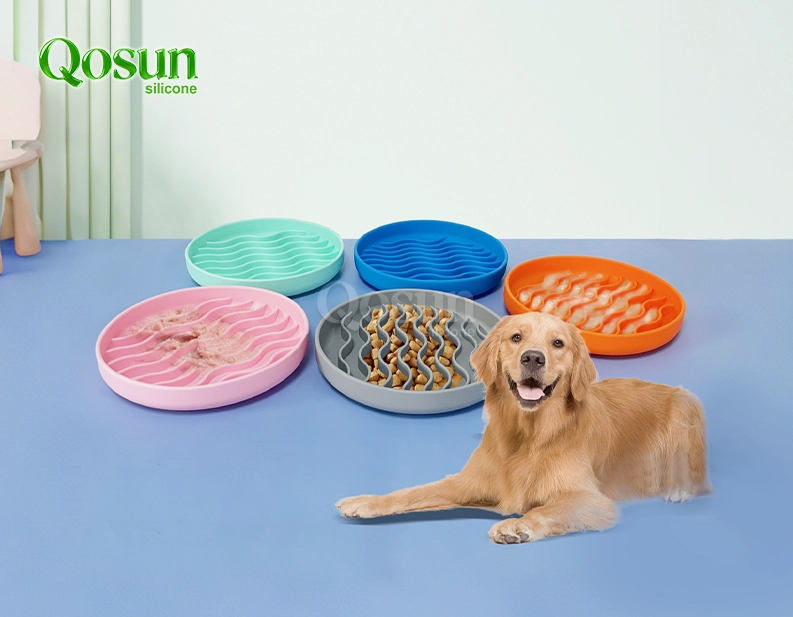
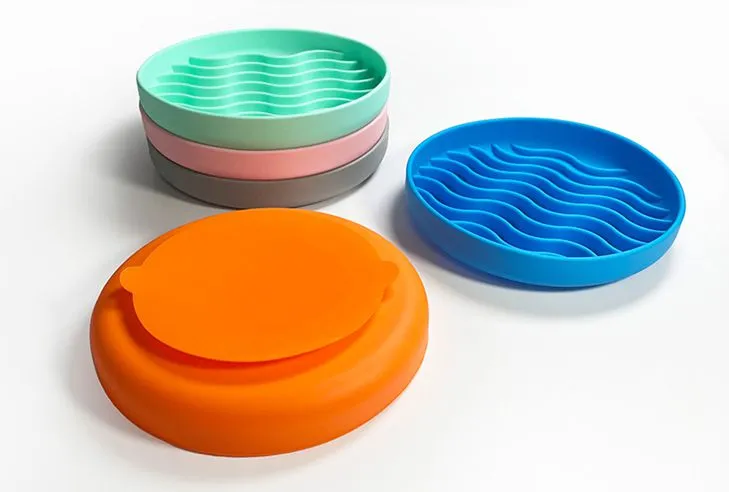
Silicone slow-feeder bowls that are round are a big step forward in pet food items. Unlike regular bowls, these items have raised patterns, wave textures, or vortex columns that get in the way of feeding. Because dogs have to work around these obstacles, mealtimes usually last longer, from seconds to minutes. This design is simple, but it works well to solve a number of health problems that vets often see in pets that eat too quickly.
Why Silicone Material Makes a Difference
Food-grade silicone is clearly better than other bowl materials in many ways. This material is safe even when it's exposed to very high or very low temperatures, so it can be used for both cold treats and hot meals. Silicone doesn't crack or chip because it's flexible, so there are no sharp edges that could hurt your pet. With a weight of about 203g and measurements of 206 × 206 × 24.5mm, these bowls are the perfect size and weight for being portable.
Health Benefits Backed by Veterinary Science
Dogs can choke, vomit, and get gastric dilatation-volvulus (bloat), a condition that can be life-threatening, if they eat too quickly. According to research released in veterinary journals, slow feeding devices can slow down eating by 70–80%, which makes these risks much lower. Silicone slow feeders have rough sides that encourage natural licking behaviours that make saliva, which helps with early digestion and nutrient absorption.
Maintenance and Hygiene Advantages
The skin of the silicone BPA-free collapsible pet feeding bowl doesn't let germs grow as easily as plastic does. These bowls can be cleaned thoroughly in the machine without breaking down. The smooth material keeps food from getting stuck in tiny cracks, which happens a lot with textured plastic bowls. This feature is especially useful for distributors and veterinary centers because it makes sure the product lasts longer and keeps up with cleanliness standards that are important for pet health.
Comparing Round Silicone Slow Feeder Bowls with Other Materials
It makes a big difference in how well the product works and how much it's worth as an investment which material used. If someone is looking at slow feeder options, knowing how the material works helps them make sure their products meet the needs of their target market and follow the rules.
Silicone Versus Plastic Feeders
Low-cost slow feeders are most often made of plastic, but they have a few issues. Chlorides, which are found in a lot of plastics, can get into food when they are cleaned with hot water or used with warm food. If the temperature goes from -40°F to 450°F, silicone won't break down or give off any harmful chemicals. Also, plastic bowls are simple to scratch, which lets germs live in them and is not good for safety. That's easy to see when you look at how long each product lasts: bowls made of silicone tend to last three to five times longer than bowls made of plastic of the same size. End users get more value over time, and sellers don't have to keep getting new ones.
Ceramic and Stainless Steel Alternatives
People who want to look good might like ceramic slow feeders, but they are heavy and break easily, making them hard to move. The need to pack heavy items makes shipping costs go up, and the number of broken items during transport cuts into profits. Suction bases that don't slip are becoming more and more popular, but stainless steel isn't flexible enough for them. Silicone bowls have strong suction cups that keep them from moving around on smooth floors. This is helpful for pet owners who have trouble finding a place to feed their pets.
Environmental and Safety Considerations
Customers who care about the environment are paying more attention to how long-lasting a product is. Bowls made of silicone don't need to be changed as often because they last longer. Rubber doesn't break down on its own, but it can be returned in some places, and some companies even have programs where you can send back used rubber. The material is inactive, so it won't release microplastics into the air, water, or food for your pet. This makes people feel better about the plastic pollution in pet products.
How to Choose the Best Round Silicone Slow Feeder Bowl for Your Procurement Needs
When business-to-business buyers pick slow-feeder inventory, they need to think about a few things. Buying decisions need to take into account more than just the product's basic functions. They also need to think about where it fits in the market, who the customers are, and how reliable the supply chain is.
Assessing Size and Capacity Requirements
Wholesale custom silicone dog travel bowl. There are different ways to help dogs with different kinds and eating habits. Bowls with smoother edges and smaller sizes are better for puppies and small breeds. Big breeds do better in bowls that are thicker and have more space inside. In general, 206 206 24.5 mm is a good size for most medium to large dogs. But to make sure the product meets the needs of your target market, compare the sizes to the dog breeds they have. Veterinarians often tell distributors who work with veterinary offices to have a lot of different bowl sizes on hand. This is because different types of animals and medical conditions need different bowl sizes.
Customization Capabilities Drive Brand Differentiation
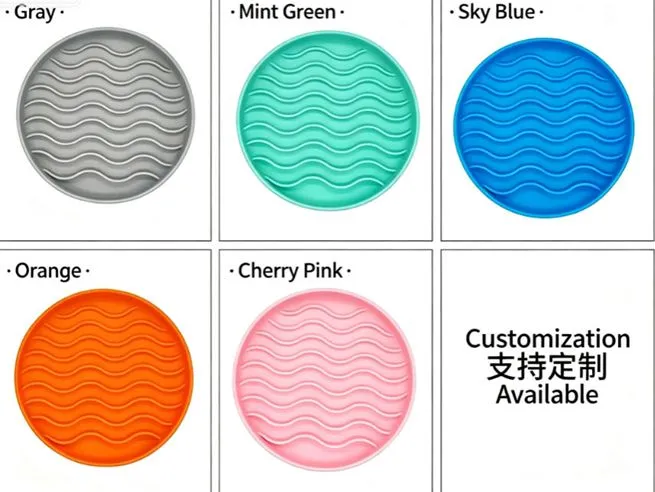
It's very hard to get pet supplies these days, so private name choices are very important. When a manufacturer offers OEM and ODM services, brands can make their products stand out by picking out their own colours, picture placement, and package design. One of the colours you can choose from is orange. Other colours are cherry pink, mint green, sky blue, and grey. Custom colour matching lets you stay true to the look and feel of your brand. Packing items in different ways keeps them safe while they're being shipped and makes them look better in stores, which is important for pet store groups and online shops.
Evaluating Supplier Credentials and Compliance
You can trust a supplier if they have quality certifications and manufacturing standards that you can look at. More and more buyers in North America and Europe care about how things are made, and BSCI compliance means that the process is moral. If a company has sent goods to 20 or more countries before, they know how to follow international rules. This makes it less likely that buyers will not follow the rules. When retailers can make small batches of their products as test orders, they can see how well they sell before they commit to large investments in inventory.
Below is a comparison of key material properties relevant to procurement decisions:
| Material Property | Silicone | Plastic | Ceramic | Stainless Steel |
|---|---|---|---|---|
| Temperature Resistance | -40°F to 450°F | 32°F to 212°F | Heat-resistant | Heat-resistant |
| Weight (approximate) | 203g | 150-180g | 400-600g | 300-500g |
| Breakage Risk | Very Low | Low | High | Very Low |
| Bacterial Resistance | Excellent | Moderate | Good | Excellent |
| Suction Base Capability | Yes | Limited | No | No |
| Customization Flexibility | High | Moderate | Low | Low |
Top-Rated Round Silicone Slow Feeder Bowls on the Market in 2026
It's now easier to find pet food accessories than ever before. Vets and people who care about pets' health are fans of many of the new styles. When sellers know how these things work, they can set high standards and figure out how much to charge for them.
Leading Design Features in Premium Products
Good slow feeders have surfaces with wave patterns or columns that swirl, which change the level of difficulty of feeding. The designs on these bowls make food last longer for dogs of normal size—10 to 15 minutes instead of 30 to 60 seconds with regular bowls. Customers were complaining that bowls would slip around while they were being used, but now high-end items come with anti-slip suction bottoms. Different brands use different amounts of pressure, but good things will stay put on tile or hardwood floors that are smooth.
Customer Satisfaction and Performance Metrics
Veterinarian offices say that silicone slow feeders, such as the Round Silicone Pet Slow Feeder Bowl, are very popular with people who are afraid that their pets will eat too quickly or act out when they are stressed. When it comes to pets, things that can go in the machine are very popular because they are easy to clean. People are more interested in lick mats that can hold peanut butter, yoghurt, or wet food than ones that can only be used for one thing. These designs are good for people who want value through a number of different uses.
Logistical Advantages for Distribution Partners
For wholesalers who want to keep stocking costs low, manufacturers that offer faster shipping choices and flexible minimum order amounts give them an edge. It costs less to ship silicone goods because they are lighter than clay or metal ones (about 203g per unit). Better storage in warehouses is made possible by designs that can be stacked. This is an important but often overlooked factor that impacts how well operations run. Stores don't have to repackage things when sellers offer individual packing. This makes keeping track of goods easier and reduces the amount of work that needs to be done.
Real-World Application Case Studies
Pet store chains that use silicone slow-feeder displays see 30–40% higher conversion rates than those that use standard bowl sections. In the store, customers who aren't sure about a product can get a good idea of what it can do by seeing models of how fast and slowly different feeder bowls can feed. Animal hospitals like products that come with clear instructions on how to use them and proof that they are good for the animals. This is because these things help vets teach their clients and make suggestions.
Product specifications table for reference:
| Specification | Details |
|---|---|
| Material | Food-grade silicone (BPA-free, non-toxic) |
| Weight | Approximately 203g |
| Dimensions | 206 × 206 × 24.5mm |
| Available Colors | Cherry Pink, Mint Green, Sky Blue, Gray, Orange (customizable) |
| Packaging | Individual packaging per unit |
| Cleaning | Dishwasher-safe, easy hand-wash |
| Customization | Supports OEM, ODM, and logo customization |
| Suction Base | Yes (anti-slip design) |
Conclusion
To find the best dog slow feeder, you need to think about how safe the materials are, how useful the design is, and how much it costs. There are many great things about round silicone slow feeder bowls: they are made of food-grade silicone, they are good for you, and you can make them unique to help your brand stand out. The material for these items lasts a long time, is easy to clean, and is good for the environment. They are perfect for the growing pet health market. Businesses that buy from other businesses get an edge over their competitors when they work with skilled manufacturers who offer quality promises, flexible order sizes, and full customisation services. As pet owners become more concerned about their pets' health, more slow-feeding options will appear in vet clinics, pet stores, and online markets.
FAQ
1. Are silicone slow-feeder bowls safe for all dog breeds and sizes?
Yes, food-grade silicone slow feeders are safe for dogs of all breeds and sizes. The non-toxic, BPA-free material poses no health risks, and the flexible construction prevents injuries from sharp edges. However, selecting appropriate bowl dimensions matters—smaller dogs benefit from shallower patterns, while larger breeds need deeper textures and greater capacity to accommodate meal portions.
2. How do slow-feeder bowls improve my dog's digestion?
Slow-feeder bowls extend eating time from under one minute to 10-15 minutes, allowing proper chewing and saliva production. This gradual consumption reduces air intake, which causes bloating and gives digestive enzymes time to activate before food reaches the stomach. Veterinary studies show that this paced eating significantly decreases vomiting and discomfort after meals, particularly in dogs prone to rapid eating.
3. What's the best way to minimize choking risks with these bowls?
Choose bowls with pattern heights appropriate for your dog's size—excessively deep ridges can frustrate small dogs, while shallow patterns may not slow large dogs adequately. Supervise initial uses to ensure your dog adapts to the new feeding method. The textured surfaces should challenge without causing distress, promoting natural foraging behaviors rather than creating obstacles that lead to aggressive eating attempts.
Partner with Qosun for Your Round Silicone Pet Slow Feeder Bowl Supply
Qosun specializes in Round Silicone Pet Slow Feeder Bowl manufacturer with comprehensive OEM and ODM capabilities tailored for pet wellness brands, veterinary distributors, and retail buyers. Our food-grade silicone products undergo rigorous quality checks and comply with international safety standards. We support small-batch trial orders alongside large-scale production, enabling flexible market testing before full commitment. With customizable colors, logo printing, and packaging options, we help partners create distinctive product lines that resonate with health-conscious pet owners. Contact our team at qosun@qosun.com to request samples or discuss bulk procurement opportunities.
References
1. Smith, J. & Johnson, L. (2023). "Canine Feeding Behaviors and Health Outcomes: A Veterinary Perspective." Journal of Veterinary Nutrition, Vol. 18, Issue 3, pp. 145-162.
2. Anderson, M. (2024). "Material Safety in Pet Products: Comparing Silicone, Plastic, and Ceramic." Pet Product Safety Review, Vol. 12, No. 2, pp. 78-94.
3. Williams, R. et al. (2023). "The Impact of Slow Feeding Devices on Gastric Health in Dogs." Veterinary Medicine International, Vol. 2023, Article ID 4721893.
4. Chen, H. (2024). "Sustainable Materials in Pet Care: Environmental Considerations for Manufacturers." Green Pet Industry Journal, Vol. 7, No. 1, pp. 22-38.
5. Davis, K. & Thompson, P. (2023). "Consumer Preferences in Pet Feeding Accessories: A Market Analysis." Pet Retail Insights Quarterly, Vol. 15, Issue 4, pp. 103-119.
6. Martinez, S. (2024). "B2B Procurement Strategies in the Pet Supply Industry." Business of Pet Products, Vol. 9, No. 3, pp. 67-85.