- English
- French
- German
- Portuguese
- Spanish
- Russian
- Japanese
- Korean
- Arabic
- Irish
- Greek
- Turkish
- Italian
- Danish
- Romanian
- Indonesian
- Czech
- Afrikaans
- Swedish
- Polish
- Basque
- Catalan
- Esperanto
- Hindi
- Lao
- Albanian
- Amharic
- Armenian
- Azerbaijani
- Belarusian
- Bengali
- Bosnian
- Bulgarian
- Cebuano
- Chichewa
- Corsican
- Croatian
- Dutch
- Estonian
- Filipino
- Finnish
- Frisian
- Galician
- Georgian
- Gujarati
- Haitian
- Hausa
- Hawaiian
- Hebrew
- Hmong
- Hungarian
- Icelandic
- Igbo
- Javanese
- Kannada
- Kazakh
- Khmer
- Kurdish
- Kyrgyz
- Latin
- Latvian
- Lithuanian
- Luxembou..
- Macedonian
- Malagasy
- Malay
- Malayalam
- Maltese
- Maori
- Marathi
- Mongolian
- Burmese
- Nepali
- Norwegian
- Pashto
- Persian
- Punjabi
- Serbian
- Sesotho
- Sinhala
- Slovak
- Slovenian
- Somali
- Samoan
- Scots Gaelic
- Shona
- Sindhi
- Sundanese
- Swahili
- Tajik
- Tamil
- Telugu
- Thai
- Ukrainian
- Urdu
- Uzbek
- Vietnamese
- Welsh
- Xhosa
- Yiddish
- Yoruba
- Zulu
Understanding the difference between single units and multi-piece portable silicone travel container sets can have a big effect on how you buy packing for travel-sized toiletries and makeup. A portable silicone travel container set usually comes with a number of different containers with different capacities. This gives companies a full travel option all at once. Single units give brands that are trying specific product lines or need precise customization a lot of freedom. The market needs two different options. Which one you choose relies on your business model, your target group, and your operational goals. This guide shows you the most important things you need to think about when looking for these flexible, food-grade silicone containers for your business.

Understanding Portable Silicone Travel Container Sets
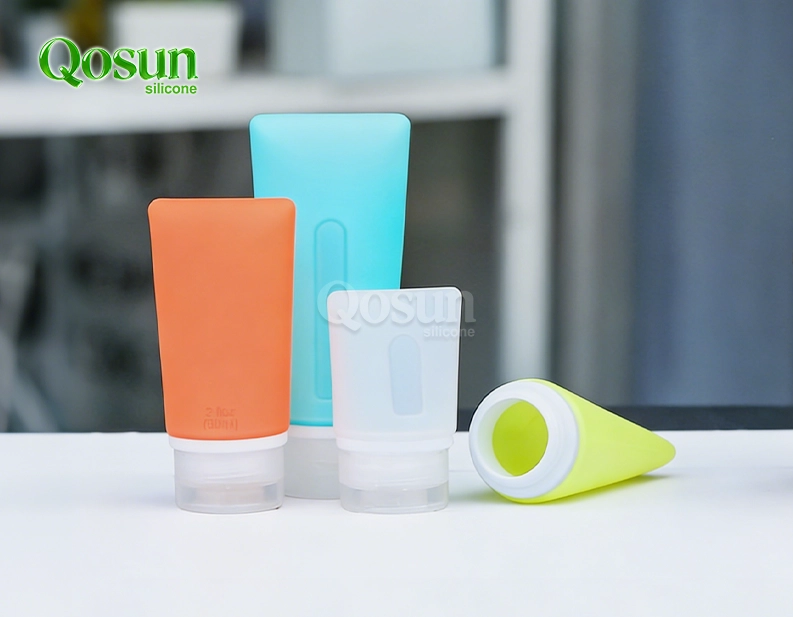
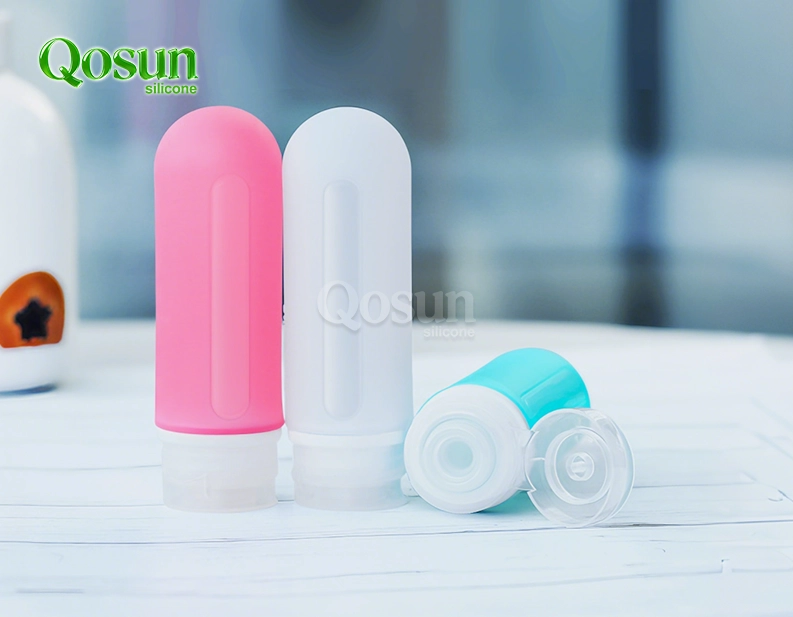
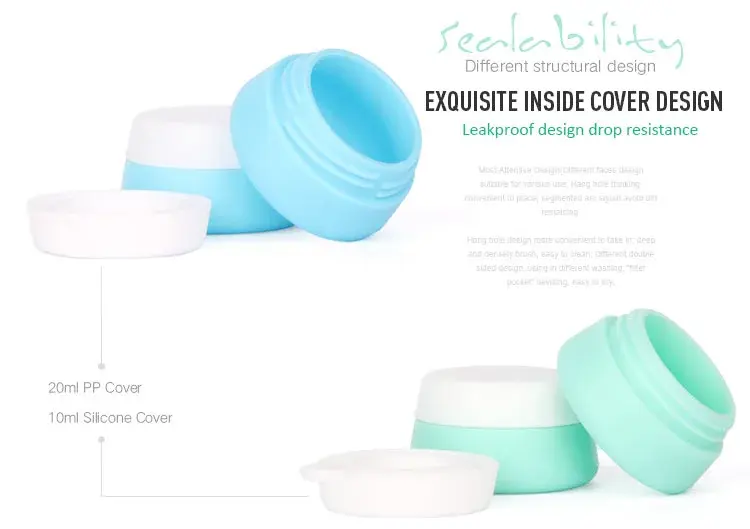
Portable Silicone Travel Container Sets have changed how personal care items are packed and sent out by brands. These containers are very safe and flexible because they are made from BPA-free, food-grade silicone and long-lasting PP parts. The soft, squishable nature of the material makes it easy to squeeze out creams, lotions, shampoos, and other skin care products. The design also prevents leaks during transport.
Why Does Food-Grade Silicone Matter?
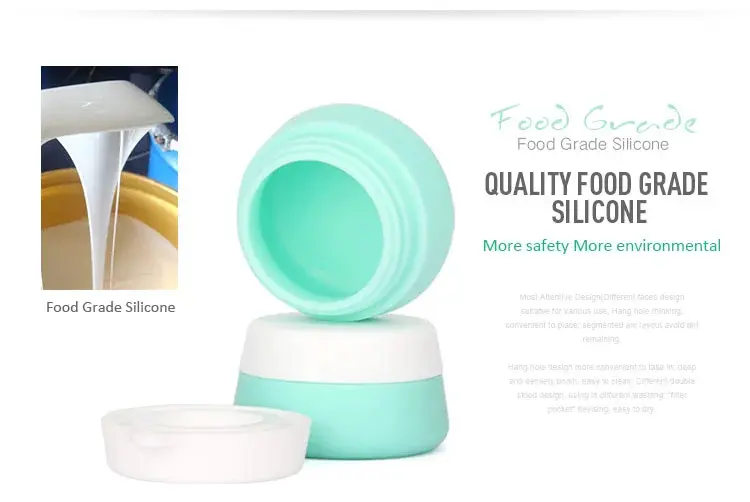
Food-grade silicone is certified by the FDA and LFGB to meet strict safety standards. This makes sure that no dangerous chemicals get into your goods. This compliance is a must for brands in North America, Europe, and Australia that want to reach health-conscious customers. The material doesn't hold smells, stays strong at different temperatures, and can be cleaned well between uses, which makes it perfect for travel packing that can be used again and again.
Available Sizes and Configurations
There are three useful sizes in our Portable Silicone Travel Container Set collection: 10ml (37x21.5mm, 13.5g), 20ml (46x27.5mm, 21.8g), and 30ml (54x32mm, 41g). These TSA-approved sizes work with flight drink limits and give you enough space for a week-long trip. The small size makes it easy to pack in carry-on bags without taking up too much room.
Color and Branding Options
These cases come in sky blue, light yellow, and light green, and they can be used to make different product lines stand out. Customizing containers with your company's logo through silk-screen printing or embossing turns plain containers into unique items that help people remember your business. Different types of packaging, like OPP bags, PVC bags, and EVA bags, can be used for different types of store displays, from cheap e-commerce packages to high-end gift sets.
Multi-Piece Sets vs Single Units: Key Differences and Use Cases
To choose between grouped sets and individual containers, you need to think about your business goals and what your customers expect. Depending on your marketplace and growth stage, each method has its own benefits.
Multi-Piece Set Advantages
People who want full travel options, like bundled portable silicone travel container sets. Most sets come with containers of all three sizes. This way, users can order different types of products by consistency: thick creams can go in wide-mouth jars, liquid shampoos can go in squeezable bottles, and concentrated serums can go in smaller containers. This ease of use makes the value seem higher, which is why the price is higher.
When it comes to buying things, portable silicone travel container sets with more than one piece are cheaper per unit because of economies of scale. It is more efficient for manufacturers to make coordinated sets instead of handling different SKUs. Bundled items are especially helpful for Amazon FBA buyers because they get better reviews from customers and make it easier for them to decide what to buy.
Single Unit Strengths
Individual units work best in specific situations where being able to make changes is important. When brands release new product recipes, they often start with single-unit trials to see how well the market likes them before committing to full sets. This method lowers the risk of running out of goods and lets changes be made quickly based on what customers say.
Niche markets can also be well served by single units. A small skin care business might only need 20ml bottles for their unique face serum, but a hair care company might need 30ml bottles for travel-sized conditioner. Purchasing managers are able to exactly match the needs of the product with the specifications of the container, without having to make the trade-offs that come with stock sets.
Wholesalers and wholesalers who are in charge of large lists of different products, like how easy it is to keep track of single units. Keeping track of and storing only one type of container makes warehouse work easier than keeping track of and storing various set combinations. This practical speed means that orders are filled faster and costs for handling are lower.
Comparing Silicone Travel Containers with Other Materials
Choosing the right materials has a big impact on how well a product works, how safe it is, and how happy the customers are. Knowing how food-grade silicone stacks up against other options helps to support buying choices.
Silicone vs. Traditional Plastic
Most regular plastic products have BPA and phthalates in them, which can get into cosmetics, especially when they're heated up during travel. Silicone gets rid of these health issues and makes things last longer. While rigid metals break when they hit something, silicone's flexibility softens shocks, which makes products last longer and lowers the number of warranty claims.
Silicone's ability to be squished improves the user experience by letting the whole product escape, which reduces waste. This real benefit appeals to people who care about the environment and supports higher prices. Silicone can withstand temperatures from freezing to boiling, so packages stay together even when they're in hot cars or checked bags.
Silicone vs. Glass and Aluminum
Glass has a high-end look, but it's very heavy, which makes shipping much more expensive. A 30ml glass jar could weigh three times as much as our 41g silicone version, which would have a direct effect on the cost of shipping for sales from other countries. Breakage during shipping causes problems with customer service and leads to lost products, but silicone is strong enough to stop this from happening.
Aluminum cases are strong and lightweight, but they are opaque, so users can't see how much product is left inside. It's hard to know how to refill containers that aren't clear, which makes customers angry. Silicone is a good mix of being light and having choices that are see-through or translucent, which makes it useful and attractive.
Silicone is better for world markets because it follows the rules. If your goods meet FDA and LFGB standards, they can be sold in all major consumer areas without having to be reformulated or packaged differently for each area. This makes regulations easier to understand, which speeds up time-to-market and lowers the cost of compliance.
Best Practices: Using, Cleaning, and Maintaining Silicone Travel Containers
When you handle containers the right way, they last longer, and the quality of the products inside stays the same. This protects your brand's image and lowers the number of returns.
Filling and Labeling Guidelines
The wide mouth on our silicone containers makes it easier to fill them, which lowers the risk of spills and contamination during packing. Leaving 5 mm of headspace between caps stops overflow when they close. This is especially important for goods that grow a little when the pressure changes during trips. Labels that are easy to read and list product names, materials, and batch numbers help businesses follow the rules and earn customers' trust.
Cleaning and Sanitization Protocols
Thoroughly cleaning the custom bulk silicone travel bottle container between uses keeps it in good shape and keeps products from getting contaminated. Warm soapy water gets rid of leftovers well without breaking down silicone. Do not use rough scrubbers because they can scratch surfaces and make places for bugs to grow. Moisture-related spoilage can be avoided by letting it air dry completely before refilling.
Dishwasher-safe silicone makes it easier to clean a lot of items at once for businesses that run return programs or refill services. Containers are sterilized well by high-temperature washing processes, which supports circular economy efforts that buyers who care about the environment like. Setting up standard cleaning methods makes sure that the quality of each batch of output is the same.
Storage and Longevity Tips
Containers last a lot longer if they are stored properly. Protecting silicone from UV light for a long time stops the material from breaking down, which keeps the seal's flexibility and integrity. When you stack items, keeping containers with their lids slightly open stops them from deforming from compression. These simple steps lower the number of times you have to repair things, which lowers the total cost of ownership.
Procurement Insights for B2B Buyers: Selecting and Sourcing Silicone Travel Containers
When making strategic buying choices, you have to weigh cost, quality, the ability to customize, and the supplier's dependability. We know how hard it is for buying managers, so we set up our business to help with common problems.
Evaluating Volume and MOQ Requirements
Traditional producers often have high minimum order amounts that make it hard for new and growing brands to get cash. Our small-batch production is flexible enough to handle trial orders, so you can see how much demand there is in the market before going big. This method works especially well for Shopify store owners and Amazon FBA buyers who need to keep inventory risk under control while putting out new goods.
Our flexible production capacity lets you go from making hundreds of units to making thousands of units without any loss in quality. Consistent production standards across all order sizes make sure that your customers get the same goods, whether they are early tests or well-known hits.
Customization and Branding Options
In crowded markets, private label success depends on being able to stand out. We offer more than just basic color choices. For logos and company messages, we can silk-screen print and emboss. Your marketing plan will work with customized packaging, such as EVA bags that are ready to sell and big OPP bags that can be repackaged.
Rapid design speeds up the process of making new products. We can make the first samples in days instead of weeks, which lets us make changes quickly based on what the focus group says. This flexibility is very important for taking advantage of seasonal or popular items that need to be introduced quickly to the market.
Supplier Vetting and Certification Verification
When you work with certified makers, your business is protected from problems with quality and regulations. Our food-grade silicone materials are approved by the FDA and meet LFGB standards. You can show test results to stores and governmental bodies to back up your claims. These licenses are more than just paper documents; they show that we are committed to uniform controls over where we get our materials and how we make them.
Quality assurance includes more than just certifications. It also includes detailed checking methods. Each run of production goes through leak tests, dimensional checks, and a study of the materials used. This strict method cuts down on defects and problems that happen after the sale, which hurt the brand's image.
Pricing Structures and Long-Term Partnerships
Having low prices doesn't mean sacrificing quality. Instead of skimping on materials or processes, our price model represents how efficiently we really make things. Clear wholesale price systems help you correctly predict costs as order numbers rise, which supports growth that is profitable.
Long-term relationships are good for both sides because they improve communication, give production importance, and allow people to work together to make new products, like TSA-approved silicone travel bottle sets. When brands grow with us, we learn more about their specific needs over time. This cuts down on lead times and design mistakes. This level of relationship depth gives companies a competitive edge that is hard for new companies to copy.
We know that there is a learning curve between trial sales and routine restocking. Our account management helps you at every step, changing our services as your needs change, from trying new products to making sure they're always available for established supply lines.
Conclusion
Your business plan, potential customers, and growth path will help you decide whether to buy multi-piece portable silicone travel container sets or single units. Multi-piece sets make it easier to keep track of supplies and give customers a sense of value and ease. For specific tasks, single units offer precision, and they make it easier to test products. Both use food-grade silicone because it is safer, lasts longer, and is easier to use than other materials. A good procurement process combines cost with quality standards, the need for customization, and the dependability of the provider. Your time-to-market will go faster if you work with a partner that offers variable MOQs, quick prototyping, consistent quality control, and quick communication.
FAQ
1. Are silicone travel containers safe for cosmetics and skincare products?
Yes, makeup and skin care products can be stored in food-grade silicone cases without any problems. Our containers have been approved by both the FDA and LFGB, which means they don't contain any BPA, phthalates, or other dangerous chemicals that could get into the goods inside. Because medical-grade silicone is not reactive with most makeup ingredients, these containers can be used for creams that are oil-based or lotions that are water-based.
2. What sizes meet airline carry-on liquid restrictions?
In the US, TSA rules say that liquids you bring on board can only be in packages that are 3.4 ounces (100ml) or less. Our three bottle sizes—10ml, 20ml, and 30ml—are all well below this limit, so they will all go through airport security without any problems. These limits allow enough space for trips that last a week while still following all the rules in all foreign travel markets.
3. Are multi-piece sets more cost-effective than purchasing single units?
Multi-piece sets usually have better prices per container because they are made and packaged together, which cuts down on costs. When you place more orders, the savings are bigger. But single units may be cheaper when you need specific sizes for certain goods and don't want to keep stock in cases that aren't being used. The best choice for you will depend on the variety of your products and how fast they sell in different container sizes.
Partner with Qosun for Your Silicone Travel Container Needs
For seven years, Qosun has been skilled in making things that help brands get started faster and grow more efficiently. As a reliable provider of Portable Silicone Travel Container Sets, we use only approved food-grade materials and can make products in a way that works for new businesses, online sellers, and established retailers. Our OEM and ODM services, which include fast prototyping, custom mold development, and small-batch trial orders, let you test new markets with the least amount of risk possible. Product launches stay on plan when you can talk to people quickly and be sure of when things will be delivered. Email us at qosun@qosun.com to get samples, talk about customization choices, or get a quote for your next order in bulk. We can work together to help your business grow, from the first try to a long-term supply agreement.
References
1. Chen, L., & Morrison, P. (2023). Material Safety Standards in Cosmetic Packaging: A Comparative Analysis of Silicone, Plastic, and Glass Containers. Journal of Consumer Product Safety, 18(4), 234-251.
2. Rodriguez, M. T. (2024). Sustainable Packaging Solutions for Travel-Sized Personal Care Products. International Journal of Green Supply Chain Management, 11(2), 87-104.
3. Thompson, K. J., & Williams, A. R. (2023). E-commerce Packaging Strategies: Optimizing Product Presentation and Shipping Efficiency for Online Retailers. Business Logistics Quarterly, 29(3), 156-173.
4. United States Food and Drug Administration. (2023). Guidance for Industry: Safety Assessment of Materials Used in Cosmetic Packaging. FDA Regulatory Guidelines, Document CFR 21.177.2600.
5. Wang, H., Chen, S., & Liu, Y. (2024). Consumer Preferences in Reusable Travel Container Design: An Empirical Study of North American and European Markets. Journal of Product Innovation Management, 41(1), 78-95.
6. Zhang, Q., & Anderson, B. M. (2023). Quality Control Protocols in Silicone Product Manufacturing for International B2B Markets. Manufacturing Standards Review, 16(4), 312-329.