- English
- French
- German
- Portuguese
- Spanish
- Russian
- Japanese
- Korean
- Arabic
- Irish
- Greek
- Turkish
- Italian
- Danish
- Romanian
- Indonesian
- Czech
- Afrikaans
- Swedish
- Polish
- Basque
- Catalan
- Esperanto
- Hindi
- Lao
- Albanian
- Amharic
- Armenian
- Azerbaijani
- Belarusian
- Bengali
- Bosnian
- Bulgarian
- Cebuano
- Chichewa
- Corsican
- Croatian
- Dutch
- Estonian
- Filipino
- Finnish
- Frisian
- Galician
- Georgian
- Gujarati
- Haitian
- Hausa
- Hawaiian
- Hebrew
- Hmong
- Hungarian
- Icelandic
- Igbo
- Javanese
- Kannada
- Kazakh
- Khmer
- Kurdish
- Kyrgyz
- Latin
- Latvian
- Lithuanian
- Luxembou..
- Macedonian
- Malagasy
- Malay
- Malayalam
- Maltese
- Maori
- Marathi
- Mongolian
- Burmese
- Nepali
- Norwegian
- Pashto
- Persian
- Punjabi
- Serbian
- Sesotho
- Sinhala
- Slovak
- Slovenian
- Somali
- Samoan
- Scots Gaelic
- Shona
- Sindhi
- Sundanese
- Swahili
- Tajik
- Tamil
- Telugu
- Thai
- Ukrainian
- Urdu
- Uzbek
- Vietnamese
- Welsh
- Xhosa
- Yiddish
- Yoruba
- Zulu
Starting to travel in a way that is good for the earth starts with making small decisions. 89ml leakproof refillable toiletry containers are now must-haves for eco-friendly travelers and businesses that want to cut down on waste. These small, TSA-approved containers get rid of single-use plastic bottles and make things easier and last longer. They are made to meet flight rules and environmental standards. They are a useful solution that strikes a balance between following the rules and promoting sustainability, which is why they are becoming more and more popular with duty-free stores, travel item sellers, and outdoor gear brands around the world.

Understanding 89ml Leakproof Refillable Toiletry Containers
Design Features and TSA Compliance
Having a volume of 89ml is a smart choice for travel containers. This three-fluid-ounce size is well within the 100ml limit set by the Transportation Security Administration for carry-on liquids. It gives you the most usable space while still making sure you can go through airport security without any problems. 89ml containers are safer than 100ml bottles, which can cause problems during checks. People who move a lot like these extra safety measures.
Modern toiletry boxes that don't leak have three-layer closing systems that keep spills from happening on planes and in rough seas. Good models have a cross-valve cap that stops drips even when the containers are turned upside down or when the cabin pressure changes. One of the main concerns of travelers is keeping their clothes and electronics from getting wet by accident.
Sustainability and Cost Benefits
Using travel containers that can be refilled is better for the environment in measurable ways. Over the course of its life, a single reused plastic bottle can be used instead of hundreds of single-use hotel miniatures. This drop in single-use plastics is big when it's added up across corporate travel programs or retail distribution networks. Hotels and travel companies that use refillable containers say they cut waste by more than 60% a year.
The benefits are the same when you look at the costs. The starting cost of good reusable containers is higher than that of throwaway ones, but the cost per use goes down a lot as they are used more often. When corporate buying teams buy durable containers in bulk, they save money within six months, especially when they consider the money they save on waste management costs.
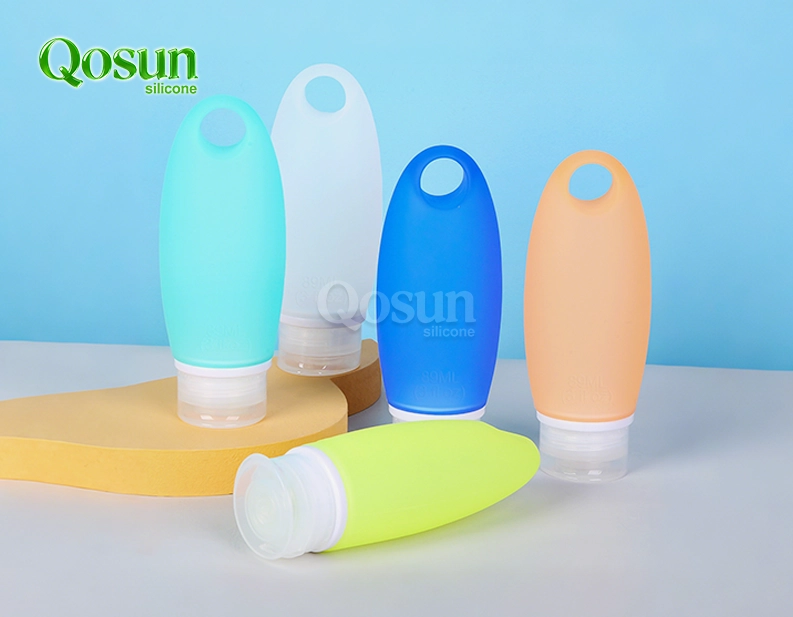
Product Specifications: Capsule Silicone Travel Bottle
| Specification | Details |
|---|---|
| Model Number | TS-4 |
| Material | Food-Grade Silicone + PP |
| Dimensions | 40×40×120mm |
| Weight | 34g |
| Capacity | 89ml (3 fl oz) |
| Available Colors | Lotus Red, Navy Blue, Cyan, Straw Yellow, Malachite Green, Clear |
| Packaging Options | OPP / PVC / EVA Bag |
| Services | OEM & Custom Logo, Wholesale |
Key Materials and Designs for Leakproof Travel Toiletry Containers
Material Comparison and Performance
Silicone that is safe for food has become the best material for high-end refillable travel bottles, such as a TSA-approved silicone travel bottle set. When compared to plastic and glass, this material has some unique benefits. Silicone containers stay flexible in a wide range of temperatures. They can handle being frozen and cleaned in hot water without breaking down. Because it can be squeezed, users can get just the right amount, which cuts down on product waste.
There are clear trade-offs when you compare material options:
- Silicone containers last longer and can handle higher temperatures better than other materials. When it's wet, the soft-touch surface keeps you from slipping, and the material naturally stops bacteria from growing when it's cleaned properly. Chemical safety is ensured by BPA-free formulations, which are especially important for skin care and cosmetics. Silicone is great for frequent travellers who need containers that will last for years of regular use.
- Alternatives made of plastic are lighter and cost less to make. But they aren't as flexible or resistant to changes in temperature as rubber. Cheaper plastics might soak up scents or colours over time, so they need to be replaced more often. Good PP (polypropylene) plastics are used to make caps and structural parts that are hard where needed, without putting safety at risk.
- Glass options are popular with high-end customers who want the purest products possible. Glass doesn't let the innards come into contact with the glass itself, and it looks beautiful. But because it's heavy and easily broken, it can't be used for travel, especially for packed bags.
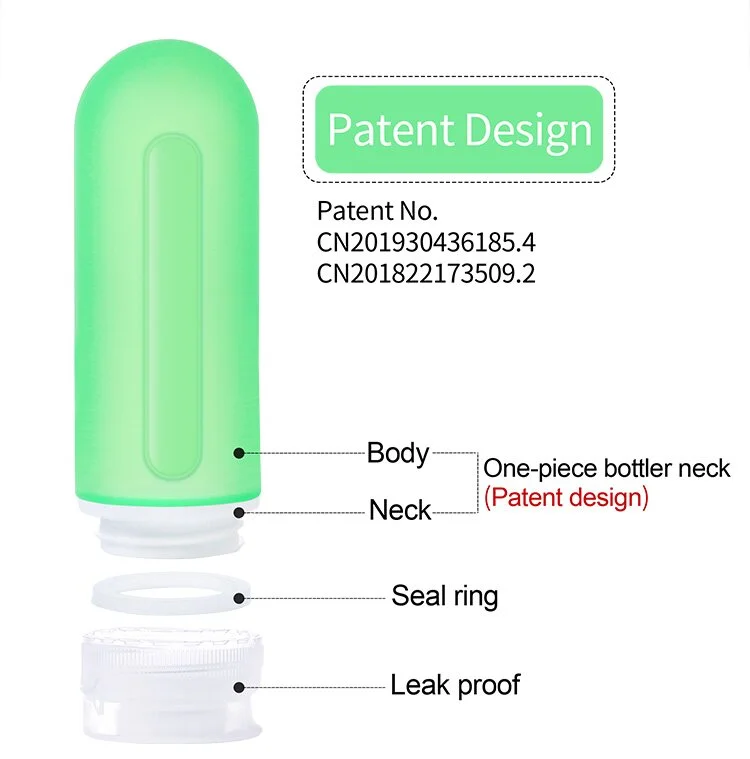
These important differences have a direct effect on purchasing decisions, especially when it comes to how long the product is expected to last and how well the warranty covers it.
Certification and Quality Standards
Certification that something is BPA-free is no longer a nice-to-have; it's a necessity. Suppliers who are serious about their business show proof that they follow FDA rules about food handling and European REACH rules. These certifications are important for more than just keeping consumers safe. They also protect distributors from liability issues and let them sell their products in markets with different rules.
Engineering Effective Leakproof Mechanisms
Creating reliable leakproof performance in engineering involves a number of systems that work together. Good containers have these features:
- A wide 25 mm hole makes refilling easier while keeping the structure strong. This width works with normal funnels and lets you clean it well, so dust doesn't build up and weaken the seals. One important convenience is that users can fill up containers directly from bigger bottles without spilling.
- Triple-seal architecture protects against leaks in two different ways. When the cap threads touch the bottle neck, the primary seal is made. When the cap is fully tightened, a secondary seal is created. The cross-valve device acts as a third barrier, using differences in pressure to keep the valve closed during shipping while making it easy to open by hand.
The one-hand flip-cap action makes it useful in real life. Quick access is needed for travellers who are juggling their bags or standing in cramped aeroplane bathrooms. The flip-tops are designed so that you can open them with your thumb and close them securely with a snap.
| Feature | Function | Benefit |
|---|---|---|
| 3-Layer Seal | Multiple closure points | Prevents leaks under pressure |
| 25mm Wide Mouth | Easy refilling | Reduces spills, simplifies cleaning |
| Cross-Valve Cap | Pressure-activated closure | Leak-free in any orientation |
| Soft Silicone Body | Squeezable dispensing | Controlled product release |
| Hanging Loop | Storage hook | Space-saving organization |
Comparing 89ml Containers to Alternatives: Making the Smart Choice
Size Optimization and Regulatory Advantages
There is more than just a volume difference between 89ml and 100ml containers. Professionals in procurement know that the 11ml buffer protects against differences in measurements and the freedom of security staff to make their own decisions. The 100ml rule isn't always strictly enforced, and containers that are clearly smaller than the limit aren't looked at as closely.
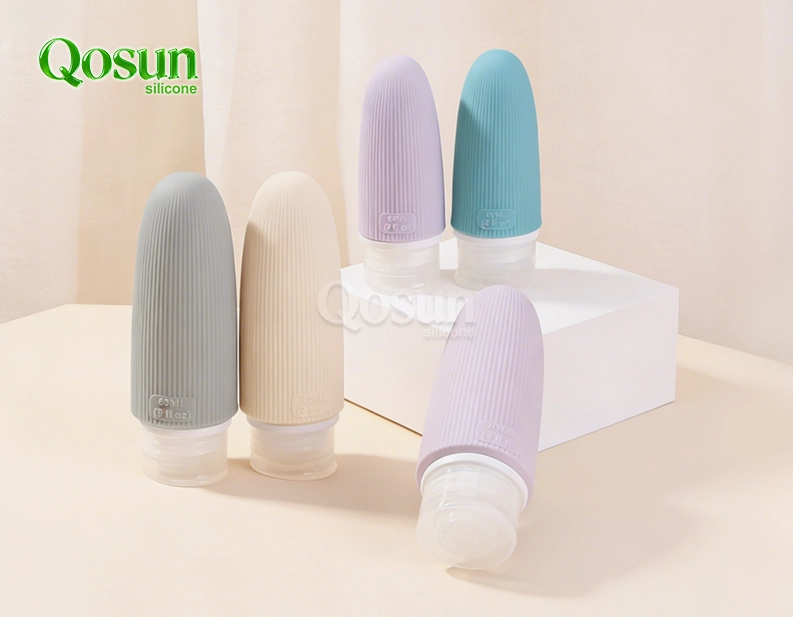
The size of the container also affects how the product line is planned. By making 60ml and 89ml versions of the same design, brands can reach a wider range of customers. For weekend trips, minimalist travellers like the smaller 60ml bottles, while the larger 89ml bottles are better for longer trips. This tiered approach gets a wider range of market demand, which speeds up the turnover of inventory.
Material Performance in Real-World Applications
Stress tests show that silicone travel bottles are more durable than other materials. Drop tests from the height of a normal piece of luggage show that silicone containers keep their seals, while plastic ones break or develop weak spots. Temperature cycle tests, which mimic hot car trunks and cold cargo holds, show that silicone works well in all kinds of situations.
When it comes to user satisfaction, the squeeze factor is what sets silicone apart from rigid plastics, such as refillable silicone travel containers for shampoo. It's easy to get thick lotions and conditioners out of soft silicone bottles by pressing them together. To get thick substances out of rigid plastic containers, you have to shake them hard or heat them up, which is inconvenient and wasteful.
Market Performance Analysis
The best refilling travel containers all have things in common that make users like them. When you look at the best-selling SKUs, you can see a few consistent patterns. Products with ratings above 4.5 stars usually have clear markings on the capacity, wide mouths, and materials that are clear or see-through so you can see what's inside. Customer reviews stress that leakproof dependability is the most important factor in deciding whether to buy again or recommend.
Silicone bottles in the shape of capsules, like the TS-4 model, are both useful and nice to look at. The small, cylinder shape makes packing easier, and the colourful, partially see-through finish makes it easy to see what's inside. This way of thinking about design works especially well for travellers from Generation Z and millennials who care about both function and style.
Procurement Guide: Sourcing and Buying 89ml Leakproof Refillable Toiletry Containers
Identifying Reliable Manufacturing Partners
Decisions about where to get products have a big effect on their quality, on profits, and on the security of the supply chain. Buying directly from a maker has benefits over buying from a market, especially when it comes to being able to customise and getting stable quality. Manufacturers that have been around for a while and have well-developed production lines keep their tolerances and testing standards higher than those of smaller businesses.
When evaluating possible suppliers, there are a number of things that need careful consideration:
How well manufacturers can meet rising demand depends on how much they can produce. Suppliers who run multiple production lines and have backup tools reduce the chance of problems. Incoming materials should be inspected, work in progress should be checked, and finished products should be tested as part of quality control. Manufacturers who are open and honest are happy to have their factories inspected and provide thorough quality records.
Customization and Branding Opportunities
With private labelling, plain packages are turned into unique items that keep customers coming back. Screen printing, pad printing, and heat transfer are all ways to print a logo. Each has a different effect on the look and durability of the logo. Screen printing gives you bright colours that don't fade when you wash them, which is great for containers that get washed a lot.
Customising colours helps a brand's identity spread across multiple products. Visual marketing looks more cohesive when container colours match brand themes. Some manufacturers offer Pantone colour matching, which makes sure that the brand colours are accurately reproduced. For custom colours, the minimum order quantity is usually between 3,000 and 5,000 units, but manufacturers who are flexible can handle smaller trial batches.
How you package things affects how they look in stores and how much it costs to ship them. Individual OPP bags offer basic safety at a low cost. PVC boxes look good on shelves and keep packages safe while they're being shipped. Complete travel bottle sets that come in EVA cases sell for a lot of money and are popular as gifts.
Pricing Structure and Order Management
Wholesale prices are based on steady levels of sales. Sample orders and orders for less than 500 units usually cost more because of the setup costs and minimum production runs. At 1,000, 5,000, and 10,000 units, there are often volume breaks. At each level, the cost per unit drops by 15 to 25 percent.
Payment terms depend on the supplier and the size of the order. Most of the time, new buyers are asked to put down a 30–50% fee, and the rest is due before the shipment. Customers who have been with you for a while and have paid you in the past can arrange net-30 or net-60 terms. Letters of credit are good for international orders that are big, and both parties want to make sure the transaction is safe.
Lead times depend on how different the customisations are and how quickly they need to be made. Items in stock that come in standard colours usually ship in 3–7 days. Custom image printing takes an extra 10 to 15 days to finish. It takes 25 to 35 days from the time an order is confirmed until it is shipped for fully customised items with unique colours and packing.
Logistics and Quality Assurance
Specifications for packaging have a direct effect on how the product arrives. Good suppliers use inner carton dividers to keep containers from touching each other while they're being shipped. The outside boxes should be able to withstand being crushed well enough to meet foreign shipping standards. With the right packaging, damage rates drop to less than 1%, even when shipping internationally.
Before goods leave the factory, pre-shipment inspection services check their quality on their own 89ml Leakproof Refillable Toiletry Containers. Third-party inspectors compare random samples to the specifications and write down any differences they find. This investment—usually $200 to $300 per inspection—keeps customers from having to deal with expensive problems.
Integrating Sustainable Toiletry Containers into Your Business Strategy
Environmental Impact and CSR Alignment
Metrics that can be used to measure sustainability are becoming more and more important in corporate responsibility programs. Programs that use refillable containers have measurable results that make CSR reporting better. Firms can keep track of things like how much plastic trash they keep out of dumps, how much less carbon they produce when they make less, and how involved their workers are in programs that help the environment.
Environmental rules are getting stricter, which is good for travel brands that use items that can be used more than once. In the European Union and other places, the Single-Use Plastics Directive and related laws make it illegal to pack toiletries in single-use plastics. Companies that are ahead of the rules don't have to rush to follow them, which could lead to fines.
Competitive Differentiation Through Sustainability
The desire for eco-friendly goods is rising, which is good news for distributors who sell eco-friendly travel items. 73% of tourists think about how the things they bring on trips will impact the earth and are ready to pay more for sustainable options. This need is met by containers that can be used again and again and still work well in real life.
Adding eco-friendly features to different types of goods makes it harder for commodities to compete. The main difference between generic travel bottles and eco-certified refillable containers is price. The eco-certified containers should be more expensive because they last longer and are better for the environment. Discount rivalry doesn't hurt profit margins because of this value-based difference.
Innovation Trends and Future Developments
As material science gets better, things that can be used more than once keep working better. Even when it's wet outside, germs can't grow on antimicrobial silicones. Technologies that use UV light to show when things need to be cleaned let users know. Smart packaging with QR codes links physical items to digital content, such as guides for refilling and keeping track of how products affect the environment.
For creative design, modularity and using things in more than one way are important. This kind of equipment lets users switch out the sets of containers to suit each trip. Some designs, like bottles with carabiner clips on them, containers that can also be used as soap dishes, or designs that can be folded up to save space when they're not in use, can do more than one thing.
Conclusion
Reusable travel bags are a useful form of sustainability that balances caring for the earth with making things easier for travellers. The 89ml capacity meets TSA requirements while still letting you use it to its fullest. The food-grade silicone construction makes it safe and long-lasting. As companies add these goods to their lines, they meet the growing demand from customers for eco-friendly options and gain a competitive edge by making clear promises to sustainability. Quality manufacturing partnerships, thoughtful customisation, and strategic positioning can turn plain travel bottles into brand assets that stand out in crowded markets and help reach goals for less waste.
FAQ
1. What airline regulations apply to refillable toiletry containers?
TSA regulations permit containers holding 3.4 ounces (100ml) or less in carry-on luggage. All containers must fit within a single quart-sized clear plastic bag. The 89ml capacity provides comfortable compliance with these limits. International flights follow similar rules, though specific implementations vary by country. Travelers should verify current regulations with their airlines before departure.
2. How can I verify leakproof quality before bulk purchase?
Request samples from manufacturers and conduct pressure testing by squeezing containers when filled and inverted. Check seal integrity by storing filled containers overnight in various orientations. Reputable suppliers provide third-party testing documentation confirming leakproof performance. Consider ordering small trial quantities before committing to large production runs.
3. What environmental impact does switching to refillable bottles create?
Each reusable container eliminates approximately 200-300 disposable bottles over its lifetime. This reduces plastic waste by roughly 2-3 kilograms per container. When implemented across corporate travel programs or hotel amenities, the cumulative impact reaches tons of plastic waste prevented annually. Refillable containers also reduce transportation emissions by decreasing packaging volume and weight.
Partner with Qosun for Premium Travel Container Solutions
Qosun delivers factory-direct access to TSA-compliant 89ml Leakproof Refillable Toiletry Containers manufacturer-designed for durability and sustainability. Our Capsule Silicone Travel Bottle features food-grade silicone construction, triple-seal leakproof technology, and vibrant color options perfect for brand differentiation. We support flexible small-batch production alongside wholesale volumes, accommodating businesses at every growth stage. OEM and ODM services include custom logo printing and packaging tailored to your brand identity. With exports to over 20 countries and rigorous quality control throughout production, we combine competitive pricing with reliable delivery timelines. Contact our team at qosun@qosun.com to discuss customization options, request samples, or explore partnership opportunities that elevate your travel accessory offerings while supporting sustainable travel practices.
References
1. Transportation Security Administration. (2023). "Liquids Rule for Carry-On Baggage." TSA Travel Guidelines and Regulations.
2. European Commission. (2022). "Single-Use Plastics Directive: Implementation and Impact Assessment." EU Environmental Policy Report.
3. International Air Transport Association. (2023). "Passenger Convenience and Security Screening Standards." IATA Industry Guidelines.
4. Journal of Sustainable Tourism. (2022). "Consumer Preferences for Eco-Friendly Travel Accessories: A Cross-Cultural Study." Volume 18, Issue 4.
5. Plastics Industry Association. (2023). "Material Safety Standards for Food-Contact Silicone Products." Technical Certification Guidelines.
6. Global Business Travel Association. (2023). "Corporate Sustainability in Travel Management: Best Practices and Metrics." GBTA Research Report.