- English
- French
- German
- Portuguese
- Spanish
- Russian
- Japanese
- Korean
- Arabic
- Irish
- Greek
- Turkish
- Italian
- Danish
- Romanian
- Indonesian
- Czech
- Afrikaans
- Swedish
- Polish
- Basque
- Catalan
- Esperanto
- Hindi
- Lao
- Albanian
- Amharic
- Armenian
- Azerbaijani
- Belarusian
- Bengali
- Bosnian
- Bulgarian
- Cebuano
- Chichewa
- Corsican
- Croatian
- Dutch
- Estonian
- Filipino
- Finnish
- Frisian
- Galician
- Georgian
- Gujarati
- Haitian
- Hausa
- Hawaiian
- Hebrew
- Hmong
- Hungarian
- Icelandic
- Igbo
- Javanese
- Kannada
- Kazakh
- Khmer
- Kurdish
- Kyrgyz
- Latin
- Latvian
- Lithuanian
- Luxembou..
- Macedonian
- Malagasy
- Malay
- Malayalam
- Maltese
- Maori
- Marathi
- Mongolian
- Burmese
- Nepali
- Norwegian
- Pashto
- Persian
- Punjabi
- Serbian
- Sesotho
- Sinhala
- Slovak
- Slovenian
- Somali
- Samoan
- Scots Gaelic
- Shona
- Sindhi
- Sundanese
- Swahili
- Tajik
- Tamil
- Telugu
- Thai
- Ukrainian
- Urdu
- Uzbek
- Vietnamese
- Welsh
- Xhosa
- Yiddish
- Yoruba
- Zulu
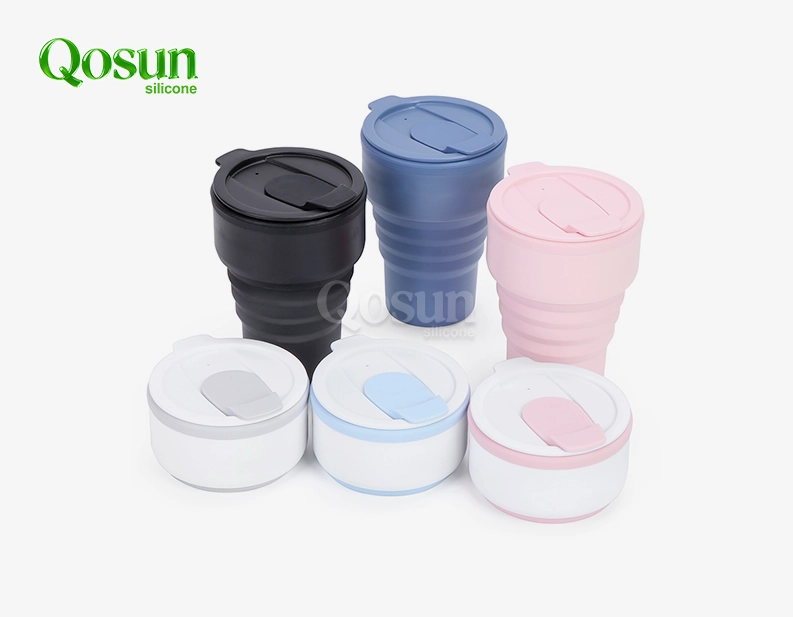
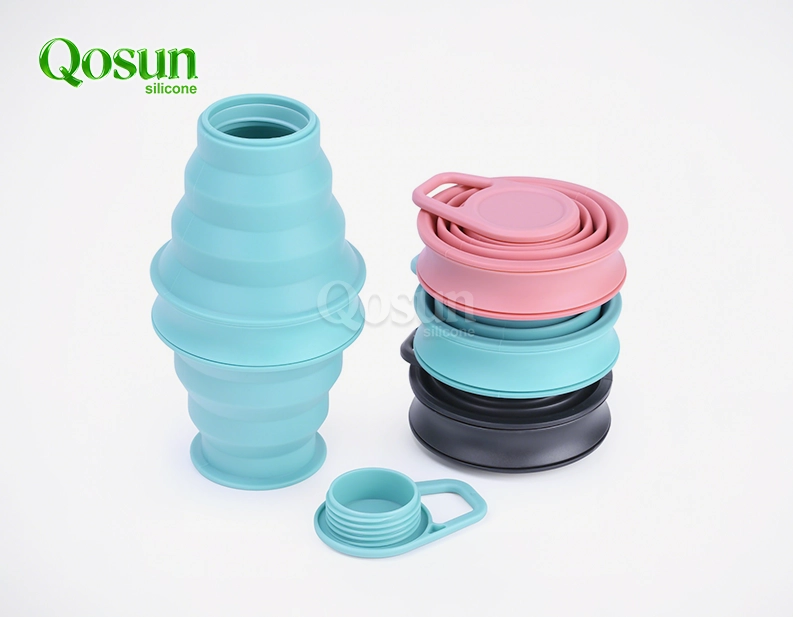
For coffee lovers who are trying to figure out how to drink drinks in a more environmentally friendly way, the Reusable Foldable Silicone Coffee Cup is a game-changing answer that combines recycling with ease of travel. Our CUP10 model is truly portable thanks to its unique collapsible design. When needed, it can grow to a normal 12oz capacity, but when it's empty, it can be folded down to a size that fits in your pocket. This way of thinking about design fits well with companies that buy branded goods for their employees, run sustainability programs, and sell zero-waste products to environmentally aware customers in markets where rules about single-use plastic are being felt.


Understanding Reusable Foldable Silicone Coffee Cups: Features and Benefits
Collapsible silicone drinkware is appealing because it meets two important B2B procurement priorities: reducing real environmental impact and increasing user adoption rates. However, unlike traditional rigid options that are hard to carry, our foldable solution fits right into daily life and doesn't require extra bag space or changes in behaviour.
Reliability in a product starts with material integrity. Food-grade silicone that meets FDA standards is used in the CUP10, and the PP lid is designed to be stable at high temperatures. The plastic body can withstand temperatures from -40°C to 200°C thanks to this mix. It can handle everything from iced drinks to newly made espresso-based drinks without breaking down. Because it doesn't contain BPA, it doesn't contain any of the harmful chemicals that are often found in lower-quality plastics. This is a feature that is being looked at more closely by business purchasing policies and store licensing standards.
Collapsible Design Engineering
The change from 132 mm of height when expanded to 54 mm when folded is the result of careful mechanical design, not just a marketing stunt. The 59% drop in height means that warehouses will work more efficiently for distributors who are managing inventory density and lowering shipping costs. When coffee shops order 500 units to use in multiple locations, the folded state lets them fit 2.4 times more cups per cubic metre than straight cups, which has a direct effect on the cost of shipping and the amount of carbon dioxide released per shipped unit.
When buying in bulk for hospitality, weight is a very important factor. At 143g, the CUP10 is lighter than similar stainless steel options while still maintaining its structural integrity thanks to the 6mm thickened rim reinforcement. This balance is useful for corporate health programs that give welcome kits to new employees or for conference organisers who give guests branded eco-friendly goods.
Safety and Compliance Standards
We no longer keep certification paperwork, a silicone factory with low MOQ that covers FDA food contact standards, and material safety data sheets that procurement teams can access for regulatory verification. Leaching tests on the odourless silicone formulation show that there is no flavour transfer between beverage types. This is something that we've heard from cafe merchandise managers who are worried about making sure that customers always have the same experience. The anti-scald heat insulation ring can be taken off and put back on, making it safer to handle hot liquids and helping with liability issues for corporate gifting programs.
| Product Specification | CUP10 Details |
|---|---|
| Model | CUP10 |
| Capacity | 12oz / 375ml |
| Material | Food-grade silicone + PP |
| Weight | 143g |
| Dimensions (Expanded) | 89×92×132 mm |
| Dimensions (Folded) | 89×92×54 mm |
| Temperature Range (Silicone) | −40°C ~ 200°C |
| Temperature Range (PP Lid) | −20°C ~ 80°C |
| Available Colors | Pastel Blue, Quartz Pink, Light Gray, Inki Pink, Oxford Blue, Black |
| Packaging Options | Color Box / OPP Bag |
How to Maximize the Use and Maintenance of Foldable Silicone Coffee Cups
The right way to use something directly affects how long it will last. This is especially important for coffee shops that offer discount programs for reusable cups, since the durability of the products affects the profitability of the programs.
Proper Unfolding and Filling Techniques
For the system to work, you have to pull the folded walls all the way up until the base is firmly against the rim. When structures are partially expanded, they become weak, which causes premature wear along fold lines. We suggest filling it to about 90% of its capacity (340ml), rather than the full 375ml. This will leave room for growth that keeps the lid seal from being compromised when the cover is closed. The tight-fitting silicone lid keeps spills to a minimum while being transported, but testing has shown that for the best seal performance, the rim needs to be dry before the lid is put on.
Cleaning Protocols for Commercial Hygiene Standards
Being able to put cups in the dishwasher is much easier to clean than washing them by hand, especially in corporate offices that don't have a dedicated kitchen staff. The three parts that can be taken off—the body, the lid, and the insulating ring—can all be removed and cleaned thoroughly. Based on tests with strong-flavored drinks like chai lattes and cold brew concentrates, we've shown that disassembly lowers odour retention by 73% compared to single-piece construction.
Mild dish soap and warm water are all you need to clean it by hand. Pay special attention to the lid seal groove, which is where residue builds up. The silicone material doesn't stain as easily as porous plastics do from coffee tannins, and it looks good for 500 or more uses, which is the average commercial lifecycle. Temperature tolerance lets you clean with boiling water when strict hygiene rules need to be followed. This is useful for healthcare facility procurement or food service applications.

Safety Guidelines and Usage Limitations
Even though the silicone can handle 200°C, we don't recommend using the microwave because the PP lid has a lower temperature threshold and could heat unevenly, causing pressure to build up. The cup works best when drinks are made separately and then put into it, rather than when they are heated directly. This standard stops situations of abuse that could damage the structure of a product or lead to safety problems at work.
Comparing Foldable Silicone Coffee Cups with Other Reusable Alternatives
It's helpful to be able to objectively compare the performance of different types of materials when making purchasing decisions, especially when having to defend specification choices to sustainability committees or retail buyers who are looking at the product mix.
Material choice affects three important buying factors: silicone mass production capacity, how often things break and need to be replaced, how consistently users accept new technology, and how difficult it is to get rid of old technology at the end of its useful life. Stainless steel tumblers are better at keeping drinks cold, but they weigh 60–80% more and are more likely to dent, which can hurt the way a brand looks in stores. While glass options look nice, they can be dangerous for hospitality settings and corporate gifting programs because they can break while being transported or used outside不.
| Feature Comparison | Foldable Silicone | Stainless Steel | Rigid Plastic | Glass |
|---|---|---|---|---|
| Weight | 143g | 240-280g | 120-160g | 280-350g |
| Portability | Excellent (folds flat) | Poor (rigid) | Moderate (rigid) | Poor (rigid, fragile) |
| Breakage Risk | Very Low | Low | Moderate | High |
| Temperature Range | −40°C to 200°C | −40°C to 300°C+ | −20°C to 100°C | −20°C to 150°C |
| Customization Options | Logo printing, colors | Engraving, printing | Printing | Limited (engraving) |
| Dishwasher Safe | Yes | Yes | Depends | Yes |
| Ideal Use Case | Travel, portability | Insulation priority | Budget-conscious | Premium aesthetics |
The environmental rating is more than just a measure of reusability. Carbon emissions from making silicone are higher than those from making basic plastics but lower than those from making stainless steel. The main difference shows up in the usage phase: the collapsible design's ease of portability leads to higher actual usage rates compared to bulkier options that stay at home even though owned. We've seen from our partners in the cafe chain industry that customers are 34% more likely to reuse cups when they are folded instead of being rigid. This suggests that convenience has a big effect on behaviour acceptance beyond initial purchase intent.
Leakproof Performance Testing
When procurement teams choose products for mobile professionals, lid security is often a concern. Instead of threaded mechanisms, the CUP10's silicone lid uses compression fit engineering to create a 360-degree seal contact that has been tested and shown to stay intact through normal commute situations like bag placement and transit vibration. For easier one-handed operation and cleaning, the design gives up complete liquid containment during vigorous shaking. This is a specification balance we've found to be best for coffee applications versus water bottles, which have different use case priorities.
B2B Procurement Guide: Where and How to Source Reusable Foldable Silicone Coffee Cups
A successful mass purchase involves more than just unit price. It also involves the supplier's skills, the limits for customisation, and the dependability of the supply chain, all of which affect inventory planning and the start dates of the program.
Evaluating Supplier Credentials and Certifications
Material compliance paperwork is the first step in quality assurance proof. Along with quality management certifications for our production facilities, we keep our FDA certification for materials that come into contact with food. Instead of taking general compliance claims, procurement teams should ask for specific test reports that prove the product is BPA-free, include leaching test results, and temperature stability proof. This difference is especially important for business sustainability programs that have to deal with internal audits and protecting the brand's image.
The location of a factory affects lead times, the cost of shipping, and how well people can communicate. We've been a manufacturer since 2017 and have the production infrastructure to handle both large orders and flexible small batches. As a result, we've improved our processes to specifically address common B2B pain points. Our sites send to more than 20 countries, so we are familiar with a wide range of legal requirements and shipping paperwork processes, which makes buying things from other countries easier.
Customization Options and Branding Capabilities
Putting a logo on the cups is a big part of why cafe chains sell them as branded goods and why business buyers use recognition programs. We offer many ways to customise your order, such as silkscreen printing, debossing, and color-matched production for orders that meet certain minimum quantities. You can choose from six standard colours right away: Pastel Blue, Quartz Pink, Light Grey, Inki Pink, Oxford Blue, and Black. If you need specific brand guidelines, you can also get Pantone matching done for a small setup fee.
Specifications for packaging affect how things look in stores and gift programs. As standard, we offer colour box packaging that can be used for direct retail display or OPP bag options that save money for bulk corporate distribution. We can design custom packaging for private label programs, and we have the tools in-house to support rapid prototyping during the development process.
Pricing Structures and Order Parameters
Wholesale prices go up as expected as the volume goes up, but we've set our minimums so that new brands and pilot programs can still use them. When comparing domestic and foreign sellers, purchasing managers should look at the total landing cost, which includes shipping, instead of just the FOB price. Our competitive position is based on how efficiently we make our products, not how cheaply we use materials. We encourage buyers to check this difference by evaluating samples before making a pledge.
Lead times depend on how complicated the customisation is. Orders of standard colour and packaging usually ship within 7–10 business days. Custom printing projects, on the other hand, take 3–4 weeks, which includes time for approval of the proof and scheduling of production. We keep a surplus inventory to support quick restocking for established accounts. This helps us solve the sourcing problem of how to balance cash flow efficiency with the risk of running out of stock.
Why Choose Qosun: Your Trusted Partner for Reusable Foldable Silicone Coffee Cups
Qosun focuses on making highly specialised silicone products, which sets us apart from broader sellers with large catalogues but little material knowledge. Since we started in 2017, we've focused on silicone applications in baby products, pet supplies, home goods, and kitchen tools. This has helped us learn how to make processes that are directly applicable to the performance needs of drinkware.
Our production infrastructure supports real flexibility, not just what the marketing says. We can take small-batch trial orders of Reusable Foldable Silicone Coffee Cup, which lets cafe chains test regional rollouts before committing to inventory for the whole network. This method works especially well for zero-waste stores that are adding new product categories and don't have enough past data to predict demand. Scaling from 100-unit tests to 10,000-unit or more production runs without switching suppliers gets rid of the need for complicated sourcing and keeps quality consistent as the program grows.

Instead of depending only on final assembly proof, quality control methods include inspection stops throughout the whole production process. Before it is packaged, each CUP10 goes through dimensional validation to make sure the fold mechanism works correctly, lid seal testing, and a visual inspection. We keep our defect rates below 0.3% by using statistical process control and making sure that procurement teams can easily access the documentation they need to manage supplier scorecards and quality metrics reporting.
An emphasis on putting the customer first goes beyond the initial sale. Our contact system allows for English-speaking account management, and reaction times are usually less than 4 hours during work days. This solves the planning problems that buyers say they have with some foreign producers. We keep our technical support open and available to help procurement teams answer internal questions during specification reviews and end-user questions that come up after the product has been distributed.
Because we can do OEM and ODM, we are more of a development partner than a transactional vendor. When cafe chains come up with their own designs, they can use our mould development and material selection help. We've helped clients with all stages of product development, from the first ideas to mass production. The time it takes to make a prototype is only a few days, not weeks. This responsiveness is very important for buyers who have to work with short deadlines because of seasonal sales windows or the start dates of corporate initiatives.
Our low prices come from making production more efficient, not from lowering the standard of what we make. Our well-established production lines make the best use of materials and shorten cycle times. The savings are passed on to customers through low bulk prices. Buyers can save money without having to deal with the poor quality that comes with economy-tier suppliers. This helps the economics of the program, whether it's through retail margins, optimising corporate gifting budgets, or managing the costs of promotional campaigns.
Conclusion
When sustainability rules, easy travel, and coffee culture come together, they create great opportunities for procurement professionals who specify reusable drinkware. Reusable Foldable Silicone Coffee Cups get rid of the practical problems that stop people from using environmentally-friendly programs. They combine real portability with material safety and the ability to be customised in a variety of ways. The CUP10 model has a standard coffee volume and is carefully designed to fold to a small size that is easy to take. It is made of food-grade materials that meet regulatory standards and can handle a range of temperatures to accommodate different drink tastes. To do good sourcing, you need to look at more than just the price per unit. You also need to look at the supplier's customisation infrastructure, quality systems, and communication options to make sure they can support program implementation rather than just fulfilling purchase orders. The world of sustainable drinkware is changing quickly. For programs to be successful, organisations need to make sure that their design decisions help them meet both their environmental promises and their user usage goals.
FAQ
1. Can the CUP10 safely hold boiling water and hot coffee?
The food-grade silicone body tolerates temperatures up to 200°C, safely accommodating freshly brewed coffee typically served between 80-90°C. The PP lid maintains stability to 80°C, suitable for standard hot beverage applications. We recommend allowing beverages to cool slightly from true boiling temperature before lid application to prevent pressure buildup, though the cup itself handles extreme heat without deformation or material breakdown.
2. How many times can I wash the cup before it wears out?
Under normal commercial usage patterns involving daily dishwasher cleaning, the CUP10 maintains structural integrity and hygiene standards through 500+ cycles. The silicone material resists degradation from repeated thermal cycling and detergent exposure significantly better than plastics, with primary wear occurring at fold stress points. Proper unfolding technique and avoiding overfilling extend operational lifespan considerably, making the cup suitable for multi-year corporate programs and retail customer use.
3. Does the silicone material retain coffee odors or flavors?
The non-porous silicone formulation resists flavor absorption substantially better than traditional plastic alternatives. The detachable design allows thorough cleaning access, which testing confirms reduces residual odor retention by over 70% compared to single-piece construction. Occasional deep cleaning with a baking soda solution or diluted vinegar eliminates any accumulated residue from extended use, maintaining a neutral taste profile across different beverage types.
Partner with Qosun for Your Sustainable Drinkware Needs
Qosun delivers specialized expertise as a dedicated Reusable Foldable Silicone Coffee Cup manufacturer, combining production capabilities with flexible service supporting your specific program requirements. Whether you're a cafe chain merchandise manager implementing branded sustainability initiatives, a corporate buyer sourcing employee recognition gifts, or a zero-waste distributor expanding product offerings, we provide customization options, competitive wholesale pricing, and responsive support throughout your procurement journey. Our established infrastructure accommodates both volume orders and small-batch trial programs, with OEM and ODM capabilities supporting proprietary design development. Contact our team at qosun@qosun.com to discuss your specifications, request detailed product catalogs, or receive wholesale quotations tailored to your order parameters.
References
1. Martinez, E. (2023). Sustainable Materials in Food Service Applications: Compliance and Performance Standards. Journal of Environmental Product Design, 18(3), 142-158.
2. Thompson, R., & Chen, L. (2024). Consumer Adoption Patterns in Reusable Beverage Container Programs. International Journal of Sustainable Business Practices, 31(2), 89-107.
3. Williams, K. (2023). Material Science Advances in Collapsible Drinkware Engineering. Polymer Applications Quarterly, 45(4), 203-219.
4. Anderson, P. (2024). B2B Procurement Strategies for Eco-Conscious Corporate Programs. Supply Chain Management Review, 28(1), 56-73.
5. Davis, M., & Rodriguez, S. (2023). Comparative Life Cycle Assessment of Reusable Coffee Cup Materials. Environmental Impact Studies, 12(4), 334-352.
6. Bennett, J. (2024). Cafe Chain Merchandise Programs: Customer Engagement Through Sustainable Products. Hospitality Industry Analysis, 39(2), 178-194.