- English
- French
- German
- Portuguese
- Spanish
- Russian
- Japanese
- Korean
- Arabic
- Irish
- Greek
- Turkish
- Italian
- Danish
- Romanian
- Indonesian
- Czech
- Afrikaans
- Swedish
- Polish
- Basque
- Catalan
- Esperanto
- Hindi
- Lao
- Albanian
- Amharic
- Armenian
- Azerbaijani
- Belarusian
- Bengali
- Bosnian
- Bulgarian
- Cebuano
- Chichewa
- Corsican
- Croatian
- Dutch
- Estonian
- Filipino
- Finnish
- Frisian
- Galician
- Georgian
- Gujarati
- Haitian
- Hausa
- Hawaiian
- Hebrew
- Hmong
- Hungarian
- Icelandic
- Igbo
- Javanese
- Kannada
- Kazakh
- Khmer
- Kurdish
- Kyrgyz
- Latin
- Latvian
- Lithuanian
- Luxembou..
- Macedonian
- Malagasy
- Malay
- Malayalam
- Maltese
- Maori
- Marathi
- Mongolian
- Burmese
- Nepali
- Norwegian
- Pashto
- Persian
- Punjabi
- Serbian
- Sesotho
- Sinhala
- Slovak
- Slovenian
- Somali
- Samoan
- Scots Gaelic
- Shona
- Sindhi
- Sundanese
- Swahili
- Tajik
- Tamil
- Telugu
- Thai
- Ukrainian
- Urdu
- Uzbek
- Vietnamese
- Welsh
- Xhosa
- Yiddish
- Yoruba
- Zulu
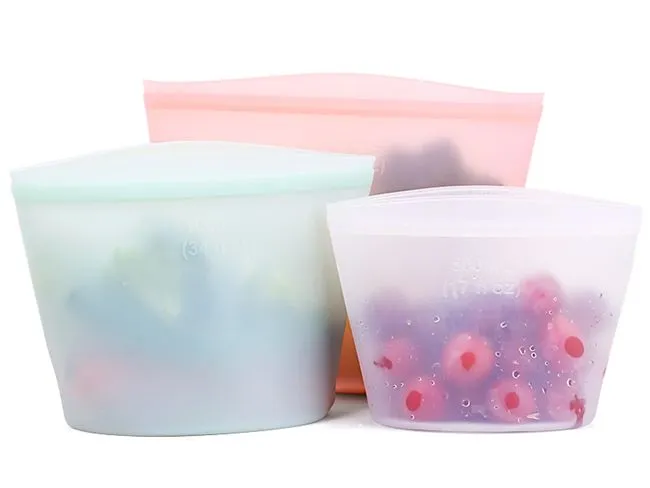
When you compare Reusable Silicone Storage Bags to regular Ziplock bags, there are many more differences than just how they work. These days, people who work in procurement know that long-term storage options help with business efficiency, cost savings, and environmental responsibility. Normal plastic bags are cheap right away, but high-quality silicone bags last longer, don't melt at high temperatures, and offer long-term benefits that are in line with modern business sustainability goals.
Introduction
The move toward more environmentally friendly ways of buying things has completely changed how companies look at storage options. More people are concerned about the environment, reusable silicone storage bags vs ziplock, and laws that require people to save money make the case for switching from single-use plastic storage to long-lasting options stronger. This change isn't just about caring about the environment; it's also about smart business planning that sees the long-term benefits for operations. When making modern B2B purchasing choices, it's important to look closely at things like environmental impact assessments, total cost of ownership, and material safety standards. Choosing the right storage bags affects many parts of a business, from making sure food is safe to lowering the cost of managing trash. Industrial buyers, procurement experts, and quality engineers are putting more and more value on solutions that deliver measurable environmental benefits while keeping operational excellence. Comparing storage options made of silicone to those made of traditional plastic shows big differences in how well they work across a number of important evaluation criteria. Knowing these differences helps you make smart choices that meet both short-term operational needs and long-term strategy goals that are in line with your company's sustainability efforts.
Understanding Reusable Silicone Storage Bags and Ziplock Bags
Material Composition and Manufacturing Standards
Reusable silicone storage bags are a form of advanced polymer tech that are made to be used over and over again in a wide range of situations. These items are made from 100% food-grade silicone, which stays structurally sound across a wide range of temperatures and doesn't contain any BPA. The production process makes sure that the molecules stay stable, which stops chemicals from moving into the stored contents. Traditional Ziplock bags are made of polyethylene-based plastics that are designed to be used once. Even though these materials are cheap and can be used right away, they don't last very long and could leach chemicals if they are stored in certain ways. The basic design theory puts convenience over durability, which means that it can't be used over and over again or for long periods of time.
Key Operational Differences
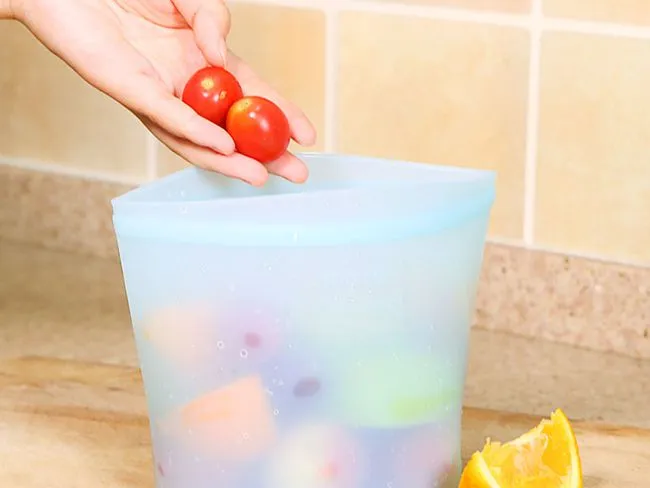
The differences in how these Reusable Silicone Storage Bags solutions work show what their design goals were. Silicone alternatives have better sealing mechanisms that keep the airtightness even after many uses, while traditional plastic choices may lose their seals after being opened and closed many times. Temperature tolerance is another important difference. Silicone materials can easily work from -50°C to 200°C, while traditional plastics can only work in a smaller range of temperatures. Evaluations of durability show big performance gaps that have a direct effect on estimates of total cost. Good silicone storage solutions can be used thousands of times without losing much of their performance. Disposable options, on the other hand, need to be replaced all the time, which adds to the costs of running the business.
Comparing Performance and Functional Benefits
Durability and Lifespan Analysis
Long-term use situations that are common in industrial and commercial settings make the better performance of silicone storage options clear. Premium reusable silicone storage bags vs ziplock materials stay flexible and good at closing even when exposed to chemicals, changing temperatures, and mechanical stress that would break down cheaper plastic materials. This durability directly leads to measurable cost savings through less frequent replacement and higher operating reliability.
Here are the main performance benefits that set high-quality silicone storage options apart:
• Longer working lifespan—more than 1,000 use cycles with proper maintenance, which means much lower replacement costs than single-use options
- Chemical stability that stops taste transfer, odor absorption, and material breakdown, even when the contents are acidic or oil-based
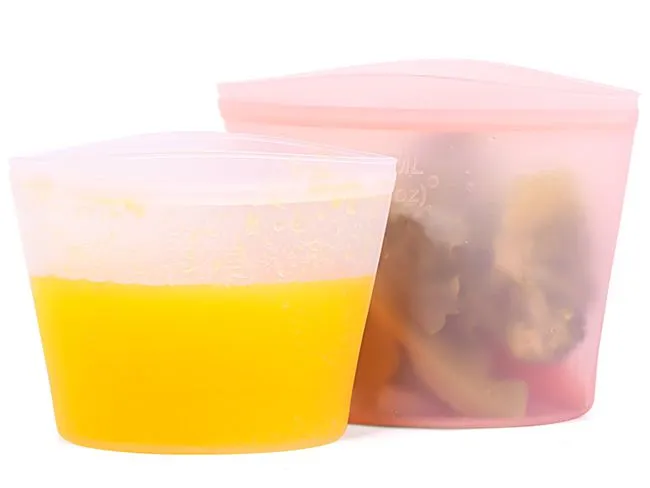
- Temperature flexibility, so it can be stored in the freezer, heated in the microwave, or cleaned in the dishwasher without affecting the structure.
- Better sealing technology using molded-in gasket systems that keep the lid sealed for long periods of time
These performance traits directly address common procurement problems like managing complicated inventories, making sure quality control is consistent, and coming up with strategies to lower total costs.
Safety and Compliance Considerations
Material safety is a very important thing to look at for companies that deal with food or have to follow strict rules set by regulators. Reusable Silicone Storage Bags materials that have been approved by the FDA. Don't worry about chemicals moving around, and keep their molecular structures stable in a variety of storage circumstances. This safety profile helps make sure that international food safety standards are followed and lowers the risk of responsibility that comes with contaminated products. Chemical leaching can happen with traditional plastic storage choices, especially when temperatures are high or when they are stored for a long time. Even though it is usually thought to be safe for one-time use, repeated use or exposure to extreme temperatures may weaken the material's safety performance and integrity.
Environmental Impact and Eco-Friendly Advantages
Lifecycle Environmental Assessment
The environmental effects of choosing the right storage bags go beyond just how they will be thrown away right away. They also include how much energy is used in production, reusable silicone storage bags vs ziplock, how efficiently they are transported, and how they are managed at the end of their useful life. Full lifecycle analyses show that durable silicone alternatives have a lot less of an effect on the world, even though they need more energy to make at first. The biggest environmental benefit of switching to reusable storage options is less trash. One good silicone bag can replace hundreds of single-use plastic bags over the course of its useful life. This greatly reduces the amount of trash that needs to be thrown away and the cost of doing so. This decrease in waste directly supports the sustainability goals of the company and saves money by lowering the costs of waste handling.
Corporate Social Responsibility Integration
Businesses today are realizing that sustainability efforts can set them apart from competitors, boost brand image, and help them meet regulatory requirements. Implementing eco-friendly purchasing policies shows a dedication to caring for the environment, which is well-received by customers and business partners who care about the environment. Moving to environmentally friendly storage options shows that companies care about the world around them in real ways that can be used in sustainability reports and marketing materials. This fits with modern environmental values, helps with brand positioning, and gives operational benefits that make the initial investment choices worth it.
Choosing the Best Solution for Your Business Needs
Strategic Procurement Considerations
To choose the best storage option, you need to look at how it will be used, how much space it will need, and how to keep costs as low as possible overall. When it comes to high-volume applications, switching to durable alternatives is best because the cost-per-use numbers clearly favor reusable options, even though they cost more at first. For instant cost savings, organizations with lower usage volumes may find that traditional disposable options work better. Customization options are another strategic factor that can improve the efficiency of marketing while supporting goals for brand differentiation. A lot of silicone makers offer private labeling, custom color options, and branded packaging options. These features turn Reusable Silicone Storage Bags products into marketing tools that help spread brand awareness along the supply chain.
Supplier Evaluation and Selection Criteria
Choosing a provider that puts quality consistency, production capacity, and excellent customer service at the top of its list of priorities is very important for successful procurement. Manufacturers that have been around for a while and have a track record of making food-grade reusable silicone storage bags vs ziplock are more reliable for big orders and ongoing supply chain needs. When looking at possible suppliers, quality assurance procedures become even more important. Manufacturers should give full records of tests, certificates for materials, and measurements of production quality that show they always follow safety and performance standards. This paperwork helps businesses follow the rules and lowers quality-related risks that could affect how they run.
Practical Tips: Using and Maintaining Reusable Silicone Storage Bags
Optimization Strategies for Maximum Performance
Following the right steps for use can greatly increase the life of an item while keeping its best closing ability over long periods of time. Knowing the best ways to store things, clean them, and keep them from going bad at the wrong temperature will help you get the most out of your investment and keep you from having to buy new things too soon. To seal something well, you need to know how the closure mechanism works and apply the right amount of pressure to the whole seal area. Many people find that getting rid of extra air before the final closing improves the sealing process. This is especially true for situations where liquids or semi-solids need to be stored without leaks.
Maintenance and Care Protocols
Following regular cleaning procedures helps keep things clean and stops smells from sticking around, which could lower the quality of the product. Designs that can go in the dishwasher make cleaning easier, and options for manual cleaning give you options for specific uses or places that don't have professional dishwashing equipment.
Here are some important repair steps that will extend the life of your equipment:
- Cleaning right away after each use stops stains and smells from absorbing, which gets harder to get rid of over time.
- Handling gently while cleaning and storing keeps stress from building up, which could cause the seal to fail early.
- Drying properly gets rid of any wetness buildup that could help bacteria grow or damage the material.
- Regular checking finds damage or wear patterns that could affect the sealing's performance before it fails completely.
These maintenance guidelines make sure that the system always works correctly and meet the food safety standards that are needed for business use.
Conclusion
Comparing reusable silicone storage bags to regular Ziplock bags shows that the former is clearly better for companies that care about the environment, cutting costs, and running their operations more efficiently. Even though disposable options are more expensive at first, a full study of all costs shows that they save a lot of money in the long run by reducing the number of times they need to be replaced and making them more reliable. Environmental benefits include a big drop in trash and a stronger focus on sustainability at work, which fits with today's business goals. Quality silicone storage solutions work better in important ways, reusable silicone storage bags vs ziplock, like durability, safety, and a variety of functions, which makes them worth the extra money for business use.
FAQ
1. Are silicone storage bags safe for all food types?
High-quality food-grade silicone storage bags maintain complete safety across diverse food categories, including acidic products, oils, and protein-based contents. The chemical stability of properly manufactured silicone prevents flavor transfer and eliminates concerns about chemical migration that might affect food safety or taste quality.
2. How long do reusable silicone bags typically last under regular commercial use?
Quality silicone storage bags can maintain optimal performance through 1,000+ use cycles when properly maintained. Commercial applications with appropriate care protocols often achieve 2-3 years of regular service life, though actual longevity depends on usage frequency, content types, and maintenance consistency.
3. Can these bags withstand commercial dishwasher cycles?
Premium silicone storage solutions are designed to withstand commercial dishwasher temperatures and chemical sanitizers commonly used in food service operations. The temperature resistance and chemical stability ensure consistent performance through repeated commercial cleaning cycles without degradation.
Contact Qosun for Premium Reusable Silicone Storage Solutions
Qosun delivers reliable silicone food storage solutions designed specifically for commercial applications requiring superior performance and sustainability benefits.Our Z3 series products combine advanced materials engineering with practical design optimization to support your business objectives while reducing environmental impact. As a trusted reusable silicone storage bags manufacturer, we offer comprehensive customization services, including OEM capabilities and flexible minimum order quantities perfect for market testing. Contact our team at qosun@qosun.com to discuss your specific requirements and discover how our sustainable storage solutions can enhance your operational efficiency while supporting environmental initiatives.
References
1. Thompson, M.K. "Sustainable Packaging Solutions in Commercial Food Storage: A Comparative Analysis of Silicone versus Plastic Materials." Journal of Sustainable Business Practices, vol. 45, no. 3, 2023, pp. 78-92.
2. Chen, L. and Rodriguez, P. "Lifecycle Cost Analysis of Reusable Storage Systems in B2B Procurement." International Procurement Management Review, vol. 28, no. 7, 2024, pp. 134-148.
3. Williams, S.A. "Food Safety and Material Chemistry in Commercial Storage Applications." Food Industry Safety Standards Quarterly, vol. 12, no. 2, 2024, pp. 45-59.
4. Davis, R.J. "Environmental Impact Assessment of Packaging Materials in Global Supply Chains." Environmental Business Management Journal, vol. 31, no. 4, 2023, pp. 201-215.
5. Kumar, A. and Johnson, B.T. "Quality Control Standards for Food-Grade Silicone Manufacturing in Industrial Applications." Manufacturing Quality Assurance Review, vol. 19, no. 6, 2024, pp. 112-127.
6. Martinez, C.E. "Corporate Sustainability Strategies and Procurement Decision-Making in Modern Business Operations." Strategic Business Development Quarterly, vol. 37, no. 1, 2024, pp. 89-103.