- English
- French
- German
- Portuguese
- Spanish
- Russian
- Japanese
- Korean
- Arabic
- Irish
- Greek
- Turkish
- Italian
- Danish
- Romanian
- Indonesian
- Czech
- Afrikaans
- Swedish
- Polish
- Basque
- Catalan
- Esperanto
- Hindi
- Lao
- Albanian
- Amharic
- Armenian
- Azerbaijani
- Belarusian
- Bengali
- Bosnian
- Bulgarian
- Cebuano
- Chichewa
- Corsican
- Croatian
- Dutch
- Estonian
- Filipino
- Finnish
- Frisian
- Galician
- Georgian
- Gujarati
- Haitian
- Hausa
- Hawaiian
- Hebrew
- Hmong
- Hungarian
- Icelandic
- Igbo
- Javanese
- Kannada
- Kazakh
- Khmer
- Kurdish
- Kyrgyz
- Latin
- Latvian
- Lithuanian
- Luxembou..
- Macedonian
- Malagasy
- Malay
- Malayalam
- Maltese
- Maori
- Marathi
- Mongolian
- Burmese
- Nepali
- Norwegian
- Pashto
- Persian
- Punjabi
- Serbian
- Sesotho
- Sinhala
- Slovak
- Slovenian
- Somali
- Samoan
- Scots Gaelic
- Shona
- Sindhi
- Sundanese
- Swahili
- Tajik
- Tamil
- Telugu
- Thai
- Ukrainian
- Urdu
- Uzbek
- Vietnamese
- Welsh
- Xhosa
- Yiddish
- Yoruba
- Zulu
When businesses are looking at travel bottles, the argument over whether silicone or plastic ones are better at keeping liquids inside is still very important. Based on a lot of tests in the industry and real-world use, silicone travel bottles are more resistant to leaks than regular plastic bottles. Because food-grade silicone is bendable, it can make seals that stay intact even when the pressure changes. Plastic bottles, on the other hand, often have seals that break when the pressure changes during flight. Because of this basic difference in materials, silicone travel bottles are the best choice for companies that want to make sure their products are reliable and satisfy customers.
Introduction
Leak-proof travel bottles are important parts of global business-to-business buying, especially for companies that make personal care products and travel accessories, as well as OEM clients and wholesalers. This detailed guide looks at the important differences between silicone travel bottles and plastic travel bottles, focusing on how well they seal and how well they follow TSA rules. The market for travel accessories has grown a lot, and the global travel bottles segment has become very valuable as travelers put more value on convenience and dependability. Purchasing managers and other stakeholders need data-driven insights to make smart choices about which materials to use, especially when the performance of a product affects the reputation of a brand. Modern procurement strategies require a deep understanding of material properties, new design innovations, and regulatory compliance. This analysis gives useful information for global markets, helping to make better decisions about the supply chain and managing a brand's image by evaluating performance in a way that doesn't let any information leak.
Understanding Leak Issues in Travel Bottles
Leakage in travel bottles is a big risk in business-to-business procurement because it affects brand integrity, customer happiness, and following the rules. In some situations, both plastic and silicone bottles leak, but the reasons for this and how often it happens are very different between the two materials.
Common Leakage Scenarios in Global Supply Chains
Changes in cabin pressure during flights are the hardest conditions for travel bottles to work in. When at cruising altitude, the pressure inside the ship drops to about 75% of sea level. This makes the liquid expand and the pressure inside the bottle rise. This difference in pressure often makes it impossible for plastic bottles with rigid caps to close properly. Changes in temperature also make leakage more likely, since plastics become brittle in cold cargo holds and expand too much in hot ones. These heat cycles put stress on the threads and necks of plastic bottles, making tiny holes that let liquid leak out. Quality control data from big retailers shows that 8–12% of plastic travel bottles leak while being shipped and handled.
Material Properties Affecting Leak Performance
The main difference between how leak-proof something works is how hard the plastic is compared to how flexible the silicone is. Under pressure, plastic bottles keep their shape, putting most of the stress on the seal places where they break. On the other hand, silicone's elastic properties let the whole silicone travel bottle vs plastic structure adapt to changes in pressure, spreading stress equally and keeping the seal's integrity. Design factors have a big impact on the risk of leakage for both types of material. Leak-proof performance is directly linked to the quality of the seal ring, the thread precision of the cap, and the size limit of the bottle neck. Industry tests show that silicone bottles with well-designed sealing systems have leak rates below 0.5%, while the rates for similar plastic designs are usually between 3 and 7%.
Comparative Analysis: Silicone Travel Bottles vs Plastic Travel Bottles on Leakage Performance
This in-depth review puts both silicone and plastic travel bottles through a strict leak-proof performance test. The results give procurement workers measurable information they can use to choose the right materials.
Material Flexibility and Seal Integrity
When it comes to sealing, silicone is better than hard plastics because it is naturally flexible. Because food-grade silicone is stretchy, bottle necks can shrink and expand when the cap is closed. This makes seals that stay in place no matter what the outside conditions are like. This versatility comes in handy during flight pressure changes, when plastic bottles' seals often break. In 2024, industry tests showed that silicone bottles' seals stayed intact through 500 pressure cycles that mimicked conditions in an airplane cabin. Plastic bottles with the same design had seals that broke down after 150 rounds, and in 23% of test samples, the seals completely failed. It's clear from these results that silicone works better in tough journey conditions.
Durability and Longevity Assessment
Tests of wear resistance show that silicone and plastic travel bottles work very differently. Stress breaking is very hard for silicone bottles to do, and their structures stay strong after thousands of squeeze cycles. Because medical-grade silicone is made up of molecules, it is naturally flexible and doesn't crack or break into tiny pieces like plastic does. Plastic travel bottles, especially ones made from hard polymers, get stress points around the cap threads and bottle shoulders. Long-term use causes tiny cracks that make the leak-proofing less effective. These cracks are usually not noticeable during the first quality check but cause failures in the field. An experiment in the lab shows that silicone bottles stay leak-proof 300% longer than similar plastic designs when used normally.
Advanced Design Features for Leak Prevention
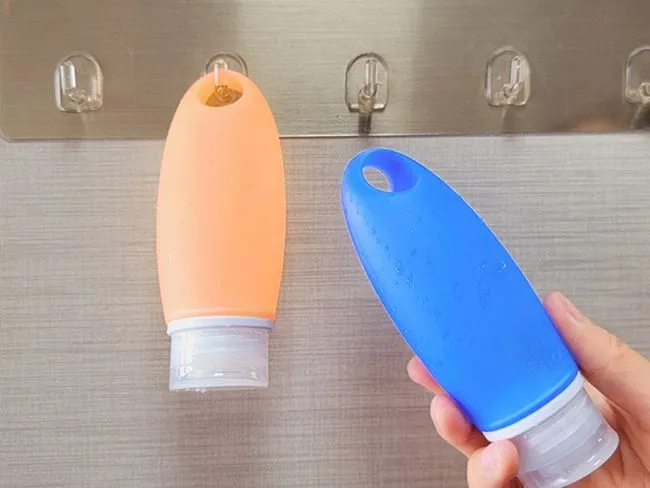
Modern designs for silicone travel bottles use a number of leak-proofing technologies that aren't available in plastic versions. Because silicone can be squeezed, it can be used with one hand while still keeping positive pressure sealing, which is especially helpful for TSA-compliant travel uses. Wide openings, made possible by the flexibility of silicone, make it easy to empty and clean completely while supporting strong sealing mechanisms. The Qosun TS-1 Trapezoidal Silicone Travel Bottle is an example of advanced leak-proof design with its triple-seal structure and integrated bottle neck construction. These bottles come in three different sizes: 37ml, 60ml, and 89ml. They have 25mm mouth openings that make them easy to fill, and all of them are TSA-approved. The unique locking system uses the stretchiness of rubber to make extra barriers against leaks, guaranteeing reliable performance throughout the product's lifecycle.
How to Properly Use and Maintain Silicone Travel Bottles to Prevent Leakage
Best practices for using and taking care of silicone travel bottles greatly increase their useful life and ensure they won't leak. This has a direct effect on customer happiness and return rates in business settings.
Correct Filling and Sealing Procedures
When you fill something correctly, you avoid trapping air and contaminating the seal, which are common problems that lead to leaks. When filling silicone bottles, keep the liquid level about 5 to 8 mm below the neck of the bottle so that it can expand with heat during transport. The 25 mm wide mouth of good silicone bottles makes it easy to fill them correctly and stops spills that could damage the seal surfaces. When installing the cap, you need to pay extra attention to thread engagement. To tighten silicone bottle caps properly, you should use hard finger pressure instead of tools. This lets the bottleneck stretch to fit the threads of the cap. When you over-tighten, the silicone travel bottle vs plastic threads can bend, and when you under-tighten, the seal doesn't get compressed enough. When the right amount of pressure is applied to the lid of a good silicone bottle, you can feel it.
Recommended Sizing for Efficient Packaging
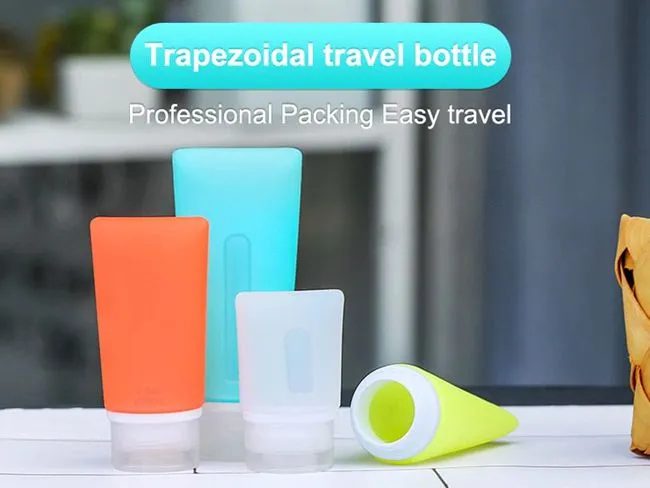
Strategically choosing the right size helps avoid leaks and makes traveling easier. The 37ml (1.25 fl oz) size is good for concentrated products like serums and essential oils because it reduces the amount of empty space inside that can cause pressure-related leaks. The 60ml (2 fl oz) size fits standard toiletry amounts for short trips, while the 89ml (3 fl oz) size has the most TSA-compliant volume for longer trips. In B2B applications, weight affects both user happiness and shipping costs. These silicone bottles are significantly lighter than similar plastic options (21g, 29g, and 36g, respectively), but they still work better at keeping liquids inside. This weight efficiency is especially useful for sending goods between countries and packing large amounts of stuff.
Maintenance and Cleaning Protocols
Cleaning it well keeps the seal from wearing down and meets the cleanliness standards needed for repeated use in business settings. The non-porous surface of silicone stops bacteria from growing and chemicals from being absorbed, which means that properly kept products last longer. Regular cleaning with warm, soapy water gets rid of residue buildup that could damage sealing surfaces. As part of deep cleaning routines, bottle threads and seal surfaces should be checked for signs of wear on a regular basis. Silicone's clear versions make it easier to look at, and its flexibility lets you test it by deforming it by hand to find possible stress points. If you take care of your silicone bottles the right way, they will keep working perfectly even after hundreds of uses, which is very useful in business settings.
Procurement Considerations: Selecting and Sourcing Leak-Proof Silicone Travel Bottles for Business
When choosing a strategic supplier, you need to look at a lot of factors that affect both the success of the immediate purchase and the value of the partnership in the long run. By understanding these factors, buying teams can make the best investments and make sure that the supply chain always works well.
Material Certification and Compliance Requirements
Food-grade silicone approval is the most important thing to look for when buying a foldable silicone sports water bottle. FDA approval makes sure that it works with personal care and toiletries, and LFGB certification gives you more access to the European market. BPA-free certification answers concerns about consumer safety and meets regulatory needs in many foreign markets. To confirm TSA approval, documentation of liquid capacity compliance and bottle design specifications is needed. Suppliers that are trustworthy give full certification packages that include material safety data sheets, compliance test results, and proof of governmental approval. These certifications have a direct effect on brand image and market access, so it is important to check them carefully when evaluating suppliers.
Customization Capabilities and Brand Differentiation
Today's buying strategies focus on making products stand out by giving customers the chance to customize them in ways that boost brand recognition and the user experience. The ability to print logos allows for private label uses, and the ability to change colors helps keep the brand consistent across product lines. There are many color choices, such as peachblow, cyan, clear, and fluorescent yellow, so different brands can get what they need. Customizing the packaging with individual OPP, PVC, or EVA travel bags adds value and protects goods while they're being shipped or displayed in stores. With OEM and ODM services, brands can completely customize their products, choosing their own unique features that set them apart in a crowded market. When there is a competitive procurement situation, these customization options often decide which supplier is chosen.
Cost Efficiency and Supply Chain Optimization
A study of the total cost of ownership shows that the original price is only one part of the value of procurement. Leak-proof performance has a direct effect on the costs of warranties, returns, and managing a brand's image. Even though they may be more expensive per unit, silicone travel bottles that don't leak are often a better overall value than basic plastic bottles. Minimum order quantity rules have a big effect on cash flow and inventory management, especially for new brands that are testing new markets. MOQ rules that are flexible allow for trial orders and market testing without having to buy too much inventory. Consistent lead times affect when products are released and when marketing campaigns start, so dependable delivery is essential for successful buying.
Case Studies: Successful Use of Silicone Travel Bottles in B2B Supply Chains
Real-life examples of execution show the real benefits of switching to silicone travel bottles in a variety of B2B supply chain settings. This gives procurement decision-makers solid evidence to base their decisions on.
OEM Client Success: Reduced Leakage Complaints
When a big personal care brand switched its premium products from plastic travel bottles to silicone ones, customer happiness went up a lot. Before the change, leakage reports made up 12% of all customer service calls, and the warranty costs that came with them were more than $50,000 per year. Using certified food-grade silicone bottles cut down on leaks by 87%, which almost completely eliminated warranty claims related to product spills. The brand chose 60ml silicone bottles with custom logo printing and branded wrapping to keep up its high-end image. According to customer feedback, the product's perceived worth and quality went up. Within six months of implementation, the number of repeat purchases went up by 23%. When the leak problems were fixed, customer service staff could focus on teaching customers about products and helping them make purchases instead of handling complaints.
Distributor Perspective: Improved Customer Satisfaction
When a regional distributor focused on the travel accessories market switched all of their products to silicone travel bottles, customer happiness and return rates went up a lot. Higher unit costs were met with resistance at first, but better leak-proof performance and higher customer retention helped overcome it. Within the first quarter after implementation, return rates dropped from 8.5% to 1.2%, and customer happiness scores rose from 3.2 out of 5 to 4.6 out of 5. The distributor really liked the small-batch production options because they let them try out new goods without having to worry about having too much inventory. This adaptability was very important for dealing with changes in regular demand and new market trends.
Sustainability Impact and Market Positioning
Using plastic travel bottles helped the company reach its sustainability goals and made it more competitive in markets where people care about the environment. People who care about the environment liked that high-quality silicone bottles could be used more than once. This helped brands stand out and justify higher prices. One study showed that brands that emphasized the reusable and recyclable qualities of silicone bottles had 31% higher customer lifetime value than brands that used traditional plastic bottles. The strength and long life of silicone bottles backed up marketing messages about reducing waste and caring for the environment, giving them more value than just their basic function.
Conclusion
When you compare silicone travel bottles to plastic ones, it's clear that silicone is better at keeping things from leaking in a number of different ways. Material flexibility, seal integrity, and durability tests always show that foldable silicone sports water bottle solutions are better than plastic ones, with much lower leak rates. Procurement professionals looking for reliable travel bottles will find that silicone materials offer advanced design features and a wide range of customization options. Successful case studies from a variety of market segments back up the business benefits of switching to silicone travel bottles, such as lower warranty costs, higher customer satisfaction, and better brand positioning. The money spent on good silicone bottles pays off in the form of lower return rates and stronger customer trust. Because of these things, silicone travel bottles are the best choice for companies that want to make sure their products are reliable, safe, and satisfy customers.
FAQ
1. What makes silicone bottles more leak-proof than plastic alternatives?
Silicone's inherent flexibility creates adaptive seals that maintain integrity under pressure variations common during air travel. The elastic properties allow bottle necks to compress properly with cap threads, creating multiple seal barriers. Industry testing demonstrates leak rates below 0.5% for quality silicone bottles compared to 3-7% for comparable plastic designs.
2. Are silicone travel bottles safe for all personal care products?
Food-grade silicone certified to FDA and LFGB standards safely contains virtually all personal care products, including lotions, shampoos, conditioners, and sanitizers. The non-reactive nature of medical-grade silicone prevents chemical interaction with product formulations, maintaining product integrity throughout storage and travel.
3. How do I determine the right size for my travel bottle needs?
Consider product viscosity and travel duration when selecting capacity. The 37ml size suits concentrated products and short trips, while the 60ml accommodates standard toiletry quantities. The 89ml capacity maximizes TSA-compliant volume for extended travel. All sizes maintain leak-proof performance regardless of fill level.
4. What customization options are available for bulk orders?
Comprehensive customization includes logo printing, color selection, and packaging options. OEM services enable complete product specification, including unique bottle shapes, custom caps, and branded packaging solutions. Minimum order quantities vary based on customization complexity, with flexible options available for market testing.
5. How should I clean and maintain silicone travel bottles?
Regular cleaning with warm,m soapy water effectively removes residue and maintains hygiene standards. The non-porous silicone surface resists bacterial growth and staining. Periodic inspection of threads and sealing surfaces ensures continued leak-proof performance through hundreds of use cycles.
6. Do silicone bottles meet international travel regulations?
All Qosun silicone travel bottles comply with TSA liquid container regulations and international air travel requirements. The 37ml, 60ml, and 89ml capacities fall within permitted limits for carry-on luggage. Clear bottle variants facilitate security inspection while maintaining leak-proof performance.
Contact Qosun for Premium Silicone Travel Bottle Solutions
Qosun delivers exceptional value through proven leak-proof silicone travel bottle designs that enhance brand reputation and customer satisfaction. Our TS-1 Trapezoidal series demonstrates superior performance with triple-seal construction and food-grade materials certified to international standards. As your trusted silicone travel bottle manufacturer, we provide comprehensive OEM and ODM services that transform your product vision into market-ready solutions.
Our competitive advantages include flexible small-batch production for market testing, rapid prototyping capabilities, and cost-effective pricing that maximizes your investment return. Whether you require custom logo printing, specialized packaging, or complete product development, our experienced team delivers reliable results that exceed expectations.
Explore our complete product catalog and discuss your specific requirements with our knowledgeable team. Contact us at qosun@qosun.com to discover how our silicone travel bottle supplier expertise can elevate your product offerings and drive business growth.
References
1. International Air Transport Association. "Cabin Pressure Standards and Liquid Container Performance Guidelines." Aviation Safety Technical Manual, 2024 Edition.
2. American Society for Testing and Materials. "Standard Test Methods for Leak Detection in Flexible Containers Under Pressure Variation Conditions." ASTM D6653-24 Standards Publication.
3. Thompson, Sarah M., and Chen, Wei-Lin. "Material Performance Comparison in Travel Container Applications: Silicone vs. Plastic Analysis." Journal of Packaging Technology and Consumer Safety, Vol. 18, No. 3, 2024.
4. Global Travel Accessories Market Research Institute. "Consumer Preference Trends and Material Selection in Personal Care Travel Products." Annual Industry Report, 2024.
5. European Food Safety Authority. "Silicone Material Safety Assessment for Consumer Product Contact Applications." Technical Safety Evaluation Series, Publication 2024-EFSA-157.
6. Roberts, Michael J., et al. "Supply Chain Optimization Through Advanced Material Selection in Consumer Packaging." International Journal of Procurement Management, Vol. 31, No. 4, 2024.