- English
- French
- German
- Portuguese
- Spanish
- Russian
- Japanese
- Korean
- Arabic
- Irish
- Greek
- Turkish
- Italian
- Danish
- Romanian
- Indonesian
- Czech
- Afrikaans
- Swedish
- Polish
- Basque
- Catalan
- Esperanto
- Hindi
- Lao
- Albanian
- Amharic
- Armenian
- Azerbaijani
- Belarusian
- Bengali
- Bosnian
- Bulgarian
- Cebuano
- Chichewa
- Corsican
- Croatian
- Dutch
- Estonian
- Filipino
- Finnish
- Frisian
- Galician
- Georgian
- Gujarati
- Haitian
- Hausa
- Hawaiian
- Hebrew
- Hmong
- Hungarian
- Icelandic
- Igbo
- Javanese
- Kannada
- Kazakh
- Khmer
- Kurdish
- Kyrgyz
- Latin
- Latvian
- Lithuanian
- Luxembou..
- Macedonian
- Malagasy
- Malay
- Malayalam
- Maltese
- Maori
- Marathi
- Mongolian
- Burmese
- Nepali
- Norwegian
- Pashto
- Persian
- Punjabi
- Serbian
- Sesotho
- Sinhala
- Slovak
- Slovenian
- Somali
- Samoan
- Scots Gaelic
- Shona
- Sindhi
- Sundanese
- Swahili
- Tajik
- Tamil
- Telugu
- Thai
- Ukrainian
- Urdu
- Uzbek
- Vietnamese
- Welsh
- Xhosa
- Yiddish
- Yoruba
- Zulu
The safe Baby Silicone Feeding Set, which is made for Baby-Led Weaning (BLW) and children, is a big step forward in making sure babies are getting the safest food possible. These all-in-one feeding solutions are made with food-grade plastic and have been carefully designed to keep kids safe while they learn to eat on their own. Parental figures and other adults taking care of children today know better than ever how important it is to pick food gear that meets strict safety standards. When babies move from only milk to solid foods, which is called "weaning," this is especially important. These worries are eased by the Baby Silicone Feeding Set, which offers BPA-free and safe alternatives to common feeding tools. This keeps kids and adults safer and adds fun to mealtimes.
Understanding Baby Silicone Feeding Sets and Their Benefits
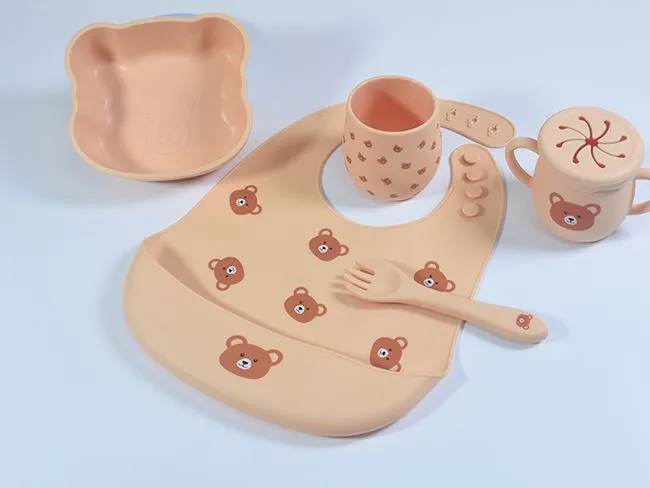
These silicone feeding sets for babies and children have everything you need for meals and are made to help them learn how to eat. Standard items in these sets include silicone bibs, plates with dividers, bowls with suction sides, drinking cups, sippy cups with lids that stay on, and spoons and forks that are the right size. Everyone in the environment does their own job to make sure that the whole thing is safe and helps kids learn how to eat on their own.
Superior Material Safety and Certification Standards
Safe baby silicone feeding sets for babies are made from 100% food-grade silicone that doesn't contain any BPA, PVC, or phthalates. It is put through a lot of tests to make sure it passes safety standards from other countries, such as the FDA, LFGB, and EN71. It is because of these approvals that the materials don't change when they are cleaned or put in different temperatures. Parents will feel good about the safety choices they make because of this. There are many ways that food-grade silicone is better than regular plastics. It is especially better when it comes to chemical stability and durability. The material is strong from -20°C to 180°C, so you can heat it up in the microwave, clean it in the dishwasher, and put it away in the freezer without it breaking down or giving off chemicals. These sets are safe for babies because they don't change temperature when parents prepare, serve, or clean the food in them.
Enhanced Design Features for Practical Daily Use
These days' silicone feeding sets are well-designed and have features that help parents and other adults who are feeding babies who have common eating problems. Plates and bowls with non-slip suction sides stay put on smooth surfaces, so food doesn't spill and kids are more likely to eat by themselves. Silicone is soft and bendable, so it's gentle on gums and teeth that are still coming in. It's also strong enough to handle busy use by kids. Comfort is a very important thing to think about when making a feeding set. The tools and handles should be just the right size for little hands so they can learn how to hold on well. Separate parts on a plate, keep food from mixing, and encourage kids to try new tastes and textures. This helps them develop healthy eating habits during the early feeding stage, which is very important.
Hygiene and Maintenance Advantages
Good, safe baby silicone feeding sets are made from a single piece of mold that doesn't join together. This means that there are no cracks or holes where bacteria and food particles could get stuck. This part of the design makes it much easier to clean while still meeting the best standards of hygiene. The surface of food-grade silicone isn't porous, so it doesn't soak up spots or smells. Even after being used for a long time with colored or scented foods, it still looks brand new. It's easy to clean silicone feeding sets every day because you can put them in the machine and sterilize them in the usual ways. You can clean it with strong chemicals and sterilize it at high temperatures without harming the material. This means that the whole piece of feeding equipment can be cleaned without changing safety standards or the quality of the material.
Comparing Baby Silicone Feeding Sets: Making Informed Procurement Decisions
It's important to know the pros and cons of silicone vs. other materials when looking at different feeding sets for business or personal use. This way, you can make an educated choice. More and more people are buying things made of silicone because they care about safety and the environment. This changes how people buy things all over the world.
Material Safety and Environmental Impact Analysis
To keep babies safe, silicone food sets are better than plastic ones, especially when it comes to being chemically stable and lasting a long time. Some plastic feeding things may have chemicals in them that are harmful and can sometimes get into food. On the other hand, food-grade silicone doesn't react with chemicals when it's used normally. This security makes sure that the product is safe for its whole life, so you don't have to worry about it breaking down or getting contaminated. More and more, things in the surroundings affect what people buy. Silicone feeding sets are good for the earth. Products made of silicone last longer than those made of plastic because they don't break, bend, or break down as quickly. You can also use them over and over again. This makes the product last longer, so it doesn't need to be replaced as often. This is good for businesses and customers who care about the environment.
Functional Design and Performance Evaluation
When it comes to key functional areas, silicone feeding sets often work better than plastic alternatives. Because silicone is flexible, it can be used to make new designs with unique features like storage choices that can be folded up and better grip surfaces that make the user experience better. Temperature resistance lets you use it in a lot of different ways, from offering hot food to helping babies who are teething feel better. Another area where silicone goods usually do better than plastic alternatives is how well they work as a suction base. Silicone's qualities make it stick better to smooth surfaces while still being easy to remove when the right amount of pressure is applied. This performance balance helps kids have more enjoyable meals and learn how to feed themselves on their own.
Cost-Effectiveness and Value Considerations
Even though a silicone baby feeding set OEM may cost more at first than basic plastic alternatives, the total cost of ownership usually works out better for silicone goods because they last longer and need less replacement. Quality silicone feeding sets are long-lasting, so they can be used with more than one kid or keep working well after being used in a business setting for a long time. This makes them a better value over time. Silicone feeding sets are usually priced at a higher level at wholesale because the materials are more expensive, but buyers who buy in bulk can get big savings. Distributors and retailers often decide that the higher initial investment is worth it because of the higher profit margins and happier customers that come with high-quality silicone goods. This is especially true in markets where safety and quality are the main reasons people buy.
Best Practices for Sourcing Baby Silicone Feeding Sets
To buy baby silicone feeding sets successfully, you need to carefully look at the supplier's skills, product details, and service offers to make sure the best results for your business and customer satisfaction. Because foreign trade in baby products is so complicated, it's important to do your research and communicate clearly throughout the sourcing process.
Supplier Evaluation and Selection Criteria
Identifying reliable suppliers begins with verifying their certifications and manufacturing capabilities relevant to baby product production. Reputable suppliers maintain current certifications for food-grade silicone processing and demonstrate compliance with international safety standards through third-party testing documentation. Manufacturing facility inspections or audit reports provide valuable insights into quality control processes and production consistency. Production capacity assessment ensures that potential suppliers can meet both immediate and future volume requirements while maintaining quality standards. Suppliers with flexible production capabilities can accommodate varying order sizes and seasonal demand fluctuations, providing valuable partnership stability for growing businesses. Communication responsiveness and technical support capabilities often distinguish superior suppliers from basic manufacturing providers.
Customization Options and Brand Development Support
Modern providers of silicone feeding sets offer a wide range of customization options that help brands stand out and find their place in the market. Companies can make product lines that appeal to their target customers by printing logos on them, matching colors to brand rules, and customizing the packaging. Advanced sellers offer design consulting services that help make product features work best for certain groups of people or uses. Different suppliers have very different minimum order amounts for customization. Some offer flexible small-batch production to help test products and make sure they are marketable. This flexibility is especially helpful for new businesses and brands that are growing and need to keep an eye on inventory risks while looking for new product possibilities. Custom packaging choices can improve how items look in stores and help with strategies for positioning products as premium.
Quality Assurance and Risk Management
Putting in place thorough quality assurance protocols protects a business's image, keeps customers happy, and lowers its risk of being sued. For each batch or shipment, suppliers should give full certificates for the materials used, records of the production process, and test results for the finished product. Quality audits and sample testing done on a regular basis help keep standards uniform over the course of a supplier relationship. Risk management plans should include things like possible problems in the supply chain, differences in quality, and changes to the law that could affect the sale or compliance of a product. Building relationships with several qualified suppliers gives you backup choices and encourages price competition, which leads to better service and lower costs. Clear contractual terms about quality standards, release dates, and how to solve problems help stop and deal with problems before they happen.
Conclusion
Silicone baby feeding set OEM is an important tool for today's child development because it is the safest, most durable, and most useful for the baby, young child, and toddler eating stages. Because they are made of food-grade silicone and have thoughtful design elements and useful functions, these items are great investments for parents, caregivers, and companies that serve the childcare market. Quality feeding sets help kids learn how to eat healthily and give parents peace of mind by meeting strict safety standards and getting certifications. More and more people around the world are choosing silicone over traditional plastic options. This is because people are becoming more aware of safety and environmental issues that affect buying decisions.
FAQ
1. Are baby silicone feeding sets completely safe and BPA-free?
Reputable baby silicone feeding sets are manufactured from 100% food-grade silicone that is completely BPA-free, PVC-free, and phthalate-free. These products undergo rigorous third-party safety testing and maintain certifications from recognized authorities such as the FDA, LFGB, and EN71. The pacifier-grade silicone used in quality feeding sets remains chemically stable across normal use conditions, ensuring consistent safety throughout the product lifecycle.
2. How should I clean and maintain silicone feeding sets?
Silicone feeding sets offer exceptional ease of maintenance due to their non-porous, seamless construction. These products are fully dishwasher-safe and can withstand high-temperature sterilization methods. Hand washing with warm soapy water effectively removes food residues, while the material's resistance to staining and odor absorption maintains a fresh appearance over time. Avoid harsh abrasives that might damage the surface texture.
3. What are typical production lead times and minimum order quantities for custom orders?
Production lead times vary depending on customization requirements and order volume, typically ranging from 2 to 4 weeks for standard customization options such as logo printing and color matching. Minimum order quantities for custom Baby Silicone Feeding Set orders generally start at 500-1000 pieces, though some manufacturers offer flexible small-batch production for initial market testing. Complex customization requirements may require longer lead times and higher minimum quantities.
4. Can silicone feeding sets withstand high temperatures and microwave use?
Quality silicone feeding sets demonstrate excellent temperature resistance, typically withstanding temperatures ranging from -20°C to 180°C without degradation or deformation. This temperature stability makes them suitable for microwave heating, dishwasher cleaning, and freezer storage. However, always verify specific temperature ratings with manufacturers and avoid direct contact with open flames or extremely high-temperature surfaces.
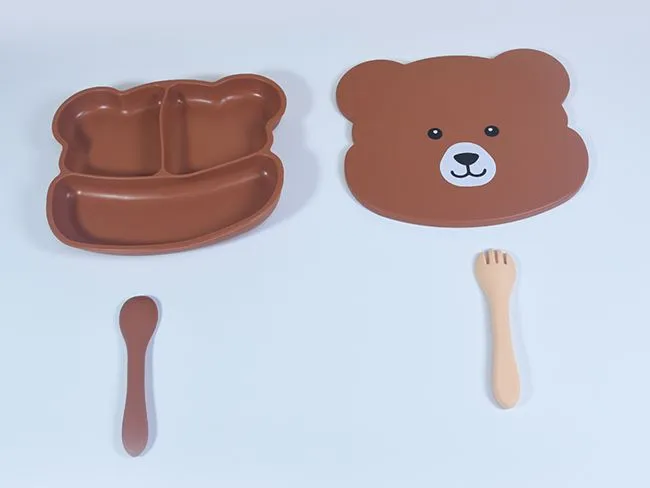
Partner with Qosun for Premium Baby Silicone Feeding Set Solutions
Qosun stands ready to support your business growth with our comprehensive Baby Silicone Feeding Set manufacturing and customization services. Our proven track record serving global markets, combined with flexible production capabilities and responsive customer service, makes us an ideal supplier for distributors, OEM partners, and retailers seeking reliable feeding product solutions. We invite you to explore our complete product portfolio and discuss your specific requirements with our experienced team. Contact us at qosun@qosun.com to request product samples, detailed specifications, and personalized quotations that align with your business objectives.
References
1. American Academy of Pediatrics Guidelines for Baby-Led Weaning Safety Considerations and Feeding Equipment Standards, Pediatric Nutrition Journal, 2023.
2. International Food Safety Authority Assessment of Silicone Material Safety in Infant Feeding Applications, Food Contact Materials Research, 2022.
3. Consumer Product Safety Commission Analysis of BPA-Free Materials in Children's Feeding Products, Safety Standards Review, 2023.
4. European Food Safety Authority Evaluation of Food-Grade Silicone Compliance and Testing Protocols, Materials Safety Assessment, 2022.
5. World Health Organization Guidelines for Safe Complementary Feeding Practices and Equipment Selection, Global Nutrition Standards, 2023.
6. Journal of Pediatric Development Research on Independent Feeding Skill Development Using Appropriate Feeding Tools, Child Development Studies, 2022.