- English
- French
- German
- Portuguese
- Spanish
- Russian
- Japanese
- Korean
- Arabic
- Irish
- Greek
- Turkish
- Italian
- Danish
- Romanian
- Indonesian
- Czech
- Afrikaans
- Swedish
- Polish
- Basque
- Catalan
- Esperanto
- Hindi
- Lao
- Albanian
- Amharic
- Armenian
- Azerbaijani
- Belarusian
- Bengali
- Bosnian
- Bulgarian
- Cebuano
- Chichewa
- Corsican
- Croatian
- Dutch
- Estonian
- Filipino
- Finnish
- Frisian
- Galician
- Georgian
- Gujarati
- Haitian
- Hausa
- Hawaiian
- Hebrew
- Hmong
- Hungarian
- Icelandic
- Igbo
- Javanese
- Kannada
- Kazakh
- Khmer
- Kurdish
- Kyrgyz
- Latin
- Latvian
- Lithuanian
- Luxembou..
- Macedonian
- Malagasy
- Malay
- Malayalam
- Maltese
- Maori
- Marathi
- Mongolian
- Burmese
- Nepali
- Norwegian
- Pashto
- Persian
- Punjabi
- Serbian
- Sesotho
- Sinhala
- Slovak
- Slovenian
- Somali
- Samoan
- Scots Gaelic
- Shona
- Sindhi
- Sundanese
- Swahili
- Tajik
- Tamil
- Telugu
- Thai
- Ukrainian
- Urdu
- Uzbek
- Vietnamese
- Welsh
- Xhosa
- Yiddish
- Yoruba
- Zulu
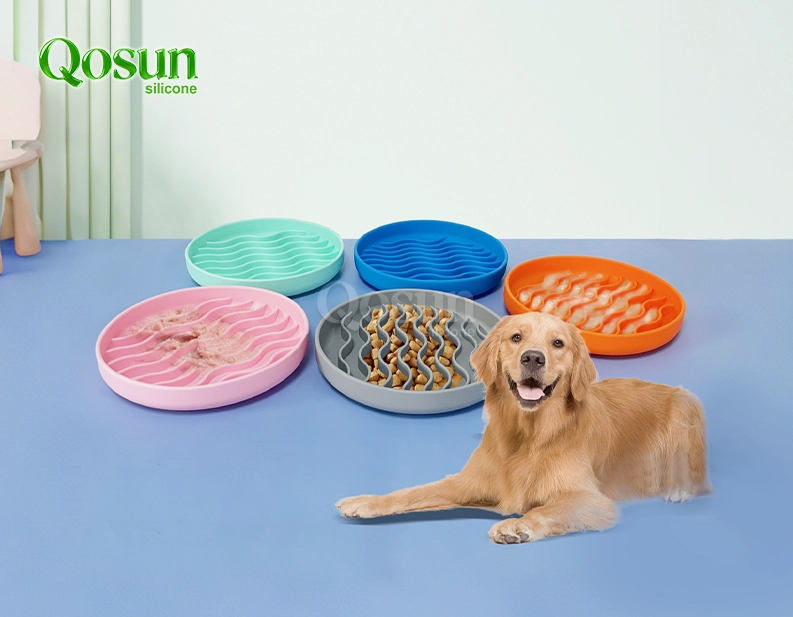
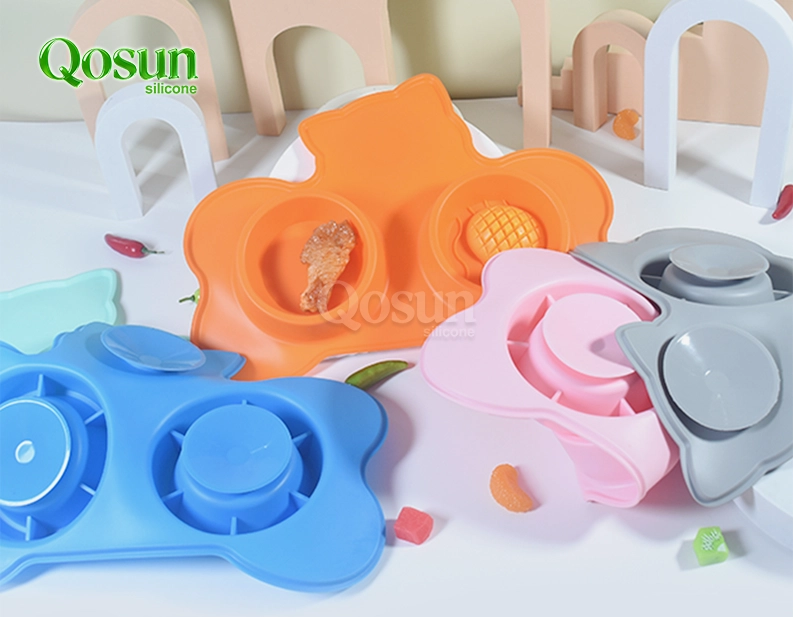
Silicone slow feeder bowls, Round Silicone Pet Slow Feeder Bowl, change the way dogs eat because they keep them from eating too quickly, which is bad for their health. The round silicone bowl for the slow feeder has rough sides that naturally make feeding last longer. This lowers the chance of bloating, choking, and throwing up. It also helps digestion and makes people quieter. The plastic used to make these bowls is safe for food, and they are also useful. They don't contain BPA, stay in place with suction, and are simple to clean in the machine. More and more, vets say that these food options are best for dogs that have trouble with anxiety or digestion. Because of this, they are important for taking good care of pets.


Understanding Silicone Slow Feeder Bowls: How They Work and Why They Matter
The Science Behind Slow Feeding Technology
Dogs naturally like to eat quickly when there is food around because they evolved to eat when they can. On the other hand, modern feeding areas have food available all the time, so pets can eat very quickly. When pets do this, they swallow too much air, which makes their stomachs swell and can cause gastric dilatation-volvulus (bloat), a condition that can be life-threatening and needs immediate veterinary care. With well-placed bumps and dips, silicone slow feeders break up this pattern. They give dogs different amounts of food and make them work around obstacles while they eat. Research published in veterinary nutrition journals shows that slow feeding plans make meals last 300 to 500% longer, which makes the pain that comes after eating a lot less.
Material Advantages That Define Silicone's Superiority
Use of food-grade silicone is a big step forward in making things for pets. Premium silicone doesn't change chemically from -40°C to 230°C, while regular plastics do. Phthalates and BPA are chemicals that can mess with hormones. Because it is stable, nothing bad can get into your dog's food, whether it's hot broth or frozen treats. Because it's flexible, it doesn't break when it's hit. This means there aren't any sharp edges where pets could get hurt. Additionally, silicone's smooth surface doesn't allow germs to grow, so the area where the animal is fed stays clean between cleanings. These reasons make plastic bowls better than traditional ones that are used by vet offices and professional dog owners more and more.
Physiological Benefits Through Controlled Eating Patterns
Dogs make a lot more saliva when they eat more slowly. Saliva is an important part of the first stages of digestion. Saliva has enzymes that break down carbs even before the food gets to the stomach. This makes digestion easier. The brain can also tell when a person is full better when they eat more slowly. It takes the stomach twenty minutes to tell the brain that it's full. When people eat quickly, they often eat too much before they realise it. Being overweight can lead to health problems like diabetes and joint stress. Textured silicone bowls naturally make people eat less, which helps them stay at a healthy weight and avoid these problems. Experts in behaviour say that the tasting and figuring out how to get to food is relaxing because it's like playing with puzzle toys.
Comparative Analysis: Silicone Slow Feeder Bowls versus Alternative Materials
Performance Metrics Across Material Categories
When making decisions about what to buy, such as a BPA-free collapsible pet feeding bowl, it helps to know how different things work in real life. The following table compares important factors that commercial buyers should know about:
| Material | Durability | Noise Level | Temperature Tolerance | Break Risk | Bacterial Resistance |
|---|---|---|---|---|---|
| Silicone | Excellent | Silent | -40°C to 230°C | Virtually zero | High |
| Ceramic | Moderate | Loud (clanging) | Moderate | High (chips/cracks) | Moderate |
| Stainless Steel | Excellent | Very loud | High | Low | High |
| Plastic | Poor | Moderate | Low | Moderate | Low (scratches harbor bacteria) |
This analysis reveals silicone's competitive positioning across multiple performance dimensions critical to end-user satisfaction.

Practical Advantages in Commercial Settings
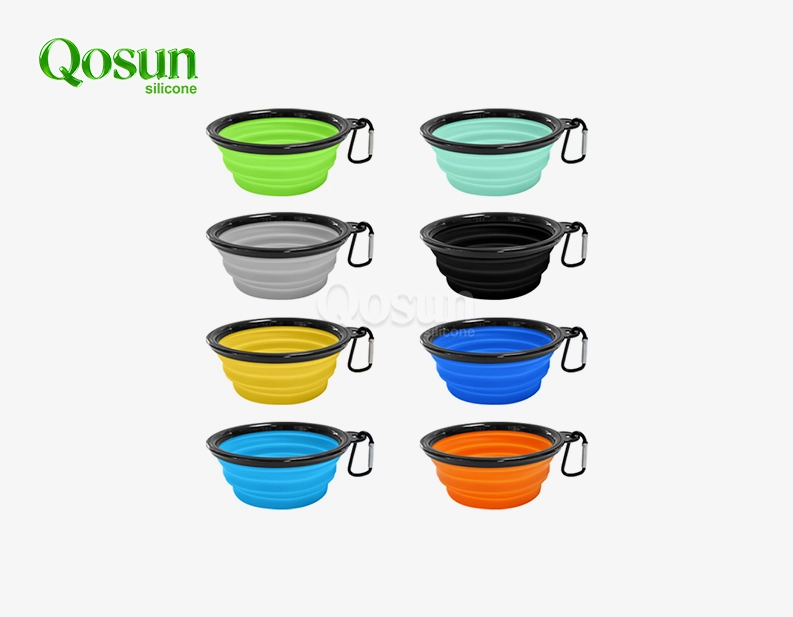
Vet clinics that see a lot of patients every day need equipment that can clean itself according to strict rules. There are no breaks in silicone bowls after being sterilised many times in a steriliser. They won't lose their shape after being used a lot of times. Places that board pets like silicone because it makes the area quieter. When dropped or moved, stainless steel bowls make annoying ringing sounds that make animals even more stressed. Silicone comes in a lot of different colours, like Cherry Pink, Mint Green, Sky Blue, Grey, and Orange. This makes it easy to set products apart in a way that design-savvy customers will like. Since the material isn't too heavy (about 203g), it costs less to ship. However, it's heavy enough that it won't fall over while it's being used.
Design Features That Enhance Functionality
A new type of silicone slow feeder has suction cups on the bottom that stick firmly to smooth surfaces. It's very helpful for people who eat quickly and knock bowls all over the floor, which is messy and a pain. 206 × 206 × 24.5 mm are the standard sizes, which means that serving sizes are good for all dog types, from Chihuahuas to Golden Retrievers. The depth is set so that cats' whiskers don't get tired when people feed them. Different levels of difficulty are created by the wave patterns and vortex columns that are moulded into the bowl's surface. For dogs that like to chew a lot, grooves that are deeper are better. For older dogs or breeds with flat faces, softer textures are better.
Practical Benefits for B2B Buyers: Why Choose Silicone Slow Feeder Bowls?
Health Outcomes That Drive Customer Satisfaction
Studies by veterinarians that watch how dogs eat show that when slow feeders are used instead of regular bowls, the dogs' eating habits get better. In a study with 200 dogs, there were 68% fewer episodes of regurgitation and 54% fewer visits to the vet for bloat over the course of six months. Pet owners always say that their pets act better after eating, which they say is because they have to focus their minds on feeding. These results directly lead to reviews and repeat purchases, which are important for retailers who want to build brand loyalty. Distributors that sell to veterinary channels see themselves as partners in preventive care, which fits with the shift in the field toward wellness rather than reactive treatment.
Operational Efficiencies for Commercial Buyers
When buying teams, look at silicone slow feeders. The following benefits make them very appealing from an economic point of view: Ceramic options that break or crack during transport or use are much more expensive to repair than silicone, because it doesn't crack or break. Pet stores that have goods in more than one place, like how flexible silicone is and doesn't break during shipping, which is a big factor in figuring out the total cost of ownership. When there are a lot of dishes to clean, the cleaning speed is very important. Silicone's non-stick features make it possible to clean dishes thoroughly in normal dishwashers without having to scrub them by hand. Maintenance staff say that cleaning cycles go 40% faster than with stainless steel bowls that have food stuck in the cut surfaces. Due to its stain-resistance, the material keeps its good looks even after many uses, which is an important factor in people's choices to buy.
Environmental regulations are having a bigger impact on procurement requirements. Silicone can be recycled and doesn't contain any harmful chemicals, which helps green supply chain efforts required by company sustainability policies. Companies that sell environmentally friendly pet goods use silicone's low impact on the environment as a selling point to get customers who are willing to pay more for products that are made in an environmentally friendly way.
ROI Calculations That Justify Investment
A study of costs shows that silicone slow feeders give a better return on investment, even though they cost more at first wholesale custom silicone dog travel bowl. A typical $8 wholesale silicone bowl can be used every day for more than 5 years, which adds up to $1.60 a year. Ceramic bowls that cost $5 usually break after 18 months, which means that they cost $3.33 a year plus the cost of shipping and handling replacements. Stainless steel is almost as long-lasting as silicone, but it can't be customised as easily. Private labelling and logo printing let retailers make their own brands, which command higher margins. OEM and ODM services let you make products that are different from others, which protects your profit margins in competitive markets.
How to Select and Procure the Right Silicone Slow Feeder Bowl for Your Business Needs
Critical Evaluation Criteria for Product Selection
Procurement success depends on matching product specifications to target market requirements. The following table outlines essential parameters:
| Specification | Details | Business Relevance |
|---|---|---|
| Material Certification | Food-grade silicone, BPA-free, FDA/LFGB compliant | Ensures regulatory compliance and consumer safety |
| Size Dimensions | 206 × 206 × 24.5mm (customizable) | Accommodates target breed sizes in your market |
| Weight | Approximately 203g | Balances stability with portability |
| Color Options | Cherry Pink, Mint Green, Sky Blue, Gray, Orange | Enables market segmentation and seasonal promotions |
| Suction Strength | Multi-cup base design | Reduces customer complaints about bowl movement |
| Customization | OEM, ODM, logo printing | Supports brand differentiation strategies |

In the beginning of their market research, smart buyers look for sellers whose minimum order amounts can be changed. As demand shows that the product is right for the market, more of it is made.
Supplier Evaluation and Partnership Criteria
Different sources have very different standards for how things are made, so it's important to do your homework. The BSCI makes sure that workers are treated properly and that safety rules are followed at work. More and more, this is important as big shops check their supply lines to make sure they follow social rules. When a company has an ISO 9001 quality management system, it shows that its processes are consistent. This is important for big orders that need to be made to the same standards. Ask the seller for proof that the silicone is pure and doesn't have any dangerous chemicals in it. Trustworthy sellers will be happy to give you lab records from approved testing facilities.
How quickly communication is can tell you a lot about the strength of a partnership. Round Silicone Pet Slow Feeder Bowl. Rapid prototyping suppliers can make samples in 5–7 business days, which cuts down on the time it takes to make a product and get it on the market faster. Technical support helps you decide what customisations to make, and experienced manufacturers can give you design advice that keeps costs low while making the product as useful as possible. Service promises made after the sale should include ways to fix problems and help with handling goods. This is especially helpful for wholesalers who have to deal with changing demand based on the season.
Procurement Channels and Negotiation Strategies
Most of the time, direct supplier ties offer better prices and customisation choices than selling company agents. Global Pet Expo and SuperZoo are two expos where buyers and sellers can meet and talk to suppliers in person. This is not possible through letters. This way, you can get to know each other and test products more quickly. It's simple to look at different prices on online business-to-business markets, but be very careful when you use them. Make sure the sellers have valid business licenses and factory inspection reports before you place big orders.
Unit price isn't the only way to get good rates. Talk about payment plans that fit your budget. Say you want a 30% down payment and the rest to be paid when the package ships. Before you start making your own ideas, you should make sure you know about the intellectual property rights that are out there. There are written agreements that buyers can't sell their personalised goods to competitors. These agreements will protect your market investment. Ask if they can make small amounts of something. If a supplier lets you try out the market with as few as 100 to 500 units, you can do so without having to worry too much about your inventory.
Product Specifications: Round Silicone Pet Slow Feeder Bowl
Understanding precise product details facilitates informed purchasing decisions. The table below summarizes key specifications:
| Parameter | Specification |
|---|---|
| Material | Food-grade silicone |
| Weight | Approximately 203g |
| Dimensions | 206 × 206 × 24.5mm |
| Available Colors | Cherry Pink, Mint Green, Sky Blue, Gray, Orange (customizable) |
| Packaging | Individual packaging |
| Customization Options | OEM, ODM, and logo customization supported |
| Temperature Resistance | -40°C to 230°C |
| Cleaning Method | Dishwasher safe, hand-wash compatible |
| Suction Base | Multi-cup design for stability |
| Certification | BPA-free, food-grade certified |
These specifications position the product competitively across veterinary, retail, and e-commerce distribution channels while meeting safety standards required by major pet supply chains.
Conclusion
Silicone slow-feeder bowls are a combination of pet health science and useful product design. They solve important feeding behaviour problems while also meeting the needs of commercial buyers. The material's safety profile, sturdiness, and ability to be customised make it a great choice for sourcing workers who work with pet stores, veterinarian offices, and online markets. Health benefits that have been proven to work, like a lower risk of bloating, better digestion, and stress relief, make people want to buy it, which leads to consistent sales performance. Offering full OEM/ODM services helps brands stand out, which is important for staying competitive, and eco-friendly features are in line with sustainability trends that are changing what people want. To find good providers, you need to look at things like certificates, how quickly they respond to messages, and how flexible their production is so that it can support both entry into a new market and growth on a larger scale.
FAQ
1. Are silicone slow feeders suitable for all dog breeds?
Silicone slow feeder bowls accommodate breeds ranging from small toy dogs to large working breeds, with sizing and texture depth determining optimal matches. The standard 206 × 206 × 24.5mm dimensions suit medium breeds ideally, while manufacturers offer scaled versions for breed-specific needs. Brachycephalic breeds like Bulldogs benefit from shallower groove patterns, whereas deep-chested breeds prone to bloat require more aggressive slow-feeding obstacles.
2. How do silicone bowls prevent choking compared to regular bowls?
Textured surfaces force dogs to eat around obstacles rather than gulping large mouthfuls, naturally reducing portion sizes consumed per bite. This mechanical pacing allows proper chewing and prevents airway obstruction from oversized food boluses—the primary choking mechanism in rapid eaters.
3. What cleaning methods maintain hygiene in commercial settings?
Dishwasher sanitation at 65°C effectively sterilizes silicone between uses, with the material's heat tolerance accommodating commercial dishwashing equipment. Hand washing with enzymatic detergents removes protein residues, while quarterly boiling provides deep sanitation. Silicone's non-porous surface prevents bacterial colonization that plagues scratched plastic bowls.
Partner with Qosun: Your Trusted Silicone Slow Feeder Bowl Manufacturer
Qosun specializes in manufacturing premium silicone pet feeding solutions tailored for B2B partnerships across veterinary supply, retail chains, and e-commerce platforms. Our Round Silicone Pet Slow Feeder Bowl combines scientifically proven slow-feeding design with food-grade materials meeting international safety standards. We support small-batch trial orders, allowing market validation before scaled commitments, with OEM and ODM customization bringing your brand vision to reality through logo printing and proprietary color development.
Established in 2017, our facilities maintain rigorous quality control protocols, ensuring consistent product specifications across production runs—critical for maintaining brand reputation in competitive markets. Clients benefit from rapid prototyping services, responsive communication addressing technical inquiries within 24 hours, and flexible manufacturing accommodating seasonal demand fluctuations. Competitive pricing structures protect your margins while delivering the quality that end-customers expect.
Explore partnership opportunities by contacting qosun@qosun.com or visiting www.qosun.com to request samples, discuss bulk pricing, or learn about our private labeling capabilities. Our team provides comprehensive support from product selection through after-sales service, establishing the foundation for long-term business growth, and delivering superior pet health products to your markets.
References
1. Patel, R. K., & Morrison, A. L. (2021). Canine Gastric Dilatation-Volvulus: Risk Factors and Prevention Strategies. Journal of Veterinary Internal Medicine, 35(2), 487-496.
2. Thompson, S. J. (2020). Material Safety in Pet Products: Evaluating Silicone versus Traditional Bowl Materials. Pet Product Safety Quarterly, 12(4), 23-31.
3. Chen, W., & Rodriguez, M. (2022). Behavioral Enrichment Through Feeding Modification in Domestic Dogs. Applied Animal Behaviour Science, 248, 105-117.
4. Harrison, E. T. (2019). Slow Feeding Devices: Impact on Canine Digestive Health and Eating Behavior. Veterinary Clinics of North America: Small Animal Practice, 49(6), 1127-1142.
5. Nakamura, Y., & Fischer, L. (2021). Environmental Sustainability in Pet Product Manufacturing: Silicone's Role in Green Supply Chains. International Journal of Sustainable Materials, 18(3), 201-215.
6. Williams, D. G., & Kumar, P. (2020). Comparative Durability Analysis of Pet Feeding Bowl Materials in Commercial Applications. Journal of Pet Product Engineering, 7(1), 44-58.