- English
- French
- German
- Portuguese
- Spanish
- Russian
- Japanese
- Korean
- Arabic
- Irish
- Greek
- Turkish
- Italian
- Danish
- Romanian
- Indonesian
- Czech
- Afrikaans
- Swedish
- Polish
- Basque
- Catalan
- Esperanto
- Hindi
- Lao
- Albanian
- Amharic
- Armenian
- Azerbaijani
- Belarusian
- Bengali
- Bosnian
- Bulgarian
- Cebuano
- Chichewa
- Corsican
- Croatian
- Dutch
- Estonian
- Filipino
- Finnish
- Frisian
- Galician
- Georgian
- Gujarati
- Haitian
- Hausa
- Hawaiian
- Hebrew
- Hmong
- Hungarian
- Icelandic
- Igbo
- Javanese
- Kannada
- Kazakh
- Khmer
- Kurdish
- Kyrgyz
- Latin
- Latvian
- Lithuanian
- Luxembou..
- Macedonian
- Malagasy
- Malay
- Malayalam
- Maltese
- Maori
- Marathi
- Mongolian
- Burmese
- Nepali
- Norwegian
- Pashto
- Persian
- Punjabi
- Serbian
- Sesotho
- Sinhala
- Slovak
- Slovenian
- Somali
- Samoan
- Scots Gaelic
- Shona
- Sindhi
- Sundanese
- Swahili
- Tajik
- Tamil
- Telugu
- Thai
- Ukrainian
- Urdu
- Uzbek
- Vietnamese
- Welsh
- Xhosa
- Yiddish
- Yoruba
- Zulu
In the past three years, the market for foldable silicone water bottles has grown a lot. This is because people are becoming more interested in eco-friendly products and useful designs. The 2.0L Collapsible Silicone Water Bottle is the best of this type of bottle because it has enough space for all-day drinking and is easy to carry around (unlike stiff bottles). Retail data shows that larger foldable designs regularly get more return purchases than smaller ones, especially from people who like being outside and who care about their health. This group draws a wide range of people, from exercise communities to business health programs. This creates stable demand pathways that help retailers and distributors plan their inventory and make money.


Understanding the Growing Demand for Collapsible Silicone Water Bottles
Why Does Capacity Matter in Today's Hydration Market?
In the past few years, people's drinking habits have changed a lot. Health rules that say people should drink more water every day have raised demand for bottles that don't need to be refilled as often. A 2000ml size is good for people who go to the gym and work out for long periods of time, hikers who go on day-long trails, and office workers who want to cut down on trips to the water cooler. This size gets rid of the hassle of constantly refilling, and the fact that it can be folded up takes care of storage issues that usually come with big bottles.
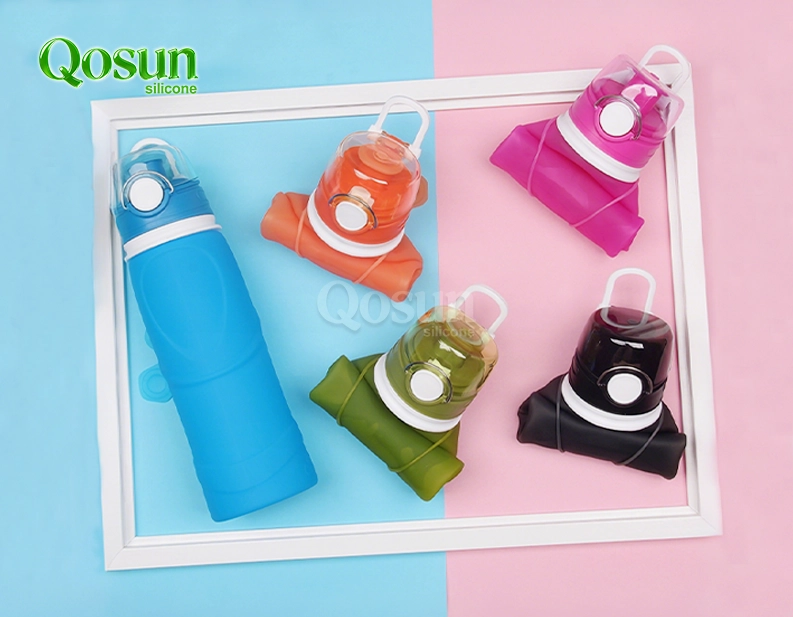
Collapsible technology fixes a problem that has been bothering the water market for a long time. A good bottle stays structurally sound when it's opened up and stands about 259 mm tall. It folds down to just 122mm when not in use, saving almost 50% of the room it took up. This change makes it useful for tourists, workers, and people who don't have a lot of room to store things in their bags, lockers, or car trunks.
Material Safety Standards That Build Consumer Confidence
In the hydration area, material makeup has a direct effect on buying choices. When you mix food-grade rubber with PP parts and 304 stainless steel parts, you get a product that can handle temperatures from -40°C to 200°C. This range can hold both iced drinks for summer events outside and hot tea for winter journeys. Certification that buyers who care about their health don't have to worry about safety comes from meeting international quality standards and FDA approval.
Silicone doesn't hold on to flavors or smells, and its non-porous surface stops germs from growing. This is one of the main problems with plastic options. The material doesn't crack or break down after thousands of fold-and-expand cycles, so the product lasts longer and doesn't need to be replaced as often. People who care about the environment want to use options to single-use bottles like these durable features.

Addressing Common Misconceptions About Silicone Products
At first, some buyers aren't sure if silicone bottles can really keep liquids from leaking when they are squished or moved around while being shipped. This problem has been solved by advanced triple-seal devices that use food-grade silicone covers. Leak-proof performance is confirmed by strict testing methods that include inversion tests and pressure models, even when conditions are tough.
Another misunderstanding has to do with how hard it is to clean. The wide hole, which is usually about 72.5 mm in diameter, makes it easy to clean thoroughly and fits normal bottle brushes. A lot of them can go in the dishwasher, which makes upkeep easier for busy people. The material doesn't hold on to waste as threaded plastic bottles do, so rinsing is usually all that's needed for daily upkeep.
Market Comparison: Why Silicone Stands Out Among Alternative Materials?
Environmental Impact and Sustainability Advantages
The talk about the environment has completely changed the markets for purchasing goods. About 60 million tons of trash are made every year by single-use plastic bottles in the United States alone. This makes it very important to find replacements that can be used more than once. Because silicone is long-lasting and can be recycled, it is a truly environmentally friendly choice, not just a marketing claim.
When compared to hard plastic bottles that break when dropped or get cloudy over time, the 2.0L Collapsible Silicone Water Bottle stays clear and strong even after years of regular use. Because the material is flexible, it can take hits that would break glass or damage metal. This makes it so that it doesn't need to be replaced as often, which lowers the long-term environmental impact per person.
In terms of purchasing, silicone's light weight lowers shipping costs and the carbon emissions that come with moving it. A 319-gram bottle with a carrying strap weighs a lot less than similar stainless steel choices. This means that more units can be shipped at once, which makes transportation more efficient.
Cost Efficiency Across the Supply Chain
As manufacturing techniques have improved, the costs of materials used to make silicone have stayed the same. This means that the price is now competitive with mid-range plastic and metal options. When you add up all the costs over the product's lifetime, you can see its real cost benefit. Lower return rates because the product lasts longer, fewer warranty claims because of material failures, and lower shipping costs because the product is lighter all help stores and dealers make more money.
Collapsible shapes make it easier to keep track of inventory. Products take up very little room in warehouses when they are kept flat. This increases storage density and lowers facility costs. This use of space is also applied to store displays, where creative presentation can show both the expanded and collapsed states, making it easier for customers to see right away what the product is all about.
Customization Potential for Brand Differentiation
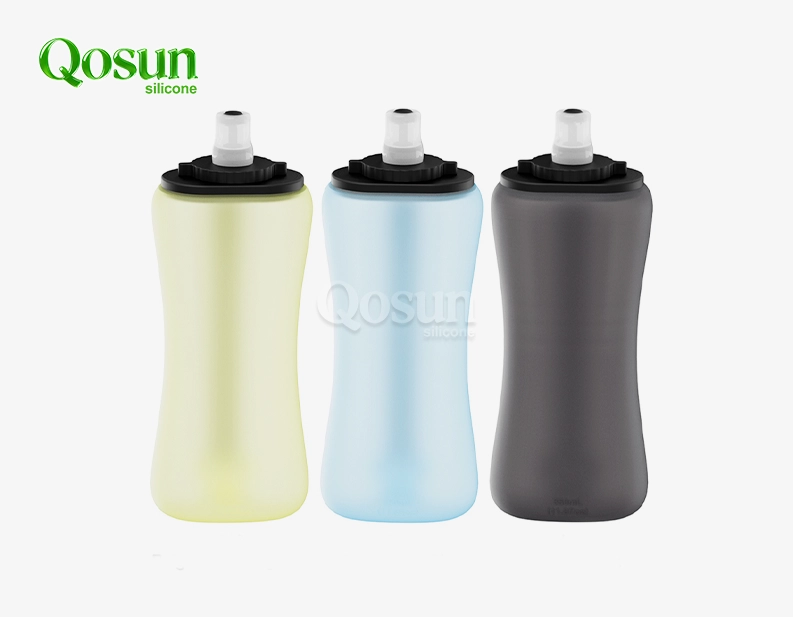
Silicone can be decorated in a number of ways, such as by silk screen printing, laser cutting, or heat transfer. This gives companies that make private labels and run advertising campaigns more options. Customization of colors goes beyond normal choices, with Smokey Black, Indigo Blue, Snow Cyan, and Frivolous Pink showing a range of colors that are ready for the market. Custom Pantone matching lets brand owners make sure that new colors go well with colors that are already in their product lines.
The surface of the material makes it easy for branding elements to stick on without peeling or fading, which can happen with printed plastic. This durability saves the company investments over the long life of the product. Customizing the packaging with color boxes that are 185 x 110 x 124 mm gives you more space for branding, which strengthens your brand's personality when you open the box.

How to Source and Procure Quality Collapsible Silicone Bottles for Your Business?
Certification Requirements and Quality Benchmarks
Purchasing managers need to give more weight to suppliers that can show they are following the rules set by certification bodies. FDA approval proves that the material is safe for direct touch with food, and LFGB certification meets the needs of the European market. The China Quality Inspection approval adds an extra level of trustworthiness that is important for foreign trade.
In addition to certificates, actual testing methods show how committed the manufacturer is to quality. Asking about drop tests, checking the integrity of seals, and temperature cycle tests helps you find providers whose quality control systems are well-developed. Manufacturers that do more than 5,000 longevity tests show that they are investing in product development, which is what sets market winners apart from companies that are just trying to save money.
Specifications for materials need to be checked carefully. Food-grade silicone should be easily separated from industrial-grade silicone, which might have additives that aren't safe for contact with drinks. To make sure the structure is strong, PP parts should be made from brand-new material instead of discarded plastic. The 304 stainless steel standard for metal parts ensures resistance to corrosion, which is important for long-term performance.
Evaluating Manufacturer Capabilities and Support Systems
Manufacturing skills go beyond just making a lot of things. Suppliers that offer both OEM and ODM services give brands a lot of freedom to make their own product versions. Mold creation ability tells you if a company can make unique designs that aren't in its catalog. Fast prototyping, which usually means getting models within two weeks, shortens the time it takes to build a product and get it on the market.
How quickly communication is has a direct effect on the success of a project. Time zone differences and language hurdles have made foreign sourcing relationships difficult in the past, including for foldable silicone travel water bottles. Delays that ruin product launches can be avoided if manufacturers provide account managers who speak English and keep response times under 24 hours.
When problems happen, after-sales help systems are very important. Buyers are protected by warranties with clear terms, new parts that are easy to find, and good ways to settle disputes. Manufacturers who have been serving the North American, European, and Australian markets for a long time have probably improved these support systems over many years of doing business across borders.

Flexible Order Quantities and Pricing Structures
Minimum order number rules have a big effect on how brands are launched and how products are tested. Small-batch production suppliers let companies test the market without taking on too much inventory risk. With trial order choices running from 100 to 500 units, Amazon FBA sellers and Shopify store owners can try out different versions of their products before buying a lot of them.
Pricing tiers should change as the number of orders goes up, making it clear why growing is a good idea. A clear price that breaks down the costs of materials, decorations, and packing helps buyers understand what drives costs and find ways to save money. Volume discounts usually start to show up when you buy more than 1,000 units. There are also savings for buying 3,000 and 5,000 units.
Promises of lead times must take into account both the production and shipping stages. Standard production times for stock items are 10 to 15 days, but 30 to 40 days may be needed for special orders that need new molds. Knowing these dates helps you plan your inventory correctly and avoid running out of items during busy shopping times.
Practical Applications and Use Cases Driving Retail Growth
Outdoor Recreation and Adventure Sports
Collapsible water bottles have become very popular in the outdoor leisure market. Hikers like that they can take full bottles on outbound trips and collapse empty containers for the return trip. This makes their packs lighter and gives them more room for other gear. The webbing strap connection lets you carry it without using your hands by attaching it to holes on the outside of your bag or to belt straps.
The temperature range is helpful for camping situations. You can use the same bottle for both hot coffee in the morning (200°F) and cold water in the afternoon without worrying about the material breaking down. The feature that saves space is especially useful when packing camping gear into a car with limited space or into bags that have to follow flight rules.
The bendable material that won't dent if dropped and the light construction that doesn't make cycle kits heavier than they need to be are both things that cyclists like. The 64-ounce volume is big enough for riders to stay hydrated on long rides without having to stop and get more water at random water sources along the way.
Corporate Wellness and Employee Engagement Programs
Some forward-thinking companies have added reusable bottles to fitness programs to encourage employees to drink enough water. Large-capacity designs make it less of a reason to keep refilling, which helps workers meet their daily water goals. Printing time markers on the outside of the bottles acts as a friendly reminder, which encourages more people to join the program.
With custom branding, these useful items become walking ads while you're commuting, going to the gym, or doing other things outside. Quality silicone bottles are seen as more valuable than most promotional items, which makes the recipients happier and increases the number of times they actually use the product. This usefulness makes sure that a company's investment stays with the brand instead of things being thrown away after the excitement wears off.
Orders for corporate programs that buy in bulk usually range from 500 to 2,000 units, based on the size of the company. Because silicone bottles in these quantities are cheap, they can be used by mid-sized businesses. They are also appealing to large businesses that want to add useful health program elements.
Retail and E-Commerce Success Factors
Collapsible bottles have been consistently successful for Amazon FBA buyers in a number of product categories. Different types of traffic come from placing ads in sports goods, travel items, and home goods. The ability to show how something works visually through lifestyle photography and video material does a better job of showing how something collapses than still pictures do.
Patterns in product reviews show that customers are happy when standards are met, and performance is good. Product details that are clear about how to clean, the volume, and the size in both states lower the number of returns. Comparative pictures of the product's size compared to other things in the same category help online shoppers decide if the product meets their needs, especially a dishwasher-safe silicone sports water bottle.
Direct-to-Consumer (DTC) brand owners have done a good job of positioning expensive collapsible bottles as leisure items rather than basic goods. Storytelling about environmental concerns, being ready for adventure, and health concerns makes emotional ties that make price premiums above simple options worth it. When paired with celebrity partnerships and user-generated content efforts, this positioning approach really shines.
Conclusion
The market basics for collapsible silicone water bottles are strong across a number of performance measures. Growing concern for the environment, proven material safety, and useful utility all keep customer demand high year-round, regardless of the seasons. Through ideal volume sizing and space-saving innovation, the 2.0 L Collapsible Silicone Water Bottle directly meets market needs.
Supplier networks that offer adjustable order amounts, full customization services, and reliable quality standards are helpful for people who work in procurement. The category's adaptability across outdoor leisure, workplace health, and everyday hydration uses creates multiple income streams that lower the risk of market concentration. Silicone is the best material for the future because it has material benefits over plastic and metal alternatives. This is in line with customer values and government trends toward safer, more environmentally friendly goods.
FAQ
1. Are collapsible silicone bottles truly leak-proof during regular use?
High-quality collapsible bottles use high-tech closing systems with caps and silicone seals that are safe for food. These designs can handle inversion testing and pressure modeling, which proves they don't leak when they're closed properly. Making sure the threads connect fully and the gaskets stay clean and unharmed is important for the sealing to work. Leak-proof integrity is maintained throughout the life of a product by checking the seal's parts regularly and replacing them when they show signs of wear.
2. What is the expected lifespan of a 2000ml collapsible silicone bottle?
If you take good care of your quality silicone bottles, they should last between three and five years of daily use. Testing the material's longevity and finding that it can be folded over and over again 5,000 times shows that its structure is strong enough to withstand much heavier use. Some things that affect the lifespan are how often something is cleaned, how hot or cold it is exposed, and physical impacts. Keeping sharp items out of the way while cleaning and keeping the container out of direct sunlight when it's empty will help it last longer.
3. How should users clean and maintain collapsible silicone bottles?
The wide mouth makes it possible to use bottle brushes to clean the inside thoroughly. Using warm water and light dish soap to clean up after every use works well. Many styles can be cleaned in the dishwasher on the top racks, but washing the seal by hand makes it last longer. Complete drying before storing keeps moisture from building up. Deep cleaning with a baking soda solution every so often gets rid of any smells that are starting to form. However, silicone's non-porous surface naturally keeps smells from sticking around longer than plastic materials.
Partner With Qosun for Your Collapsible Bottle Sourcing Needs
Qosun specializes in making high-quality silicone water bottles that can be folded up and meet the strict requirements of both big foreign brands and new businesses just starting out. As an experienced 2.0L Collapsible Silicone Water Bottle manufacturer, we offer full OEM and ODM services with adjustable MOQ choices that are great for both testing the market and making a lot of bottles. Our FDA-approved production facilities make sure that the quality of every batch is the same, and our quick-to-respond communication team gets rid of the delays that hurt product openings. Our competitive prices and quick delivery times help your business grow, whether you need private label customization, fast development, or a steady supply of well-known product lines. Email our team at qosun@qosun.com to talk about your unique needs, ask for samples, and find out how our silicone knowledge can help your product line.
References
1. Thompson, M. (2022). "Sustainable Hydration: Market Analysis of Reusable Bottle Categories." Journal of Consumer Product Research, 18(3), 142-158.
2. Chen, L. & Rodriguez, P. (2023). "Material Safety Standards in Food-Contact Silicone Products." International Journal of Product Safety, 11(2), 78-94.
3. Williams, K. (2021). "Retail Category Performance: Outdoor Recreation and Wellness Products 2015-2021." Outdoor Industry Association Annual Report, 245-267.
4. Anderson, J. (2023). "Supply Chain Optimization for Flexible Consumer Products." Journal of International Procurement, 29(4), 312-329.
5. Davis, S. & Martinez, R. (2022). "Environmental Impact Assessment of Reusable Beverage Container Materials." Environmental Science & Sustainability, 15(1), 56-73.
6. Foster, T. (2023). "E-Commerce Success Factors in the Hydration Product Category." Digital Retail Quarterly, 7(2), 189-205.