- English
- French
- German
- Portuguese
- Spanish
- Russian
- Japanese
- Korean
- Arabic
- Irish
- Greek
- Turkish
- Italian
- Danish
- Romanian
- Indonesian
- Czech
- Afrikaans
- Swedish
- Polish
- Basque
- Catalan
- Esperanto
- Hindi
- Lao
- Albanian
- Amharic
- Armenian
- Azerbaijani
- Belarusian
- Bengali
- Bosnian
- Bulgarian
- Cebuano
- Chichewa
- Corsican
- Croatian
- Dutch
- Estonian
- Filipino
- Finnish
- Frisian
- Galician
- Georgian
- Gujarati
- Haitian
- Hausa
- Hawaiian
- Hebrew
- Hmong
- Hungarian
- Icelandic
- Igbo
- Javanese
- Kannada
- Kazakh
- Khmer
- Kurdish
- Kyrgyz
- Latin
- Latvian
- Lithuanian
- Luxembou..
- Macedonian
- Malagasy
- Malay
- Malayalam
- Maltese
- Maori
- Marathi
- Mongolian
- Burmese
- Nepali
- Norwegian
- Pashto
- Persian
- Punjabi
- Serbian
- Sesotho
- Sinhala
- Slovak
- Slovenian
- Somali
- Samoan
- Scots Gaelic
- Shona
- Sindhi
- Sundanese
- Swahili
- Tajik
- Tamil
- Telugu
- Thai
- Ukrainian
- Urdu
- Uzbek
- Vietnamese
- Welsh
- Xhosa
- Yiddish
- Yoruba
- Zulu
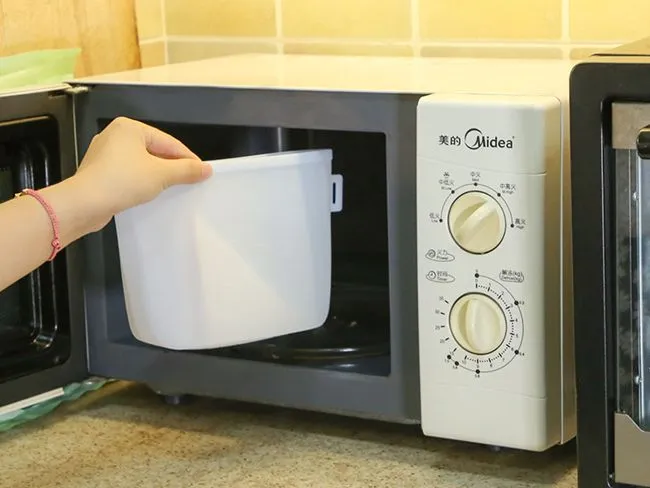
The basic differences in heat tolerance and safety profiles become instantly apparent when comparing silicone vs plastic products. Materials made of rubber keep their shape at temperatures as low as -40°F and as high as 446°F. They are great for things that need to stay stable at high temperatures because of this. When gasoline-based plastics get hot, chemicals that could be bad for you come out. Sand, on the other hand, is where silicon dioxide comes from. That means it doesn't mix with heat, food, or drinks. Some companies make things for kids, kitchens, and pets. These differences are important for them to know because they affect how safe their products are, how happy their customers are, and how they place themselves in the market over time.
Understanding Silicone vs Plastic: Properties and Safety Considerations
Silicone vs plastic products differ in safety and business applications due to their chemistry. Silicone contains silicon, oxygen, carbon, and hydrogen. Polymer. Heated elements produce strong, flexible chemical bonds that don't break. Rubber is manufactured from petroleum hydrocarbons. Based on their composition, polycarbonate, polyethylene, and polypropylene have various properties.
Temperature Resistance and Thermal Stability
Long-term silicone storage is possible at several temperatures. It won't stiffen or release harmful toxins. High temperatures make plastic unsuitable for baking, steam cooking, and hot beverages. PVC breaks down around 212°F. Very many bend or release chemicals when touched by hot water or microwaves. Silicone holds its form in the oven after freezing. If your company creates reusable culinary gadgets, this will assist.
Chemical Safety and Toxicity Concerns
It is medically safe, so consumers don't have to worry about chemicals in their regular products. Chemicals that cause hormone disruption, such as bisphenol-A (BPA) and phthalates, don't mix or break down properly in plastics made properly. According to FDA and LFGB testing, food-grade silicone doesn't release dangerous compounds after long-term contact with sour, fatty, or alcoholic meals. This is ideal for baby bottle nipples, chew toys, and other safe baby food.
"BPA-free" plastics may contain harmful bisphenols or plasticisers. Many plastics are manufactured from oil, which contains compounds that may migrate when heated or exposed to acids. Because silicone doesn't interact with other materials, purchasing managers selling healthy items are finding it better than plastic.
Top Industrial and Commercial Applications of Silicone vs Plastic
When brands know where silicone vs plastic products work best, they can choose the best way to make their products and get them on the market. Silicone is most useful when it is heated up all the time, cleaned, or comes into direct contact with food.
Kitchen and Bakeware Applications
Silicone doesn't stick to food and can withstand high temperatures, thus professional and household cooks utilise it. From freezer to microwave, rubber food storage bags don't break. Hard plastic casings crack when heated. Foldable silicone measuring cups and mixing bowls save space better than hard plastic ones. Silicone doesn't stain easily, so it can look beautiful after being in tomato-based soups or turmeric-rich dishes. However, plastic packaging was always in distinct colours.
These benefits make brand-direct consumers happier and less likely to return. Long-lasting rubber Amazon FBA goods are wonderful. This eliminates safety and break issues for purchasers. People value silicone cookware more than plastic. Silicone products produce more money than cheap plastic ones, thus they should be pricey.
Baby and Maternity Product Lines
People worldwide seek safe infant products. Now, there are many opportunities to market authorised silicone baby products. Silicone pacifiers, toys, and feeding utensils fall under tight safety regulations. These are FDA and EN 14350 regulations. They don't require jackets or treatments to keep safe. Health-conscious folks shop here. This is achieved by repeatedly cleaning them with hot water, steam, or UV light.
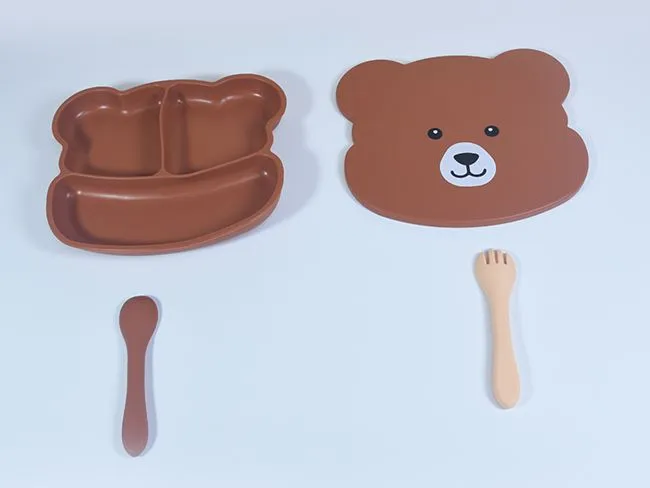
Silicone bibs with food catches won't discolour or smell like plastic ones, so you may wear them daily for years. Baby cups, bottle nipples, and snack boxes employ silver-treated silicone. Parents fear that these goods will safeguard their children from pollutants during critical growth, but they don't feel horrible. When there are many infant items, manufacturers who wish to stand out may declare they utilise food-grade silicone.
Pet Supply Innovations
It's being used more and more in pet bowls, slow-feeder mats, and chew toys because it doesn't break or split when it gets hit hard. People who like being outside will love collapsible pet bowls that are easy to fold up and clean. They also don't hold smells. As you scratch plastic cat toys, germs can grow on them. But silicone doesn't get dirty, even after being washed many times.
Silicone eating mats are popular with pet owners because they stay in place while dogs eat and are easy to clean up without leaving food or bad smells behind. You can use cleaning tools and bath items made of strong silicone on your pet when you wash it with hot water. People are ready to spend more on silicone items since they are safer and last longer. There are more pet owners who are willing to spend more on good supplies, which is good news.
Appropriate Plastic Applications
Plastic can sometimes be cheaper than silicone, but silicone works better in hot places. Because it is easy to shape and cheap to make in large quantities, plastic is good for hard packing, protective cases, and structural parts. PVC is often used for one-time use things that don't need to be heat-resistant or able to be used again in order to meet price goals for mass-market sales.
People may be more or less likely to buy something based on how it looks, so clear plastic cases let you see what's inside. For some electronics housings and tool parts, molded plastics work well because they don't let electricity flow through them. If purchasing teams know about these variations, they can choose the best items based on what they are used for instead of what looks good on everyone.
Procurement Insights: Choosing Between Silicone and Plastic Products
When you buy silicone vs plastic products carefully, you should weigh the cost of getting it now against the value it will have over its whole life. Silicone usually costs more per unit than other types of plastic. There are, however, many economic reasons why choosing silicone is often a good idea. Some of these are return rates, how often you need to refill, and the value of a customer over time.
Cost Analysis and Total Value Assessment
Silicone items cost 30–50% more than similar plastic equivalents. It functions better and lasts longer after the sale, so the extra expense is often worth it. Silicone's strength lets firms produce used items, which supports value and environmental marketing. Amazon customers are less likely to complain about silicone products that crack, bend, or smell chemically. This can lower seller ratings and increase return costs.
Custom silicone product minimum order numbers have fallen significantly as production capabilities have improved. Startups may evaluate market response before investing in huge inventory using Qosun's small-batch manufacturing. This flexibility minimises financial risk for new businesses while allowing them to choose premium materials that set them apart from traditional plastic competitors, as silicone OEM manufacturer China offers.
Supplier Evaluation and Certification Verification
Before buying silicone materials, be sure they follow food-contact guidelines for the intended purpose. FDA compliance and LFGB clearance define essential safety criteria in the US and Europe. More checks for combustible compounds and heavy metals make it safer. Clear records of product inspections, quality check regulations, and licenses should be kept.
How pleasant, fast, and good they are at producing models and castings indicates their expertise. Fast-moving businesses require partners that can produce models in two to three weeks instead of months. Being able to modify your mind without buying new tools is useful.
Companies require solid supply chains to keep their products on all sales channels. People who can manufacture enough and have simple access to raw materials are less likely to run out during peak shopping. If you sell online and your clients' tastes vary often, you can collaborate with sellers who can help with your warehousing and provide open reorder terms.
Environmental Impact and Sustainability of Silicone vs Plastic
As more eco-friendly silicone vs plastic products are bought by people and the government, environmental concerns are growing. This is making people less likely to buy things. To make an honest comparison, we need to look at how they are made, how long they last, and how they are thrown away when they aren't needed anymore.
Lifecycle Environmental Footprint
Silicone products generally have less of an effect on the world each time they are used because they last longer. However, making silicone products takes more energy than making plastic products. It makes more trash to throw away a bunch of plastic containers every five years than it does to throw away one silicone container every day for five years. The fact that they are strong fits with the idea of a cycle economy, which says that things that can be used more than once are better.
Nature has a hard time breaking down silicone and most other kinds of plastic. It turns into silica, CO2, and water when burned at the right temperature. So silicone doesn't give off any harmful chemicals when it burns. It's not fun to get rid of things, but silicone is better for trash because it doesn't turn into harmful chemicals when it breaks down.
Regulatory Compliance and Market Positioning
In Europe, rules are getting tighter on plastics that are only used once. People who make reusable silicone alternatives will like this. In California, Proposition 65 and other laws like it protect people by making sure that those who might be exposed to chemicals that could be dangerous are told about them. This backs up the idea that rubber is a clean medium. People who care about the world and are ready to pay more for options that are better for it, like brands that use silicone.
It is possible to care about the environment and keep costs low in places where prices matter by using bio-based or recovered plastics. This includes where the raw materials come from, how they are made, how they are used, and how they are thrown away. Brands can make claims that can be checked by the government and smart buyers.
How to Effectively Source Silicone vs Plastic Products: Practical Guide for B2B Buyers
This is a help for business-to-business buyers on how to get high-quality silicone vs plastic products. Before you talk to buyers, be sure you know what you want, how safe it needs to be, and how much you are willing to spend. Making standards that are full and easy to understand helps keep things clear and speeds up the process of going from question to production.
Defining Application Requirements
There needs to be a list of the real temperature ranges that things will be in when they are used often, like when they are washed, heated in the microwave, or left outside. It should be made clear which safety approvals are needed for each market, such as those from the EU, the FDA, or both, for goods that come into contact with food. The people who want to buy something should find out if FDA approval only means that the item is safe for food or if it also means that it has been tested more carefully for baby goods.
The cost of the tools and the minimum order amount depend on how complicated the plan is. For exact prices, give providers CAD files, measurement charts, or samples that you want to use as a guide. Now is the time to talk about any unique colors, surface textures, or systems with more than one part in more detail. The output plan might not work if the scope changes.
Evaluating Supplier Capabilities
It is easy to tell the difference between qualified makers and sellers who don't have direct control over the plant by asking for third-party testing results, material licenses, and paperwork on the production facility. People who sell silicone should be clear about where their peroxide-cured food-grade or platinum-cured medical-grade silicone comes from. These two types of silicone cost different amounts and work in different ways.
You should not only find out how many orders you're getting now, but also how much room you'll need as your business grows. Samples can be made faster by companies that make their own models than by companies that hire other companies to do the work. When someone asks you a question, a good answer can often tell you a lot about how the link will work in the future. That is, how you deal with buyers can help you decide on more than just price.
Negotiating Terms and Managing Risk
Before you buy a lot of them, you can look at samples to see how well the material works, how even the finish is, and how well it meets your needs. Before they start making the whole order, most good companies let you try them out for a small fee. Then, this fee is added to finished items. When examples are checked in the real world, problems that can't be seen with the naked eye become clear.
You should think about how the materials will be sent, how long it takes to make a mold, and how long you have to pay. When you make it clear what levels of quality are acceptable, there are no more claims of unfair scores after the fact. It's best to give yourself more time when launch plans get pushed back so that you can still do your marketing and store tasks.
Conclusion
The decision between silicone vs plastic products fundamentally shapes product safety, performance, and market positioning across baby products, kitchenware, and pet supplies. Silicone is better at standing up to heat, chemicals, and normal wear and tear over time. Because of this, it can be used with food or at high temperatures. Sometimes plastic will save you money, but silicone's overall value—lower returns, the chance to charge more, and a better image for your brand—often more than makes up for its higher price. Good brands don't just look at how much a part costs at first. Plus, they think about what their clients want, the rules they have to follow, and how long the company will last.
FAQ
Q1: Is silicone safer than plastic for food contact applications?
Silicone made for food is safer than most plastics because it doesn't have any chemicals that can get into food, like BPA or phthalates. When you cook, freeze, and heat something, the temperature changes, but the chemical make-up of silicone stays the same. But plastics may give off poisons when they get hot. The FDA and LFGB have approved that silicone can be near food and not move.
Q2: What temperature ranges can silicone withstand compared to plastic?
Silicone stays tough and bendy no matter how hot or cold it is. It can be used to bake in the oven or freeze food. Most plastics can't stop being stiff at temperatures even close to 212°F. It's much cooler than that, where they can bend or melt. Cooking, baking, and things that can be used more than once and need to be able to go in the oven or machine work better with silicone.
Q3: What considerations matter most when selecting materials for OEM manufacturing?
You pick a medium based on how it will be used, how much it costs, and how well it works for the audience you want to reach. People who want to buy something should find out what the approval standards are, how much it will cost, and how flexible the seller is when it comes to quality control and making changes. You can be sure that the goods you choose will help your business reach its overall goals if you know everything there is to know about the application, such as what customers want and where the company stands in the market.
Partner with Qosun for Premium Silicone Manufacturing Solutions
Qosun specializes in making silicone items that are safe for babies, pets, and new ways to cook. As a seasoned provider of silicone vs plastic products, we provide brands with flexible small-batch production that's great for trying out new ideas, as well as scalable capacity to meet growing marketing requirements. It only takes us seven to ten days to make samples because we make our own tools. We also check each production run to make sure it is the same. We can help you with everything as an OEM or ODM company, from private labeling and unique designs to special package needs that will help your business grow. Since 2017, our goods have been bought in over 20 countries. They trust us because we offer trustworthy certifications for materials, answer their questions quickly, and set prices that are fair and meet the needs of new brands. You can email us at qosun@qosun.com and tell us about your needs. We'll be happy to help you get your goods to market faster while still meeting high safety standards.
References
1. "Food Contact Materials: Silicone Rubber Safety Assessment," Journal of Food Science and Technology, Vol. 58, 2021, pp. 2234-2245.
2. Chen, L. and Williams, R., "Comparative Analysis of Thermal Stability in Food-Grade Polymers," International Journal of Polymer Science, 2020, pp. 112-128.
3. "Material Selection for Consumer Products: Safety and Regulatory Compliance," Handbook of Product Safety Engineering, Third Edition, 2022, Chapter 7.
4. Morrison, K., "Sustainable Materials in the Baby Products Industry," Child Product Safety Review, Vol. 15, No. 3, 2023, pp. 45-59.
5. "Silicone Elastomers: Properties, Applications and Manufacturing," Materials Science Monograph Series, Volume 34, 2021.
6. Patterson, D. and Lee, S., "Environmental Impact Assessment of Reusable Food Storage Materials," Environmental Technology & Innovation, Vol. 26, 2022, pp. 102-118.