- English
- French
- German
- Portuguese
- Spanish
- Russian
- Japanese
- Korean
- Arabic
- Irish
- Greek
- Turkish
- Italian
- Danish
- Romanian
- Indonesian
- Czech
- Afrikaans
- Swedish
- Polish
- Basque
- Catalan
- Esperanto
- Hindi
- Lao
- Albanian
- Amharic
- Armenian
- Azerbaijani
- Belarusian
- Bengali
- Bosnian
- Bulgarian
- Cebuano
- Chichewa
- Corsican
- Croatian
- Dutch
- Estonian
- Filipino
- Finnish
- Frisian
- Galician
- Georgian
- Gujarati
- Haitian
- Hausa
- Hawaiian
- Hebrew
- Hmong
- Hungarian
- Icelandic
- Igbo
- Javanese
- Kannada
- Kazakh
- Khmer
- Kurdish
- Kyrgyz
- Latin
- Latvian
- Lithuanian
- Luxembou..
- Macedonian
- Malagasy
- Malay
- Malayalam
- Maltese
- Maori
- Marathi
- Mongolian
- Burmese
- Nepali
- Norwegian
- Pashto
- Persian
- Punjabi
- Serbian
- Sesotho
- Sinhala
- Slovak
- Slovenian
- Somali
- Samoan
- Scots Gaelic
- Shona
- Sindhi
- Sundanese
- Swahili
- Tajik
- Tamil
- Telugu
- Thai
- Ukrainian
- Urdu
- Uzbek
- Vietnamese
- Welsh
- Xhosa
- Yiddish
- Yoruba
- Zulu
Reusable silicone goods are at the top of the list of eco-friendly business options thanks to the move toward sustainable materials. Among these new ideas, Reusable Silicone Storage Bags stand out as useful and long-lasting options to single-use plastics. They cut down on waste and save money at the same time. When it comes to not leaking, these bags are the best. They can handle temperatures from -50°C to 200°C and keep their shape after thousands of uses. Baby goods, pet supplies, and cooking tools are all becoming more popular. This is because people want to be more eco-friendly and save money. This guide talks about how people who work in B2B procurement can use these benefits to meet environmental goals and improve business performance.
Understanding Reusable Silicone Storage Bags and Their Eco Benefits
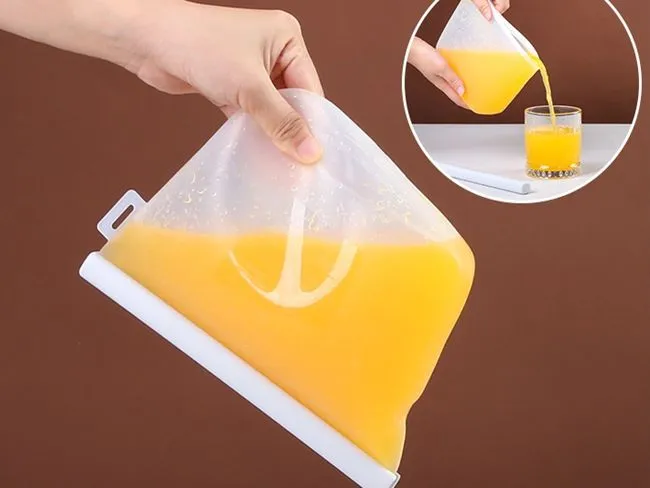
Our Reusable Silicone Storage Bags are a big step forward in environmentally friendly packing. These items are made from 100% food-grade silicone that meets FDA approval and BPA-free standards. They are very useful in a lot of different industries. The makeup of the material naturally doesn't react with chemicals, so it's safe to touch food directly without letting dangerous substances leak out.
Material Composition and Safety Standards
Plastics made from oil are very different from food-grade silicone. The molecular structure stays steady at all temperatures, so it doesn't break down as regular plastic products do. Our observation shows that this steadiness leads to real benefits for businesses that make food, provide healthcare, and run stores. No matter how cold it is or how hot it gets in a microwave or boiling water, the material stays the same.
Environmental Impact Analysis
Environmental scientists have found that switching from single-use plastic bags to silicone options can save each family about 300 single-use bags each year. When applied to business processes, the effect is much bigger. If a medium-sized food service business switches to Reusable Silicone Storage Bags, it can keep several thousand plastic bags out of waste every year. Silicone has a bigger environmental impact than single-use plastic at first, but after about 50 uses, it evens out. This is a point that most business uses pass within months.
Lifecycle Cost Calculations
We look at the total cost of ownership, which is more than just the buying price. Even though silicone bags cost more at first, they end up being more cost-effective in the long run because they last longer. A good reusable silicone storage bag unit can be used 3,000 to 5,000 times before it starts to wear out, while throwaway bags need to be bought all the time. This long life means that businesses that use hundreds or thousands of barrels every month can save a lot of money on their purchases, as a reusable silicone products supplier understands.
Key Benefits of Reusable Silicone Storage Bags in B2B Procurement
When purchasing managers look at long-lasting storage options, they should know that Reusable Silicone Storage Bags offer many benefits beyond just keeping things inside. These benefits directly help with common operating problems and meet environmental requirements. The one-piece molding design with built-in closing strips stops leaks that happen with other storage methods. We've tried our Z3 series bags in several different situations and found that they can keep their seals even when they're carrying liquids. This dependability lowers the chances of product loss and contamination, which are very important in food service and medical settings.
Superior Temperature Tolerance
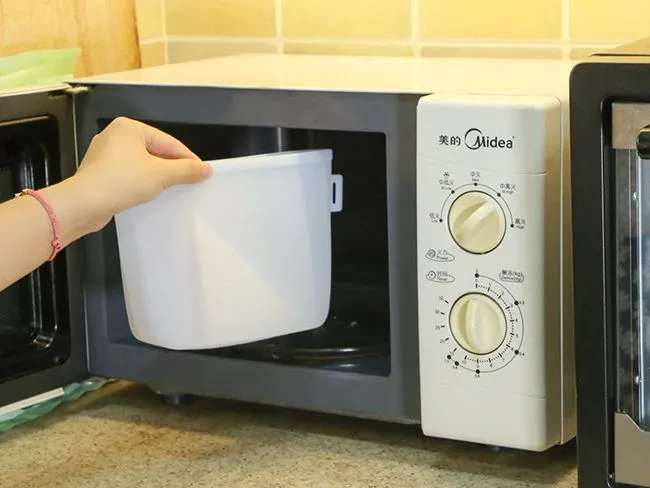
The temperature range of -50°C to 200°C lets these containers be used in ways that aren't possible with regular plastic containers. These bags are used in commercial kitchens for sous vide cooking, storing food in the freezer, and warming food in the microwave without moving the food from one container to another. This flexibility speeds up work and cuts down on the number of dishes that need to be washed. Pet food companies like being able to package items that may need to be frozen before they can be shipped, but can still be heated up in a microwave for customers.
Versatility Across Industries
Commercial uses go far beyond just storing food. Reusable Silicone Storage Bags are used by cosmetics companies to package travel-sized items and samples of liquid products. Medical supply wholesalers use them to store clean instruments. The material is great for sensitive uses because it is safe and doesn't let germs grow. We've made unique solutions for companies that make baby products that value safety certifications and non-toxic materials for things that babies touch.
OEM Customization Opportunities
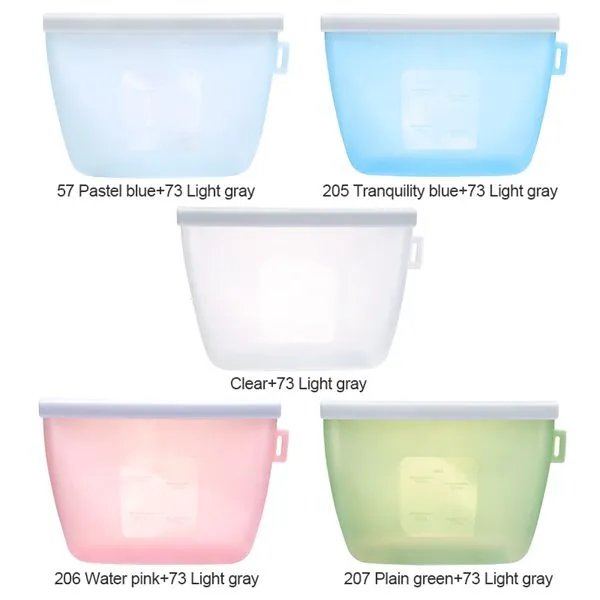
Through our flexible production, we can make it possible for brands to stand out. The Z3 Mini (500ml), Z3 (1000ml), and Z3 Plus (1500ml) models can meet a range of size needs, and the transparent, pink, mint green, and lake blue color choices help your brand stand out. We can print your image and set up your packing in any way you want, turning practical storage into branded marketing materials. This customization includes zippers, handle patterns, and specific sizes to meet the needs of each product.
Bulk procurement economics favor companies that care about the environment. Volume price systems keep quality standards high across batches while rewarding orders that are bigger. We've set up our production to be able to handle both small orders for testing the market and large production runs for well-known product lines.
How to Maximize the Use and Maintenance of Silicone Storage Bags?
Following the right care instructions will make Reusable Silicone Storage Bags last longer and keep them clean, which is very important in business settings. By understanding these techniques, businesses can get the most out of the silicone storage they buy.
Cleaning and Sanitization Protocols
The flexible shape lets the whole container be turned upside down for thorough cleaning, which isn't possible with stiff containers. Dishwasher compatibility makes cleaning easier in business kitchens that use a lot of runs every day. To clean something by hand, all you need is warm, soapy water and a soft brush to get rid of any leftover dirt. The smooth, non-porous surface keeps germs from growing on scratched plastic containers, so they stay safe for food even after being used many times.
We suggest making cleaning plans based on how often they are used. For high-volume operations, running the dishwasher every day is best, while for lower-frequency operations, running it once a week may be enough. Unlike plastics, which break down or change color when exposed to strong chemicals, this material doesn't break down when exposed to professional cleaning solutions.
Temperature Application Guidelines
Even though Reusable Silicone Storage Bags can handle high temperatures, they last longer when they are used correctly. Any material can be stressed when the temperature changes quickly from freezing to boiling. When possible, we suggest letting bags cool down to room temperature before heating them very quickly. The large hole makes it easier for the temperature to spread evenly while the microwave is cooking, which stops hot spots that could damage the seal.
Sous vide is the best way to use the bags because they stay together during long cooking times in a water bath at controlled temperatures. With this feature, you don't need to use special vacuum-sealed bags, which cuts down on both equipment costs and waste.
Storage and Handling Best Practices
Proper storage between uses keeps things from wearing out too quickly. In places with a lot of humidity, hanging bags to dry in the air keeps their shape and stops mildew from growing. Do not keep bending bags along the same lines, as this can weaken the material over time. Because it collapses, it takes up less room when stored, and the fact that it can keep some of its shape over time makes it last longer.
By teaching staff the right way to handle things, you can keep them from damaging zipper systems with sharp items or too much force. These preventative steps make sure that the product performs the same way throughout its lifecycle, which protects purchase investments.
Comparing Reusable Silicone Bags to Traditional Plastic Options
Knowing the differences in performance helps buying teams make the case for switching from disposable products to Reusable Silicone Storage Bags. The comparison shows benefits that go beyond protecting the environment. Durability tests show that silicone is better when it comes to stress. When things inside are sharp or the bags are under mild stress, regular plastic bags tear easily. Our bags can survive puncture forces of more than 15 pounds per square inch, which is strong enough for most business uses involving solid food, metal parts, or lab supplies.
Sealing Technology Comparison
Our molding design has an integrated sealing strip that makes an airtight closing without the need for external heat sealing. Plastic wears out over time, which is why most traditional bag devices break after a while of use. Reusable Silicone Storage Bags keep their binding pressure even after thousands of rounds of opening and closing. In situations where certain contamination or moisture barrier qualities are needed, this dependability is very important.
Temperature efficiency is another important factor. Plastic bags that are commonly used melt at low temperatures and break when they freeze. Silicone is flexible and useful at all temperatures, which lets it be used in ways that would not be possible with other materials.
Market Position and Quality Indicators
Well-known brands have proven that silicone storage options work in consumer markets, which raises knowledge that helps B2B adoption. But having a direct connection with the manufacturer has benefits that these store names can't match. We offer the same level of quality, with the added benefit of customization choices and price structures that work well for business purchases. Instead of using standard store setups, technical details like the design of the zipper mechanism, the width of the seal, and the thickness of the material can be changed to fit the needs of a particular application.
When judging quality, you should look at things like material approvals, consistent production, and the dependability of the source. We keep records of FDA approvals and can give you material safety data sheets to help you meet compliance standards. Our production quality control methods make sure that each batch is the same, which is very important for companies that want to add these goods to their lines or operations.
Procurement and Purchasing Strategies for B2B Clients
To successfully adopt Reusable Silicone Storage Bags, you need to find suppliers in a way that balances cost, quality, and dependability. We've found the most important things to think about when trying to get something bought. Getting in touch with suppliers directly instead of going through middlemen can save you money and make contact easier. Direct sourcing gets rid of markup layers and gives you access to technology help and the ability to make changes. Our minimum order quantities are flexible enough to fit the needs of businesses at all stages of growth, from new businesses trying market ideas to established ones expanding on goods that have already been proven to work.
Negotiation and Pricing Considerations
A better price is unlocked by volume promises, but we know that businesses need some freedom during the early stages of adoption. Our sample order choices let you test the market without taking on too much inventory risk. Once buying habits become clear, we help clients set prices that are fair for the amount and frequency of goods they buy.
We've come up with clear price models that take into account the level of customization, the size of the order, and the shipping schedule. This makes it easier for buying teams to correctly predict costs and explain why budgets are being used. Material costs stay pretty stable compared to plastics made from petroleum, which are affected by unpredictable energy markets. This means that long-term prices will be steady.
Quality Assurance and Supplier Verification
Suppliers you can trust show that their quality is stable by having their processes written down and getting certificates. We follow strict quality control procedures that include trying the materials, checking the sizes, and making sure the seals are intact. Before being shipped, each production batch is inspected to make sure the goods meet the requirements, as a silicone OEM manufacturer China ensures.
How quickly suppliers respond to contact requests has a direct effect on project timelines. Our team can give you a quote quickly and keep you up to date on progress throughout production and delivery. This speedy contact is especially helpful for companies that are releasing new goods or dealing with changes in seasonal demand.
Long-Term Partnership Development
Relationships for sustainable sources are more than just business transactions. We put time and effort into learning about our clients' needs so that we can make effective suggestions for product changes or new solutions. Many clients have been able to improve their product lines and cut costs by working together in this way.
Case studies from our clients show how valuable partnerships are. An Amazon FBA seller who mainly sells baby items bought 500 units at first to test the market. Once they knew there was a need, they increased production to 5,000 units per month, using unique branding and special packaging. Our production capacity was flexible enough to handle this rise, and we kept quality high and prices low. Another client in the pet supply industry worked with us to make custom-sized bags for small amounts of specialty pet food. This gave them a unique product that they could charge more for in their market.
Conclusion
Businesses that want to be more environmentally friendly can benefit greatly from Reusable Silicone Storage Bags without affecting their working efficiency or financial performance. The material is useful in many situations, from hospital goods to food service, because it is long-lasting, has safety certifications, and can be used in a wide range of temperatures. We've talked about how good care practices can make products last longer and give you a better return on your investment. When you compare silicone solutions to standard plastic options, it's clear that silicone solutions are better at sealing, withstanding higher temperatures, and being good for the environment. Businesses can use these solutions successfully and save money by reducing waste and replacement cycles through strategic buying methods that focus on relationships with manufacturers, customization options, and quality assurance.
FAQ
Q1: What makes silicone storage bags safer than plastic alternatives?
Food-grade silicone doesn't have any petroleum-based chemicals, BPA, or phthalates that could get into food. The chemical stability of the material stays the same at high and low temperatures, so it doesn't break down like plastic objects do when they are heated or cooled. Our goods meet the standards for FDA clearance and go through a lot of safety tests.
Q2: Can these bags withstand commercial dishwasher cycles?
The bags can go through many industrial dishwasher runs without getting damaged. The material stays flexible and seals well after thousands of cleaning rounds. This makes them perfect for food service businesses that need to clean their equipment every day.
Q3: What customization options do you offer for branded products?
We offer custom image printing, color choices that go beyond our standard options, custom sizes for specific uses, and custom package arrangements. As part of our OEM services, we create molds for custom patterns, which lets you completely differentiate your products.
Q4: How do minimum order quantities work for trial orders?
We can do small-batch production for businesses that want to test market ideas. Usually, we start at 500 to 1,000 units, but this depends on the level of customization needed. This gives you the freedom to test the market before committing to bigger product purchases. As your buying habits become clearer, we set up bulk pricing that shows how much you buy.
Partner with Qosun for Your Sustainable Packaging Needs
Qosun specializes in making high-quality Reusable Silicone Storage Bags for companies that want reliable, eco-friendly options. As a provider of silicone storage bags with a history that goes back to 2017, we offer full OEM and ODM services that turn your ideas for sustainability into goods that are ready to sell. Our Z3 line offers three types of FDA-approved, BPA-free storage options that can be customized with your own logo and colors. We can handle small-batch trial sales that let you test the market without taking too much risk. As your business grows, you can easily scale up as needed. Email our team at qosun@qosun.com to talk about your particular needs. We offer responsive communication and rapid prototyping that speeds up the time it takes for your product to hit the market while keeping prices low. This is true whether you need private label packing, custom measurements, or expert advice on material specs.
References
1. Thompson, R.C., Moore, C.J., vom Saal, F.S., and Swan, S.H. (2009). "Plastics, the Environment and Human Health: Current Consensus and Future Trends." Philosophical Transactions of the Royal Society B: Biological Sciences, 364(1526), 2153-2166.
2. Hopewell, J., Dvorak, R., and Kosior, E. (2009). "Plastics Recycling: Challenges and Opportunities." Environmental Science and Technology, 43(7), 2115-2121.
3. Andrady, A.L. and Neal, M.A. (2009). "Applications and Societal Benefits of Plastics." Philosophical Transactions of the Royal Society B: Biological Sciences, 364(1526), 1977-1984.
4. Geyer, R., Jambeck, J.R., and Law, K.L. (2017). "Production, Use, and Fate of All Plastics Ever Made." Science Advances, 3(7), e1700782.
5. Rochman, C.M., Browne, M.A., Halpern, B.S., Hentschel, B.T., Hoh, E., Karapanagioti, H.K., Rios-Mendoza, L.M., Takada, H., Teh, S., and Thompson, R.C. (2013). "Policy: Classify Plastic Waste as Hazardous." Nature, 494(7436), 169-171.
6. Meeker, J.D., Sathyanarayana, S., and Swan, S.H. (2009). "Phthalates and Other Additives in Plastics: Human Exposure and Associated Health Outcomes." Philosophical Transactions of the Royal Society B: Biological Sciences, 364(1526), 2097-2113.