- English
- French
- German
- Portuguese
- Spanish
- Russian
- Japanese
- Korean
- Arabic
- Irish
- Greek
- Turkish
- Italian
- Danish
- Romanian
- Indonesian
- Czech
- Afrikaans
- Swedish
- Polish
- Basque
- Catalan
- Esperanto
- Hindi
- Lao
- Albanian
- Amharic
- Armenian
- Azerbaijani
- Belarusian
- Bengali
- Bosnian
- Bulgarian
- Cebuano
- Chichewa
- Corsican
- Croatian
- Dutch
- Estonian
- Filipino
- Finnish
- Frisian
- Galician
- Georgian
- Gujarati
- Haitian
- Hausa
- Hawaiian
- Hebrew
- Hmong
- Hungarian
- Icelandic
- Igbo
- Javanese
- Kannada
- Kazakh
- Khmer
- Kurdish
- Kyrgyz
- Latin
- Latvian
- Lithuanian
- Luxembou..
- Macedonian
- Malagasy
- Malay
- Malayalam
- Maltese
- Maori
- Marathi
- Mongolian
- Burmese
- Nepali
- Norwegian
- Pashto
- Persian
- Punjabi
- Serbian
- Sesotho
- Sinhala
- Slovak
- Slovenian
- Somali
- Samoan
- Scots Gaelic
- Shona
- Sindhi
- Sundanese
- Swahili
- Tajik
- Tamil
- Telugu
- Thai
- Ukrainian
- Urdu
- Uzbek
- Vietnamese
- Welsh
- Xhosa
- Yiddish
- Yoruba
- Zulu
It's not just helpful—it's necessary—to understand certificates when buying Reusable Silicone Food Bags and other related items for business-to-business use. If you want to protect your company from problems like poor quality, bad regulations, and damage to your image, get certifications like FDA-approved, LFGB-compliant, and BPA-free verification. These quality standards have a direct effect on how quickly you can enter a market, how much trust your customers have in you, and how much money you make in the long run, whether you're starting a new line of baby products, growing your online store, or setting up wholesale channels. In today's market, where competition is high, certified silicone storage options give your customers the peace of mind they need about safety while also keeping your business safe from costly compliance fails.
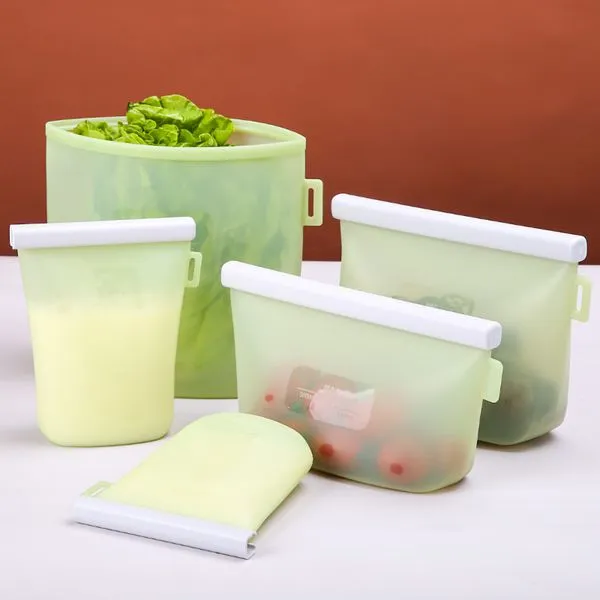
Understanding the Importance of Key Certifications for Reusable Silicone Products
Certificates are more than legal checks. They are independent verifications that your silicone products fulfil foreign quality and safety requirements. North American, European, and Australian purchasing teams agree that licenses eliminate guesswork and save supplier evaluation time by at least 40%.
Why Certifications Matter in Global Procurement?
The global silicone market requires clarity. When importing containers, infant feeding utensils, or kitchen storage bags, customs authorities scrutinise material safety papers. Packages may be delayed, rejected, or cost more to test without proper certification. Incomplete license paperwork has cost clients full sales windows during certain seasons. Certifications go beyond customs clearance. They also provide quick credibility with shop purchasers who want safety data before listing items. Amazon and other large retailers demand FDA or comparable certificates for food-related products.
Core Certification Categories for Silicone Products
Three certification sections govern reusable silicone products. Food safety rules prevent materials from releasing dangerous chemicals into food. Chemical and environmental safety standards prevent products from containing phthalates, heavy metals, or hormone-altering chemicals. Writing down processes and reviewing them often shows that quality management standards ensure production consistency. Different stakeholders' concerns are addressed by each group. Food safety safeguards customers, environmental compliance pleases regulators, and quality management reassures procurement experts about supply chain reliability.
Detailed Breakdown of Essential Certifications for High-Quality Silicone Food Bags
Knowing the exact certification standards helps you choose suppliers that meet the needs of your target markets and meet customer demands. There are several certificates for our Z3 Series Reusable Silicone Food Bags because different areas need different proofs of safety and quality.
FDA Approval for US Market Entry
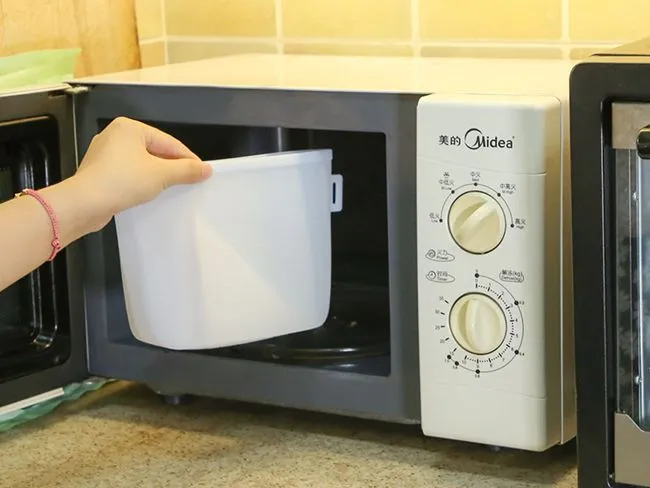
The US Food and Drug Administration regulates food-related items. The FDA approves silicone materials that fulfil Title 21 of the Code of Federal Regulations. This clearance ensures silicone doesn't contain harmful compounds that might enter food. From -50°C in the freezer to 200°C in the microwave, our FDA-approved silicone food bags are tested. Brands selling non-certified food-contact items in the US risk being sued or punished by the government. Procurement teams should only acquire FDA-approved products for American customers.
LFGB Certification for European Markets
The German LFGB is one of Europe's strictest food safety legislations. Silicone goods must undergo rigorous sensory testing to be approved. Tests ensure silicone products don't impart flavour or smell to stored meals. LFGB testing examines materials' composition under stress conditions similar to those utilised in real life for lengthy durations. European retailers and distributors appreciate LFGB-certified products because they comply with EU food safety regulations. When comparing providers, request entire LFGB test reports, not just certificates. Detailed reports on test results boost trust in purchase records.
BPA-Free Verification and Chemical Safety Standards
Due to bisphenol A concerns, food storage chemicals are more visible. Pure silicone doesn't contain BPA, yet certification provides purchasers with confidence. REACH compliance is crucial for European markets, not only for BPA. REACH restricts more than 200 high-risk chemicals and compels manufacturers to disclose their ingredients and prove their products are chemical-free. REACH tests our silicone storage bags frequently to maintain certification as laws change. For food-contact silicone products, sourcing teams should request BPA-free certification and REACH compliance documents.
ISO 9001 Quality Management Certification
ISO 9001 certification prioritises production process regularity over product details. This international standard requires documented quality management systems to identify suppliers, monitor manufacturing, create test standards, and constantly improve. Our ISO 9001 accreditation is maintained by annual examinations of the whole production process, from raw material quality to product quality and packaging. ISO 9001 accreditation considerably reduces batch-to-batch quality variation for business-to-business buyers. The approval is crucial when moving from small test orders to large-scale production since it reassures clients that quality will remain consistent.
These licensing rules enable safe and lawful goods purchases. We've built up our production processes to maintain these certifications while keeping pricing low, so expanding businesses may try new markets.
How Certifications Influence Procurement Decisions for B2B Buyers
Smart buying is more than just comparing prices. Certifications have a direct effect on your total cost of ownership because they lower the hidden costs that come with problems with quality, safety, and the supply chain.
Risk Reduction Through Certified Suppliers
Working with licensed suppliers reduces three significant business risks. Regulatory risk decreases when your provider maintains target market licenses. This prevents costly product recalls, customs seizures, and lawsuits. Certification demands standardised testing and documentation, which improves output accountability and reduces quality issues. Brands with approved products are less likely to have safety concerns that damage client trust. We've helped Amazon FBA merchants switch from uncertified suppliers because their consumers complained about chemical-smelling storage bags. Although the product issue was resolved promptly, the company's image took months to recover. Approved items prevent these issues altogether.
Certification Requirements in Vendor Evaluation
Professional procurement methods for qualified suppliers include approval verification. Ask the vendor for full license documents when you first chat to them, not after you order. Check licenses for validity. Many standards must be tested annually, and expired certifications may indicate compliance issues. Since some certificates only cover sections of items, make sure the certification scope matches your products. Our customers receive entire certification packages with test results, scope statements, and renewal dates to speed vendor approval, as a reusable silicone products supplier does. Documentation transparency facilitates decision-making and offers procurement teams confirmation of internal stakeholder support.
Real-World Impact on Supply Chain Performance
A pet supply firm we collaborate with introduced authorised plastic pet dishes to the US market. One of their main competitors used an uncertified supplier to save 15% on unit pricing. The FDA wanted further testing, delaying the competitor's goods at customs for three months. They lost Christmas revenue due to an eight-week delay in product introduction. The 15% cost reduction was lost due to quick test fees, airline freight charges to get back on schedule, and lower revenue. Our client's authorised items cleared customs, satisfied early-season demand, and entered the market before competition. The case indicates that license payments are risk insurance, not waste. Procurement professionals are increasingly realising that certified vendors offer superior value, even at higher unit pricing.
Comparing Certifications When Selecting Reusable Silicone Food Bags
Not all approved goods may be of the same value for your business. Figuring out how certification types fit with your market plan can help you choose the best suppliers. Our Z3 Series Reusable Silicone Food Bags have food-grade certifications that mean they can be used to store baby food, make meals for adults, and organise pet treats. This gives you more options for where to get your products.
Certification Differences Among Product Categories
Baby products require the most approvals due to safety concerns. The Consumer Product Safety Improvement Act currently governs US baby feeding items. Over and beyond FDA clearance standards. Even though pet product regulations are lax in most areas, reputable businesses seek complete food-grade certifications to stand out. Kitchen and household products certifications depend on their use. Food-storing products need complete food-contact certificates, whereas organising products merely need material safety data sheets.
Balancing Certification Levels with Market Positioning
Premium brands want extensive certification portfolios to justify their higher costs and quality. To save the most, brands may get the minimum permits needed to join a market. Working with both groups has taught us that the certification plan should complement the brand image from the outset. A mid-market business that started buying minimum-certified items had to rename, create new marketing materials, and retrain customers to acquire higher certifications. Planning clearance levels before product launch is cheaper than upgrading after market entry.
Certification Implications for Minimum Order Quantities
Managing numerous certifications demands constant testing expenditures that manufacturers divide across production volumes. Because of the economics, properly certified items may have larger MOQs than basic ones. We addressed this by offering flexible small-batch manufacturing to businesses testing new sectors. Our strategy helps new and emerging companies receive completely certified items without having to commit to container-load quantities before establishing market demand. When choosing suppliers, examine how MOQ requirements affect inventory risk and cash flow. When compliance issues are considered, a provider with certified items and acceptable MOQs is typically better than one with uncertified products and lower minimums.
Best Practices for Verifying and Maintaining Silicone Product Certifications
If you make sure your sellers have the right certifications, they won't lie about their compliance status, which happens a lot when you buy things from other countries.
Verification Methods for Certification Authenticity
Instead of depending on website claims or marketing materials, ask suppliers for the original certification papers. Real certificates have specific information on them, like the names of the testing labs, the times of the tests, the scope of the certification, and unique certificate numbers. Check to see if the testing labs are approved by organisations that are known in your target markets. Testing labs with strange names may have certificates that aren't valid. For independent confirmation, we give our clients direct access to our approval papers and the contact information for our testing laboratories. If the issuing organisation's records are available, cross-reference certificate numbers with them. Many certification groups offer online tools for this purpose. Be wary of sellers who don't want to give you all the paperwork you need or who only offer part of the certificates you need without the full test reports.
Ongoing Compliance Throughout Product Lifecycle
As standards change and test results become outdated, certifications need to be renewed on a frequent basis. Make it clear to providers what you expect from them in terms of maintaining certifications and sending update notices. We let clients know ahead of time when their repeat tests are coming up and give them their updated certificates as soon as we get them. This communication keeps you from selling goods without realising that their certifications have passed. Even when a source is approved, quality control tests should still be done. Set up processes for new inspections that check that the characteristics of the product match the requirements for certification. We suggest that produced goods be tested by a third party regularly as an extra check, especially when releasing new versions of a product or after major changes to the production process, as a silicone OEM manufacturer China ensures.
Addressing Non-Compliance and Certification Disputes
Even with the best attempts, licensing problems do happen from time to time. Set up clear rules with your sources that spell out who is responsible when there are problems with licensing. As part of our agreements, we agree to pay for any certification failures that are caused by our materials or processes. Clients, on the other hand, are responsible for problems that happen because of their design standards or usage directions. Instead of depending on what people say, write down all certification requirements clearly in the buy agreements. Include rules for checking certifications, when they need to be renewed, who needs to be notified, and how to fix problems. This clear paperwork stops disagreements and makes it easy to know what to do when problems arise.
By following these steps, you can be sure that the value of your certifications will be upheld throughout your supply relationship. We came up with these rules after years of working with brands that need to be certified in order to get into new markets and keep customers trusting them.
Conclusion
In the Reusable Silicone Food Bags market, certifications are the key to doing business with other businesses. They keep your company safe from legal problems, poor quality, and problems in the supply chain, and they also help customers trust your brand. Knowing the licenses that are important for your target markets—like FDA for the US, LFGB for Europe, or full portfolios for global distribution—helps you choose a provider that meets your needs for safety, quality, and cost. As consumers become more concerned with quality, certified goods are not only necessary for compliance, but they also give your business a competitive edge and help it position itself as a premium option. Taking the time to check the supplier's certifications during the evaluation process helps avoid expensive problems after the product hits the market and builds the quality base needed for long-term business growth.
FAQ
Q1: Can I Use Certified Silicone Food Bags in Microwaves and Freezers?
Certified food-grade silicone bags that are rated for the right temperatures can be used in both the microwave and the fridge without any problems. The temperature range for our Z3 Series bags is from -50°C to 200°C, so they can be used to store food in the freezer, boil water, and heat food in the microwave. Before putting it in the microwave, take off any plastic covering strips. These parts usually can't handle higher temperatures than the silicone body. Instead of thinking that all silicone goods work the same, you should always check the approval paperwork for specific temperature ratings.
Q2: What's the Difference Between FDA and LFGB Certifications?
FDA-approved is mostly about testing the material's makeup and movement according to US rules. LFGB certification, on the other hand, includes extra testing for taste and smell transfer according to German and EU rules. Most people think that LFGB is more thorough. It's not always the case that products that meet LFGB guidelines also meet FDA rules. LFGB approval helps brands that sell in both areas because it gives them more confidence in their compliance.
Q3: How Do I Verify BPA-Free Claims?
Real BPA-free approval needs testing by a third-party lab, not just claims from the maker. Ask for full test reports from reputable labs that show BPA amounts below the level that can be detected. Pure platinum-grade silicone doesn't naturally have any BPA in it, but approval shows that the production process didn't add any contamination. Make sure that the tests include not only the silicone but also all of the product's parts, such as any plastic parts, plugs, or closures.
Partner with Qosun for Certified Reusable Silicone Food Bags
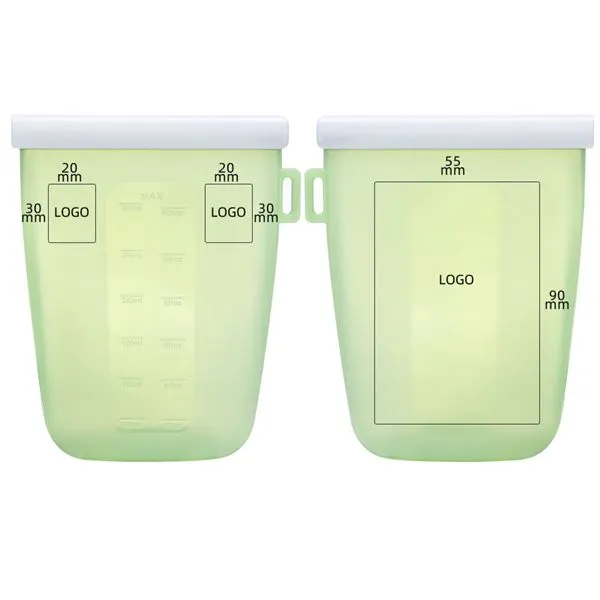
Qosun is an expert at making approved silicone goods that meet the strictest international standards. As a provider of Reusable Silicone Food Bags with a lot of experience, we've helped hundreds of brands enter new markets around the world with FDA-approved, LFGB-certified, and BPA-free goods. Our Z3 Series Silicone Food Storage Bags come in three sizes (500ml, 1000ml, and 1500ml) and can withstand temperatures from -50°C to 200°C. They have all the certifications your brand needs.
As a brand grows, we know that it needs to be able to adapt. With our small-batch production, you can test markets without taking on too much inventory risk. As your business grows, our OEM and ODM services can help you add your own branding. We give your procurement team the dependability and stability they need with factories that sell to more than 20 countries and strict quality control systems that meet ISO 9001 standards. Our quick development services and quick responses to your messages will make sure that your product launches go smoothly. At the same time, our low prices will help you keep your profit margins healthy as you gain market share. Email us at qosun@qosun.com to talk about your unique needs and get full licensing paperwork that makes the process of approving vendors easier. Let's work together to speed up your growth while keeping the high standards of quality your customers expect.
References
1. U.S. Food and Drug Administration. (2021). Food Contact Substances: Compliance and Enforcement Guidelines. FDA Centre for Food Safety and Applied Nutrition.
2. European Commission. (2020). REACH Regulation: Guidance on Requirements for Substances in Articles. European Chemicals Agency Publication Series.
3. International Organisation for Standardisation. (2015). ISO 9001:2015 Quality Management Systems - Requirements. ISO Standards Development.
4. Bundesamt für Verbraucherschutz und Lebensmittelsicherheit. (2019). LFGB Testing Requirements for Food Contact Materials. German Federal Office of Consumer Protection and Food Safety.
5. Consumer Product Safety Commission. (2022). CPSIA Requirements for Children's Products: Testing and Certification. CPSC Regulatory Guidance Documents.
6. Zhang, M., & Liu, H. (2018). Safety Assessment of Silicone Materials in Food Contact Applications. Journal of Food Safety and Quality Standards, 9(3), 245-258.