- English
- French
- German
- Portuguese
- Spanish
- Russian
- Japanese
- Korean
- Arabic
- Irish
- Greek
- Turkish
- Italian
- Danish
- Romanian
- Indonesian
- Czech
- Afrikaans
- Swedish
- Polish
- Basque
- Catalan
- Esperanto
- Hindi
- Lao
- Albanian
- Amharic
- Armenian
- Azerbaijani
- Belarusian
- Bengali
- Bosnian
- Bulgarian
- Cebuano
- Chichewa
- Corsican
- Croatian
- Dutch
- Estonian
- Filipino
- Finnish
- Frisian
- Galician
- Georgian
- Gujarati
- Haitian
- Hausa
- Hawaiian
- Hebrew
- Hmong
- Hungarian
- Icelandic
- Igbo
- Javanese
- Kannada
- Kazakh
- Khmer
- Kurdish
- Kyrgyz
- Latin
- Latvian
- Lithuanian
- Luxembou..
- Macedonian
- Malagasy
- Malay
- Malayalam
- Maltese
- Maori
- Marathi
- Mongolian
- Burmese
- Nepali
- Norwegian
- Pashto
- Persian
- Punjabi
- Serbian
- Sesotho
- Sinhala
- Slovak
- Slovenian
- Somali
- Samoan
- Scots Gaelic
- Shona
- Sindhi
- Sundanese
- Swahili
- Tajik
- Tamil
- Telugu
- Thai
- Ukrainian
- Urdu
- Uzbek
- Vietnamese
- Welsh
- Xhosa
- Yiddish
- Yoruba
- Zulu
Cross-Border Buyer’s Silicone Sourcing Guide: Material Checks, Small OEM Orders & Factory Audit Checklist
Driven by rising consumer demand for eco-friendly, plastic-free daily supplies, small and medium-sized cross-border merchants, startup DTC brands, corporate gift distributors and offline retail boutique operators have rapidly expanded their silicone product portfolios, covering baby feeding supplies, kitchen silicone tableware, portable pet bowls and collapsible outdoor travel silicone containers. Compared with large-scale group procurement, small-volume buyers face unique sourcing obstacles: limited capital for trial inventory, confusing material authenticity discrimination, opaque OEM customization costs and inconsistent factory service standards.
2026 cross-border e-commerce industry research data shows that nearly 62% of small silicone product sellers encounter operational losses within their first year of launch, primarily stemming from uncertified raw materials, leaky or easily damaged finished goods, delayed sample and mass production lead times, and hidden customization surcharges from unprofessional manufacturers. This practical guide summarizes actionable risk avoidance rules covering material identification, small-batch order planning, OEM customization negotiation and standardized factory audits, helping mid-tier purchasers reduce trial-and-error costs while securing stable, compliant silicone inventory.
1. Core Material Identification Rules to Avoid Substandard Silicone Raw Materials
The foundation of high-quality silicone merchandise lies in raw material selection, yet most mid-sized buyers lack professional lab testing resources to verify silicone purity on their own. Two core silicone grades dominate the market: platinum-cured food-grade virgin silicone and peroxide-cured mixed silicone blended with recycled scraps.
All baby, food-contact and travel silicone goods intended for U.S. and EU sales must use platinum-cured virgin silicone. This material resists odor absorption, withstands repeated high and low temperature exposure and meets full FDA and LFGB migration testing standards. Lower-cost peroxide silicone often releases faint chemical odors after heating and fails strict European food-contact migration limits, triggering listing removal penalties on Amazon, Shopify and other mainstream cross-border platforms.
When communicating with potential manufacturers, buyers can request material certification reports corresponding to exact silicone batches, rather than generic factory-wide certificates. Reliable production partners will voluntarily provide independent SGS test documentation matching the raw material lots used for client orders. Established multi-category silicone factories maintain long-term cooperative relationships with certified silicone raw material suppliers, enabling transparent traceability for every batch of input materials without extra testing fees for small trial orders.
2. Small-Batch OEM Sourcing Key Negotiation Points & Risk Control
Most new brand operators and boutique retailers rely on small trial orders to test market feedback before scaling up to bulk shipments. Traditional single-category silicone factories impose rigid high minimum order quantities, creating inventory pressure for emerging brands, while integrated multi-line silicone production facilities offer flexible tiered MOQ plans to support market testing across mixed baby, kitchen, pet and outdoor silicone SKUs.
Three critical negotiation points help buyers lock in favorable OEM terms:2.1 Sample production cycle: Confirm clear timelines for prototype development, with experienced factories delivering customized branded samples within 7 working days. Avoid manufacturers with vague sample turnaround commitments exceeding two weeks, which will delay market launch schedules.2. Customization cost transparency: Clarify separate fees for mold development, silk-screen or laser logo marking, Pantone color matching and retail packaging customization upfront, eliminating unexpected hidden charges during mass production. Many integrated silicone producers offer discounted logo printing fees for clients combining multiple product lines within one small trial shipment.2.2 Flexible order adjustment policies: Prioritize factories allowing minor SKU quantity adjustments within small-batch orders, accommodating shifts in market demand without punitive surcharges.
For mixed-category small trial orders, consolidating baby, kitchen, pet and travel silicone goods into one unified shipment also cuts per-unit international logistics costs significantly, a cost advantage only accessible via manufacturers covering all four product ranges.
3. Universal Product Performance Testing Standards Before Order Confirmation
Regardless of order volume, buyers should mandate standardized pre-production performance testing to eliminate post-launch consumer complaints:
Silicone baby goods: High-temperature steam sterilization cycle testing to confirm no deformation or chemical odor release;
Kitchen siliconeware: Continuous oil and high-temperature exposure testing to verify anti-stain and odor-resistant performance;
Collapsible pet silicone bowls: 5,000-cycle folding endurance testing to prevent cracking during outdoor use;
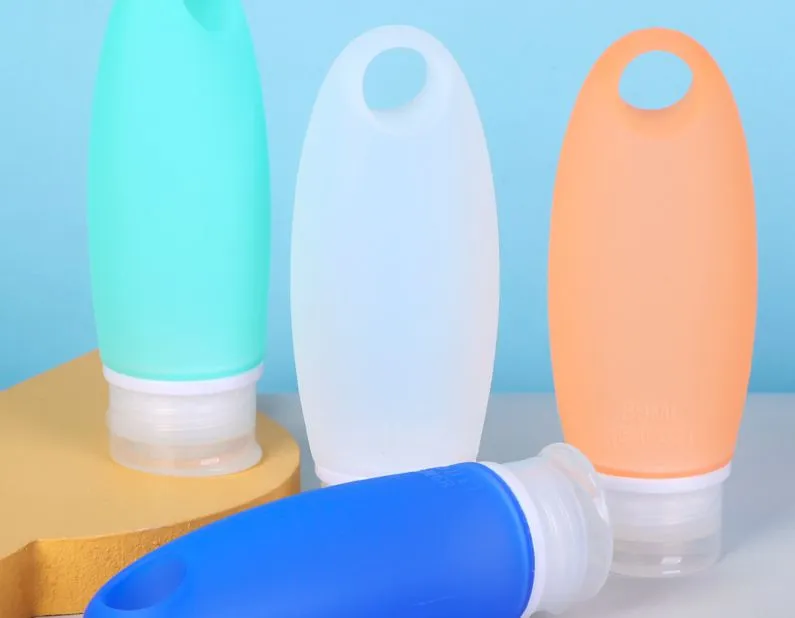
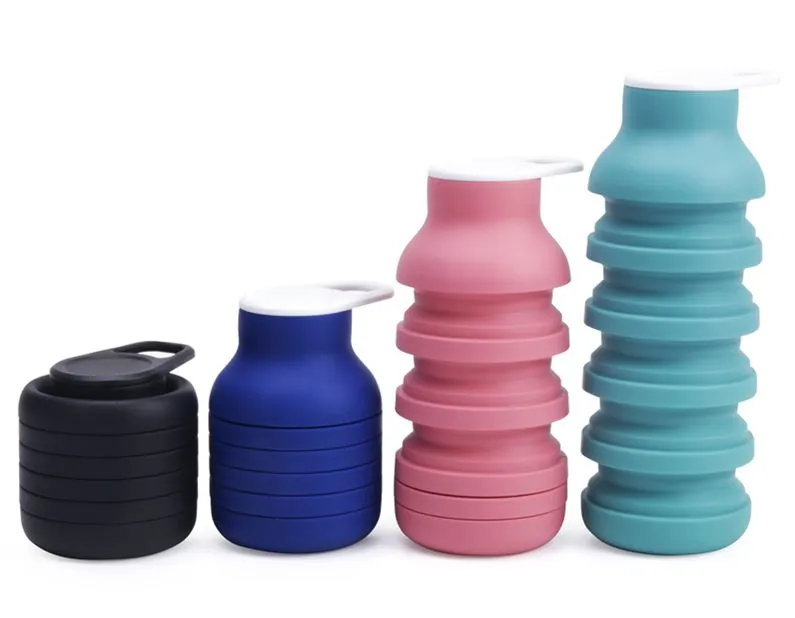
Travel silicone bottles & collapsible water cups: Altitude simulation leak testing to eliminate spillage risks during air travel.
Mature silicone production teams integrate all these performance assessments into routine pre-shipment QC workflows for both small trial batches and full-container bulk orders, removing the need for buyers to arrange third-party testing independently and lowering overall sourcing expenses.
4. Standard Factory Audit Checklist for Mid-Tier Silicone Buyers
For purchasers without on-site inspection teams, a simplified remote factory audit checklist can effectively filter unqualified suppliers, focusing on four core dimensions:4.1 Production environment: Dedicated dust-free molding workshops for food-contact silicone products, separated storage zones for certified virgin silicone raw materials and recycled silicone scraps to avoid cross-contamination;4.2 Quality control workflows: Documented three-stage inspection processes covering raw materials, semi-finished goods and finished products, with complete inspection records retained for each batch;4.3 Compliance archive completeness: Organized digital and physical filing systems for FDA, LFGB, REACH and ISO certification documents, available for quick digital sharing upon client request;4.4 Cross-category production capacity: Synchronized production lines for baby, kitchen, pet and outdoor silicone merchandise, demonstrating stable output capacity for mixed SKU orders.
Manufacturers with nearly a decade of specialized silicone production operations routinely provide virtual factory tour footage, full QC workflow records and historical cross-border client cooperation cases to streamline remote audit processes for small and medium purchasers.
5. Hidden Sourcing Risks Worth Extra Attention
Many mid-sized buyers overlook two easily neglected risks: inconsistent packaging quality and inflexible after-sales defect handling clauses. Generic silicone factories often outsource packaging production to third-party vendors, resulting in mismatched printing colors and fragile packaging that damages finished goods during transit. Integrated silicone manufacturers operate in-house packaging workshops to align packaging quality standards with silicone product specifications, maintaining consistent brand presentation across all mixed SKUs.
Additionally, formal after-sales compensation terms should be confirmed before order placement, outlining clear resolution protocols for defective batches caused by factory production errors. Long-term focused silicone production partners maintain standardized after-sales service mechanisms for clients of all order sizes, providing targeted replacement or compensation solutions for eligible defective goods without cumbersome dispute procedures.
Conclusion
For small and medium cross-border sellers, startup brands and corporate gift distributors, successful silicone goods sourcing balances compliant raw material selection, flexible small-batch OEM terms and transparent factory quality management. By partnering with integrated multi-category silicone manufacturers equipped with complete global certification archives, standardized pre-shipment testing and flexible trial order policies, mid-tier purchasers can drastically reduce trial-and-error costs while building stable, market-ready silicone product lines covering baby, kitchen, pet and outdoor segments.
If you are currently planning small trial silicone orders to test cross-border market demand and hope to access verified material lab reports, fast customized sample development and flexible mixed-category MOQ arrangements, our team can provide tailored sourcing solutions matching your brand’s inventory budget and global sales layout.