- English
- French
- German
- Portuguese
- Spanish
- Russian
- Japanese
- Korean
- Arabic
- Irish
- Greek
- Turkish
- Italian
- Danish
- Romanian
- Indonesian
- Czech
- Afrikaans
- Swedish
- Polish
- Basque
- Catalan
- Esperanto
- Hindi
- Lao
- Albanian
- Amharic
- Armenian
- Azerbaijani
- Belarusian
- Bengali
- Bosnian
- Bulgarian
- Cebuano
- Chichewa
- Corsican
- Croatian
- Dutch
- Estonian
- Filipino
- Finnish
- Frisian
- Galician
- Georgian
- Gujarati
- Haitian
- Hausa
- Hawaiian
- Hebrew
- Hmong
- Hungarian
- Icelandic
- Igbo
- Javanese
- Kannada
- Kazakh
- Khmer
- Kurdish
- Kyrgyz
- Latin
- Latvian
- Lithuanian
- Luxembou..
- Macedonian
- Malagasy
- Malay
- Malayalam
- Maltese
- Maori
- Marathi
- Mongolian
- Burmese
- Nepali
- Norwegian
- Pashto
- Persian
- Punjabi
- Serbian
- Sesotho
- Sinhala
- Slovak
- Slovenian
- Somali
- Samoan
- Scots Gaelic
- Shona
- Sindhi
- Sundanese
- Swahili
- Tajik
- Tamil
- Telugu
- Thai
- Ukrainian
- Urdu
- Uzbek
- Vietnamese
- Welsh
- Xhosa
- Yiddish
- Yoruba
- Zulu
Food-Grade Silicone Multi-Category Bulk Sourcing Guide:Compliance, Mass Production & Supply Chain Control for Baby, Kitchen, Pet & Outdoor Goods
Introduction
The global market for food-grade silicone consumer goods maintains robust growth momentum in 2026. Industry statistics indicate the worldwide silicone household product market hit USD 3.85 billion in 2025, with a compound annual growth rate of 6.85% projected over the next decade. Four core segments dominate cross-border import demand: infant silicone feeding essentials, kitchen tableware, portable pet feeding supplies, and collapsible silicone travel gear. Silicone baby products alone capture 28.3% of overall food-grade silicone consumption, while kitchen silicone accessories record an 11.5% yearly growth rate, fueled by rising global preference for zero-single-use-plastic lifestyles.
For procurement specialists serving hotel conglomerates, large retail distributors, airline amenity programs and well-established cross-border brands, sourcing multi-line silicone goods involves far more than comparing unit prices. Cross-border regulatory risks, consistent batch quality, reliable mass delivery schedules, and standardized certification management collectively shape operational expenditure, market access eligibility and long-term brand reputation. This guide breaks down differentiated procurement benchmarks across four silicone product categories, summarizes universal supply chain risk control measures, and explores how mature integrated silicone production facilities can resolve prevalent pain points in large-volume purchasing.
1. Differentiated Compliance Standards Across Four Silicone Product Segments
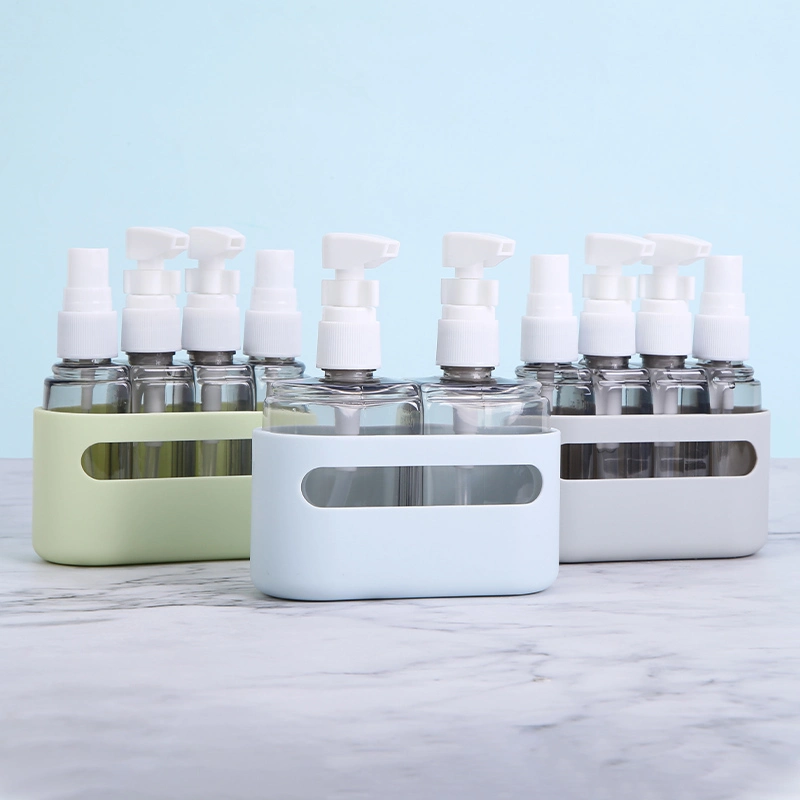
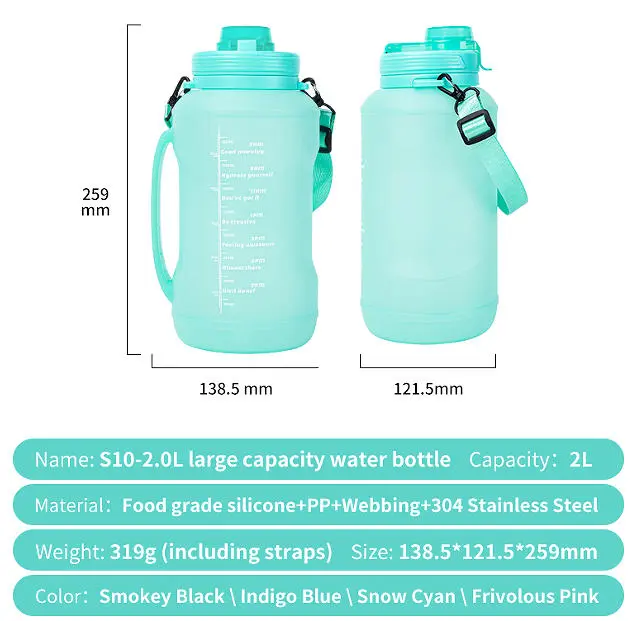
Regulatory criteria vary significantly based on end-use scenarios, and mixed-category bulk orders raise stricter requirements for unified supplier certification archives.1.1 Silicone Baby Supplies (Teethers, Feeding Bowls, Training Spoons)Infant silicone items are subject to the world’s most stringent testing protocols. All raw silicone materials must satisfy FDA 21 CFR 177.2600 standards for the U.S. market and full LFGB migration testing for European and German sales. Limits on heavy metals, phthalates and volatile organic compounds are 30% more rigorous than those applied to standard kitchen silicone. Procurement teams should request batch-specific SGS lab reports instead of generic factory certificates; low-grade recycled silicone often triggers chemical leaching after repeated high-temperature sterilization, triggering consumer complaints and market recall risks.1.2 Silicone Kitchenware (Meal Prep Bento Boxes, Baking Mats, Cooking Utensils)Retail and commercial kitchen buyers prioritize stable heat resistance ranging from -40°C to 230°C and long-term odor resistance. EU importers additionally demand adherence to Regulation 10/2011 and REACH SVHC substance restrictions. Industry sampling surveys show 60% of low-cost generic silicone cookware fails prolonged oil contact testing, developing sticky surfaces and persistent unpleasant odors within three months of regular household use.1.3 Silicone Pet Products (Collapsible Travel Bowls, Slow Lick Mats)European pet goods importers require dual LFGB food-contact and REACH compliance, while North American retail channels mandate third-party BPA-free validation. Foldable pet feeding vessels undergo up to 5,000 repeated folding cycle durability assessments to prevent cracking during hiking, camping and outdoor travel scenarios.1.4 Outdoor & Travel Silicone Gear (Collapsible Sports Water Bottles, 89ml TSA-Compliant Toiletry Containers)Hotel and airline bulk procurement adds mandatory TSA liquid volume compliance as a non-negotiable baseline standard. All sub-100ml travel silicone vessels need consistent triple-layer leakproof performance under altitude pressure shifts, verified via simulated air cargo and cabin transit testing.
2. Universal Pain Points for Large-Volume Silicone Procurement Teams
2.1 Scattered Supplier Portfolios Drive Up Administration CostsMost silicone manufacturers specialize in only one narrow product category, forcing procurement teams to coordinate three to four separate factories when sourcing mixed baby, kitchen, pet and outdoor lines. Fragmented suppliers multiply communication workloads, extend total production lead times, and create inconsistent certification standards across separate product batches.2.2 Inconsistent Mass Production QualityCost-cutting unregulated manufacturers blend recycled silicone into virgin raw materials, resulting in uneven wall thickness, inconsistent color shading and shortened product lifespans during high-volume runs. Hospitality and retail bulk purchasers frequently encounter defective rates between 10% and 15% from inexperienced suppliers, generating costly return logistics and negative end-user feedback.2.3 Disorganized Compliance Documentation Delays Customs ClearanceSeparate test reports for individual product lines create disjointed filing packages. Many small-scale silicone producers cannot compile unified full certification dossiers covering multiple categories, which often leads to cargo detention, customs fines and missed seasonal sales windows at EU and North American ports.2.4 Rigid MOQ and Customization RestrictionsTraditional silicone production facilities enforce steep minimum order quantities for custom logo engraving, private label packaging and custom Pantone color matching, creating financial barriers for mid-sized chain brands launching mixed-category seasonal merchandise collections.
3. How Integrated Multi-Category Silicone Production Resolves Bulk Sourcing Challenges
Manufacturers with end-to-end capabilities across all four silicone product lines eliminate most of the above procurement hurdles through standardized, unified operational frameworks. Factories with over eight years of specialized silicone manufacturing experience, operating since 2017, have refined synchronized production workflows covering infant feeding goods, kitchen tableware, pet feeding accessories and travel silicone containers, delivering consistent service to brand partners spanning more than 20 countries.
Such integrated facilities maintain complete, unified global certification archives. Platinum-cured virgin food-grade silicone is adopted across all production lines, with FDA, LFGB, REACH, RoHS, ISO 9001 and SGS test records available for every individual batch. Dedicated compliance teams organize consolidated certification packages for mixed bulk orders, streamlining customs clearance procedures for cross-border importers and eliminating delays tied to scattered documentation.
Automated molding workshops support simultaneous mass manufacturing across all four silicone product series, with robust monthly output capacity to accommodate full-container mixed-category orders. A three-tier quality control system runs through every production stage: raw material incoming inspection, mid-production random sampling, and full pre-shipment batch testing. All finished goods complete folding endurance, extreme temperature resistance and altitude leak simulation assessments before dispatch, maintaining stable defective rates well below 2%.
For hotel groups, airline amenity buyers and large global distributors, synchronized OEM and ODM customization workflows streamline brand alignment across all product ranges. Clients can implement consistent silk-screen or laser brand marking, uniform Pantone color palettes and coordinated retail packaging solutions including OPP pouches, EVA gift sets and custom outer cartons. In-house engineering teams adjust mold structures to minimize additional surcharges for mixed-line custom orders, balancing brand personalization with bulk purchasing cost efficiency.
Production schedules are flexibly calibrated to match client timelines, with standard lead times of 15 to 25 working days post sample confirmation. Reserved dedicated production lines are allocated to long-term bulk partners during peak travel, holiday and retail seasons to guarantee on-time shipment. Tiered volume pricing structures deliver meaningful per-unit cost reductions for full-container mixed orders, lowering overall landed expenses covering ocean freight, import duties and logistics handling fees.
4. Strategic Long-Term Cooperation Advice for Bulk Procurement Teams
First, prioritize integrated multi-category silicone manufacturers to consolidate supplier portfolios and reduce cross-team administrative overhead. Second, embed requirements for batch-specific lab test reports within formal procurement contracts to clarify liability for compliance failures. Third, sign annual framework cooperation agreements with qualified production partners to secure priority manufacturing capacity and stabilized tiered pricing amid fluctuating global silicone raw material costs. Fourth, leverage unified one-stop OEM capabilities to align brand visual identities across infant, kitchen, pet and outdoor silicone SKUs, strengthening cohesive brand recognition across global retail markets.
Conclusion
As worldwide sustainability regulations tighten and consumer demand for safe, reusable silicone household goods continues to expand, large-volume silicone procurement has evolved far beyond simple unit price comparison. Integrated production partners equipped with cross-category full compliance credentials, stable mass manufacturing capacity and flexible customization frameworks deliver irreplaceable supply chain value to international B2B purchasers.
If your team oversees bulk procurement for retail chains, hotel and airline amenity programs, or cross-border distribution brands and is searching for a seasoned multi-line silicone production partner capable of handling mixed-category orders with consistent compliance and reliable lead times, our team remains ready to share detailed batch test samples, tailored quotation breakdowns and customized production roadmaps aligned with your brand’s global market expansion goals.