- English
- French
- German
- Portuguese
- Spanish
- Russian
- Japanese
- Korean
- Arabic
- Irish
- Greek
- Turkish
- Italian
- Danish
- Romanian
- Indonesian
- Czech
- Afrikaans
- Swedish
- Polish
- Basque
- Catalan
- Esperanto
- Hindi
- Lao
- Albanian
- Amharic
- Armenian
- Azerbaijani
- Belarusian
- Bengali
- Bosnian
- Bulgarian
- Cebuano
- Chichewa
- Corsican
- Croatian
- Dutch
- Estonian
- Filipino
- Finnish
- Frisian
- Galician
- Georgian
- Gujarati
- Haitian
- Hausa
- Hawaiian
- Hebrew
- Hmong
- Hungarian
- Icelandic
- Igbo
- Javanese
- Kannada
- Kazakh
- Khmer
- Kurdish
- Kyrgyz
- Latin
- Latvian
- Lithuanian
- Luxembou..
- Macedonian
- Malagasy
- Malay
- Malayalam
- Maltese
- Maori
- Marathi
- Mongolian
- Burmese
- Nepali
- Norwegian
- Pashto
- Persian
- Punjabi
- Serbian
- Sesotho
- Sinhala
- Slovak
- Slovenian
- Somali
- Samoan
- Scots Gaelic
- Shona
- Sindhi
- Sundanese
- Swahili
- Tajik
- Tamil
- Telugu
- Thai
- Ukrainian
- Urdu
- Uzbek
- Vietnamese
- Welsh
- Xhosa
- Yiddish
- Yoruba
- Zulu
Silicone chocolate molds have changed the way candy is made because they are so flexible, safe, and easy to use. The Silicone Chocolate Mold is the most advanced silicone chocolate mold for candy tools ever made. It combines high-quality food-grade materials with useful design elements. With these special molds, candy makers can make chocolates that look like they were made by a professional with little work and regular results. Knowing what current chocolate molds can do and how they can be used can greatly improve your production efficiency and product quality, no matter if you're a small artisan chocolatier or a large confectionery manufacturer. Because they are safe, flexible, and easy to use, silicone chocolate molds have become an important part of the candy-making business. Global B2B procurement pros need to make sure they choose the right mold to make sure the quality of the product, compliance, and cost-effectiveness. This guide gives a structured overview for buying managers, engineers, and distributors. It talks about the properties of materials, how to use them, how to choose the right ones, market trends, and supplier details. Businesses can make decisions more quickly and make sure their purchasing strategies are in line with best practices in their industry by using this resource. This will help their supply chains be more valuable in the long run.
Understanding Silicone Chocolate Molds
Food-grade silicone rubber is mostly used to make custom silicone products manufacturer chocolate molds, because it is flexible, lasts a long time, and stays stable at high temperatures. This part talks about what they are made of and how they make sure they meet other countries' food safety rules, such as the FDA and LFGB. The best way to get models out of silicone molds is to heat them up to 230°C/446°F. Silicone molds are also easy to clean. Because of this, they are great for making candy.
Material Composition and Safety Standards
Food-grade silicone products are put through a lot of tests to make sure they meet safety standards around the world. Because it is made of 100% food-grade silicone, it is BPA-free and has no smell, so it is safe to use with food. These materials don't break down even at very high or very low temperatures (-40°C to 230°C), so they can be used for many candy-making tasks, such as freezing, baking, silicone chocolate mold for candy, and heating in the microwave. The chemical stability of premium food-grade silicone is very high, which keeps chocolate goods from losing their flavor and keeps them intact. Concerns about harmful substances migrating are taken away by the non-toxic makeup. This is especially important for companies that sell to health-conscious customers. Knowing these things about a product helps buying teams make sure it is safe and that operations run smoothly, which allows for high-volume production while still meeting quality standards.
Flexibility and Durability Advantages
Silicone chocolate molds are much better than other materials because they are naturally flexible. Unlike hard metal or plastic molds, silicone molds can bend without breaking, which makes it easy to take complex chocolate shapes out of the mold. The one-piece molding structure is very strong and won't tear or deform even after thousands of uses, custom silicone products manufacturer making it a great choice for businesses. The structural stability of these molds stays the same over long production cycles, which lowers the cost of replacement and keeps production running smoothly. The ability to resist tears makes sure that the product always works well in high-volume factory settings where the dependability of the equipment has a direct effect on profits.
How to Use and Maintain Silicone Chocolate Molds Efficiently
Proper use and maintenance are essential for extending the lifespan and functionality of molds. This section outlines a practical step-by-step chocolate-making process—from mold preparation through demolding—to optimize product appearance and reduce waste. Detailed cleaning protocols are discussed, highlighting non-abrasive methods suitable for hygienic compliance and mold preservation.
Step-by-Step Usage Process
To get the best results, the first step in shaping chocolate is to make sure the mold is ready. Use warm water and a mild cleanser to clean molds completely, making sure to get rid of all the residue. To keep finished candies from getting water spots, let them dry completely before using. Because the surface is flexible and doesn't stick, silicone chocolate mold for candy, most uses don't need release agents. This makes the production process easier. Controlling the temperature is very important for getting good results. It works with a wide range of temperatures, so it can be used for many things, from tempering chocolate at high temperatures to setting finished goods in the freezer. The temperature stability makes sure that the performance stays the same across all production methods.
Cleaning and Maintenance Protocols
To keep up with cleanliness standards and protect mold integrity, you need to clean in certain ways. Because the surface is smooth, it's easy to clean—often, just seconds under running water are enough. For complete sanitation, these molds can be sterilized in hot water without breaking down, which meets strict food safety standards. Regular care includes more than just cleaning. It also includes the right way to store and handle things. Keep the silicone Chocolate mold dry and away from things that could damage it, like sharp items. The construction is dishwasher-safe, so it's easy to clean in industrial dishwashers. This speeds up the work in busy production kitchens. Troubleshooting common problems like buildup of residue or deformities in the mold gives B2B buyers and production engineers answers they can use right away to cut down on downtime and keep output quality high.
Choosing the Right Silicone Chocolate Mold for Your Business Needs
To choose the best mold, you need to think about things like the mold's thickness, flexibility, and variety of shapes that meet output needs. This part tells people who buy things how to check important licenses and manufacturing standards so they don't buy bad materials. Comparing the most popular brands gives you an idea of how long something will last, how much it costs, custom silicone products manufacturer and how well the company will help you after the sale.
Grid Options and Specifications
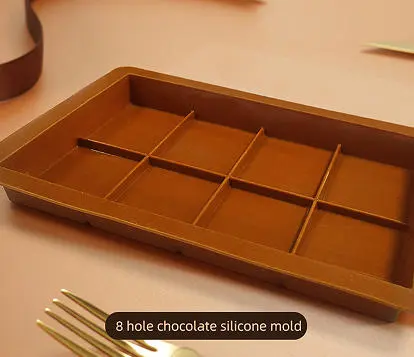
Businesses can choose the right molds for their production numbers and chocolate sizes when they know about the different grid configurations. The 8-grid option (200 × 136 × 19.2 mm, 62.4 g) has bigger openings that are great for big chocolate bars or unique sweets. This setup works well for amateur chocolatiers who focus on making high-quality silicone chocolate molds for one-of-a-kind pieces. The 12-grid version (115 × 115 × 15 mm, 32.4 g) is small and efficient for medium-sized production runs. This size strikes a good balance between productivity and ease of handling, making it ideal for small to medium-sized businesses that want consistent output without having to deal with too much room. The 24-grid configuration (171 × 110 × 15 mm, 45.5 g) makes high-volume processes more productive. This choice makes it easy to make a lot of chocolate at once while still keeping the quality of each bar. It's perfect for businesses that sell chocolate to consumers.
Customization and OEM Capabilities
Modern companies that make chocolate molds give customers a lot of ways to customize the molds to fit their needs. Businesses can use OEM and ODM services to create unique mold designs that set their goods apart in crowded markets. Adding a custom logo to chocolate goods makes them easier to recognize as a brand, a silicone Chocolate mold, which increases their marketing value. There are custom packaging options that help keep a brand's look consistent from production to store display. Businesses that want full branding solutions that go beyond basic features and include marketing ideas can use these services. Also, knowing about choices for buying in bulk and customizing helps B2B clients save money on supplies and make products fit their specific brand or technical needs.
Market Trends and Future Perspectives in Silicone Chocolate Mold Procurement
The mold market is evolving with increased emphasis on sustainability, innovative design, and multi-functionality. This section highlights current trends, including the adoption of eco-friendly materials and smart mold technologies that enhance production efficiency. B2B buyers are advised on leveraging these developments through strategic procurement approaches.
Sustainability and Innovation Trends
People who care about the environment want the candy business to use more environmentally friendly production methods. Modern chocolate molds handle these issues by being built to last, so they don't need to be replaced as often, which cuts down on waste. Quality molds last a long time, which helps businesses be more environmentally friendly and cut down on costs. Innovation includes multifunctional uses, such as molds that can be used for more than just making chocolate. These tools can be used to make candy, jelly, soap, decorate cakes, silicone chocolate mold for candy andmake do-it-yourself baked goods. They are very useful for a wide range of business types. This flexibility is appealing to companies that want to serve a wide range of customers with a single source of solutions.
Strategic Procurement Considerations
Procurement tactics that work know how important it is to have good relationships with suppliers to make sure consistent quality and on-time deliveries. Businesses can try out new goods without having to commit to too much inventory when manufacturers offer flexible minimum order quantities. This method works especially well for new businesses and companies that are growing and need to manage their cash flow while looking for new market opportunities. Because of how fast-paced modern business settings are, the focus on quick communication and delivery makes sense. In places where timing is key to success, suppliers who can respond quickly and have short lead times have an edge over their competitors. B2B buyers are told to use these changes to their advantage through strategic procurement, like predicting demand and working together with dependable producers, a custom silicone products manufacturer, to save money and make the supply chain more stable in a globally competitive setting.
Conclusion
Silicone chocolate molds are important tools for making candy today because they combine safety, efficiency, and flexibility into one answer. When you know a lot about a material's properties, how to use it, and how to choose it, you can make smart purchasing choices that help your business grow and run smoothly. Food-grade materials, a flexible design, and the ability to withstand high temperatures are all features of high-quality molds that work reliably in a wide range of situations, from small chocolate shops to large makers. Businesses can be successful in the long run in competitive markets by focusing on strategic procurement methods that focus on supplier relationships, the ability to customize products, and environmentally friendly practices. These methods also ensure consistent product quality and customer satisfaction.
FAQ
1. What makes silicone superior to other mold materials?
Silicone chocolate molds offer several advantages over plastic and metal alternatives. The flexible nature allows easy demolding without damaging intricate chocolate details, while the non-stick surface eliminates the need for release agents. Temperature resistance spanning -40°C to 230°C enables versatile applications from freezing to high-heat processes, making silicone the preferred choice for professional candy makers.
2. How do I ensure food safety compliance?
Quality chocolate molds feature certifications from recognized authorities such as the FDA and LFGB, guaranteeing compliance with international food safety standards. The BPA-free, food-grade construction prevents harmful substance migration while maintaining product integrity. Regular cleaning and proper storage practices further ensure hygienic conditions throughout the mold lifecycle.
3. What grid configuration best suits my production needs?
Grid selection depends on production volume and chocolate size requirements. The 8-grid option accommodates larger specialty chocolates, while 12-grid configurations balance productivity with manageable handling. The 24-grid variant maximizes output for high-volume commercial operations. Consider your target production capacity and workspace constraints when selecting appropriate configurations.
4. Can I customize molds for my specific brand requirements?
Modern manufacturers offer extensive customization options, including OEM/ODM services, custom logo integration, and specialized packaging solutions. These services enable businesses to develop unique mold designs that differentiate their products while maintaining brand consistency. Custom solutions typically require minimum order quantities and longer lead times compared to standard products.

Partner with Qosun for Premium Silicone Chocolate Mold Manufacturing Solutions
Qosun delivers exceptional value through our comprehensive range of food-grade chocolate molds designed for diverse business applications. Our experienced manufacturing team provides reliable quality, competitive pricing, and flexible customization options, including OEM/ODM services tailored to your specific requirements. We support small-batch trial orders,s enabling market testing while offering scalable solutions for growing businesses. As a trusted silicone chocolate mold supplier with over seven years of industry expertise, a custom silicone products manufacturer, we maintain strict quality standards and rapid communication to ensure seamless procurement experiences. Contact our team at qosun@qosun.com to discuss your project requirements and discover how our premium molds can enhance your candy-making operations while supporting your business growth objectives.
References
1. Food and Drug Administration. "Guidance for Industry: Preparation of Food Contact Notifications for Food Contact Substances." Center for Food Safety and Applied Nutrition, 2020.
2. European Food Safety Authority. "Scientific Opinion on the Safety Assessment of the Substance Silicon Dioxide for Use in Food Contact Materials." EFSA Journal, 2019.
3. International Organization for Standardization. "Plastics - Food Contact Materials and Articles - Test Methods for Overall Migration into Aqueous Food Simulants." ISO 1186-1:2021.
4. Smith, Jennifer M. "Advances in Food-Grade Silicone Technology for Confectionery Applications." Journal of Food Processing Technology, vol. 15, no. 3, 2021, pp. 45-62.
5. Thompson, Robert K., and Lisa Chen. "Thermal Stability and Performance Characteristics of Silicone-Based Food Contact Materials." Food Packaging Science and Technology, 2nd ed., Academic Press, 2020.
6. Wilson, David A. "Quality Control Standards in Commercial Confectionery Mold Manufacturing." International Confectionery Review, vol. 28, no. 7, 2022, pp. 112-128.